More info on this project can be found here:
Posts Tagged ‘small buildings’
Fair Companies visits deedsdesign
Posted in Design Projects, tagged green, landscape, paint, painted plywood, passive solar, rainscreen, redwood, salvaged, small buildings, video on April 10, 2012| 2 Comments »
Replacing a Huge Deck with a Small Deck and a Big Yard in Oakland
Posted in Design Projects, tagged deck, landscape, Oakland, small buildings, value on March 10, 2012| 1 Comment »
This was a collaboration with Matt Hornby Garden Design and Construction.
It wasn’t hard to improve upon the existing decks and yard, but the budget was a challenge.
These are before photos of the deck and yard:
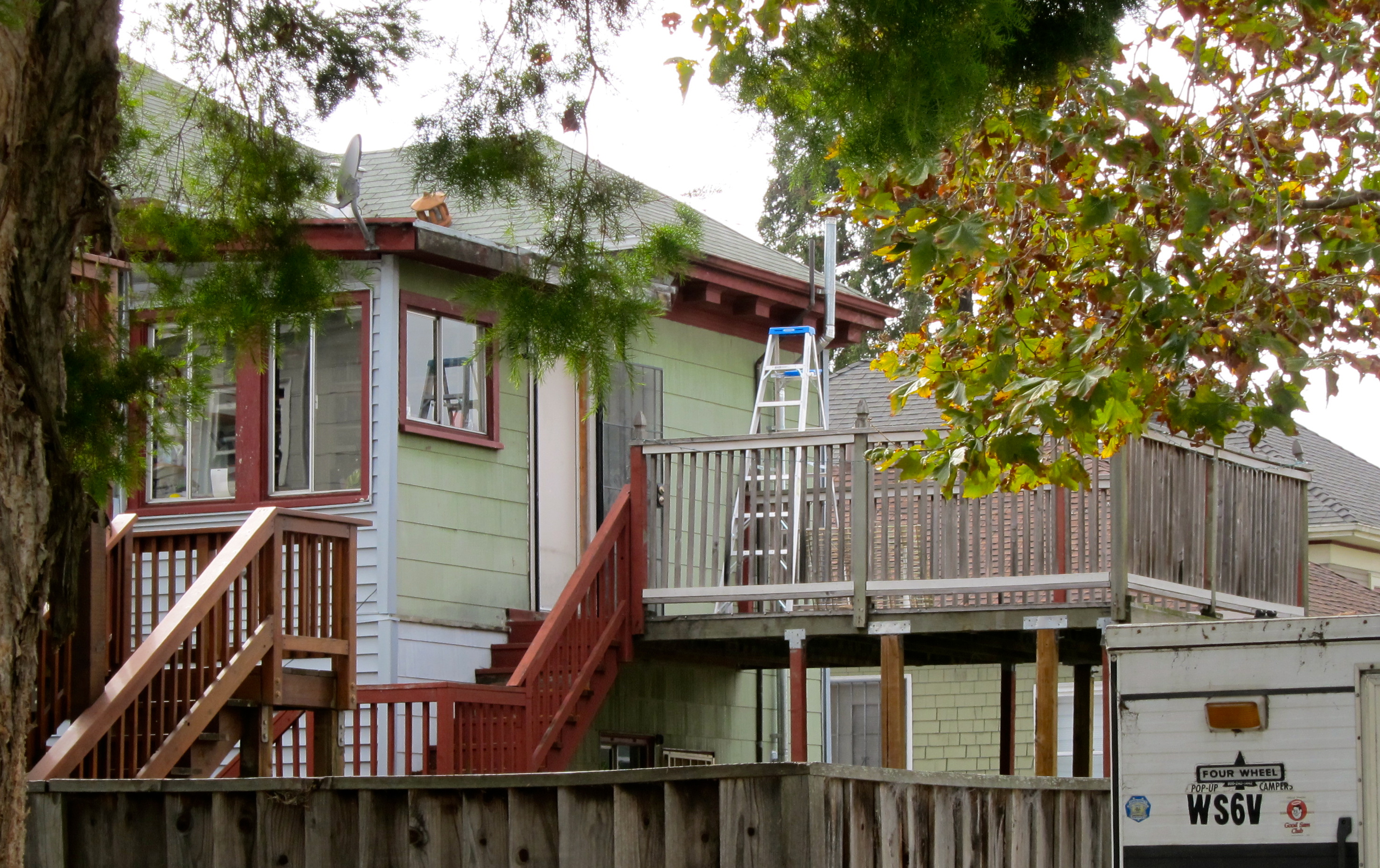
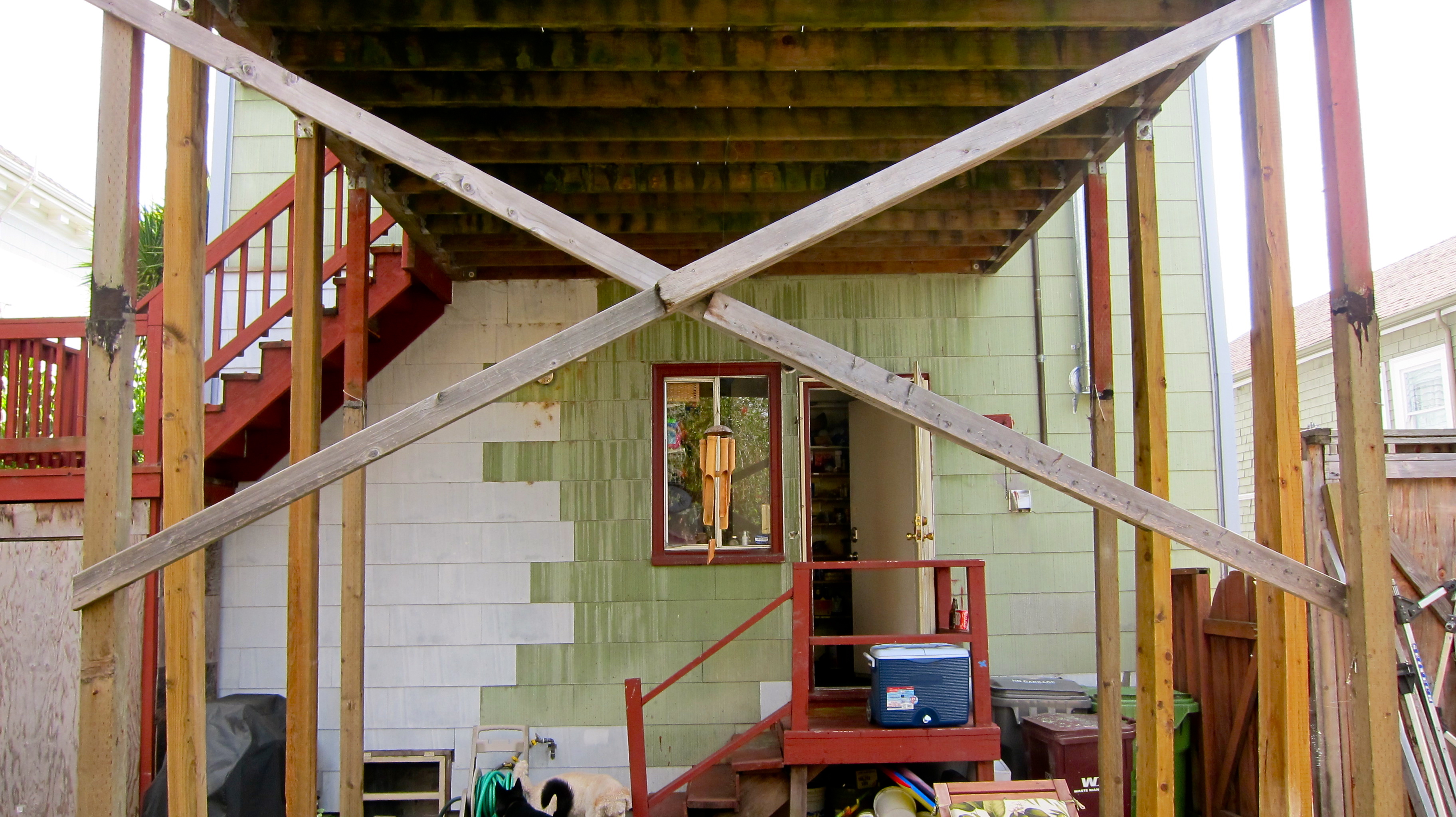
This huge deck on the second floor didn’t even have real footings!
So the idea was to make the upper deck just big enough for a couple to sit and enjoy the evening, and to make a nice big lower level deck. the structure supporting the upper deck and the upper deck itself will help to create zones for different sorts of outdoor living. There is also a patio and a lot of garden that doesn’t appear in the sketch model.

sketchup model of the multi-layered landscape design
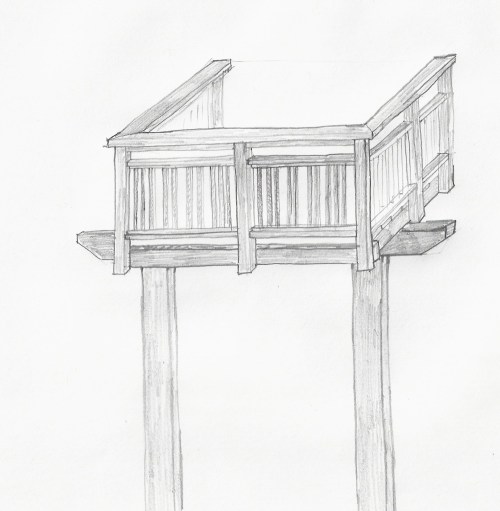
railing sketch
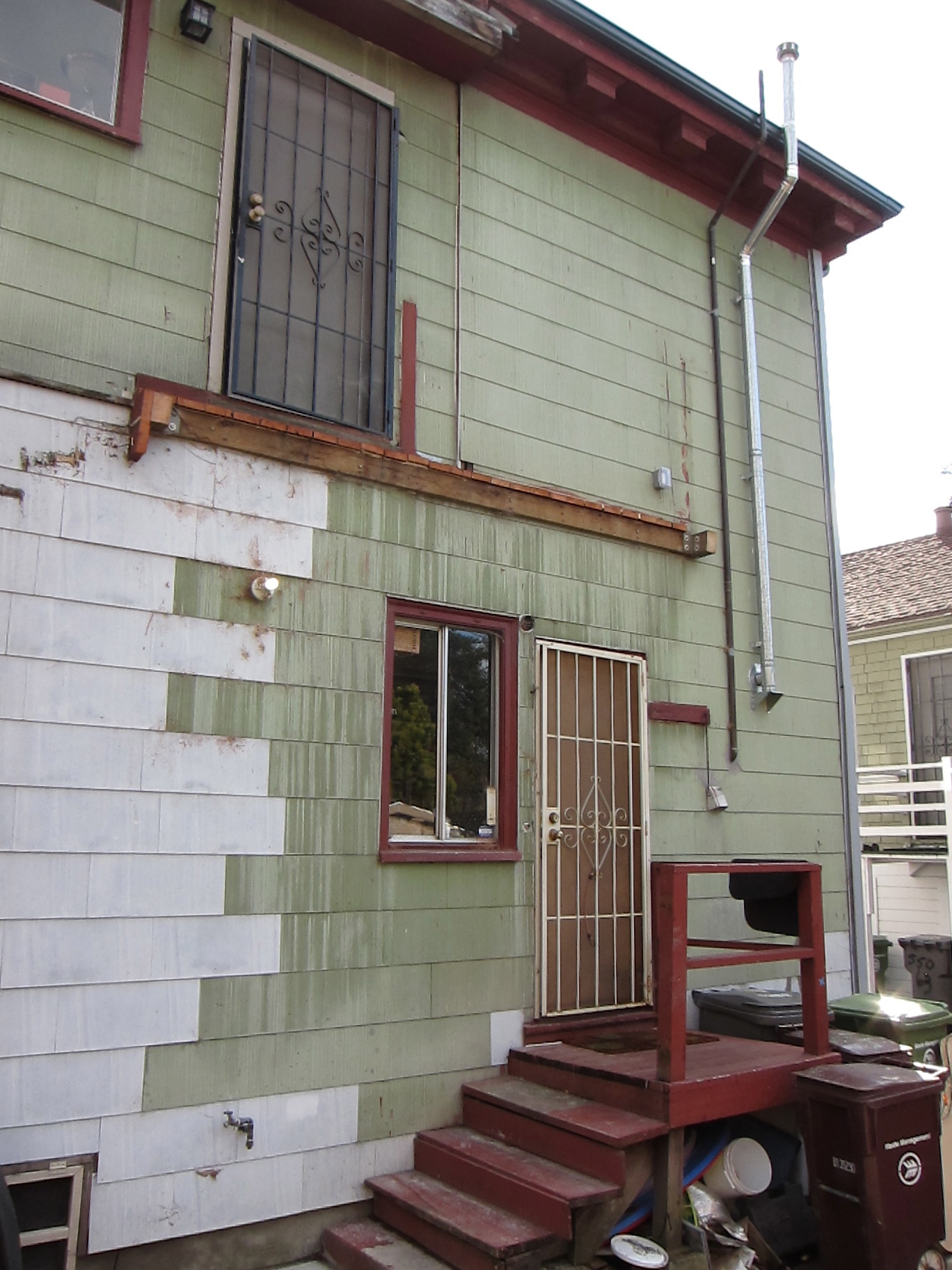
Deck gone!
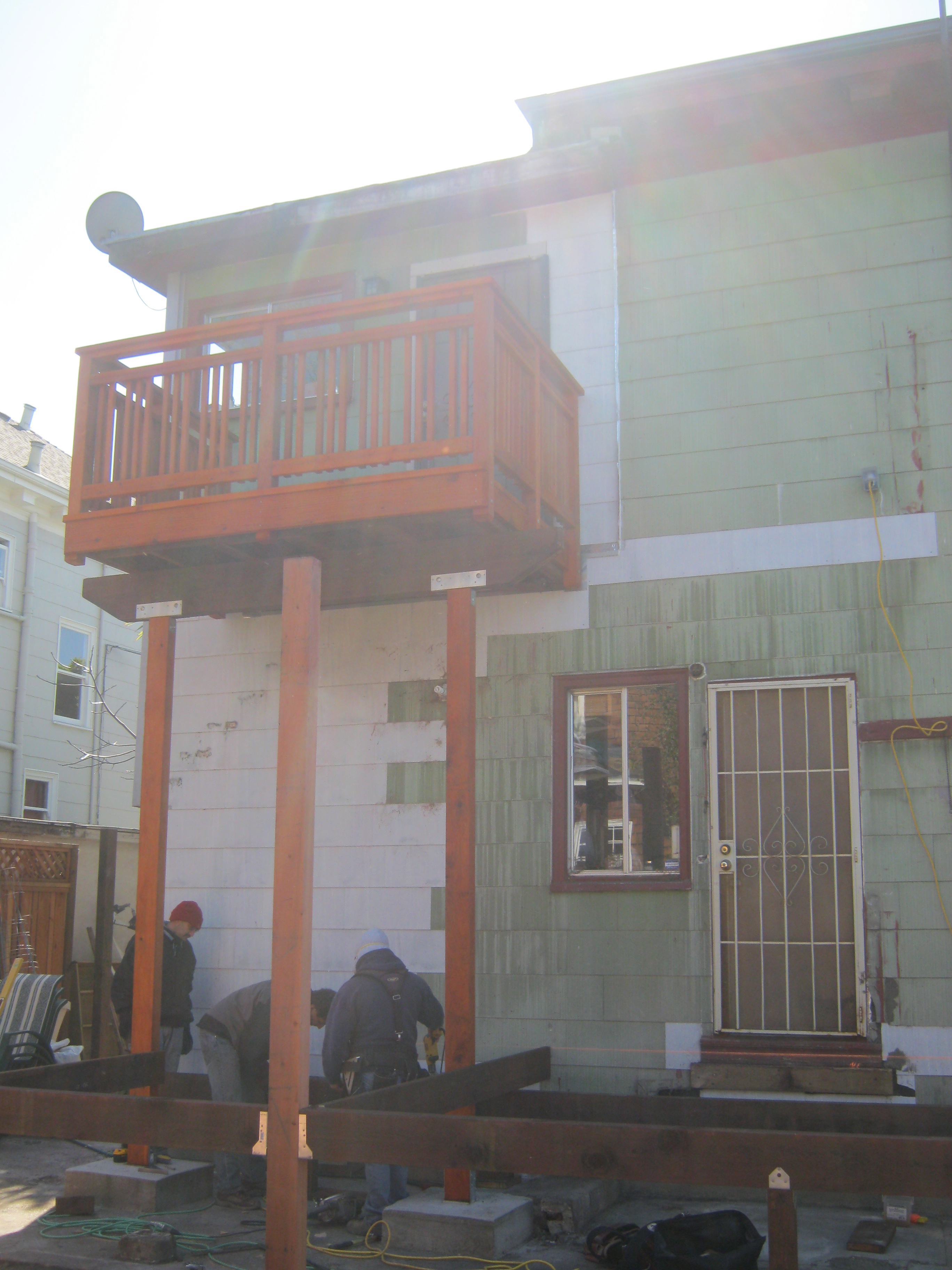
The middle post is actually not connected to the deck. It is for a pergola that will attach to the deck.
Now I’ll have to go back and visit to get some more photos of the finished project.
Simple Life in a 12’x12′ House in Northern California
Posted in Found Objects, tagged small buildings on January 20, 2012| Leave a Comment »
I enjoyed watching this video of life in a 12’x12′ cabin with no hot water, electricity, internet, and heated by fireplace. In exchange for giving up these modern amenities, the occupants get peace, quiet and a simple life. Not a life for everyone, but perhaps we all can take something from this example. The cabin itself is also very well designed and built.
Publicity for the Small Studio!
Posted in Design Projects, Found Objects, Information, tagged Berkeley, small buildings on January 15, 2012| 2 Comments »
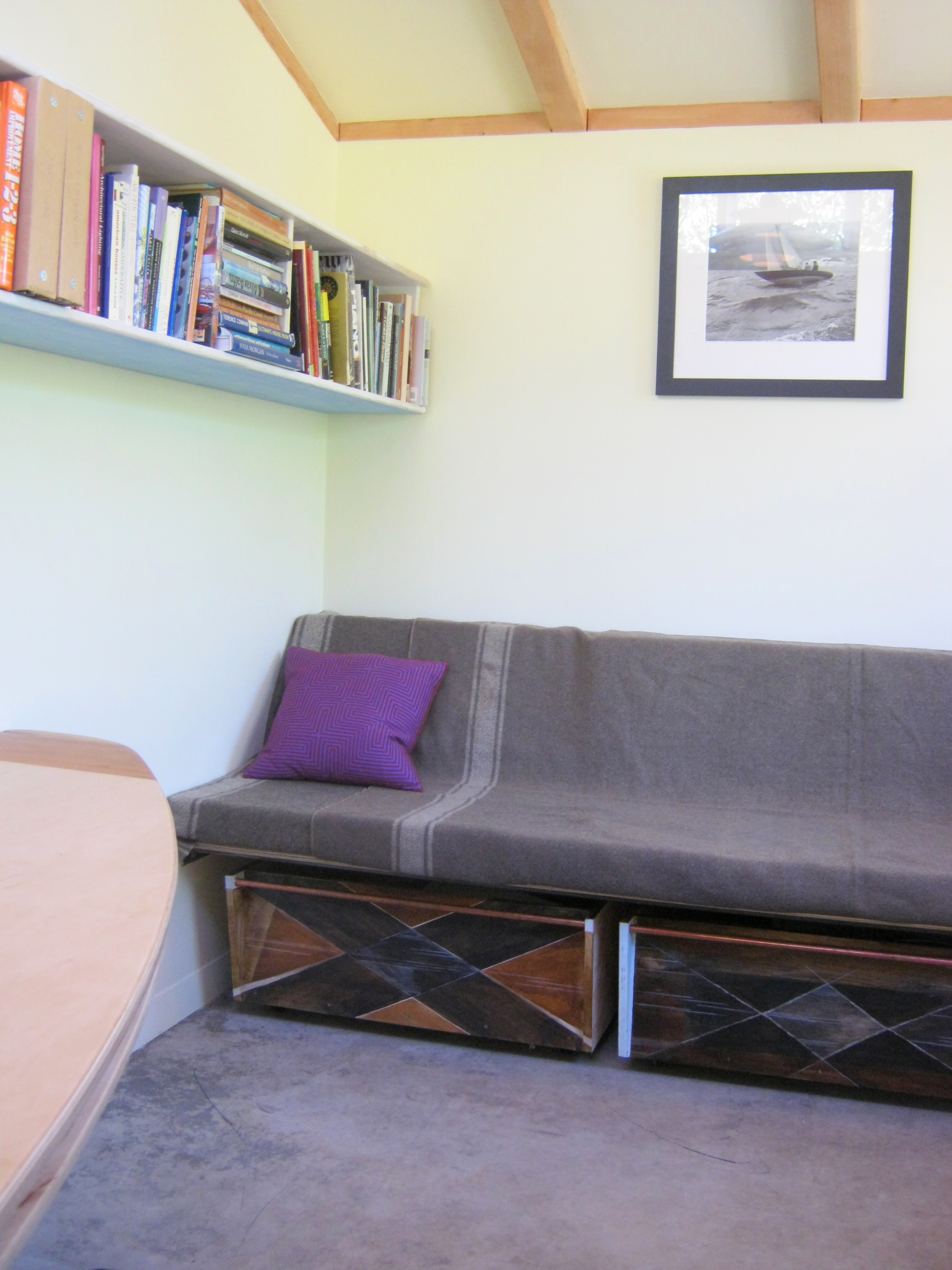
The internet seems to like our small studio. I have found many repostings of Lenny’s photos, and commentary about the little studio. Most of them seem to have just nabbed and revised slightly the written content from Dwell or the Washington Post, but here are a few that are more original:
House Vote has also posted a few other photos of my projects:
Yesterday Kirsten Dirksen and Nicolas Boullosa came all the way from Barcelona to make a video about the studio. I eagerly and nervously await my and John’s debut as movie stars on faircompanies.com.
Winner of the 2010 Solar Decathalon Europe
Posted in Found Objects, tagged green, high tech, small buildings, solar electricity on October 27, 2011| Leave a Comment »
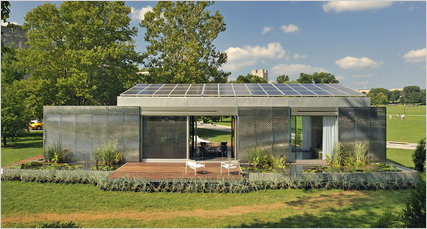
Lumenhaus -- photo by Jim Stroup, Virginia Tech
More photos and information can be found on Lumenhaus.com , Treehugger, and, in the NY Times, this review of the project.
Except for the slightly odd beams that stick out to support the opened sliding screens (see some of the other photos at links above) the design of this experimental and technologically advanced house is quite elegant. The basic idea is to use technology to allow a glass house to be comfortable and energy efficient in all seasons…and to take this a few steps further to enhance quality of life in the house with these same features.
It has been criticized as too techy and too expensive to be marketable, which might be valid, and with almost all glass on the north and South walls, its needs a big suburban or country lot for privacy. (It currently resides next to the famous Farnsworth House (Mies Van Der Rohe) in Plano, Illinos.)
The concept of having stackable modules, so that the house can expand and contract as the family does, would change the real estate profession. The ease of adding and subtracting modules would be an important factor in whether it would be worth the hassle of removing part of your house and selling it to a neighbor.
Be sure to check out the adjustable perforated shade screens that can become more or less opaque depending on the temperature inside. These screens are a much simplified version of Jean Nouvell’s beautiful screens on the Institut du Monde Arabe, Paris
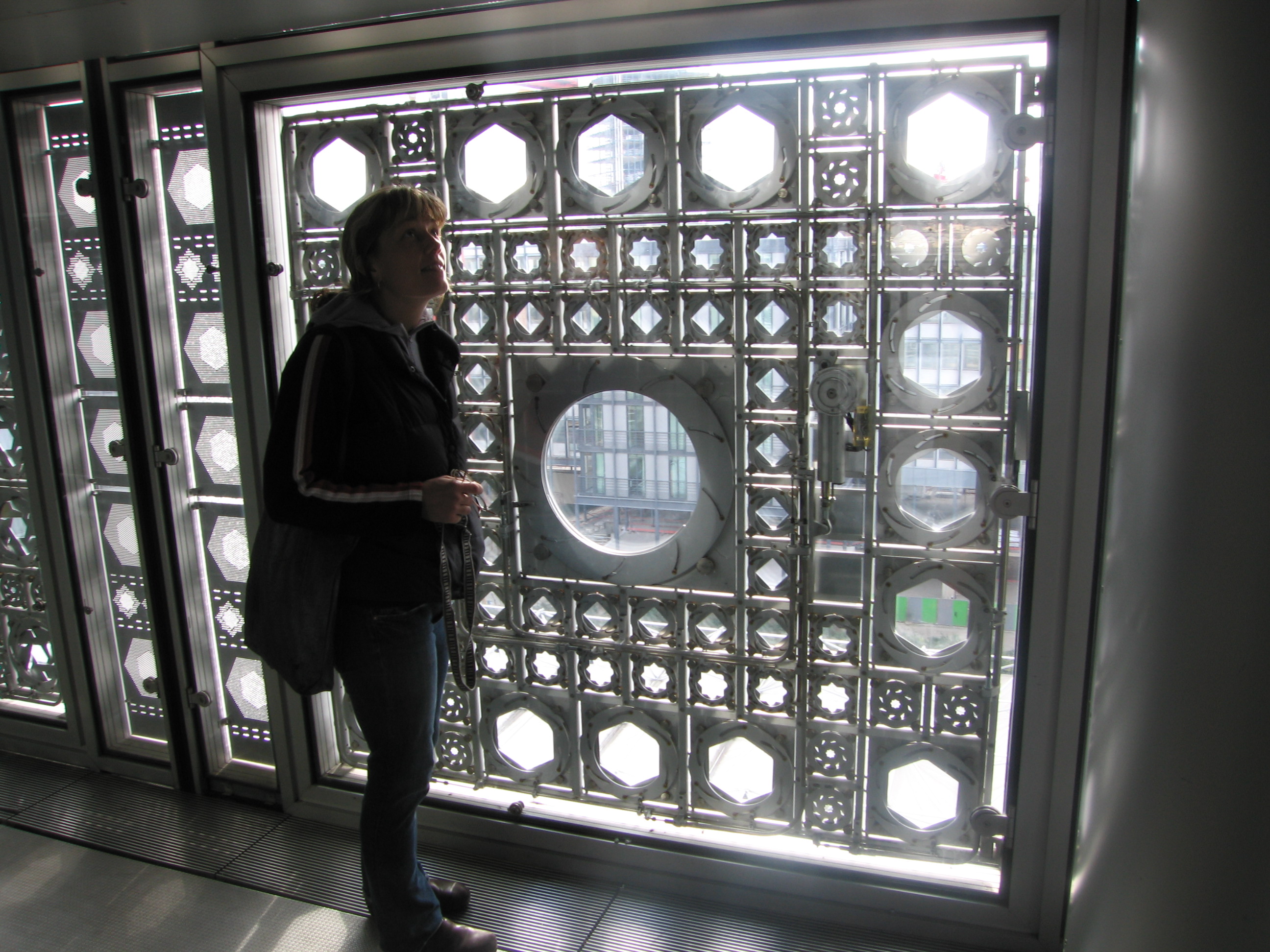
This is a picture of me inside Jean Nouvel's Institute Du Monde Arab (photo by Amanda Soskin)
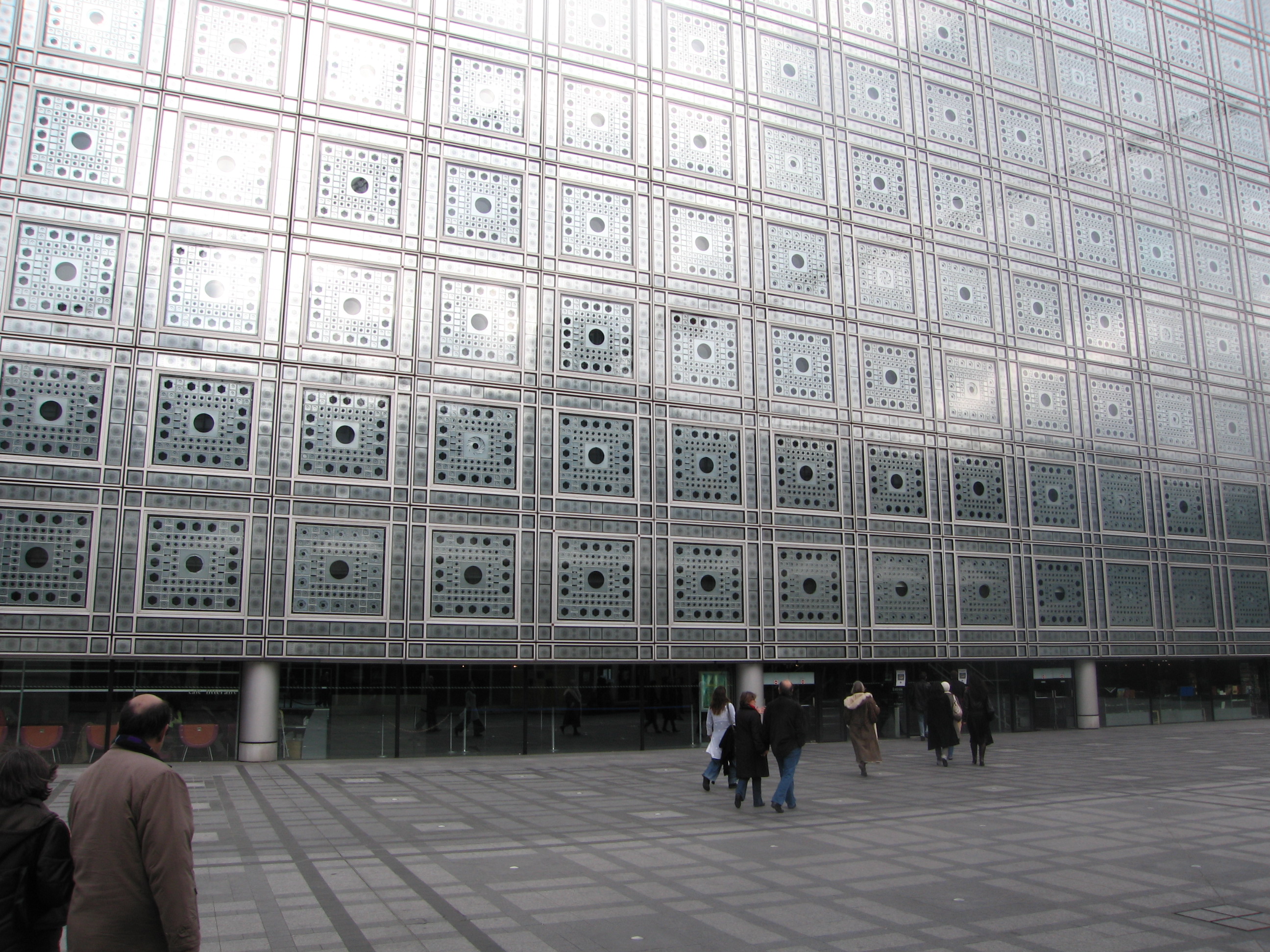
Exterior Institut Du Monde Arabe, Paris
Warren Place: cottages for working men
Posted in Found Objects, tagged garden, historical styles, landscape, New York, planning, small buildings on October 25, 2011| Leave a Comment »
These small brick row houses face a lush gated courtyard perpendicular to the public street and each also has access to an alley on the back side. It is similar to this project in Berkeley, but minus the driveway through the middle….which makes a big difference. 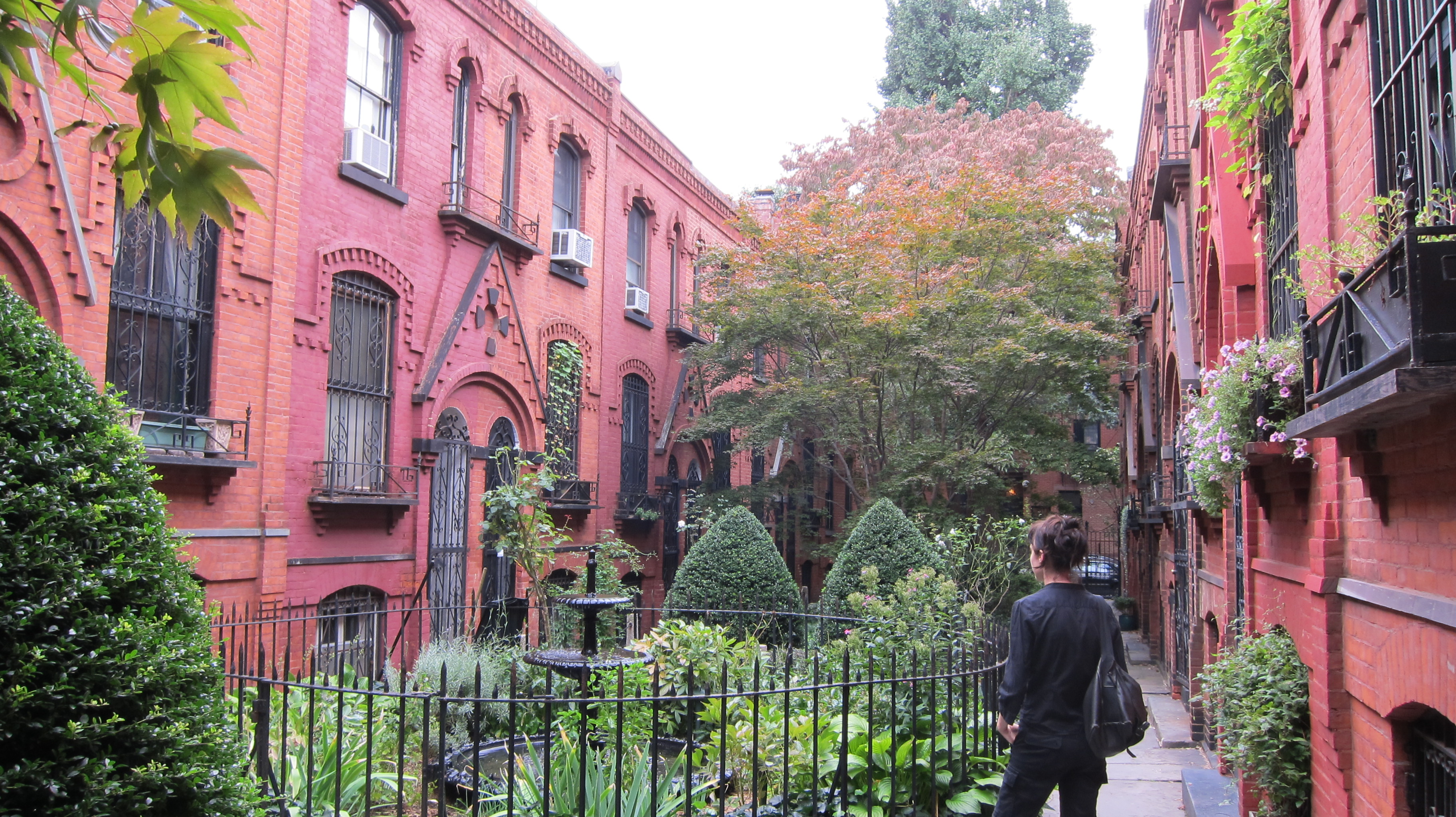
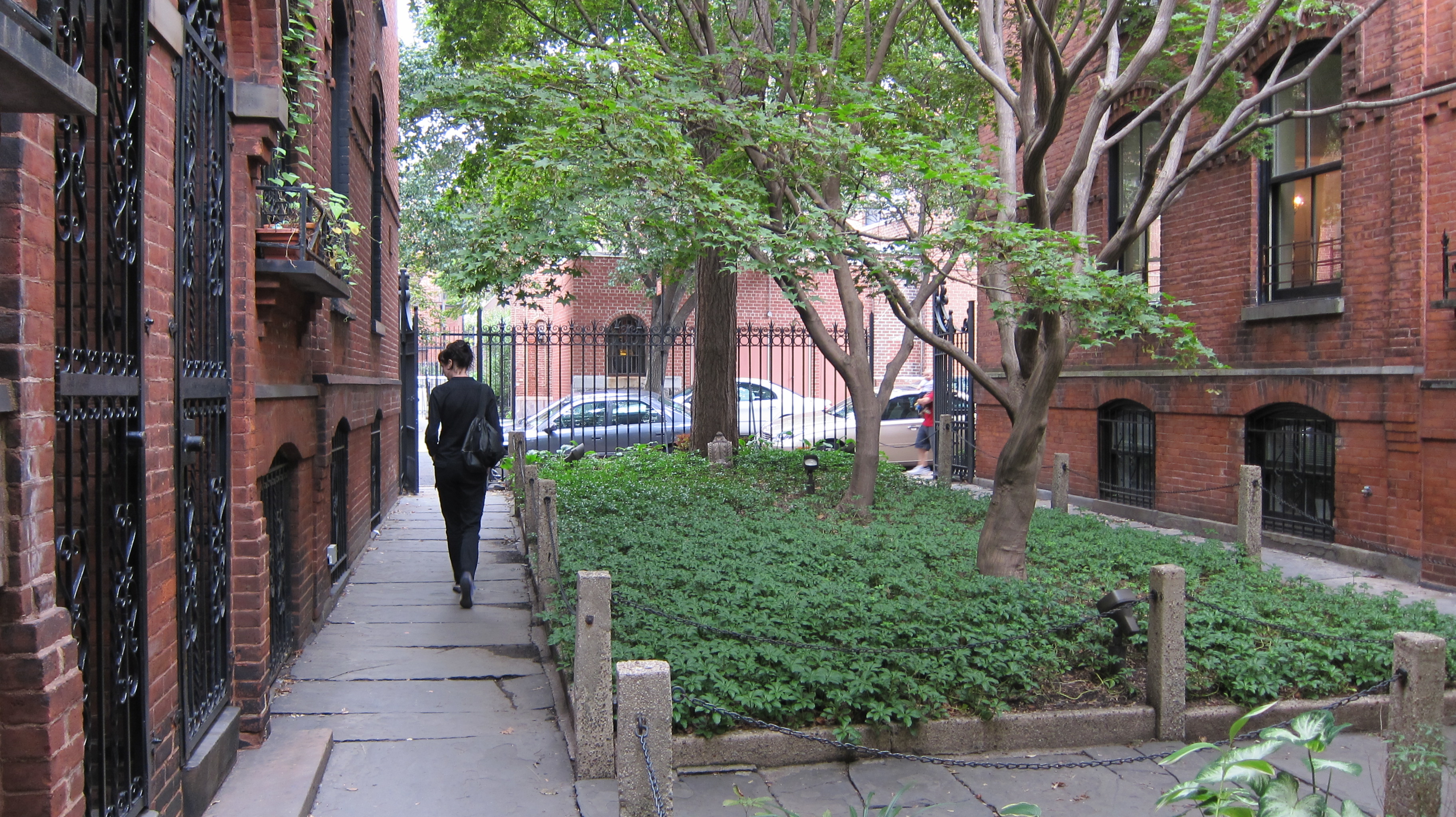
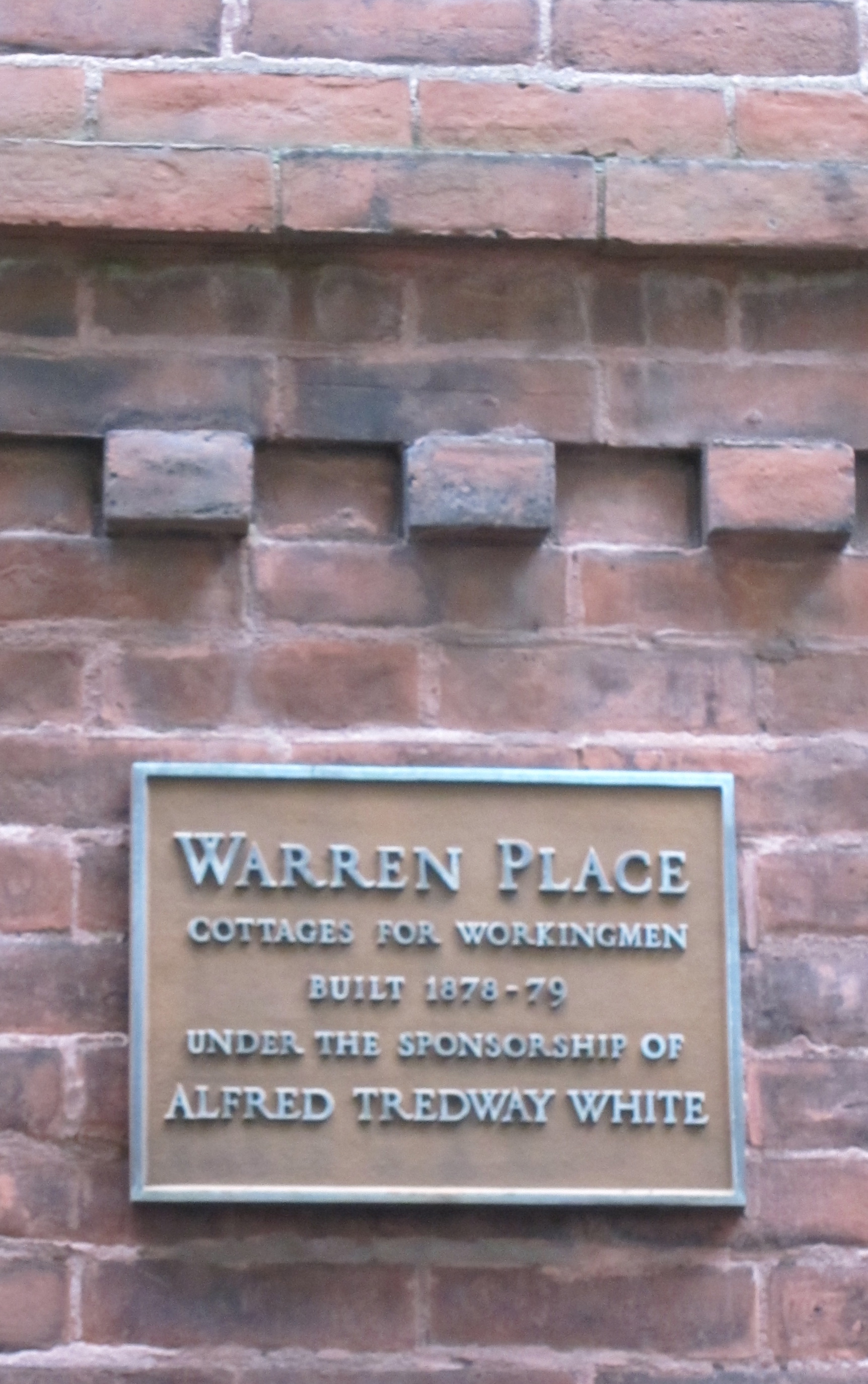
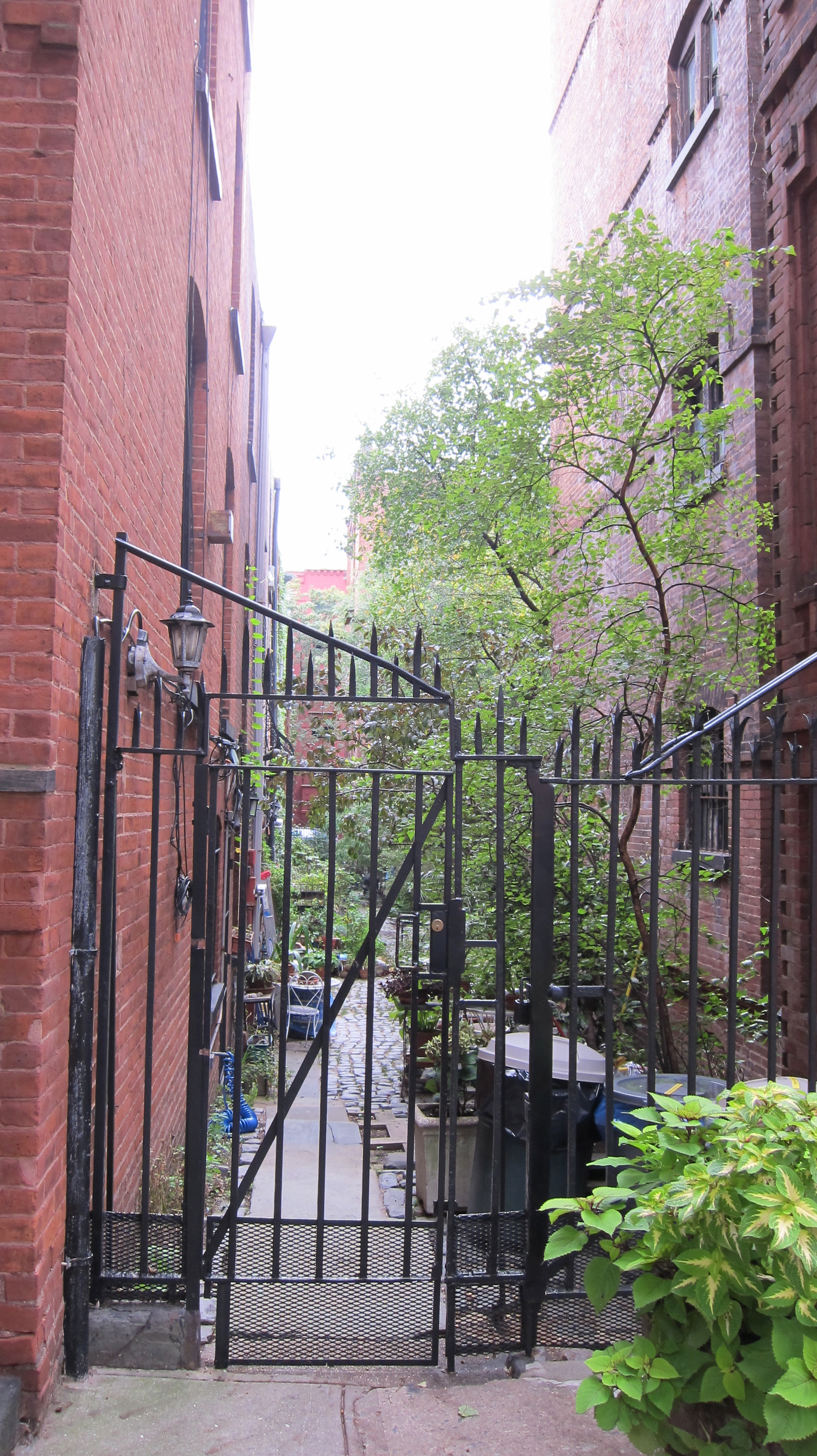
gate to the back alley
Black and White Burgee for Fall 2011
Posted in Design Projects, tagged Berkeley, burgee, color, patterns, small buildings on October 7, 2011| 2 Comments »
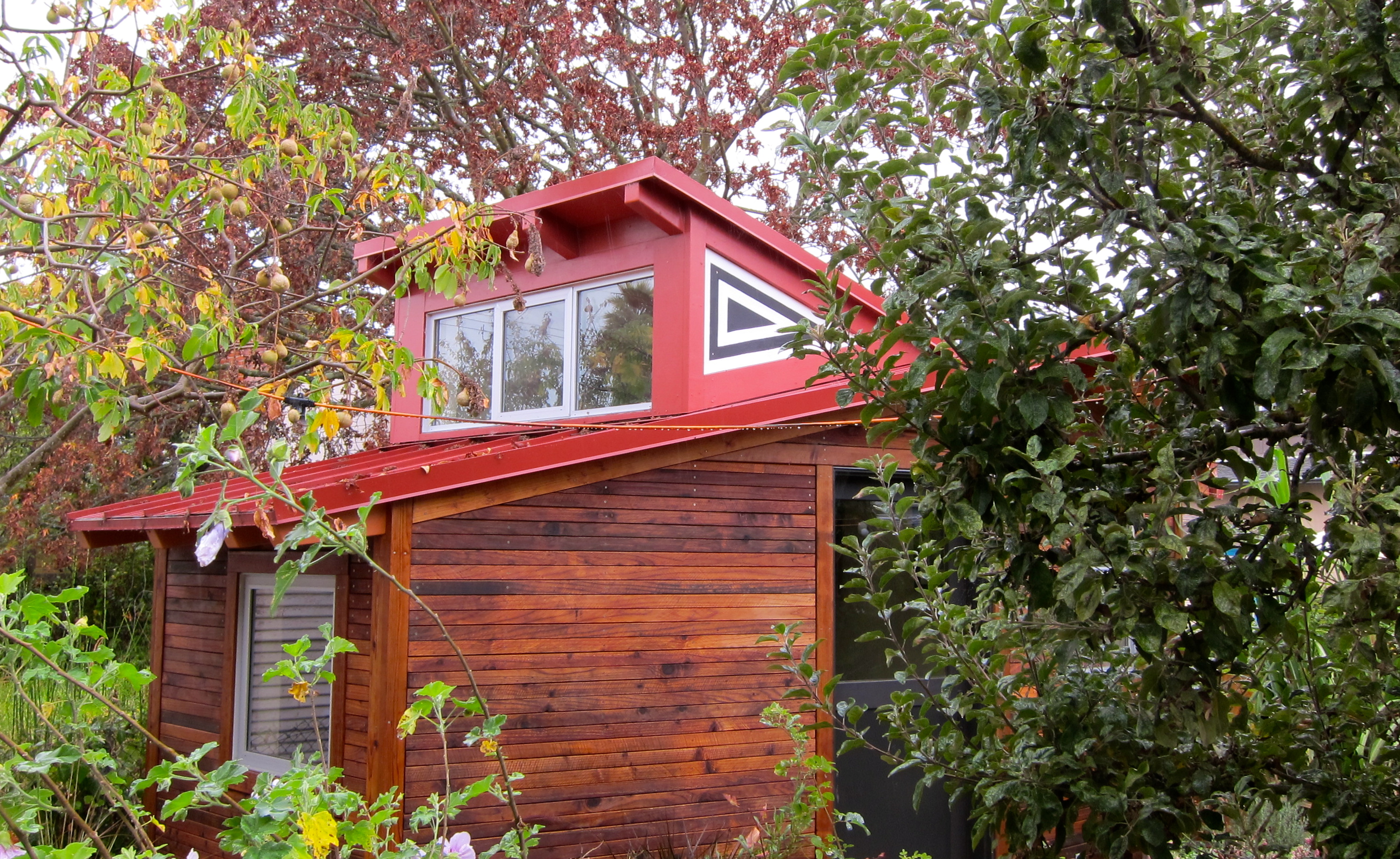 We installed a new black and white burgee on the little studio this weekend. It looks pretty sharp!
Neighborly Apartments in Berkeley with a Long North-South Garden between
Posted in Found Objects, tagged Berkeley, garden, historical styles, landscape, passive solar, small buildings on September 1, 2011| Leave a Comment »
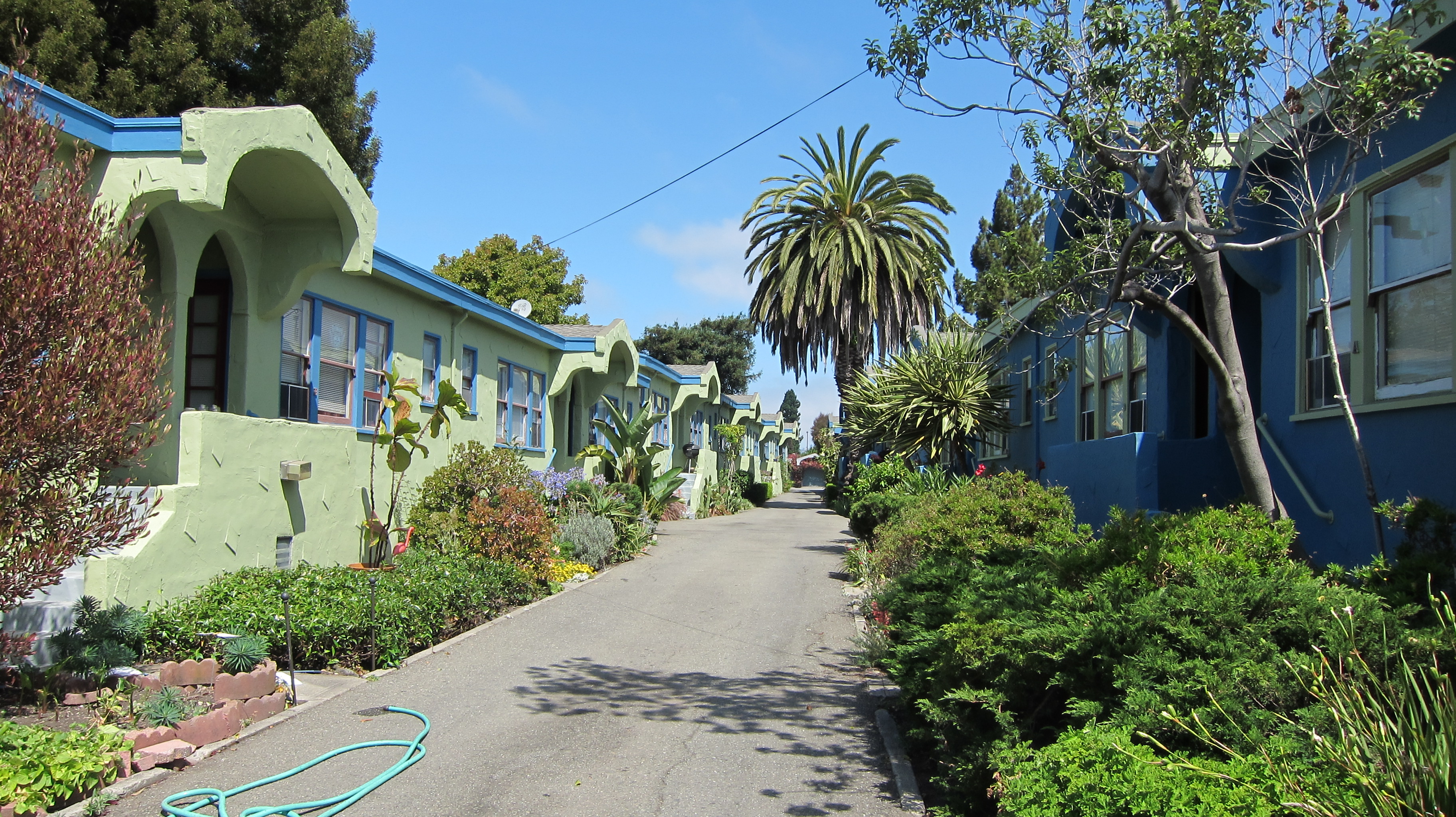 This 20 unit apartment complex is layed out in two rows facing each other with a north-south lane down the middle. This way sunshine permeates the entire complex and allows for lovely gardens in front of every unit. It seems like a very sociable design with all the front porches lined up facing each other. It would be even better if they could eliminate regular vehicular traffic down the lane and provide access to the parking lot at the end from the other side. At least the cars are out of sight. I suppose privacy might be an issue at times with all of your neighbors easily able to see who comes and goes…but this is also a good safety feature.
My new model making apprentice…and client
Posted in Design Projects, tagged small buildings on August 8, 2011| 1 Comment »
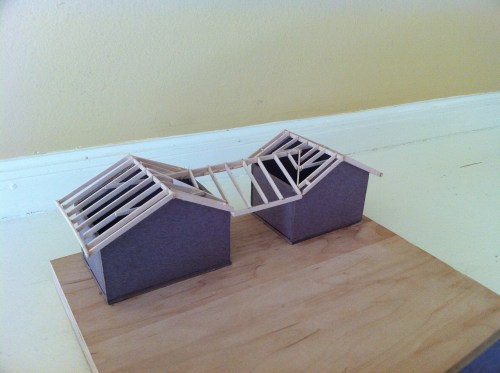
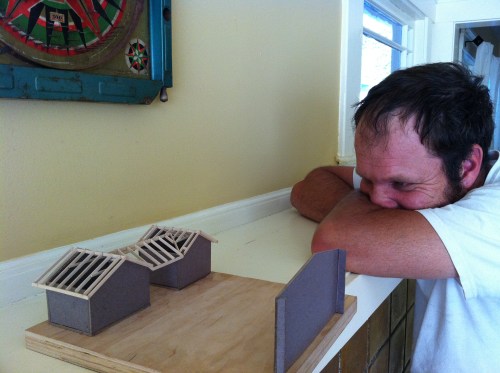
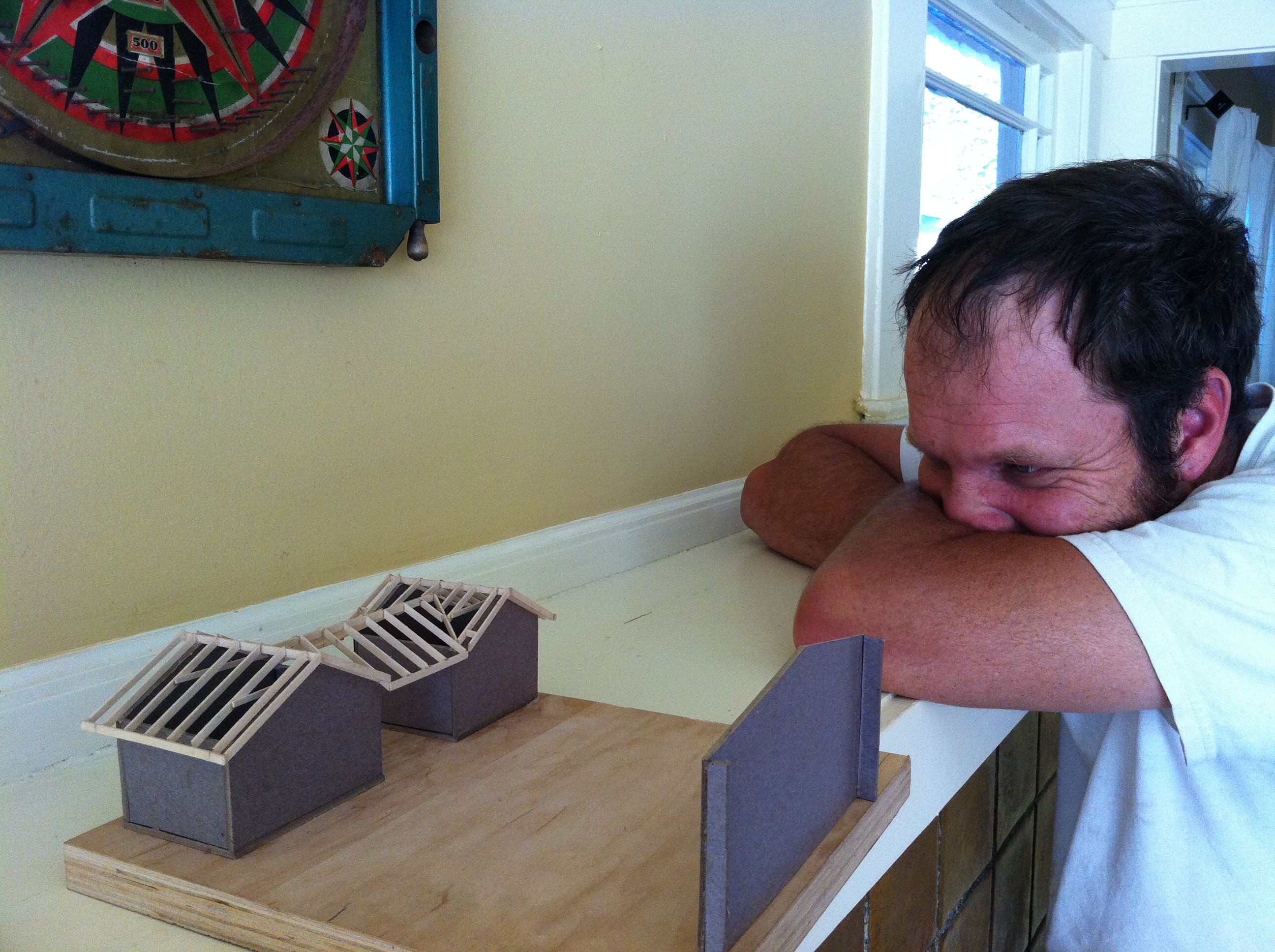
My old friend Matt Hornby (Landscape architect, garden designer/builder, & stone mason,) and I are collaborating on the design of a little garden building at back of his yard. Matt built the model himself.
Its going to be nice!
The Perfect Spot for a Porthole Window
Posted in Found Objects, tagged buildings on the water, doorways, holes, landscape, porthole window, round window, small buildings on June 21, 2011| 5 Comments »
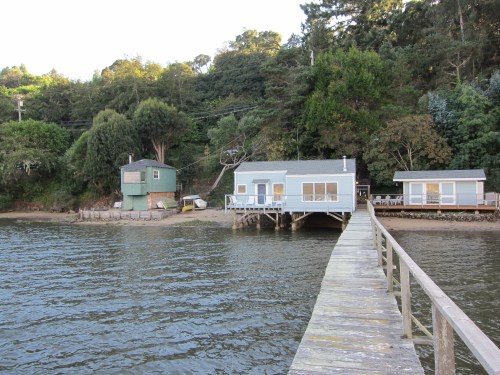
long dock and little house on Tomales Bay
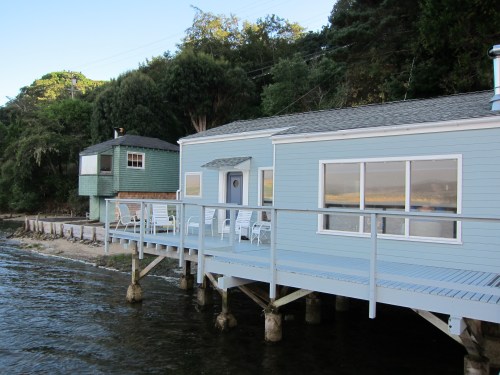
water side of Tomales Bay house
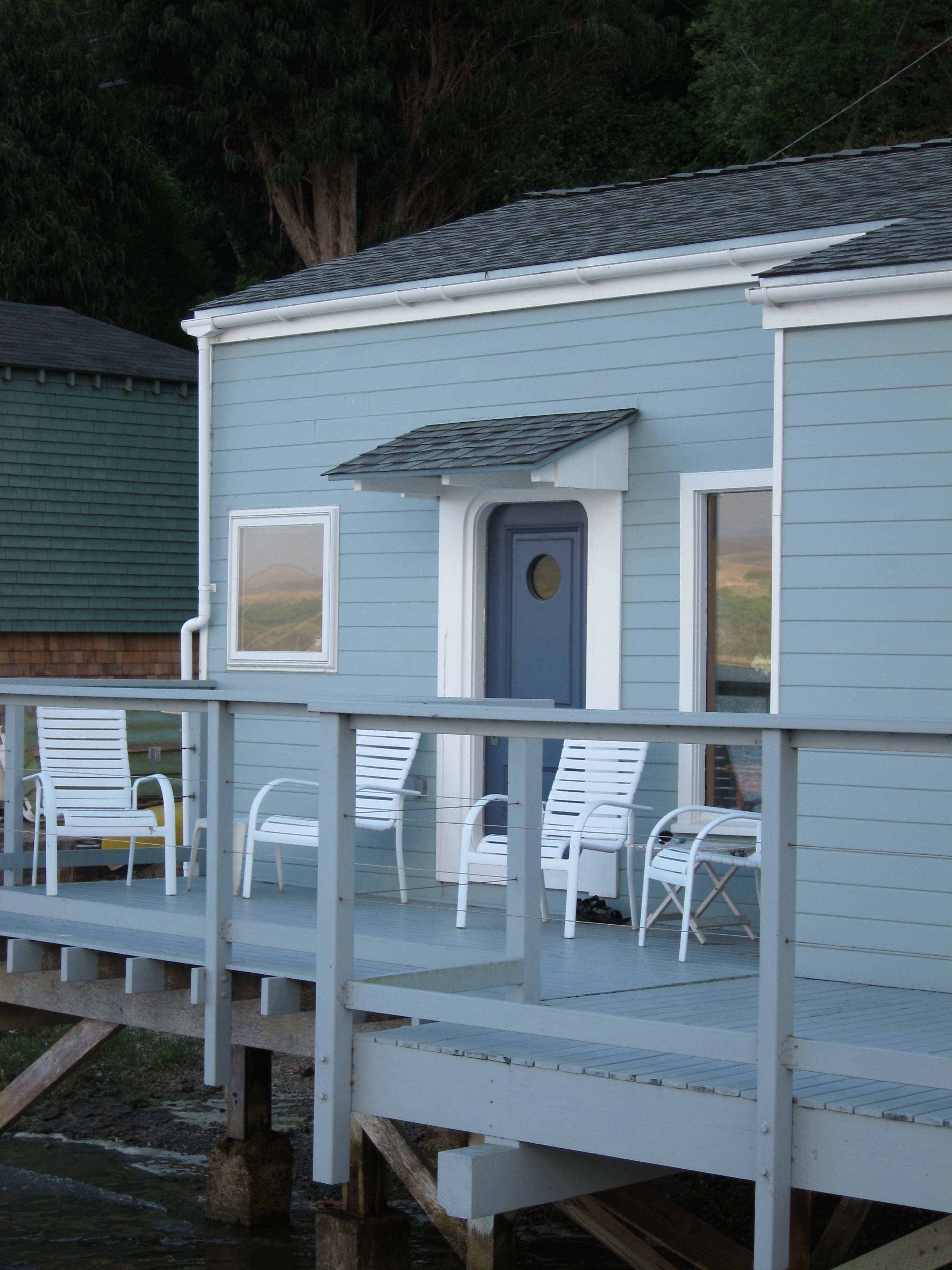
door with porthole
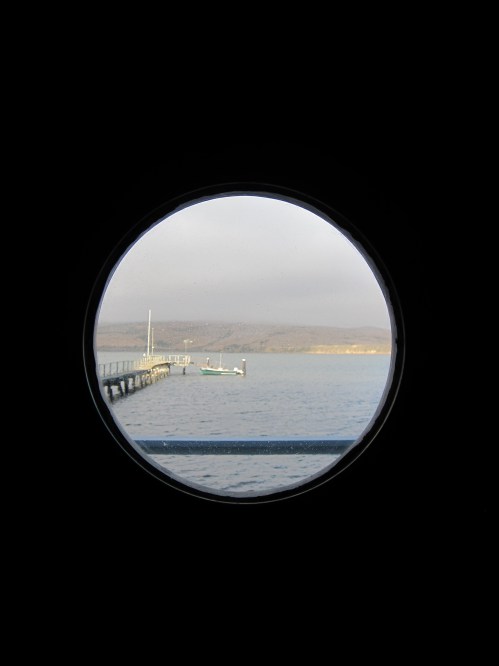
view through porthole 1
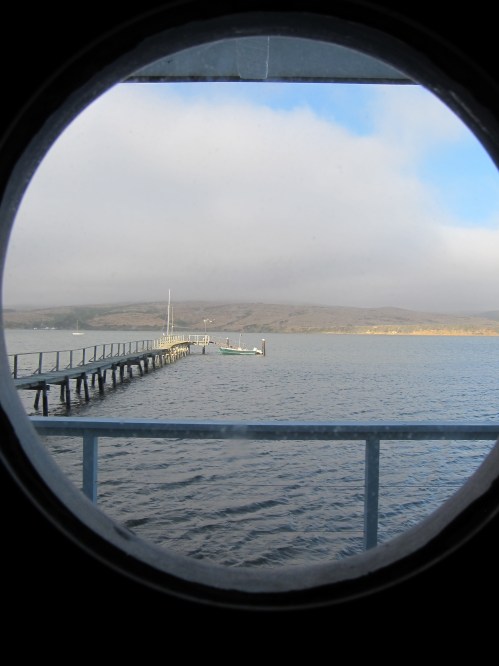
view through porthole 2
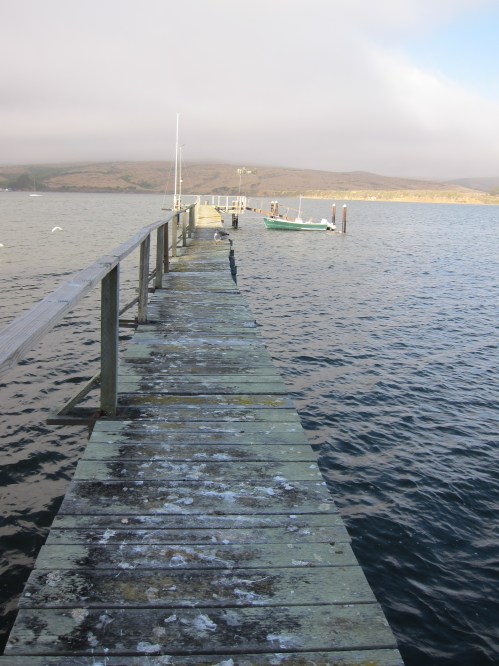
Seattle Architecture Tour, The Whidbey Institute, and Clam and Mussel Digging
Posted in Found Objects, tagged acoustics, cabin, clam digging, color, concrete, Library, porches, Rem Koolhas, rustic, small buildings, timber frame, tiny trailer home, utilitarian, wood, yellow on May 26, 2011| Leave a Comment »
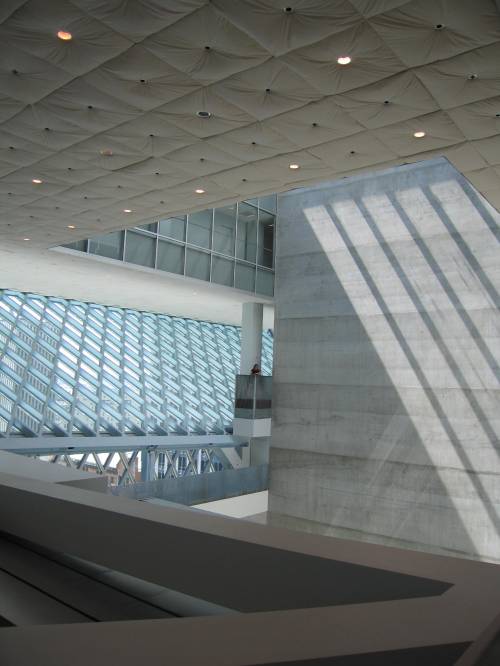
I just returned from a field trip to Seattle, Washington. We visited one of my favorite buildings of all time, The Seattle Main Public Library by Rem Koolhas, to see how it is holding up. It is now 7 years old and still looks great. Very raw and utilitarian…but nicely detailed to be comfortable and functional too. This building makes me realize that it is sometimes worth the effort to stick to your guns and convince the client to do something really different. There is nothing conventional about this building.
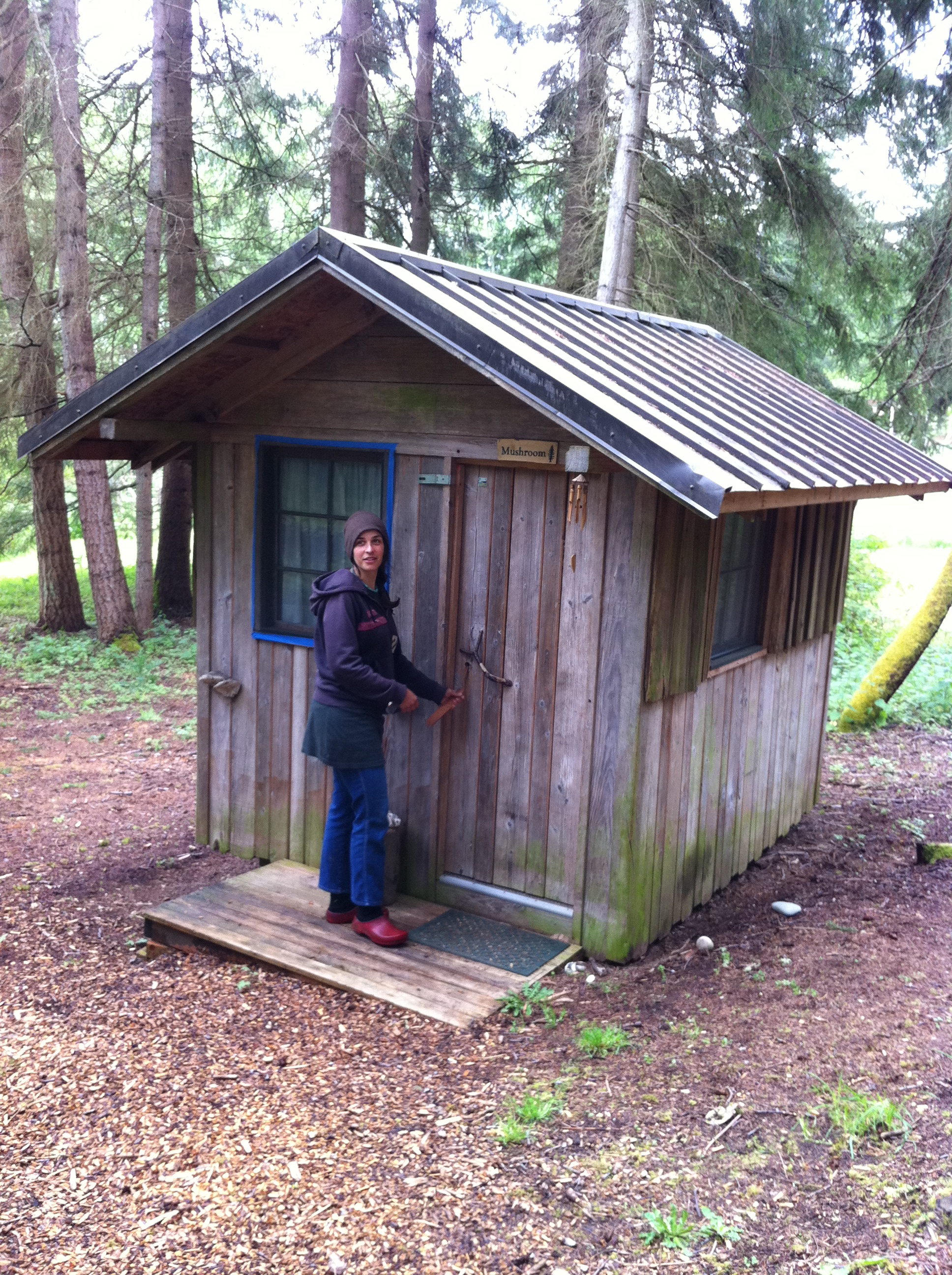
We also visited Ellie Sherman at the Whidbey Institute.
She lives in a tiny cabin – about 7’x8′.
It is very cozy inside. I wish I had a photo. There is something really nice about bedrooms just barely big enough for a bed, some clothes, and some books.
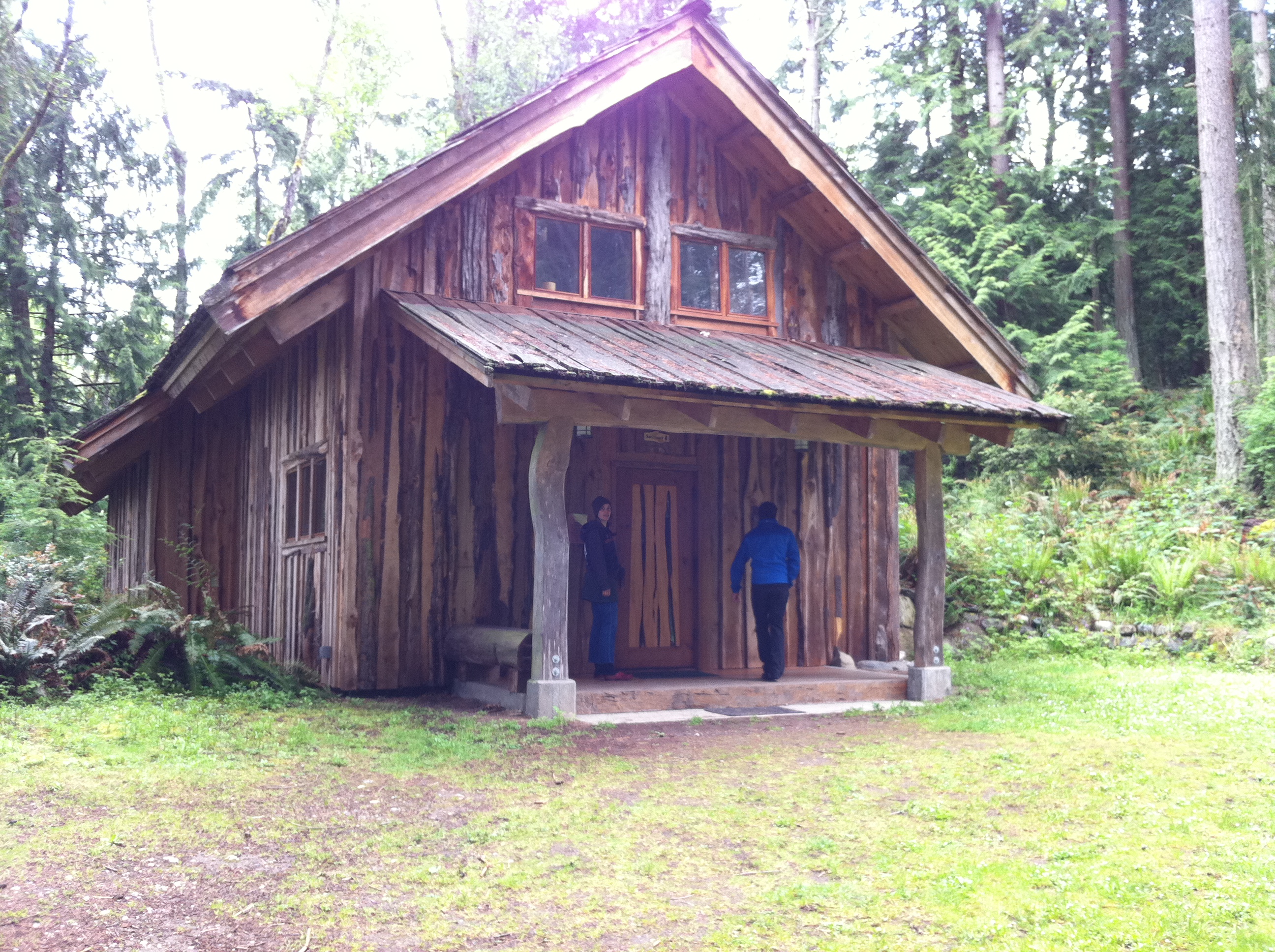
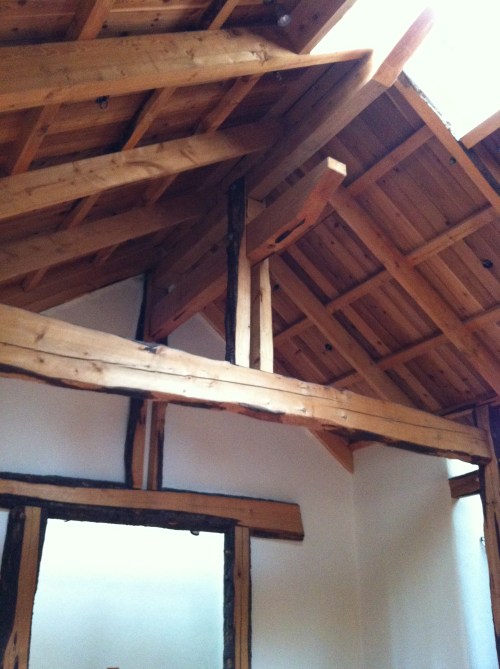
The Sanctuary is another nice building at the Whidbey Institute:
Also, on Whidbey Island, we collected a feast of clams and mussels.


We had a good local guide who shared his secret mussel patch with us.

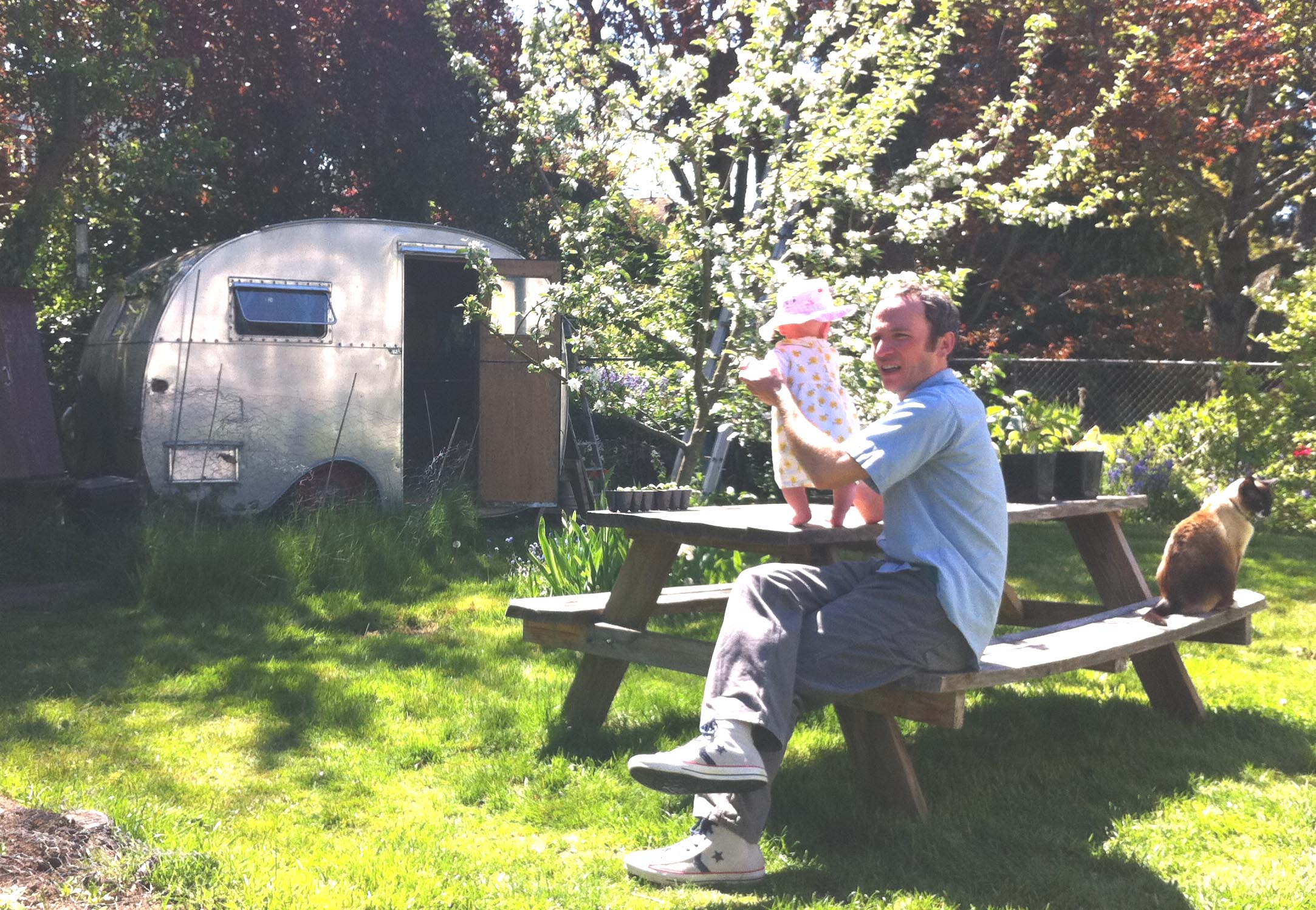
When we returned, I took a nap in my friend Jason’s tiny retreat on wheels, only slightly bigger than Ellie’s cabin, but it contains a bed, and table for two, and a kitchenette. (you can see it here in the background behind Jason and Rosalina)
And then we cooked clams in Tofty’s yellow kitchen
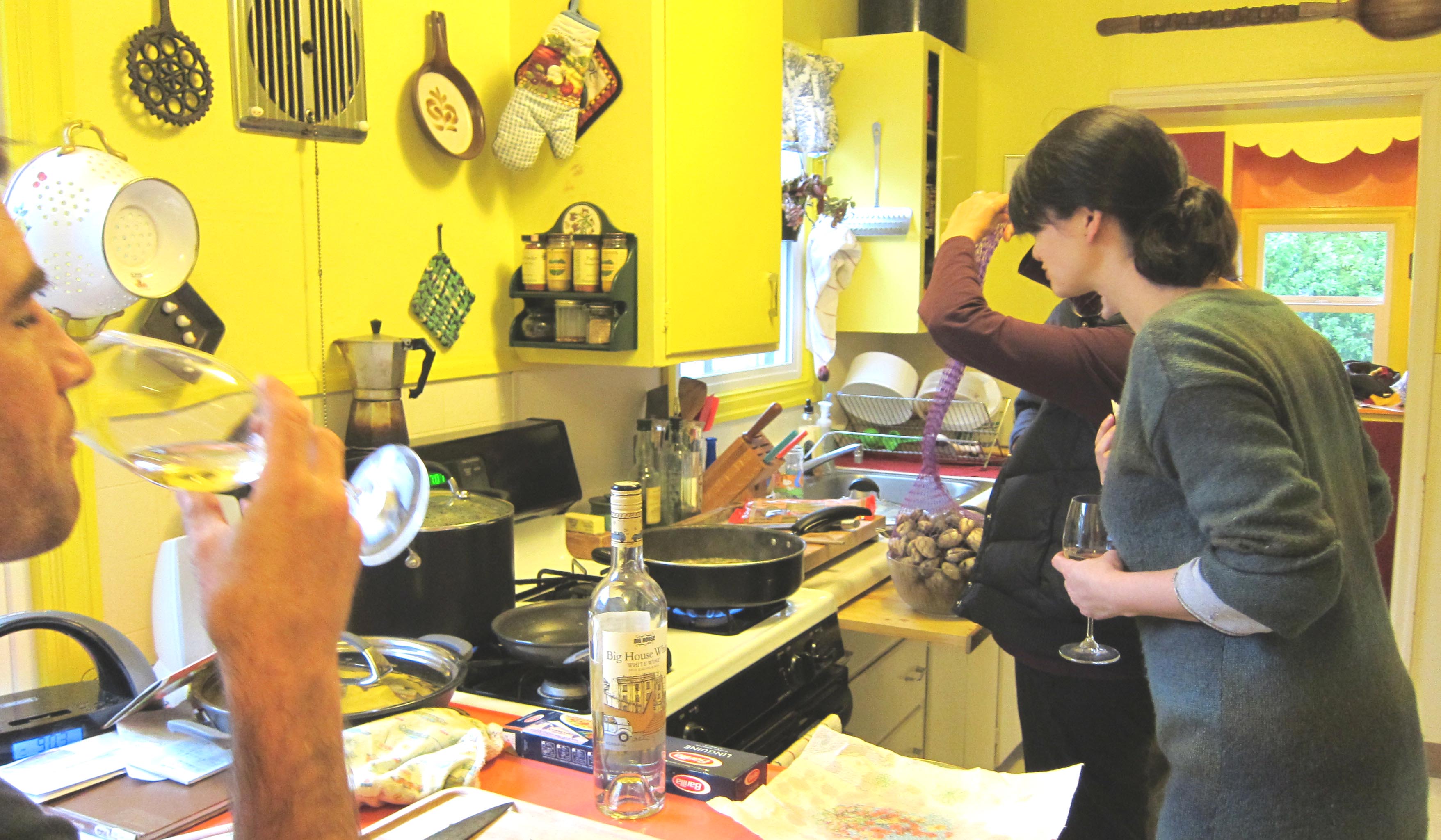
John sips wine while Jody and Vina tend to the clam sauce
A Small Addition Behind a Bungalow in Berkeley, California
Posted in Design Projects, tagged alternating tread stair, Berkeley, children, color, copper, copper pipe, houses, interiors, kitchen, lapeyre stair, lighting design, Lofts, passive solar, small buildings, small spaces on April 9, 2011| 2 Comments »
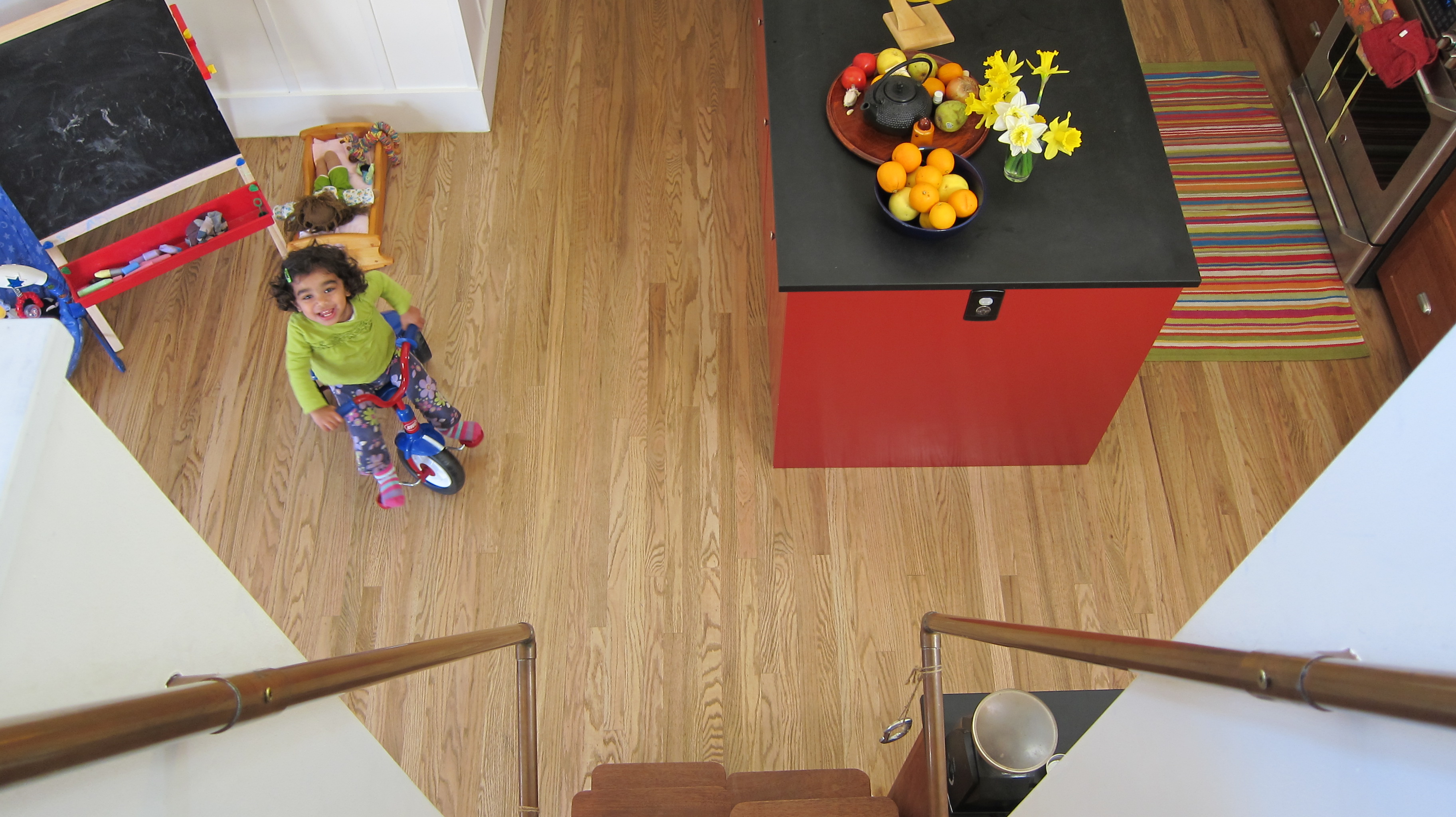
Last week Akhila gave me a tricycle tour of her crib.
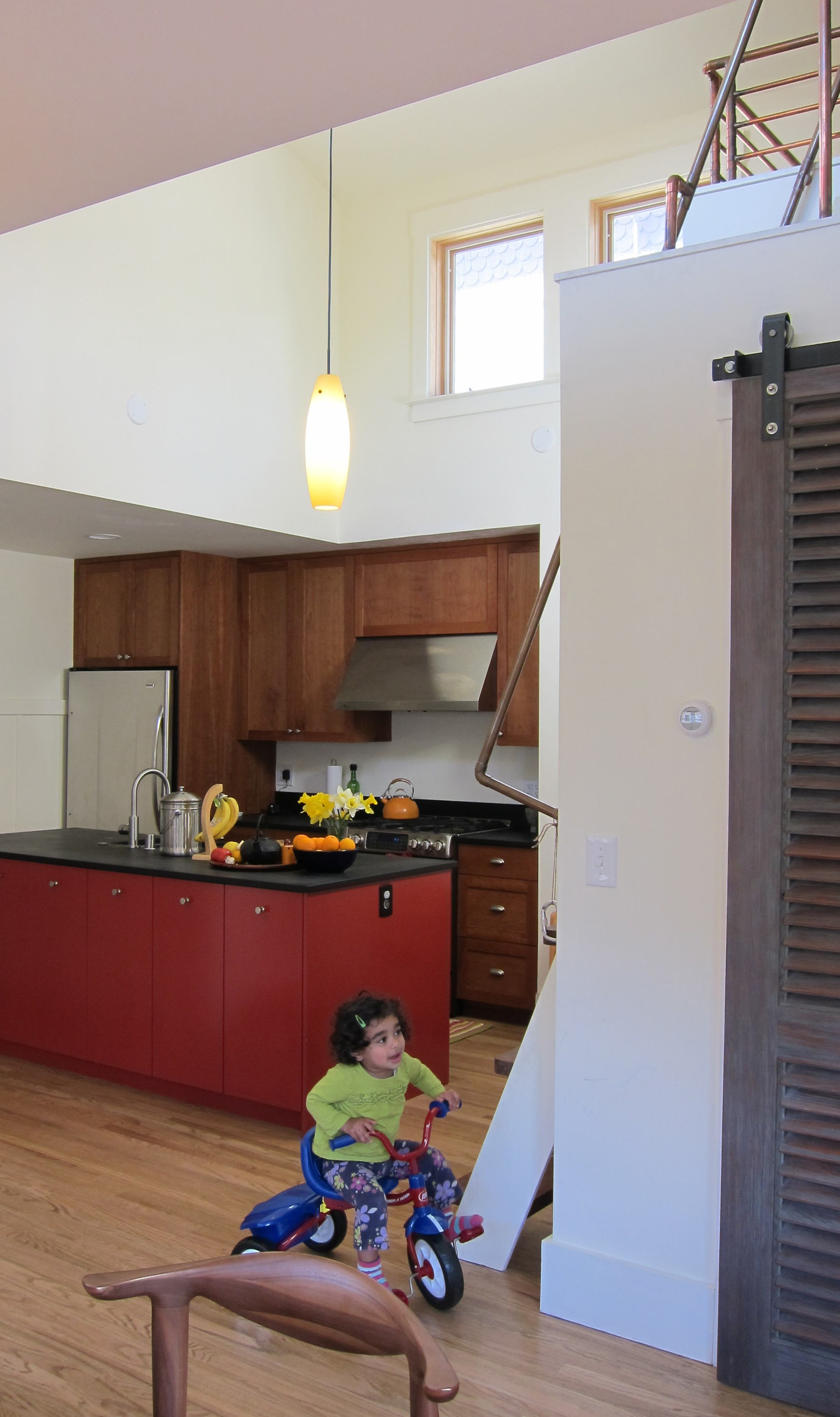
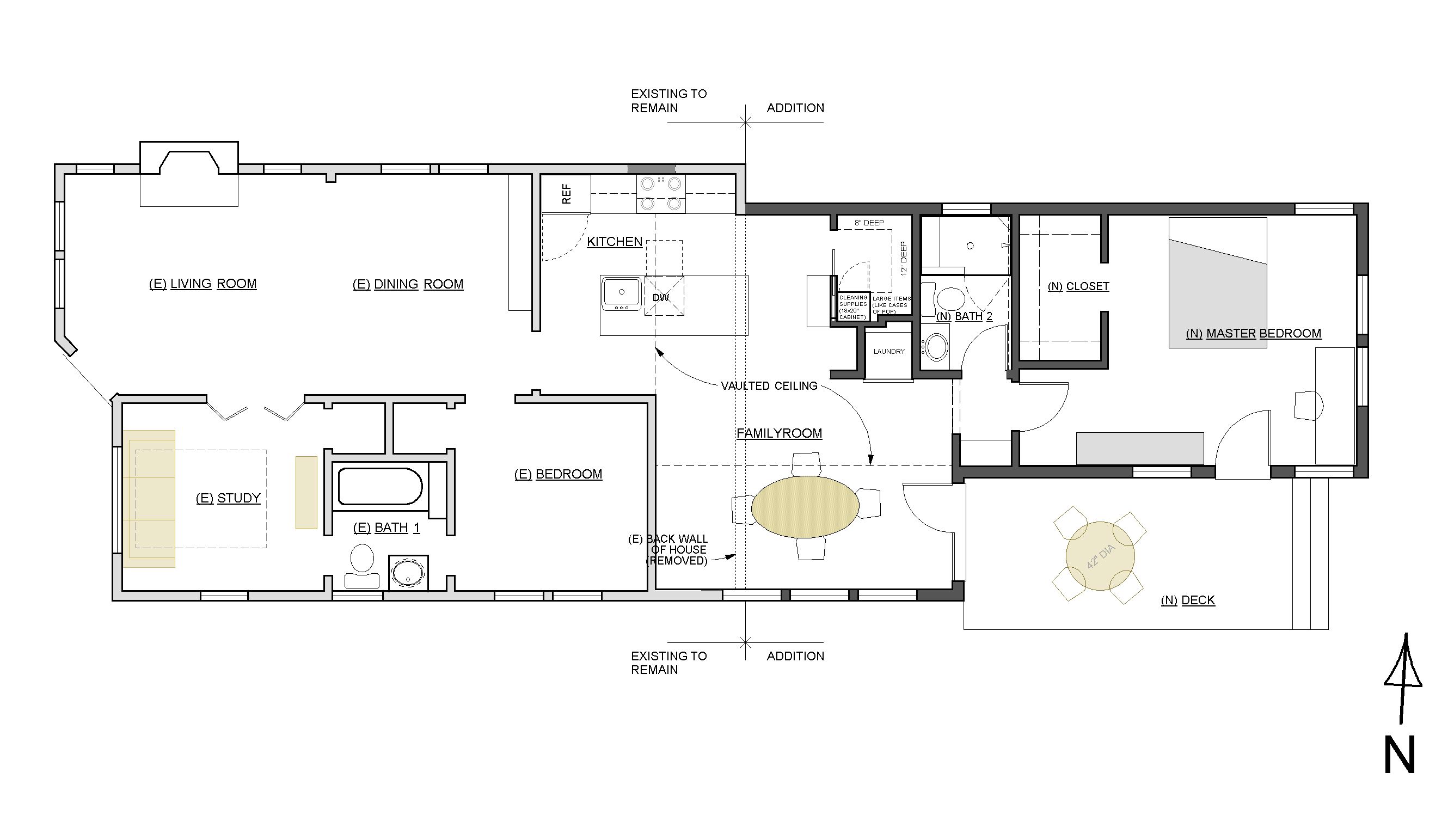
She recently commissioned deedsdesign for an addition including a master suite, expanded kitchen, and family room. Popping up the roof just a few feet allowed for a vaulted ceiling and high windows over the kitchen and an attic loft over the master. The kitchen is on the north side, so the high south windows provide southern sunshine while leaving room for enough cabinets on the north wall. (click on the thumbnails to see enlarged drawings)
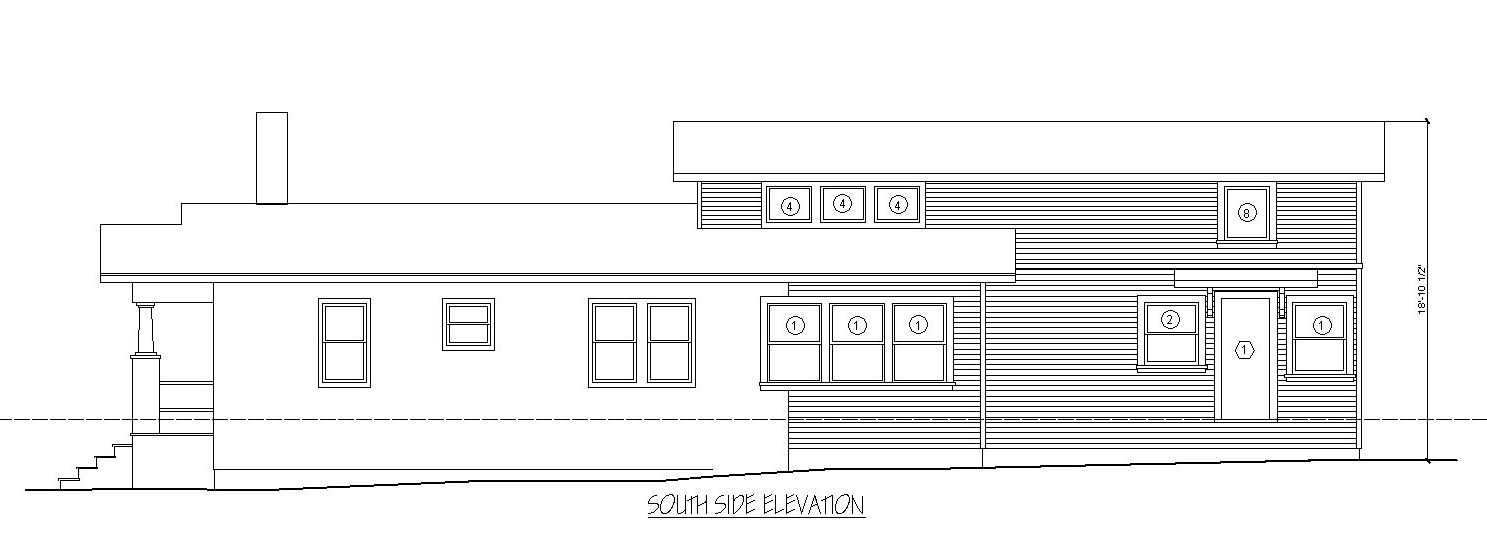
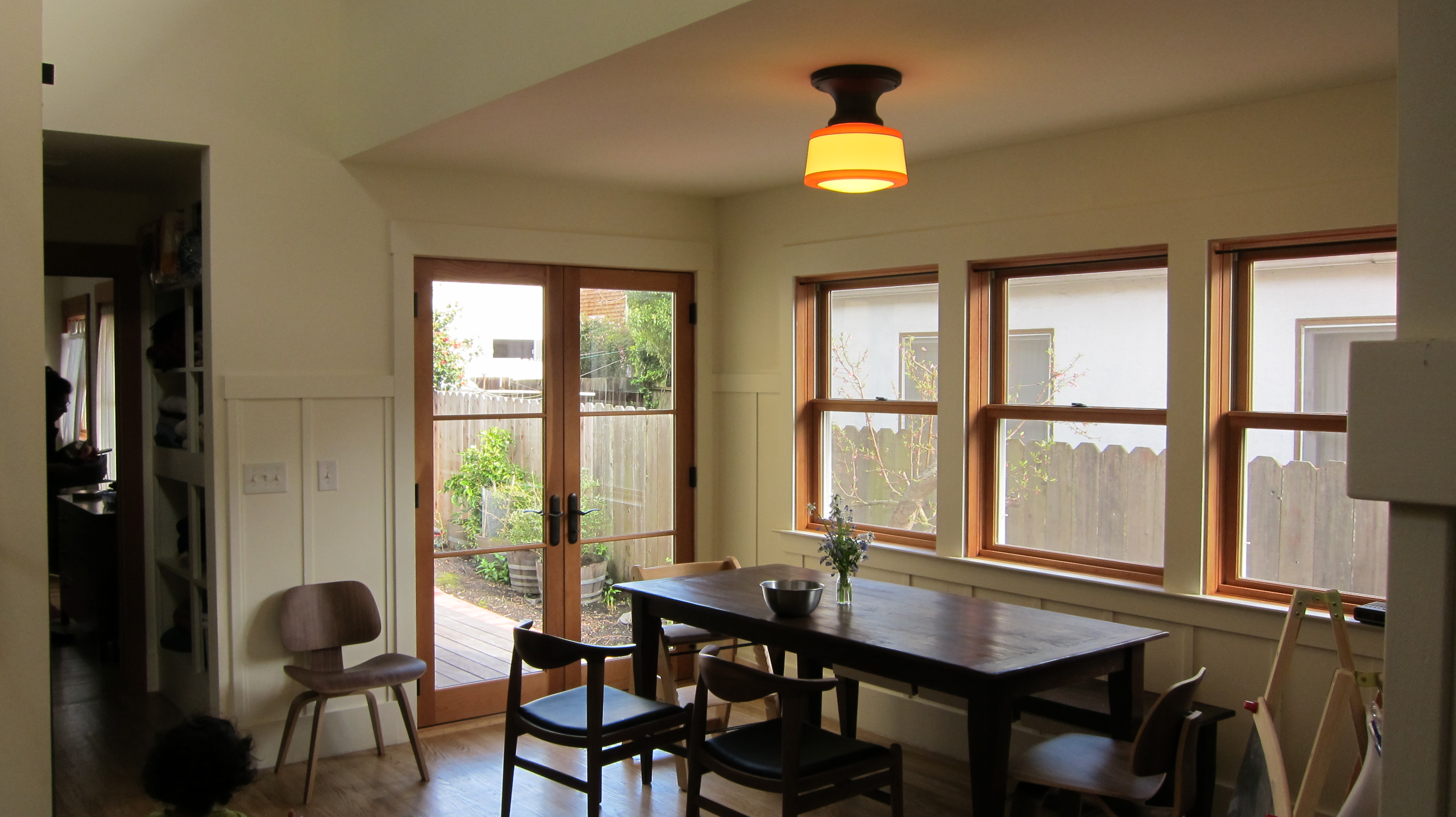
The dining room gets a lot of southern sunshine and has french doors leading to the deck.
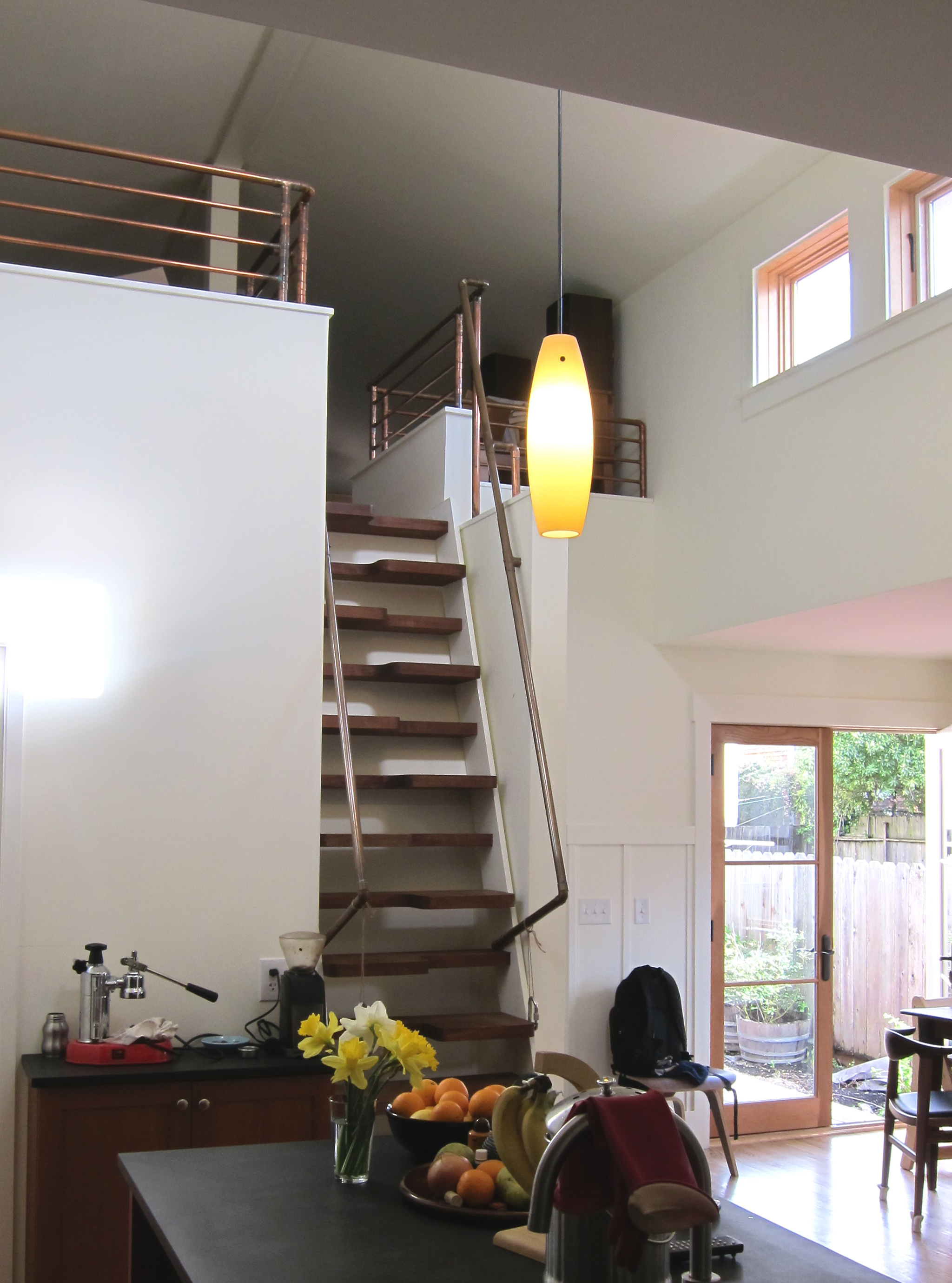
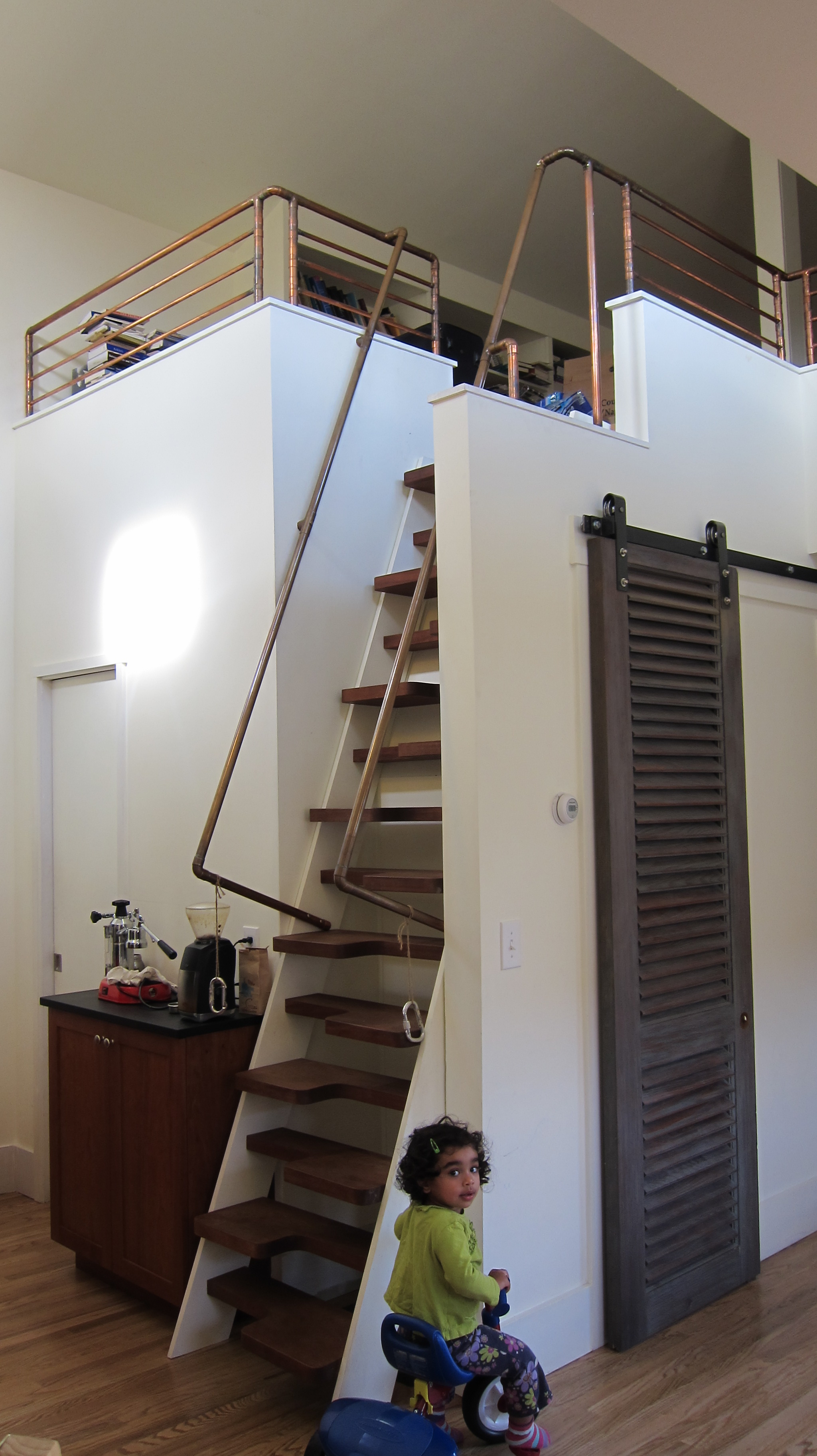
The Lapeyre stairs provide easy access to the loft above. We enclosed the loft with low walls to hide any boxes stored up there, but added open railings for the last 18″ or so. This way the required 42″ tall “guards” don’t seem so tall and a bit more light circulates.
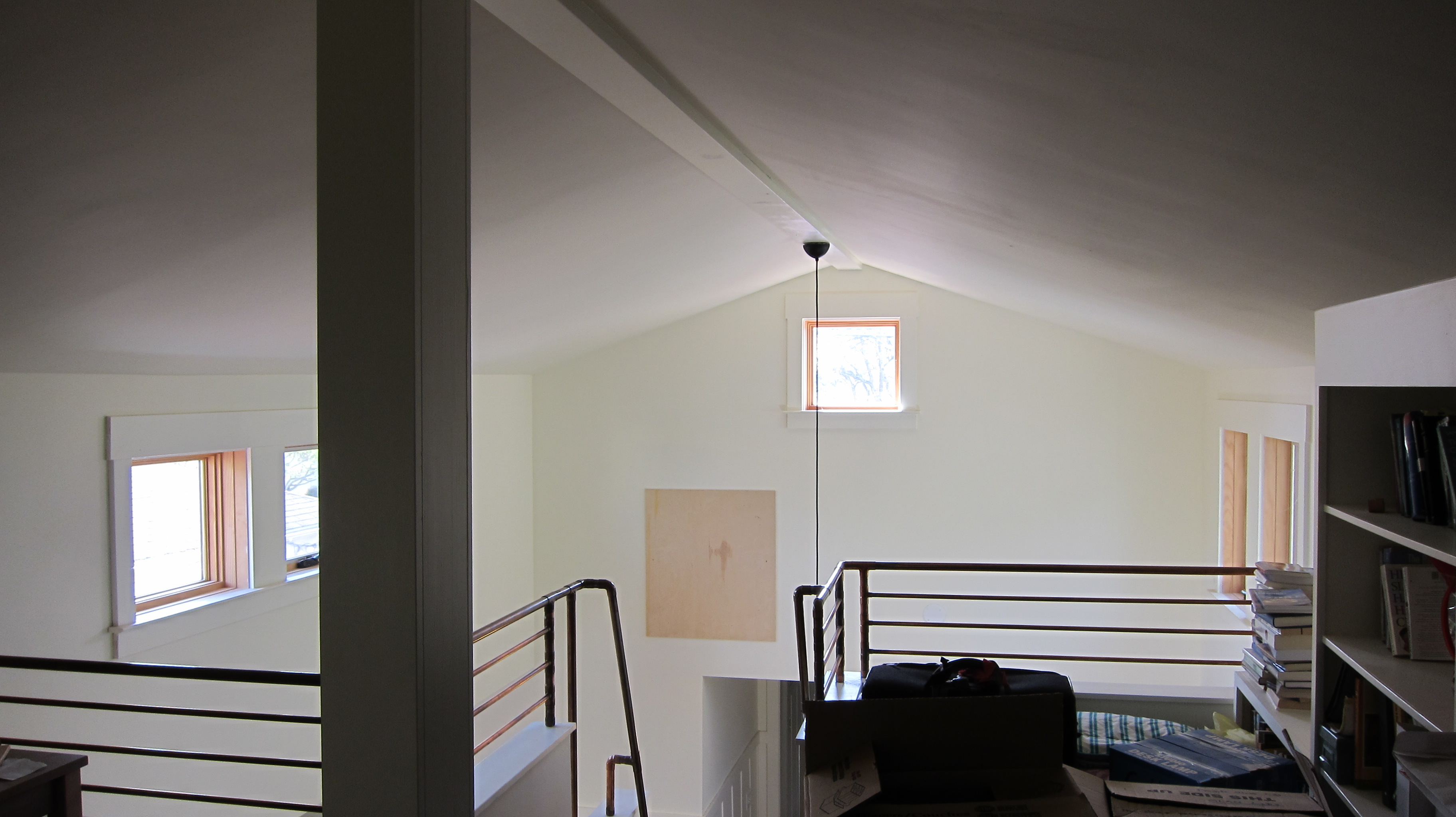
I didn’t get any photos of the loft itself, but it has built-in shelving and a fir plywood floor, finished with polyurethane. (As you can see the project isn’t quite finished yet)
The homeowner waited for me below while I toured the loft area.
- accessory dwelling unit acoustics addition additions ADU Albany aluminum angles appleply ash bathroom Berkeley birds boxes Brooklyn buildings on the water cabin cabinets cedar children color concrete construction process copper cottage curiosities curves decks decoration desert architecture details Detroit dog doorways El Cerrito energy efficiency Fairfax fence fibercement fir fire resistant construction framing fun furniture Garage garden glass tile green green building handrail historical styles holes house houses house surgery humor indoor-outdoor interiors isba Julia Morgan kitchen landscape LED light lighting lighting design McBride Construction metal minimalism modern natural light new materials New York Oak Oakland paint painted plywood pantry paperstone passive house passive solar patterns plants plywood poet's corner Point Richmond process railings rainscreen recycled redwood remodel remodelling restaurant Richmond Rockridge roof rustic salvaged San Francisco San Mateo shou sugi ban simple skylight small buildings small spaces solar electricity sparkle stained glass steel storage Strawbale structure stucco subway tile tile tiny house trim turquoise utilitarian utility value vaulted ceiling victorian walnut water management whimsy windows wood zinc
-
link to RSS Feed

 deedsdesign