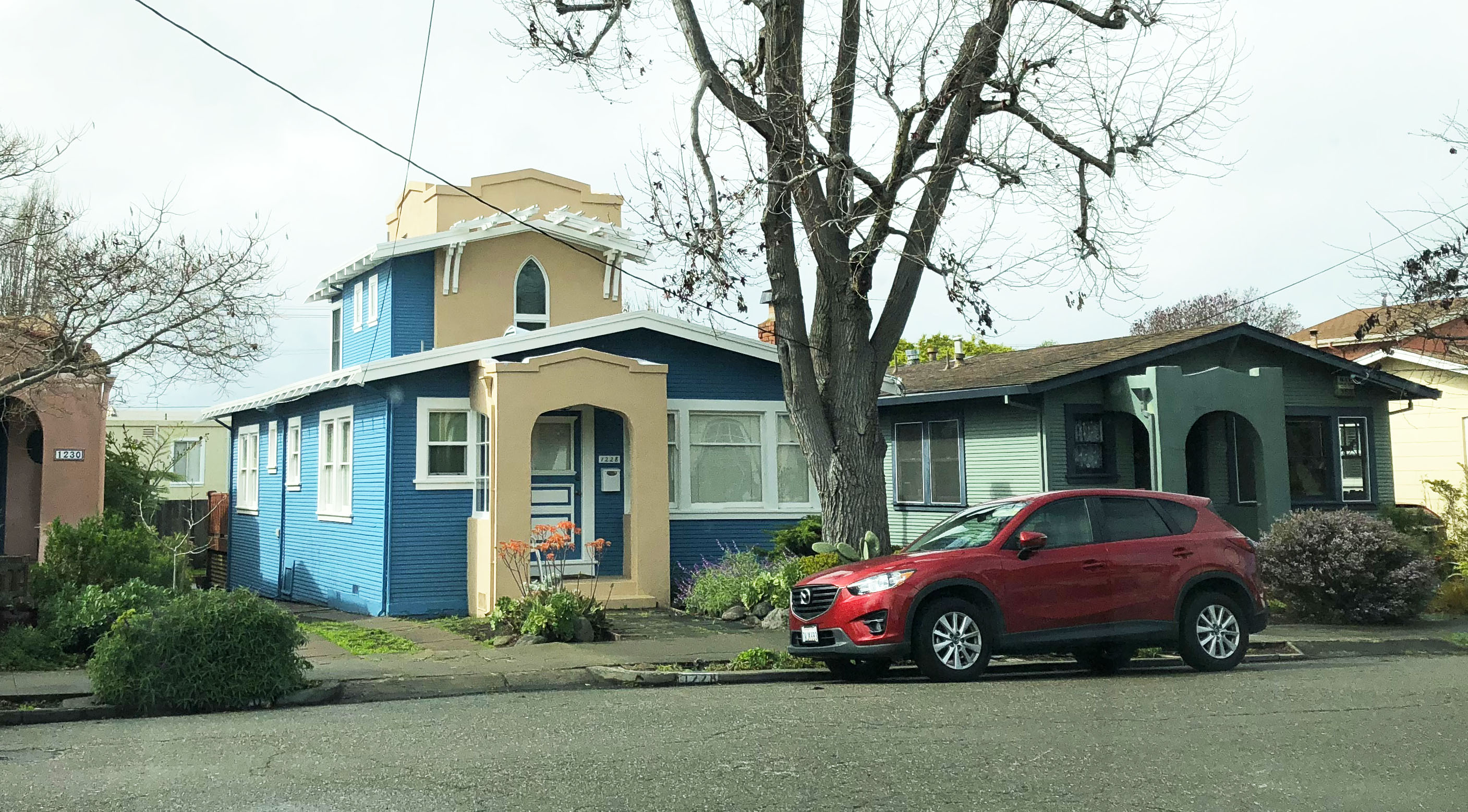
I’ve never seen one of these before, and then I saw two! Similar, but slightly different variations.

Posted in Found Objects, tagged carved post, carving, decks and railings, details, finial, Massachusetts, octadecahedon, post, tetradecahedron, whimsy, wood on August 2, 2026| Leave a Comment »
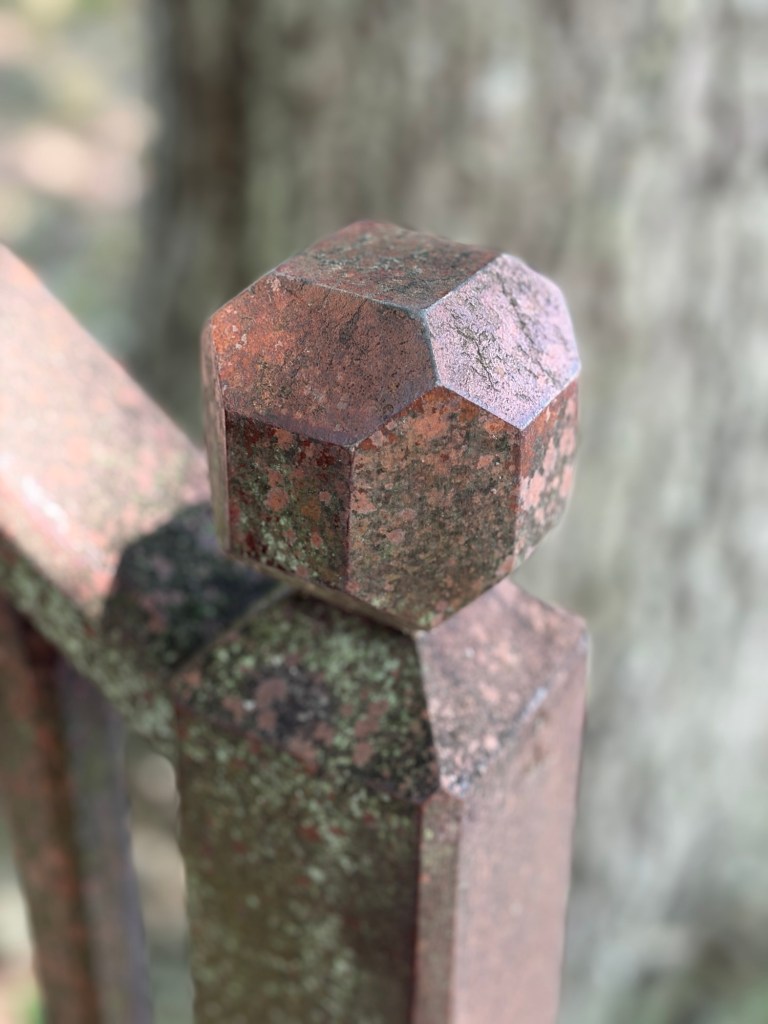
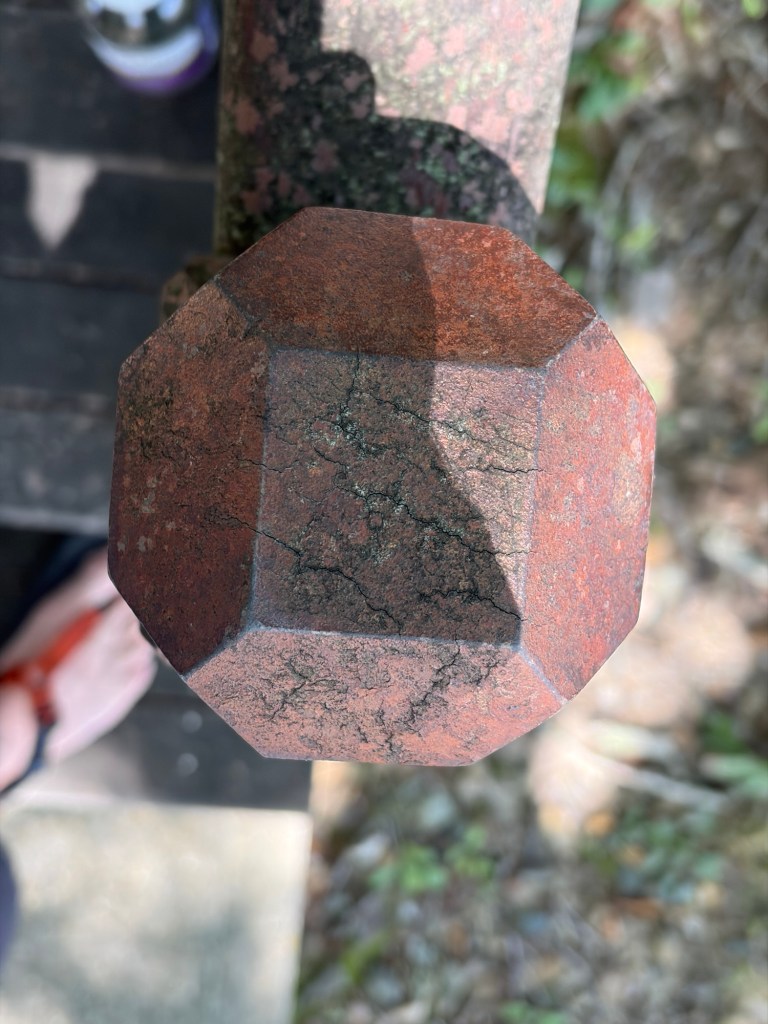
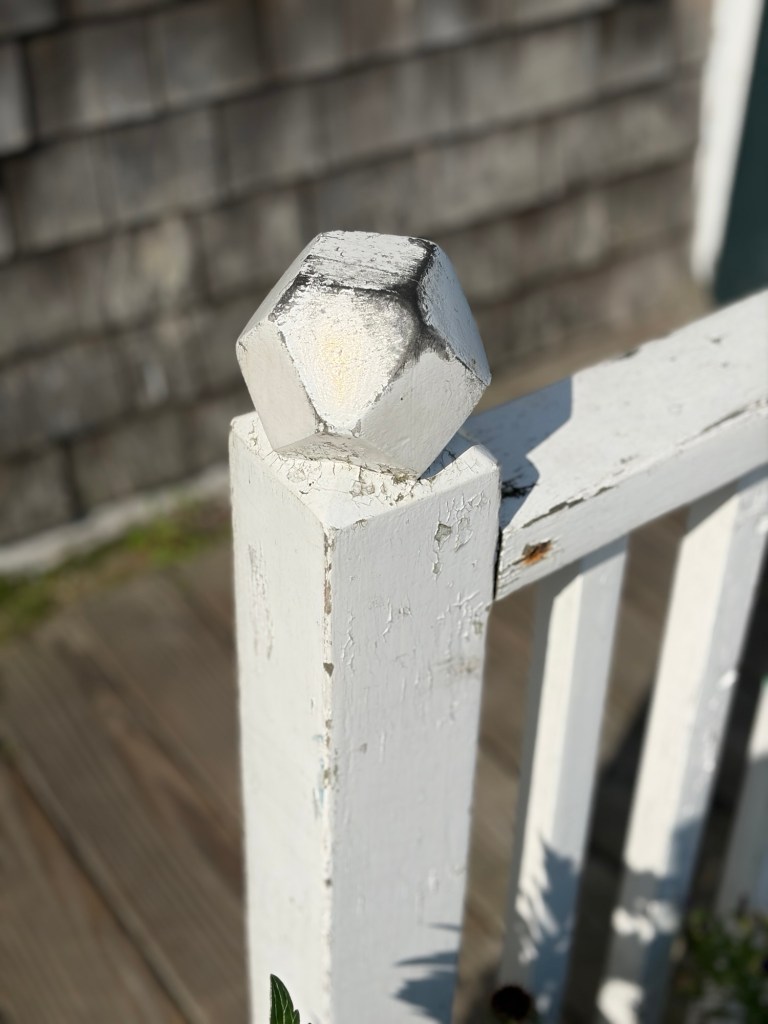
I’ve never seen one of these before, and then I saw two! Similar, but slightly different variations.
Posted in Found Objects, tagged botanical, Cafe, curtains, Frick, lighting design, mirrors, misty, murals, NYC, portiere, whimsey on July 24, 2026| Leave a Comment »
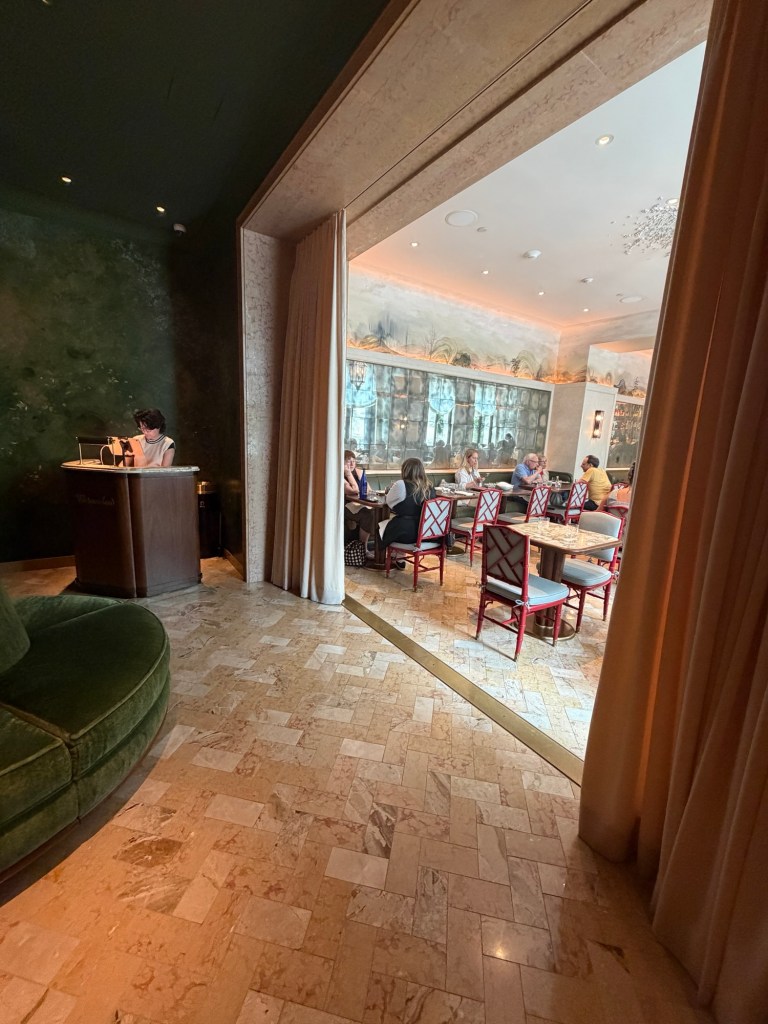
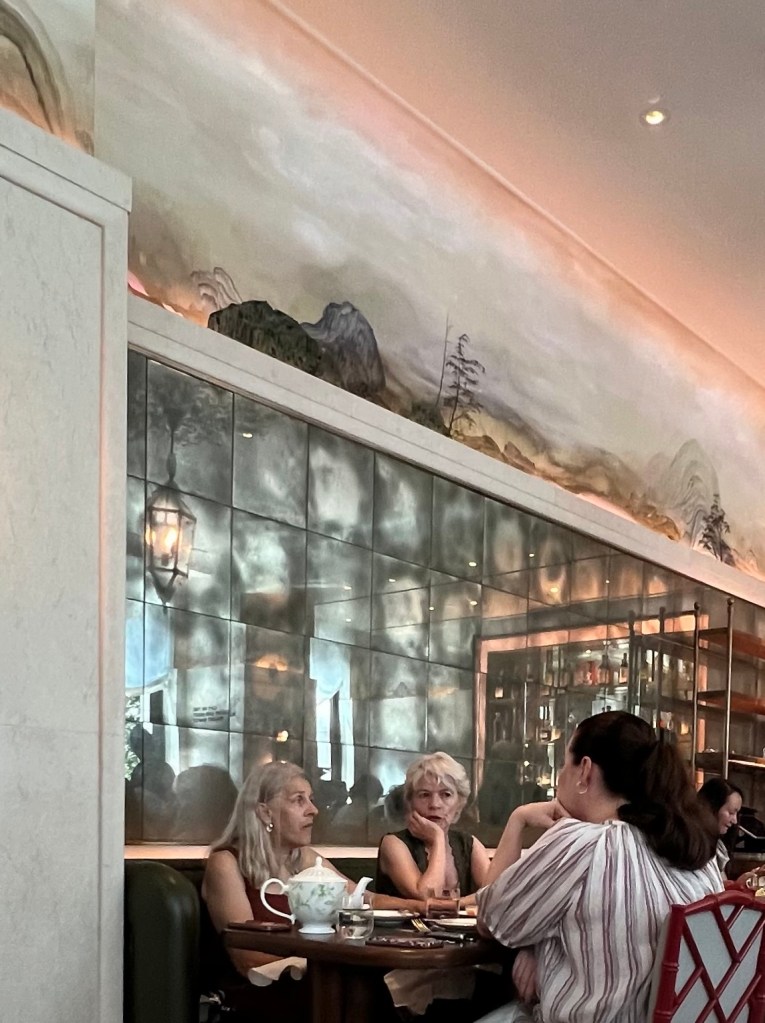
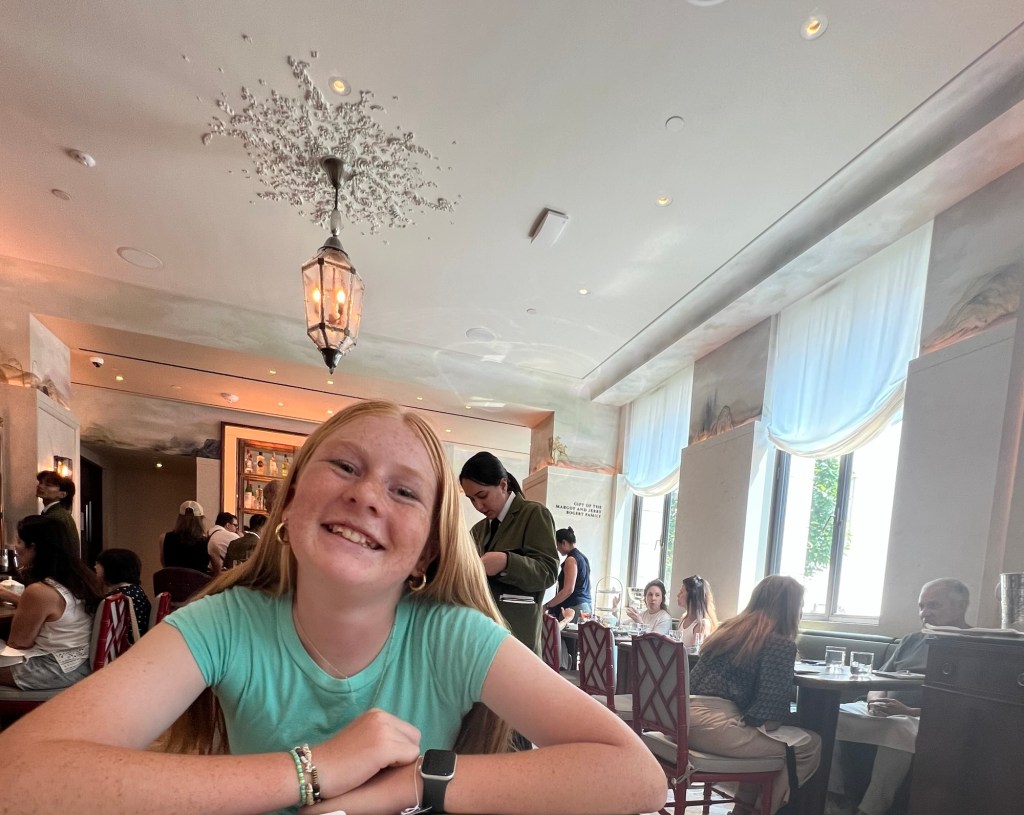
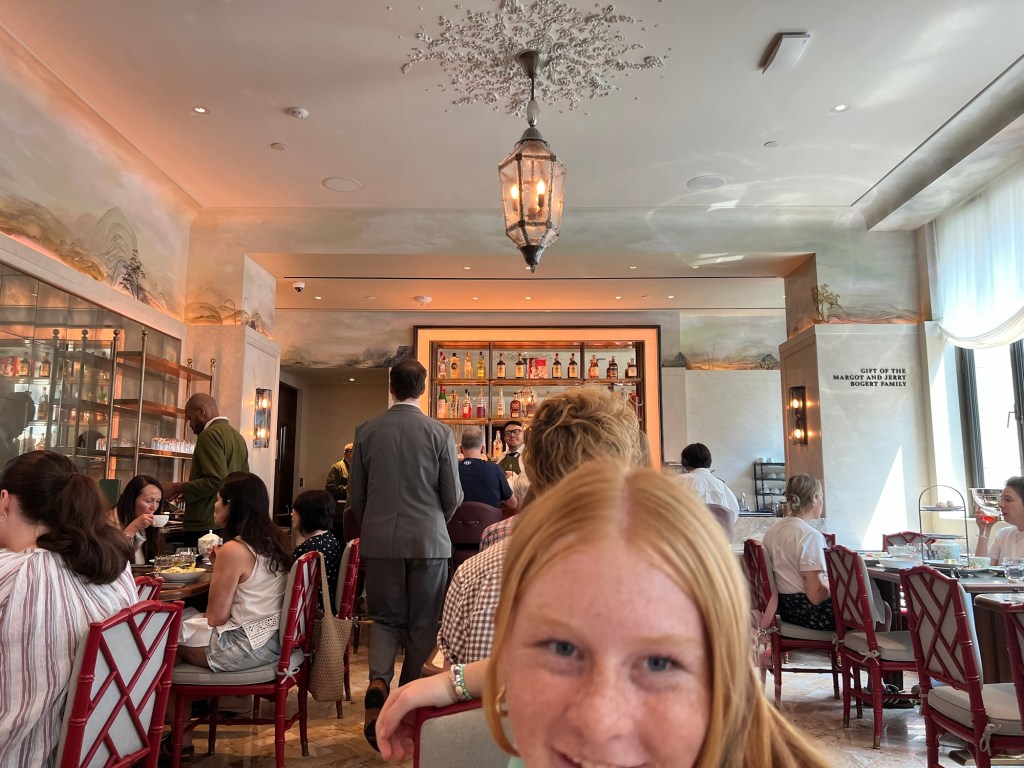
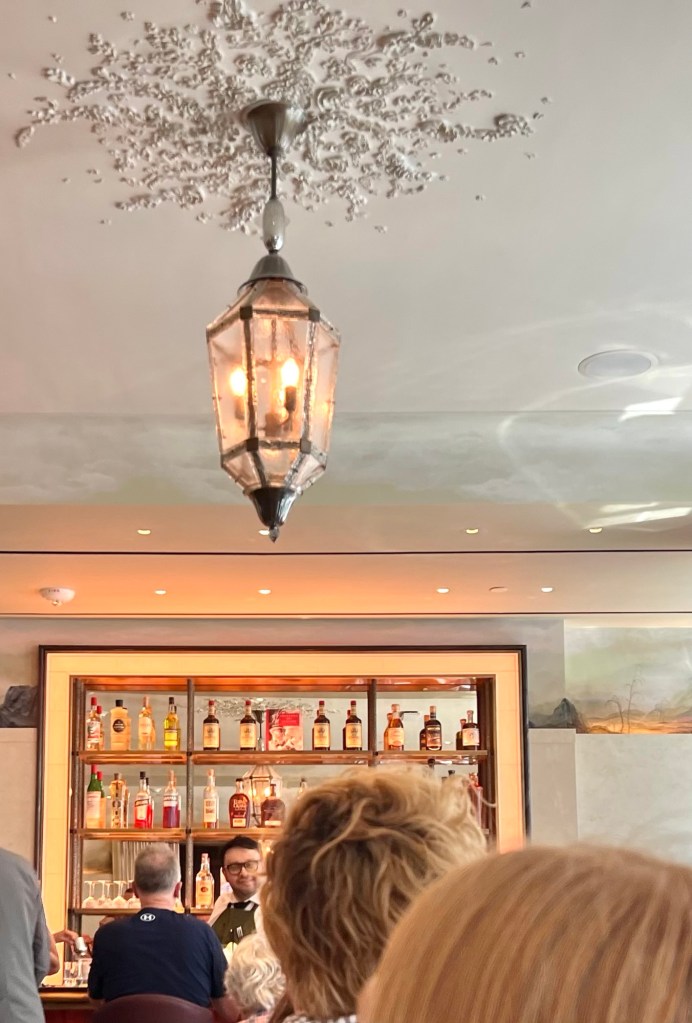
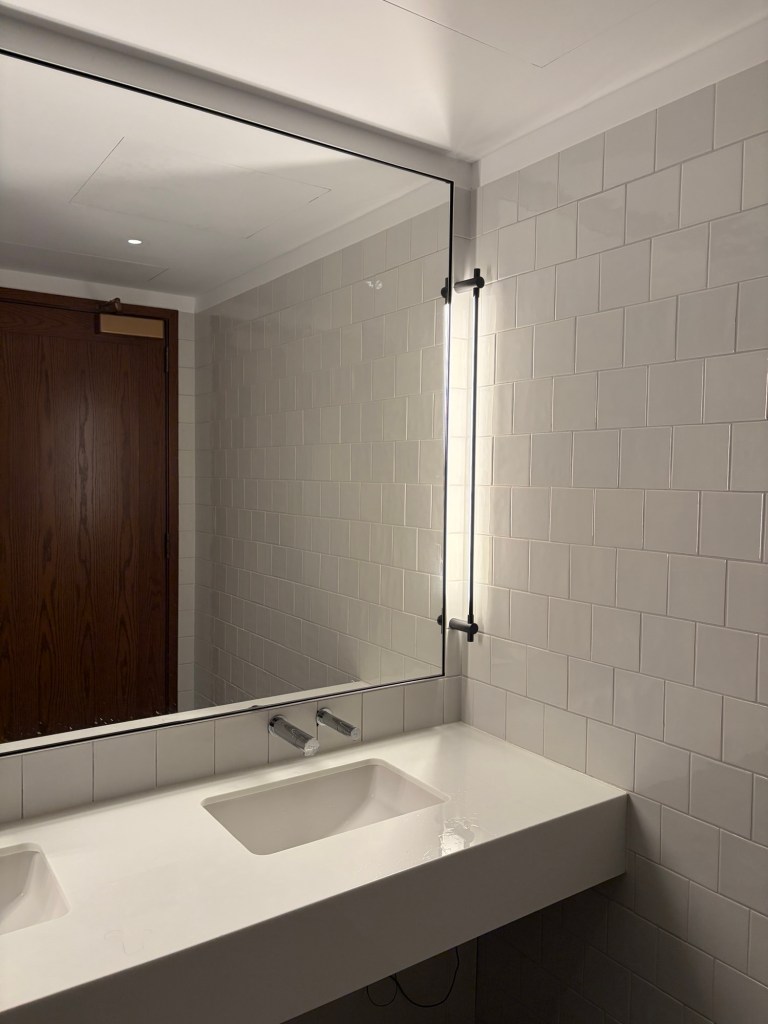
It was hot and smoky outside last week in NYC so we visited the Frick and had late lunch in the Westmorland Cafe. It is a nicely designed space with a beautiful landscape mural around the top of the wall, patinated mirror wall tiles, pretty translucent curtains, and other nice details.
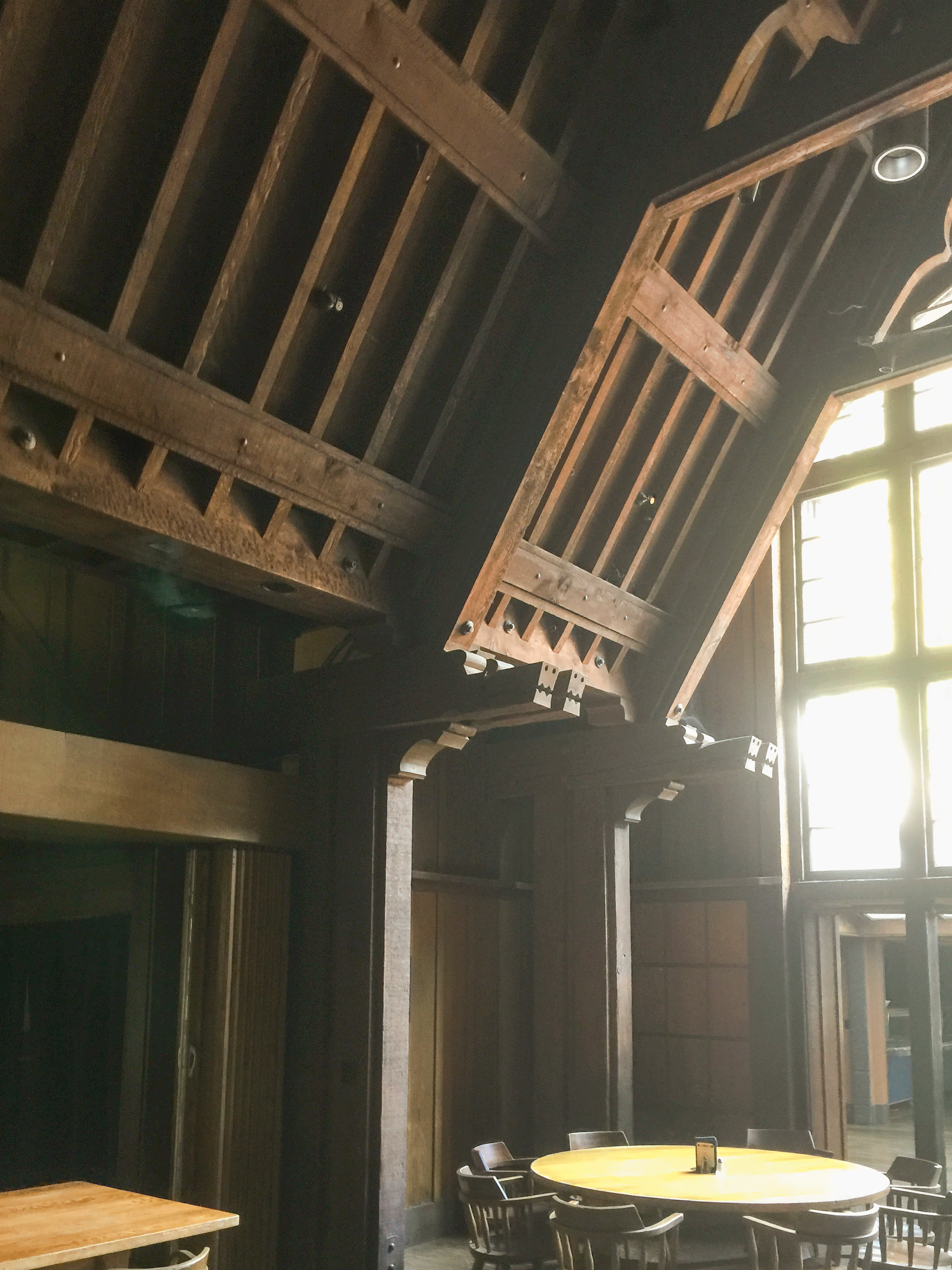
Posted in Found Objects, tagged animal beam ends, eyes on beams, Faculty Club, Maybeck, monster beam ends, nostrils, teeth, wood on February 19, 2026| Leave a Comment »
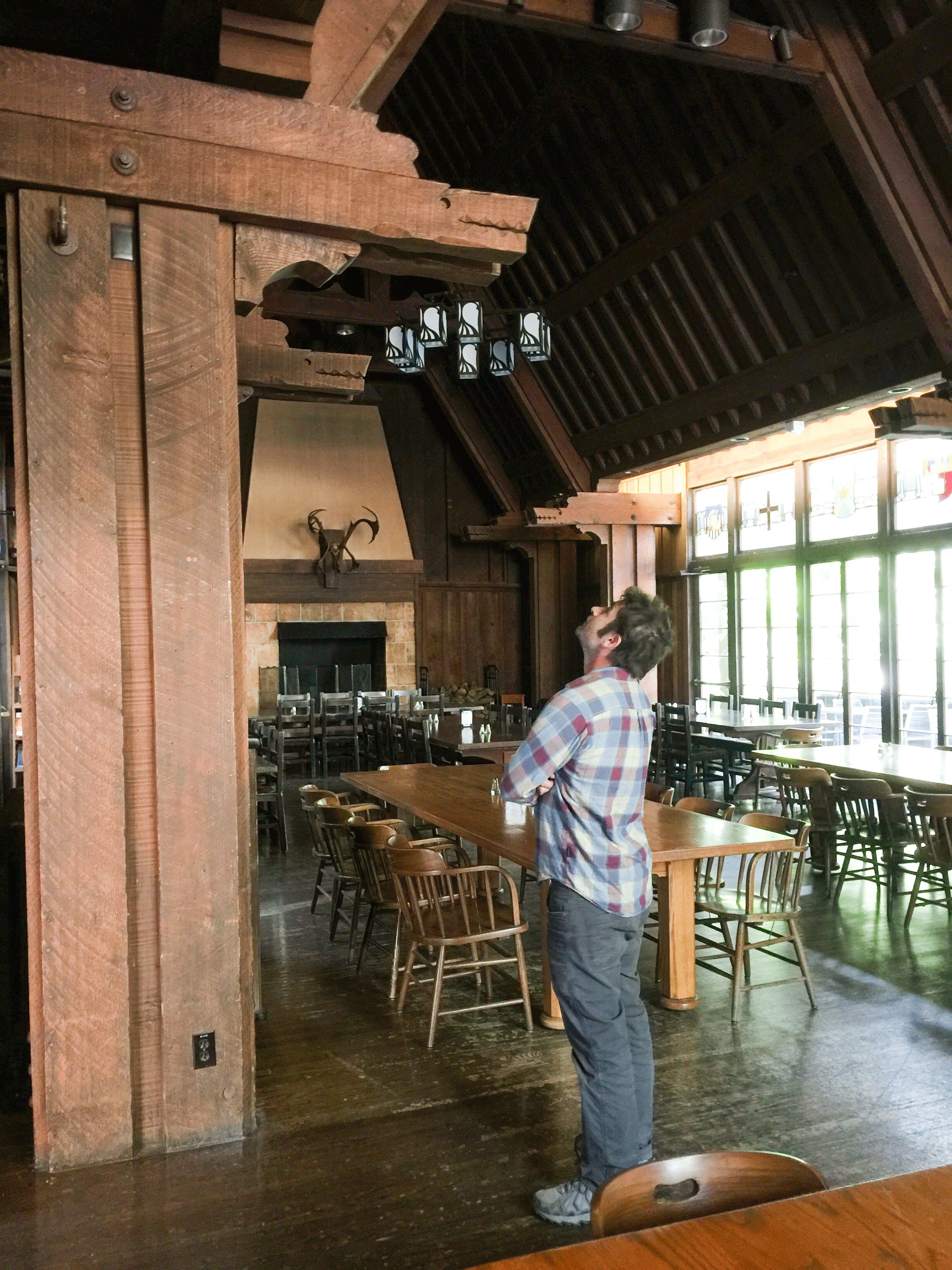
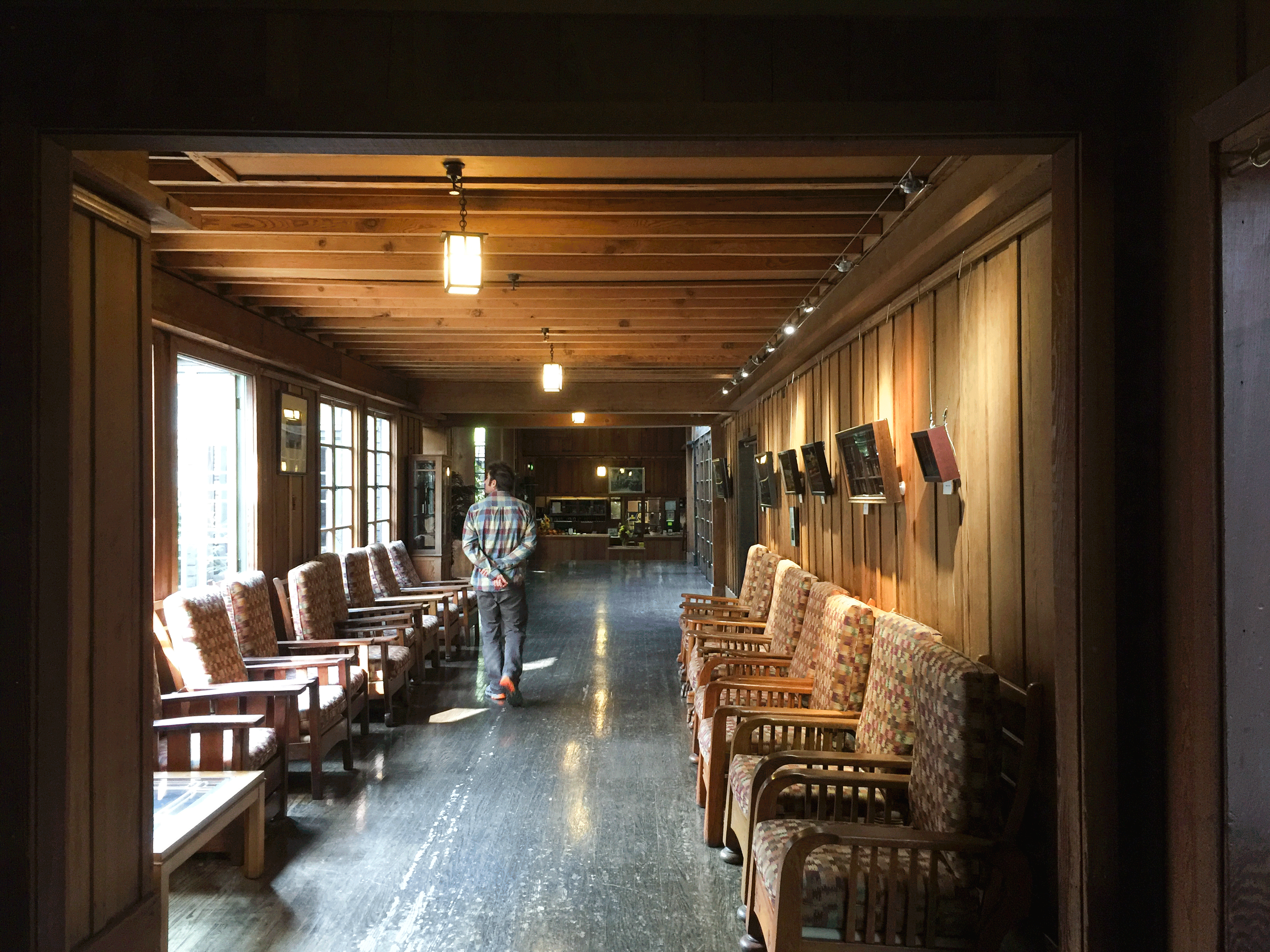
I was looking for these photos of an inspiring architectural tour…old phone photos, but such a cool spot. We’ve done a few monster beam ends inspired by these.
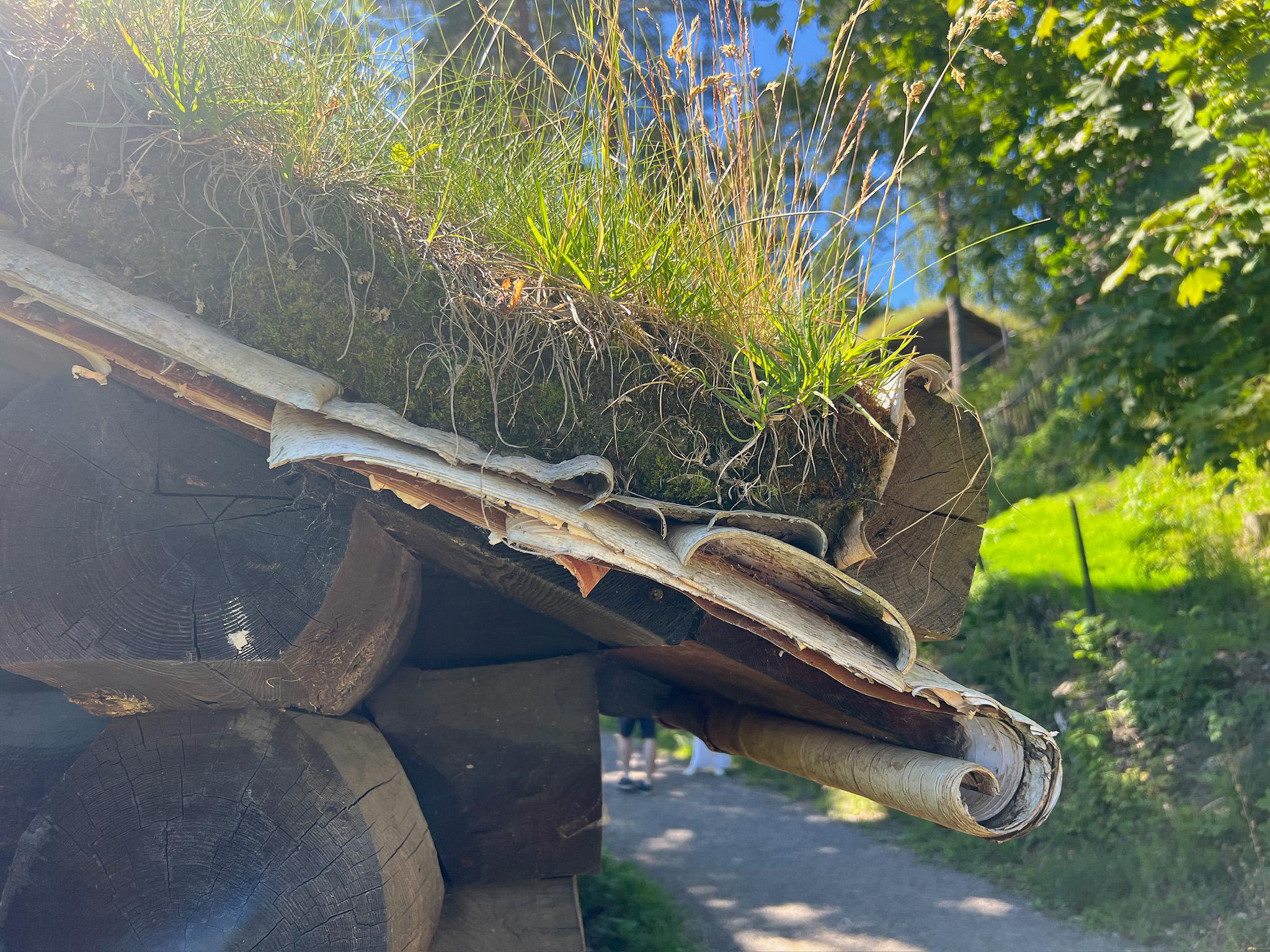
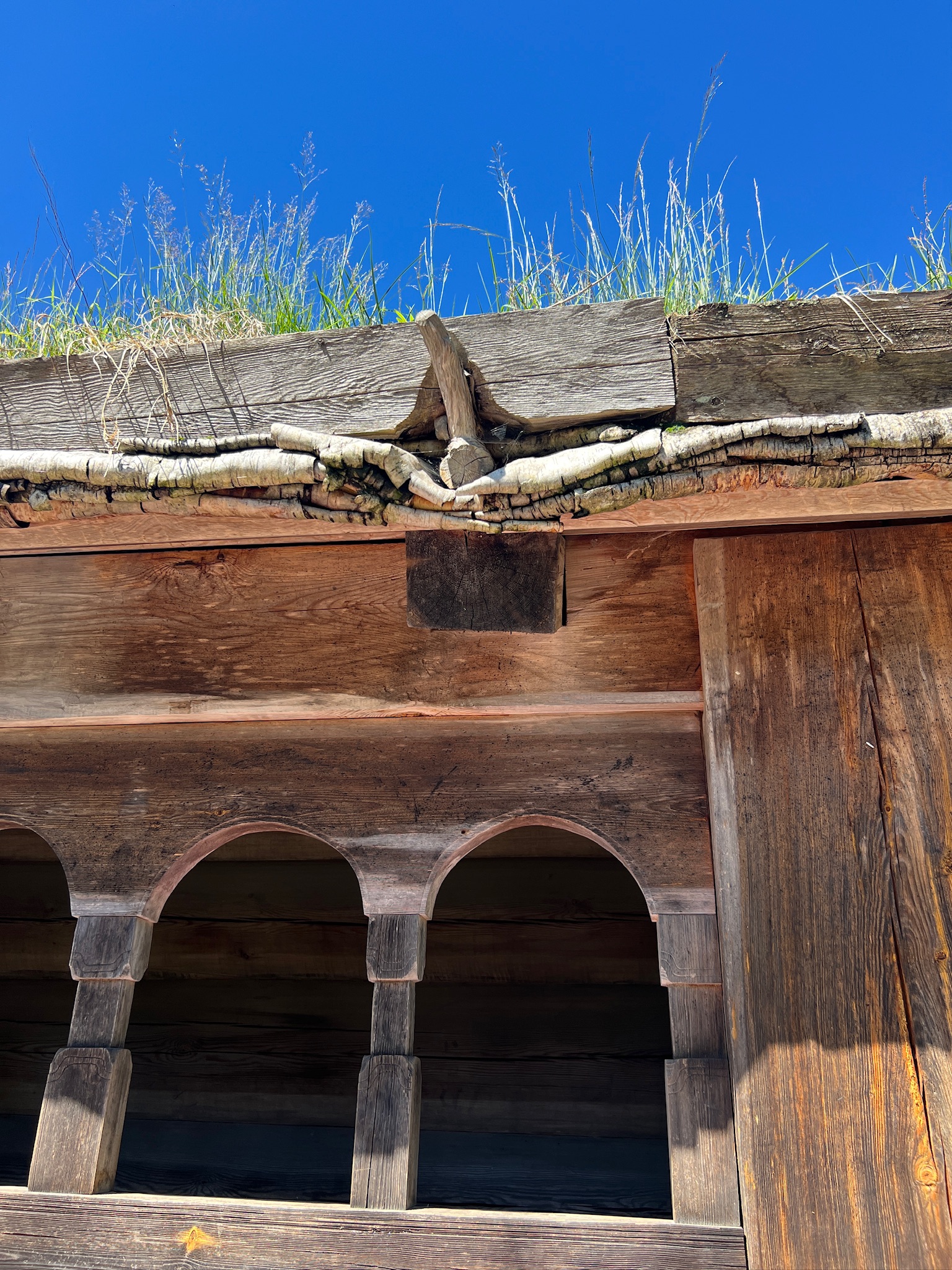
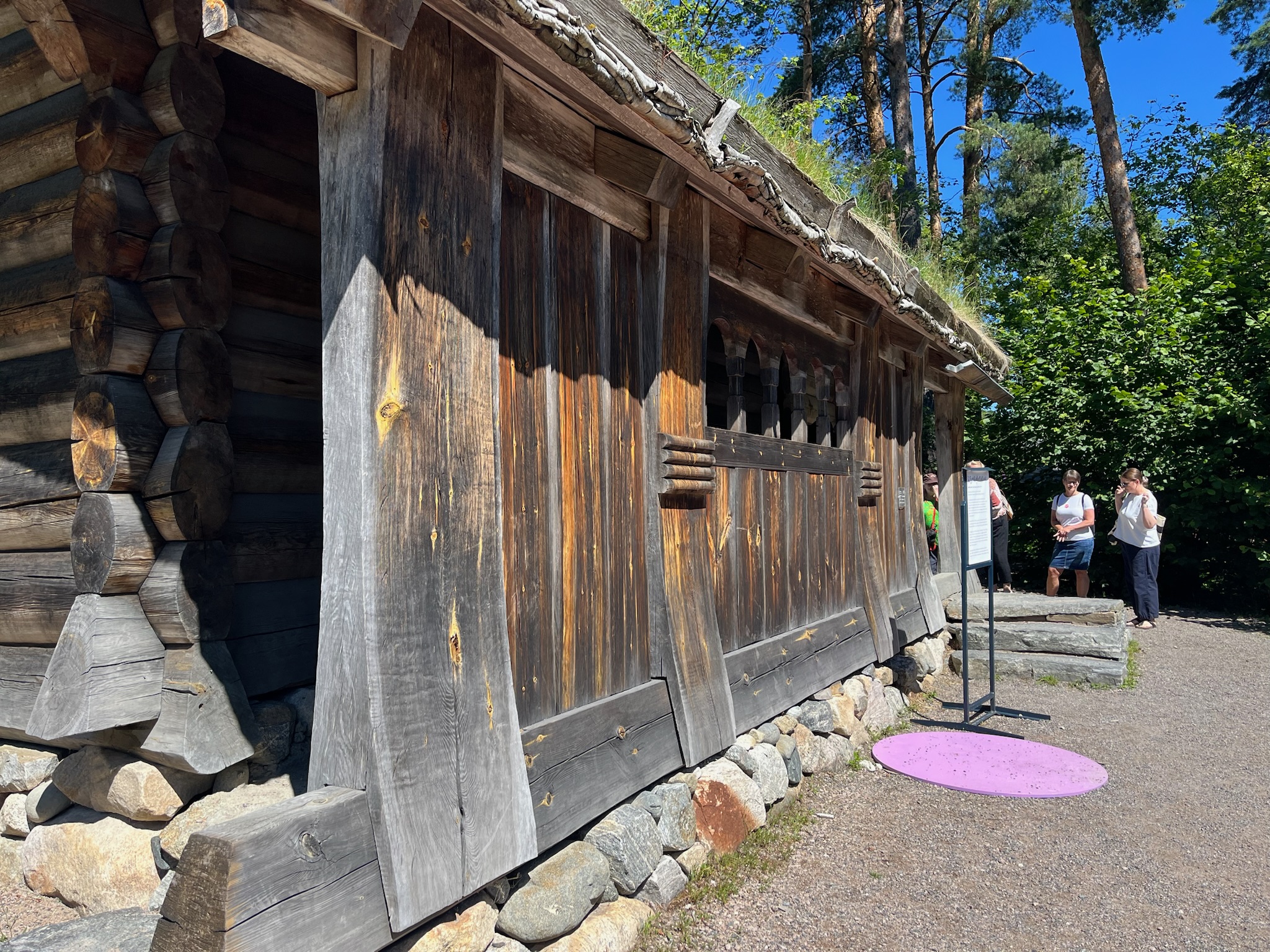
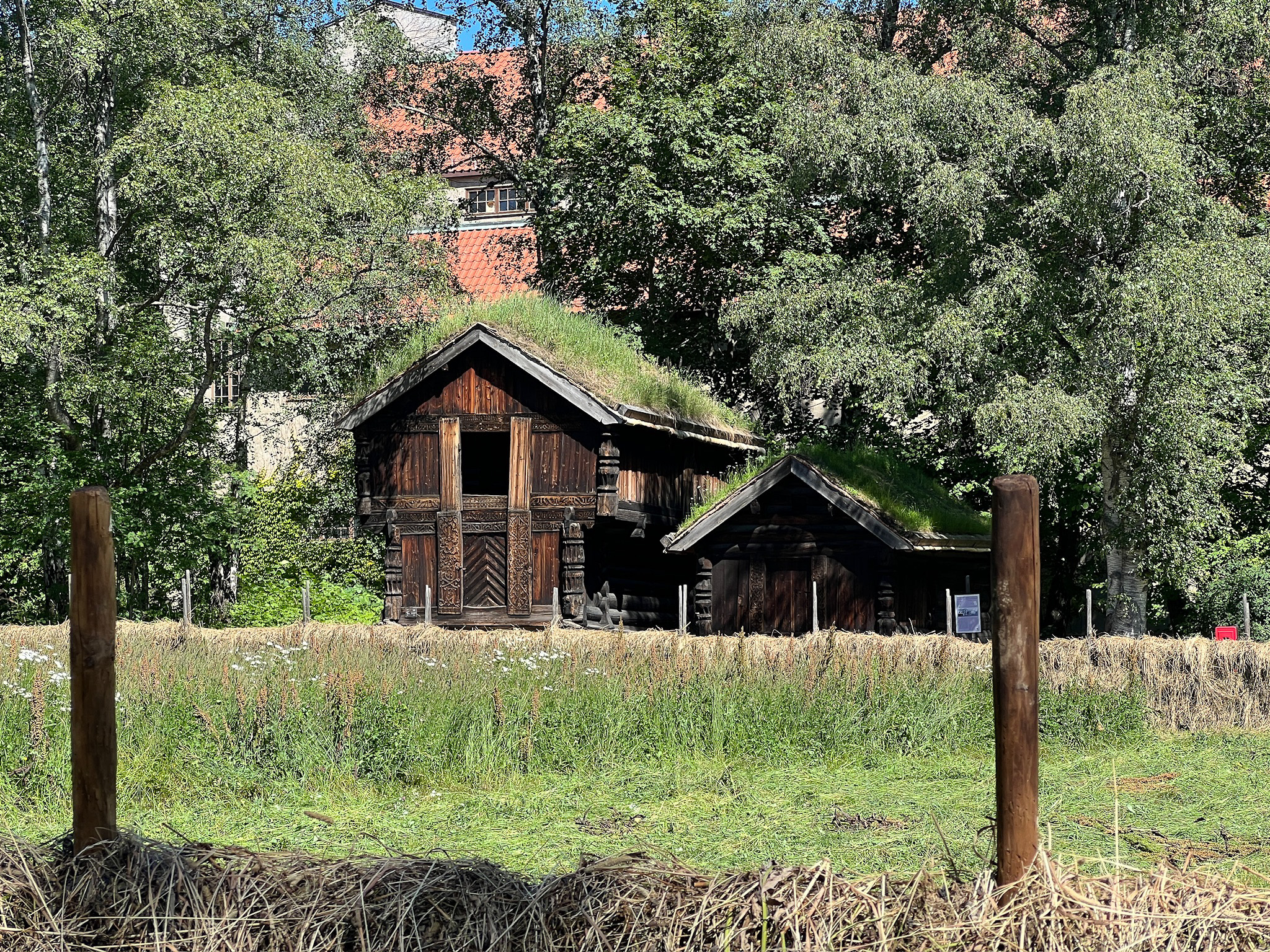
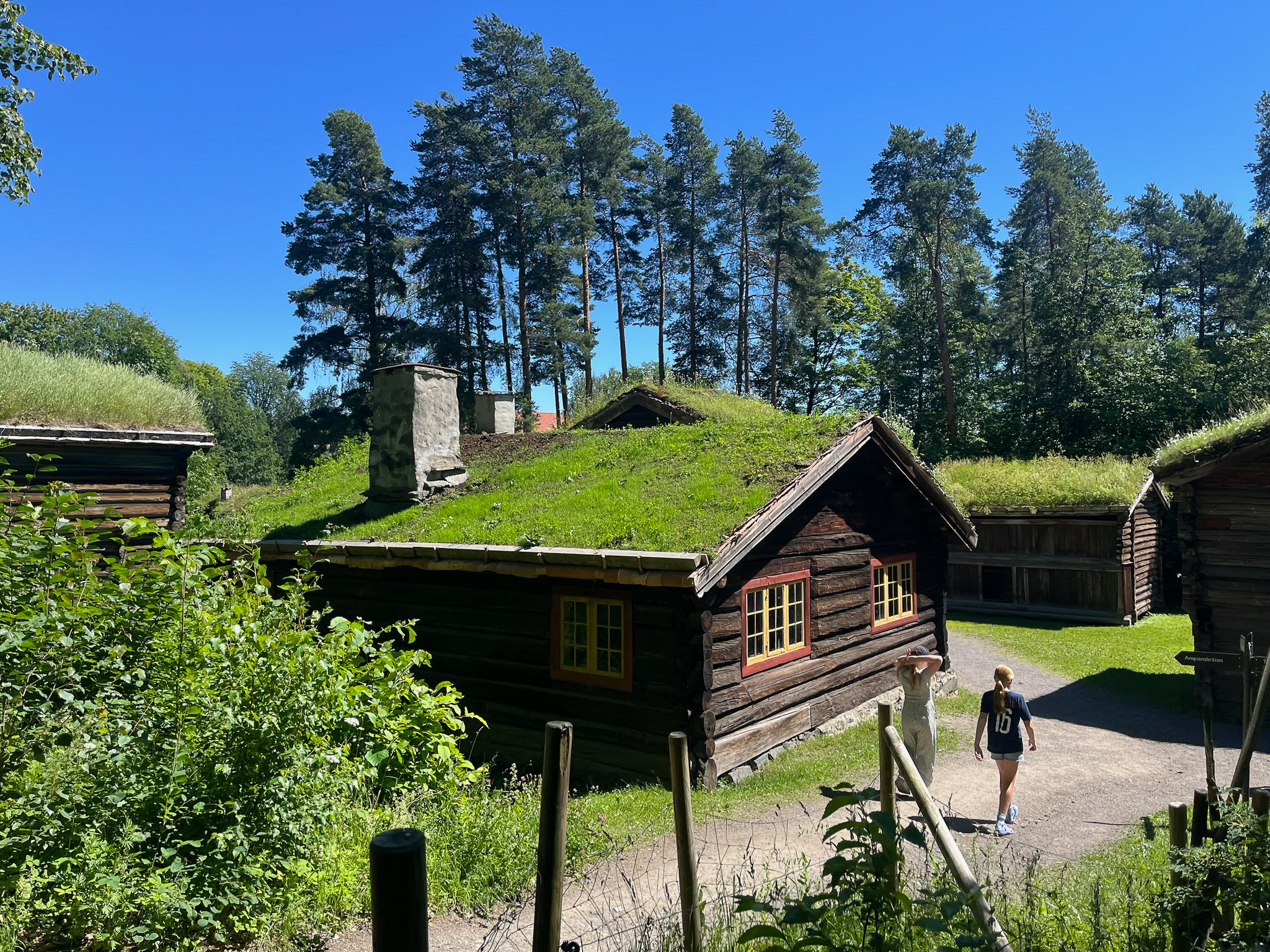
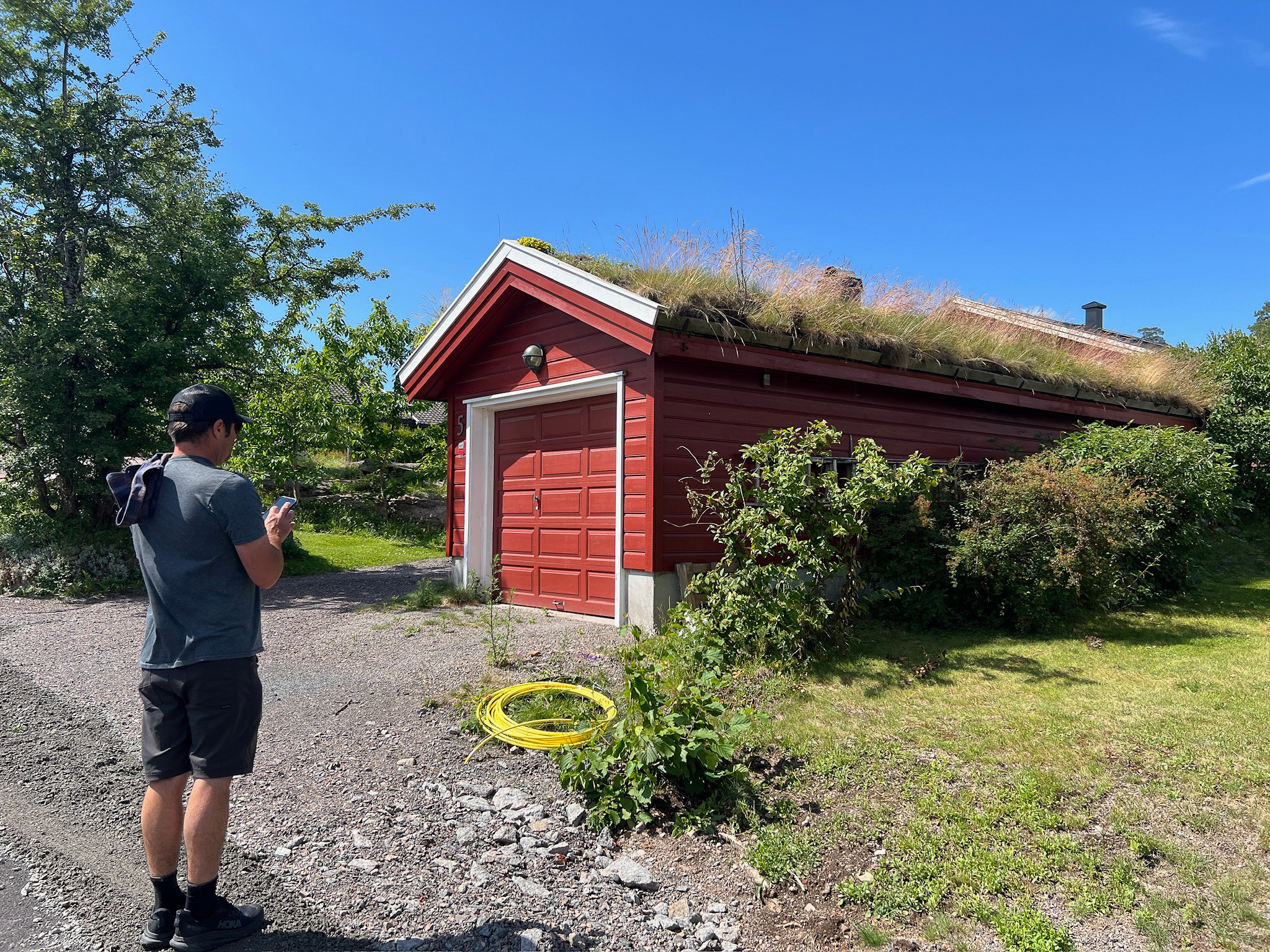
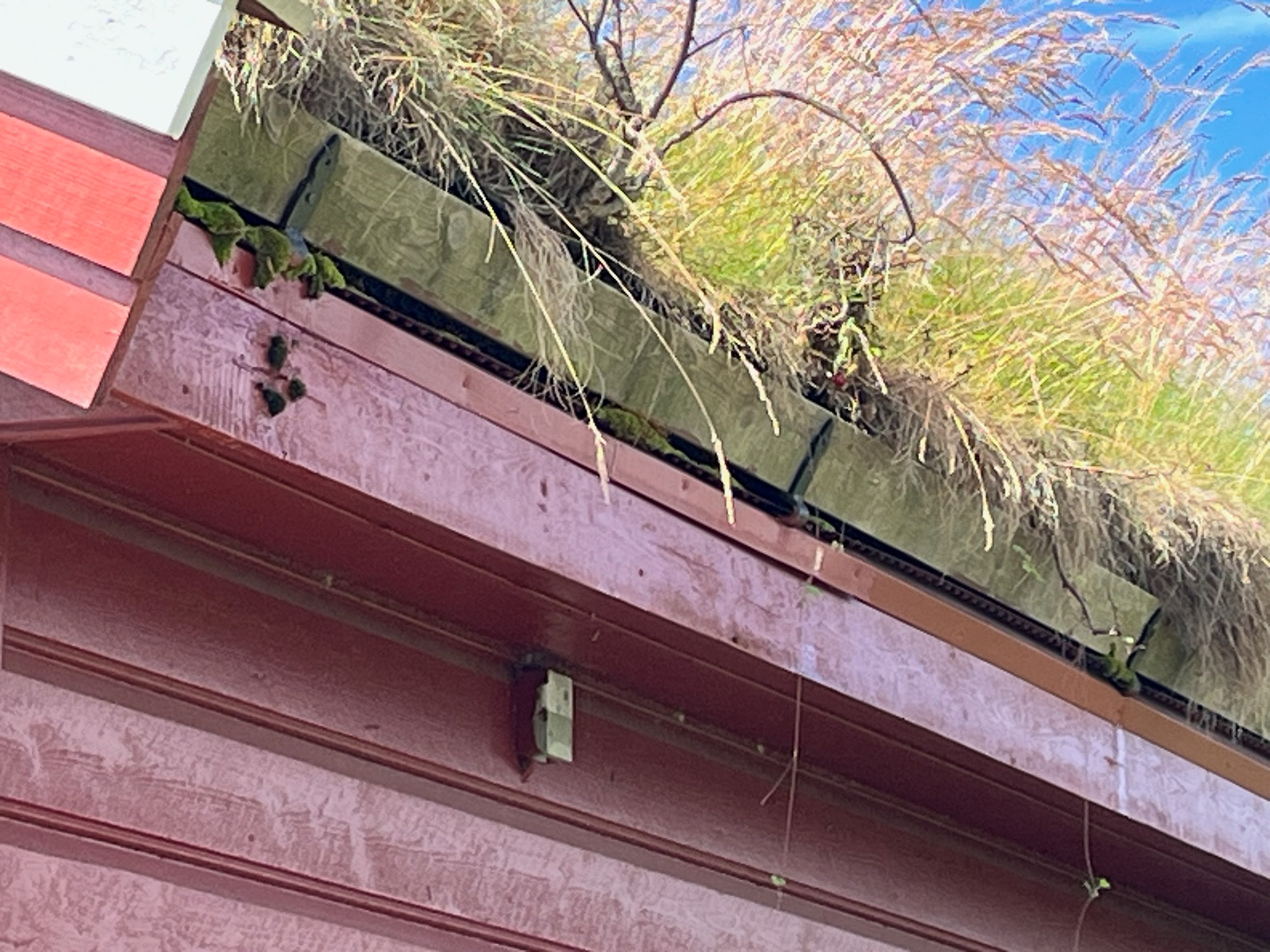
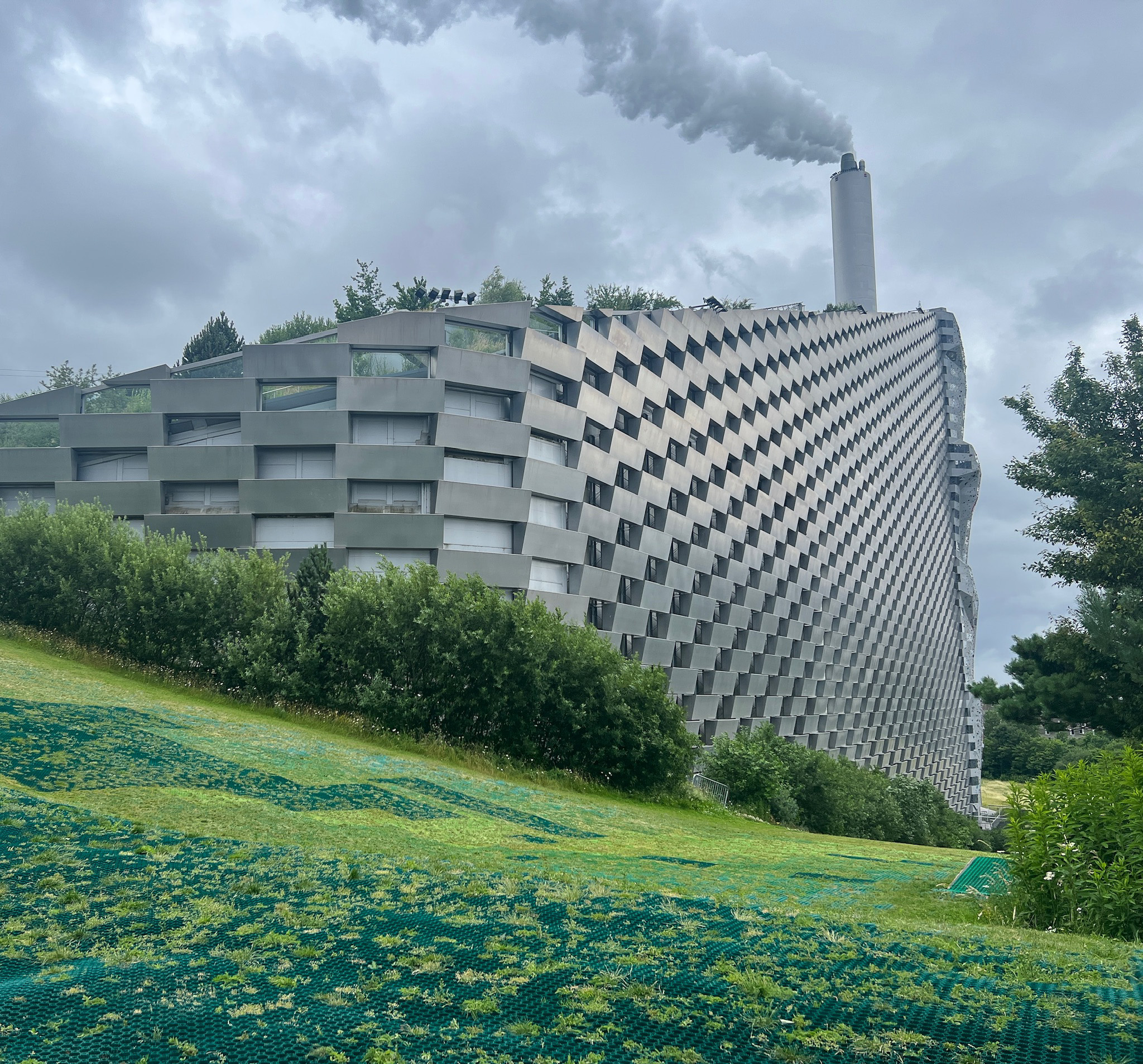
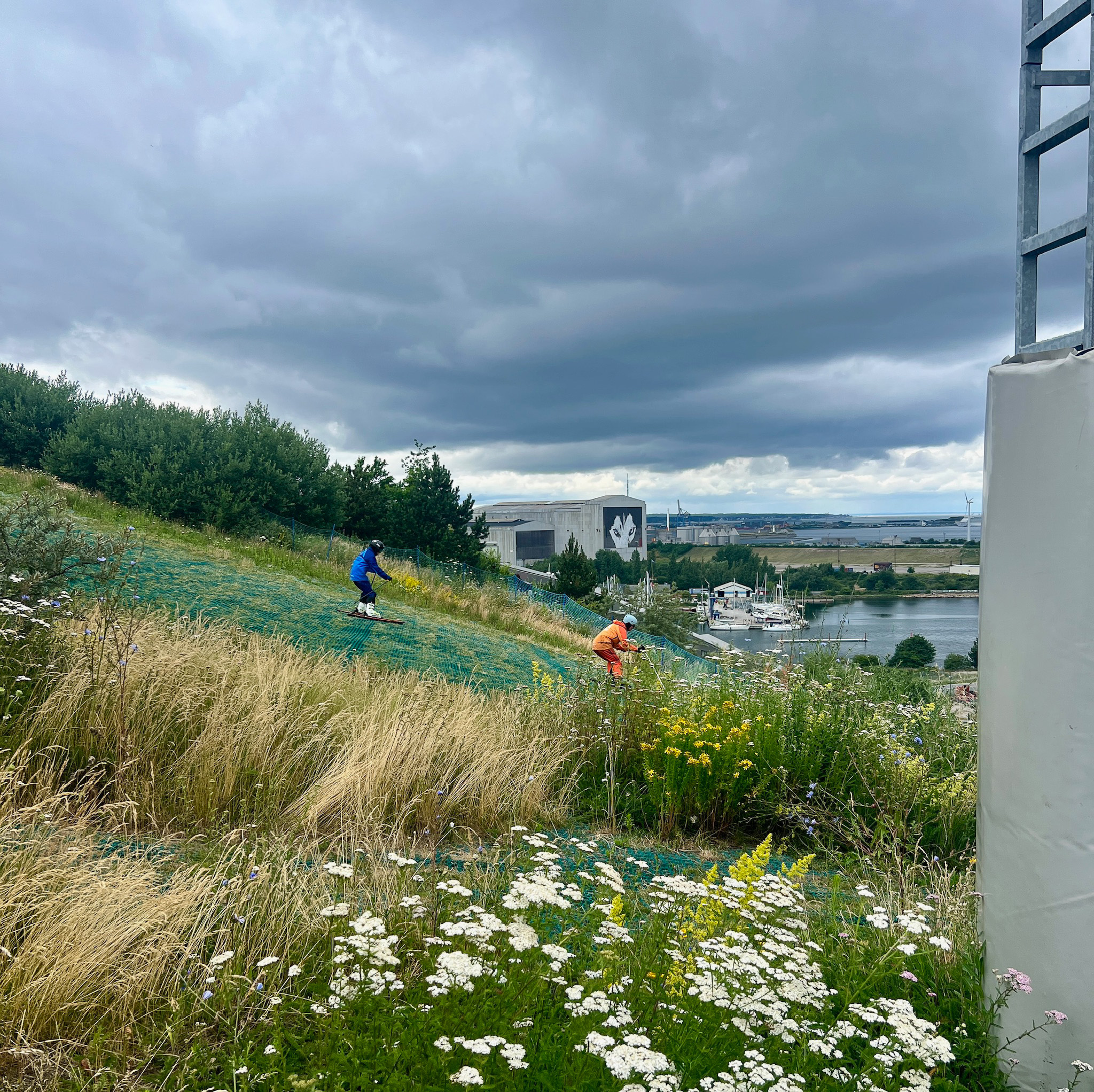
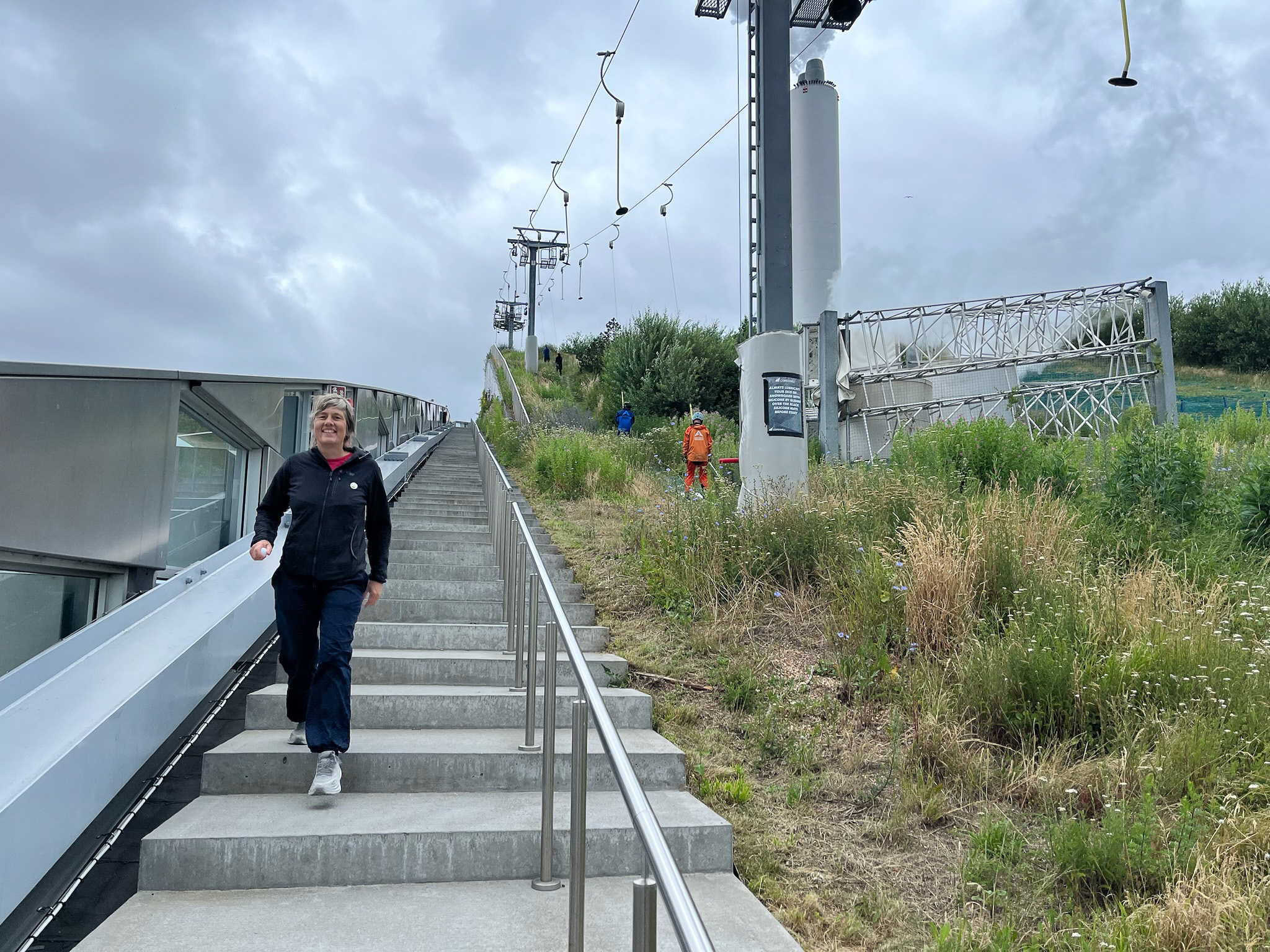
Posted in Found Objects, Information, tagged BIG, copenhill, denmark, details, europe, green roof, joinery, living roofs, norway, oslo, scandanavia, traditional details on September 18, 2024| Leave a Comment »
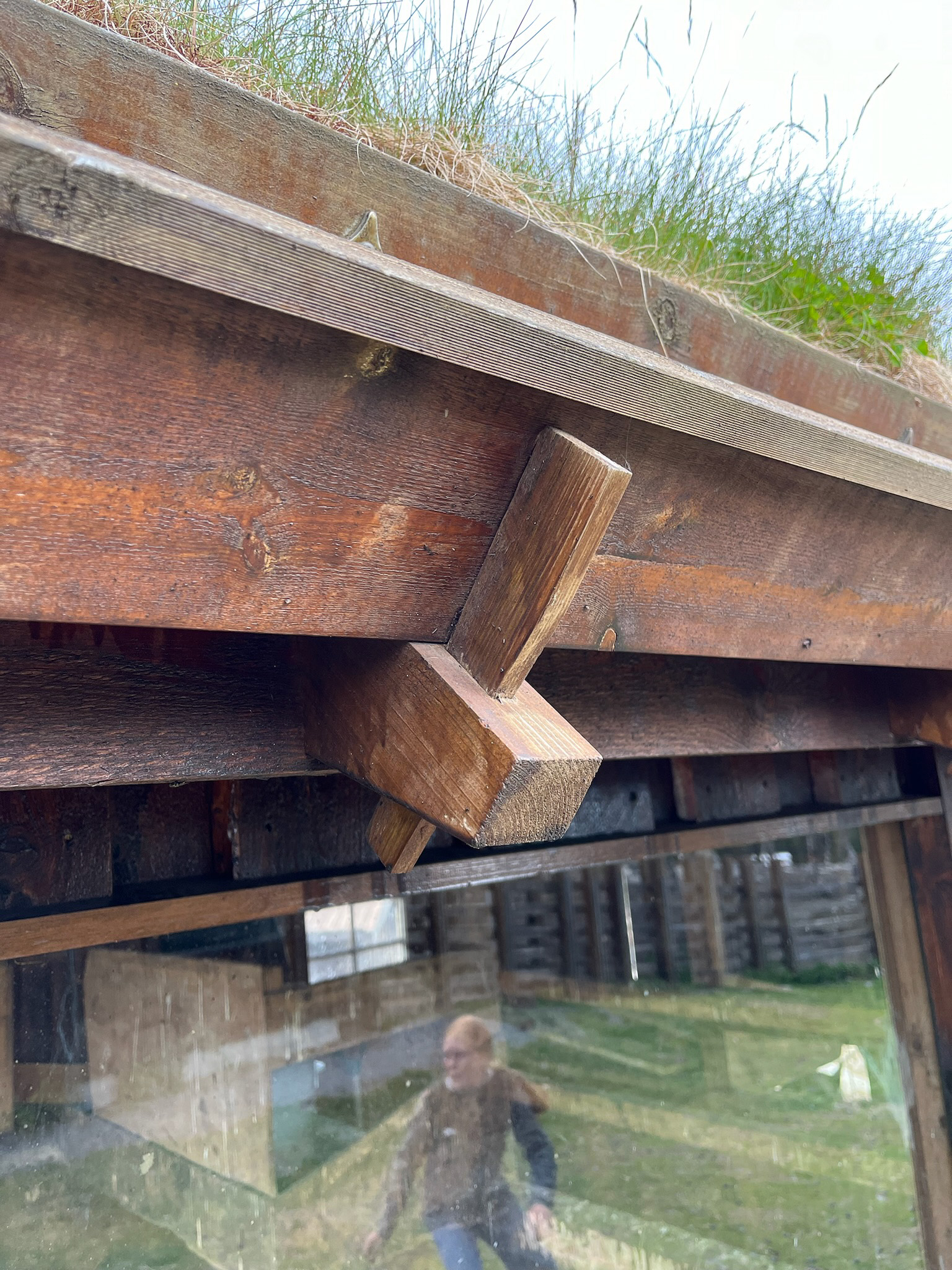
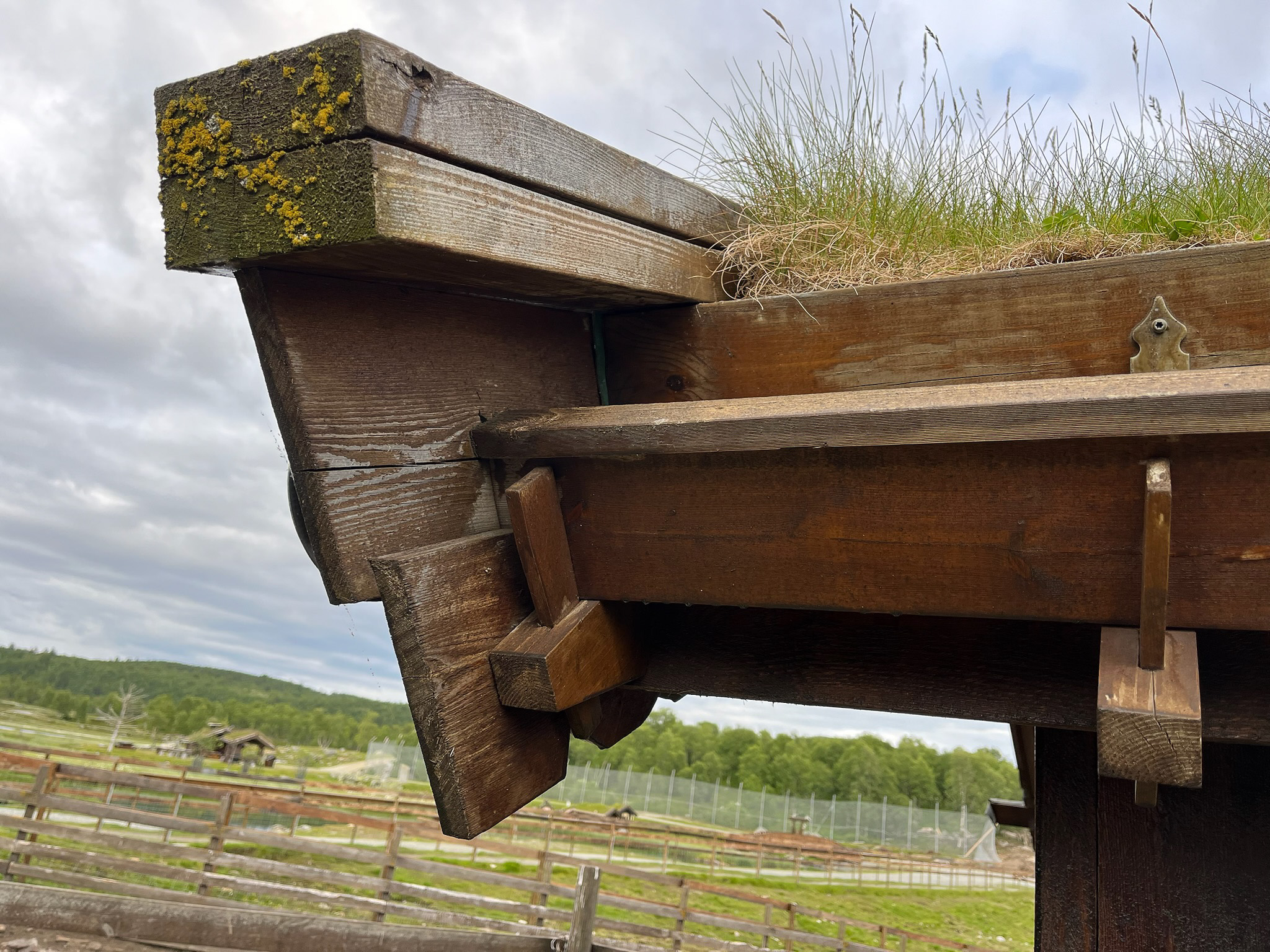
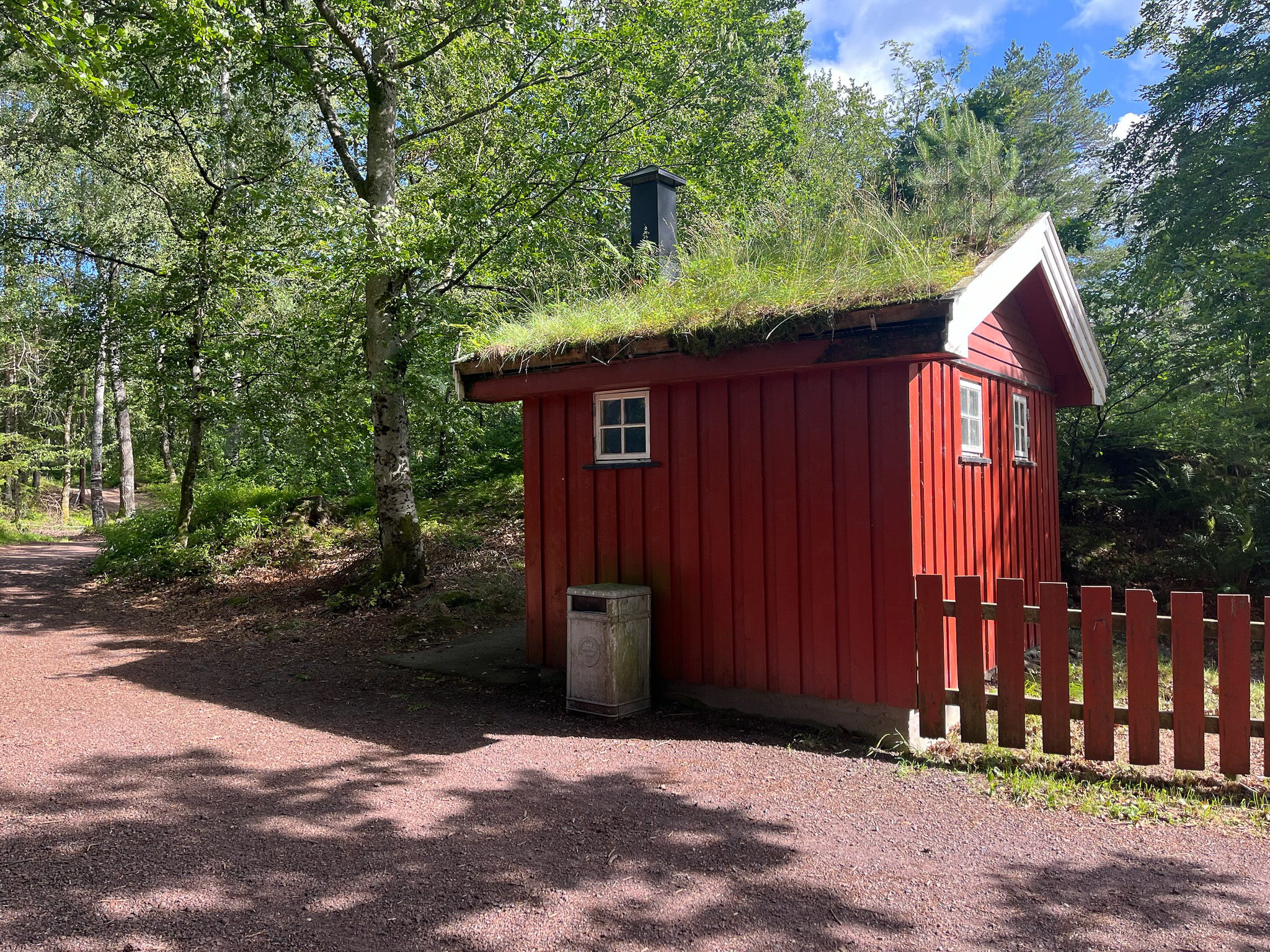
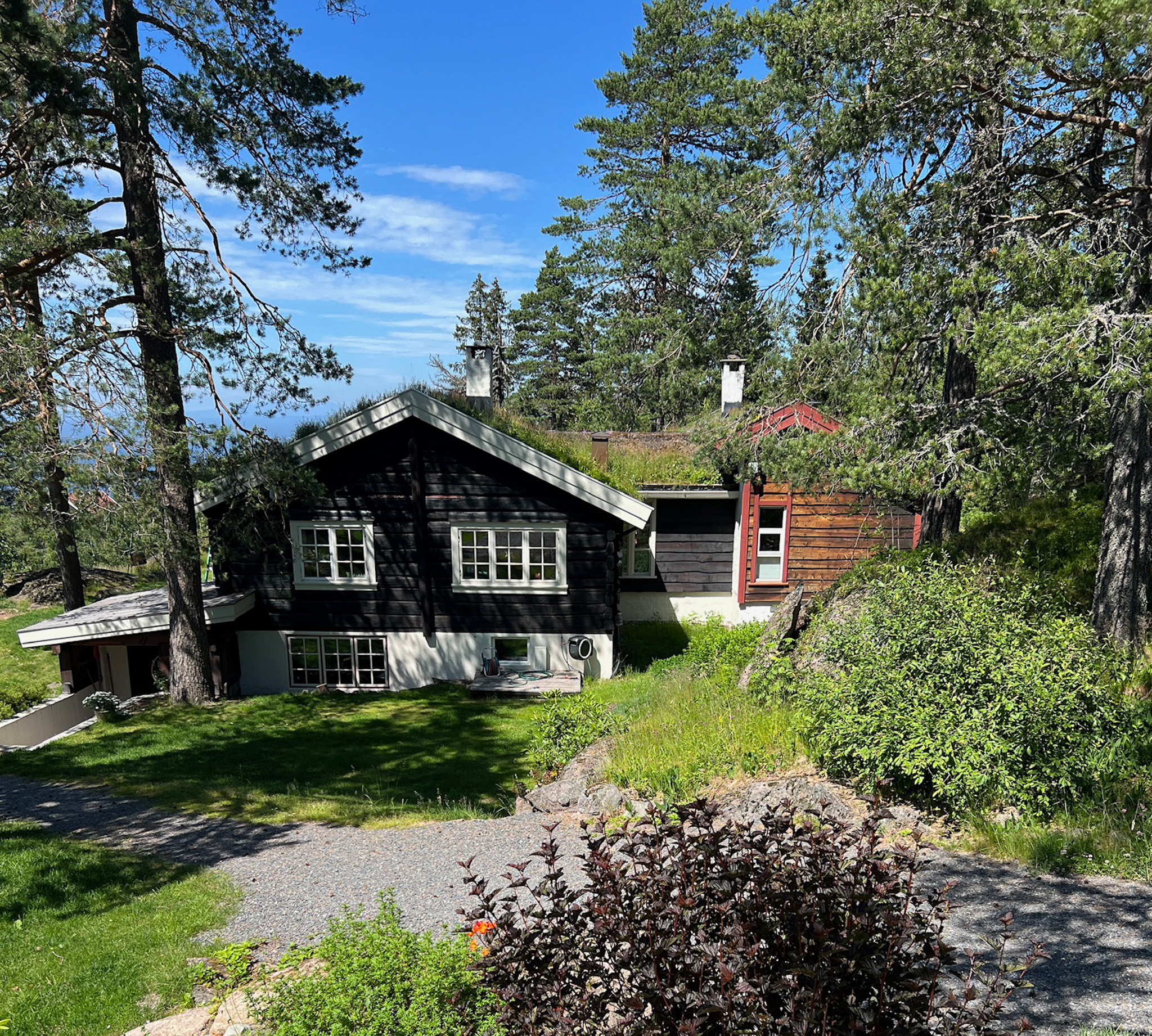
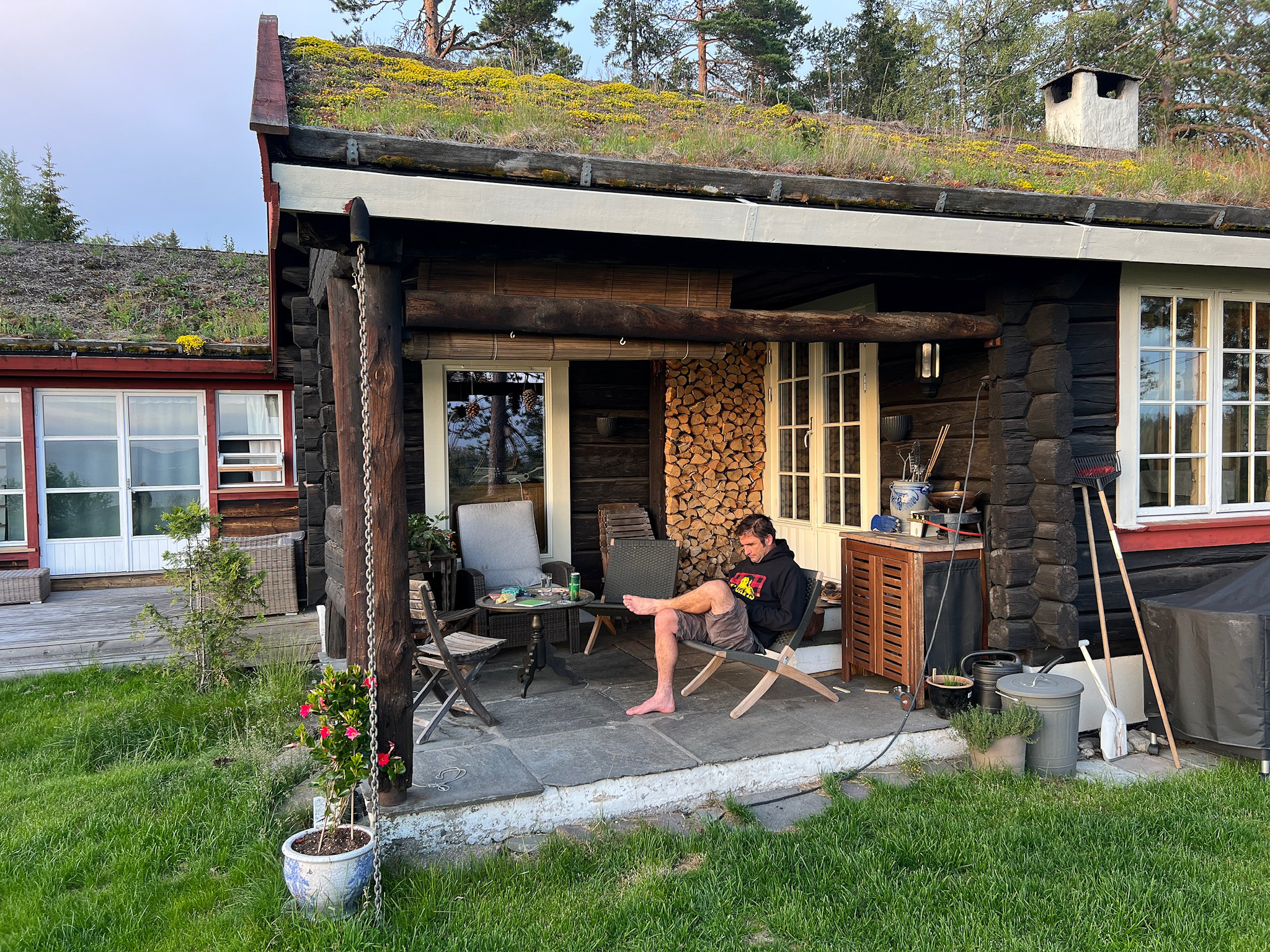
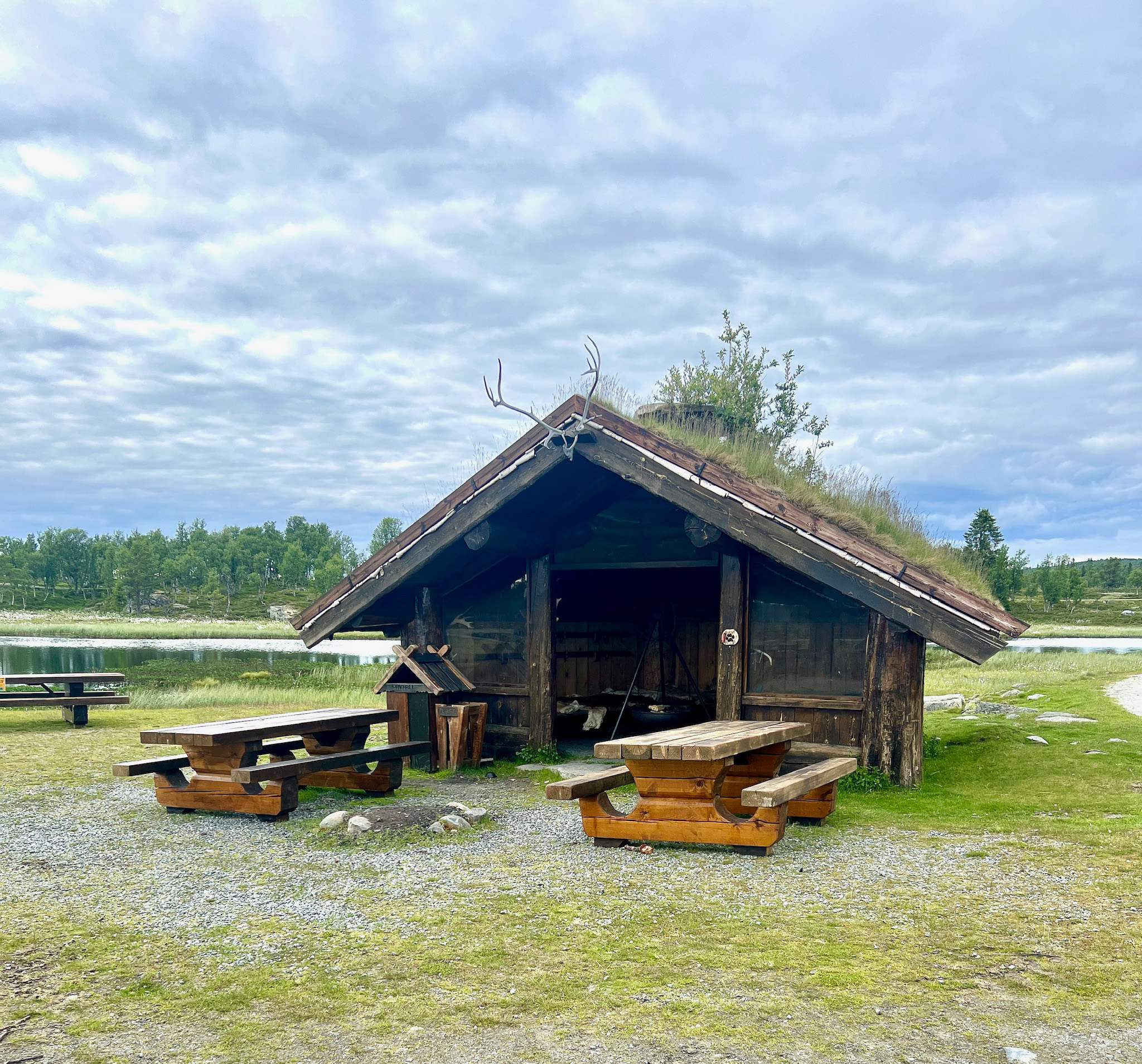
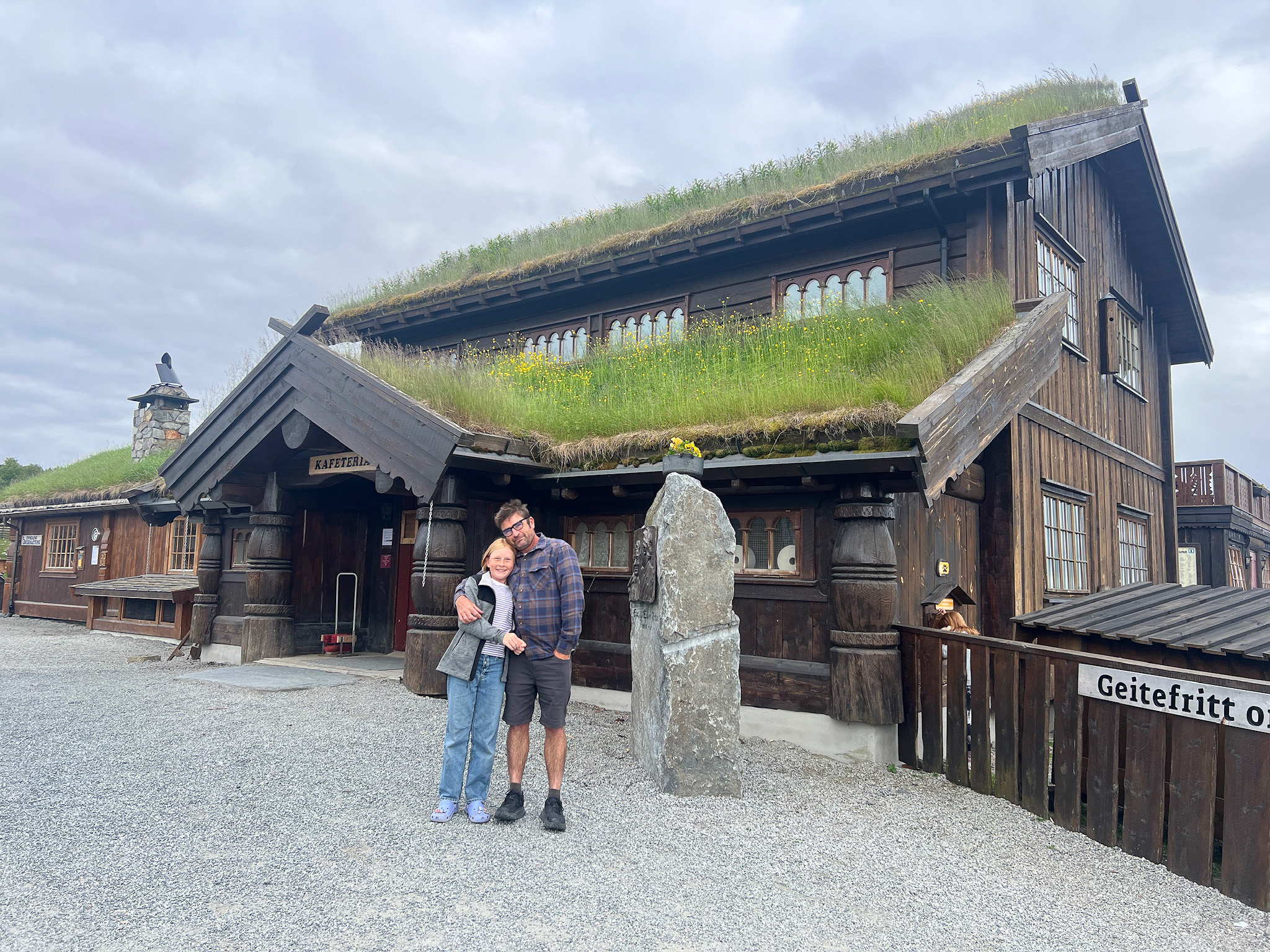
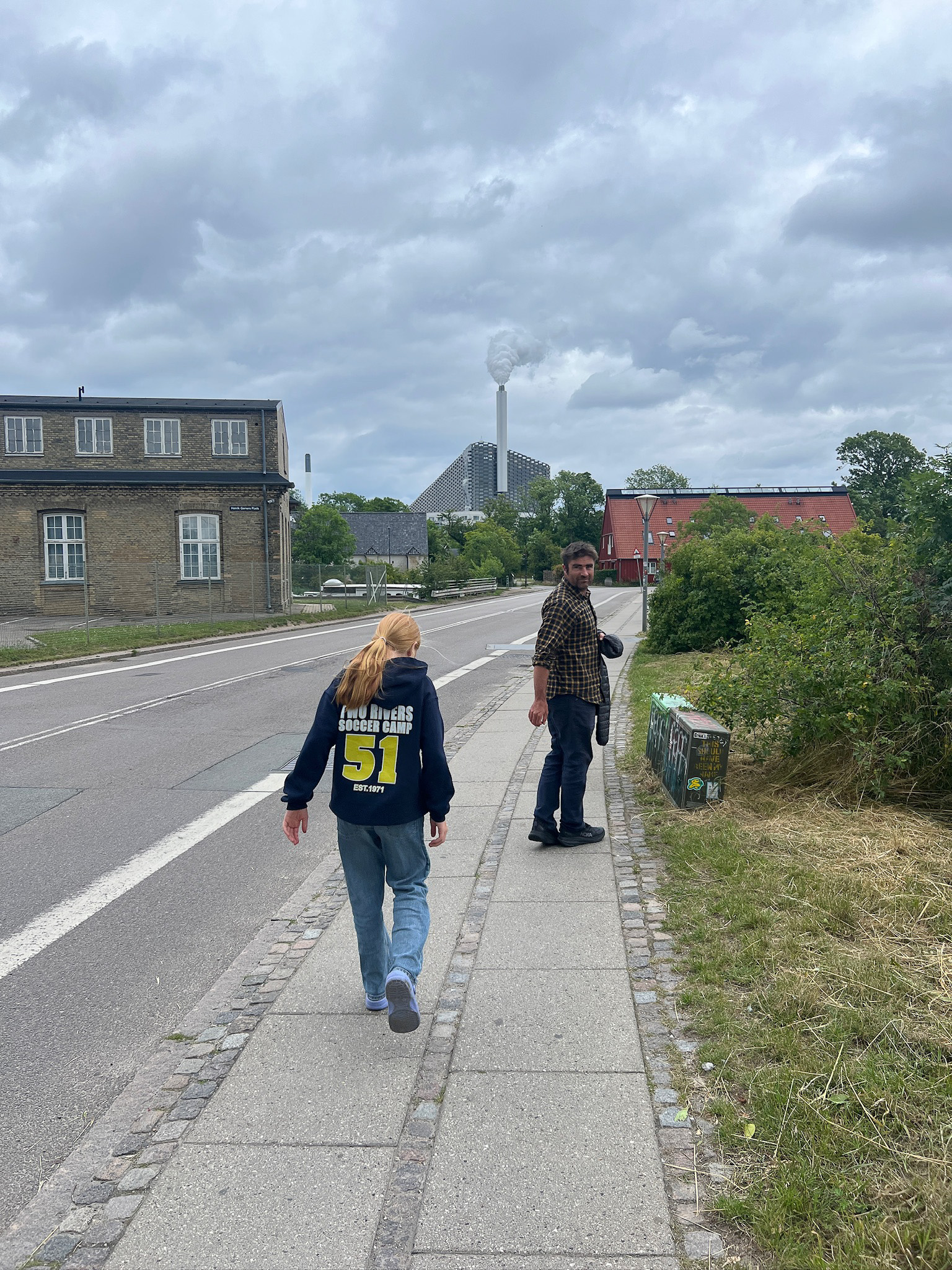
We (myself and John McBride) collected a few photos of living roofs in Norway and Denmark. Starting with traditional details from the Norwegian Museum of Cultural History in Oslo, then some modernized, but very similar details that we saw everywhere we went in Norway, then one very modern example in Copenhagen, Denmark.
Posted in Found Objects, Information, tagged blue space, copenhagen, courtyard, green space, housing, parks, planning, sharing space, urban design, water on July 10, 2024| Leave a Comment »
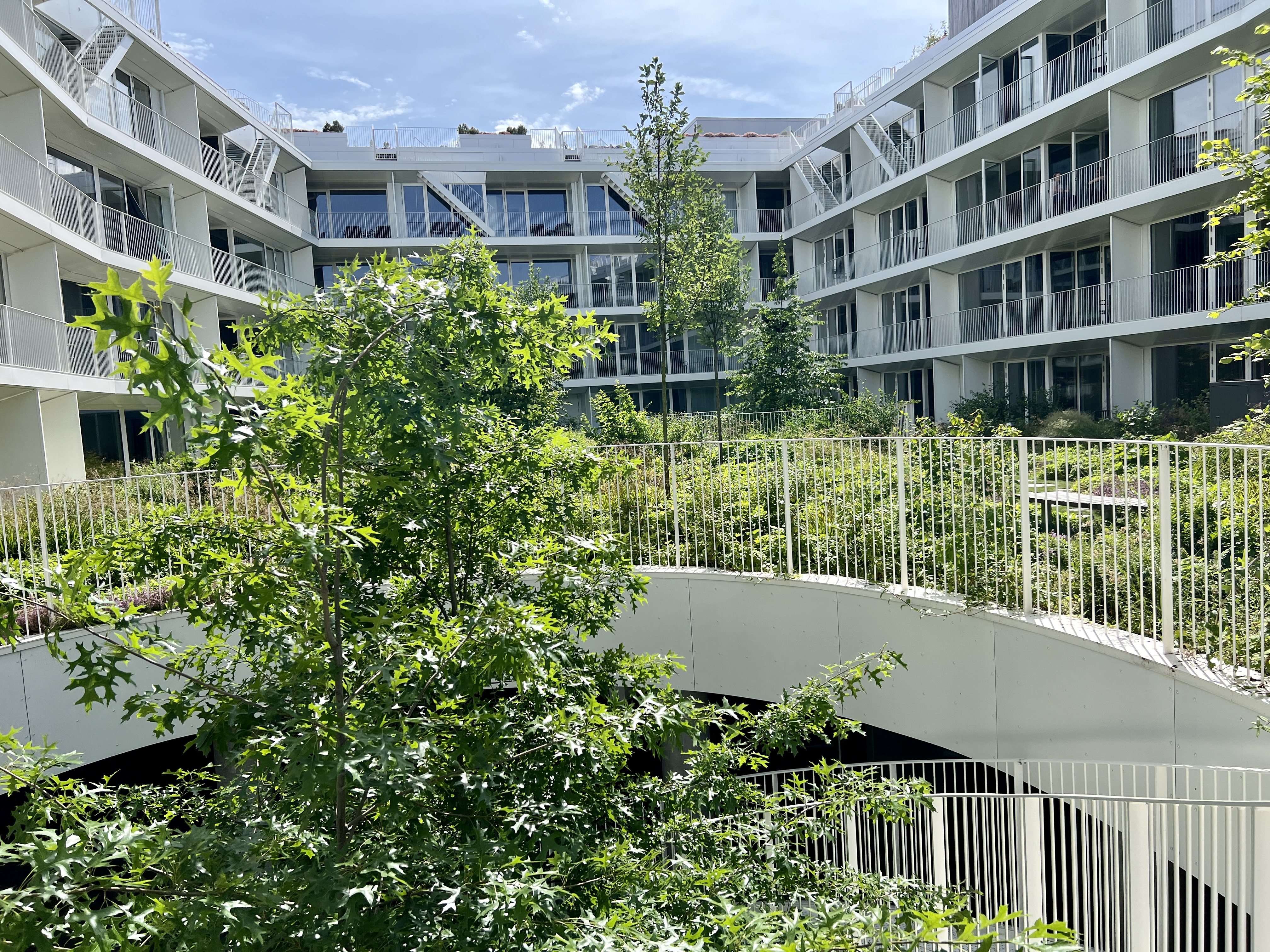
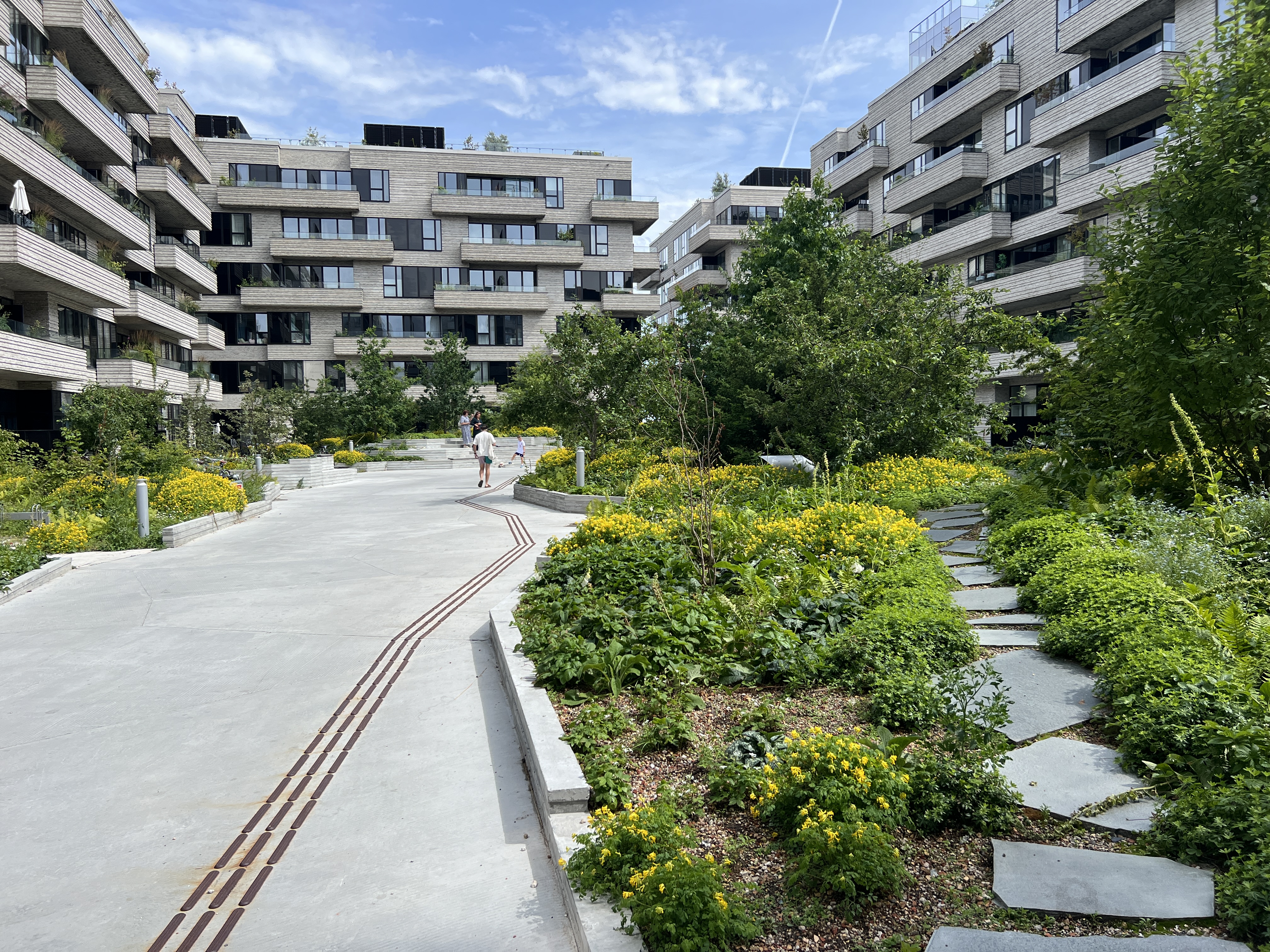
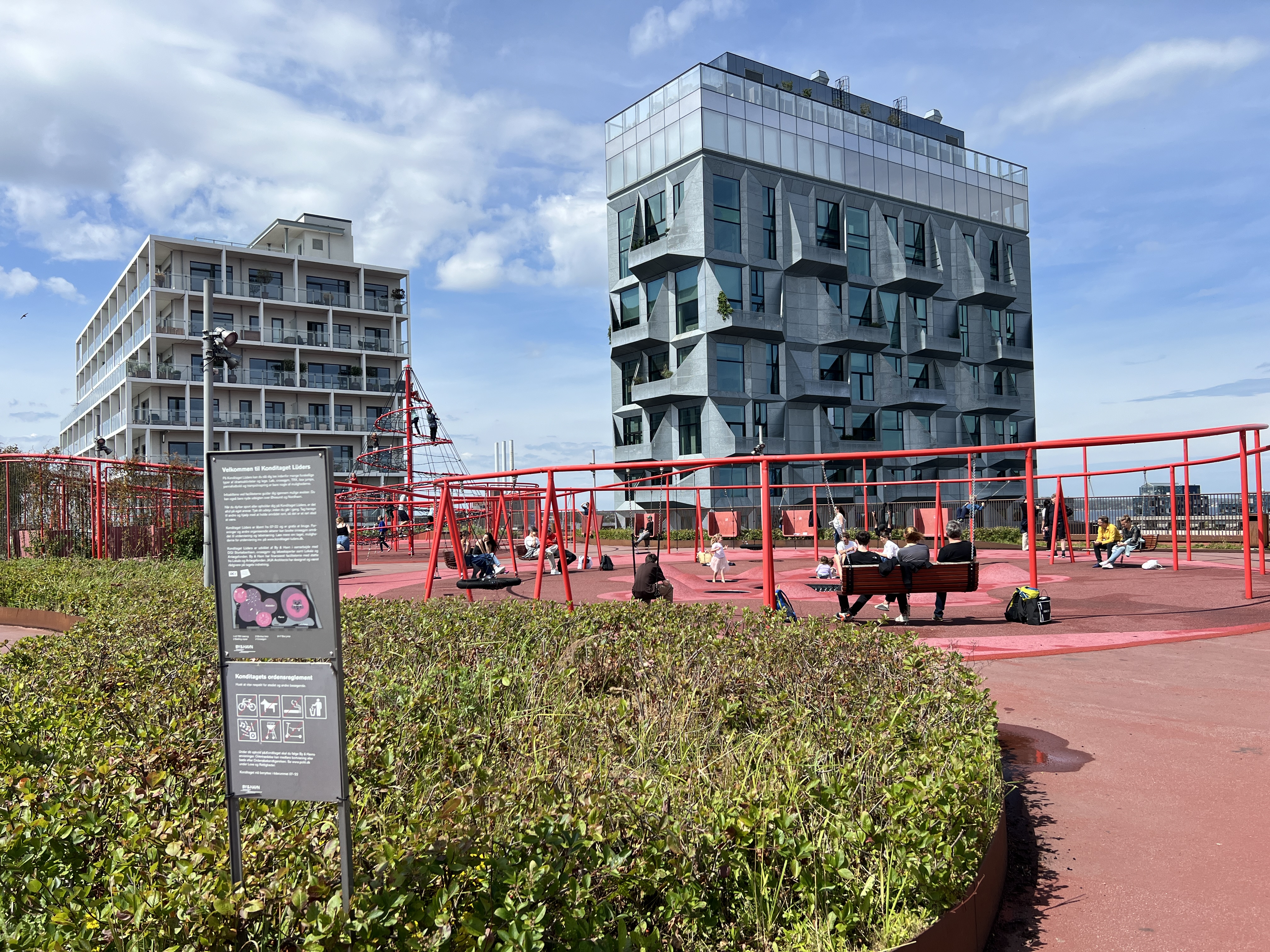
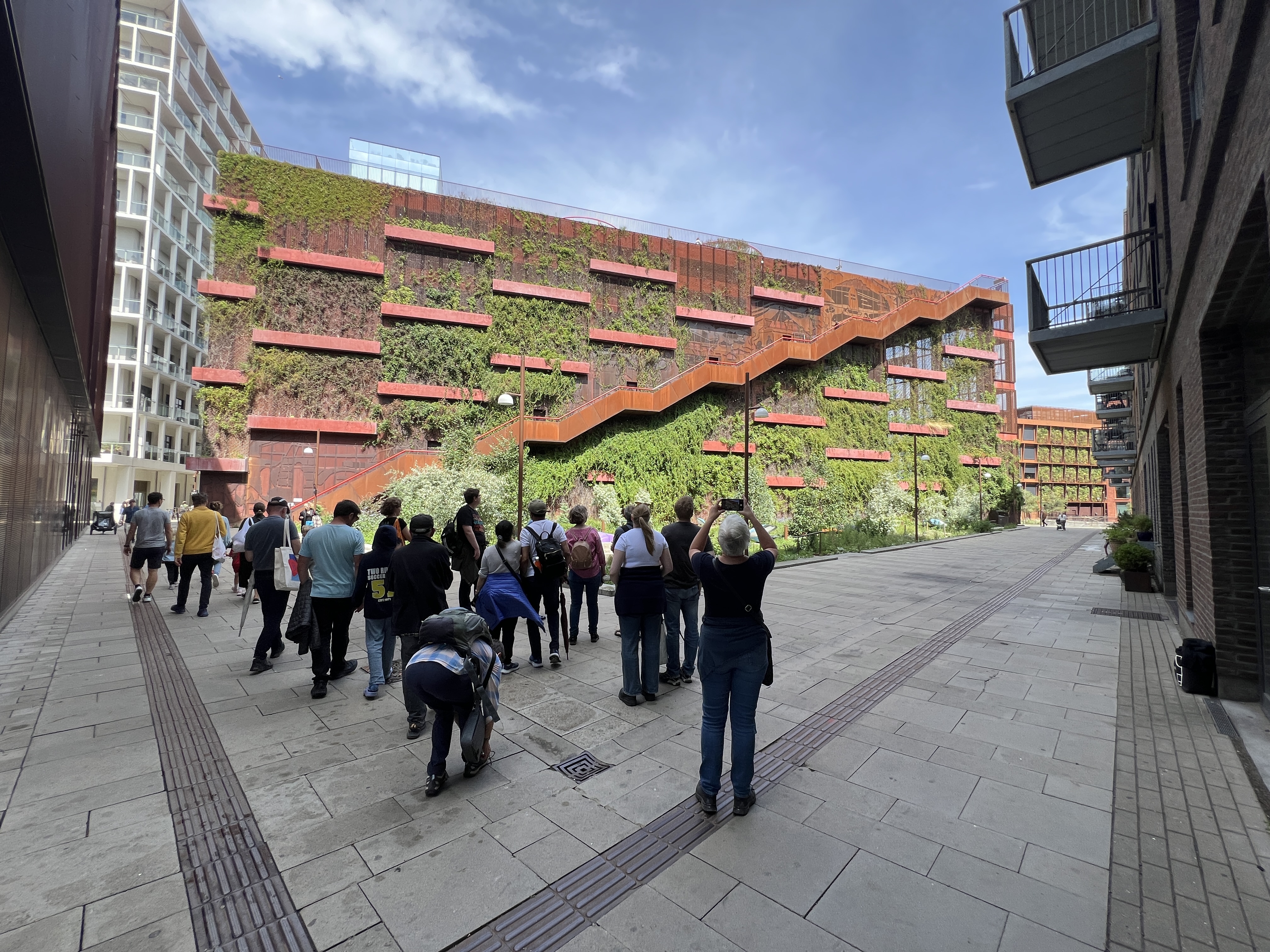
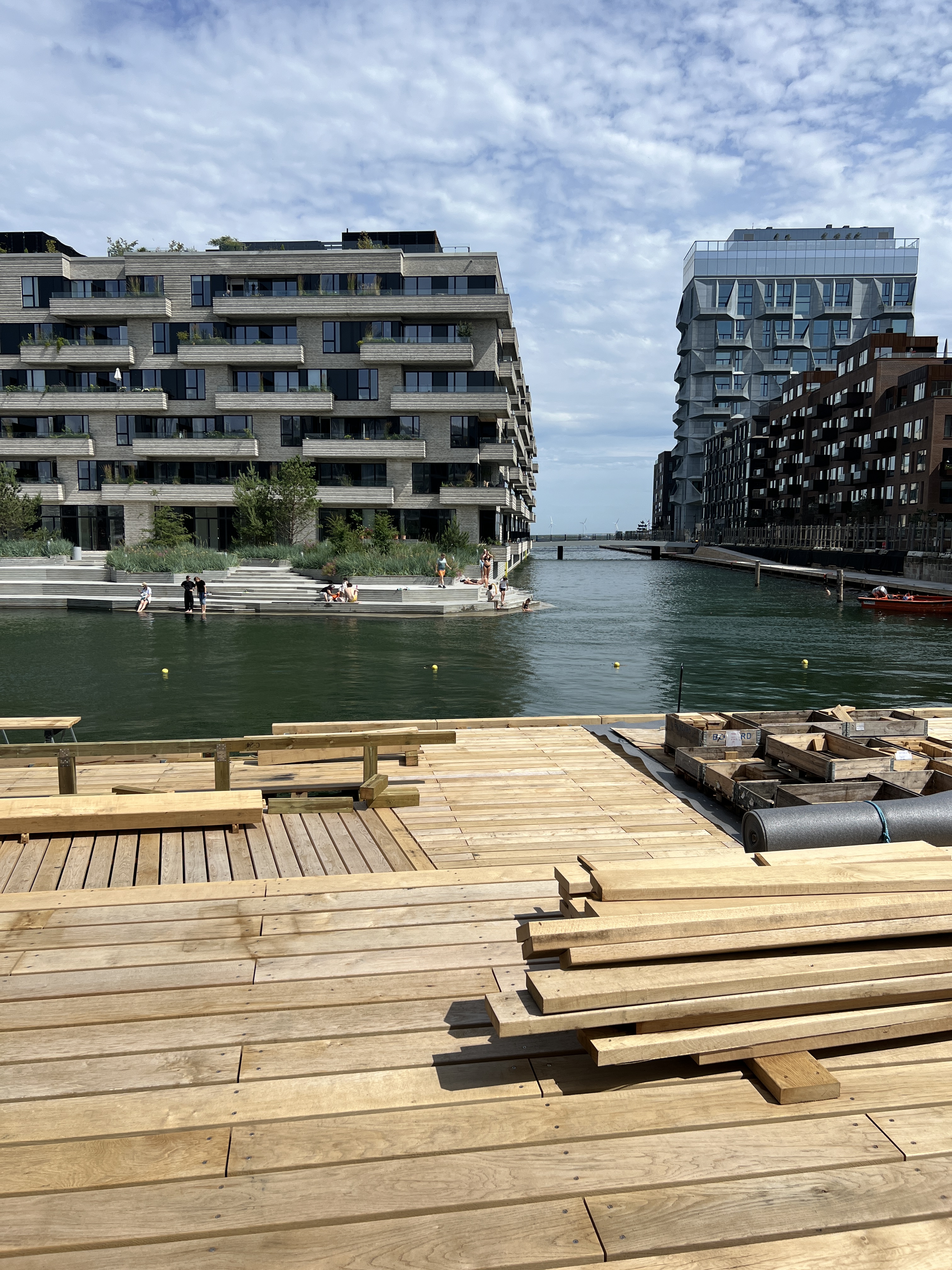
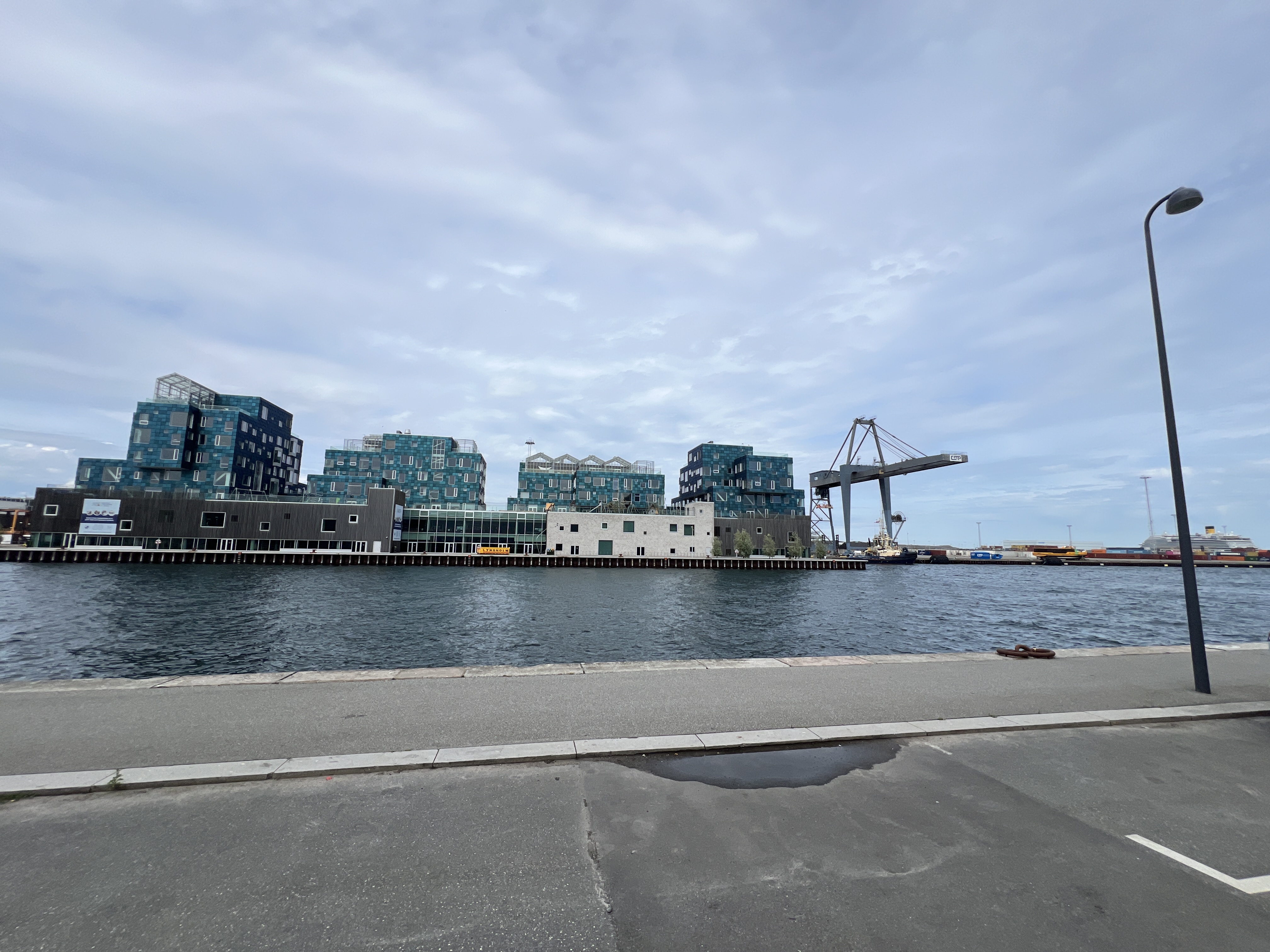
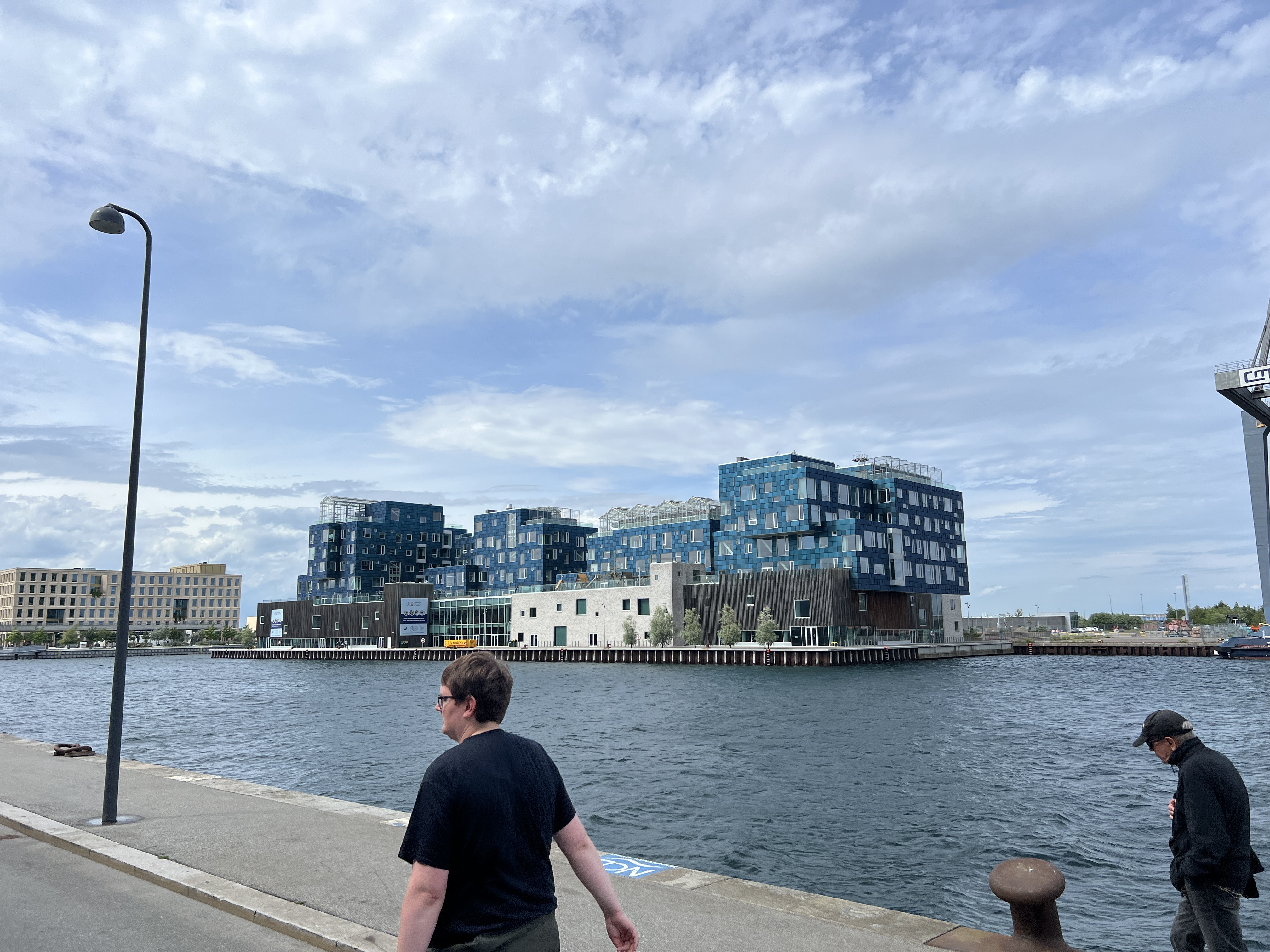
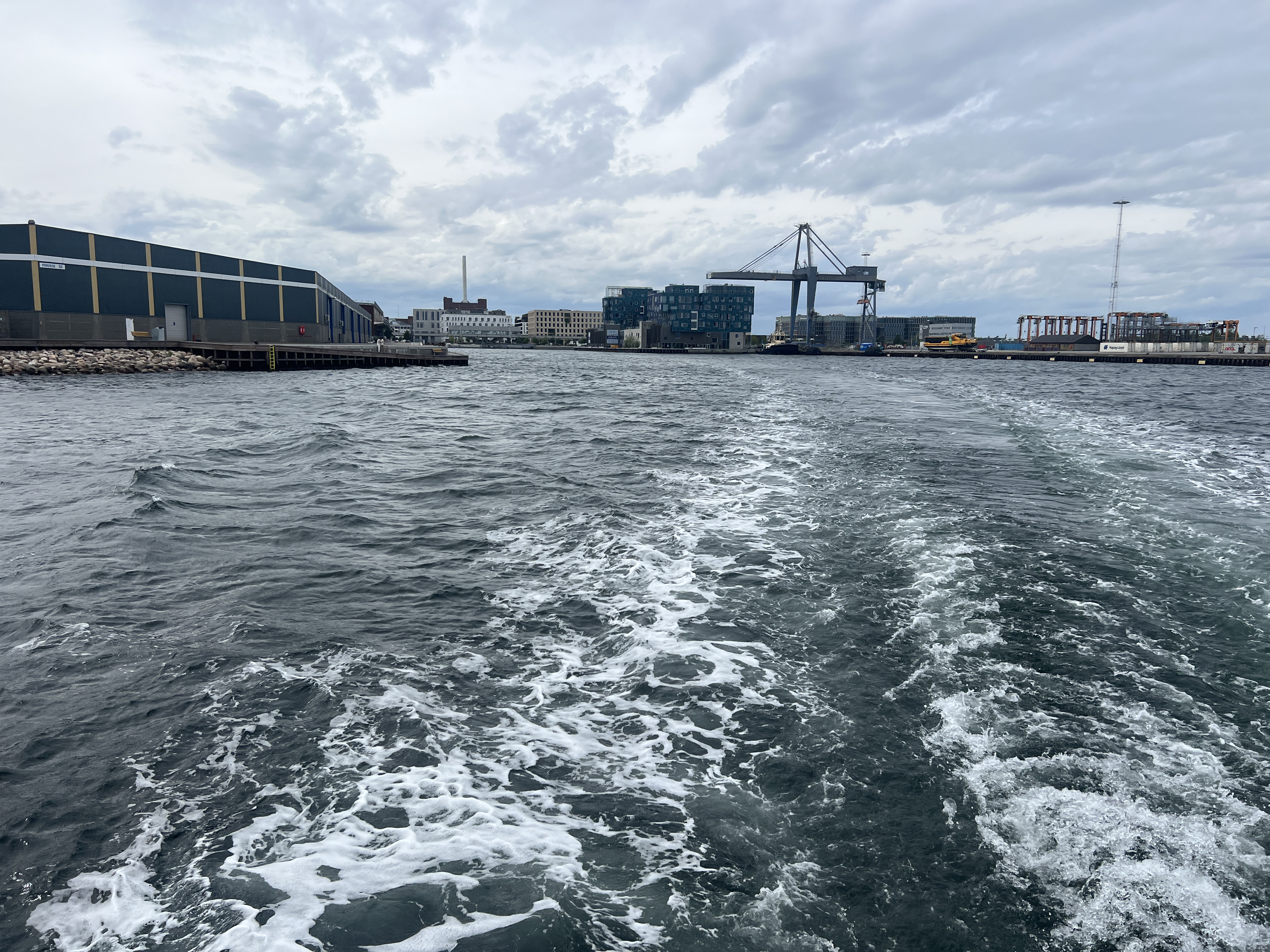
Also in Copenhagen we went on tours of some of the newly developed mostly residential areas…in particular, Nordhavn, which used to be a port and is now mostly apartments. Our tour guide told us that this and other newer parts of Copenhagen are built on what was once water. She mentioned that the master plan included both green space and blue spaces for enhancing the human environment – regular parks (green) and all sorts of connections to the water and uses of the water for transit, swimming, boating etc. (blue) Lots of mention of environmental certifications, and we also toured a very nice recycling/reuse facility. Nesting sites for 3 species of bird were incorporated into the roof of one tall building. The courtyards and other outdoor spaces, (blue and green) were mostly quite nice. We were wondering about impacts on the greater environment, wildlife, of expanding over the water…and how they were preparing for sea level rise. Multi family housing is already more energy efficient than single family houses, but we were told that most of these buildings incorporate many environmentally conscious features, but that wasn’t the focus of the tour. We did tour a very nice recycling and reuse facility serving the neighborhood. The entire waterfront is public space available to all residents and non- residents.
Posted in Found Objects, tagged cohousing, copenhagen, courtyard, denmark, garden on July 6, 2024| Leave a Comment »
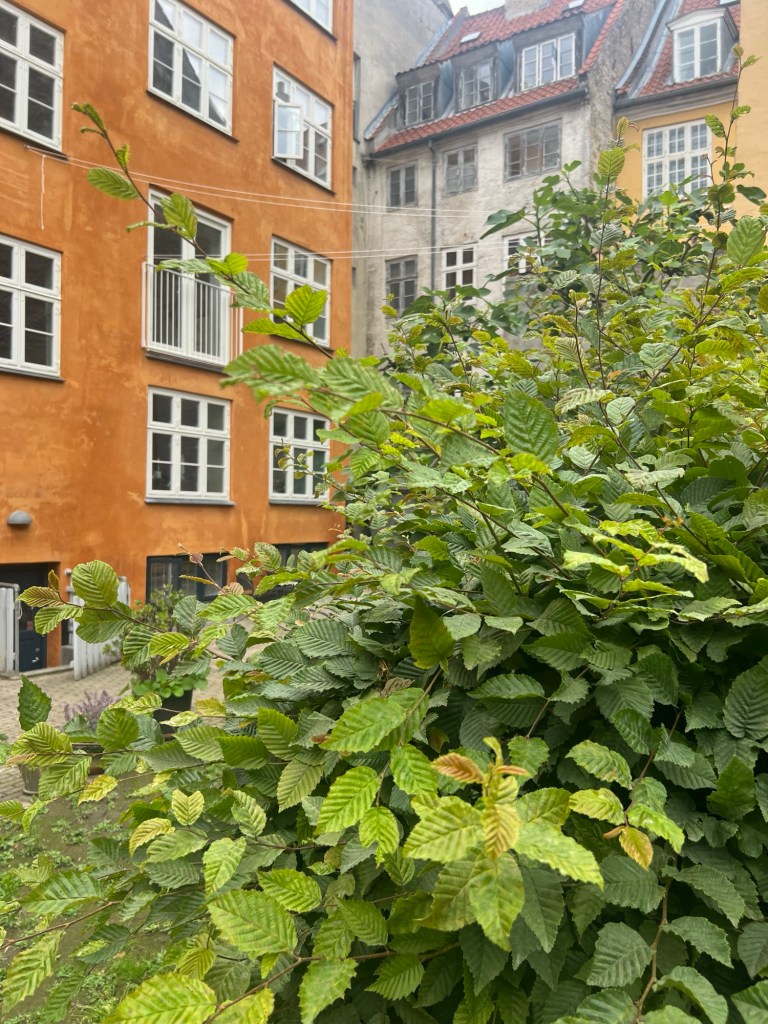
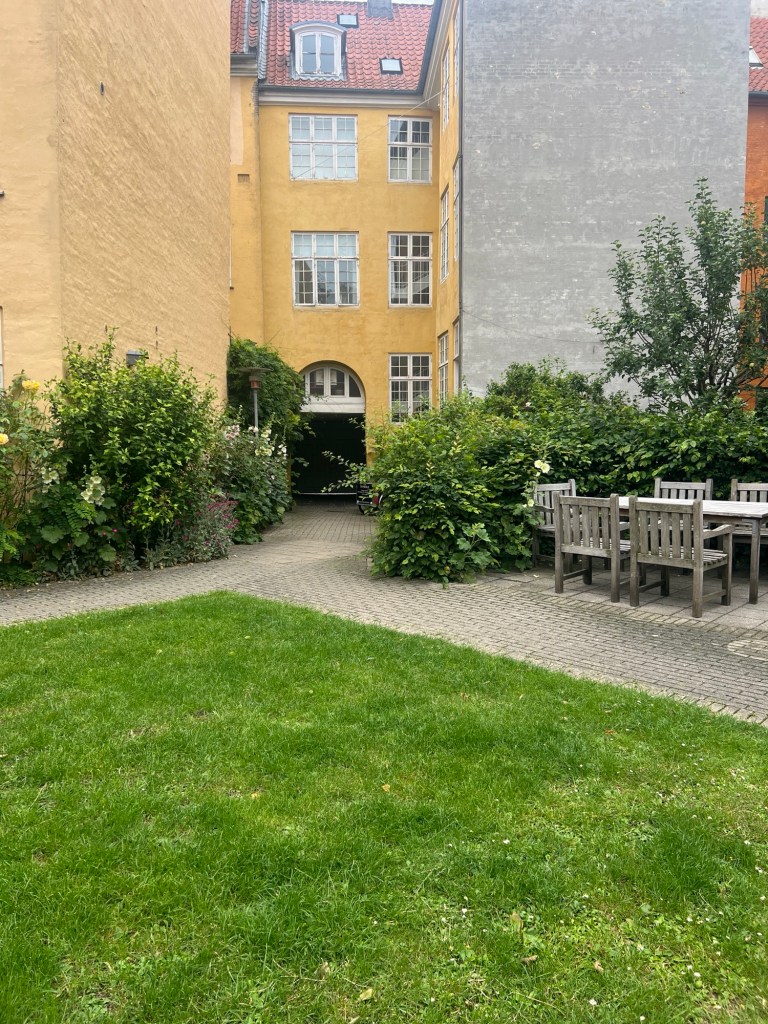
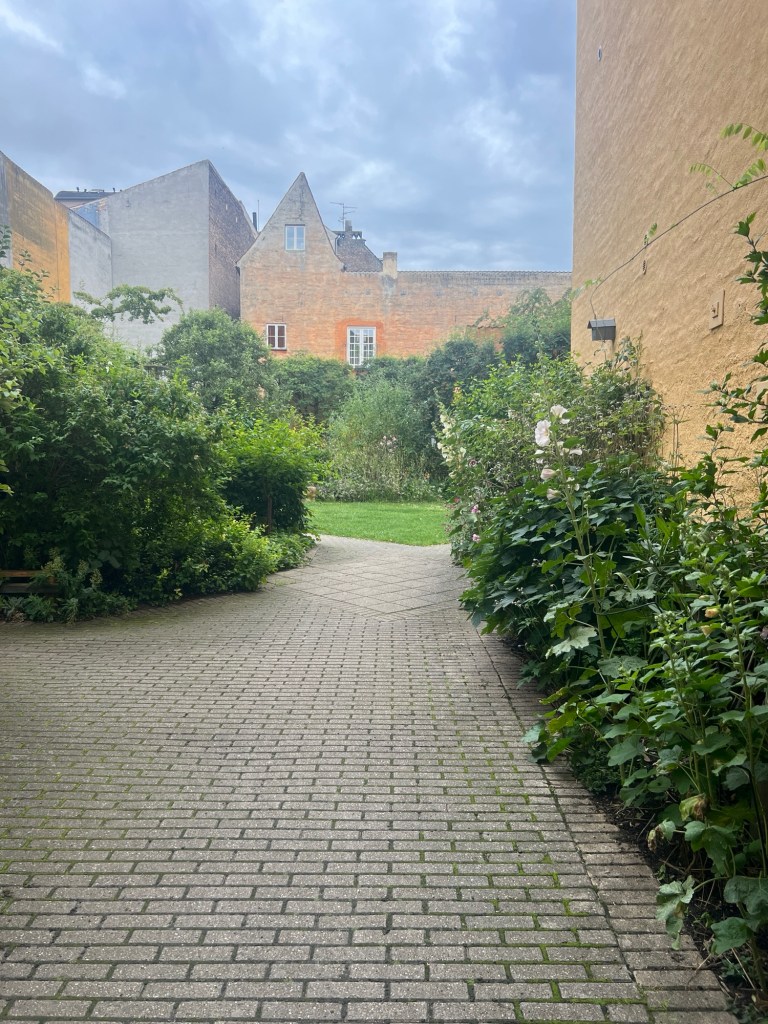
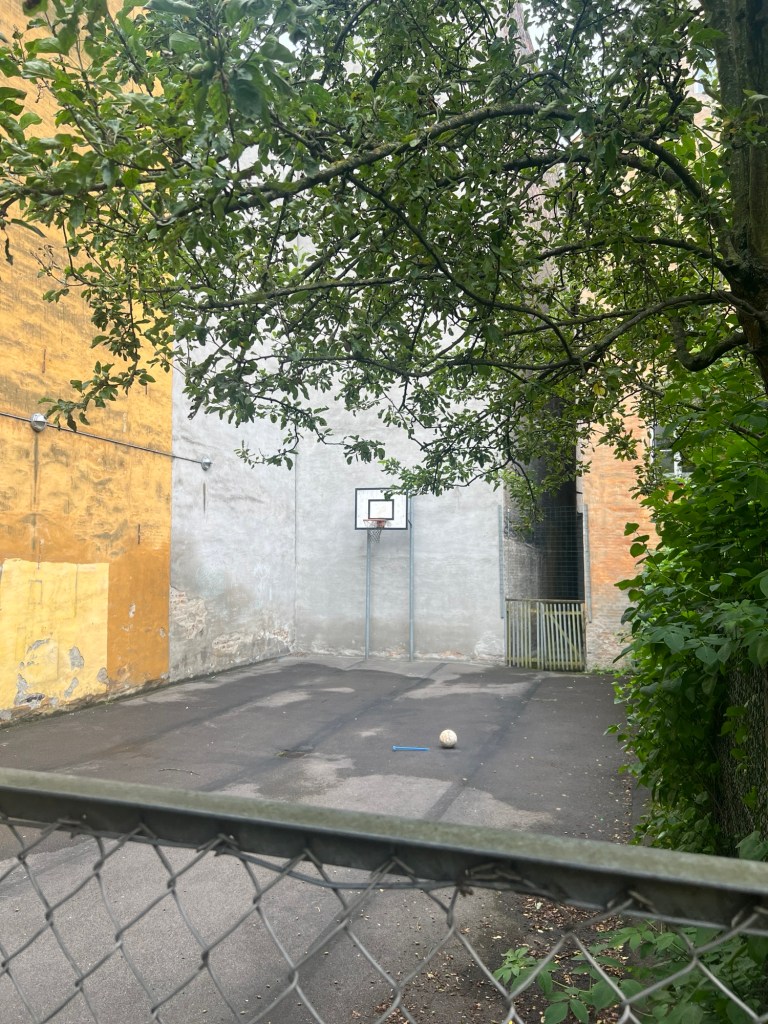
quite lovely…including a basketball/ soccer court and various nooks for sitting, dining, gardening…hanging laundry…but we rarely saw people using the space.
Posted in Found Objects, Information, tagged small bathroom, small spaces, tiny house on July 4, 2024| Leave a Comment »
First trick – if you barely have room for the bed best to have the foot accessible so two can access. (If only one side)
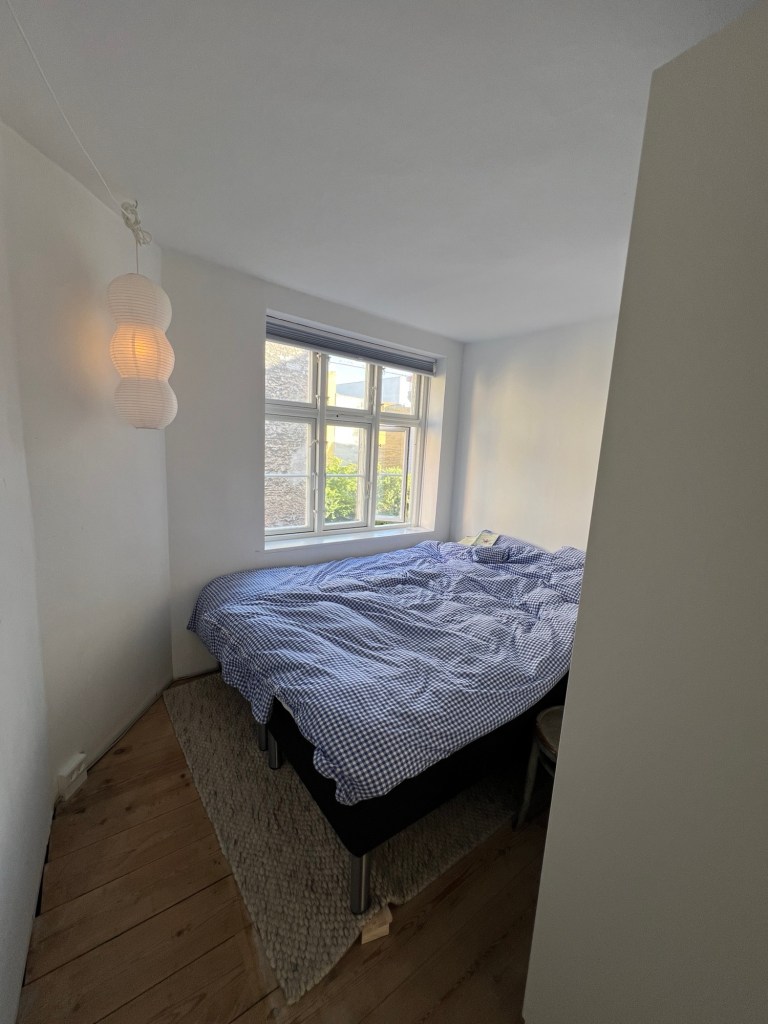
Also two small comforters rather than a big shared one makes it easier to not disrupt the other person when you go to bed late.
Second – small bathroom trick that seems common in Scandinavia – the whole bathroom shower
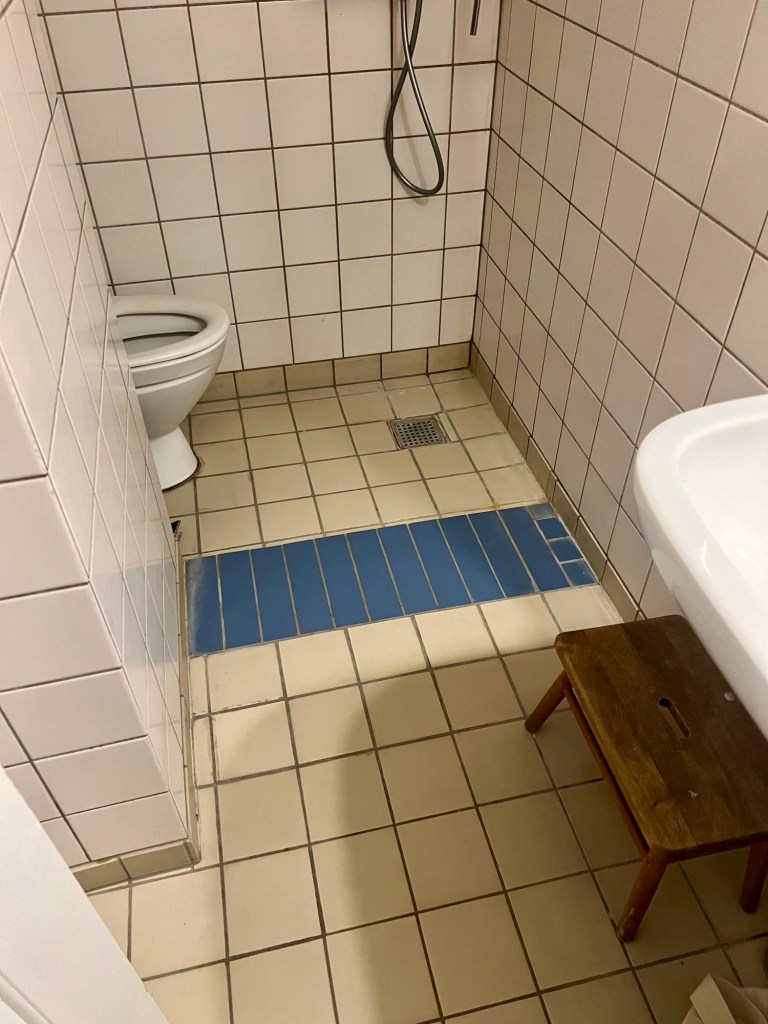
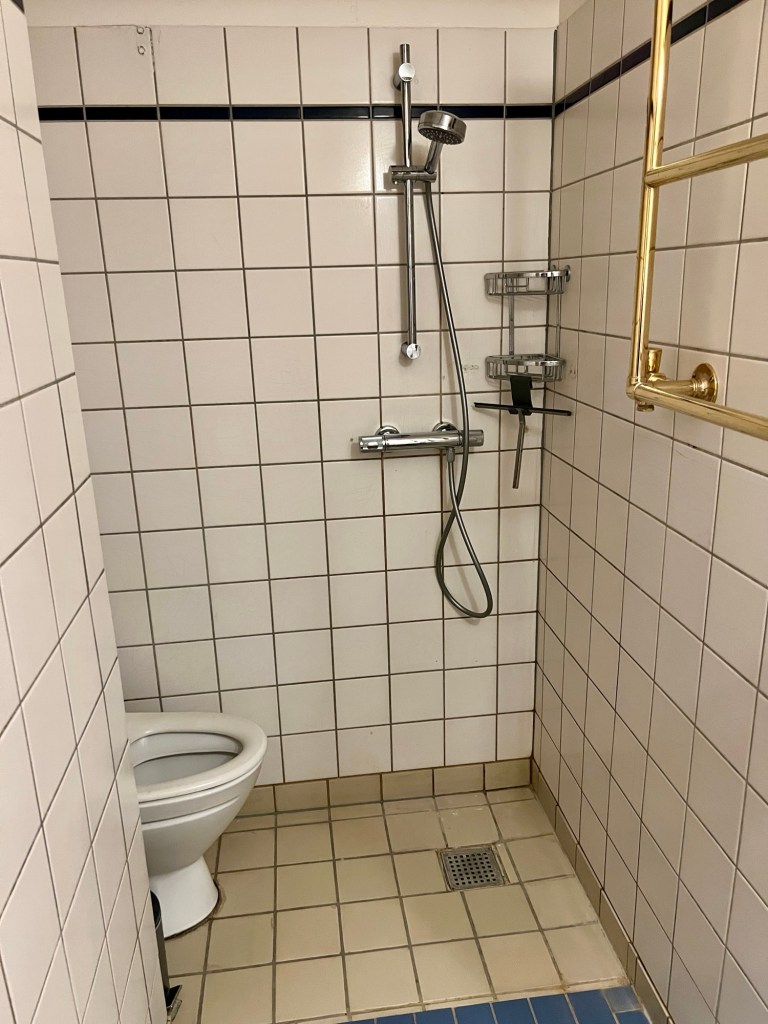
in this one the toilet gets washed everytime you take a shower! (best if the tp is protected from splash)
This apartment also has a great shared private courtyard in the back. Ill post some pics tomorrow.
Posted in Design Projects, Found Objects, tagged Berkeley, color, details, fun, historical styles, house, Sun Rays, sunrays, trim details, whimsy on July 5, 2023| Leave a Comment »
We stole this detail from the Victorians for two projects underway in Inverness, California and North Berkeley, California.


Here are a few of the inspirations, mostly from the early 1900s in Berkeley & San Francisco:
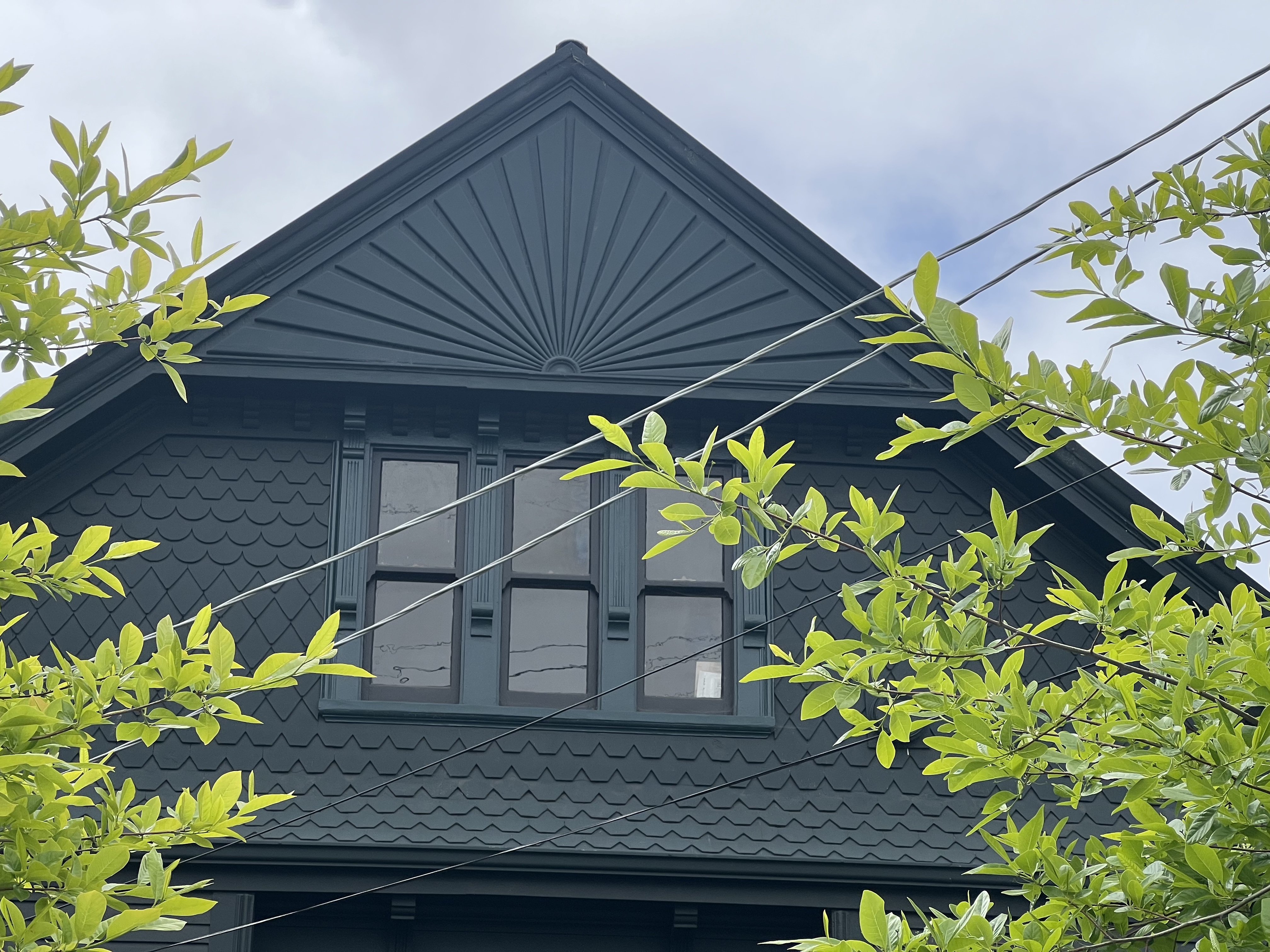


Someone else was recently inspired by the sun rays –

Posted in Design Projects, Found Objects, tagged green building, lanterns, lighting design, Rockridge, vine curtains on June 30, 2022| Leave a Comment »
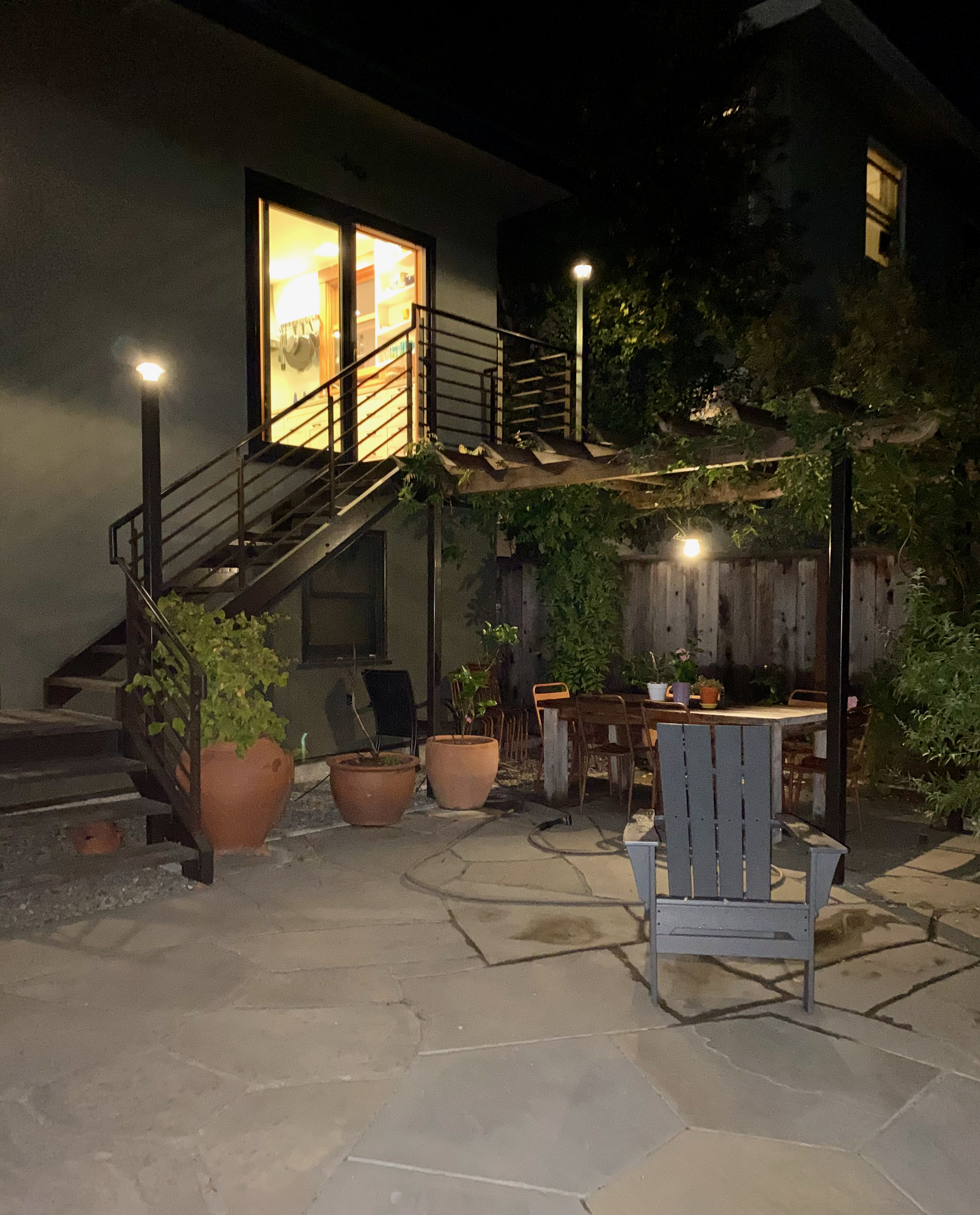
I have been sorting through old photos this week and was reminded of these cool lanterns by Coe Studios used on a Rockridge project.
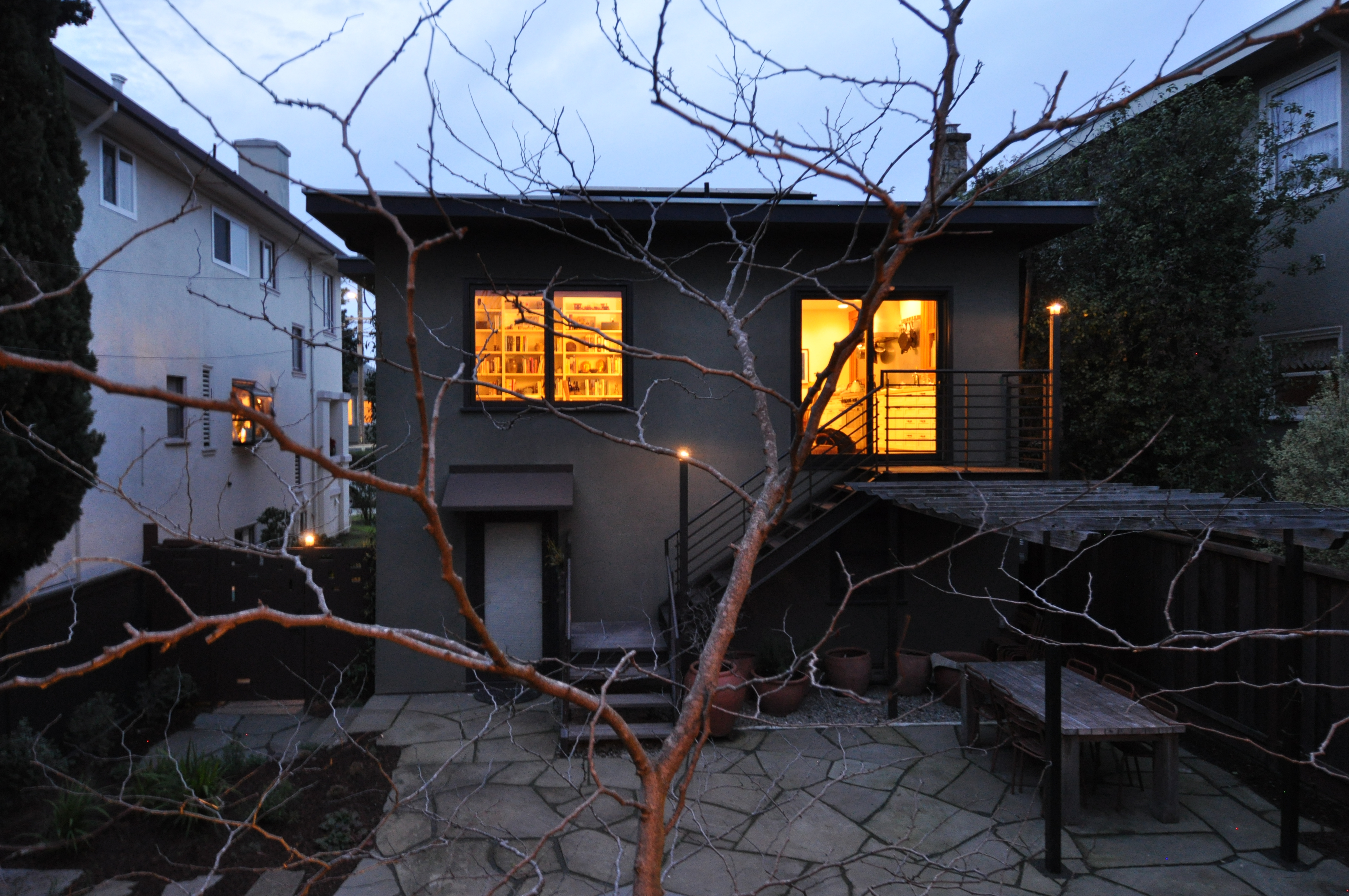
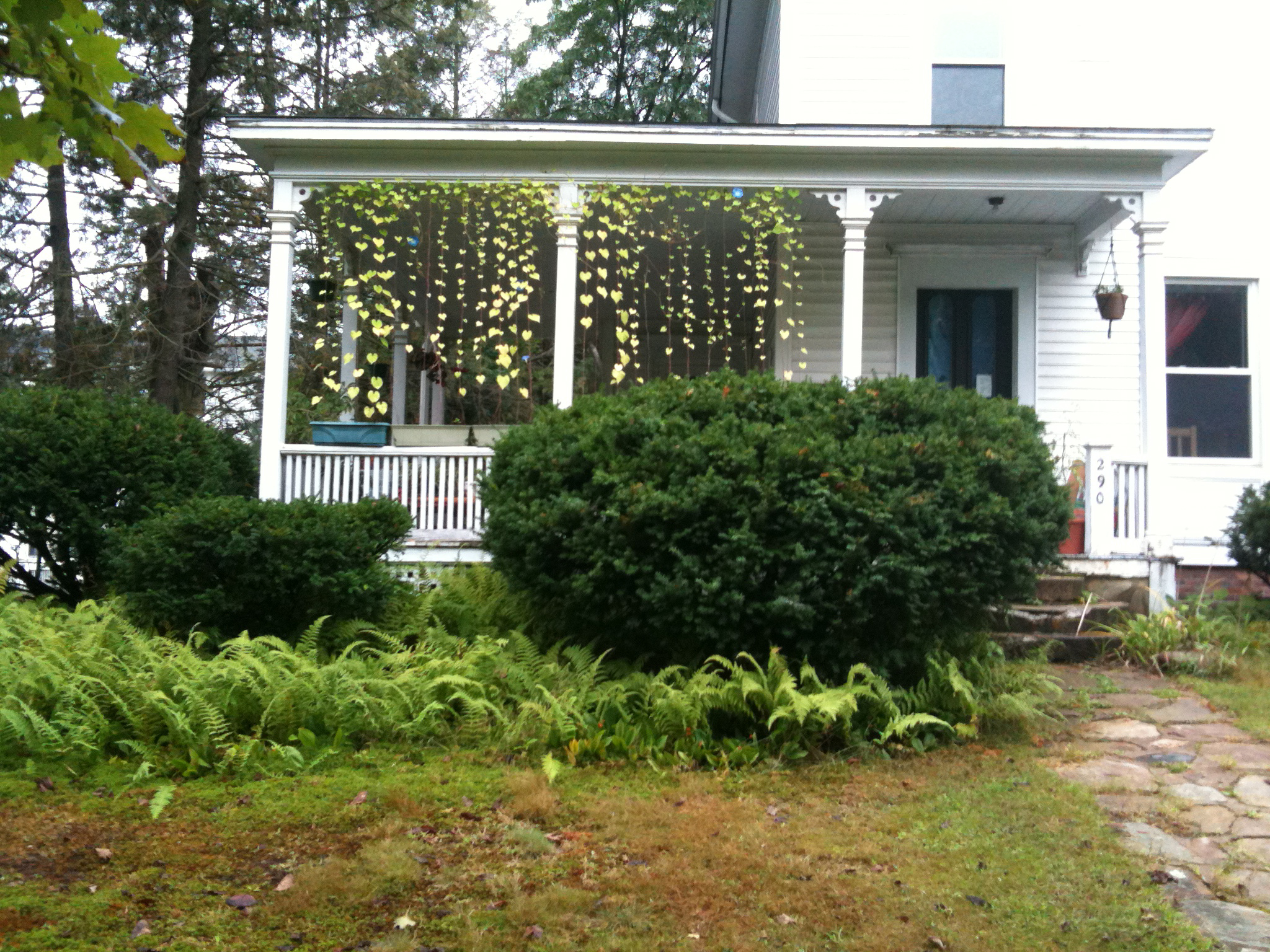
I also came upon this picture of vine curtains that I took in western Massachusetts a while back.
Posted in Found Objects, Information, tagged birds, curtains, Dark Sky, green building, insects, lighting design, stars on May 9, 2022| Leave a Comment »
I was admiring the artistic way these rafter tails wrap around the corner at the Graduate Theological Union in Berkeley when I noticed the dark sky protection measures they implemented very economically with cut off black plastic waste bins. (and look at that black sky!) I recently updated my education on dark sky protection. I already knew that bright exterior lights are annoying to neighbors and that it would be nicer to see more stars at night, but I learned a few more reasons to avoid light pollution. So many nocturnal animals have their normal patterns disrupted by bright night time lights. Birds and insects in particular. I have a new love for curtains on windows to keep the interior lights from lighting up the outdoors. I had considered curtains mainly for privacy and keeping the sunshine out, but hadn’t worried about all the light that can spill out of a house when lights are on at night. Because LED lights use so little electricity the Earth’s light pollution problem is getting worse. It doesn’t cost very much to leave exterior lights on all night and this sometimes seems simpler than fancy lighting controls. Now I will be thinking of the nocturnal creatures as I plan my architectural lighting.

Posted in Found Objects, tagged lanterns, lighting design, petrolia, redwood, shingles on March 22, 2022| Leave a Comment »
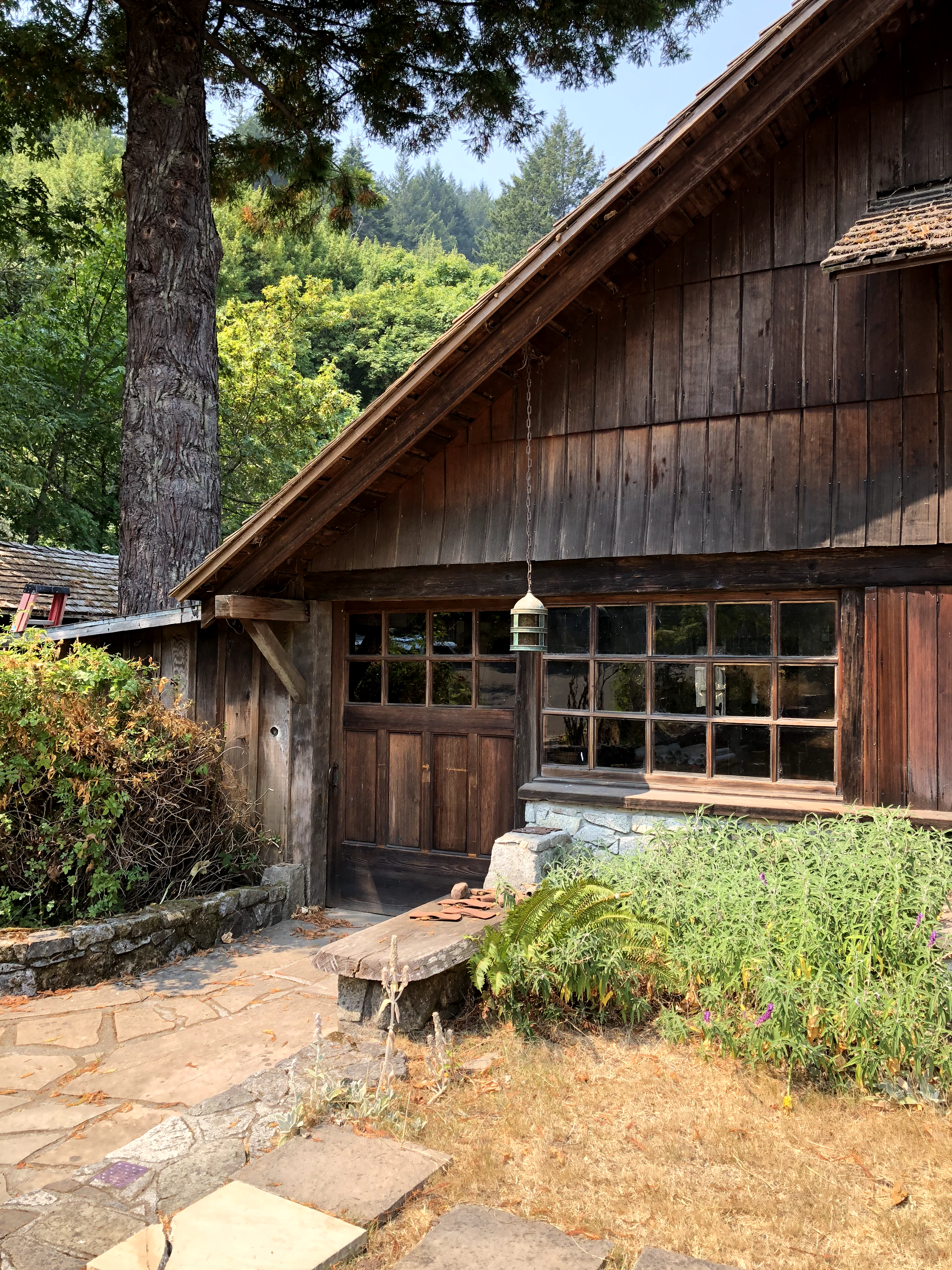
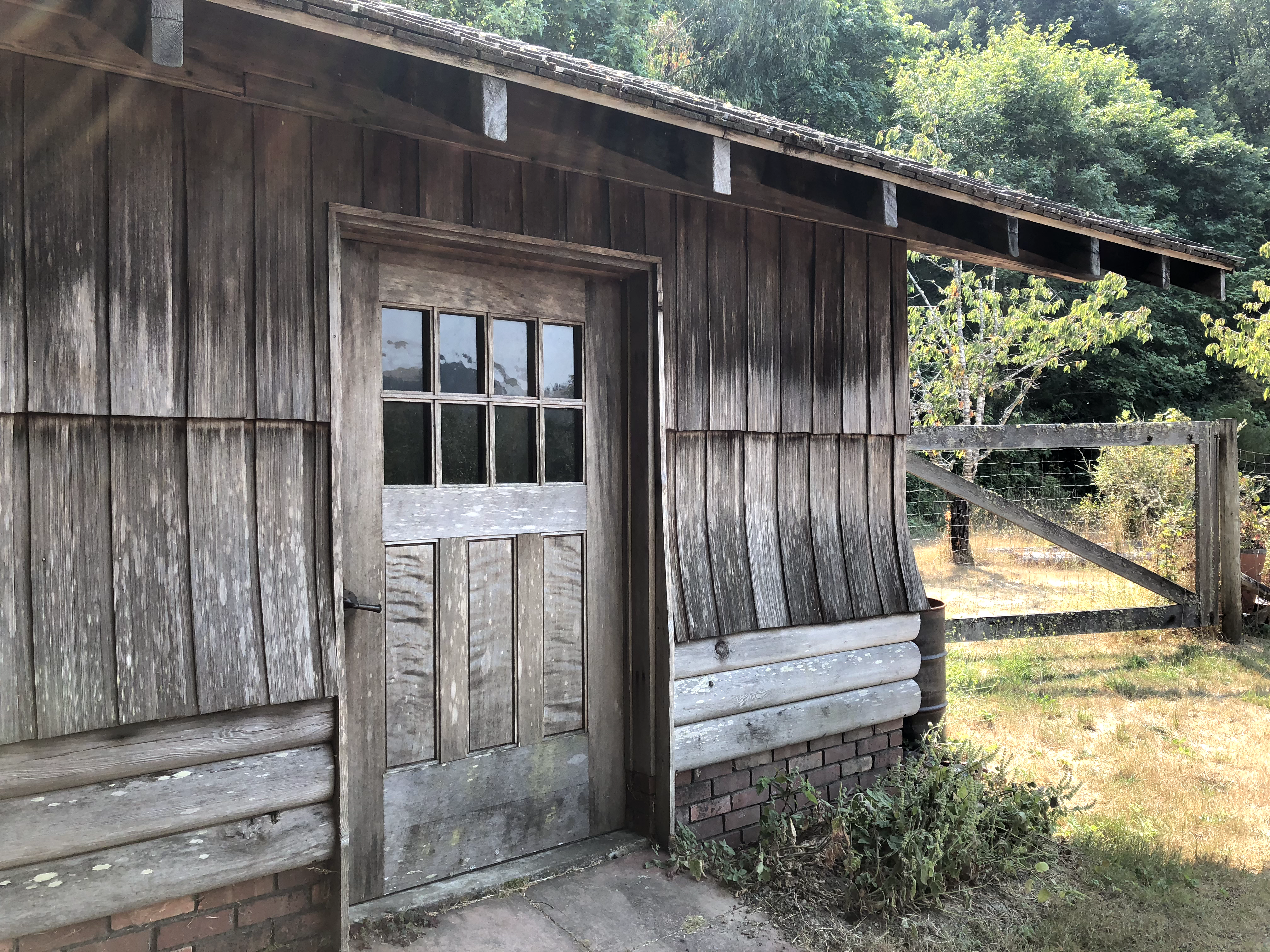
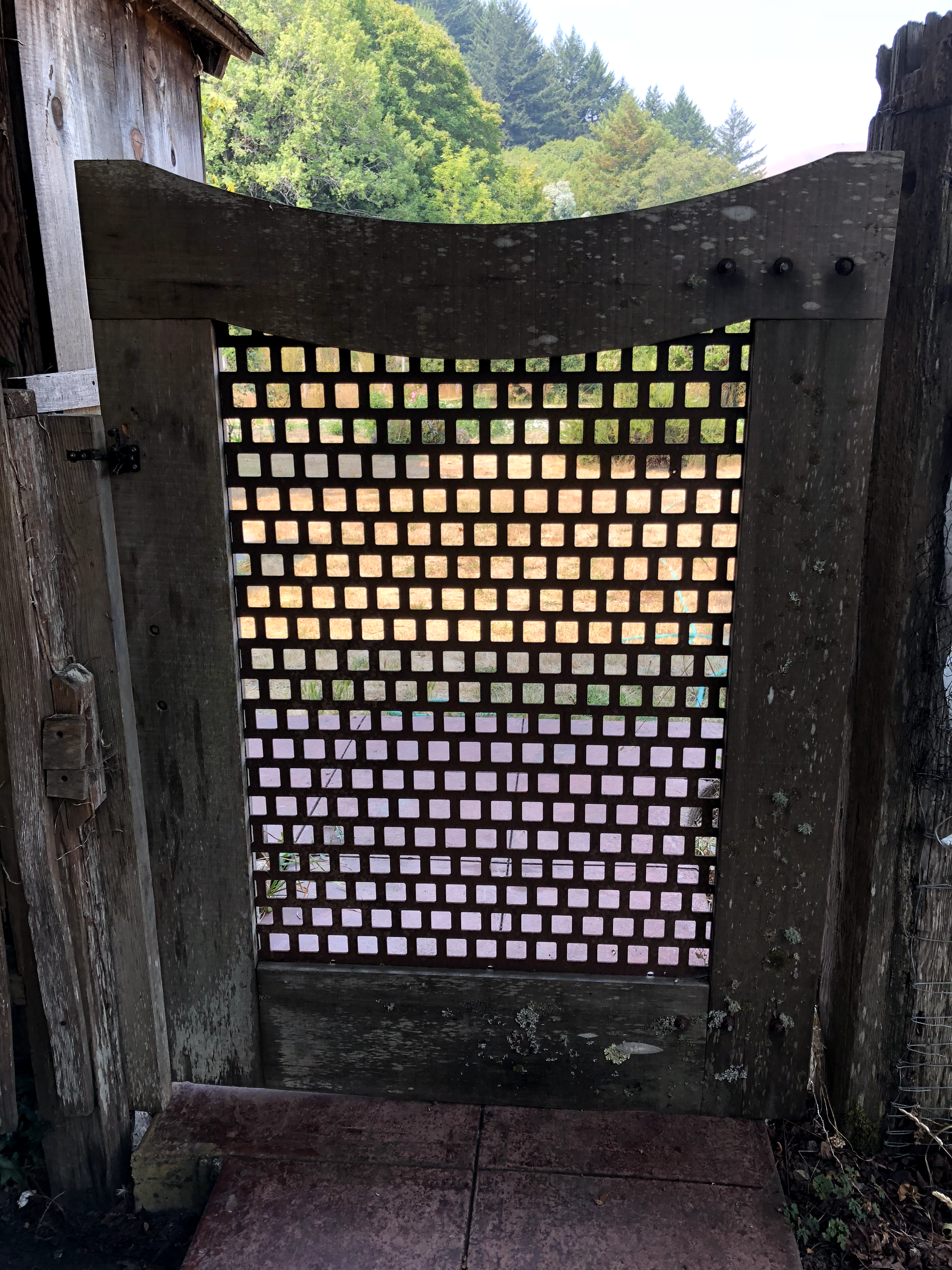
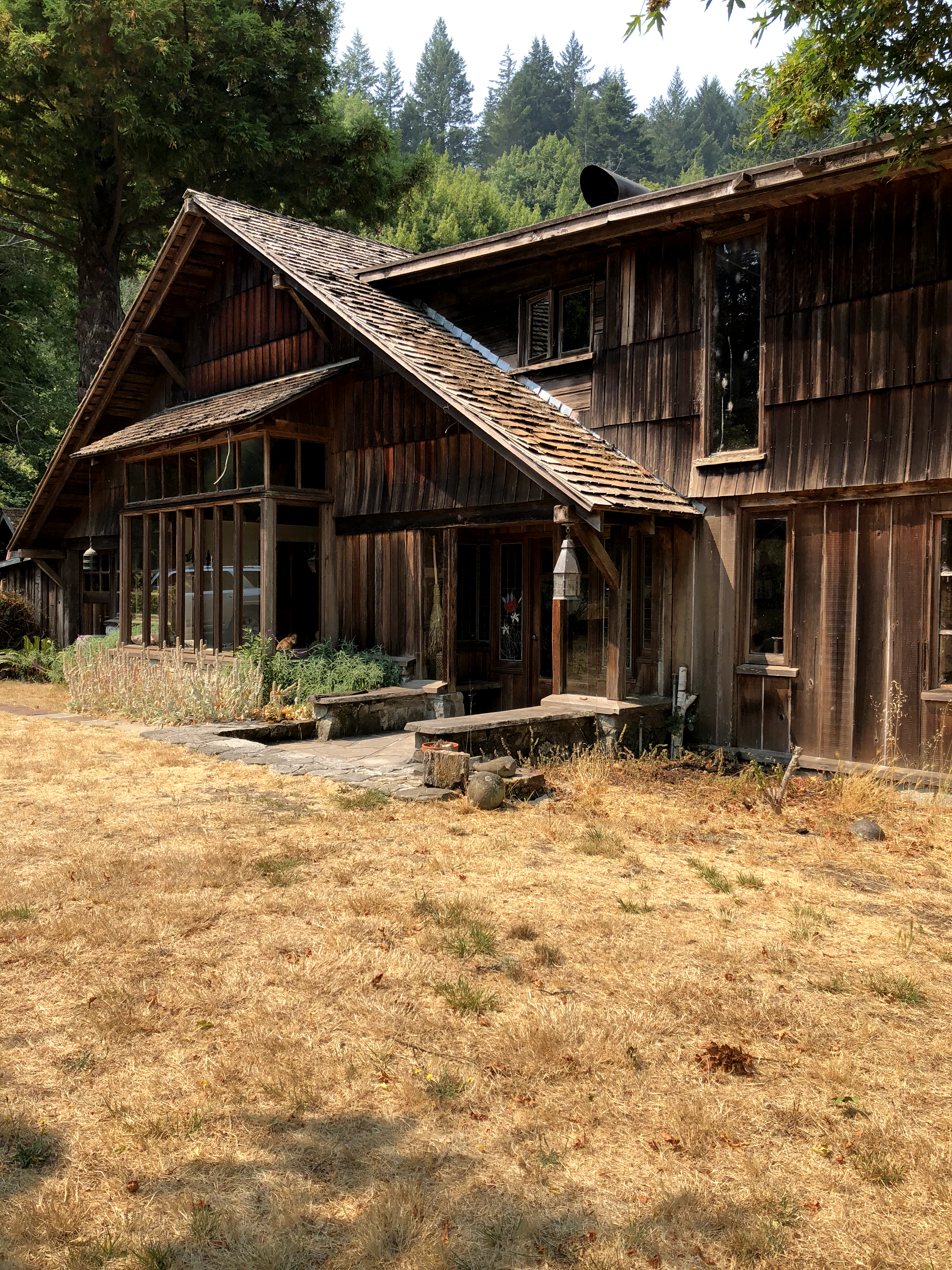
I was hunting for these pictures from 2018 and realized I never saved them to my blog. Super inspiring redwood shingles and other custom details in redwood and metal. (love the lights)

Posted in Found Objects, tagged Albany, historical styles, houses, humor, whimsy on July 8, 2021| Leave a Comment »