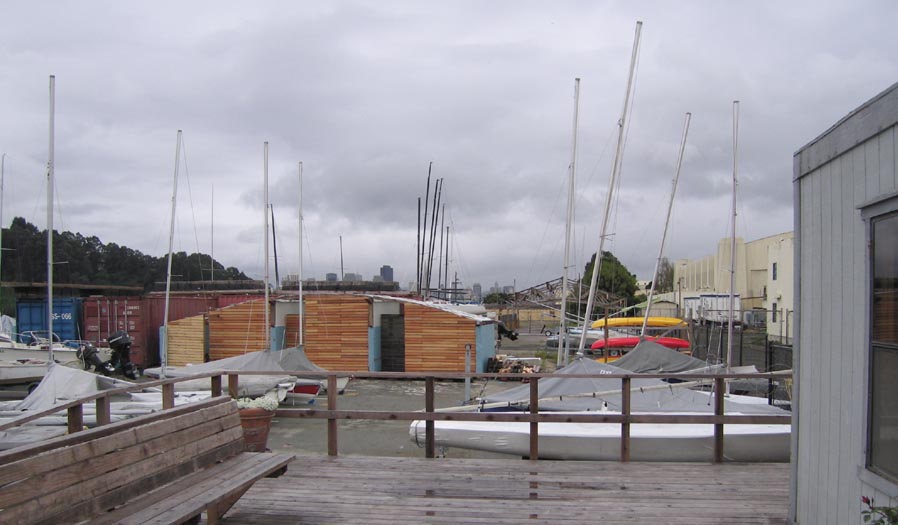
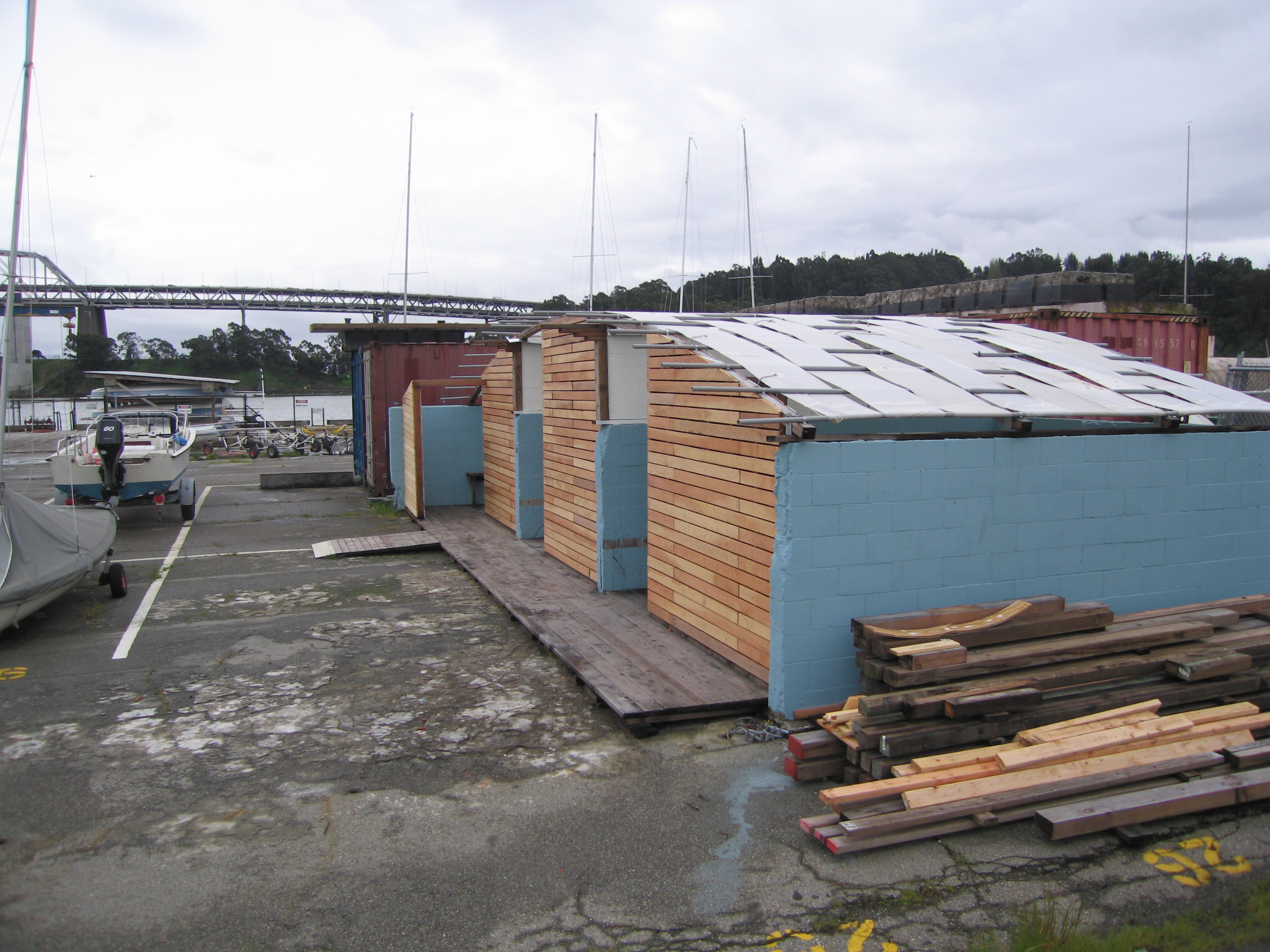
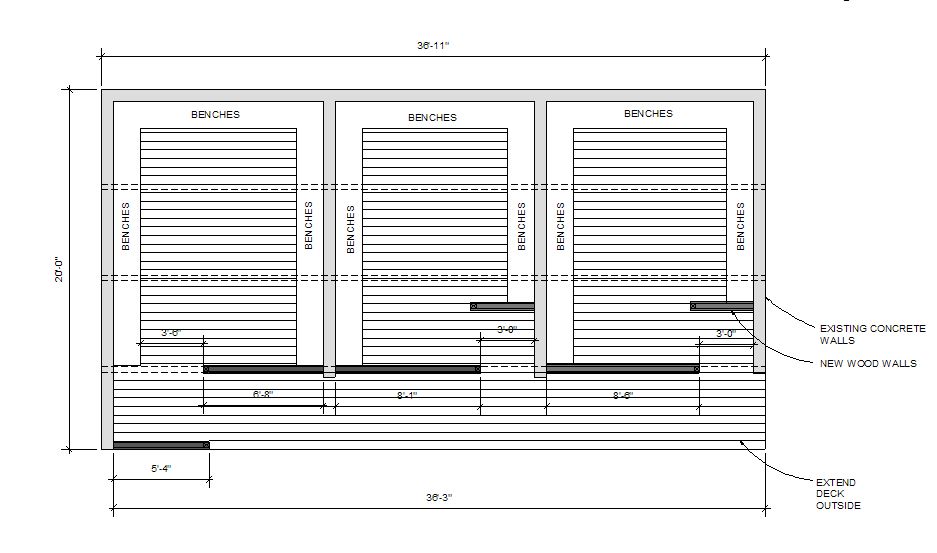
This project was completed in 2007 as a volunteer project for TISC, a community boating program on Treasure island.
They needed a place for the students to change into sailing clothing and the budget was tight.
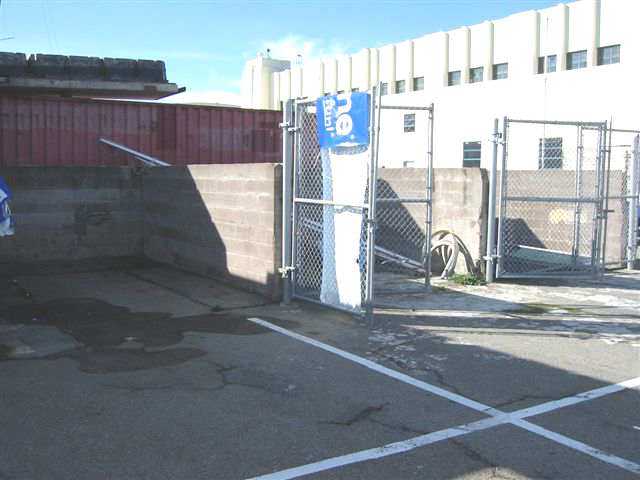
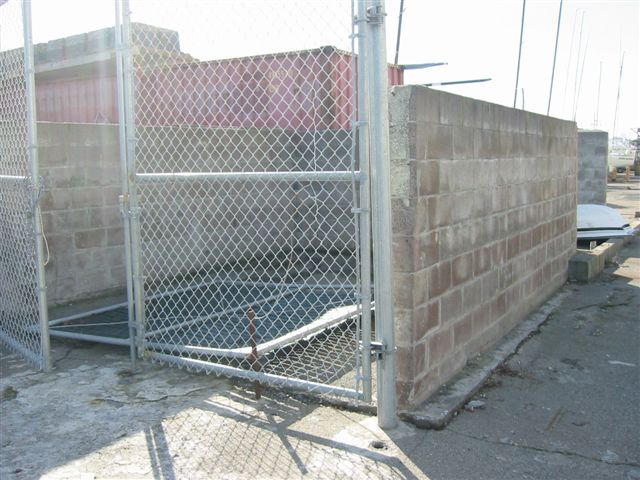
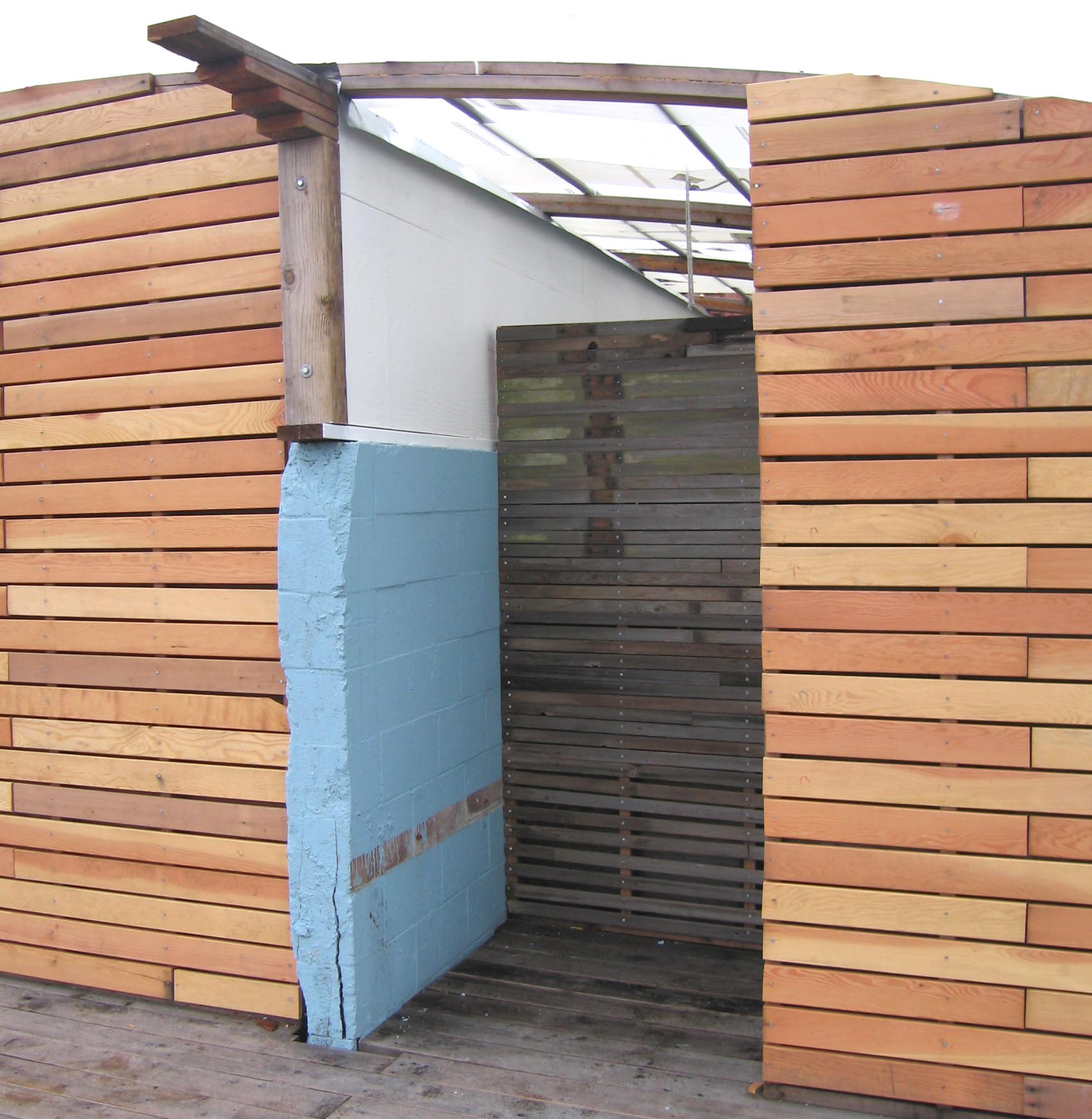
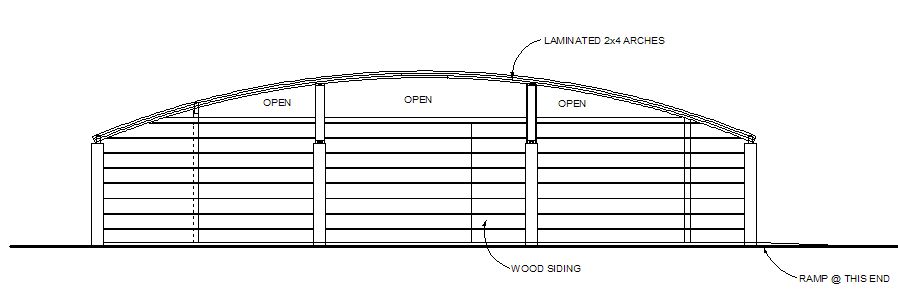
They had these old concrete block walls and asked if I could turn them into changing rooms.
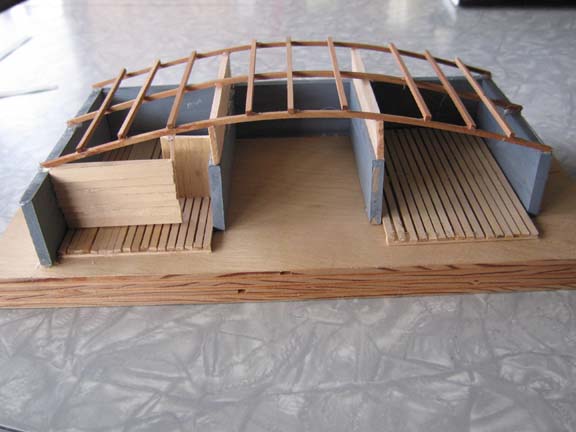
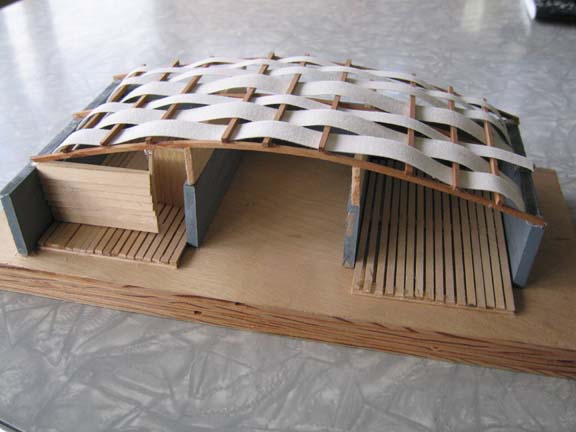
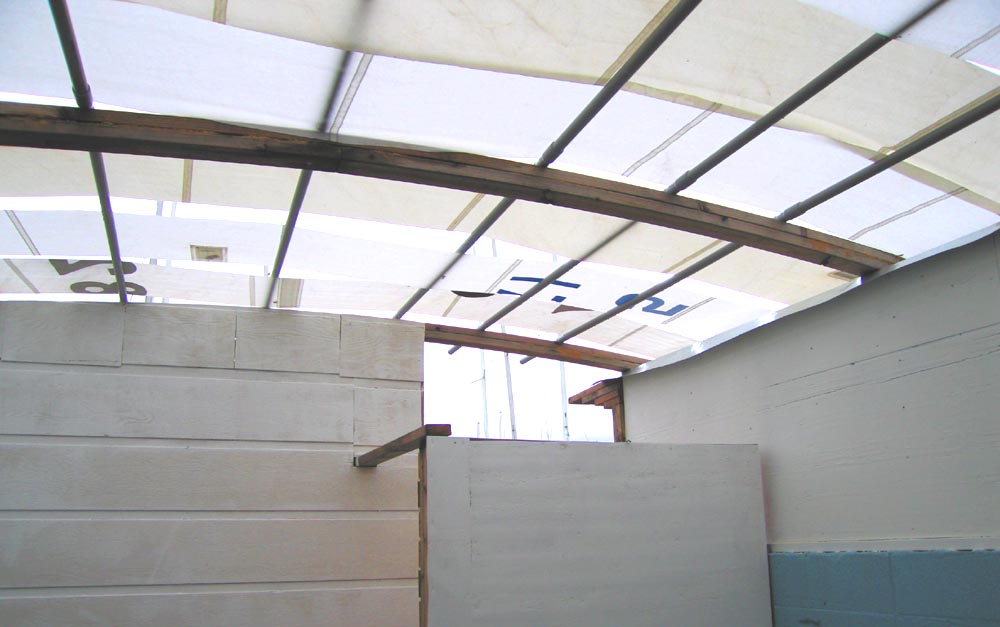
This was the concept model – 3 arches made from two redwood 2x4s glued and screwed together, crossbeams and woven sailcloth to make a roof. Model with shade structure made from recycled sailsa little whimsical detail and I think the darker wood was salvaged from a fence at my house. The end product allowed wheelchairs to access the roms and PVC pipe instead of wood rafters….probably to save money.
This was a very typical job here in Berkeley. So many older houses have strange, bad additions at the back of the house. Perhaps when they were built people still had garbage dumps in their backyards and had no interest in connecting their living space to the yard. These guys had a badly built 1950s era closet tacked on to the back of their kitchen that contained the laundry and a bunch of other stuff. We moved the laundry and all the storage to the middle of the house and moved the kitchen to the back, adding a dining nook and a half bath and a very small extension to the back bedroom.
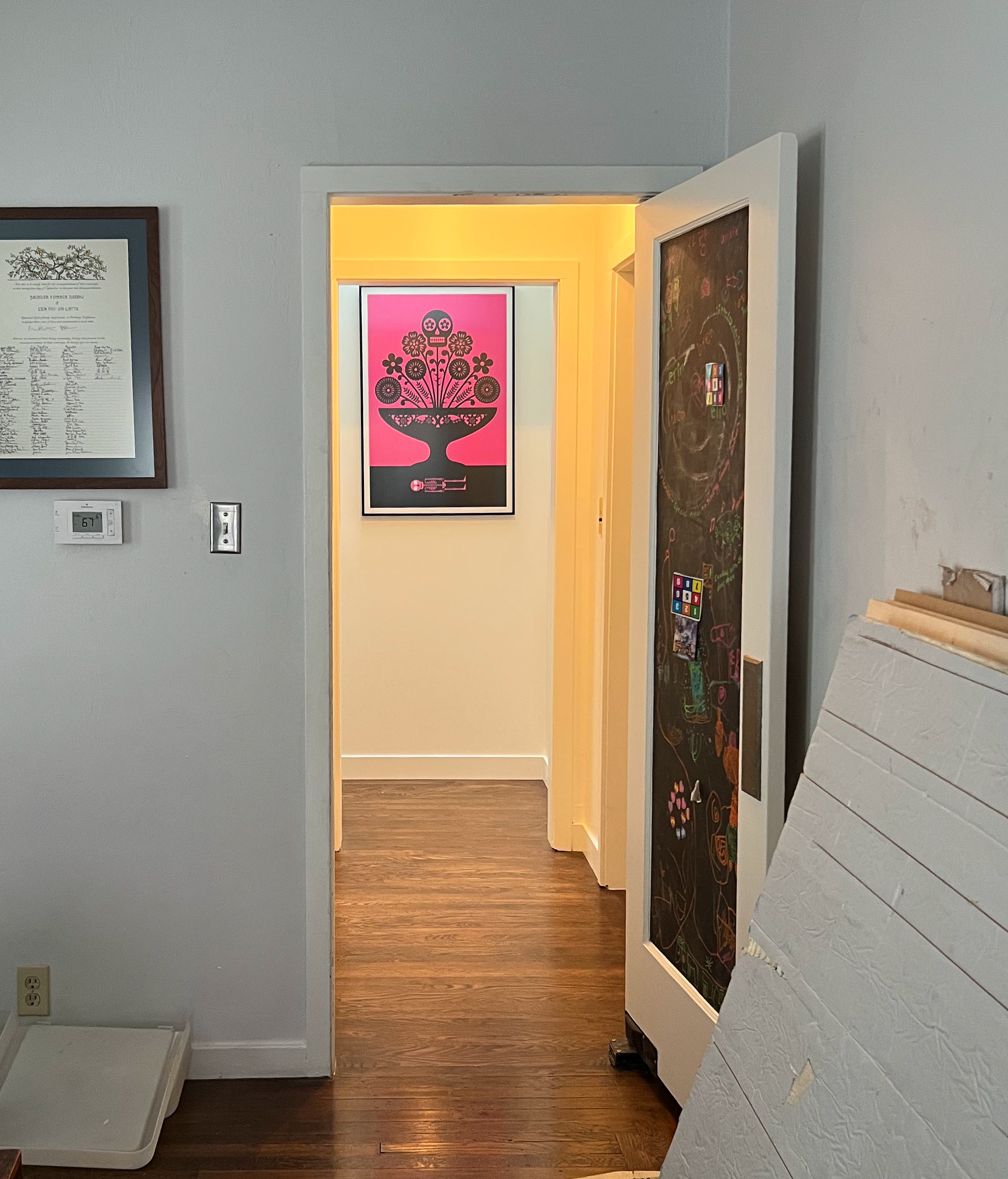
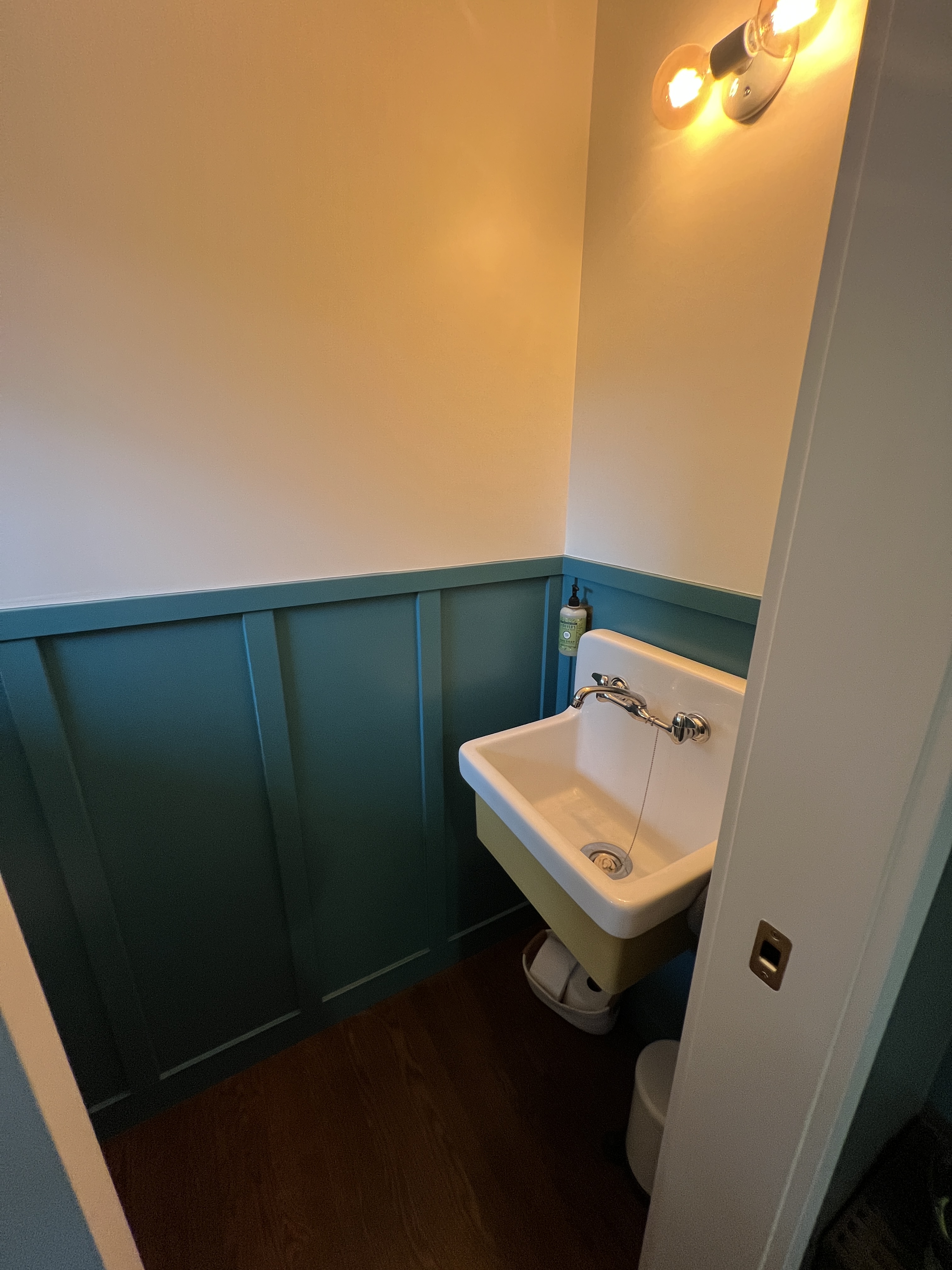
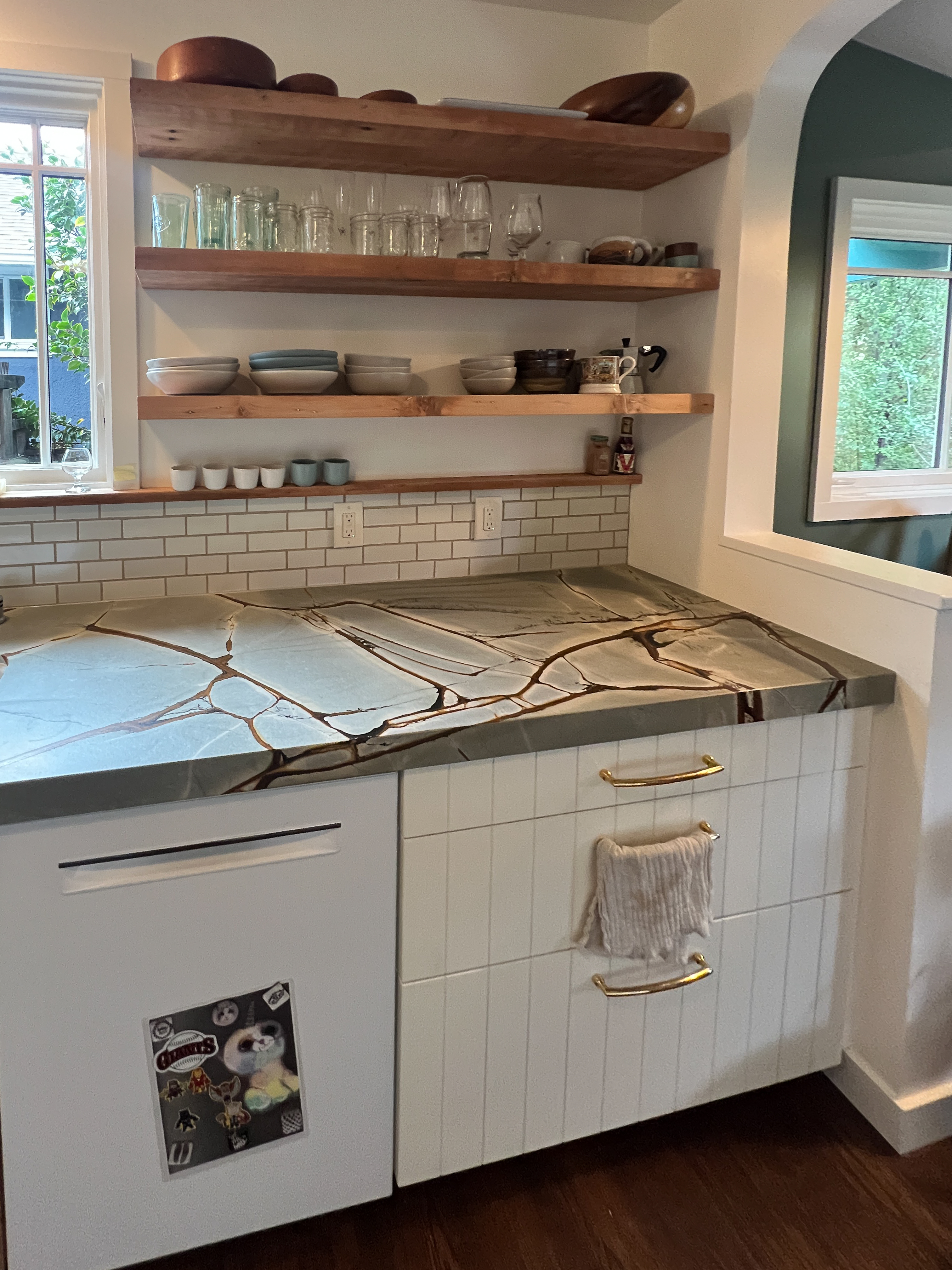
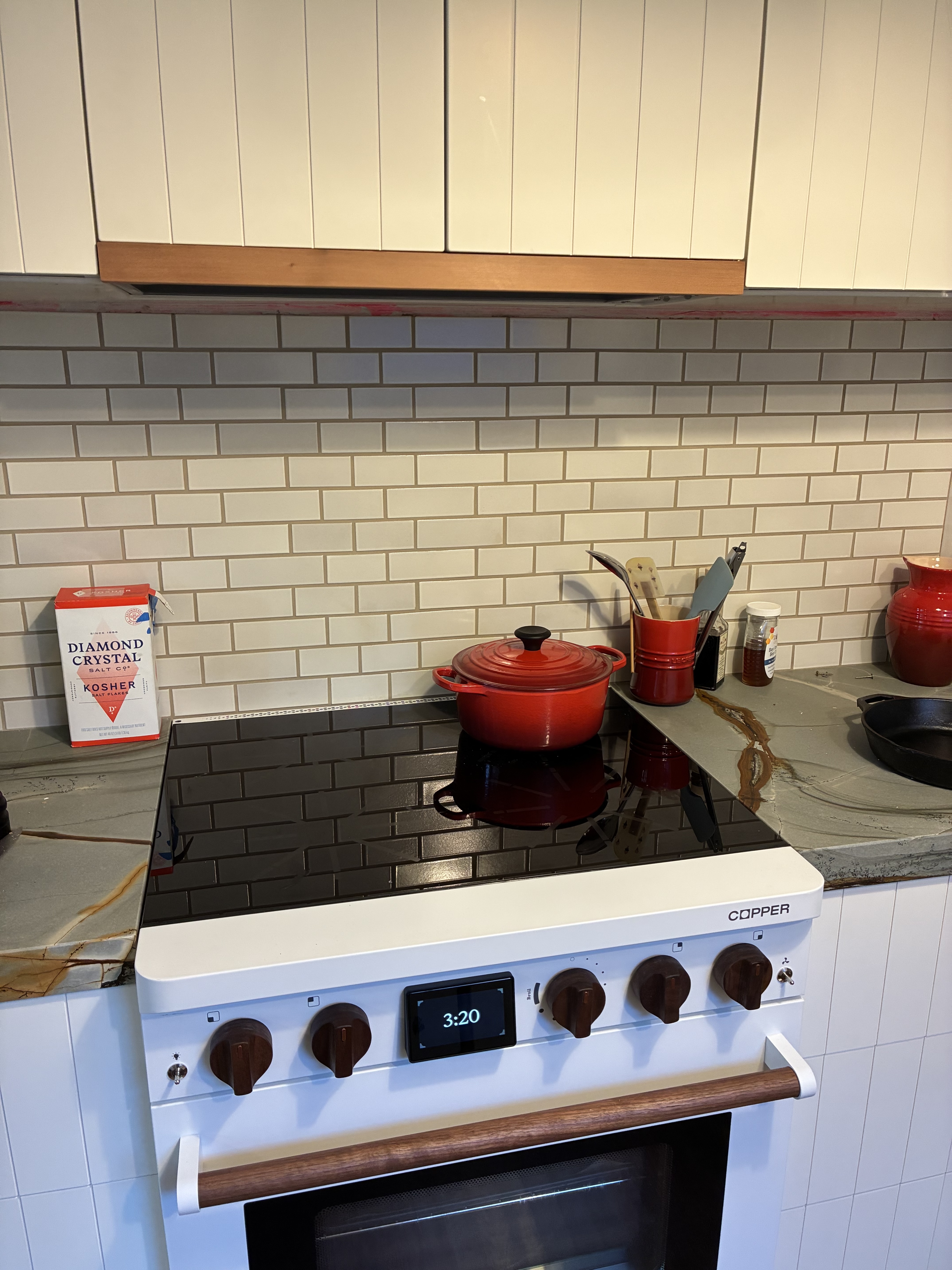
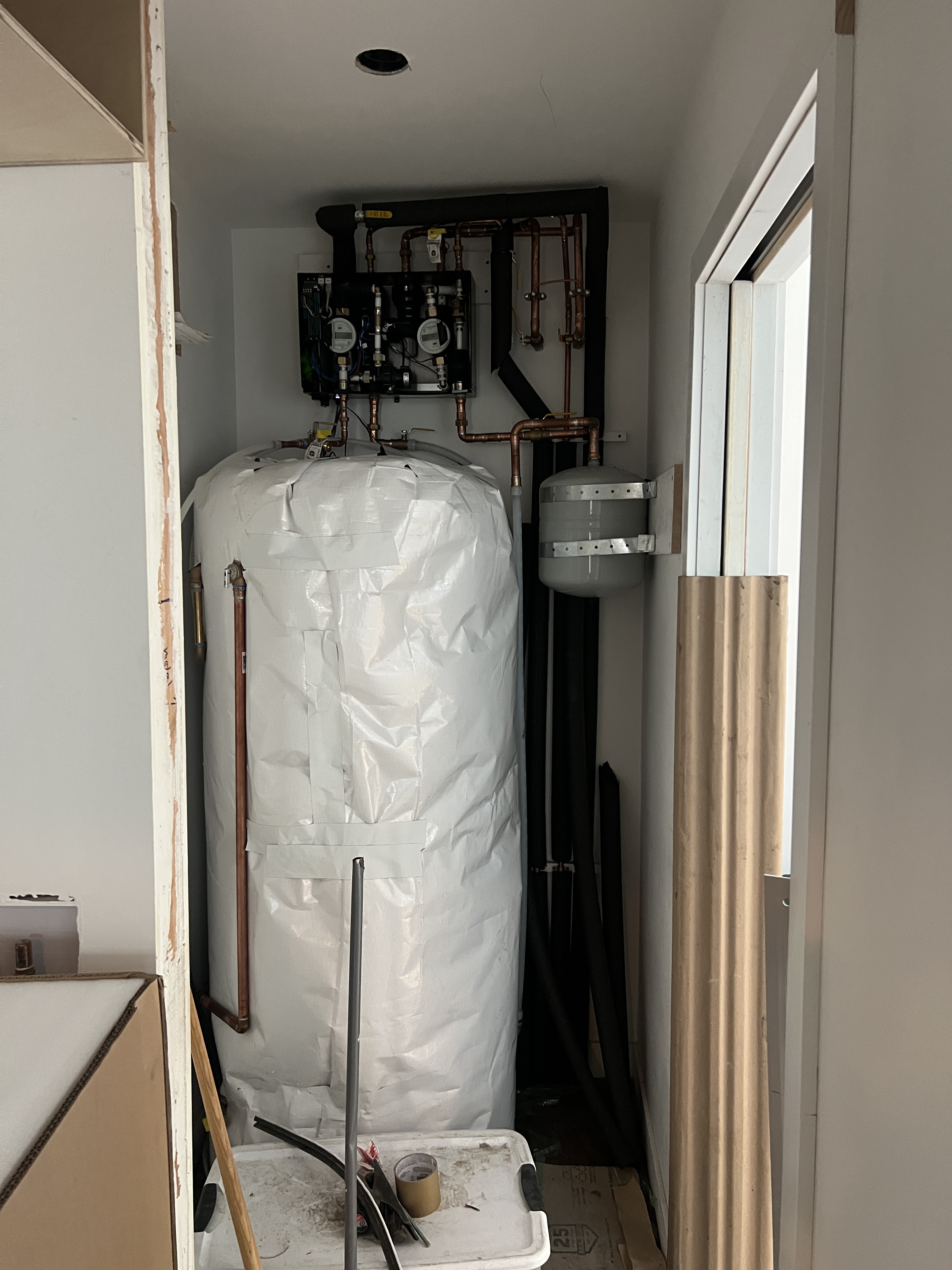
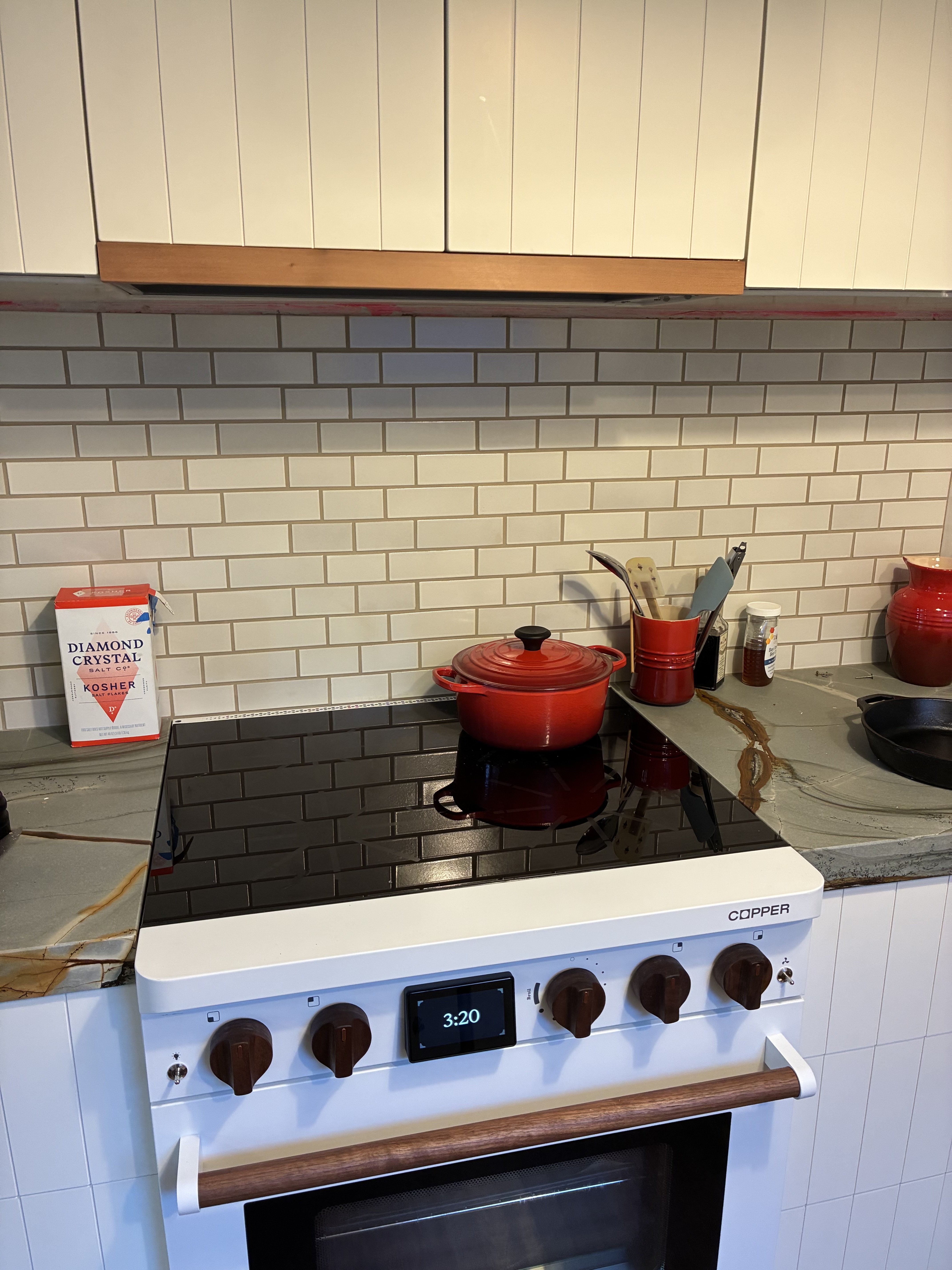
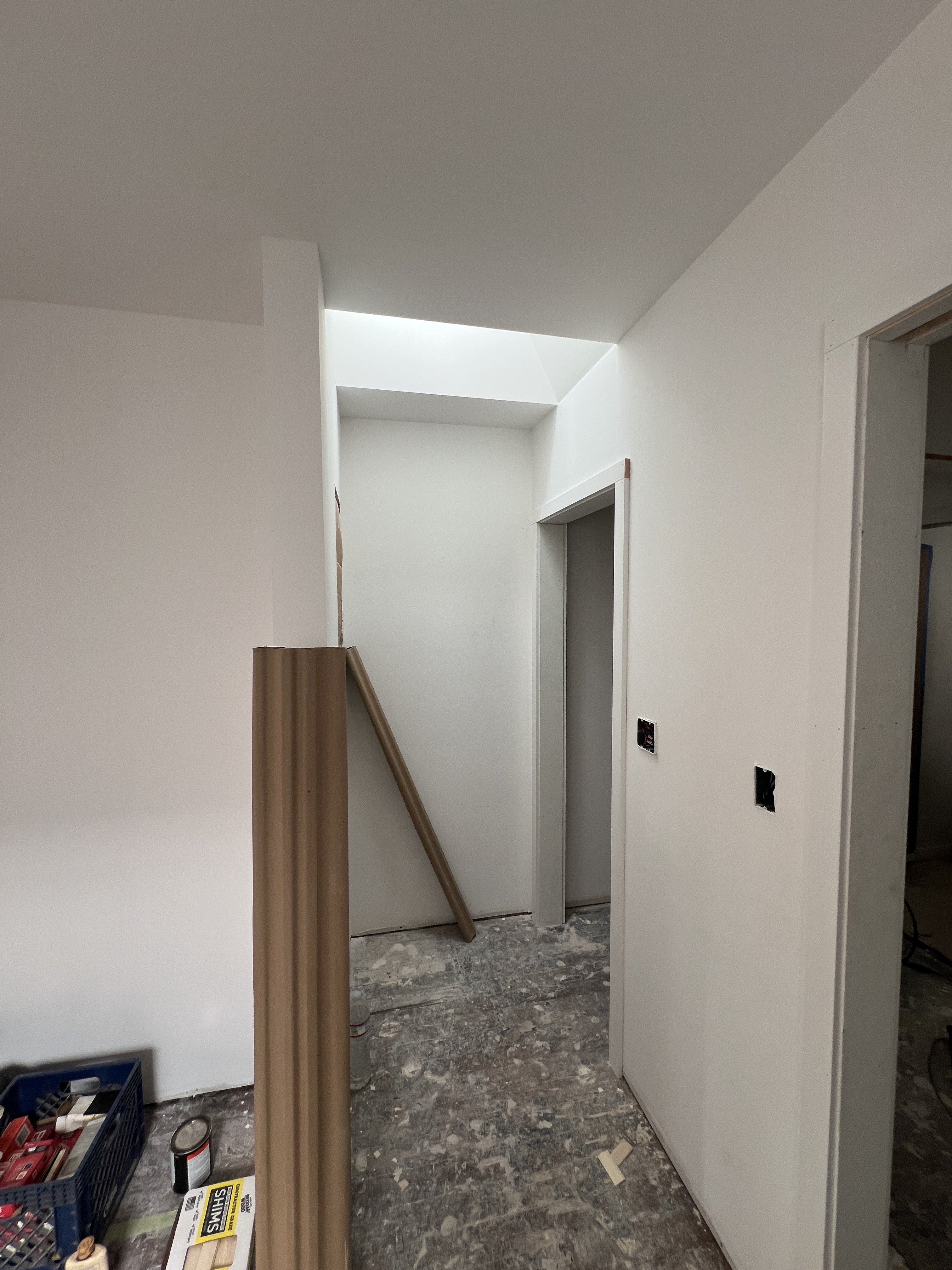
This is a view from the dining room towards the laundry and kitchen. A skylight over a piece of art beckons you to walk that way. new half bath with utility sink, reuse of the old chicago kitchen sink faucetThe owner built this nice shelving out of salvaged fir and we extended the window sill into a little shelf over the tile.Copper induction range with a built-in battery. (Berkeley company.)SANCO₂ heat pump hot water heater (tank inside, heatpump outside) that doubles as house heating system (Harvest System)
The owner is still finishing up details like the nook and the pantry so I will hopefully have one more update on this project.
We have been busy with all sorts of great projects the last few months. Here are a few snapshots.
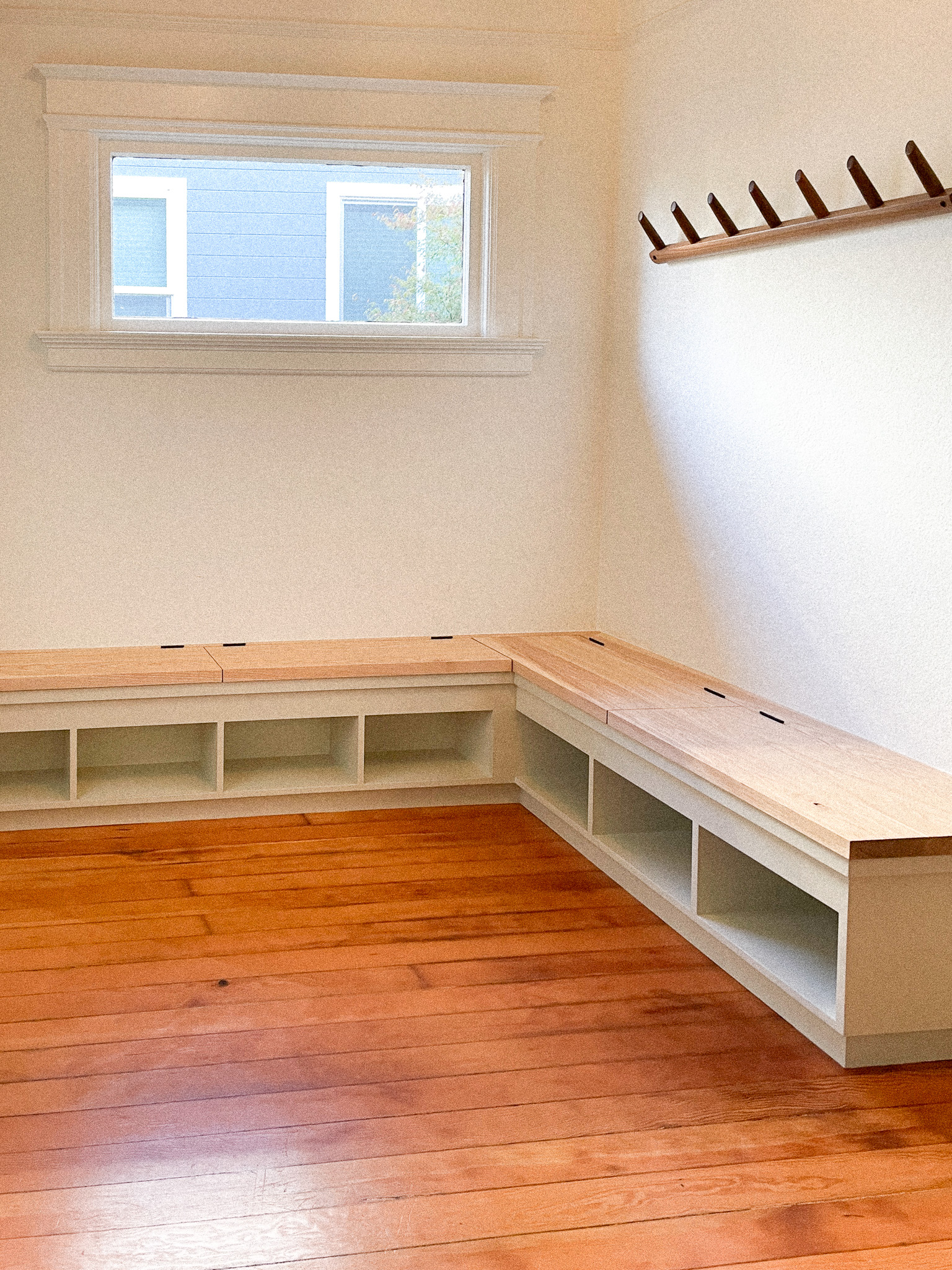
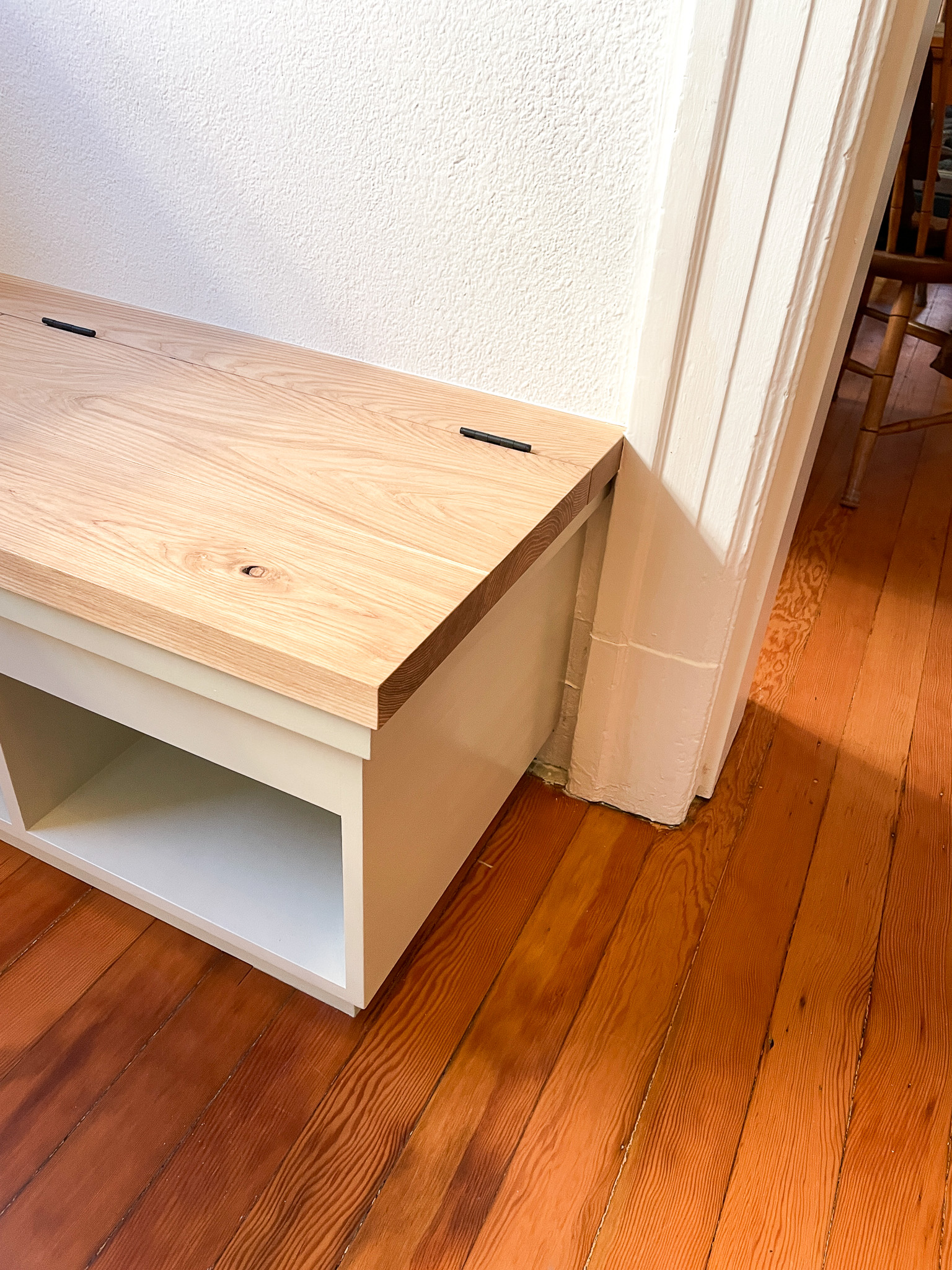
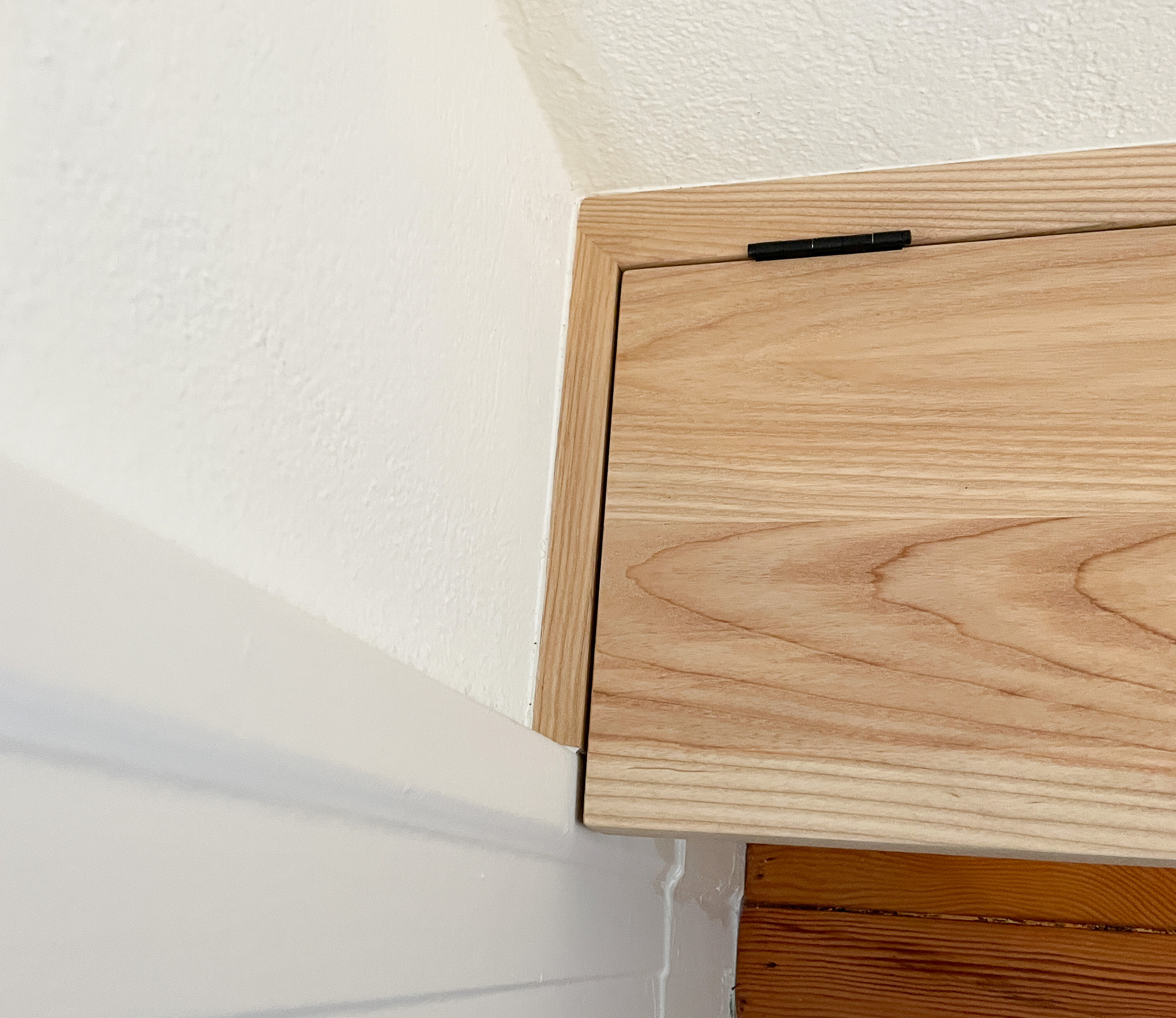
Mudroom Bench – Very similar to one we did 10 years ago, but customized to perfectly fit the new space: narrower on one wall than the other. The lid is solid ash and the rest is painted. I need to get some photos of the blue interior. Thanks to Kelly Best and McBride Construction for the excellent craftsmanship.
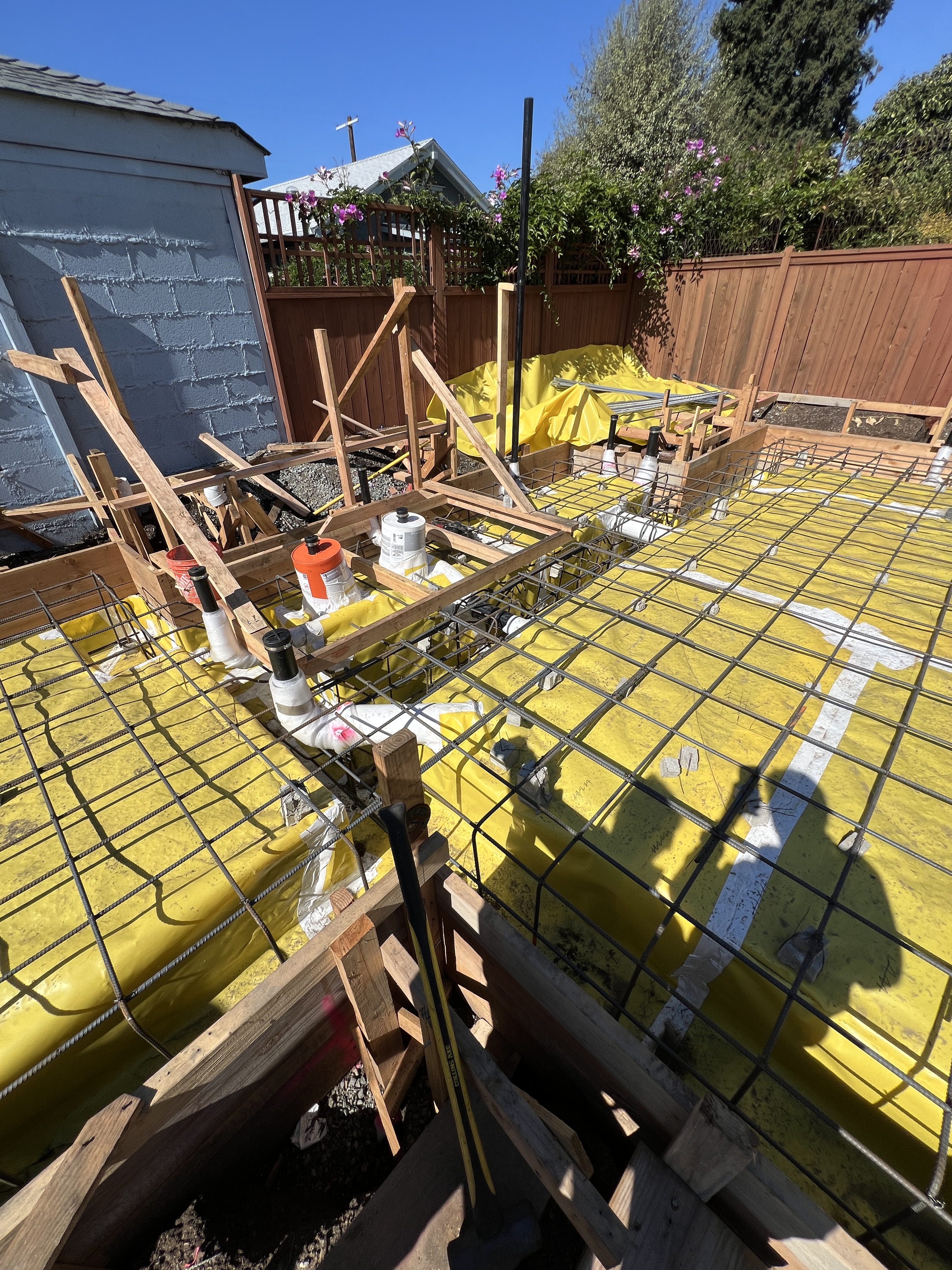
Copper induction range with battery and walnut knobs (Berkeley company!) SANCO₂ heat pump hot water heater (tank inside, heatpump outside) that doubles as house heating system (Harvest System) ADU slab..getting ready for the concrete pour
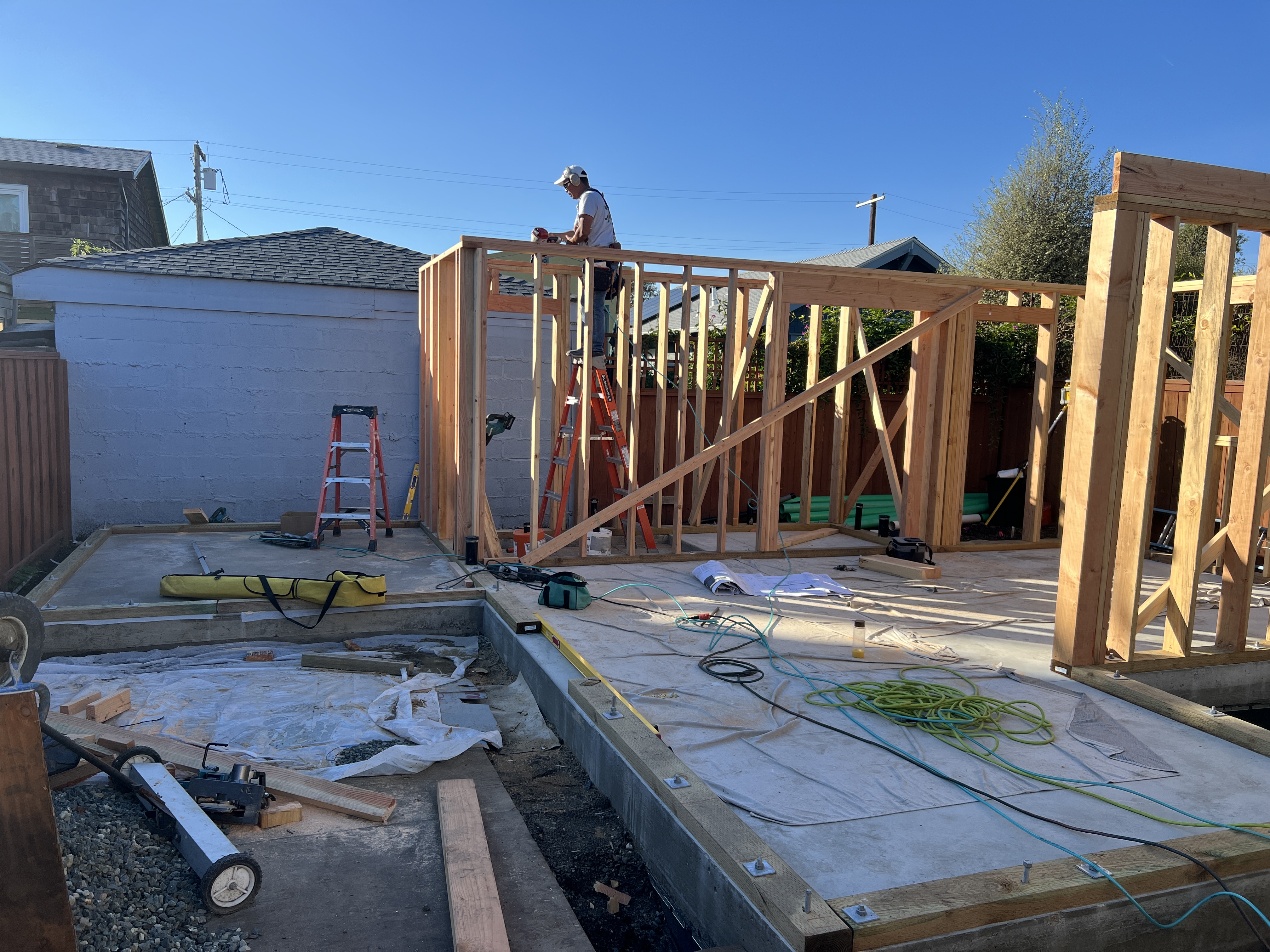
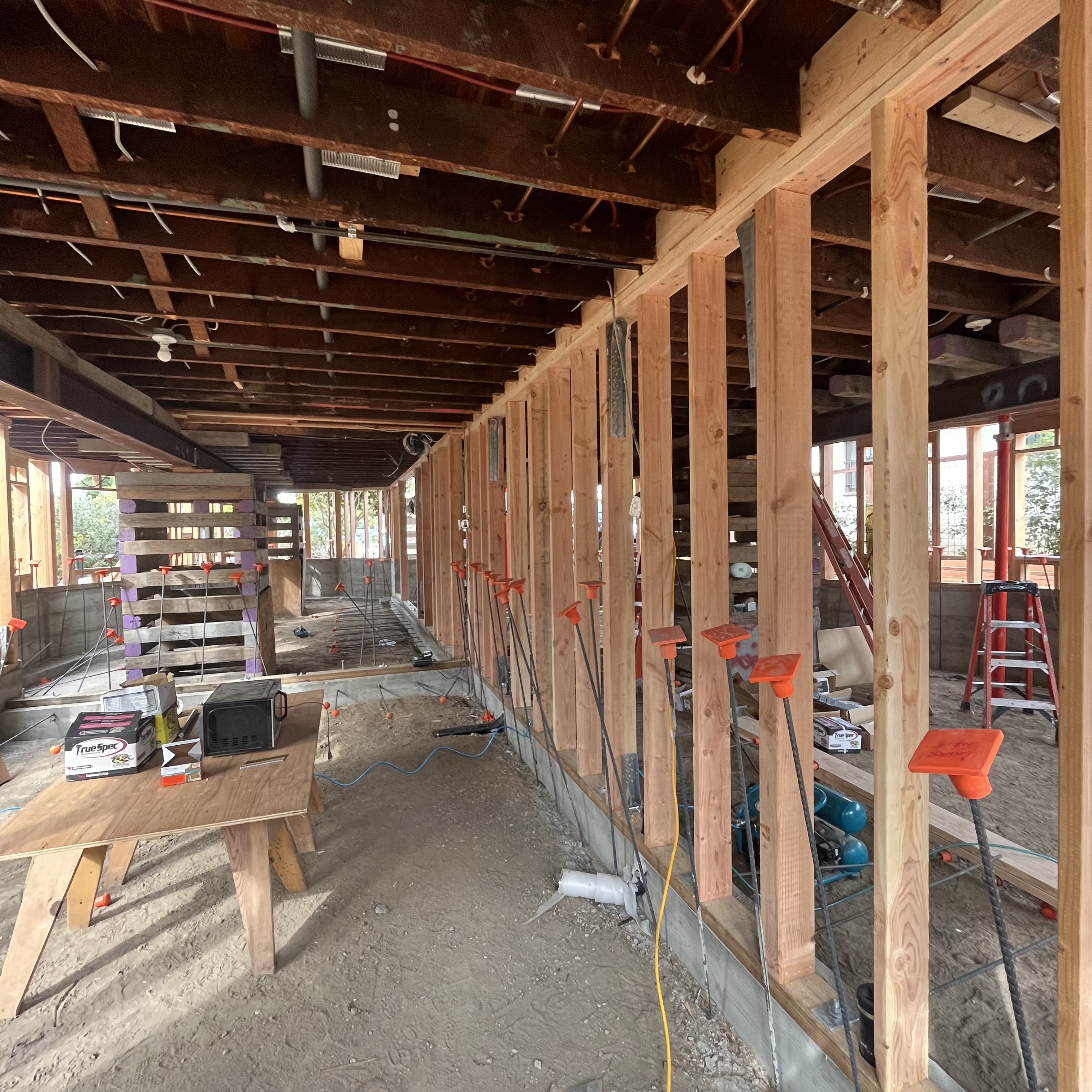
The slab was poured and beautiful saw cut control joints added. Now the structural framing is underway. The tolerances are very tight in these small living spaces. Every inch matters. I was delighted to discover that the concrete work and framing has resulted in walls that match my drawings to the 1/16 inch.
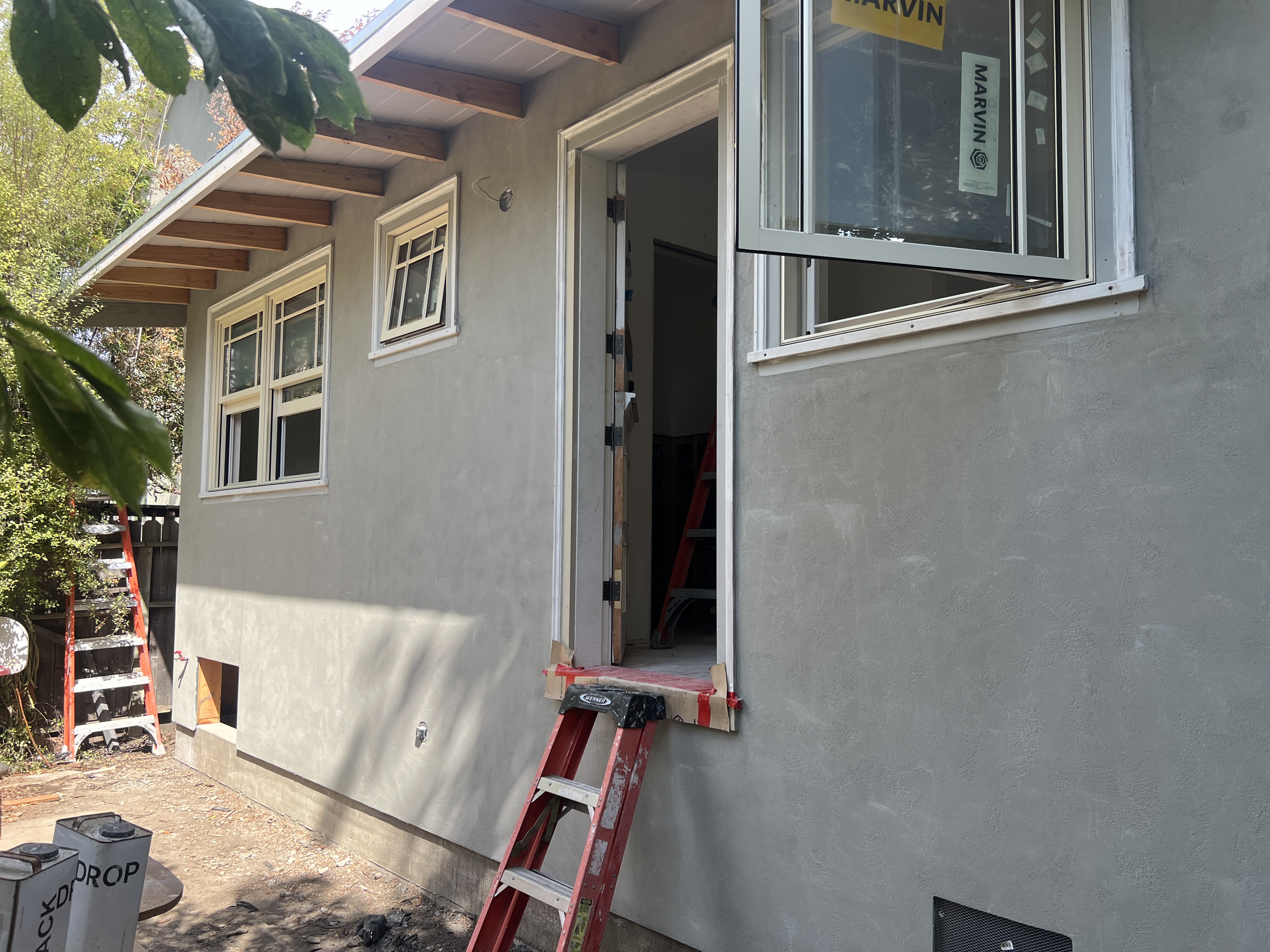
Framing Underway (Oscar of McBride Construction hard at work) A small addition at the back of a small Berkeley house (we moved the storage, laundry and water heater to the middle and put the kitchen, dining nook, half bath, and reading nook at the back of the house by the yard. I like the deep eave over the door and windows and the pretty fir rafter tails We added a skylight in the middle of the house…a lot of bang for the skylight buck. To right of skylight is laundry, pantry, and mechanical space and to the left is the kitchen and then the back yard.
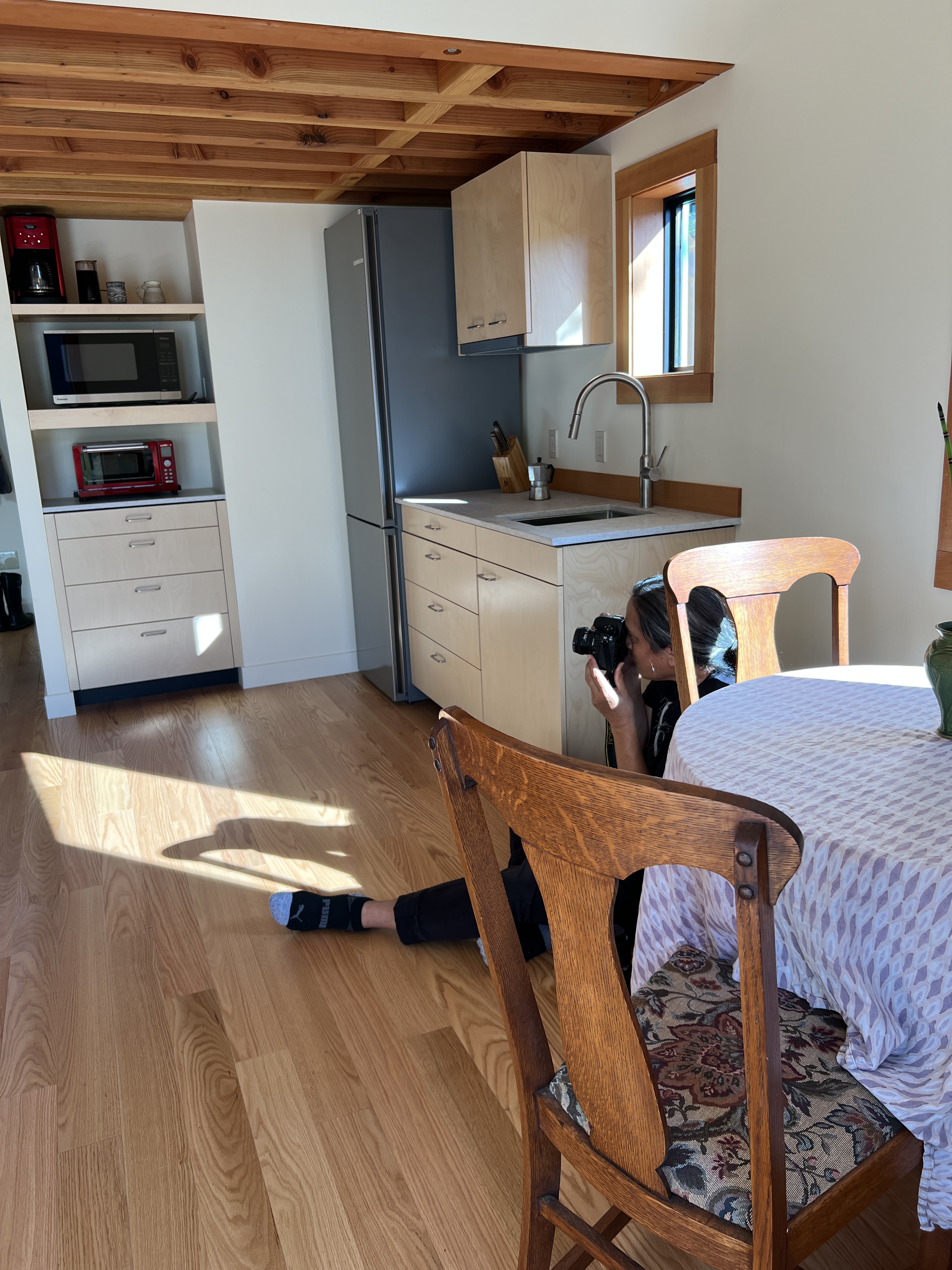
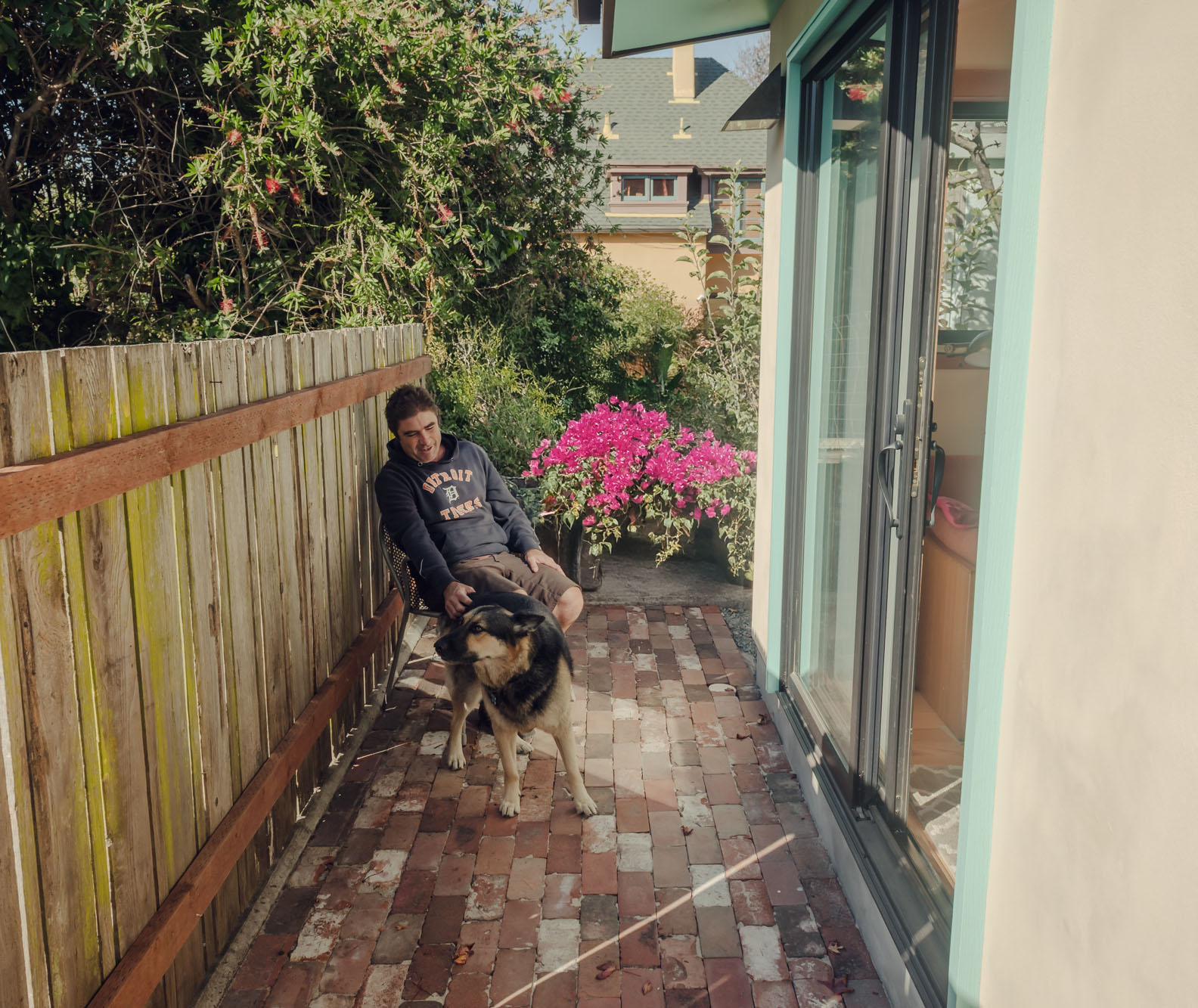
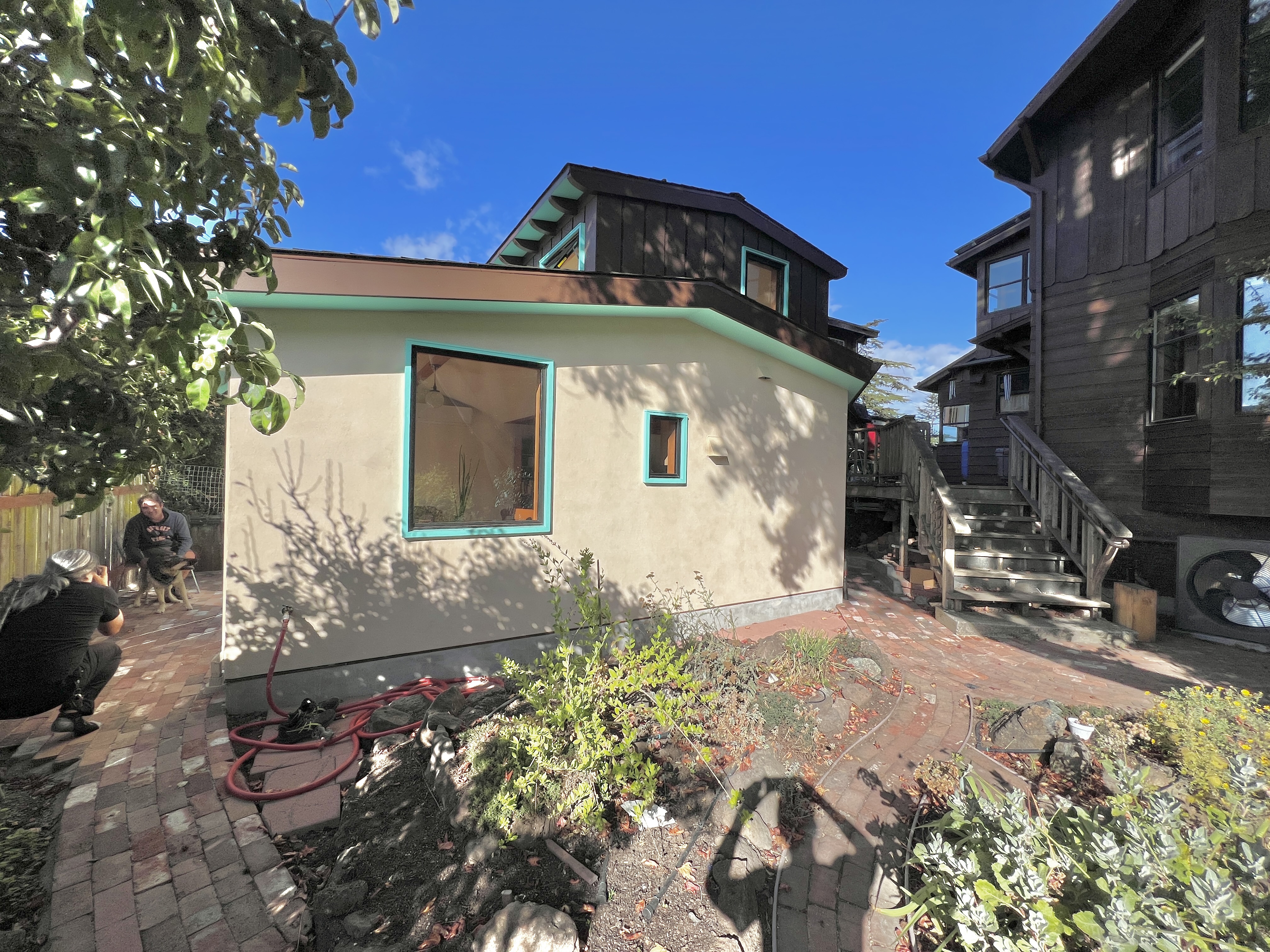
Finally did a photoshoot at a recently finished Accessory Dwelling Unit in the Berkeley Hills. Below you will see the photographer, Lenny Gonzalez, and the photoshoot models Eowyn & John.
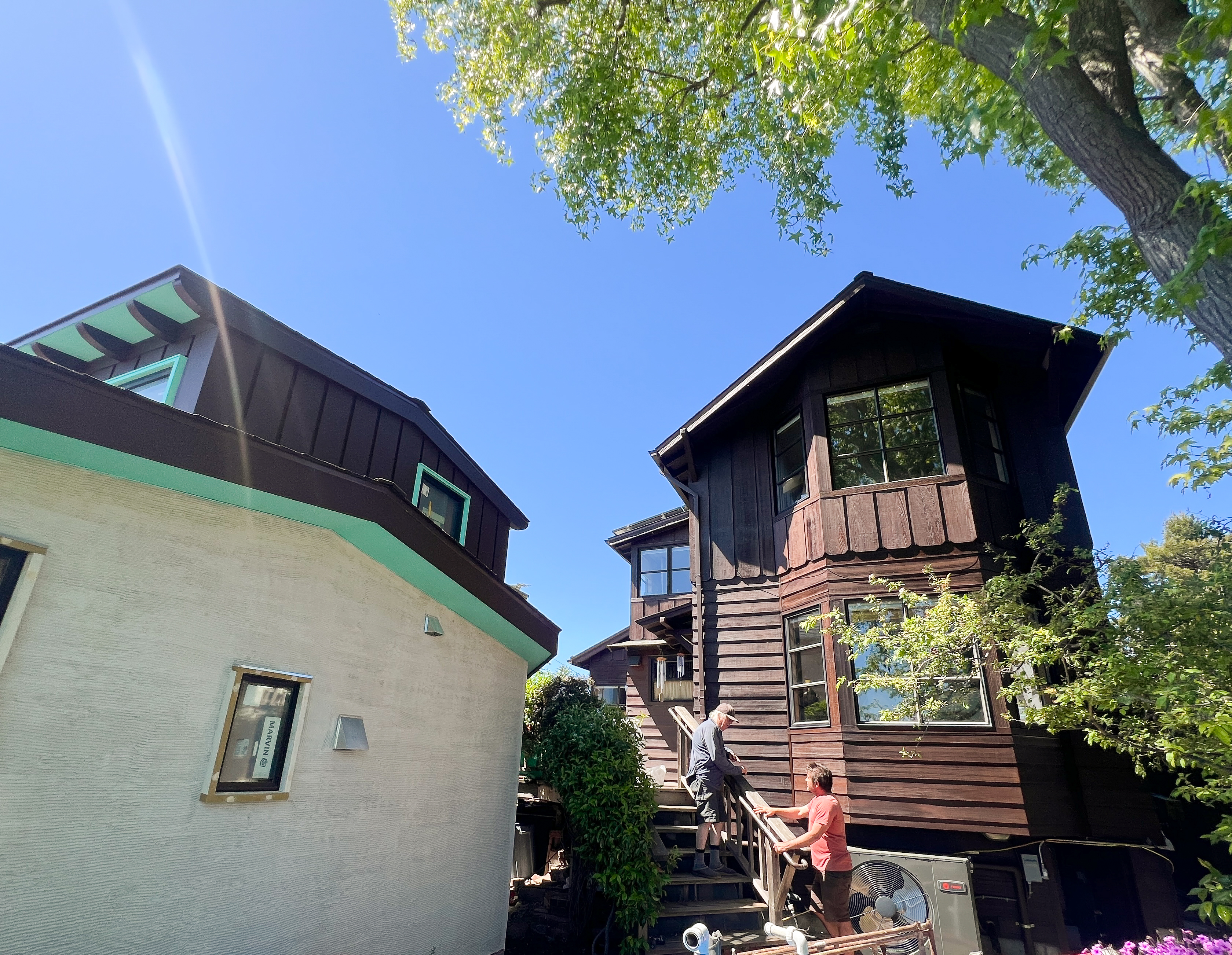
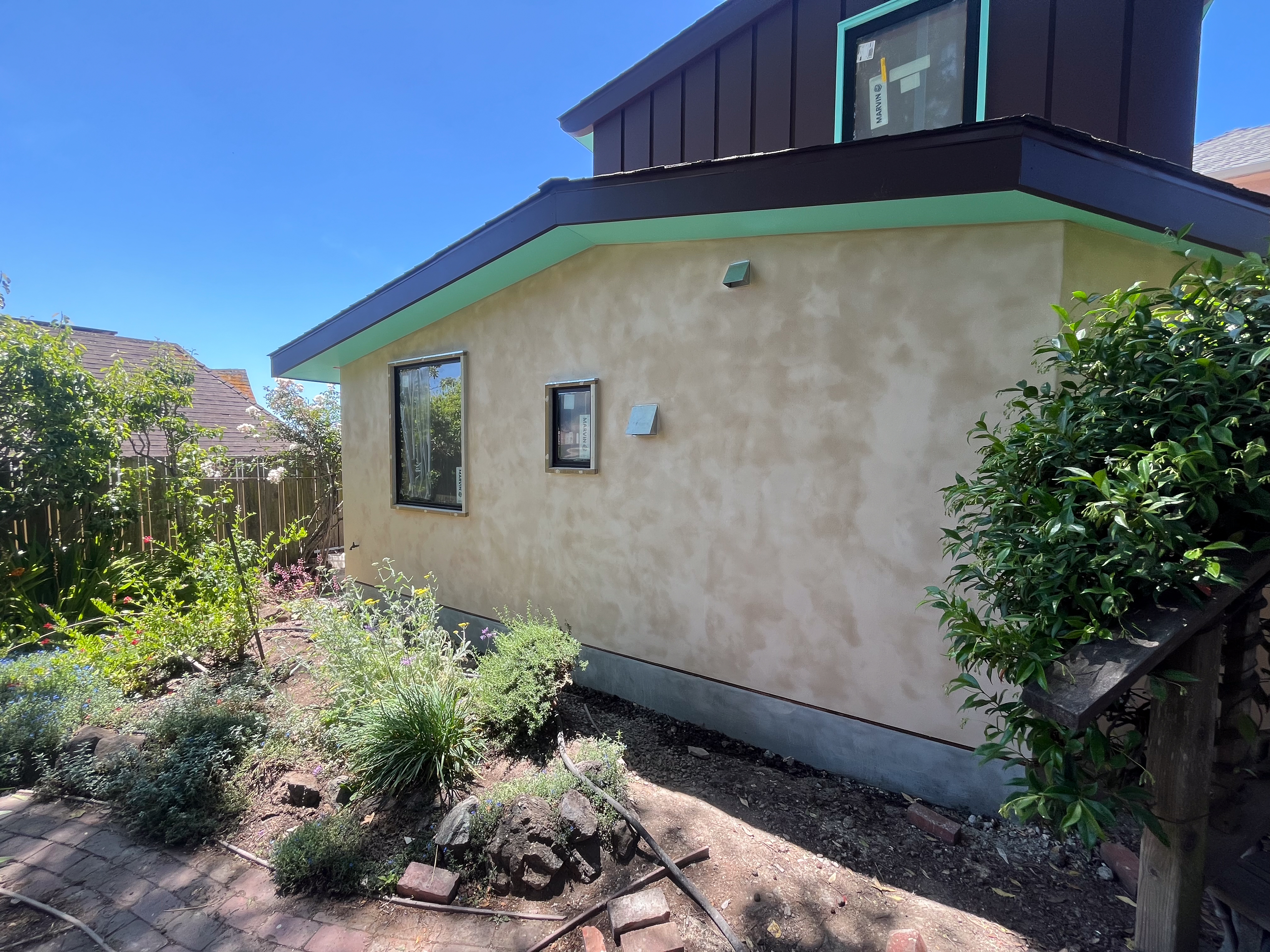
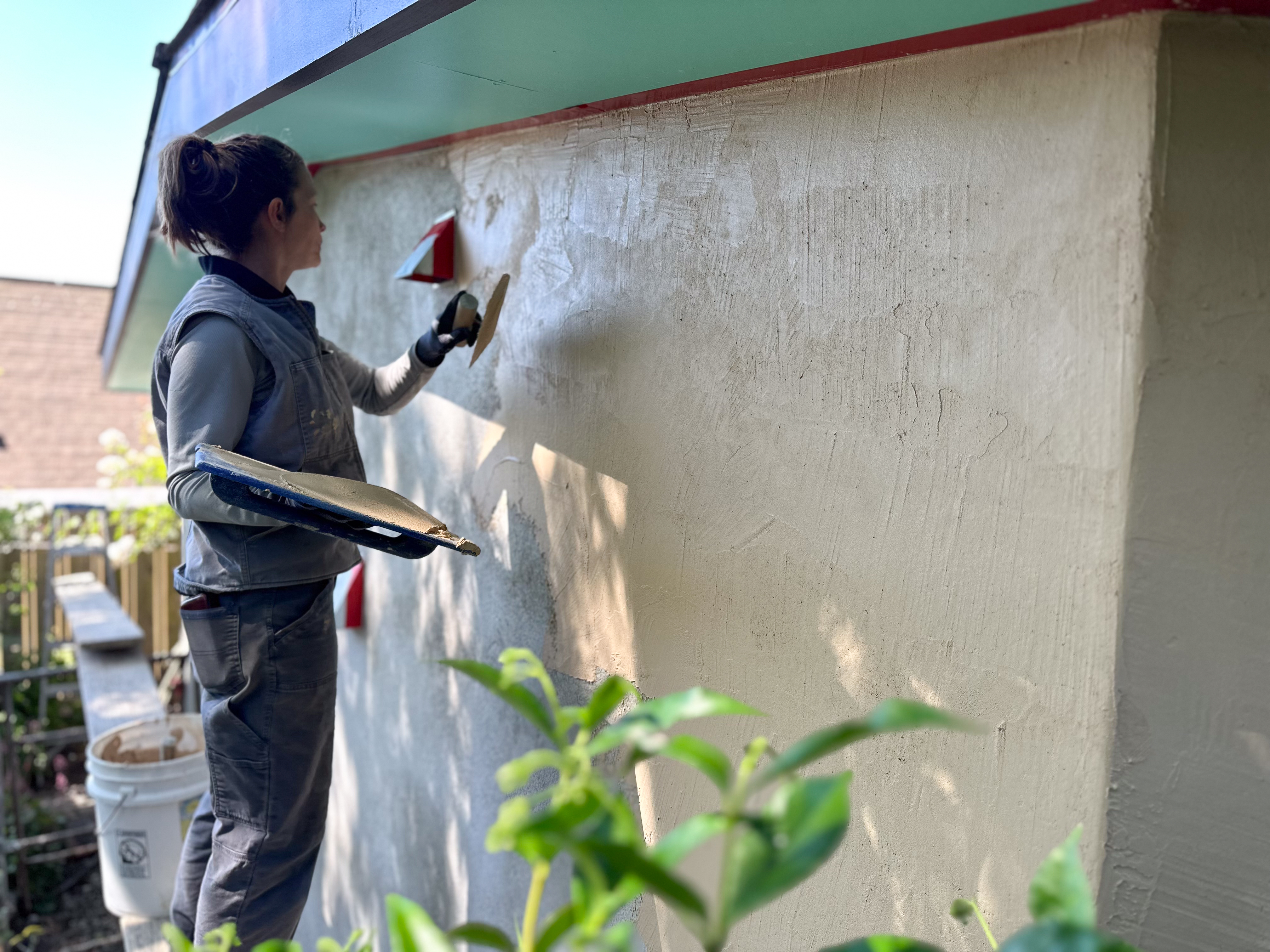
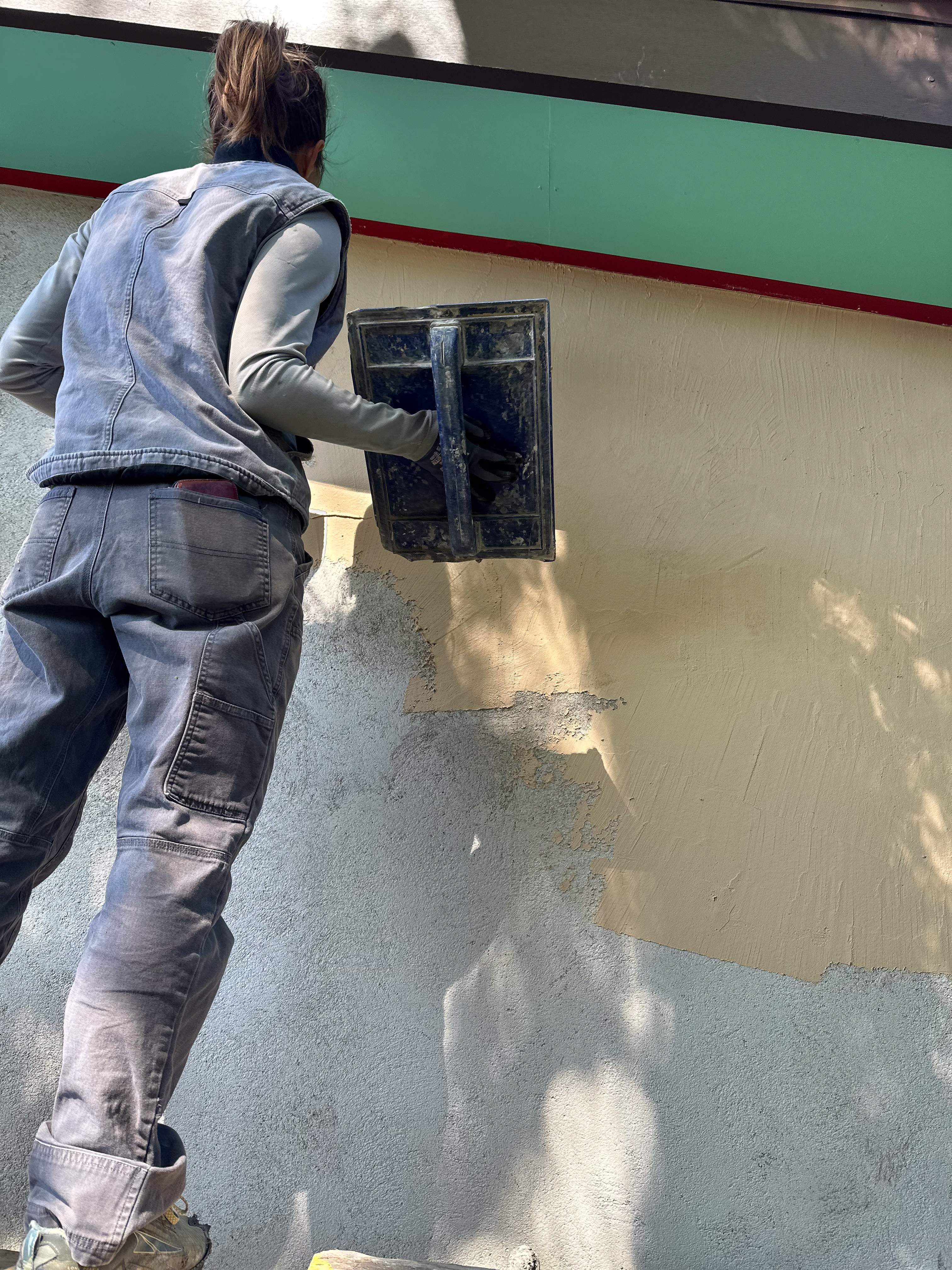
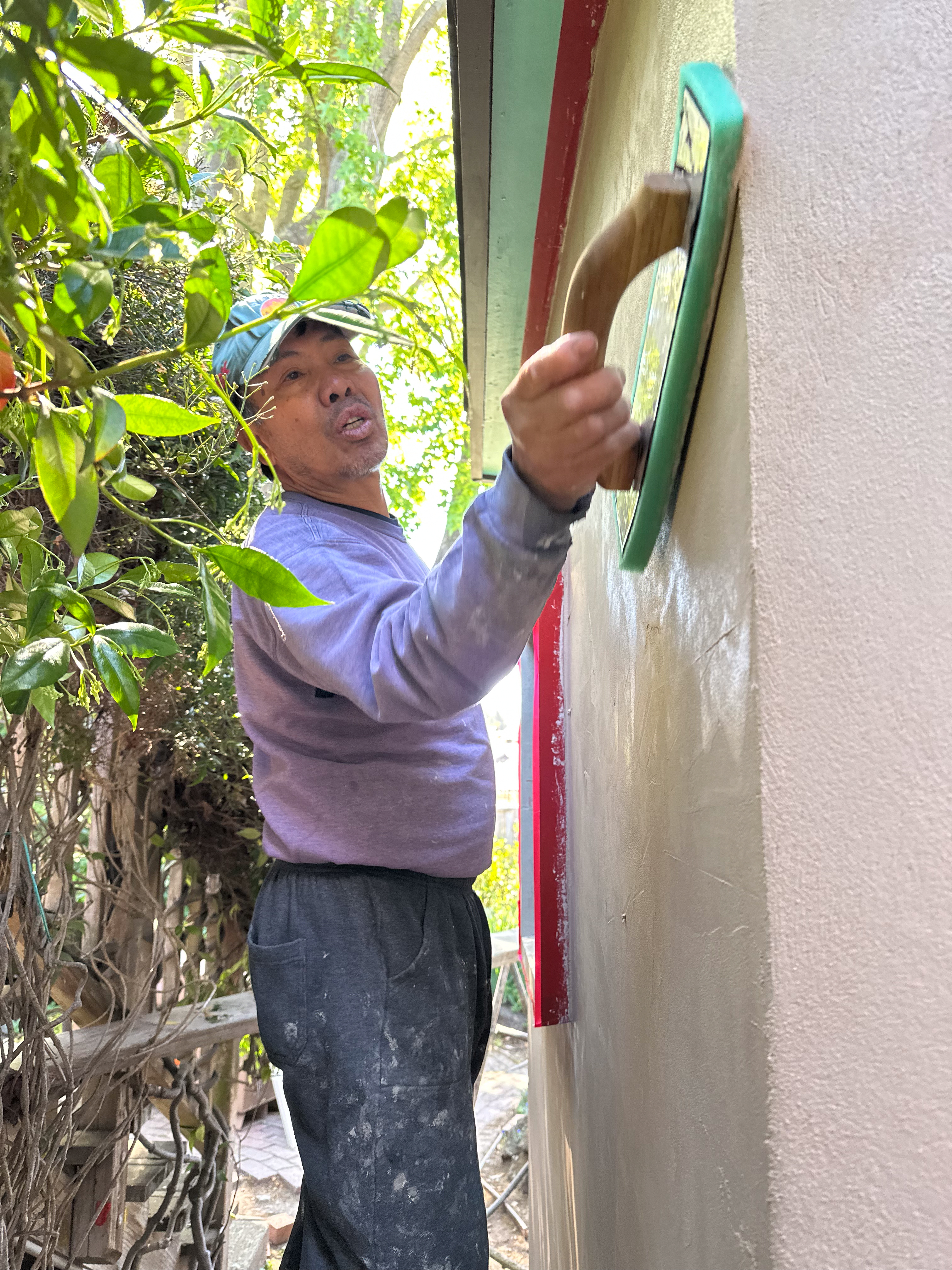
Here are a few exterior shots of the integral color plaster walls. Action shots of the plastering team at work courtesy of Michael Scott.
The tiny house with its venerable mother house adjacent
Interior and detail shots will hopefully be forthcoming, (hard to get photos in such a small space with ongoing work and protection in place) but the exterior is really looking good.
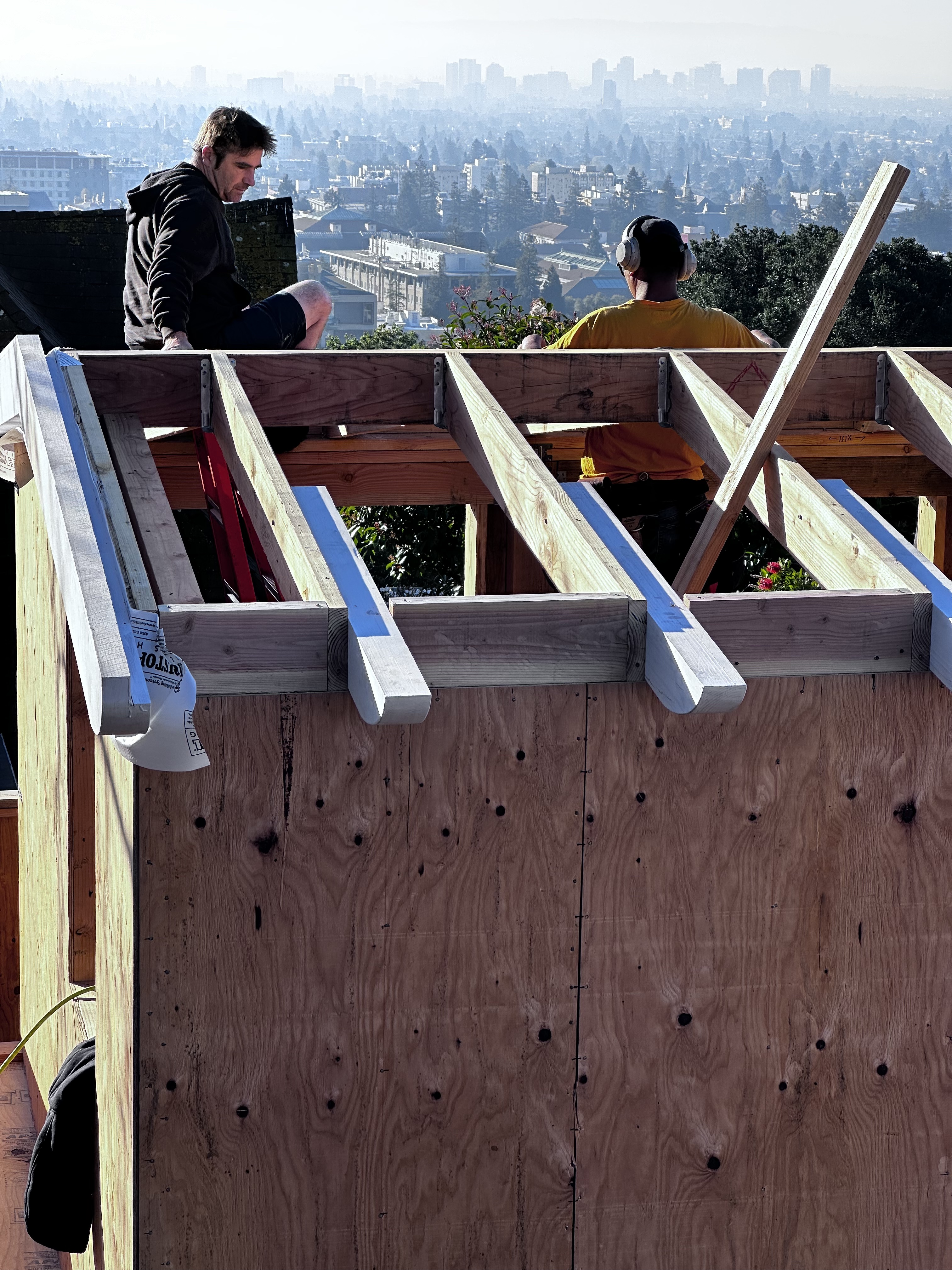
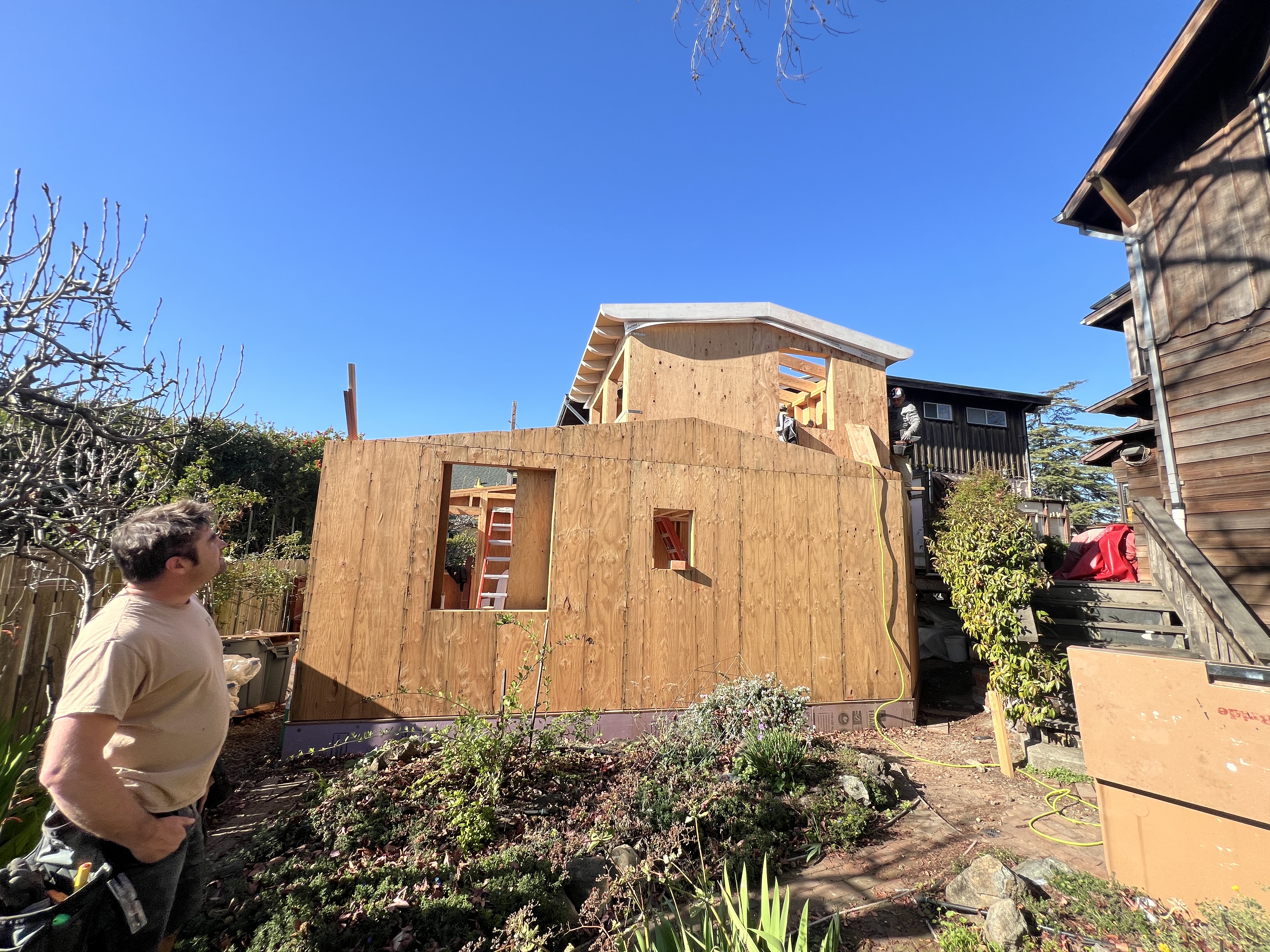
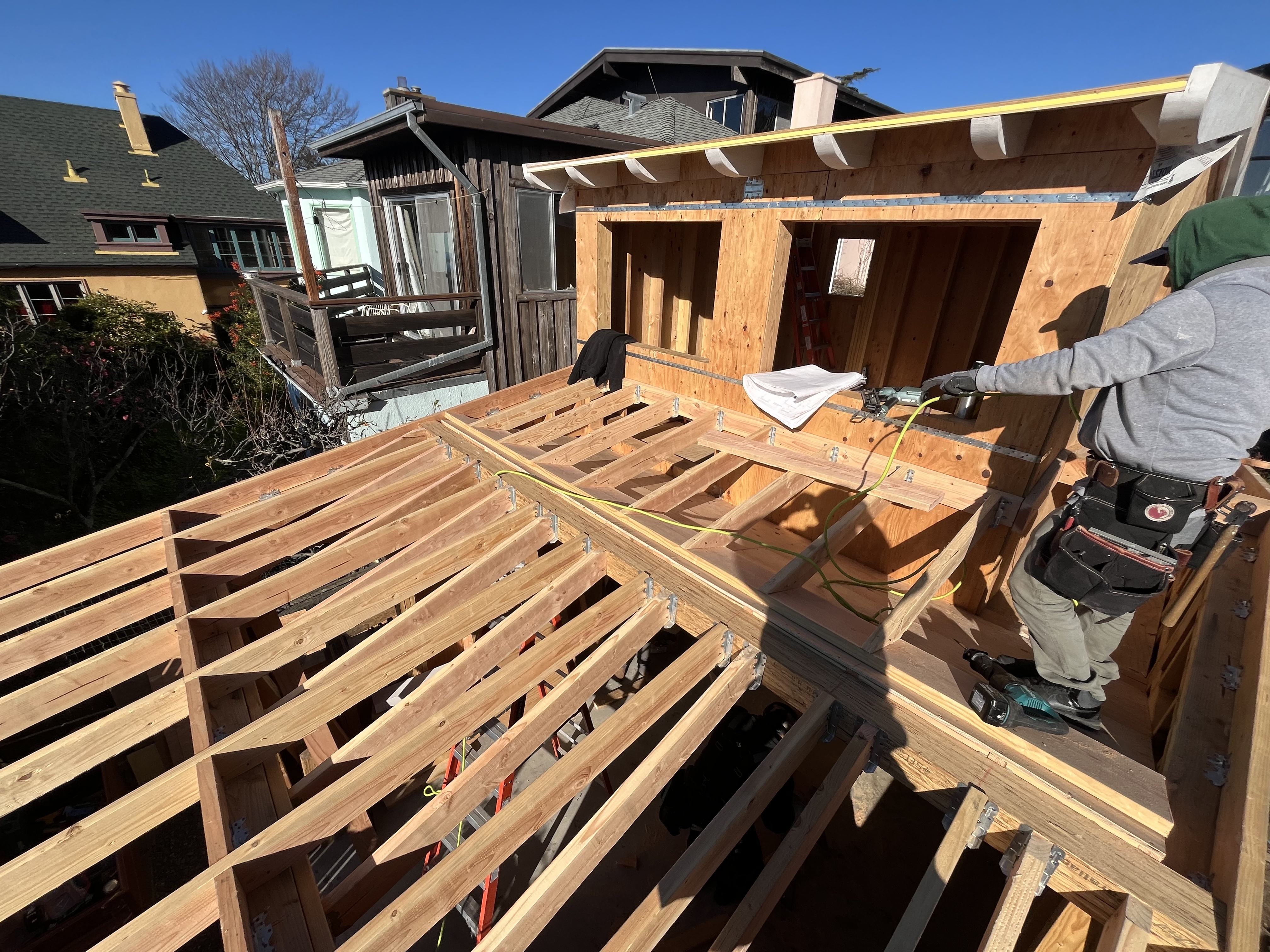
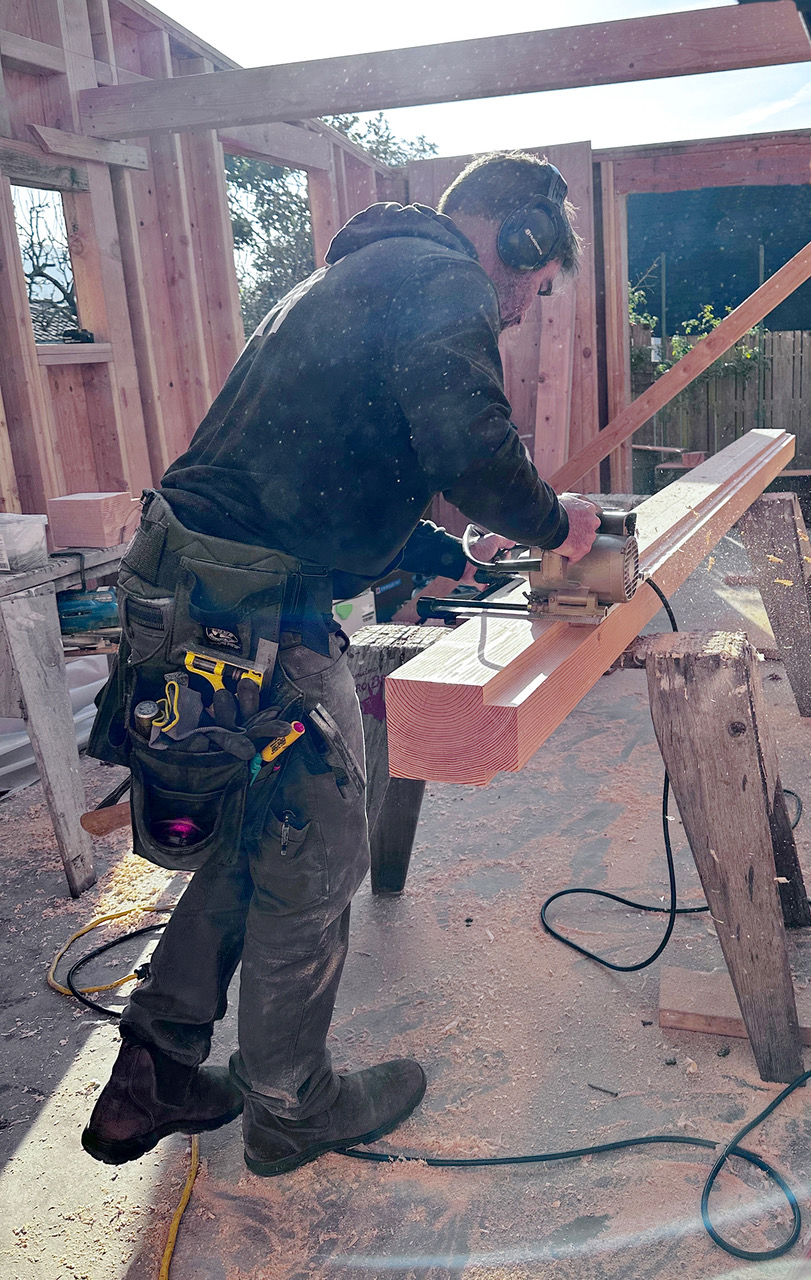
The owner took these photos for me of our little ADU taking shape. In the first photo you can see our 4×6 rafter tails with a curve. These will get gyp sheathing above with non flammable (Hardiboard & Boral) material on the outside. No venting. (Roof sheathing is kept above the dewpoint with rigid insulation on top.) The lower eaves that are less visible will be enclosed completely. The last photo is john rabbeting one of the exposed fir beams for the interior.
The clients sent me these photos from their recent visit to the project.
Im excited about the vaulted ceiling and the transition to the flat ceiling beyond. High south facing windows to the left are still covered in plywoodThis photo is looking back towards the entry (Defined by four 6×6 fir posts) and the kitchen (vaulted ceiling) Another shot of the kitchen (high windows covered)
Justin Prevadoros, the builder for our Galiano Island project, sent this great photo of his crew testing the steel beam that will span the living room and support a dual purpose hearth & bench.
Weve done a few of these in fir for interior and exterior, but this is the first one in ash. It will support a sitting area at the end of a kitchen island. Ill post photos after it is installed.
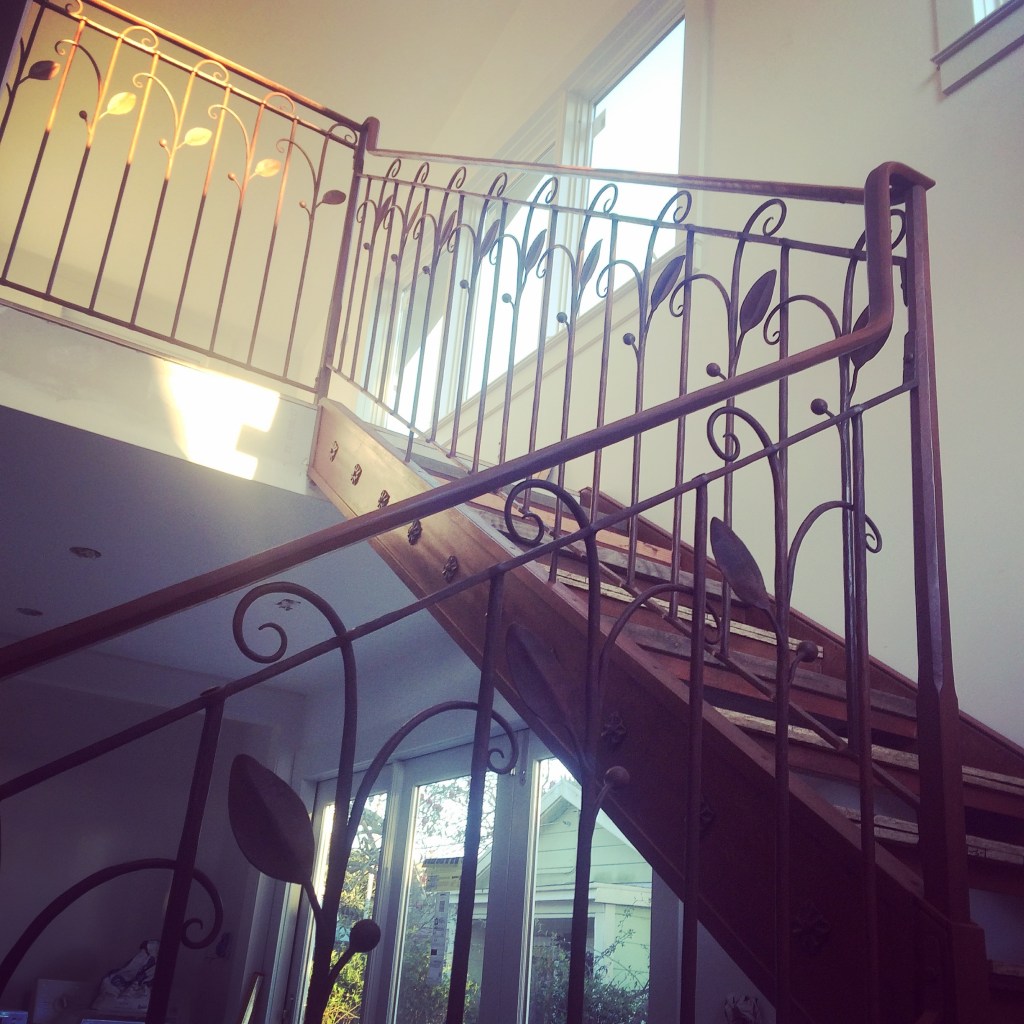
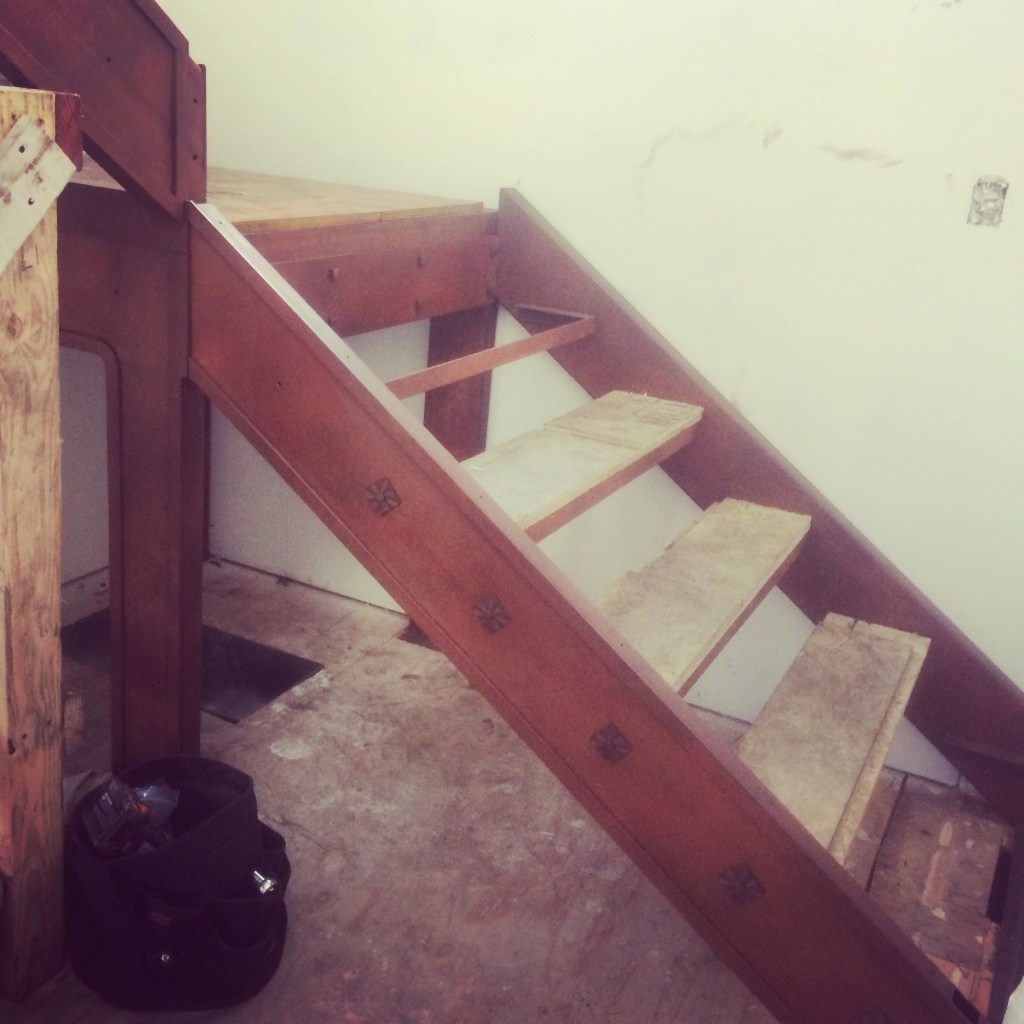
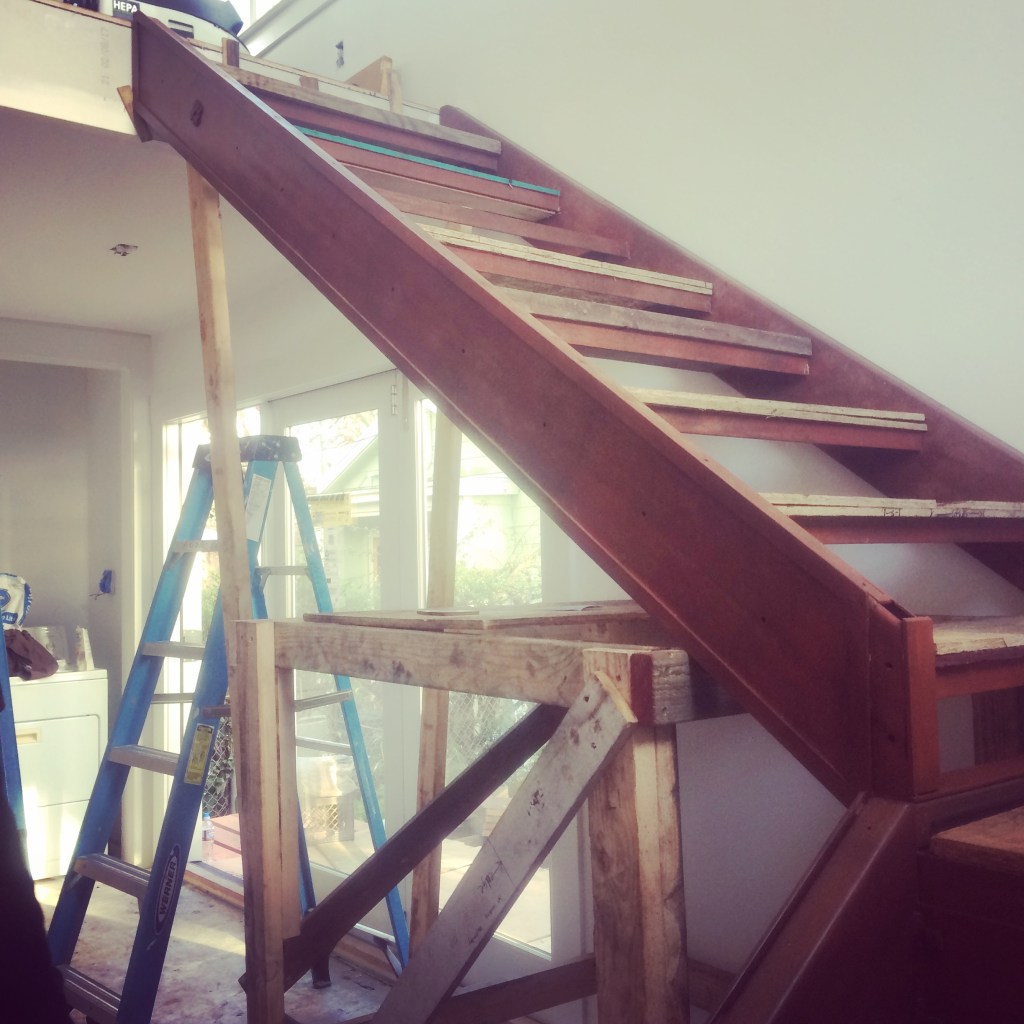
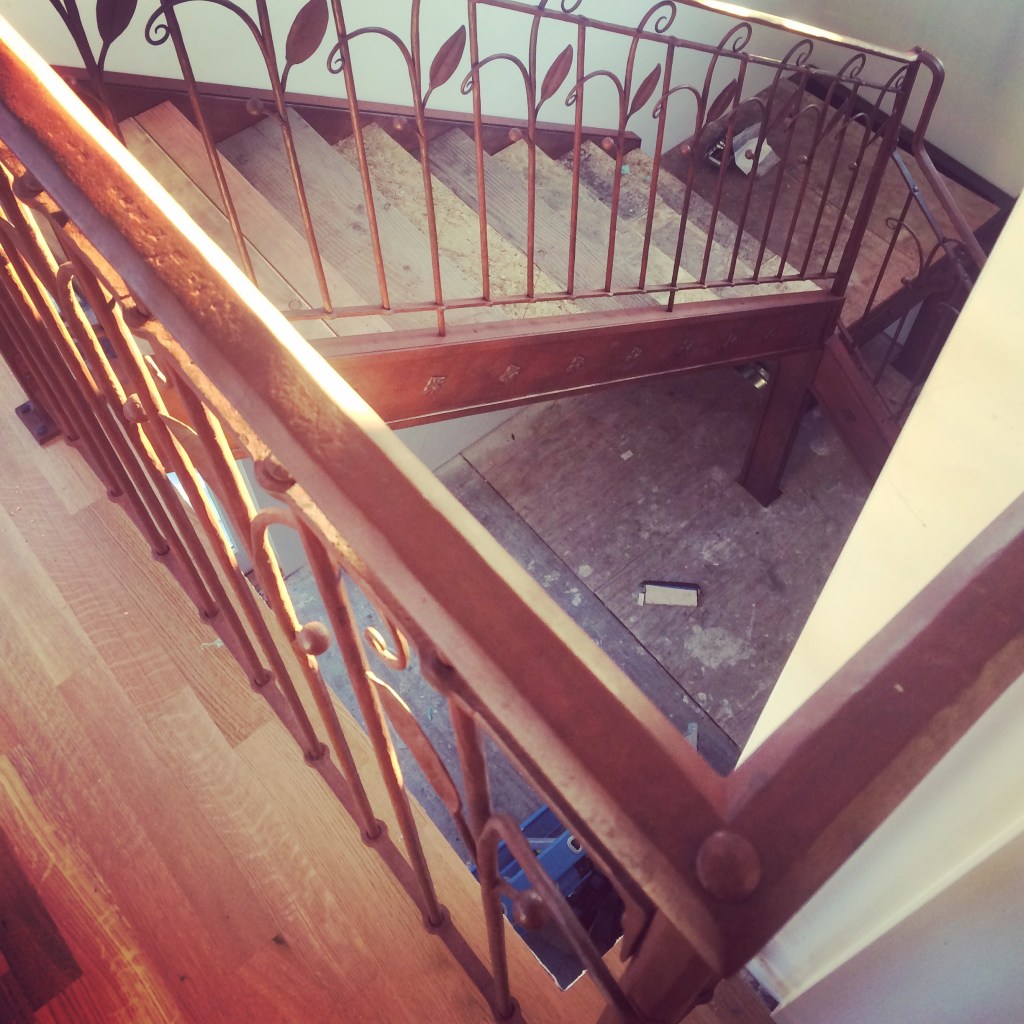
I never managed to get any photos of this project….but it was a tiny addition and rearrangement of the south end of a house on two levels to better connect to the yard and maximize the south light. The centerpiece was a stair with botanical railing and thick wood treads. The blacksmith, Shawn Lovell recently gave me some progress photos that she took. Thanks Shawn! I’ll take a photo of the organic handrail she made for our place and post that next.
First here is a 3d model we built as a schematic design tool. A few things changed and not all the details are there, but you can get a sense of the overall layout.
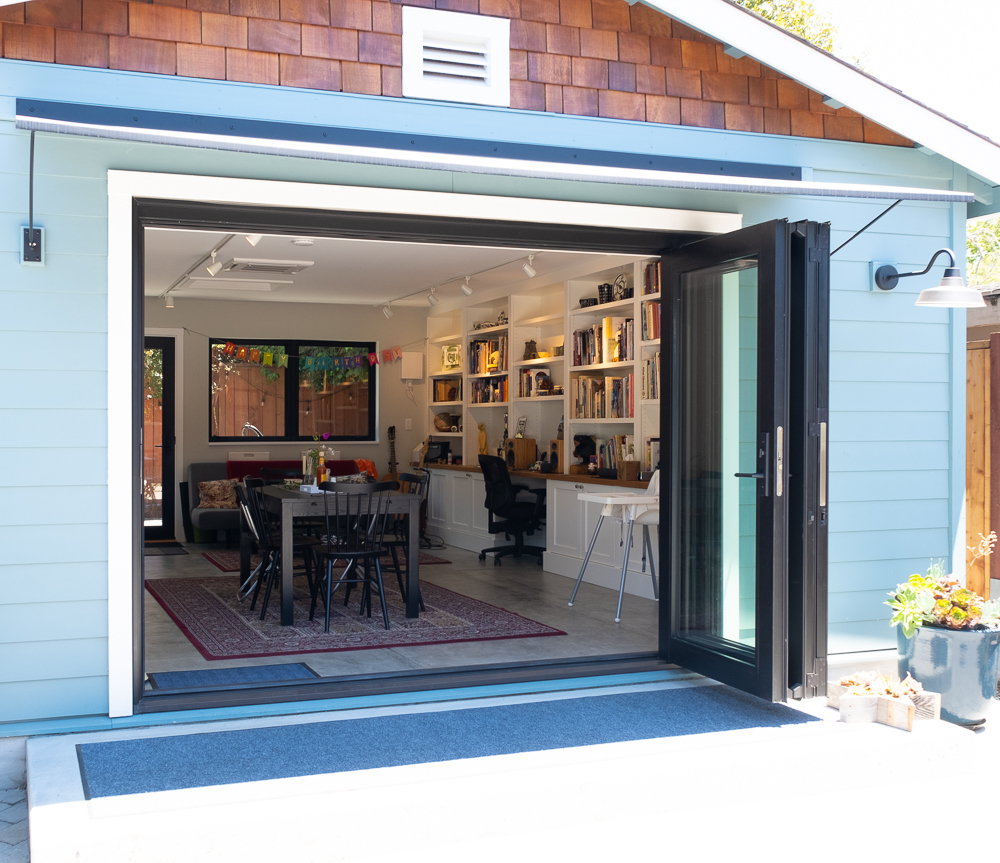
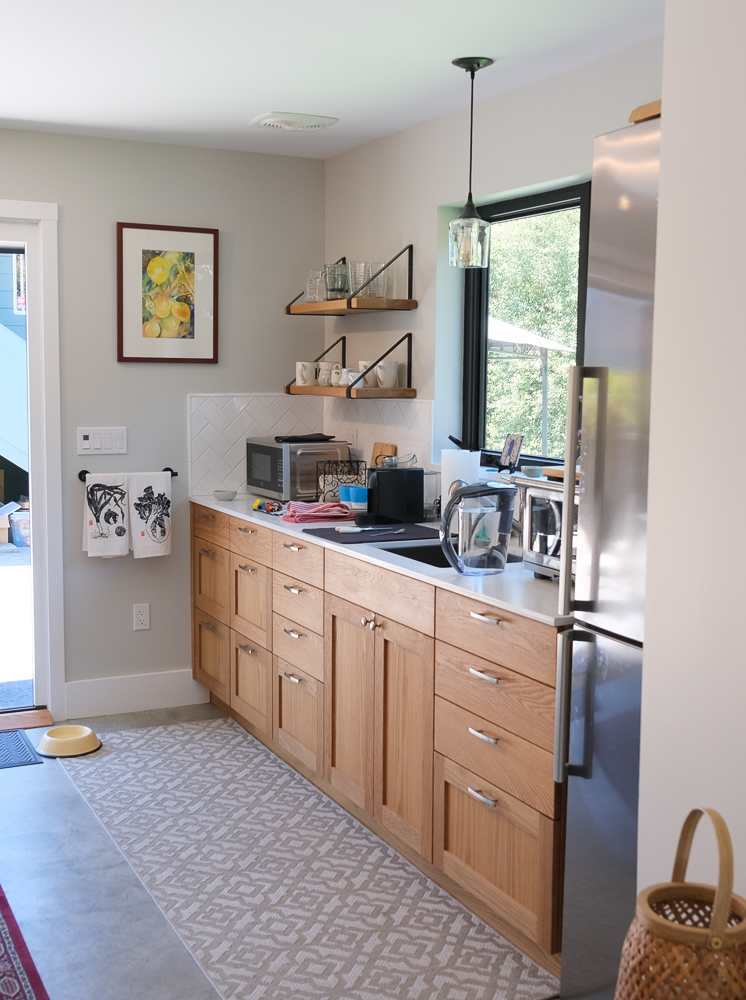
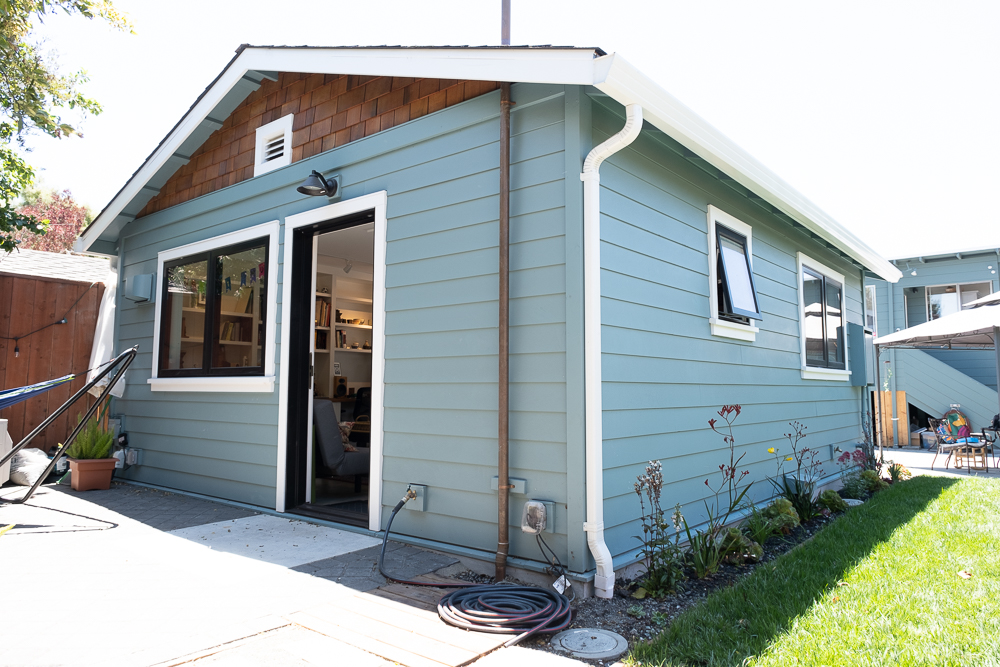
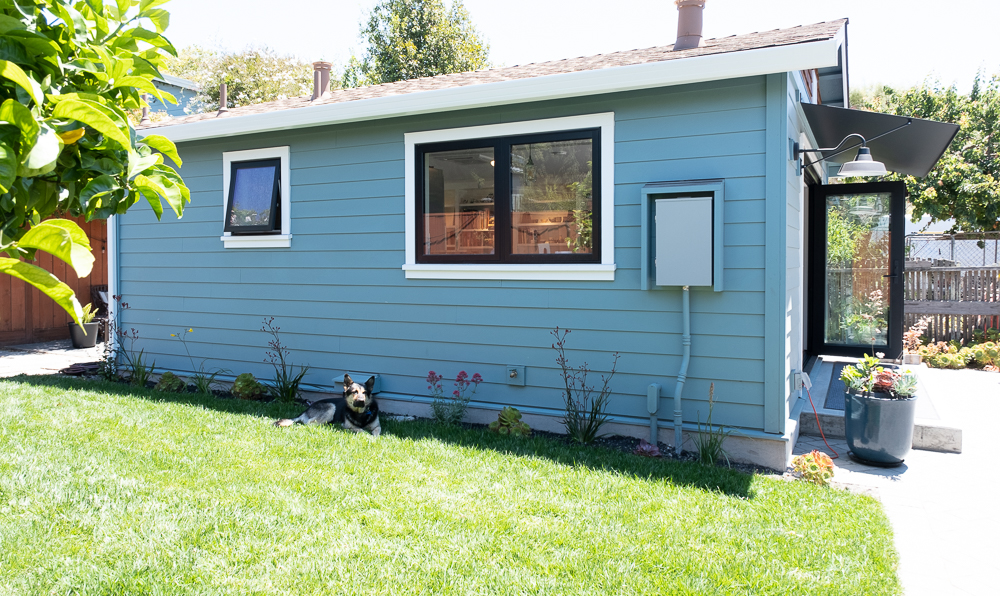
This one was a rebuild of an existing garage. (We had to rebuild it to meet the energy standards for habitable space, but we had to keep it the same as the garage in footprint, height, and roofline. ) The owners wanted to keep it simple…and kind of traditional. We think it turned out well.
The heating is a Fujitsu minisplit, the insulation is beyond code including slab edge insulation, lighting is all LED, high efficacy, & high CRI. A spot HRV keeps the air fresh even when the owners are out of town.
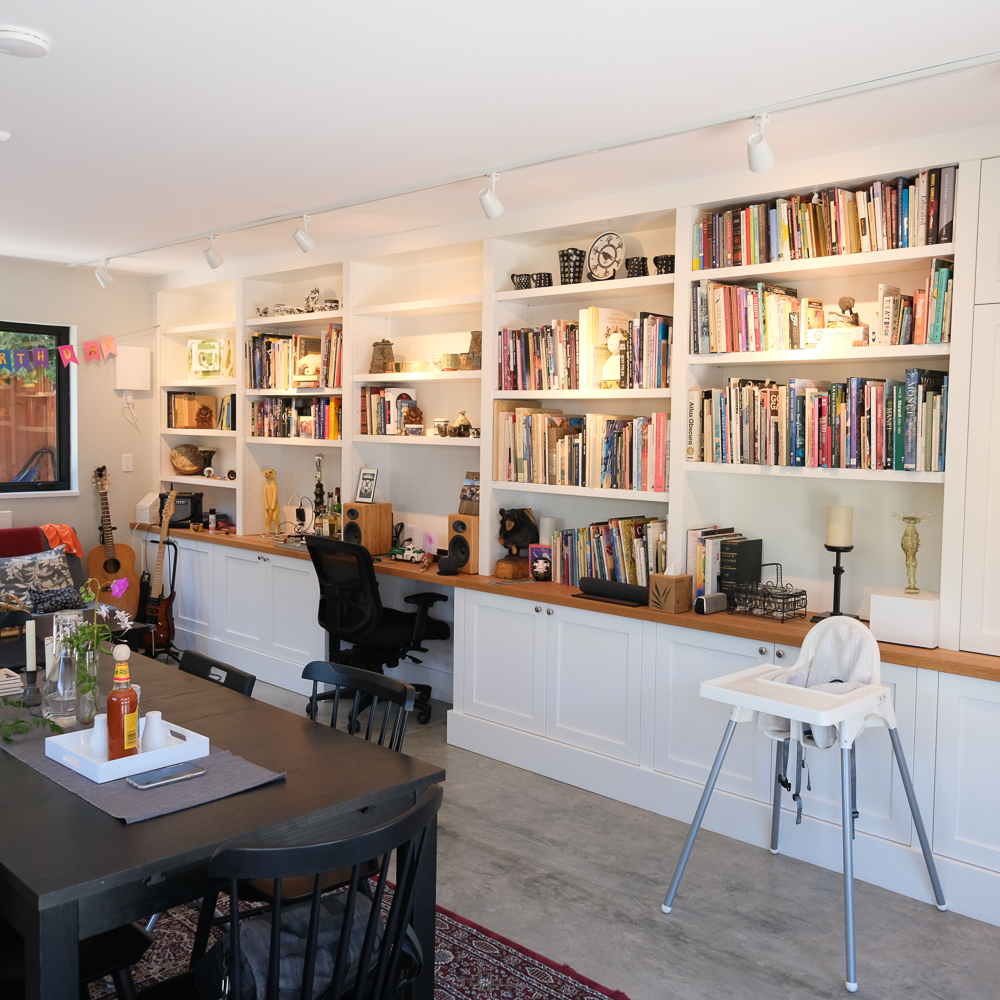
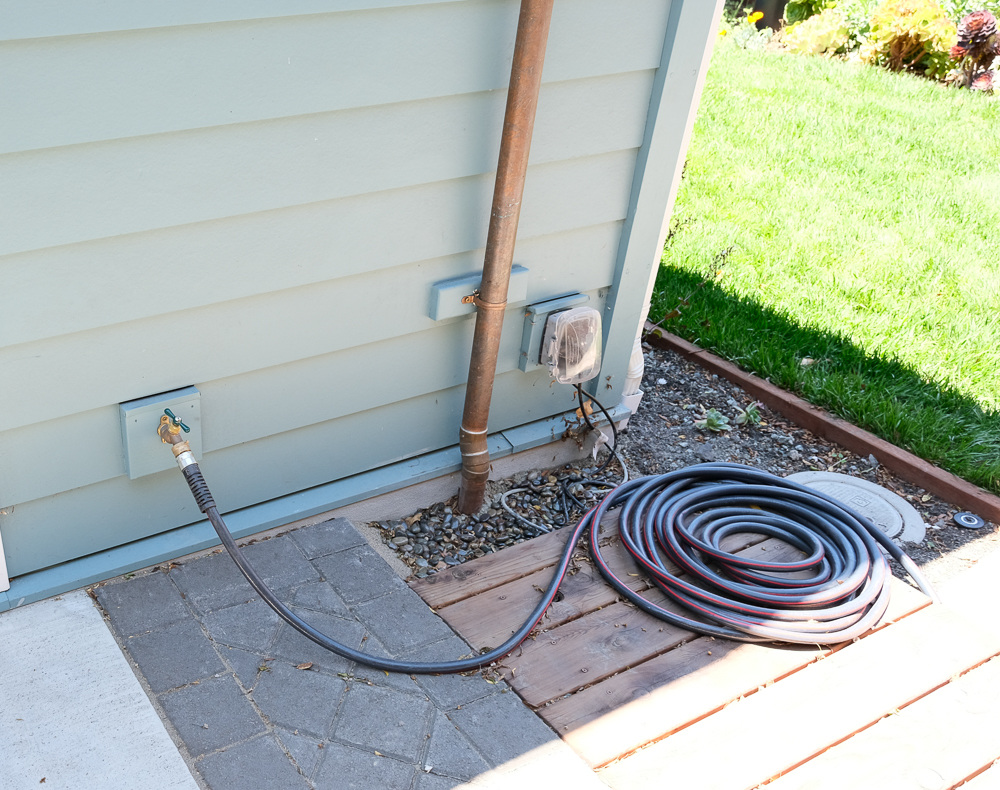
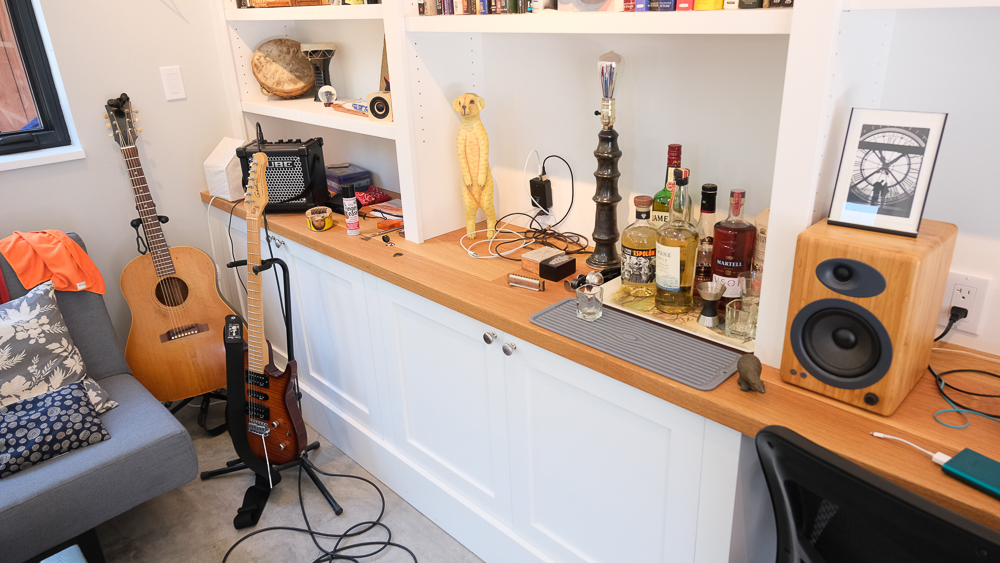
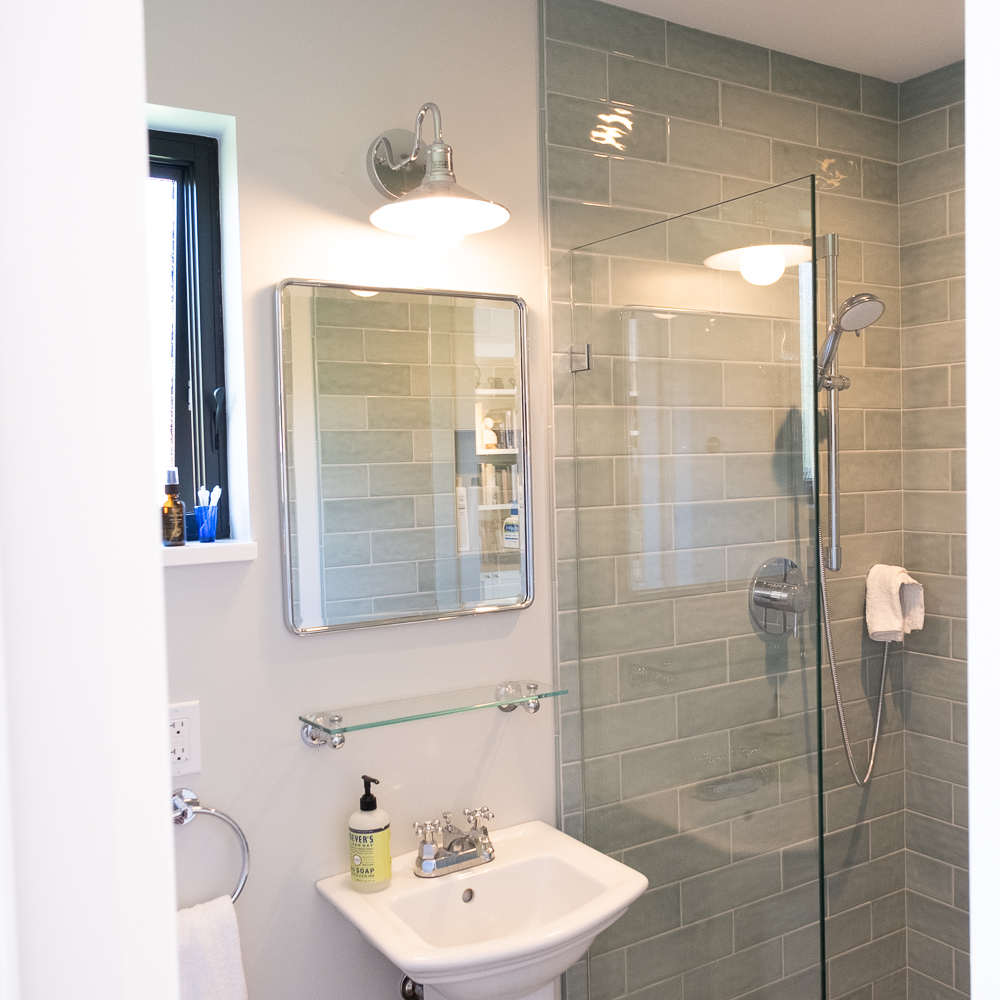
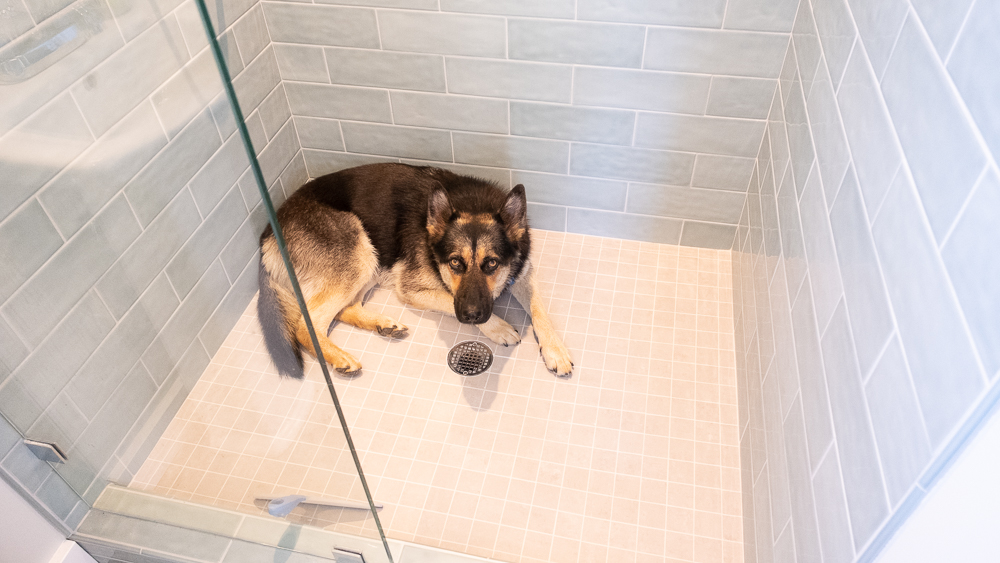
Big doors to the patio open wide on a nice dayWe kept a flat ceiling and a traditional attic for simplicityA wall of cabinets on the property line side…120 Volt LED track lightingMcBride construction planned ahead and added flat blocks for mounting all the exterior electrical and plumbingVery durable solid oak counter and painted cabinets and shelving Kitchenette – induction cooktop with a toaster oven and microwave covers most cooking needs..and a remote fan in the ceiling The back side patioThe electrical panel got a little roof and side screensefficient full bathroomMy helper, Éowyn, enjoying the cool tiled shower







 deedsdesign