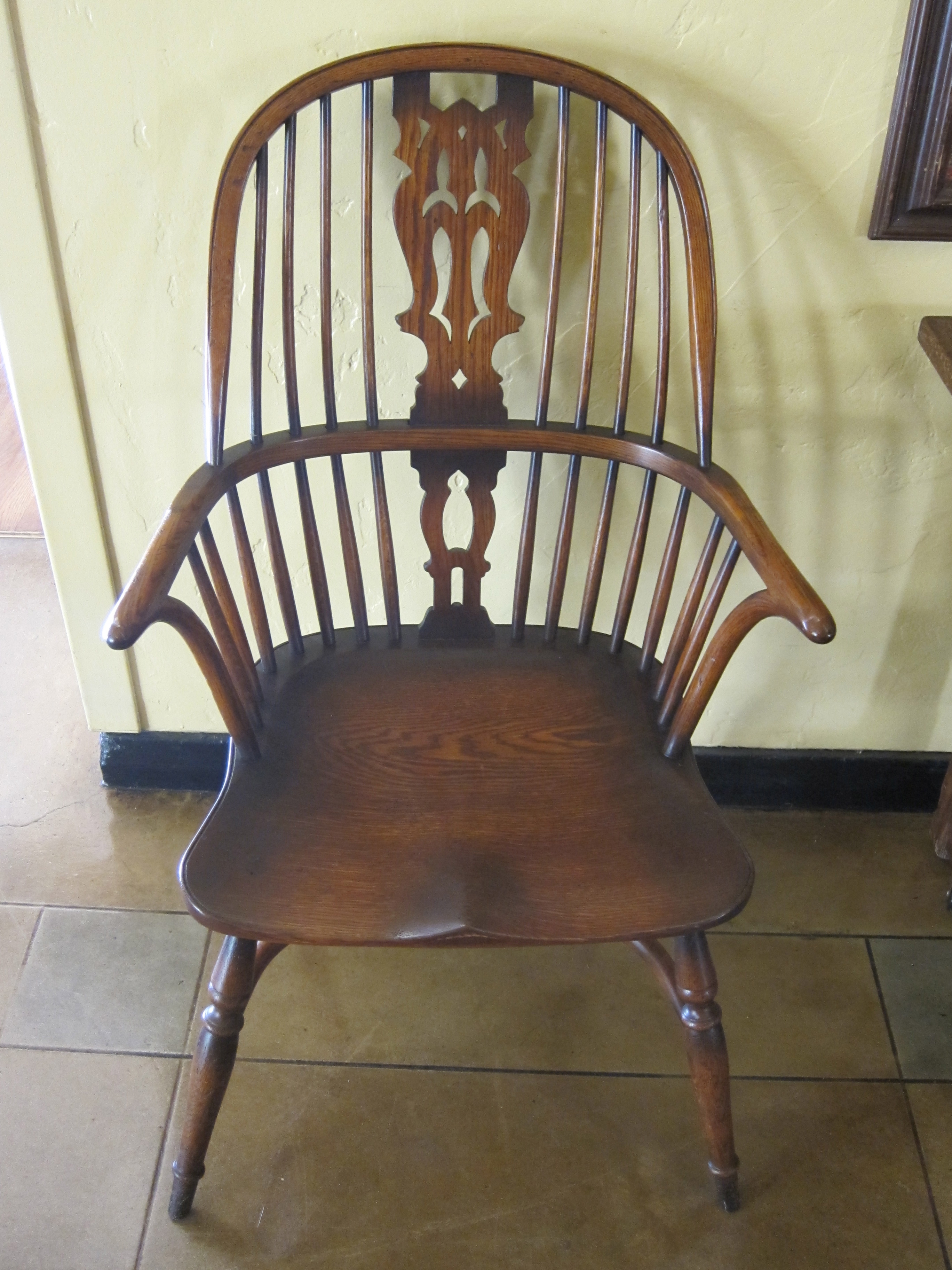
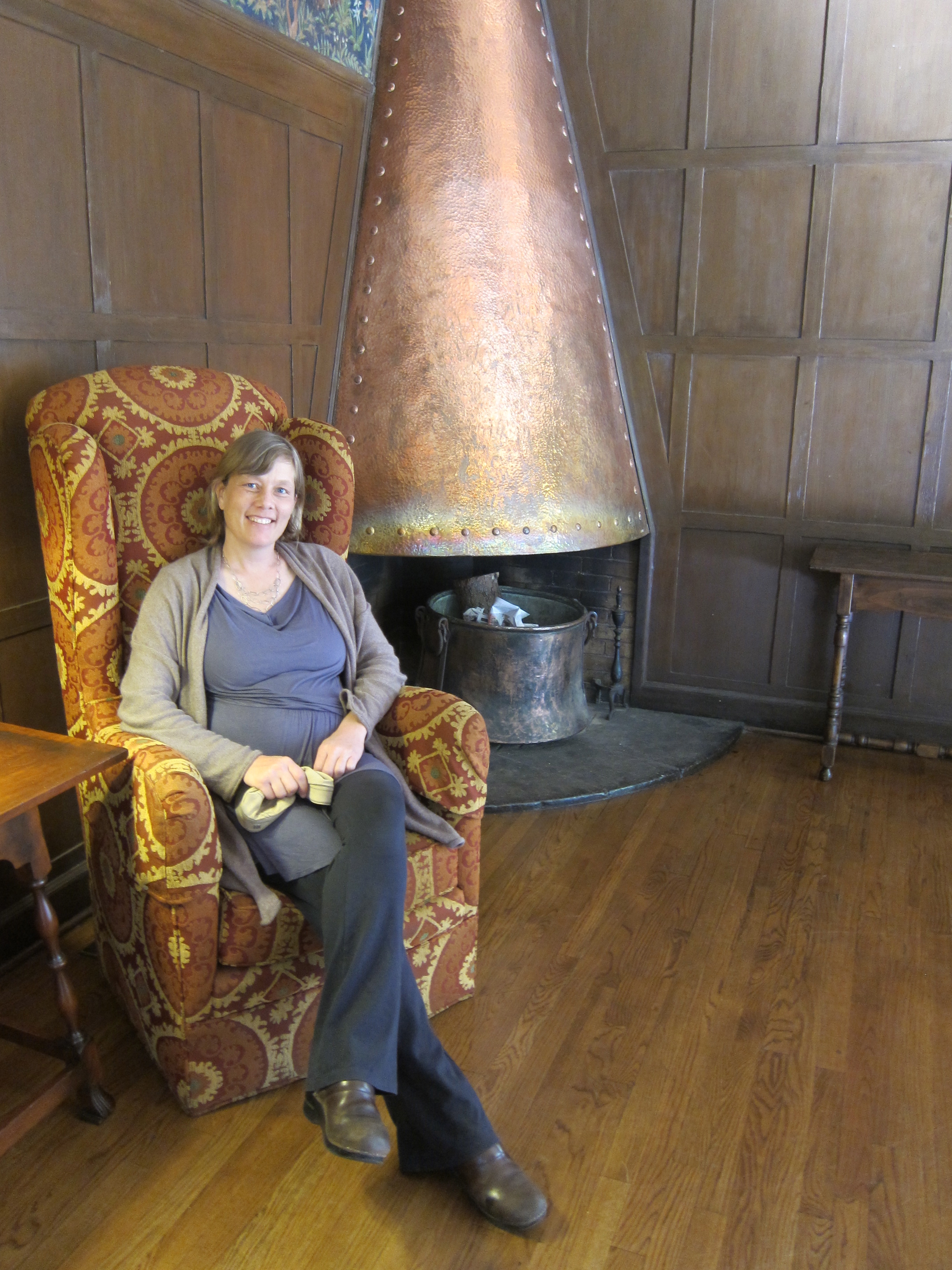
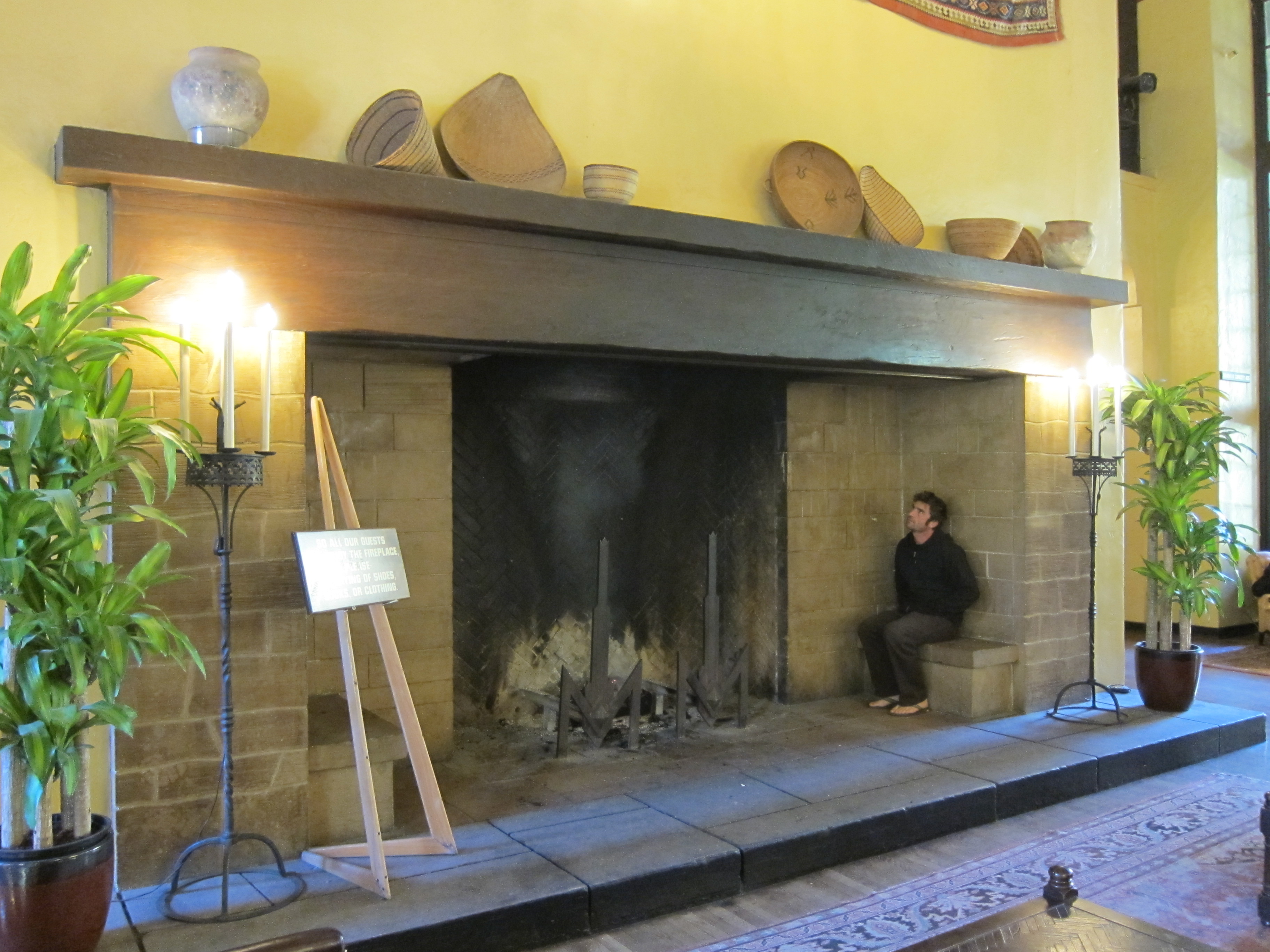
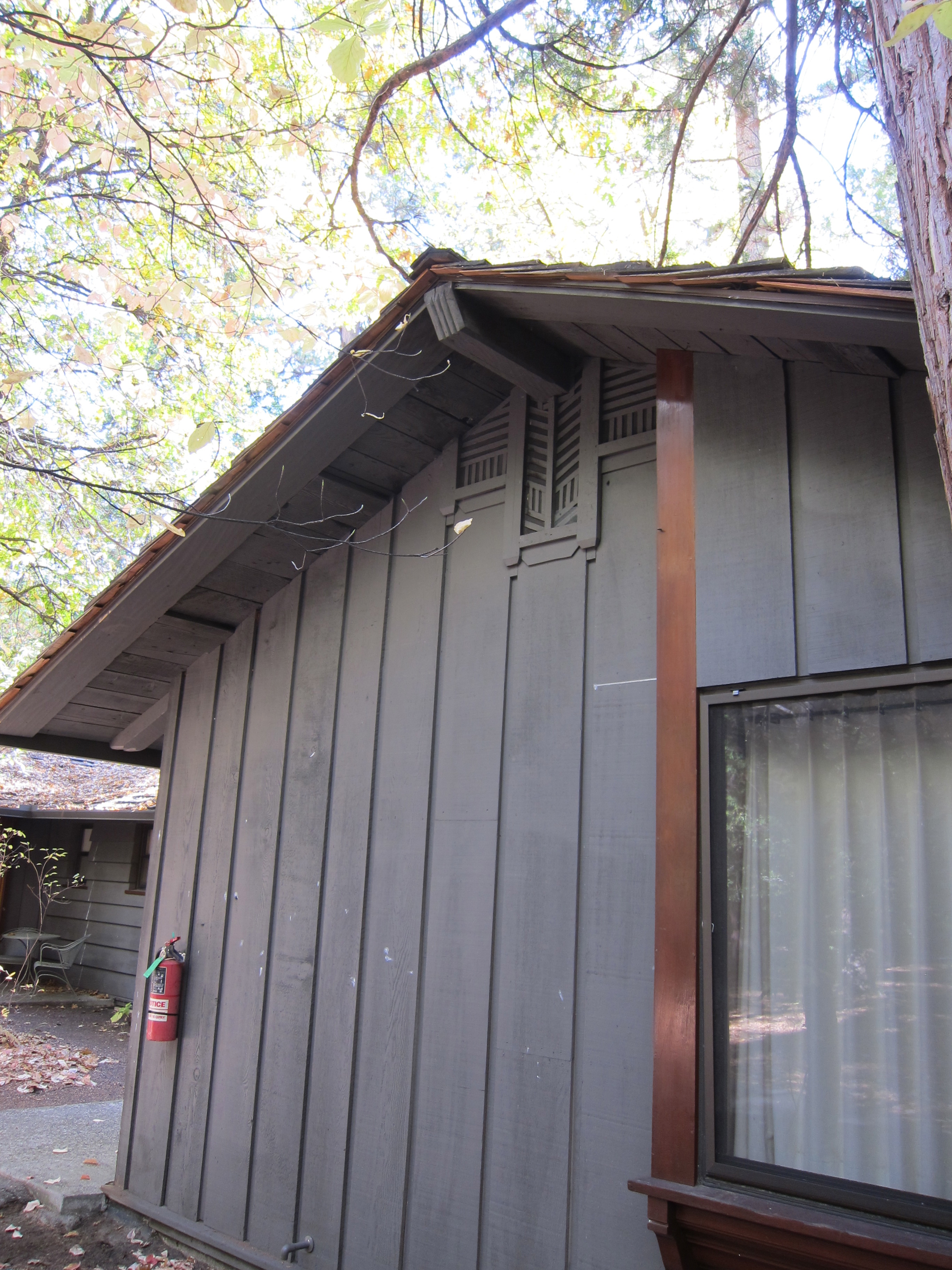
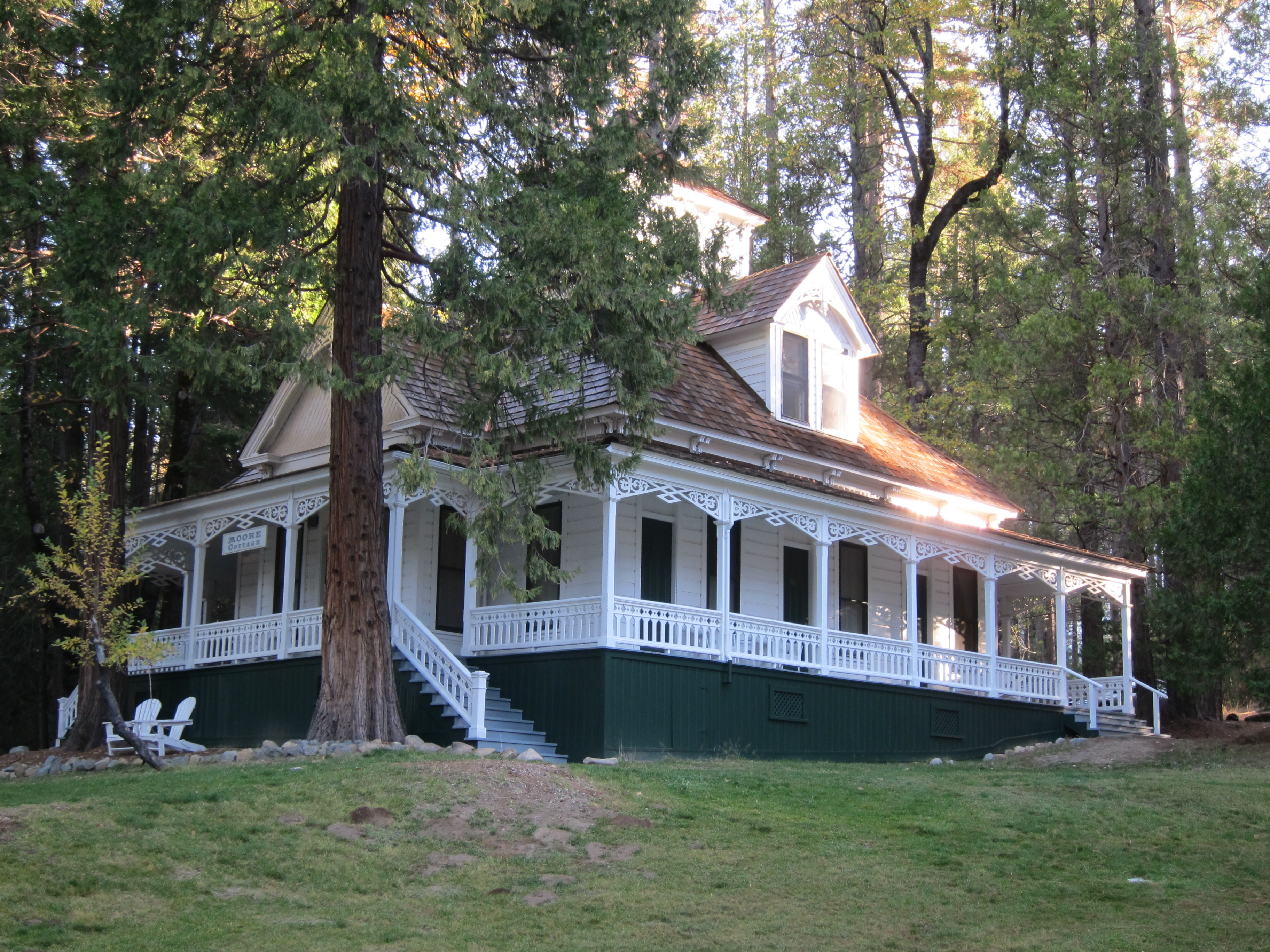
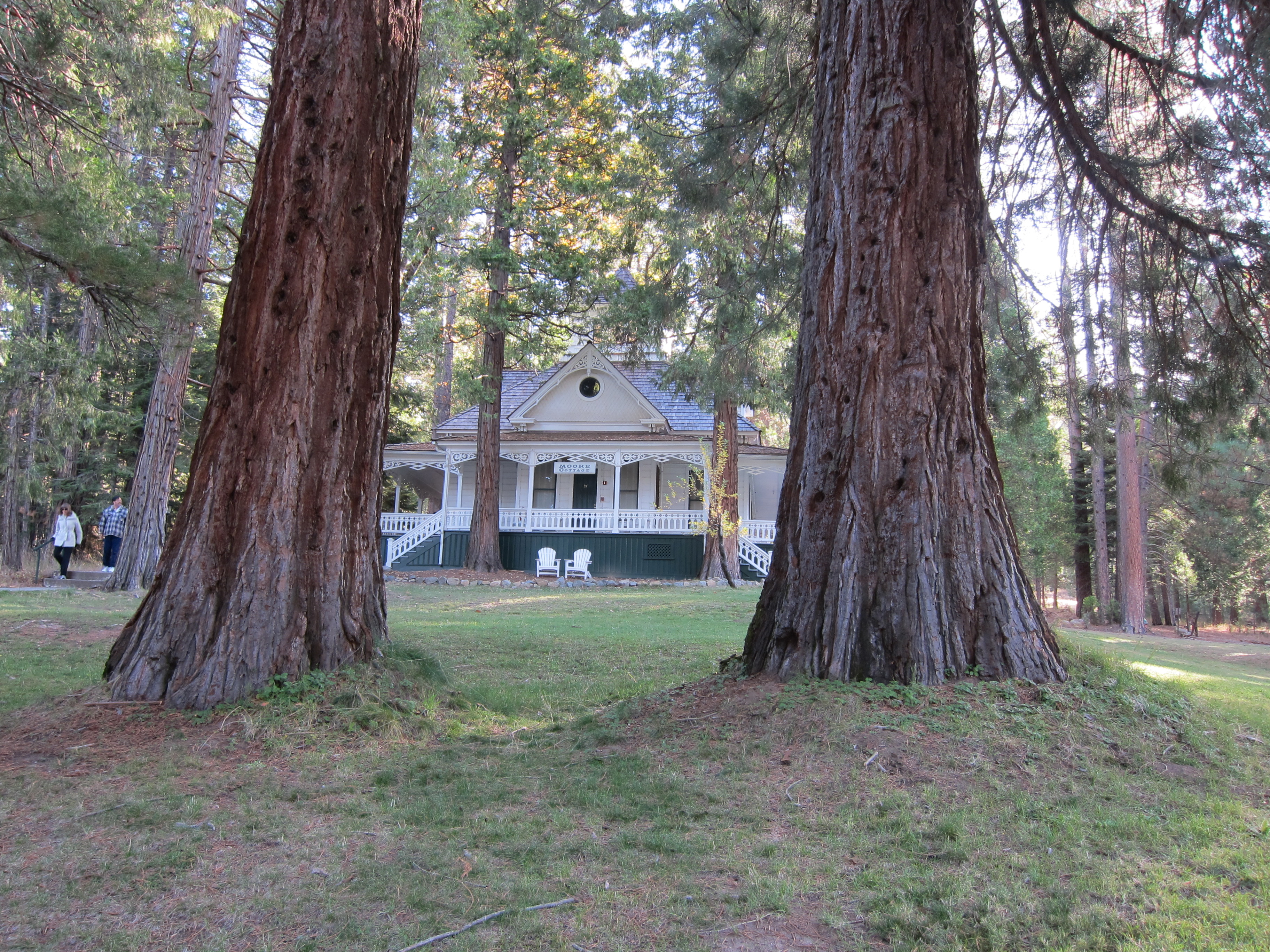
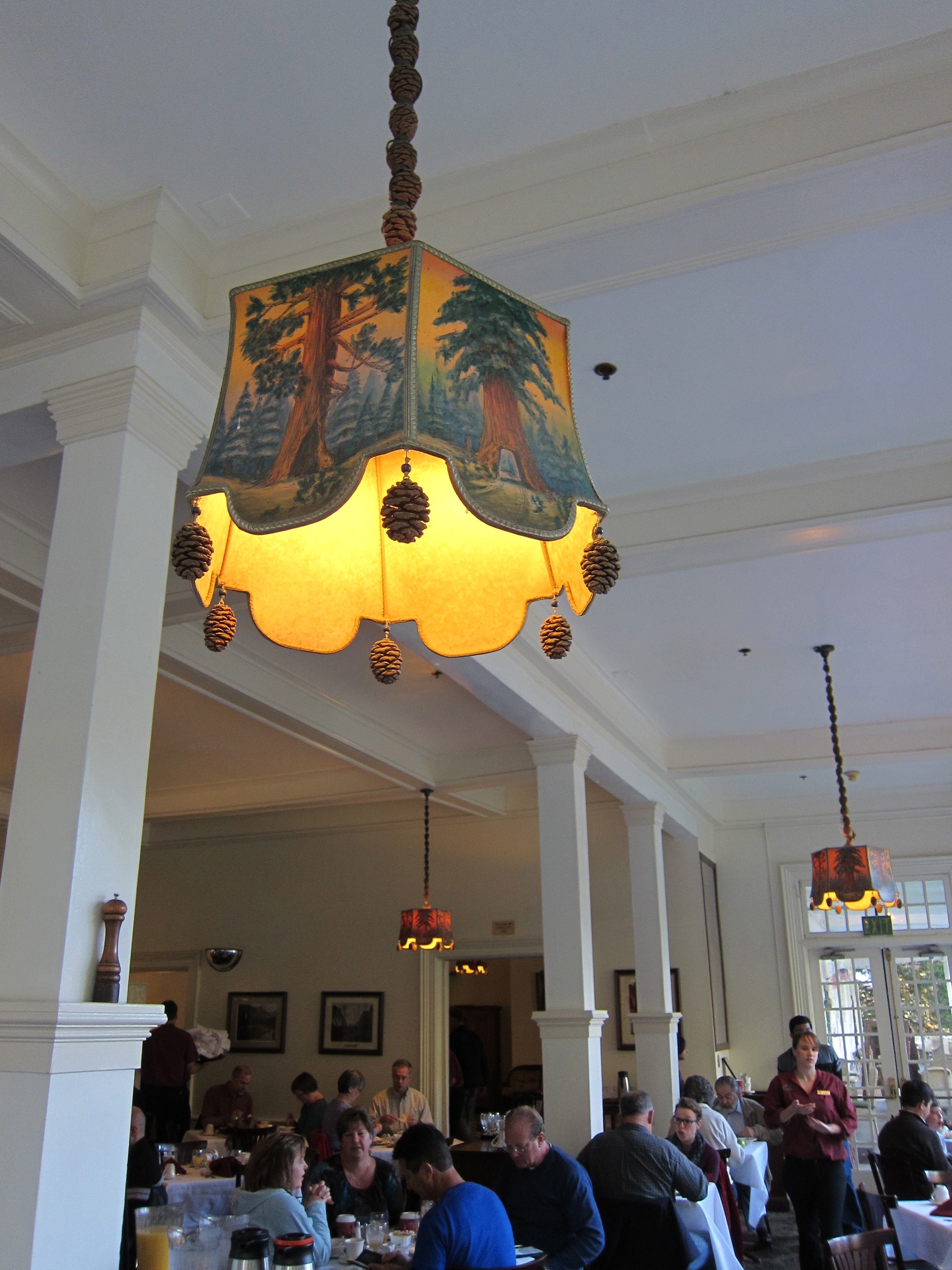
I just returned from a weekend at Yosemite National Park. We enjoyed the fall colors and the stunning natural beauty, but there are also some nice architectural details in the park. The Ahwahnee Hotel is full of decoration and geometric designs. Painted decoration, upholstery, and patterns made of wood and steel are everywhere. The Wawona Hotel, at the other end of the park is a timepiece from the early 1900s with simple white-painted buildings and cute pine cone chandeliers in the dining room.
Posts Tagged ‘lighting design’
A Few Architectural Highlights of Yosemite National Park
Posted in Found Objects, tagged ahwahnee, furniture, historical styles, interiors, kitch, lighting, lighting design, national park architecture, paint, patterns, rustic, Wawona, whimsey, yosemite on November 5, 2012| 1 Comment »
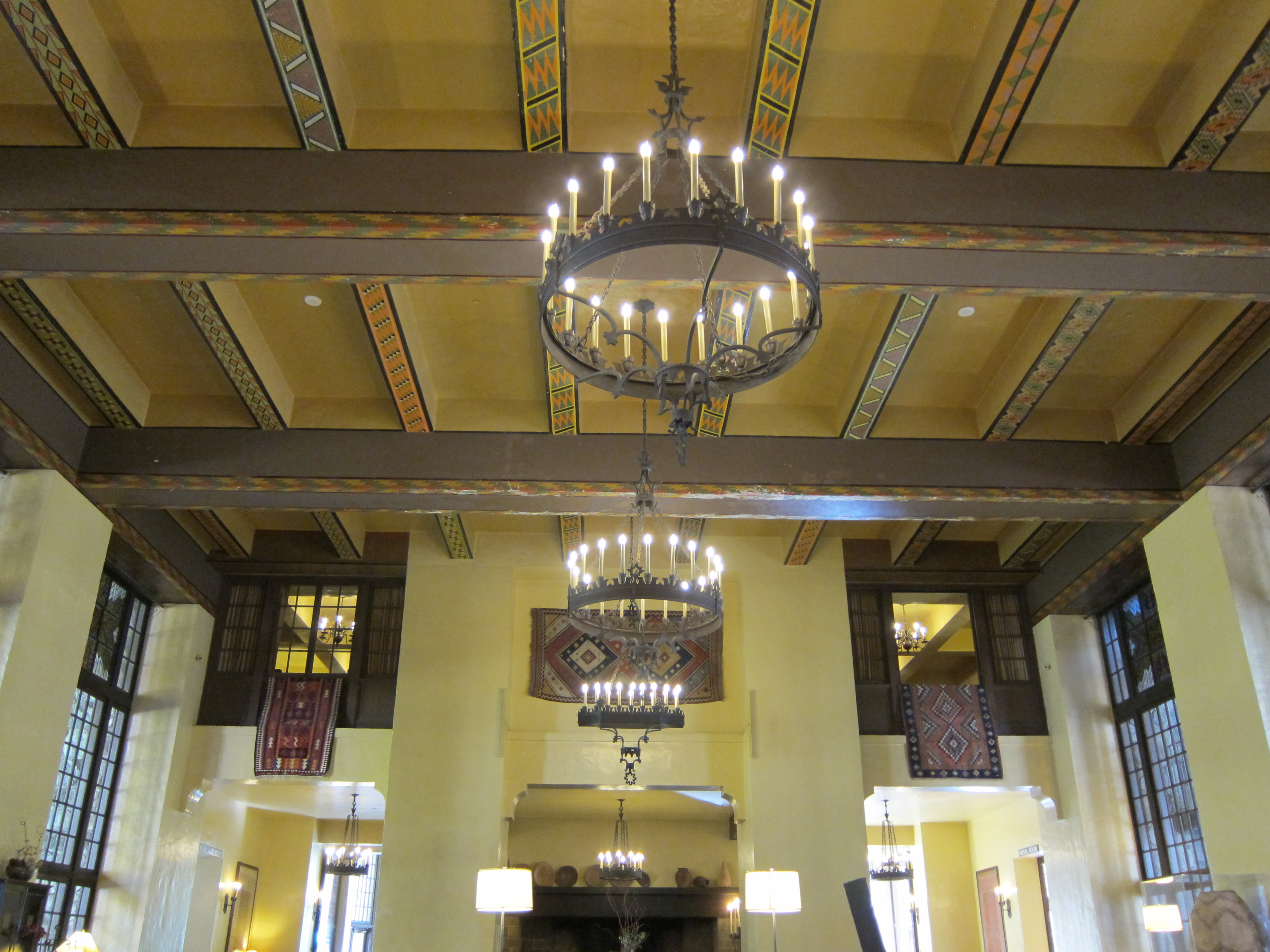
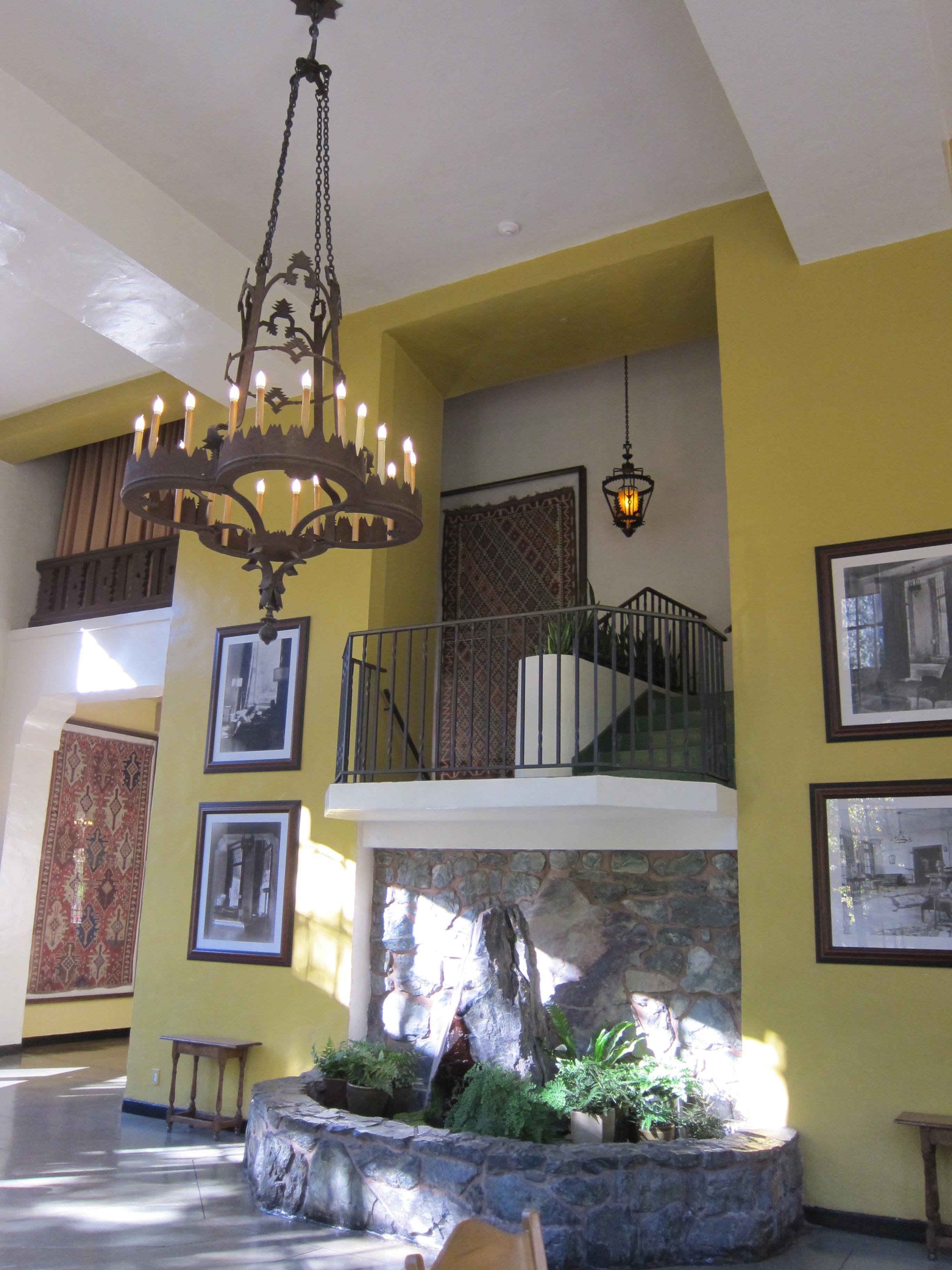
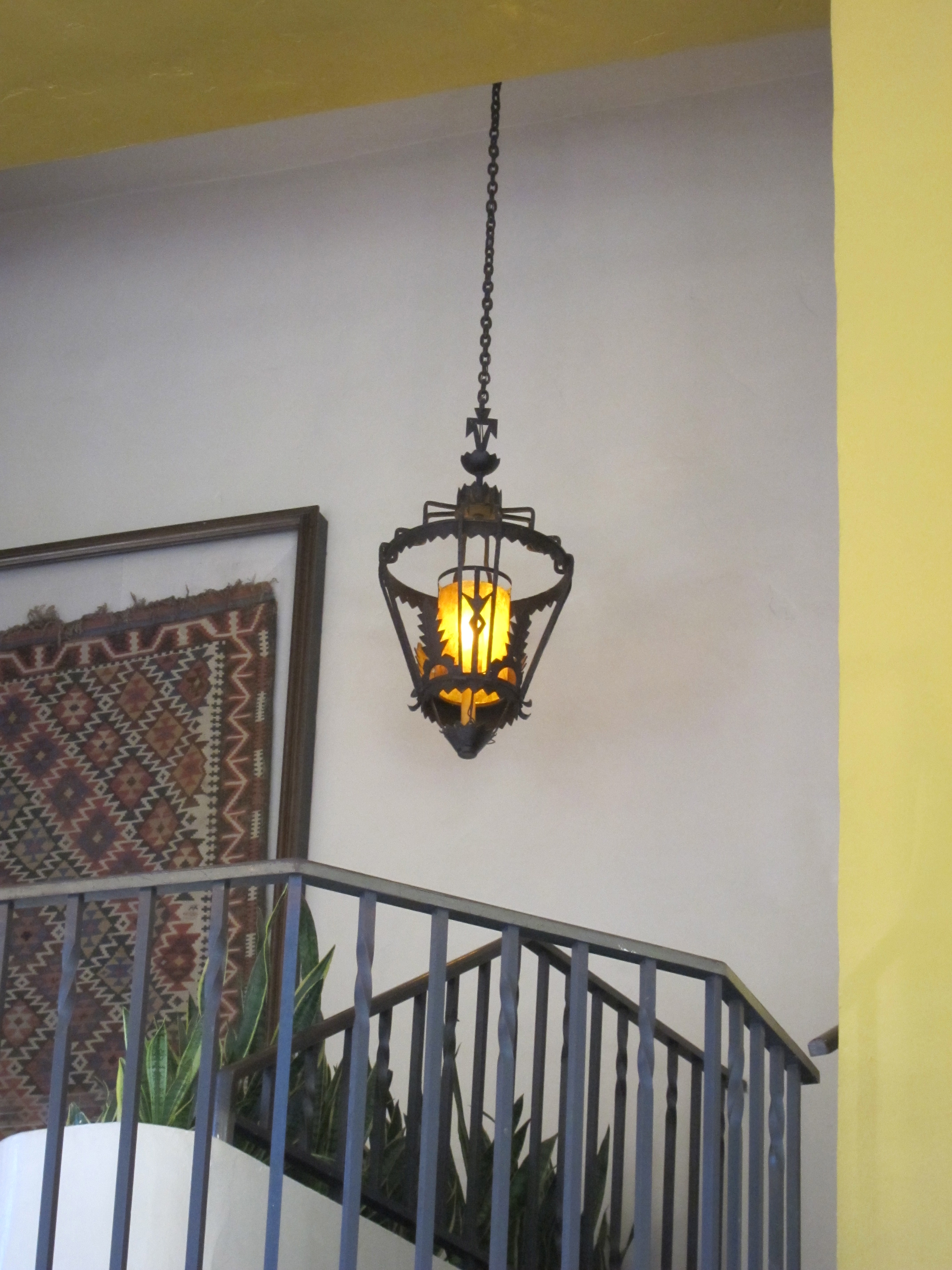
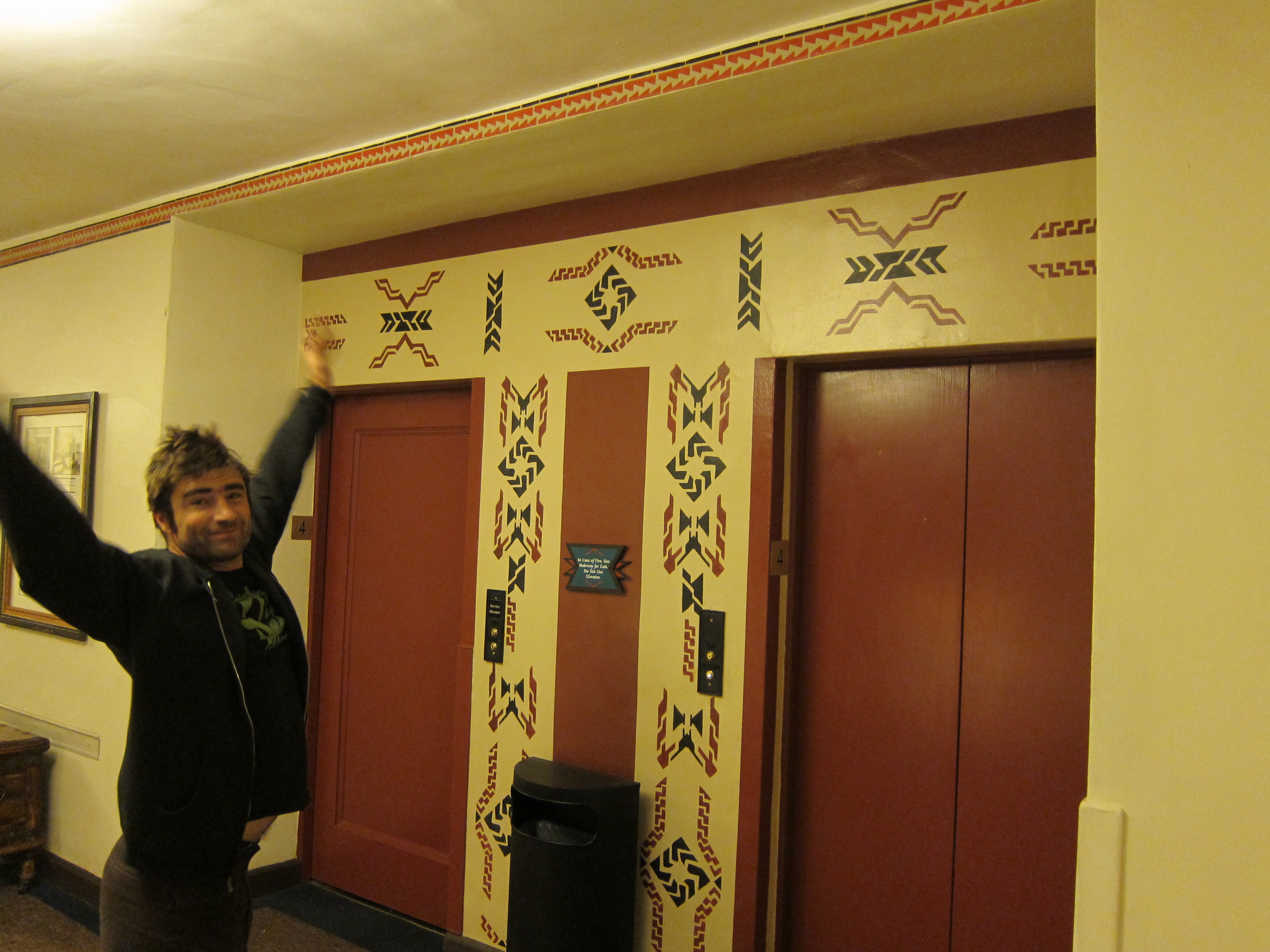
Basement upgrade in the Berkeley Hills
Posted in Design Projects, tagged bathroom, Berkeley, houses, lighting design on October 24, 2012| 2 Comments »
I just stopped by to have a peek at this almost finished project near Tilden Park. The owner still needs to finish moving in, but you can get an idea despite the blank walls.
Canivet Construction is the builder.
-
- Upstairs bedroom hallway before remodel
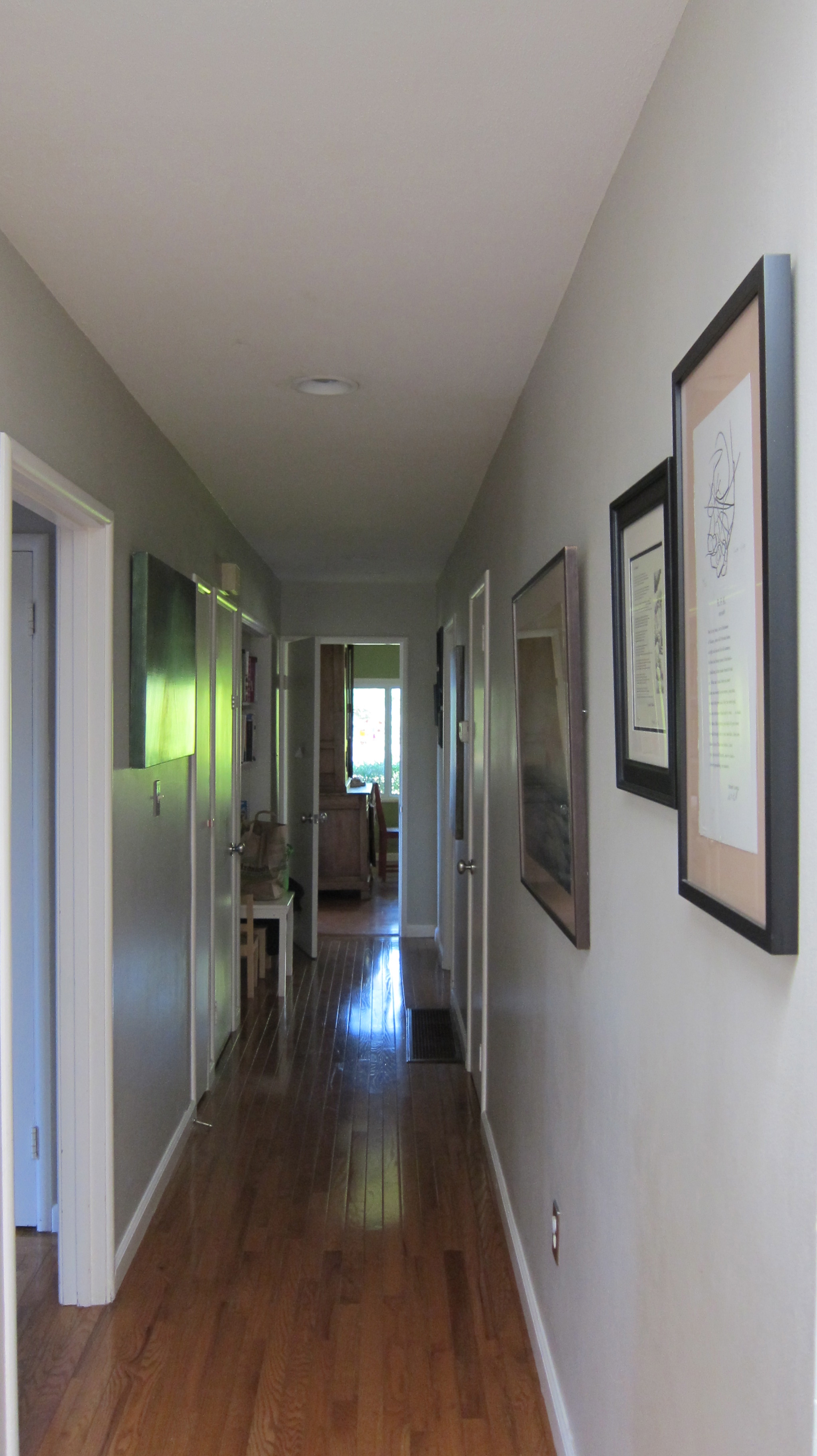
-
- Hallway opened to stairs and skylight added over the stairs
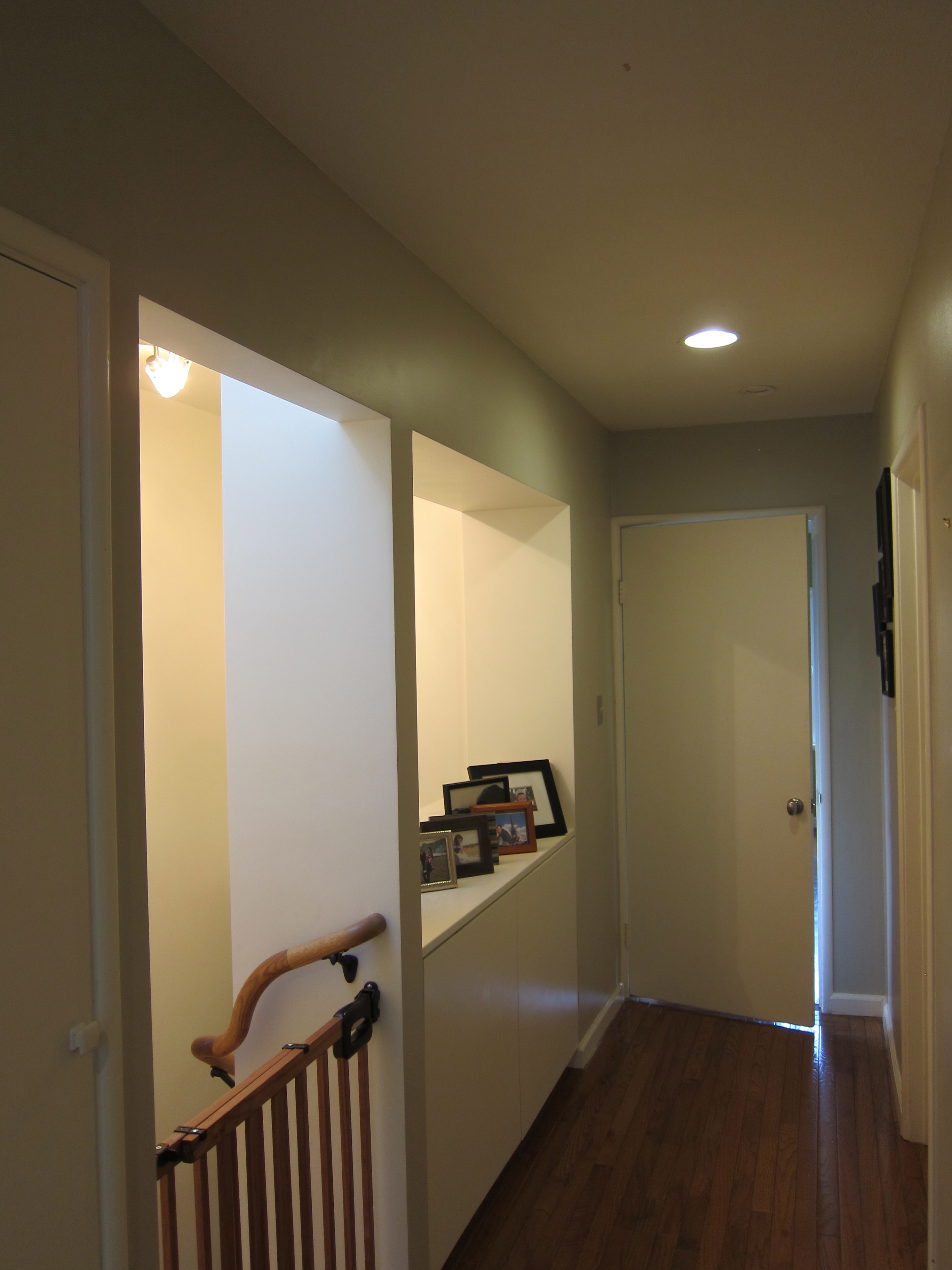
-
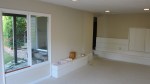
- Before
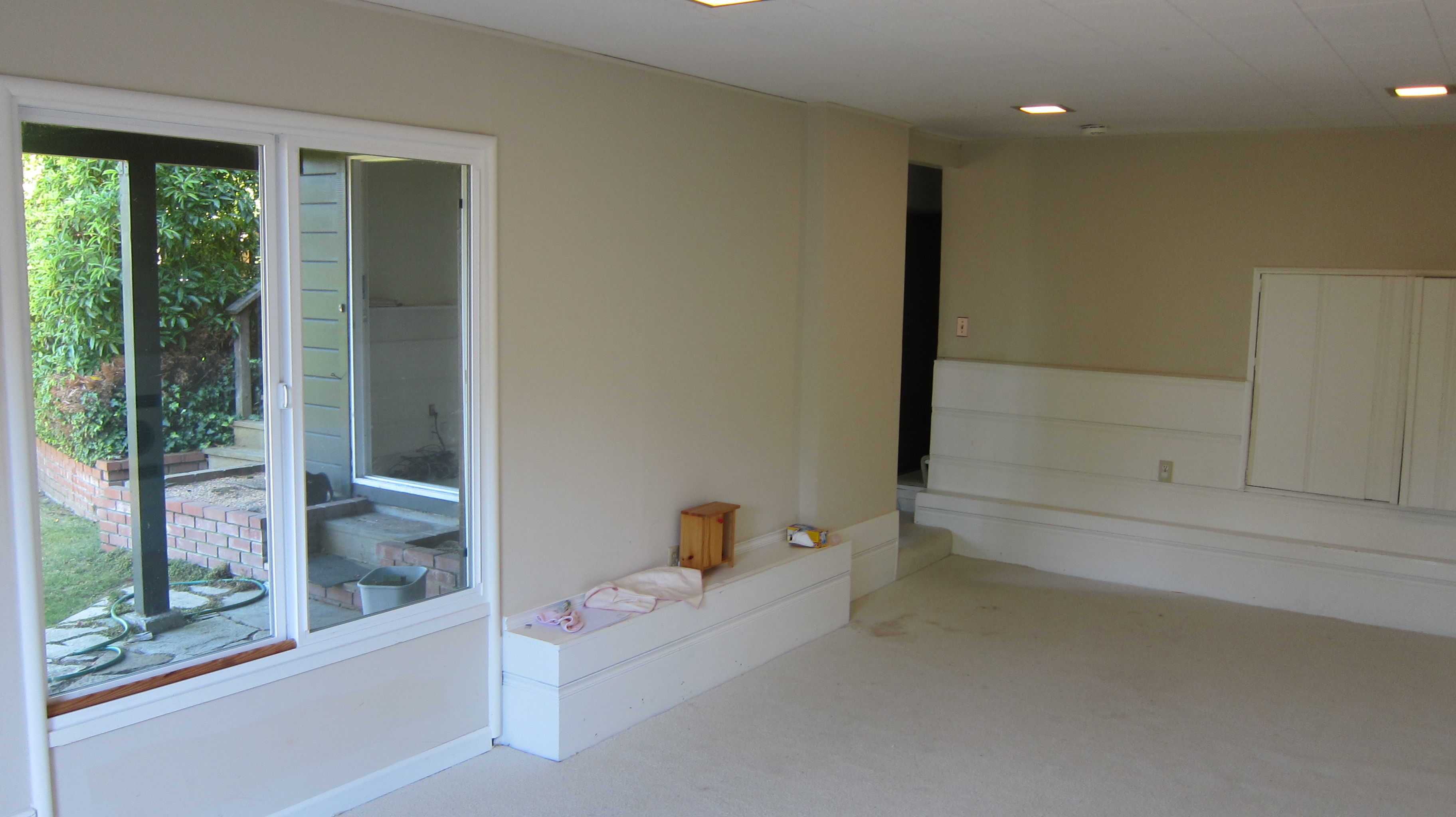
-

- Before
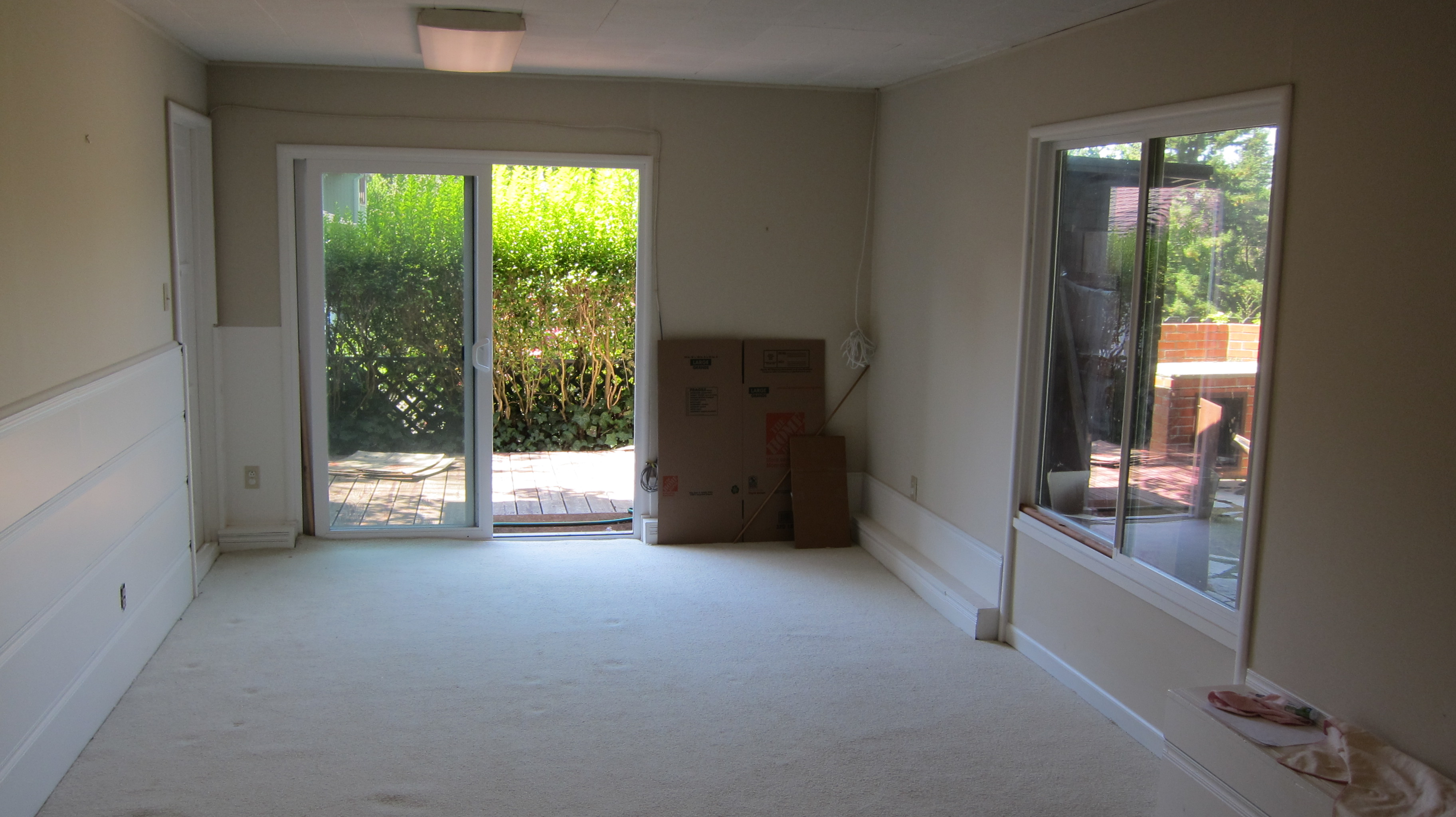
-
- Before
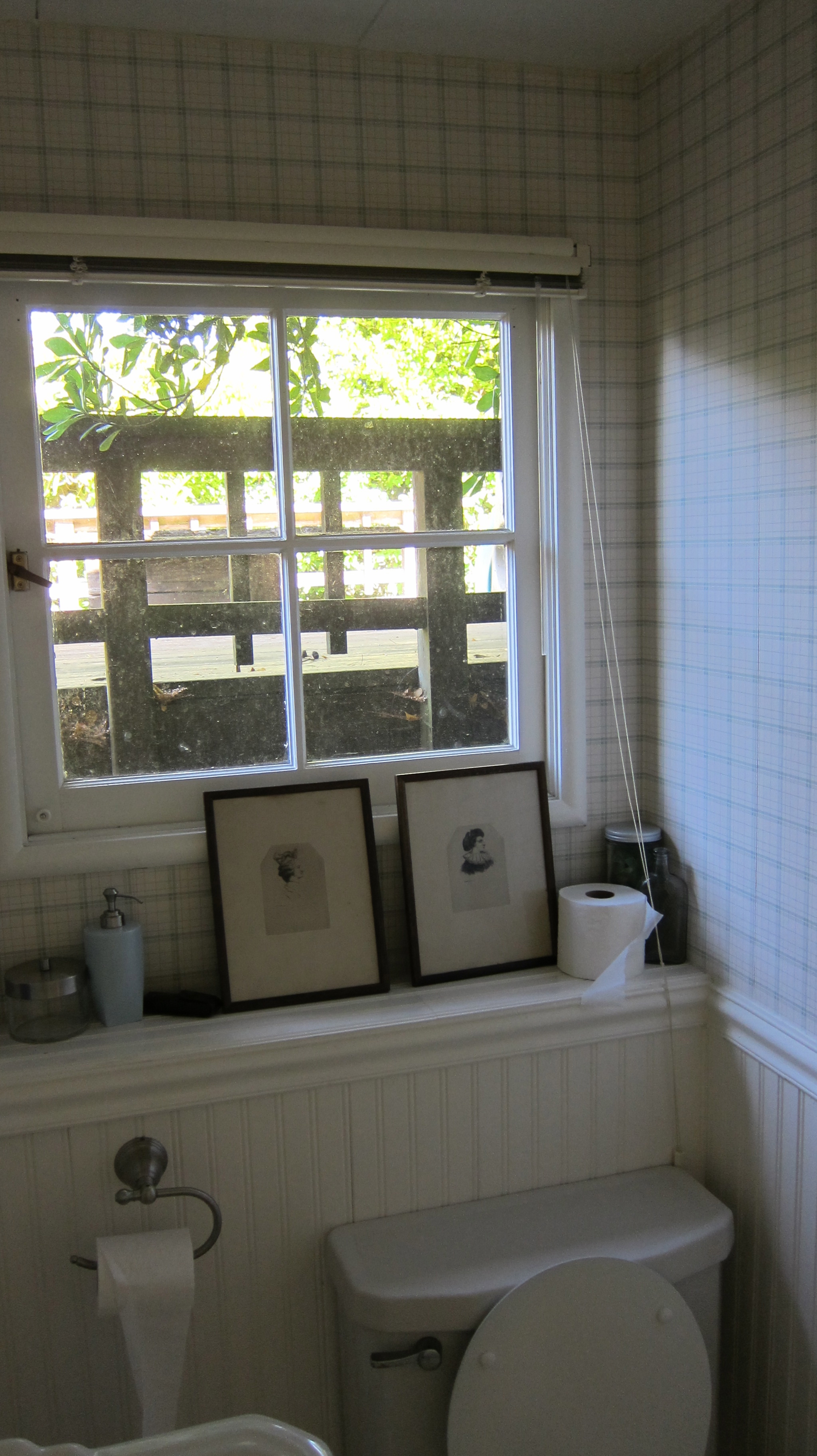
-
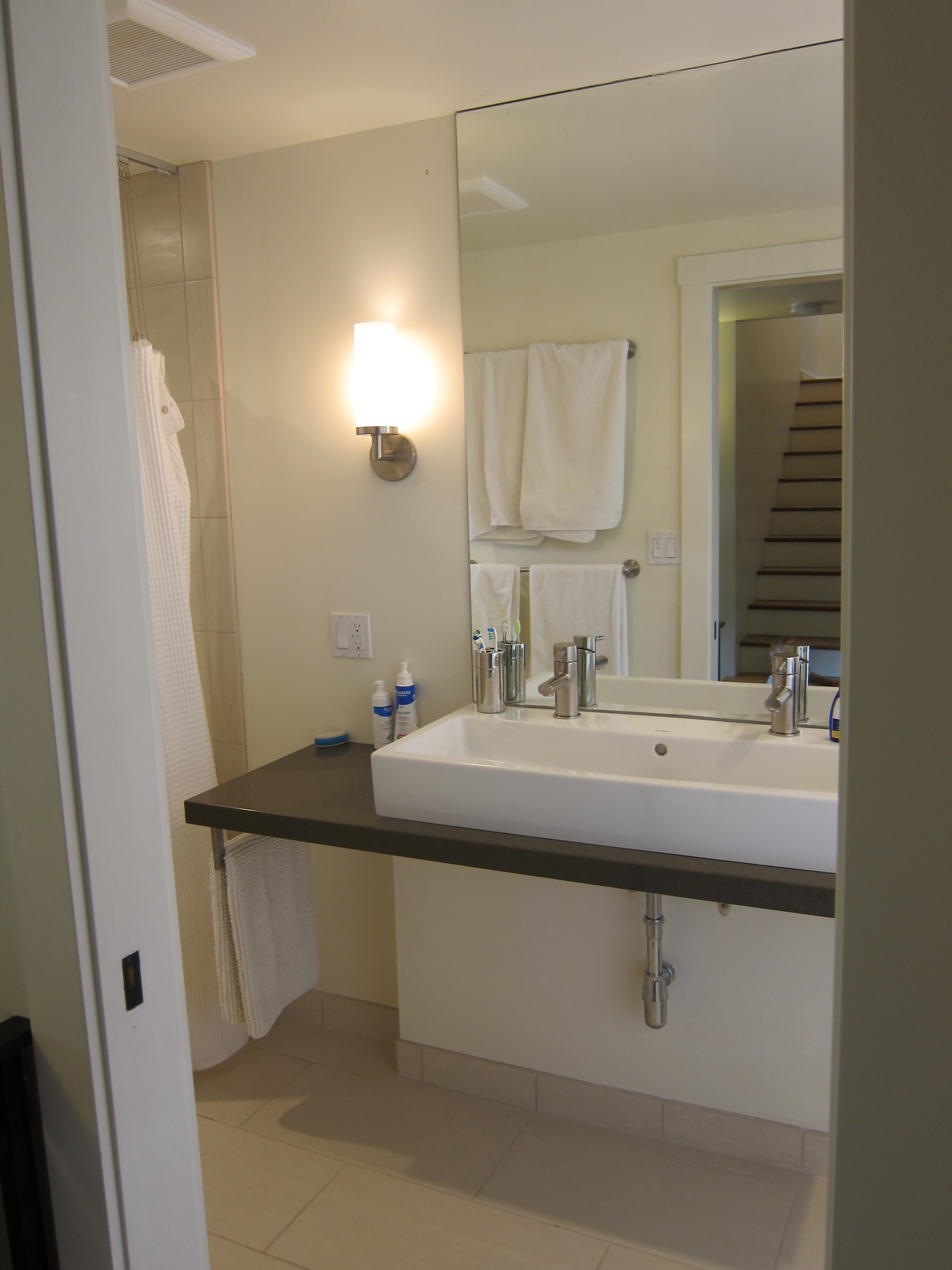
- looking into the new bathroom
-
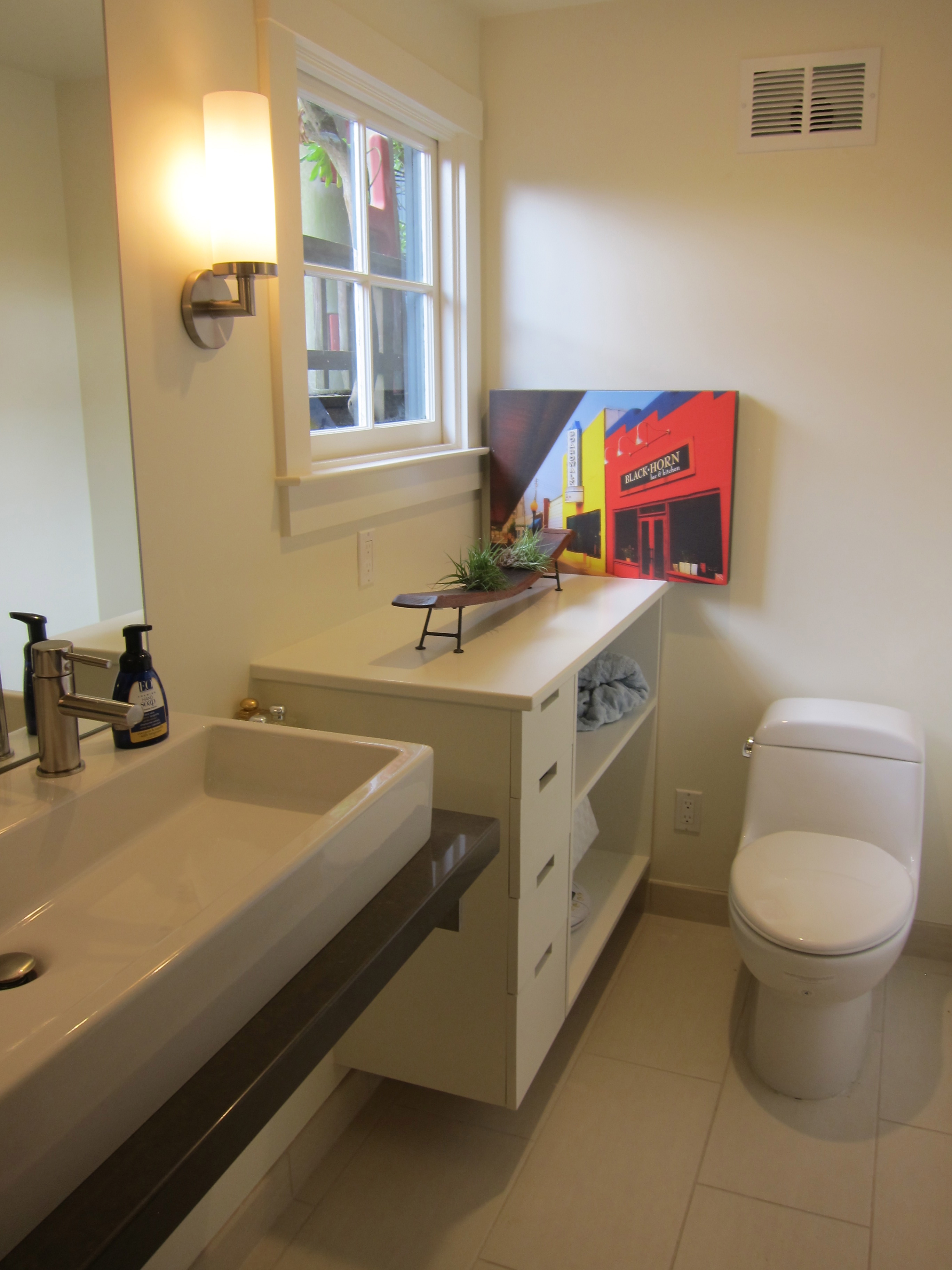
- The new bathroom with custom cabinet and trough sink
-
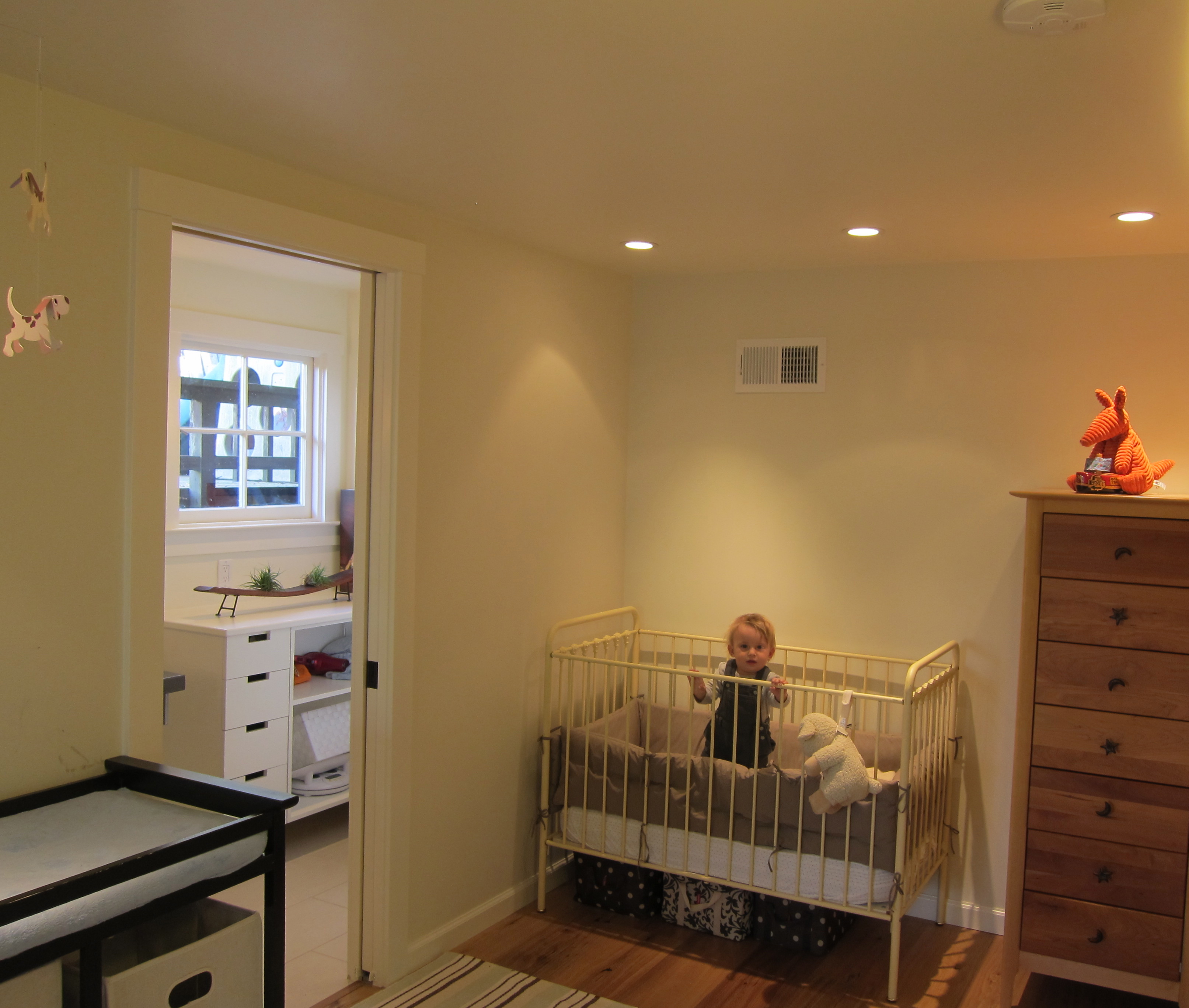
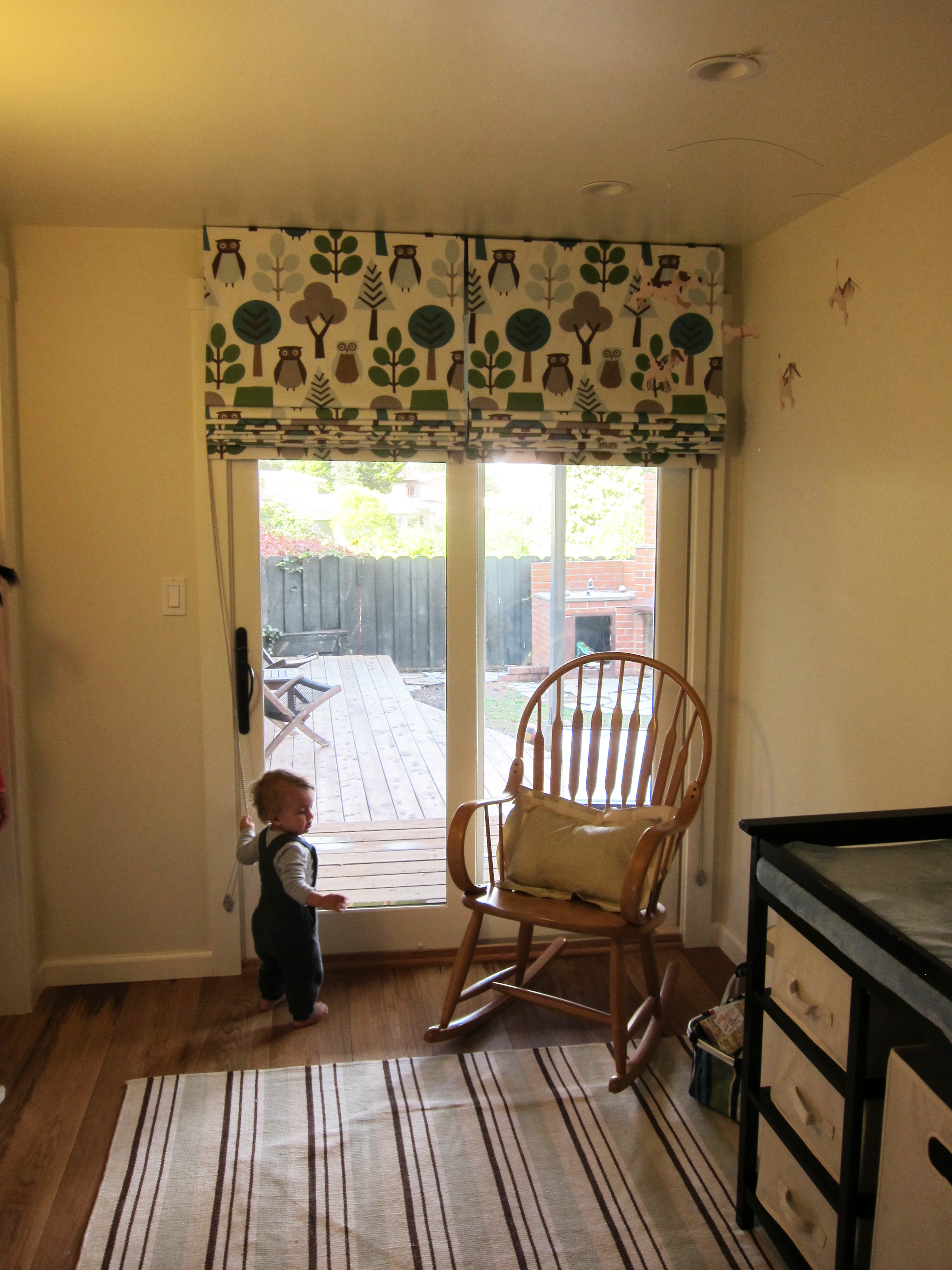
- Nursery with baby
-
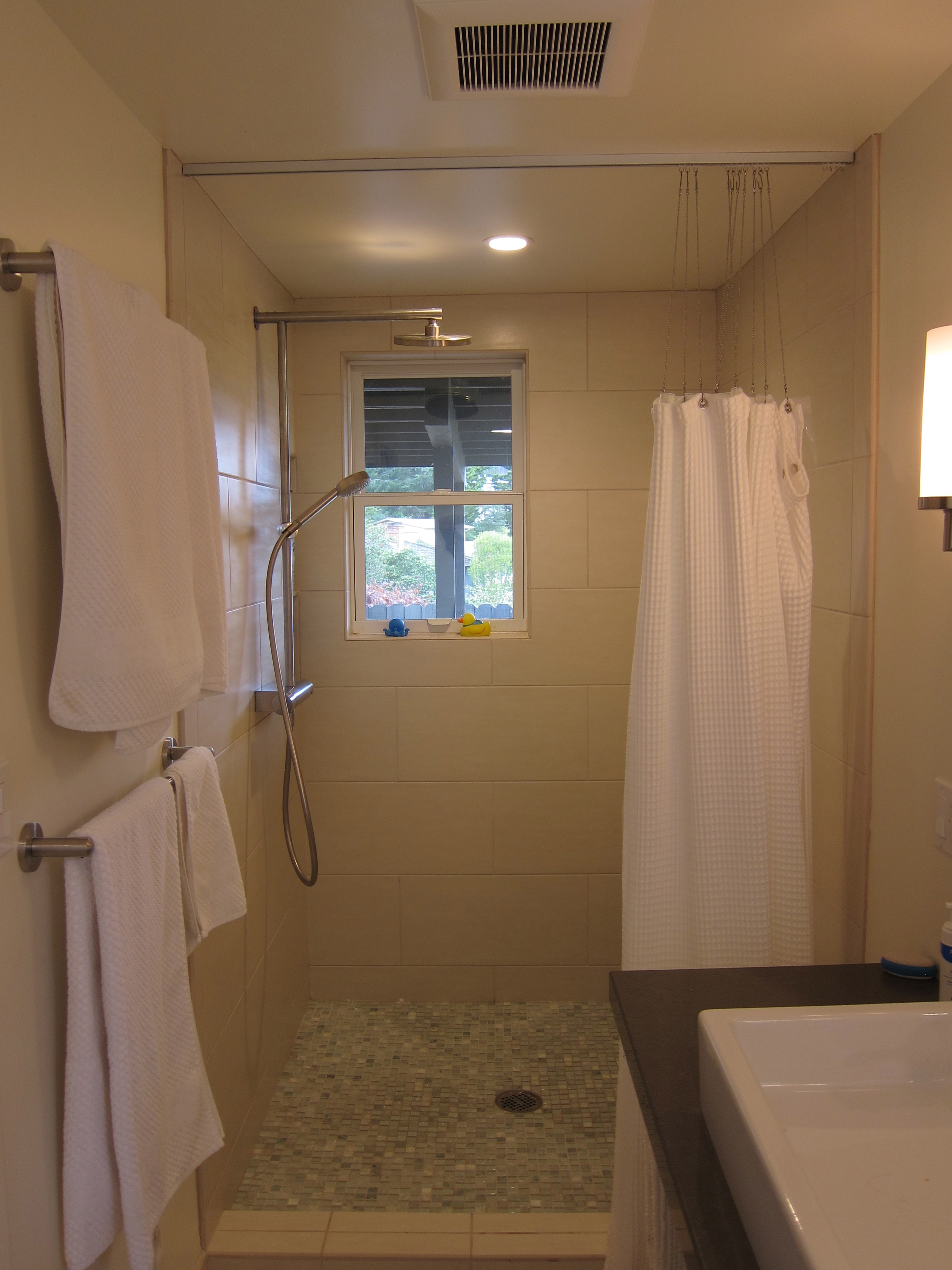
- big shower with hospital style curtain
-
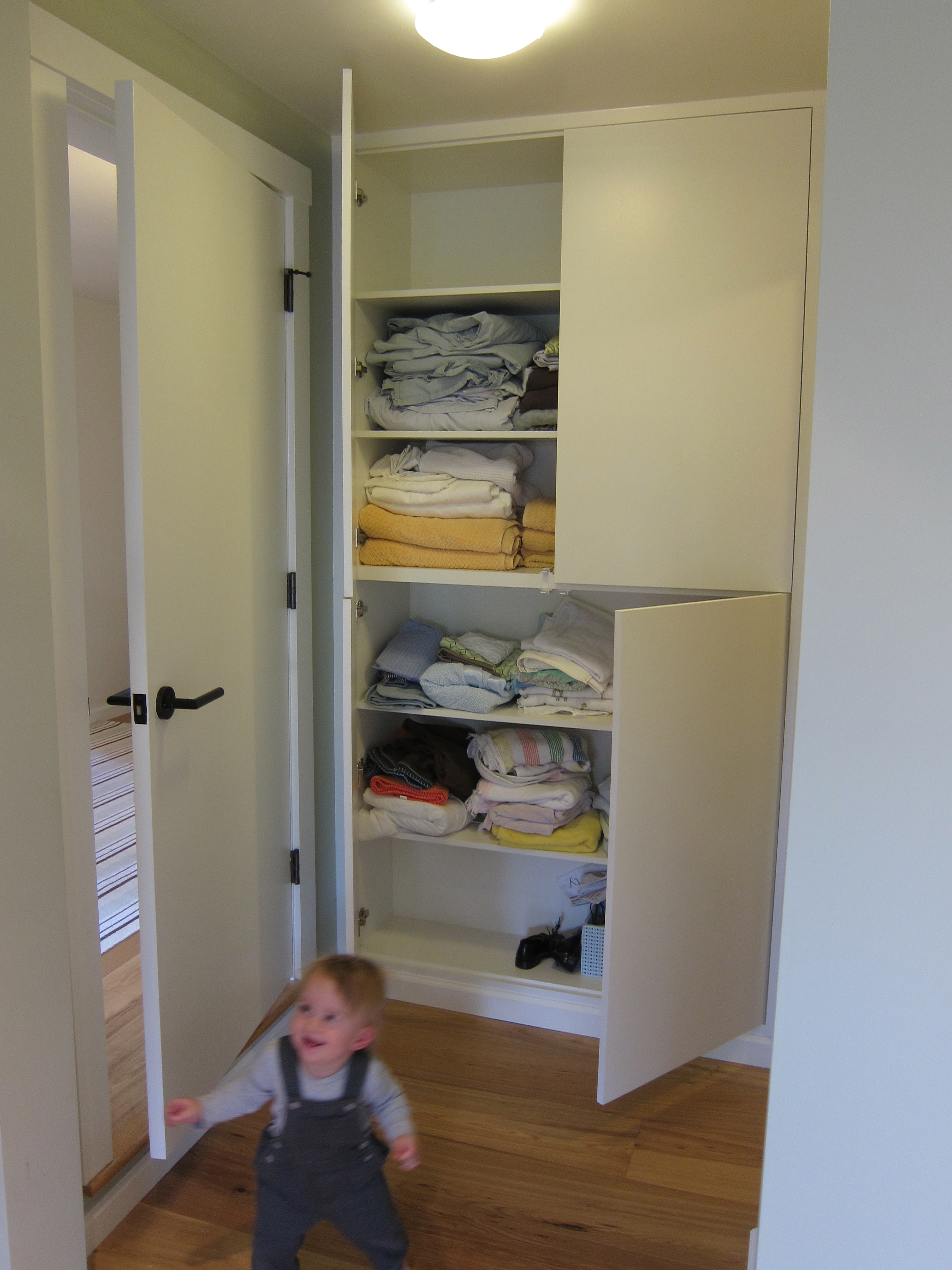
- Lots of space in the linen cabinet
-
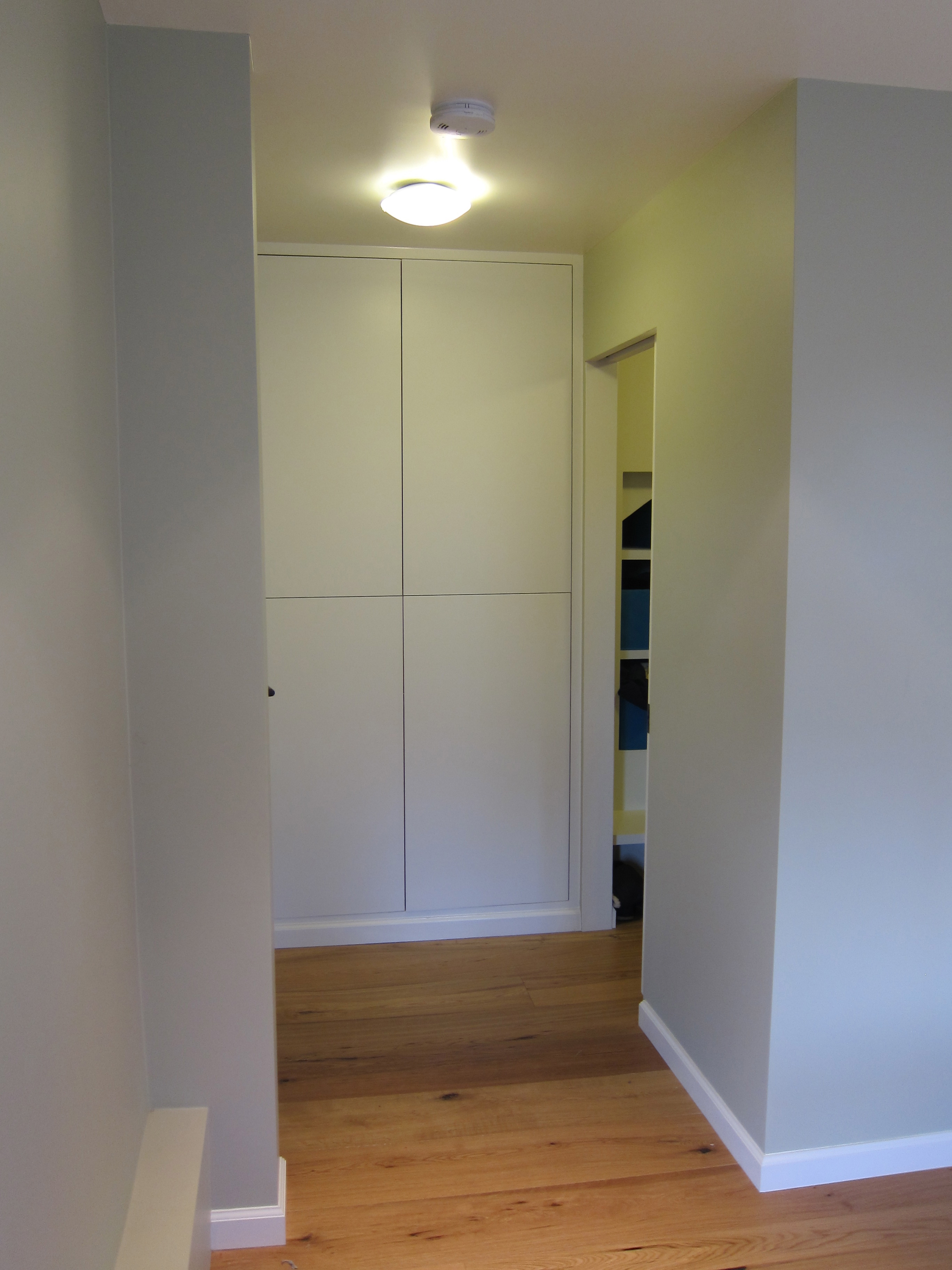
- linen cabinet with doors closed

-
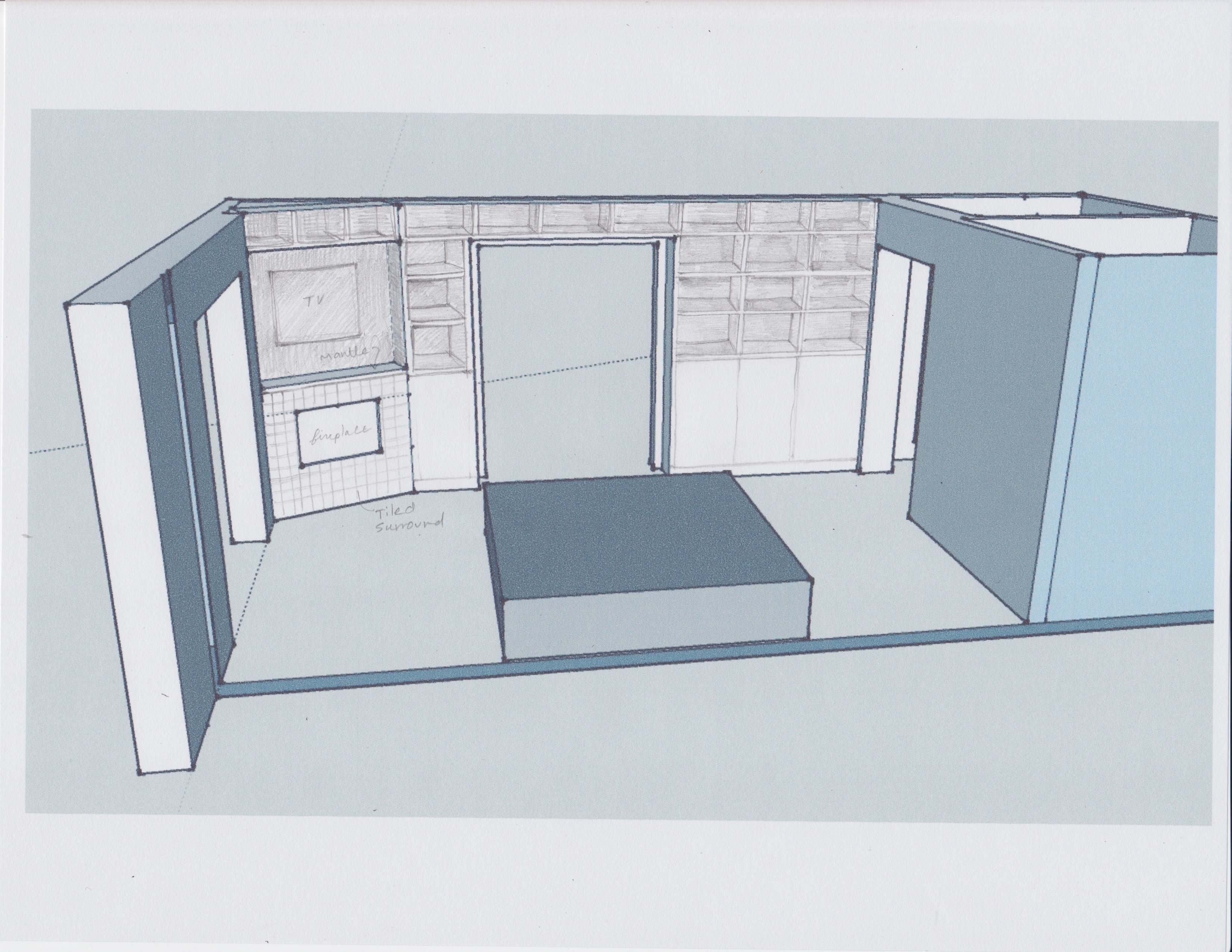
- sketch of built-ins
-
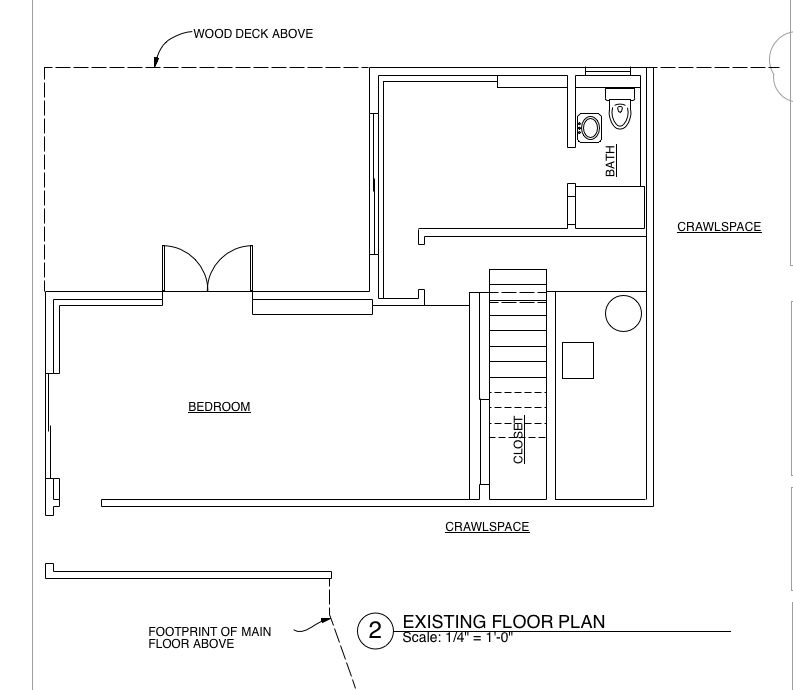
- Existing Floor Plan (lower level)
-
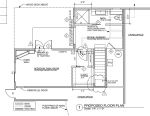
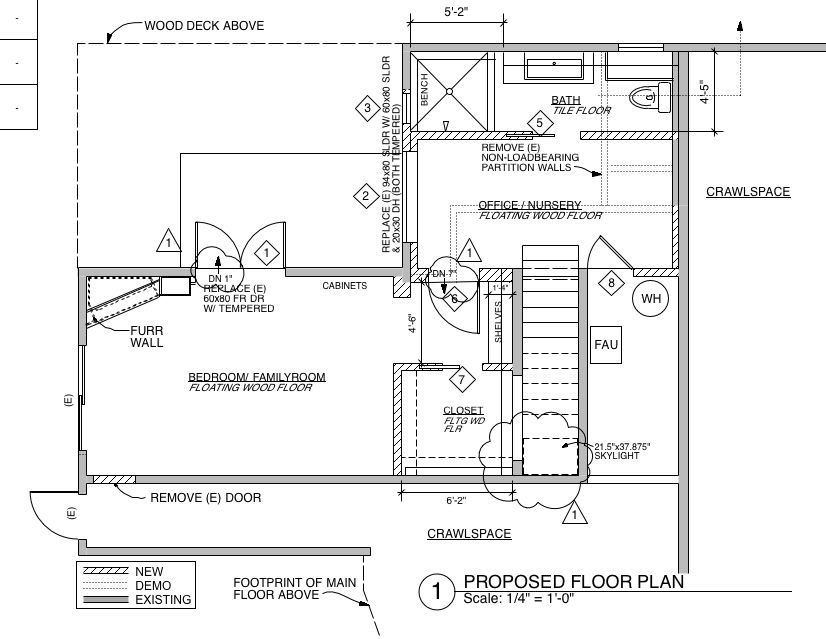
- New Floor Plan (lower level)
LED Lighting for the Deck
Posted in Design Projects, tagged green, lighting design, Richmond on January 10, 2012| Leave a Comment »
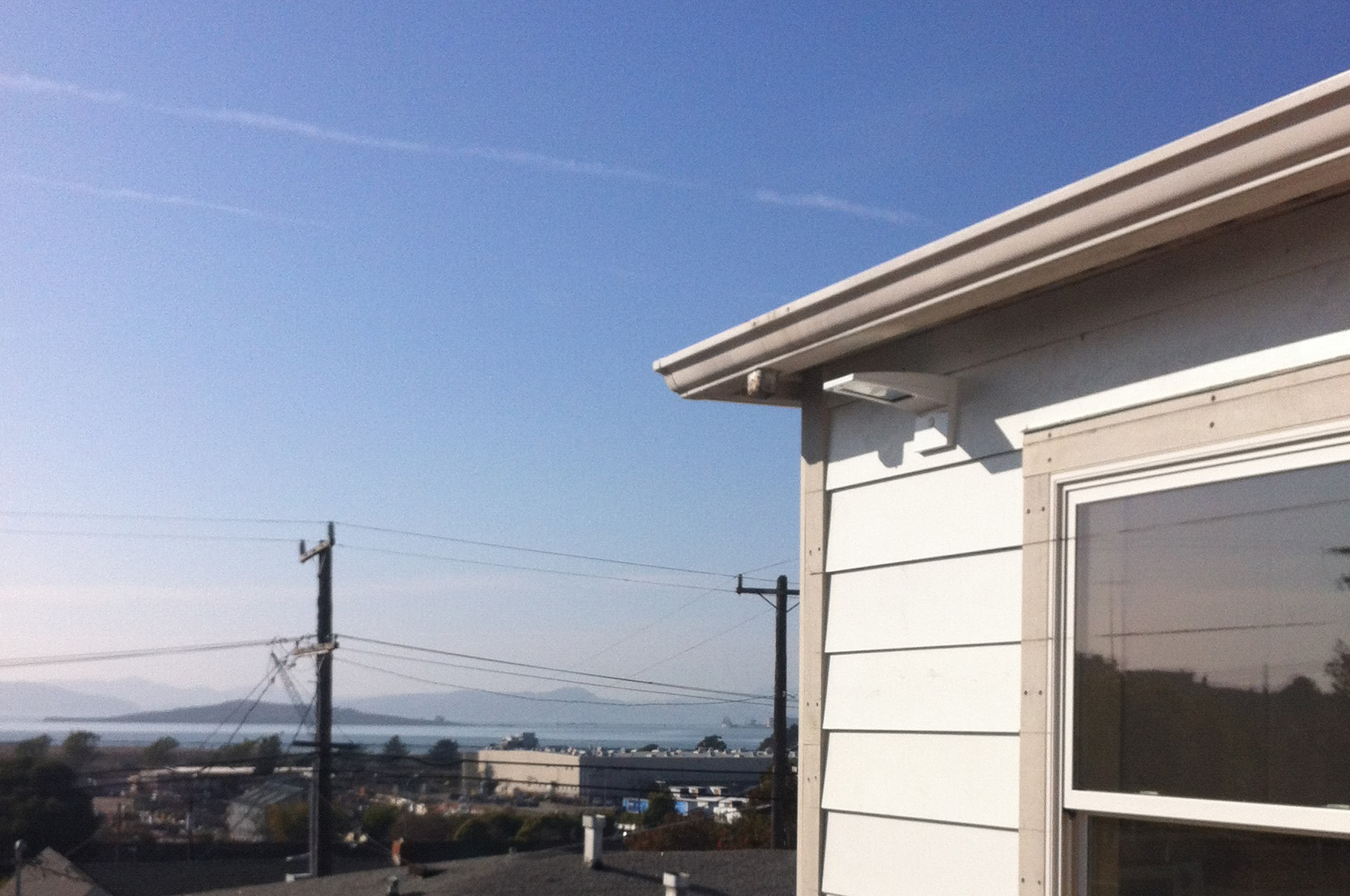
Exterior LED light from RAB Lighting
I havent seem them turned on yet. the client will hopefully report in tonight.
A Few More Manhattan Photos in the Evening
Posted in Found Objects, tagged historical styles, landscape, lighting design, New York, patterns on September 28, 2011| 2 Comments »
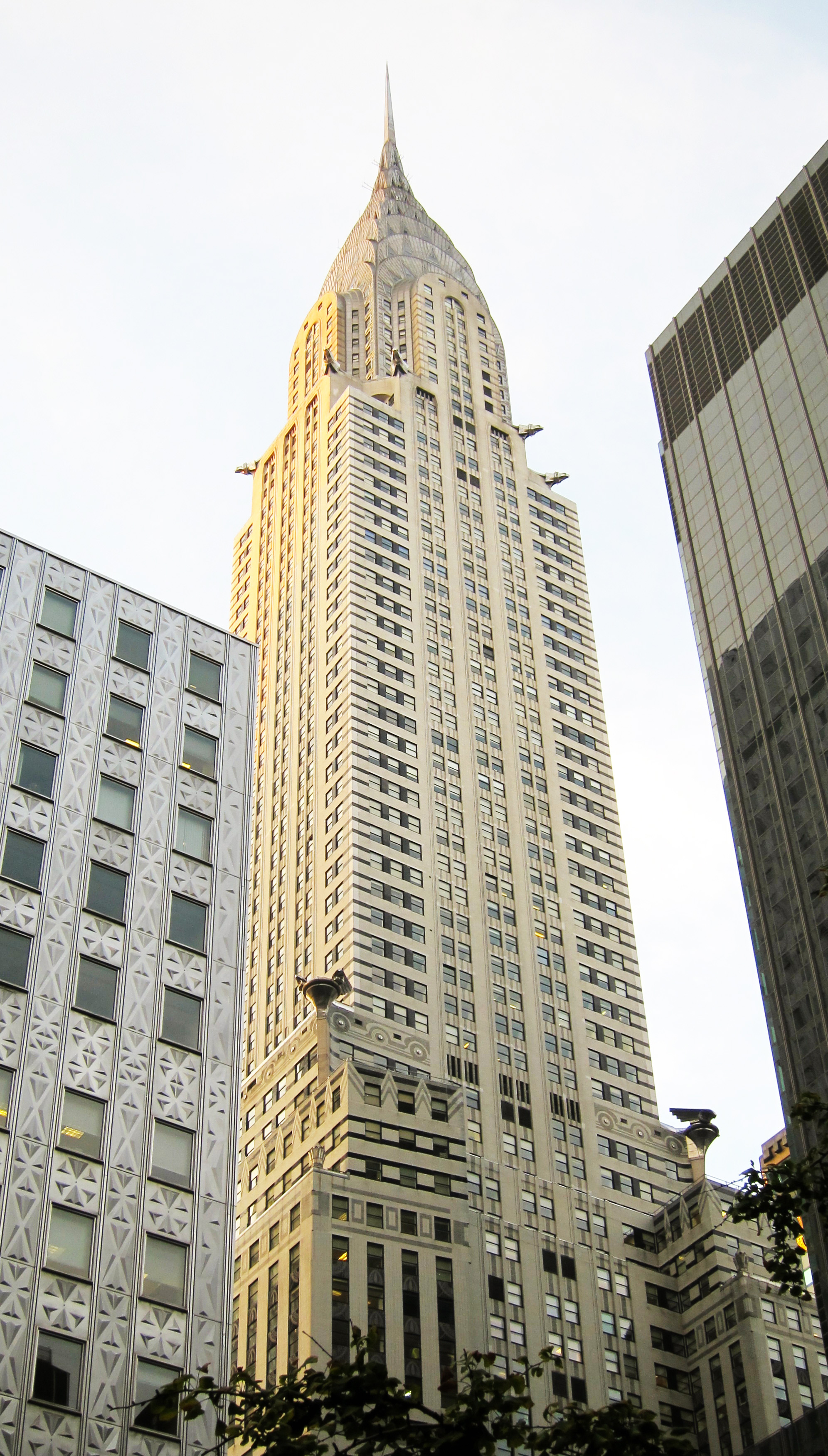
I spent Monday traversing Manhattan studying (loosely) the evolution of building technology over the last two centuries. I was hoping that I could get a peek inside the Chrysler building, one of my favorites, but visitors are only allowed a few steps into the lobby. The facade patterns created by the windows and wall between is very elegant: vertical lines in the middle and horizontal bands around the corners. The base is more decorated with chevrons and circles and rectangles, and then the glorious top! The Cloud Club once occupied several floors of the crown. The small triangular windows make for a rather inglorious space on the inside.
 The lighting in the lobby is very architectural. By this I mean that it is integrated with the structure so that is helps define the space with areas of light and dark.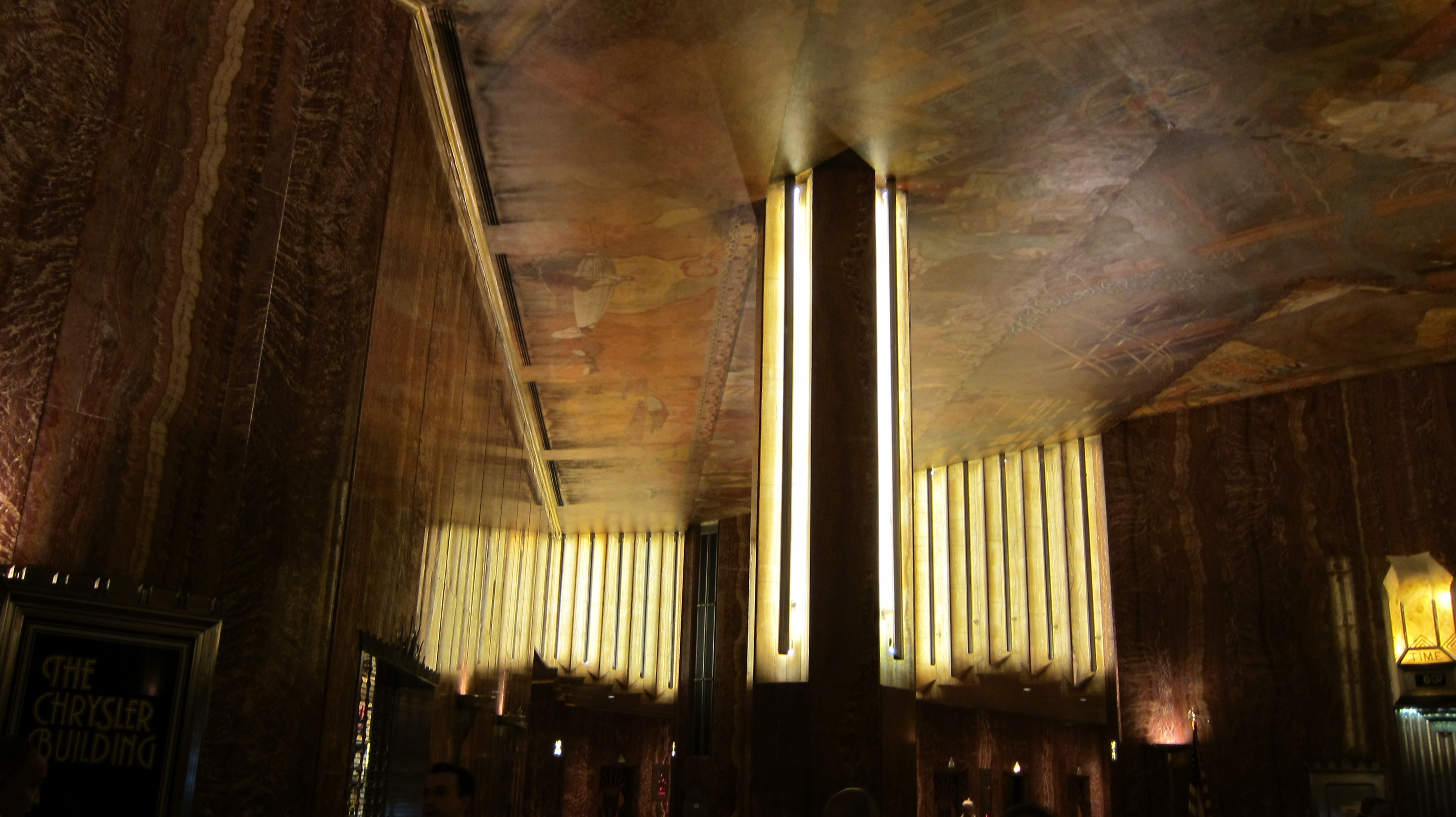
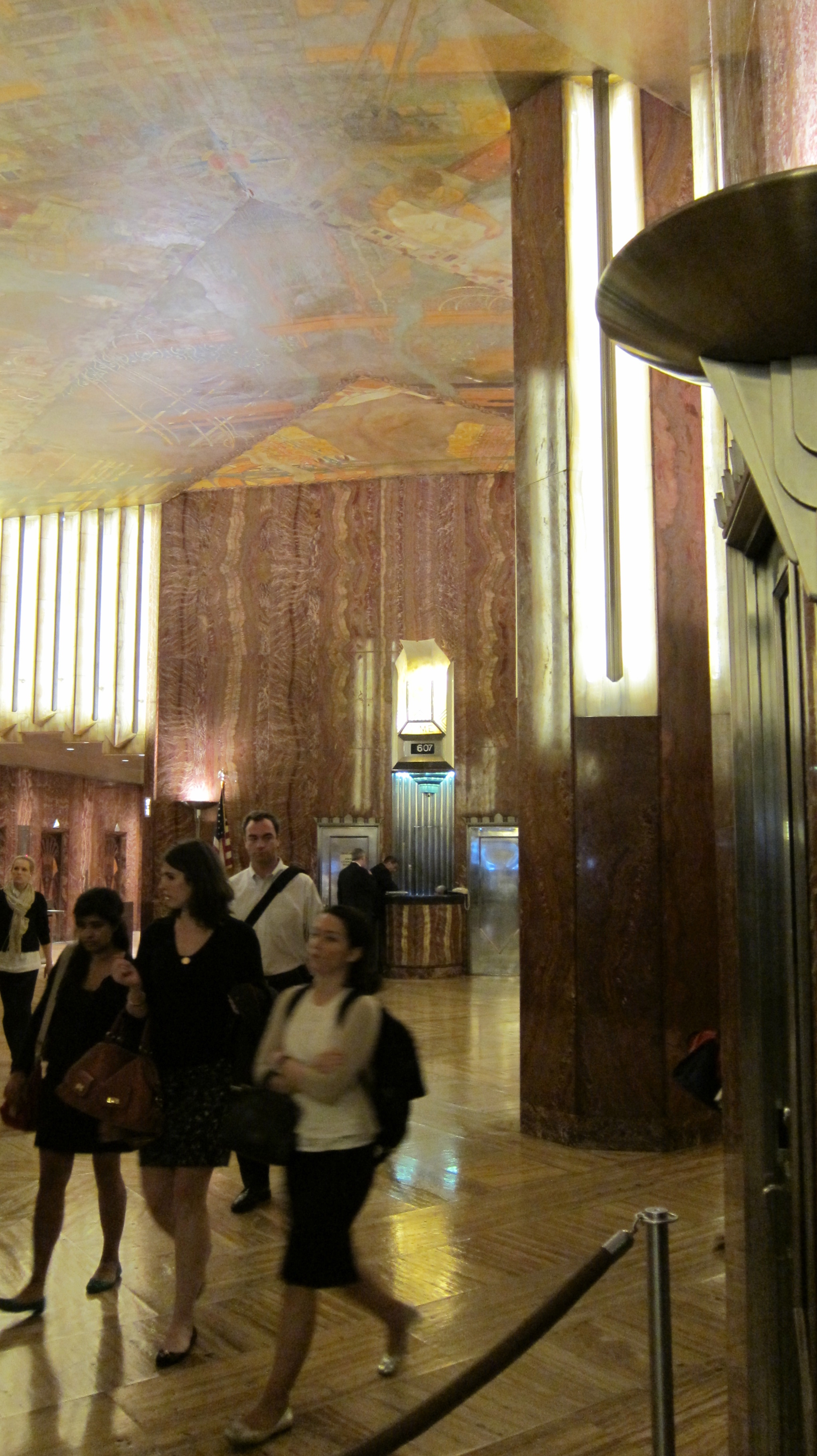
James Maher has some better photos of the lobby on his website. Here are some more photos and information about the building.
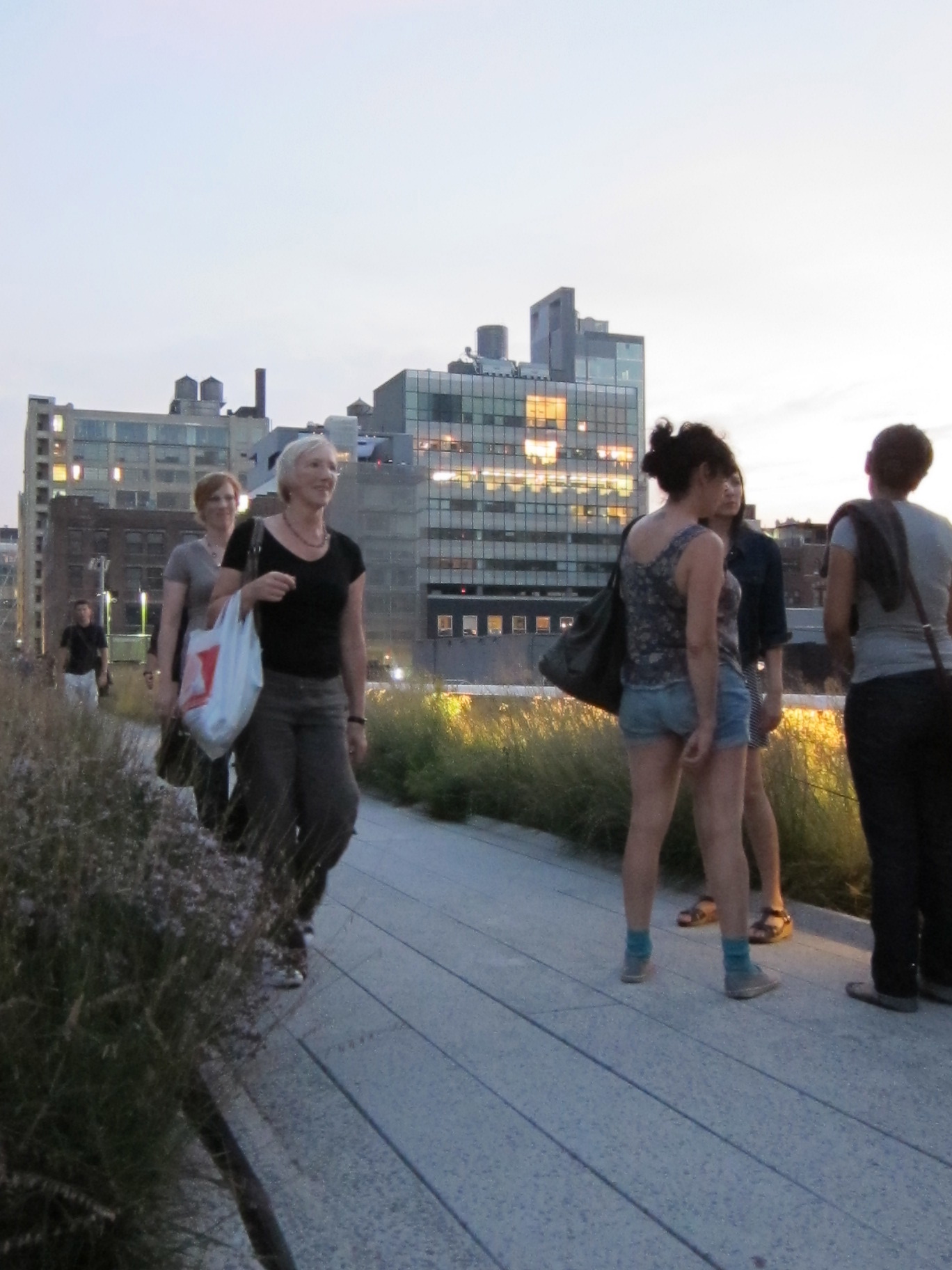
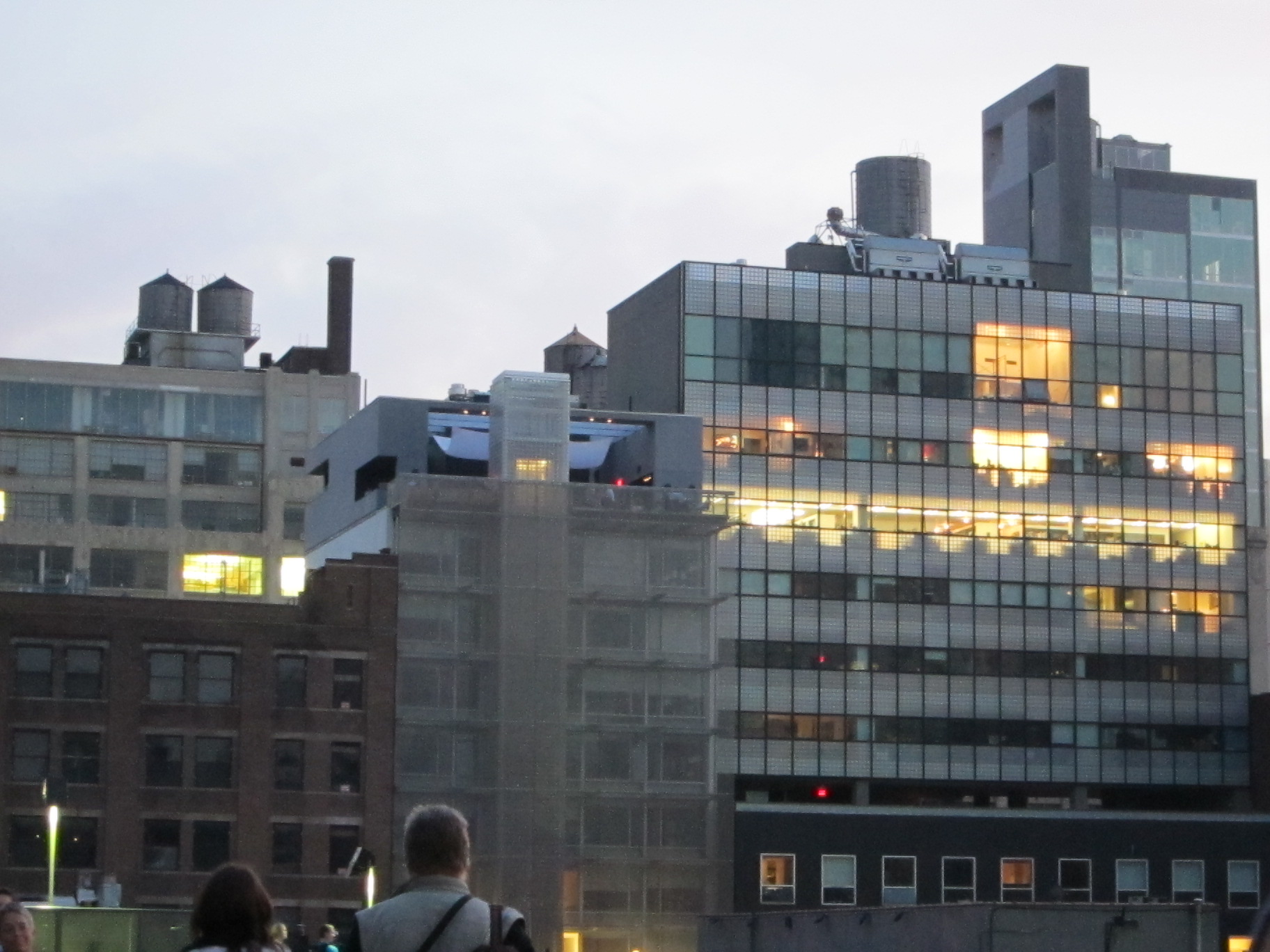
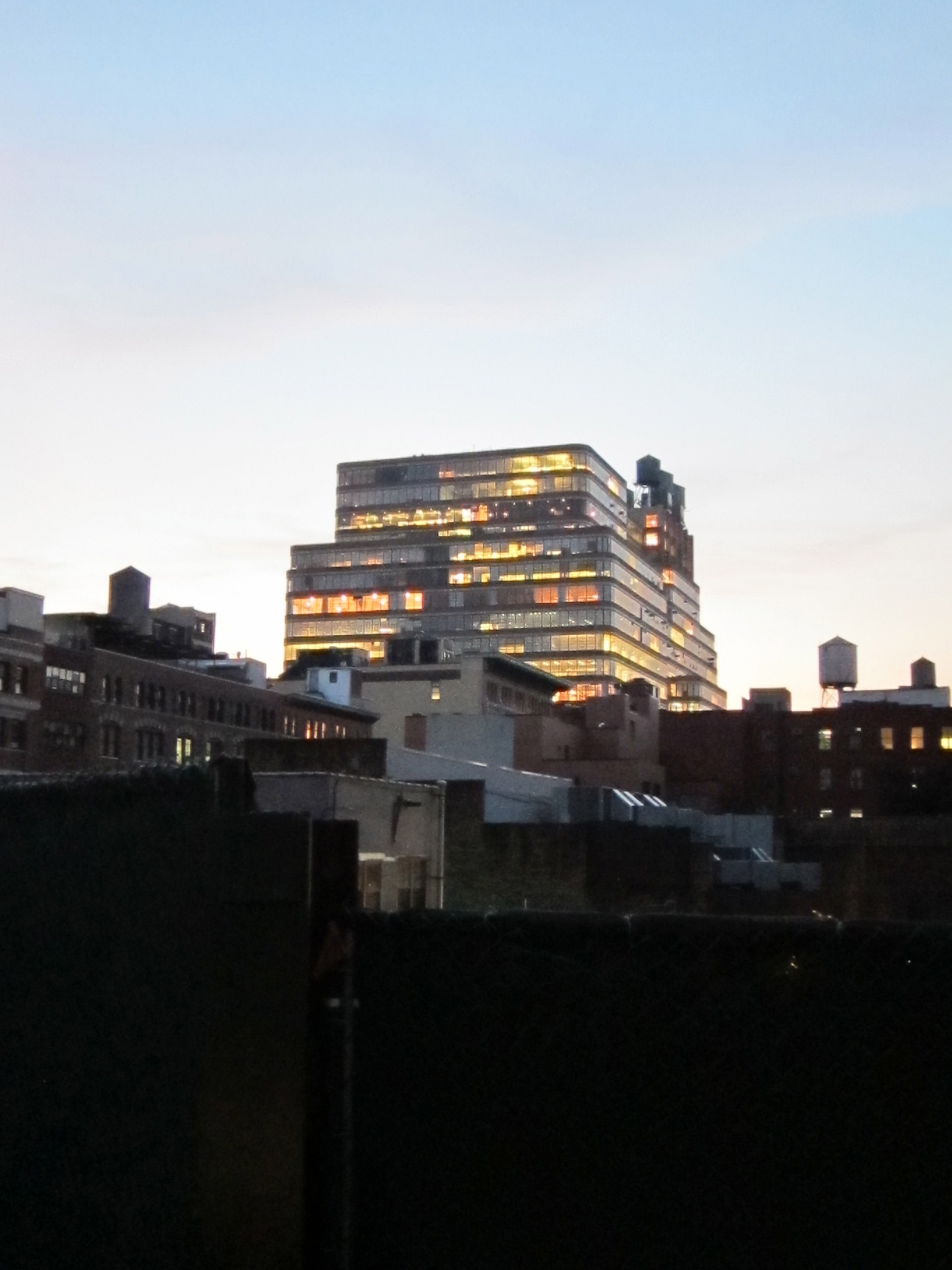
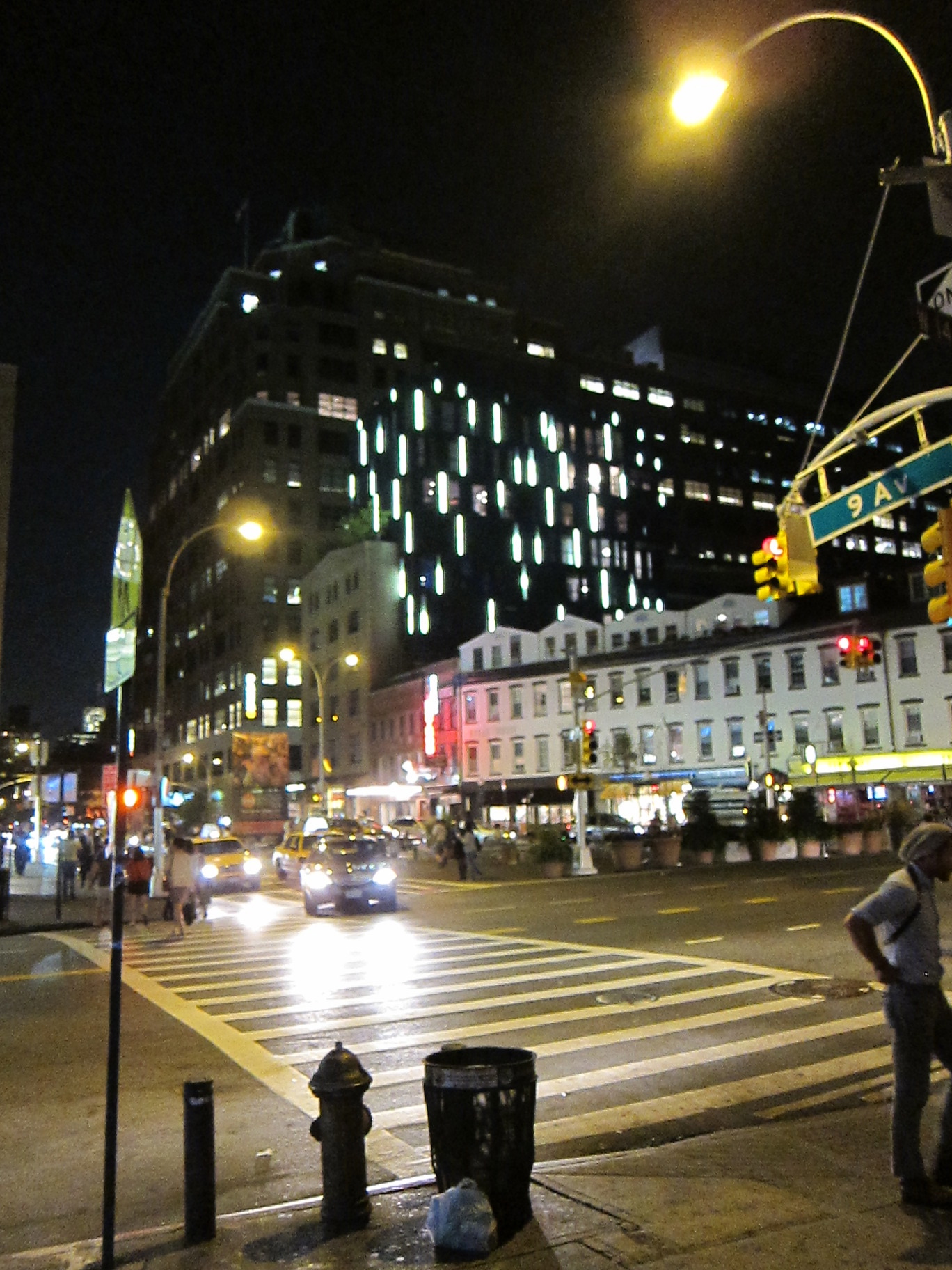
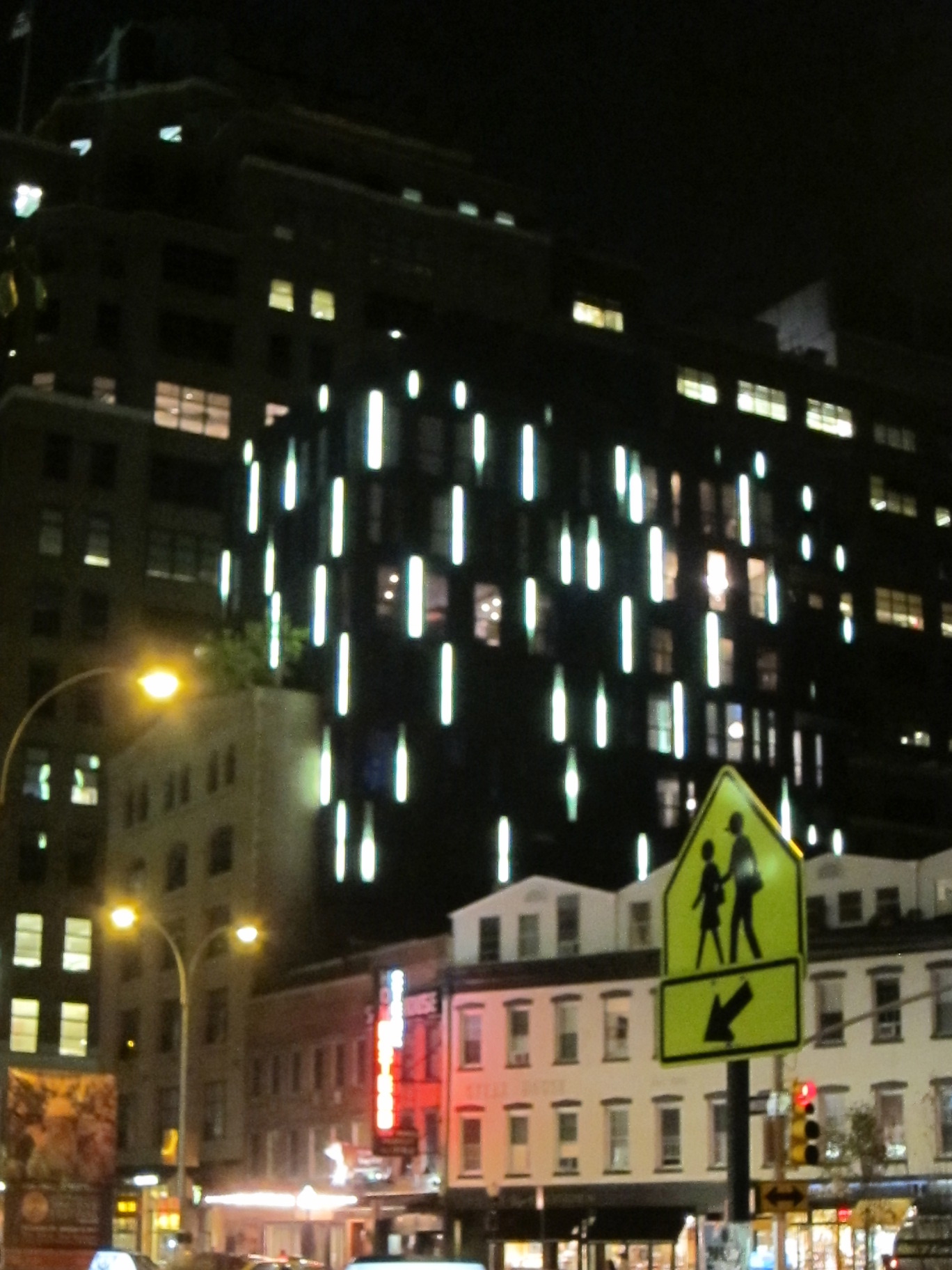
I made it to the High Line, on the other side of town, in time to take a few picture at sunset.
The Apartment Kitchen with Ash Veneer Cabinets, Solid Ash Bar, Richlite Counters
Posted in Design Projects, tagged ash, kitchen, lighting design, patterns, richlite, tile, wood on May 23, 2011| 5 Comments »
The before shots of this custom kitchen are here. It was an enjoyable design process with a creative and very involved client.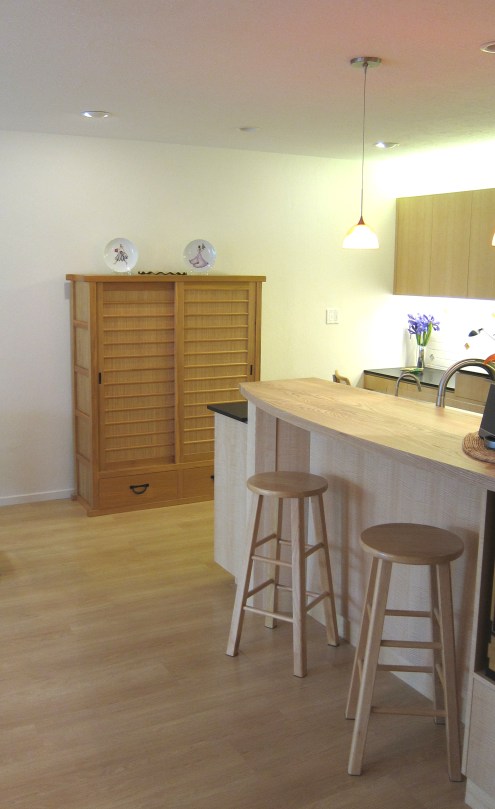
This is a view of the kitchen from the entry hall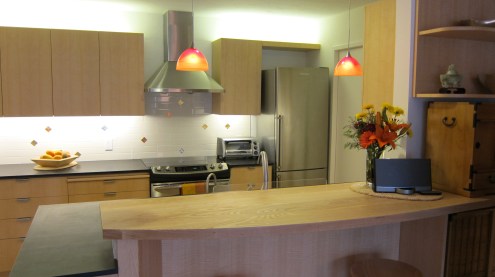
Warm glow of orange glass pendant lights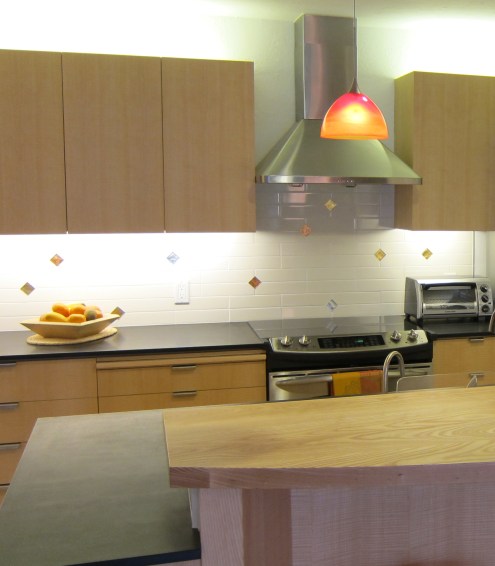
Iridescent orange and gold accent tiles are like music notes in the field of white rectangles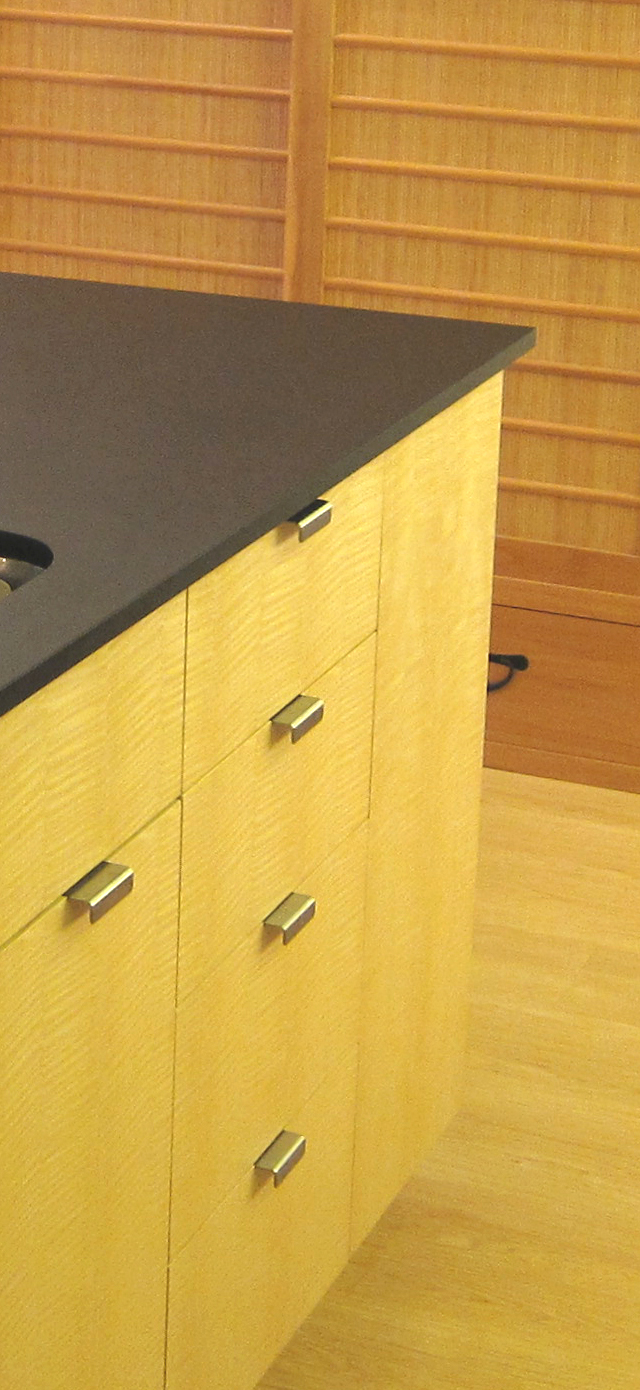
Shimmering figured ash cabinetry with simple mortised drawer pulls (Freedman and Chesley Custom Cabinets)
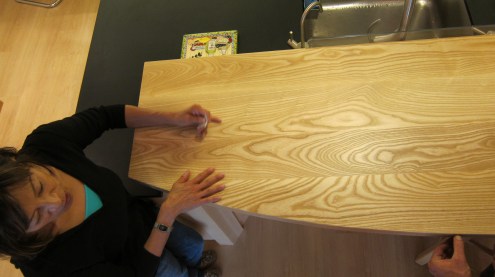
Close-up of the beautiful solid ash curved bar top (also by Freedman and Chesley, Emeryville, CA)
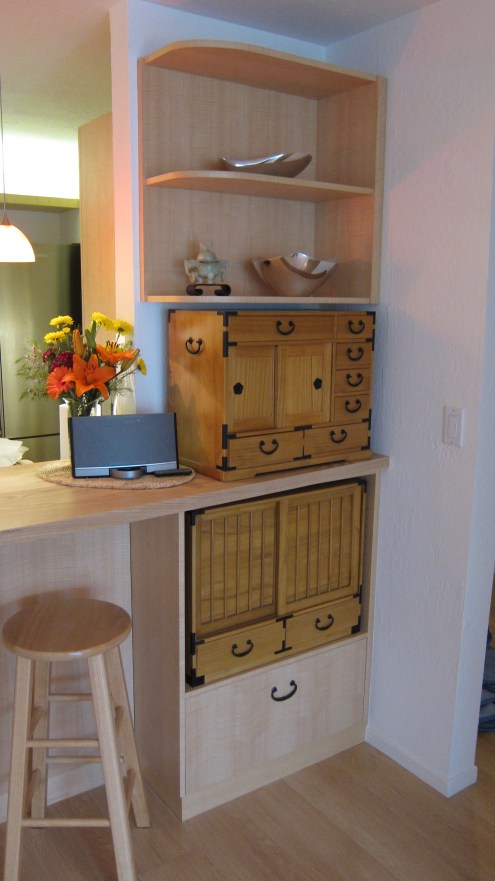 Custom designed cabinetry to fit the client’s tansu pieces
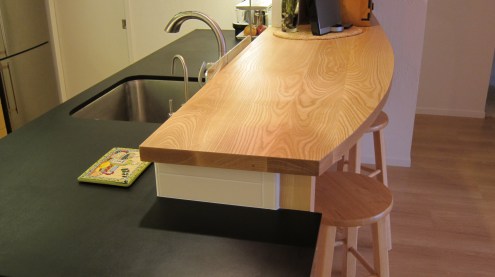 Intersection of black, white, and warm wood (the black Paperstone countertop matches the tv cabinet across the room)
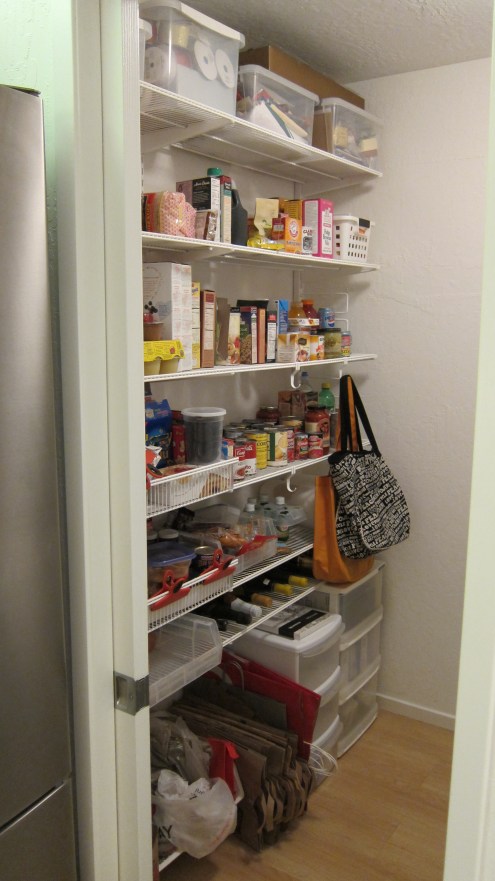
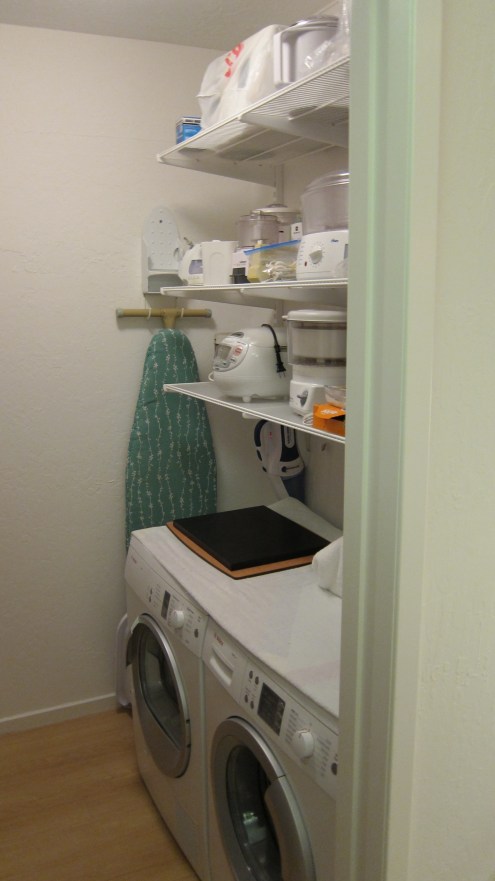 Laundry and pantry are conveniently close at hand behind a subtle white-painted pocket door
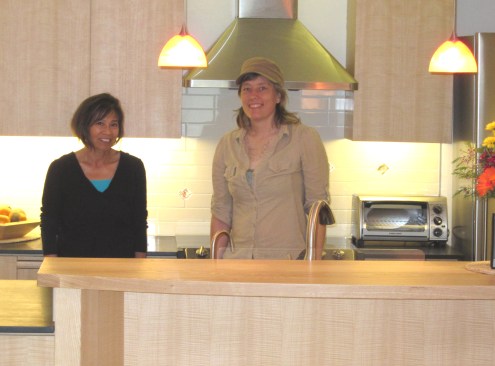 Architect and client in the new kitchen!
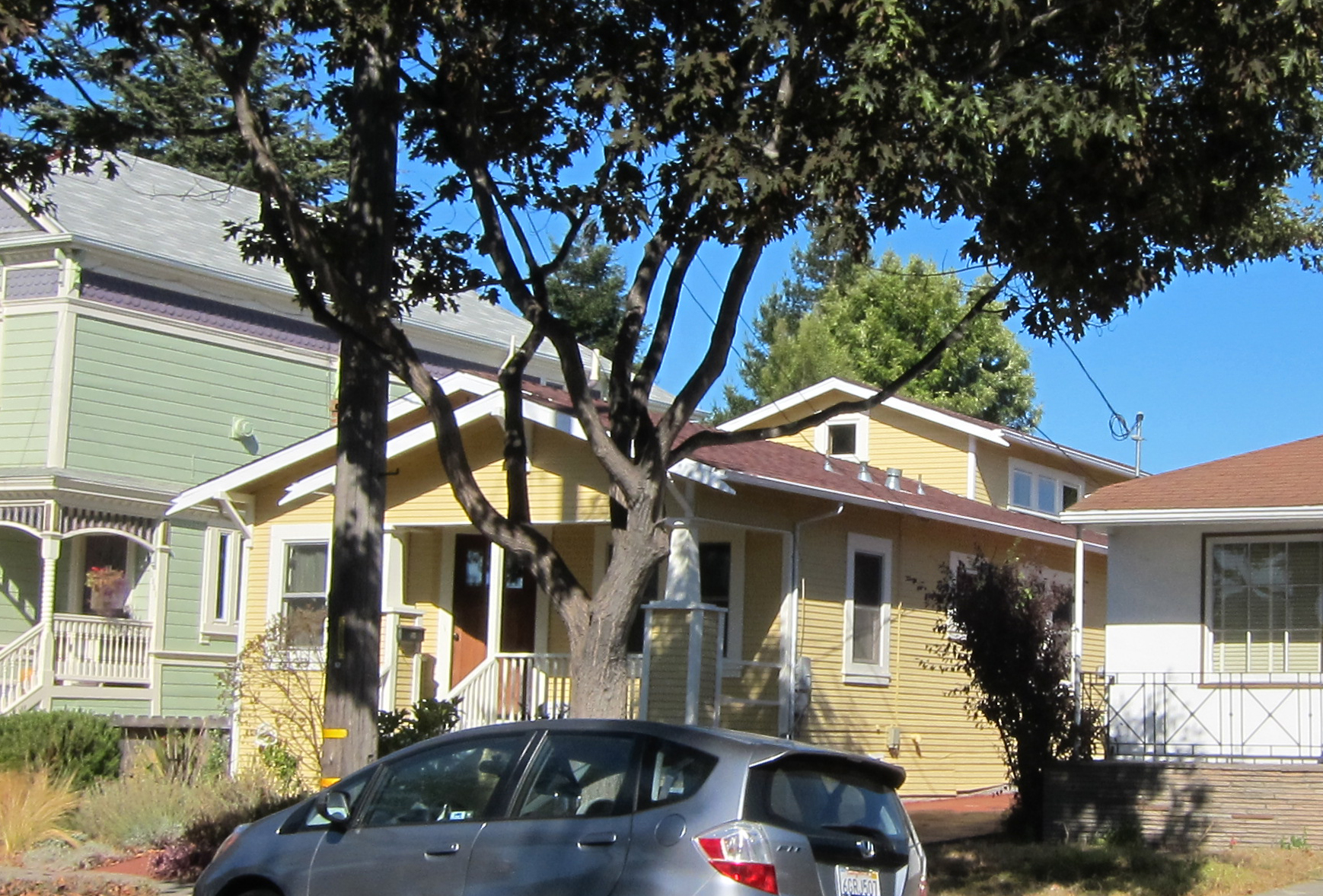
A Small Addition Behind a Bungalow in Berkeley, California
Posted in Design Projects, tagged alternating tread stair, Berkeley, children, color, copper, copper pipe, houses, interiors, kitchen, lapeyre stair, lighting design, Lofts, passive solar, small buildings, small spaces on April 9, 2011| 2 Comments »
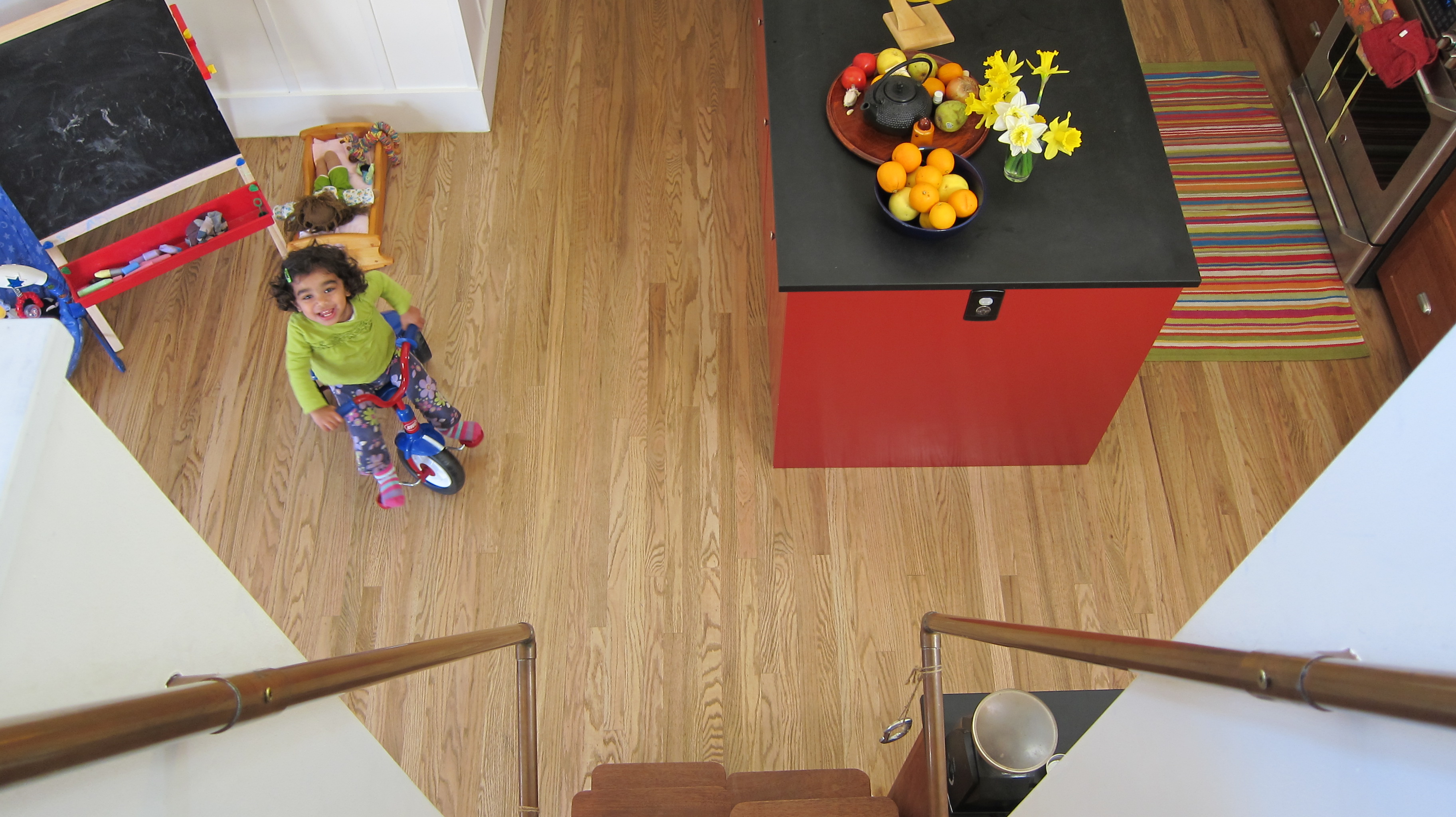
Last week Akhila gave me a tricycle tour of her crib.
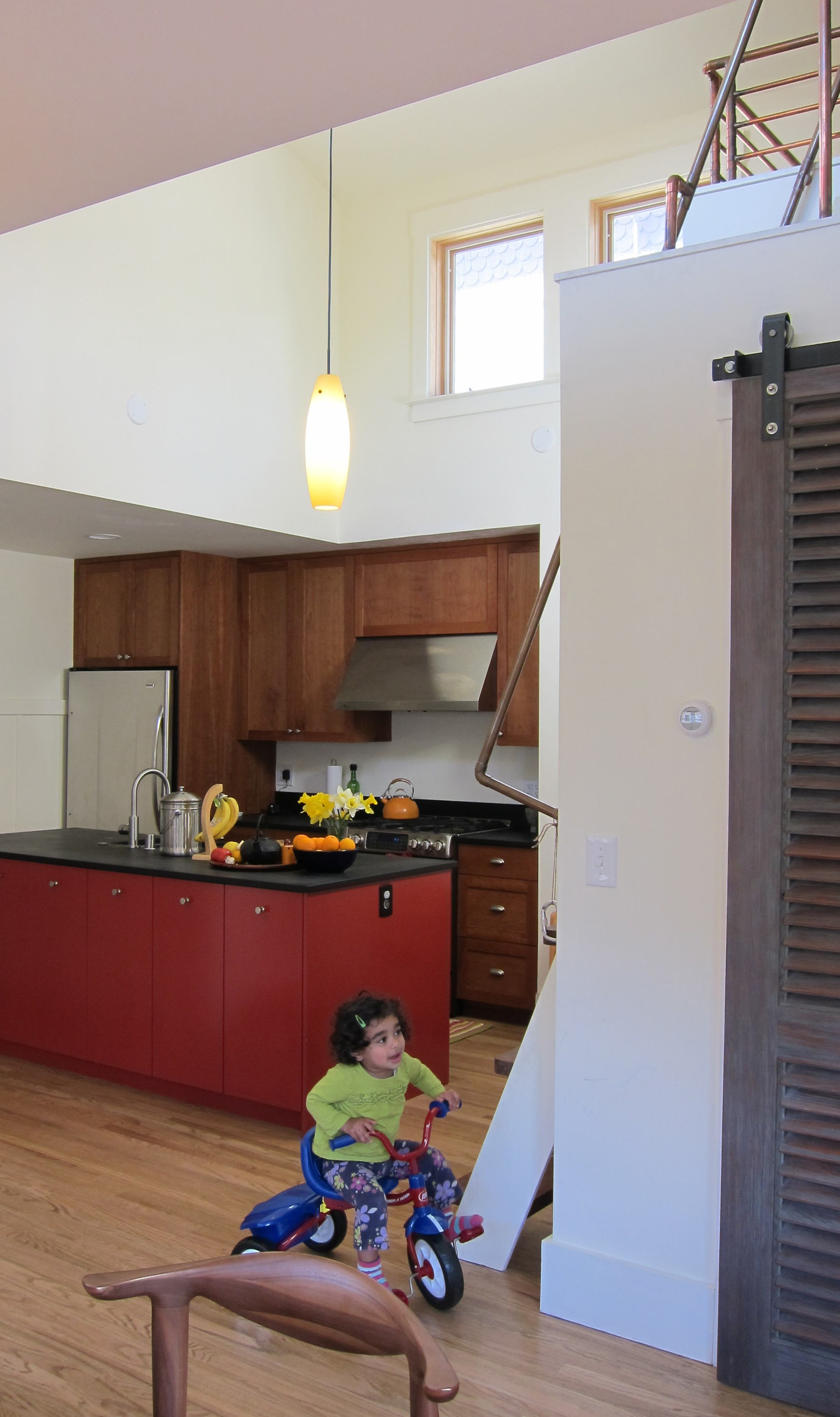
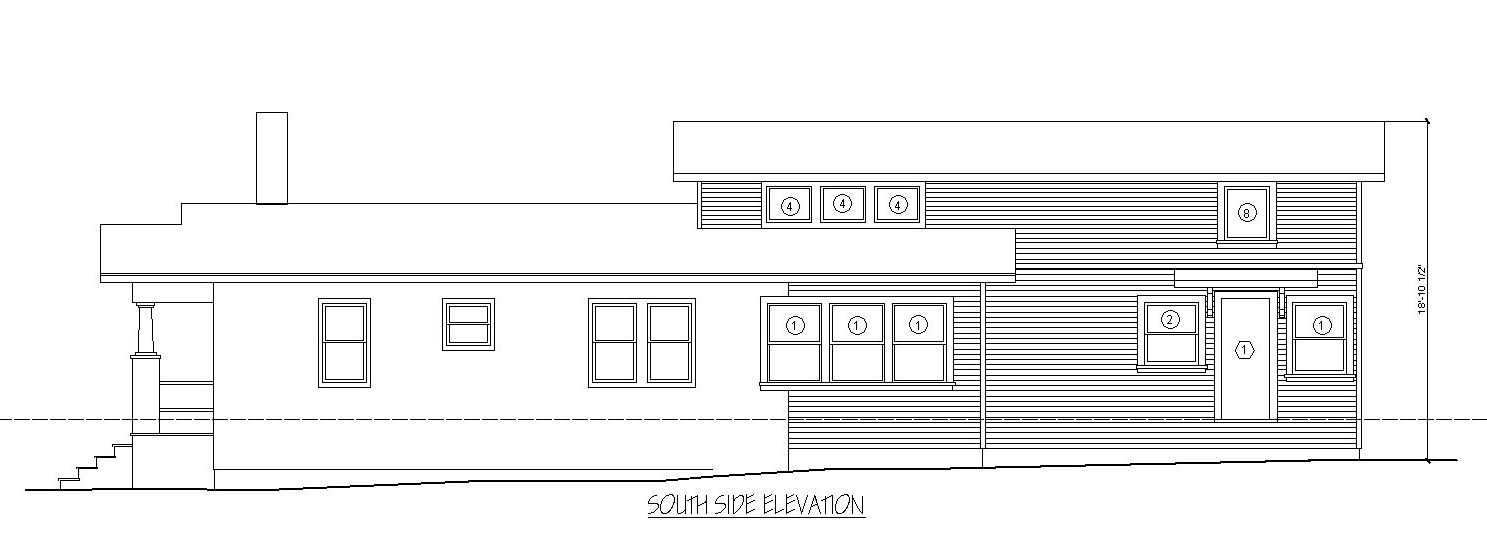
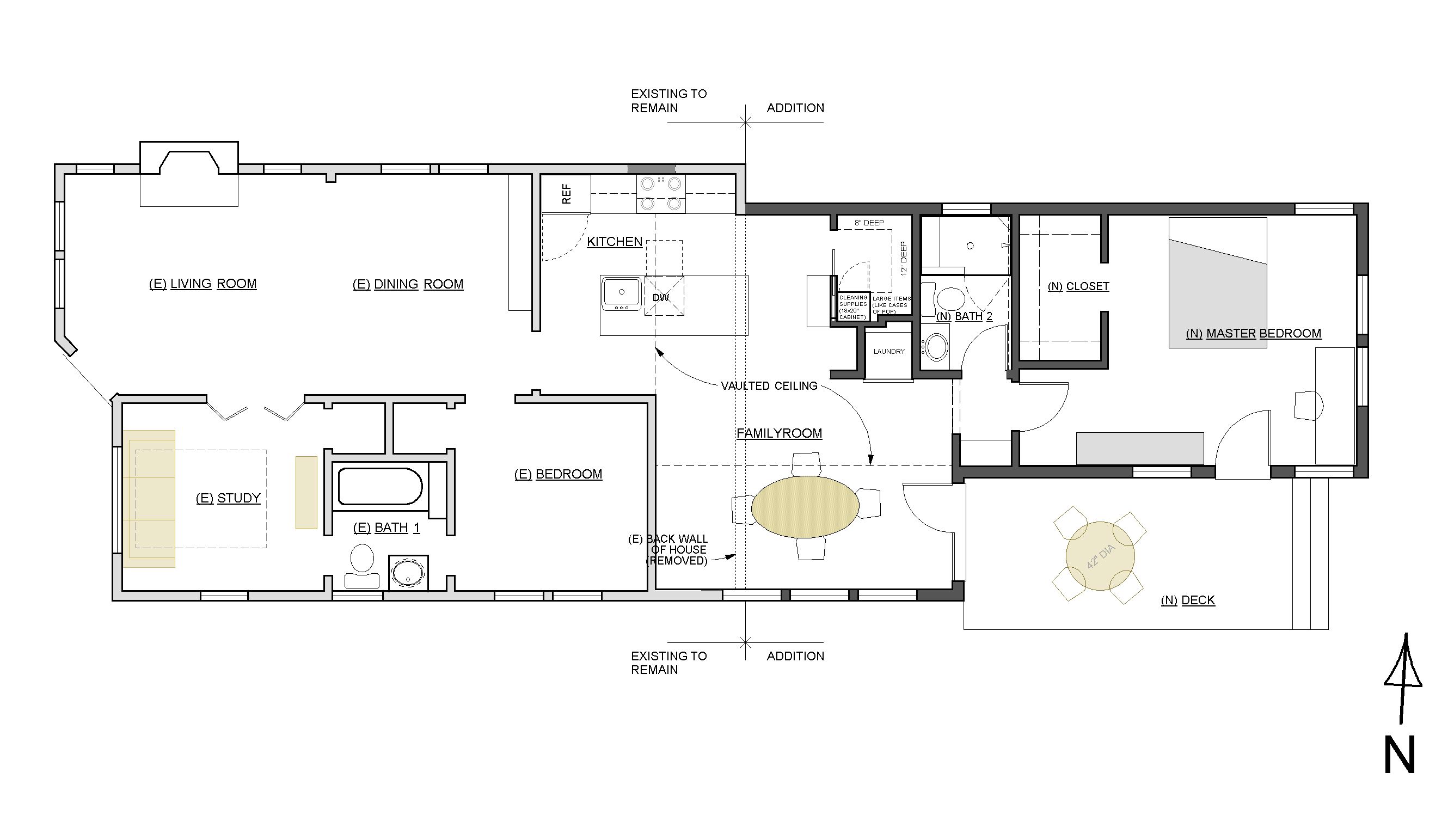
She recently commissioned deedsdesign for an addition including a master suite, expanded kitchen, and family room. Popping up the roof just a few feet allowed for a vaulted ceiling and high windows over the kitchen and an attic loft over the master. The kitchen is on the north side, so the high south windows provide southern sunshine while leaving room for enough cabinets on the north wall. (click on the thumbnails to see enlarged drawings)
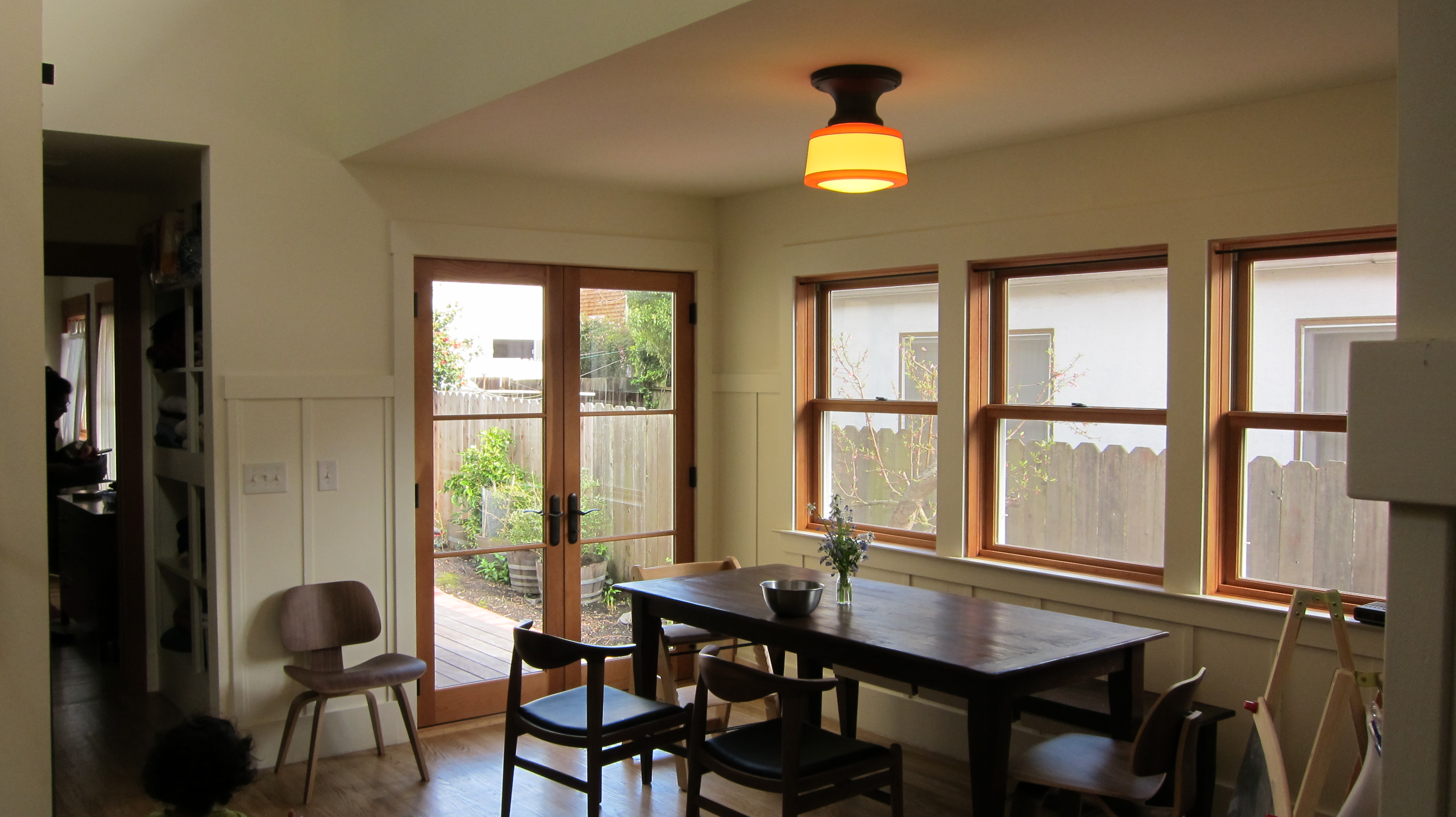
The dining room gets a lot of southern sunshine and has french doors leading to the deck.
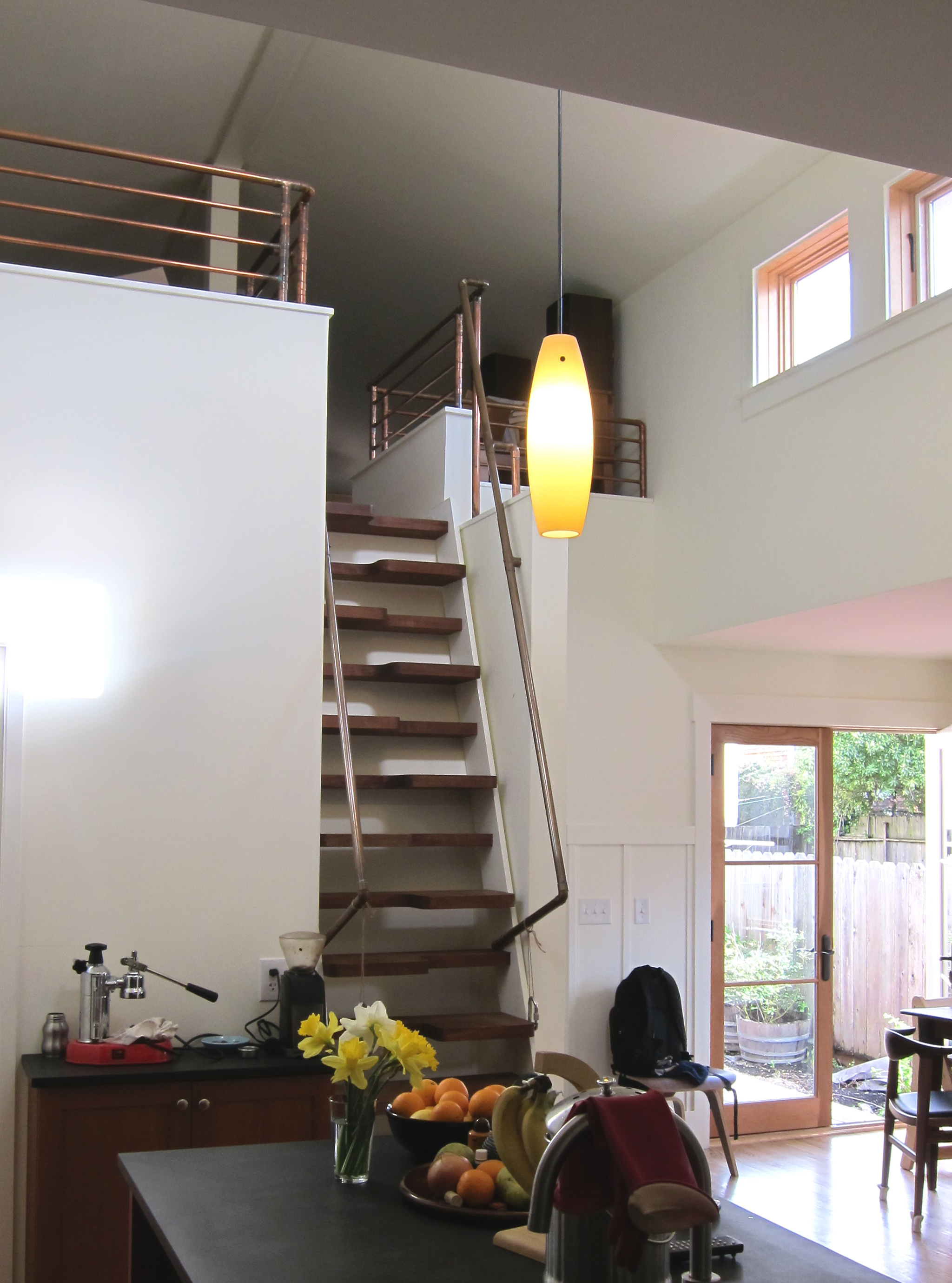
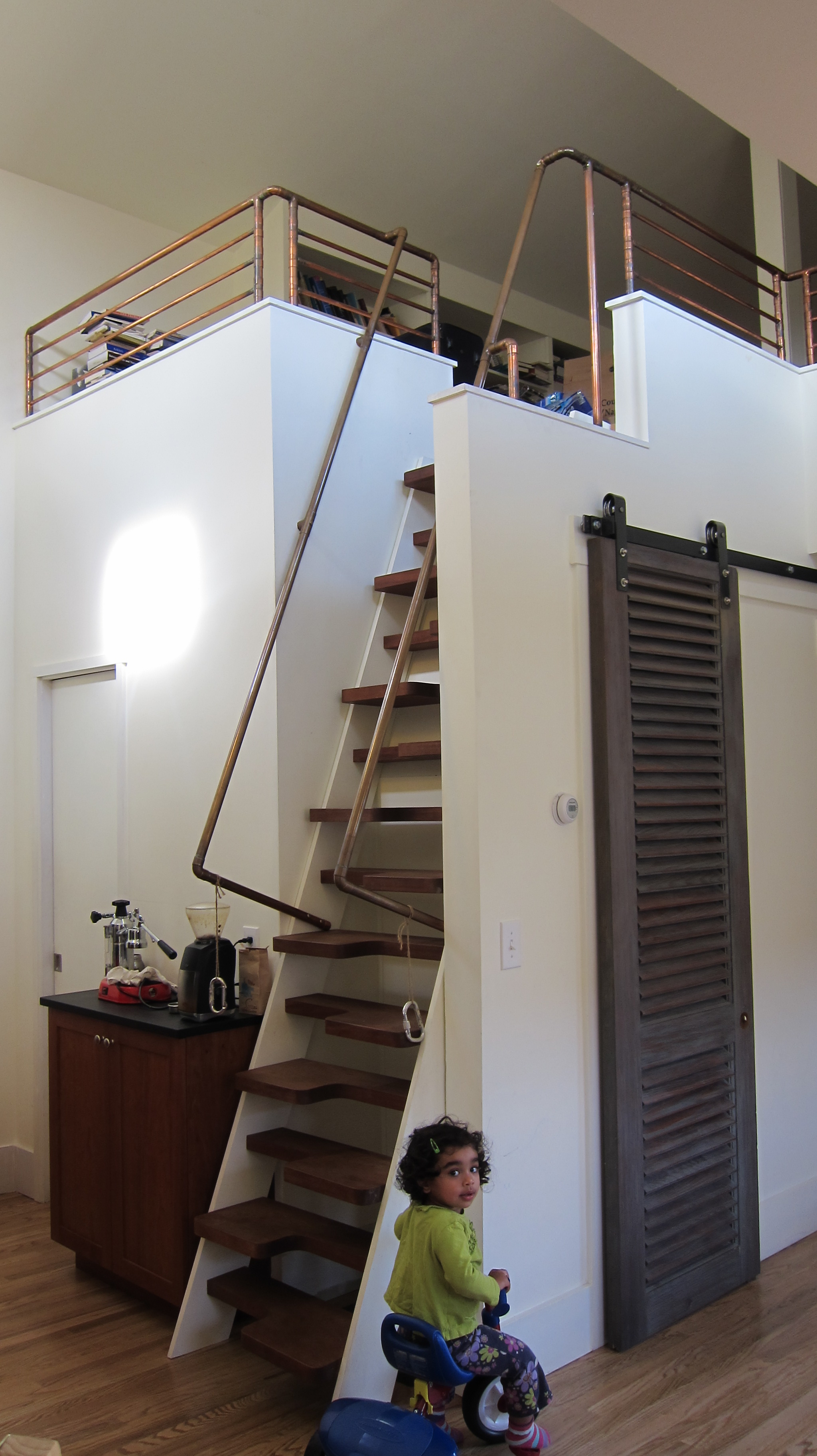
The Lapeyre stairs provide easy access to the loft above. We enclosed the loft with low walls to hide any boxes stored up there, but added open railings for the last 18″ or so. This way the required 42″ tall “guards” don’t seem so tall and a bit more light circulates.
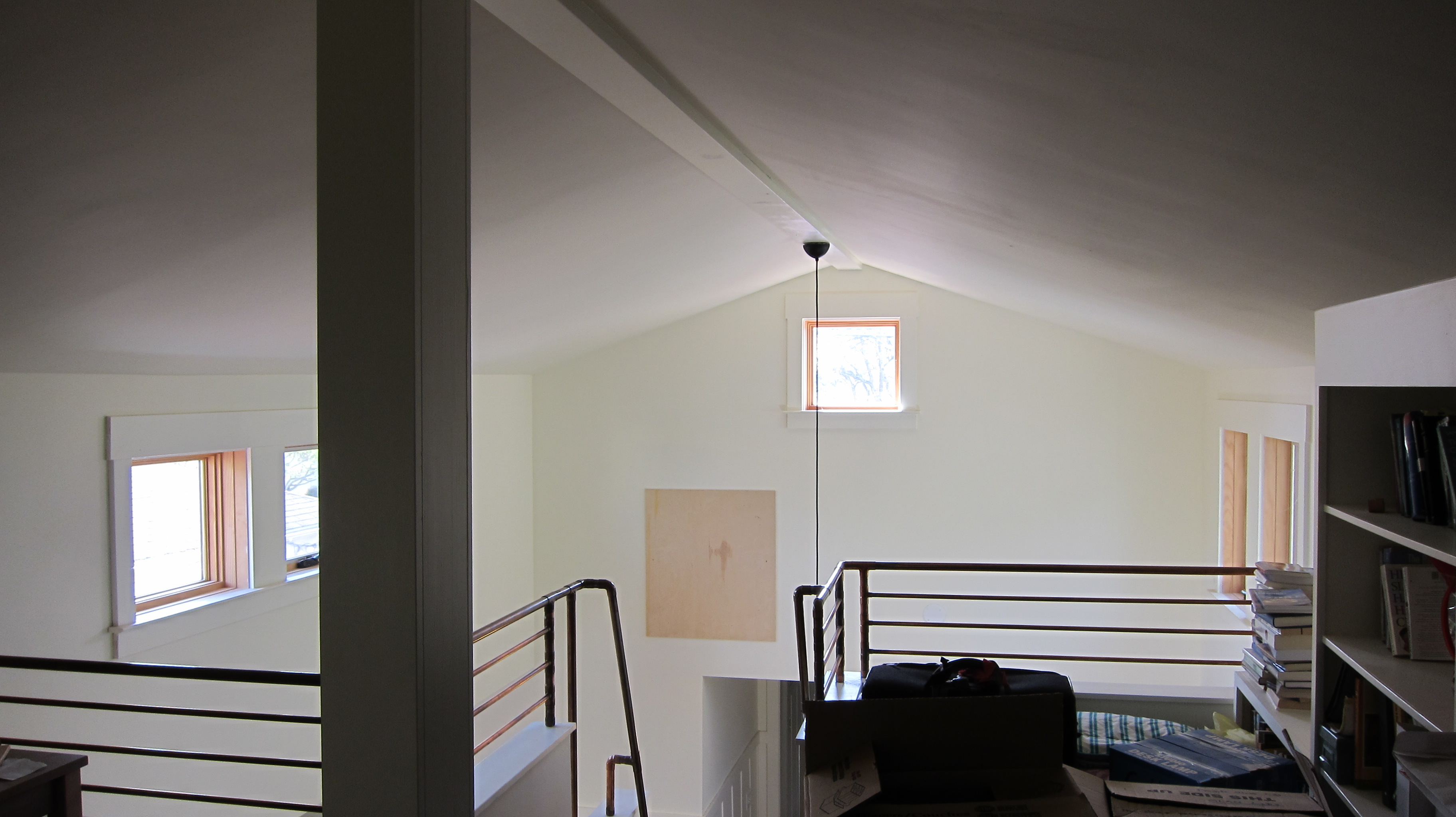
I didn’t get any photos of the loft itself, but it has built-in shelving and a fir plywood floor, finished with polyurethane. (As you can see the project isn’t quite finished yet)
The homeowner waited for me below while I toured the loft area.
Lighting Color Temperature
Posted in Information, tagged lighting design on April 7, 2011| Leave a Comment »
The Correlated Color Temperature scale for common light bulbs ranges from 2700 to 5500 Kelvin. Warm white is 2700K-3500K, and cool white is 3600K-5500K. (further extremes on the scale are not typically used for architectural lighting.)
Sunrise and sunset light and candle flame light are very warm, around 1850K.
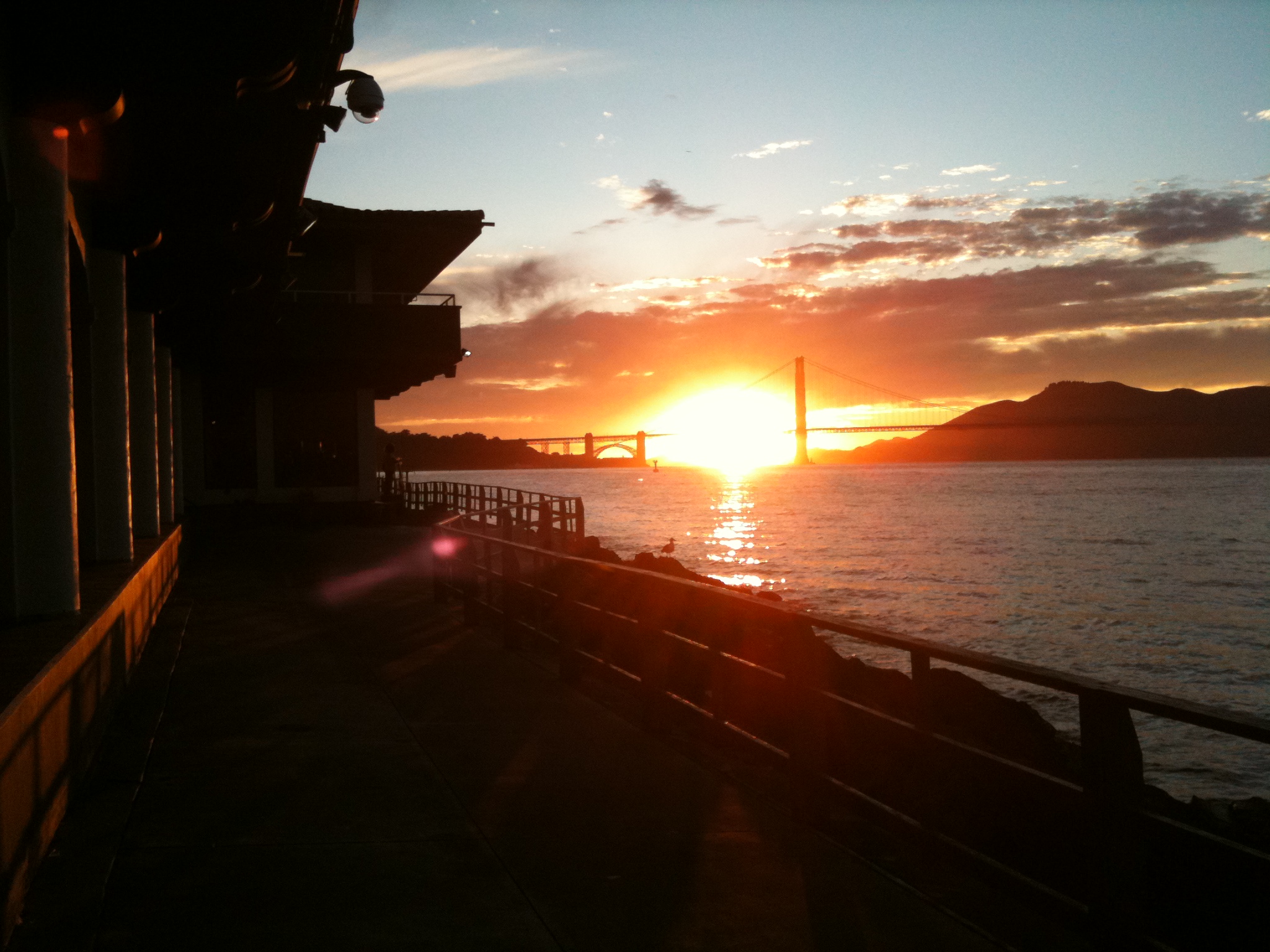
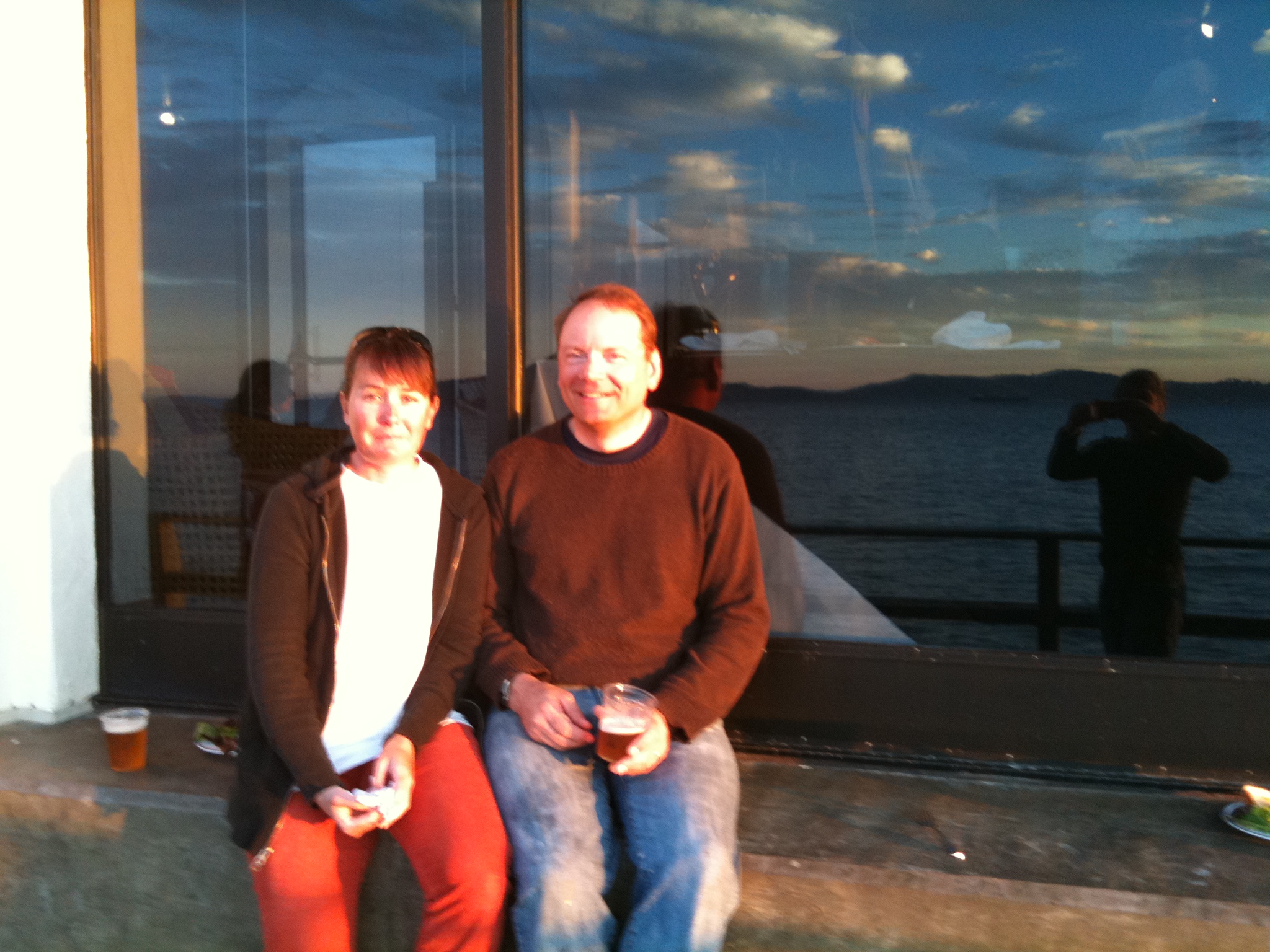
This is often very nice light for photographs of people.
The color temperature is based on the electromagnetic radiation emitted from an ideal black-body. It varies depending on its surface temperature in kelvins. This serves as a standard to which light sources are compared. An incandescent light bulb’s light is thermal radiation and the bulb approximates an ideal black-body radiator, so its color temperature is essentially the temperature of the filament. Incandescent bulbs are typically in the 2700-3300 Kelvin range, but often when dimmed the filament gets cooler (lower surface temperature, perhaps 2000 Kelvin, means “warmer” light.)
Compact Fluorescent bulbs do not emit light by thermal radiation, so they get a “correlated color temperature,” comparing the color of light to the ideal black body scale. You can buy them in a range of color temperatures.
Beware! CFLs that are sold as “Daylight” bulbs are around 5000K and considered to mimic daylight at midday. “Daylight” might sound nice, but this is a cooler light and might not be desirable for many spaces. Most people prefer the warm light of the incandescent, so should use CFLs in the 2700-3300 Kelvin range.
A Quick Light Bulb Comparison: Old-Fashioned Incandescent (Soon to be Contraband in California,) CFL, & LED
Posted in Information, tagged green, lighting, lighting design on March 28, 2011| Leave a Comment »

- 60 Watt GE frosted incandescent bulb: 820 Lumens (initial)=13.6 lumens/watt; dimmable; 2700 Kelvin (warm white, when dimmed the light is warmer, up to about 2000 Kelvin;) rated to last 1500 hours; $2.20 apiece (1000 bulbs.com)
- 13 watt Philips Lighting spiral CFL (energy star rated): 900 lumens (initial)=69 lumens/watt; not dimmable; 2700 Kelvin (warm white;) rated to last 8000 hours; $5.26 apiece (1000 bulbs.com)
- 12.5 watt Philips EnduraLED (I have one of these and can attest that it is a great bulb so far): 800 lumens (initial)=67 lumens/watt; dimmable; 2700 Kelvin (warm white); rated to last 25,000 hours; $42.89 apiece (1000 bulbs.com)
This quick snapshot reveals that the CFL is the best value, assuming you don’t want to dim the light, this mercury business is a racket, and the light quality is equivalent.
These dimmable CFLs are a bit more pricy. I have never used one so cannot comment:
- 16 watt dimmable CFL (Neptun): 900 Lumens=56 lumens/watt; dimmable; 2750 Kelvin (warm white;) rated to last 8000 hours; $11.93 apiece (1000 bulbs.com)
There is some concern that the mercury in a CFL bulb is dangerous and ends up polluting the environment. The LED bulb might be a better choice for that reason. Another reason to choose the LED over the CFL is if the fixture is hard to reach, the LED bulb should last more than four times as long as the CFL. The incandescent will help heat your house and certainly has the least embodied energy.
In order to make a complete comparison I need more information about the embodied energy of each bulb, the environmental impacts of manufacture and disposal, and how the luminous efficacy degrades over the life of each bulb.
Dimmer switches can save a lot of energy and extend bulb life, although the performance allegedly varies a bit with new technology (LEDs and CFLs.) The aforementioned Philips EnduraLED dims very nicely.
Colorful Piedmont Kitchen
Posted in Design Projects, tagged ash, bamboo, color, kitchen, lighting design, marmoleum, paint, Piedmont, whimsy on March 24, 2011| 2 Comments »
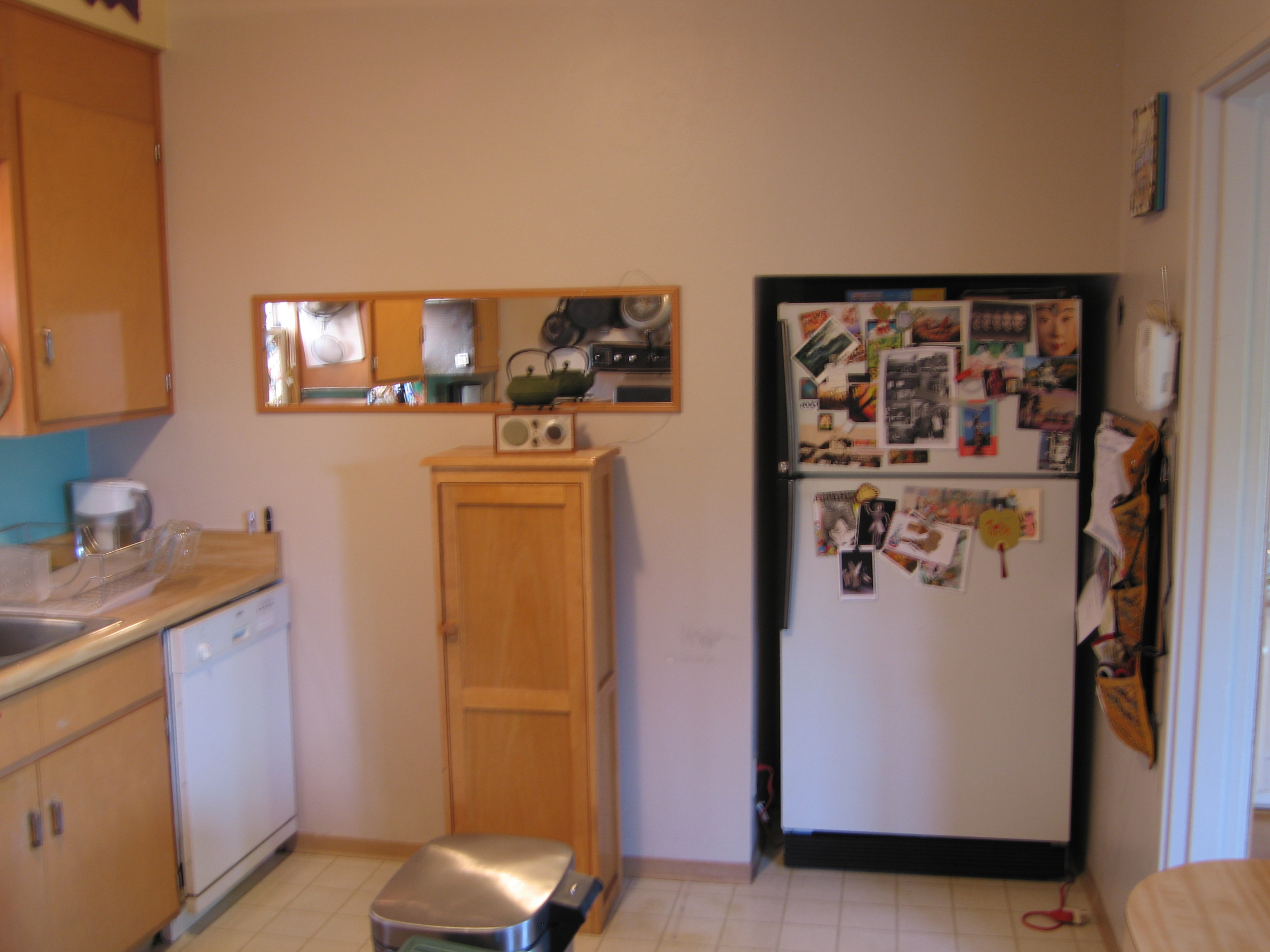
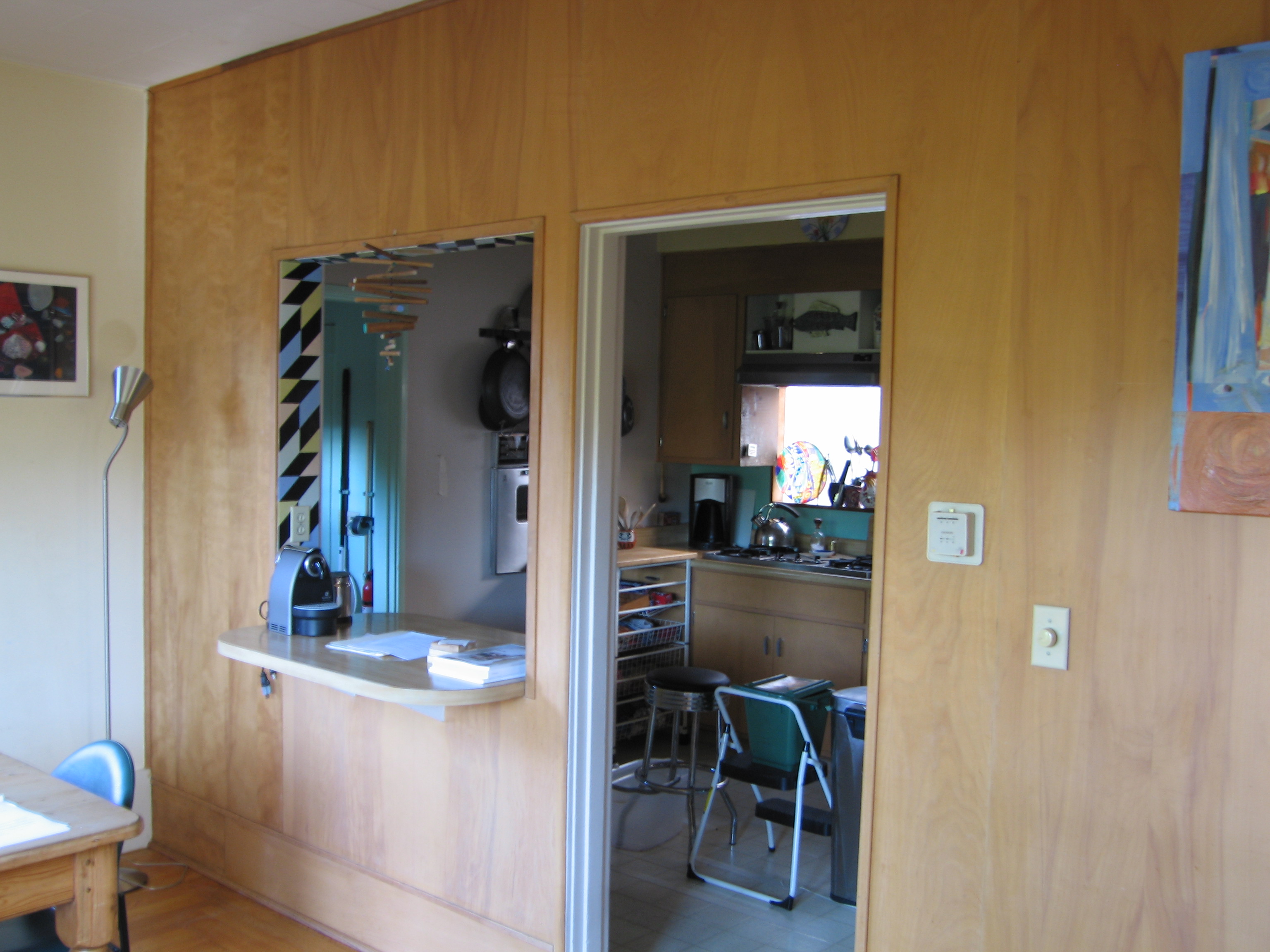
Last year I redesigned this kitchen for an artist in Piedmont. She, of course, had a lot of design input including the colorful paint choices, the glass pendant lights, recycled glass & concrete countertops, and bright colored marmoleum flooring
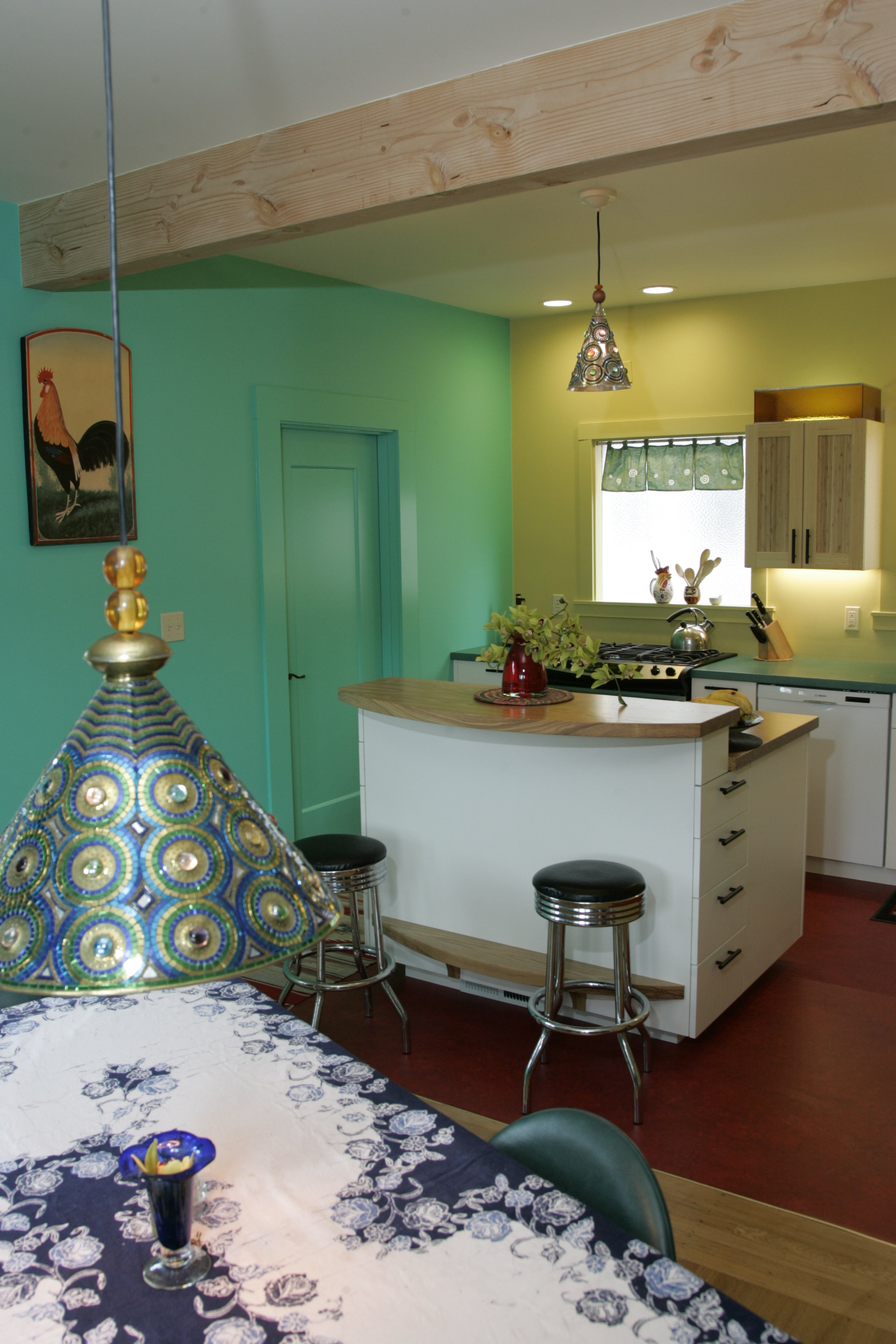
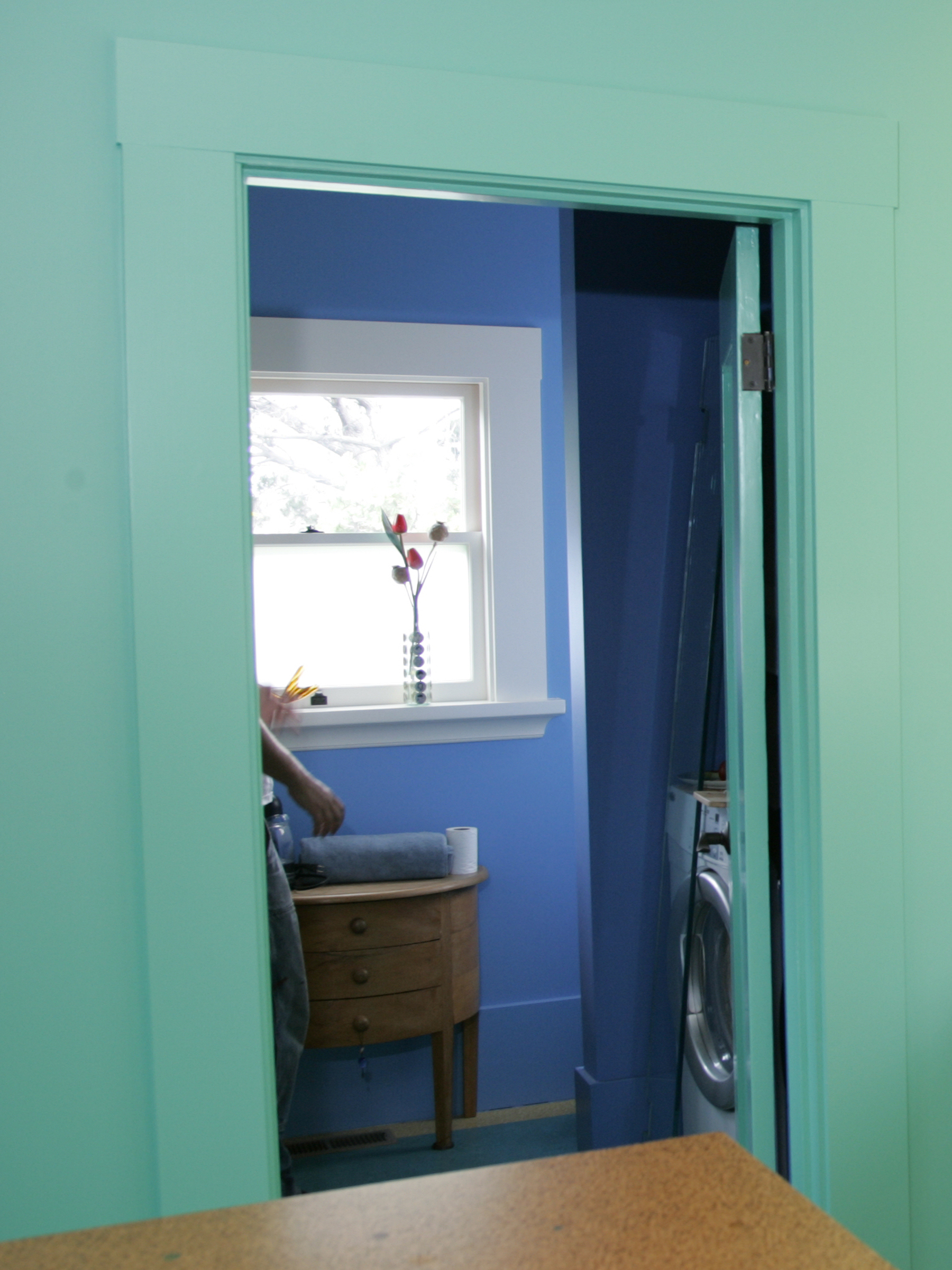
Deedsdesign measured the existing space and worked out the most efficient layout for the new powder room, laundry, and kitchen. A wall was removed, opening the kitchen to the dining room, space under the stairs was utilized for a walk-in pantry, and an island with a curved ash counter for eating breakfast with the newspaper was added. The lighting design includes LED recessed cans over the sink and stove, LED undercabinet and overcabinet lighting, and colorful pendants. Full extension drawers in the lower cabinets provide convenient storage for most things, including recycling, trash, and compost. A few bamboo upper cabinets and open shelves provide enough space for dishes.
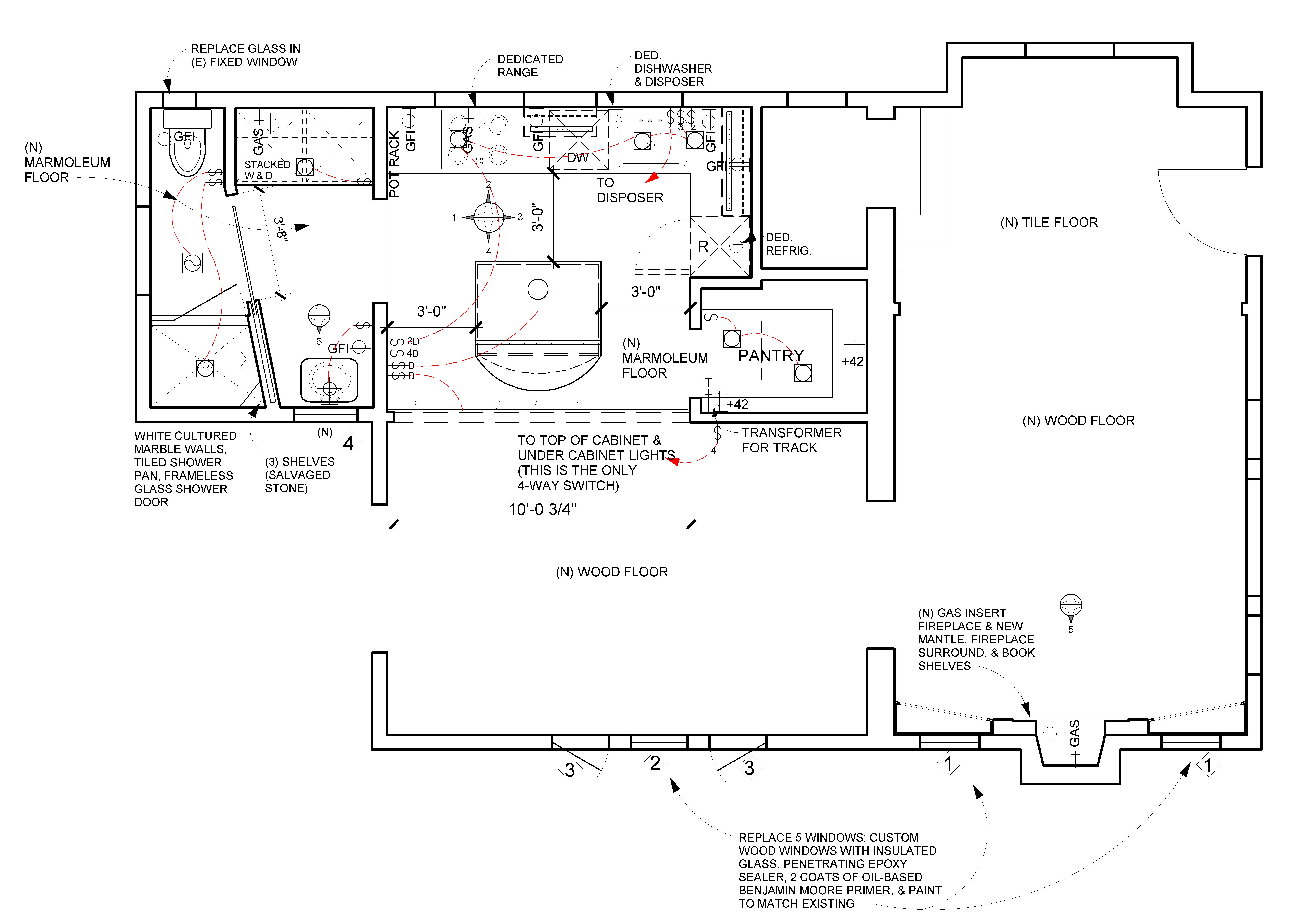
CLICK to enlarge
In addition to the kitchen, we revamped the old brick fireplace,
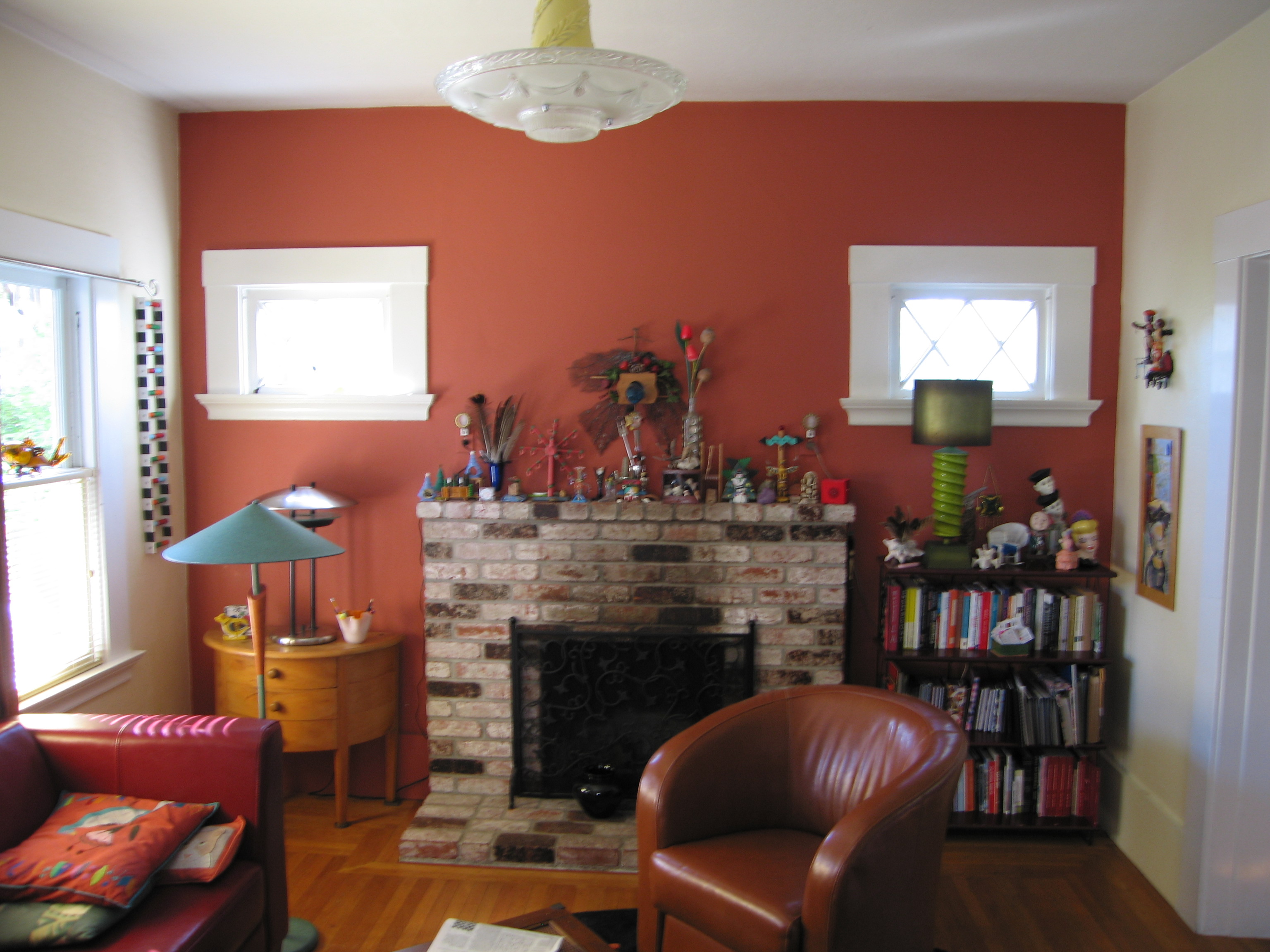
adding tile, a gas insert a wood mantle, and angled bamboo bookshelves on either side. I wish I had pictures of this part. Here are some drawings:
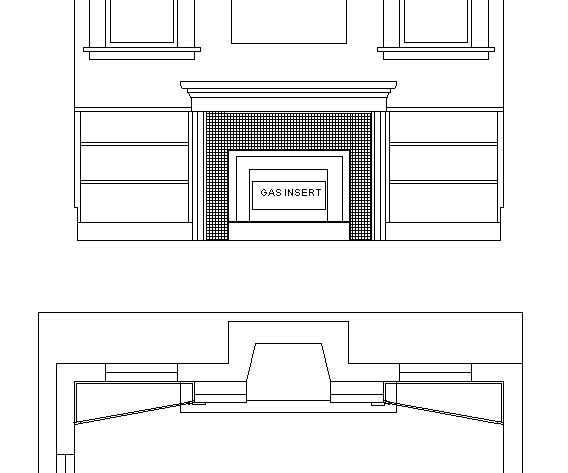
Construction by Canivet Construction, Cabinets by Eby Construction.
Philo Hide-Away- a little cabin in the woods
Posted in Design Projects, tagged cabin, exposed beams, fibercement, fir, lighting design, mendocino, metal, philo, recycled, redwood, salvaged, small buildings, vaulted ceiling, wood on February 22, 2011| Leave a Comment »
I recently paid a visit to the little cottage in Philo that I designed a few years ago. I was happy to see that the owners were using the cozy little space and had decorated in good taste. I took a few pictures since I only have photos of the unfurnished rooms on my website.
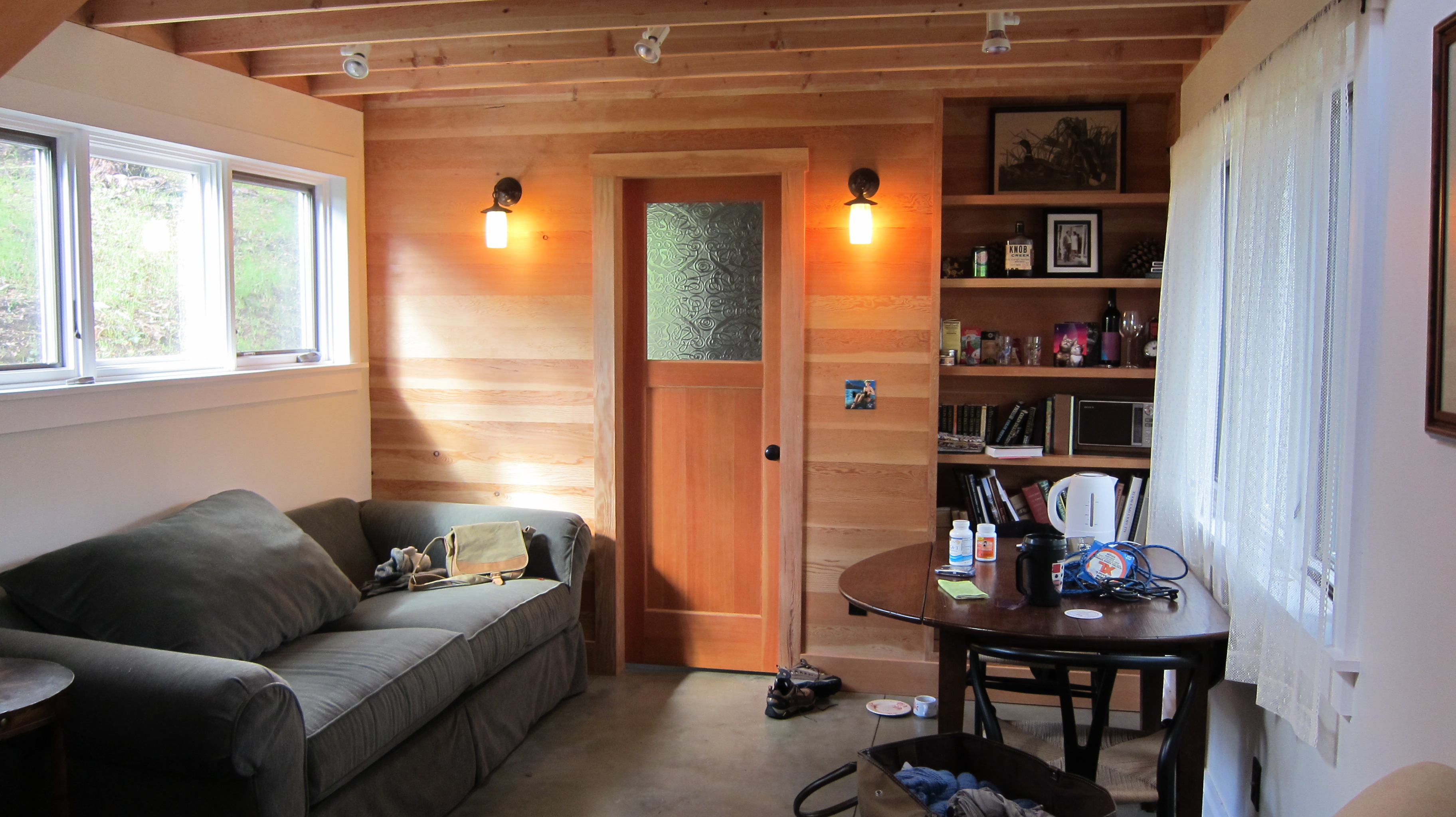
Finally they moved a couch into the little cabin…and lots of other things too
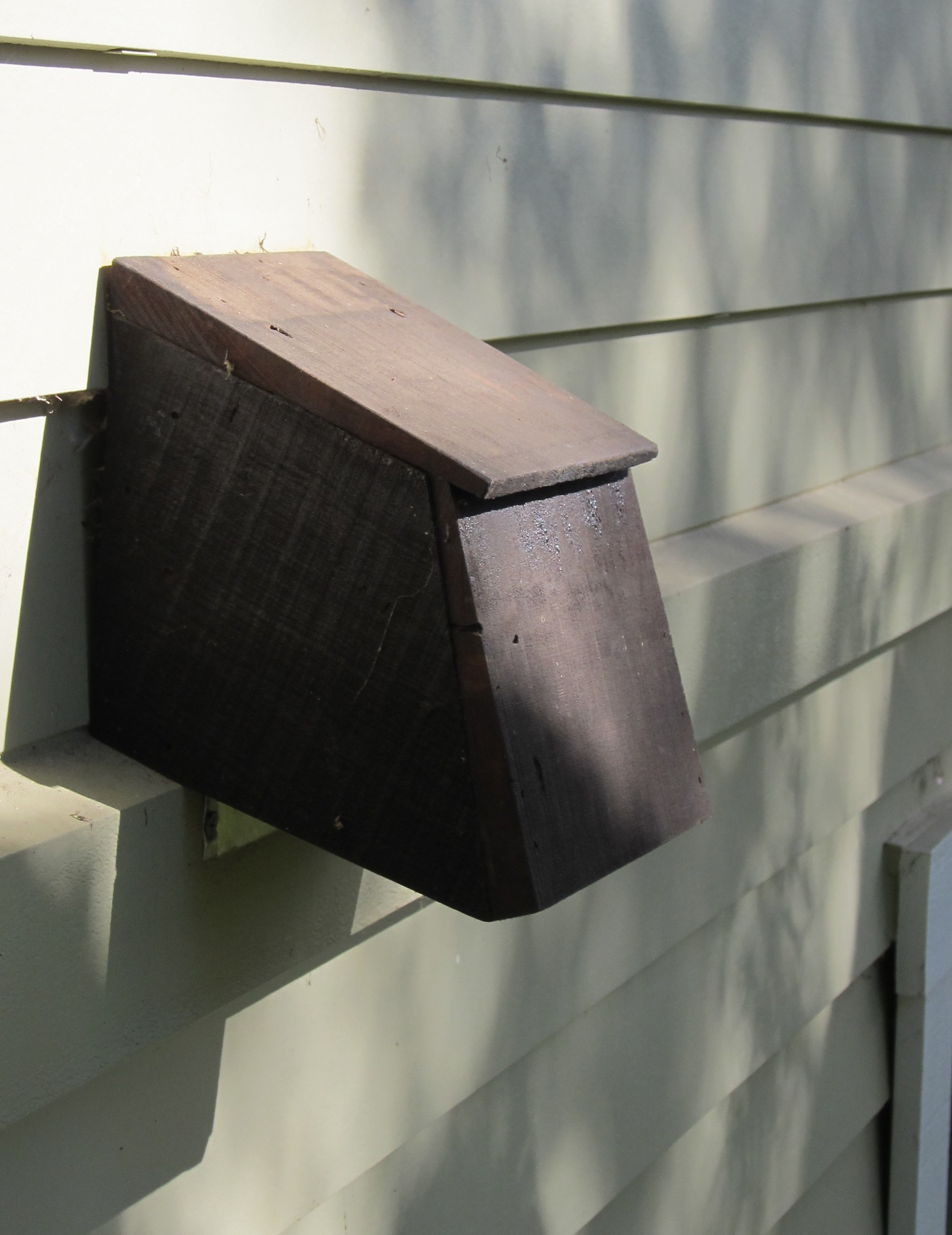
The builder took the liberty to use some of the 100 year old salvaged redwood siding from my house in Berkeley to make this cute little vent cover
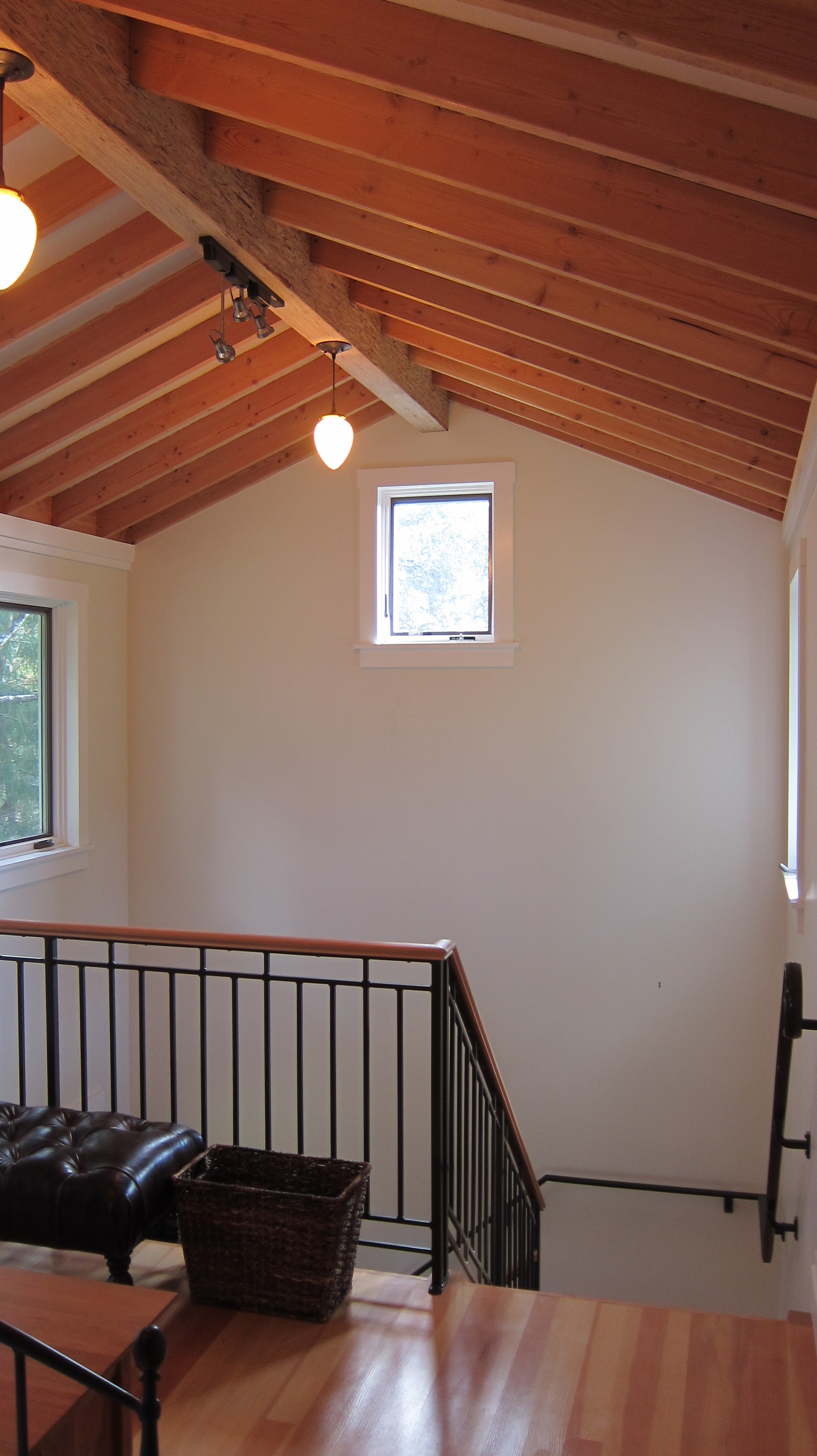
Still no art on the tall southern wall. stay posted. I think a painting will be installed soon
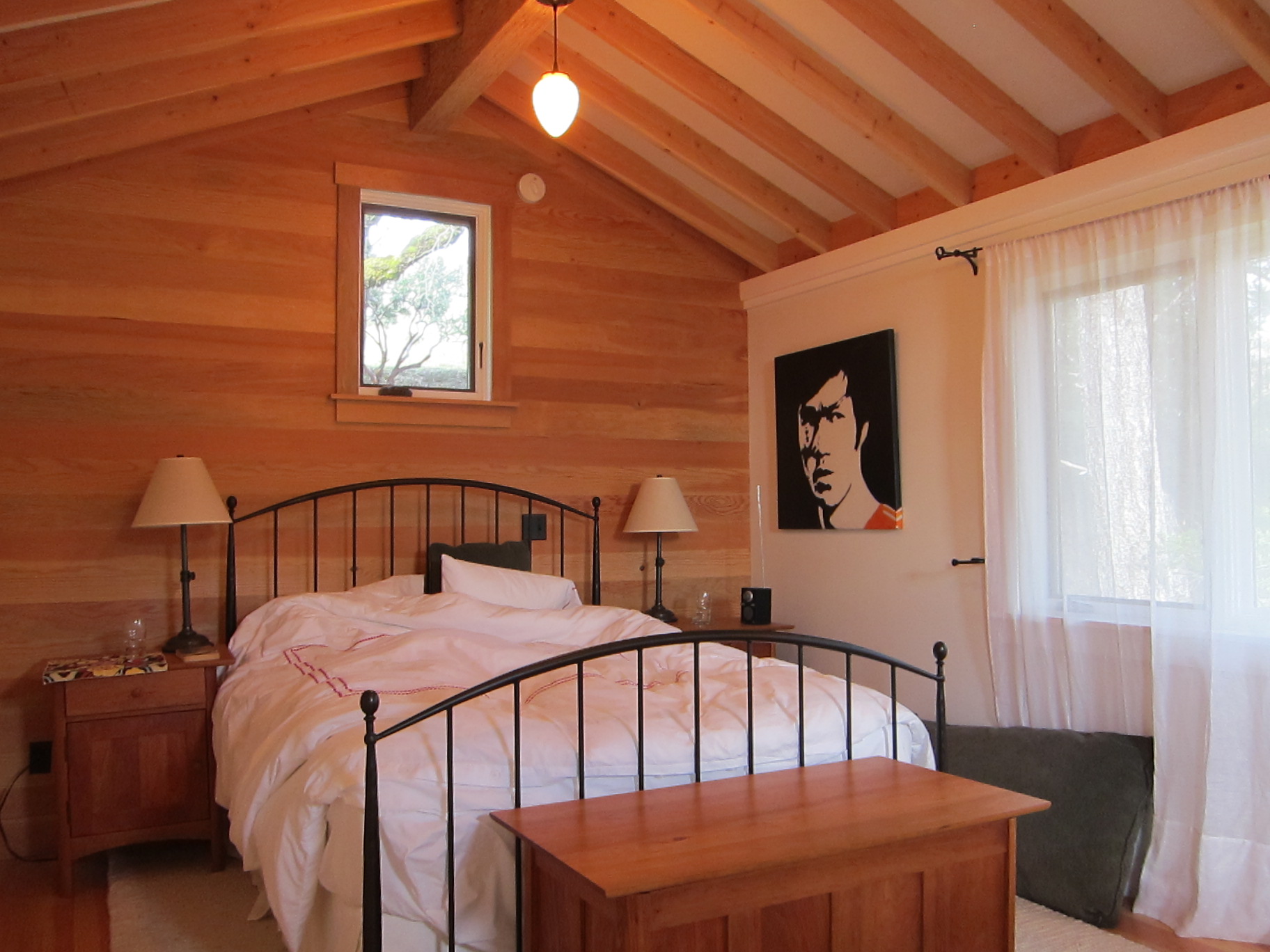
The loft above has been furnished too! complete with a painting of bruce lee and sheer curtains!
Municipal Natatorium, Pt Richmond, CA
Posted in Found Objects, tagged green, humor, lighting design, Richmond, signs on January 14, 2011| 2 Comments »
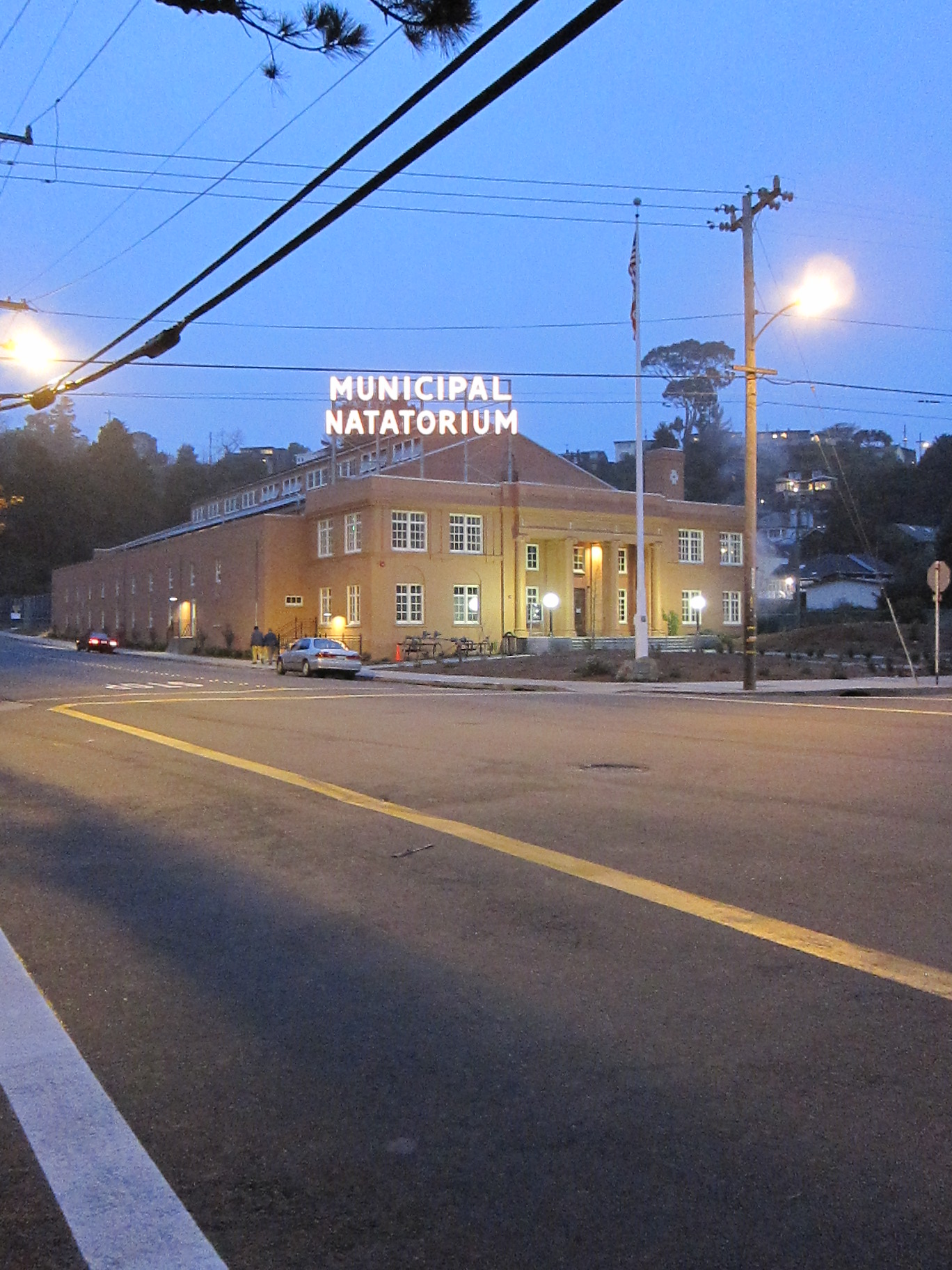 The public swimming pool in Point Richmond reopened with a grand celebration recently. In the interior, the beautiful structure is washed with daylight, and a floor to ceiling mural at one end by John Wehrle really completes the experience. I took a photo of the huge lighted sign the other night because it amused me. Maybe more buildings should be clearly labeled like this. I’ve considered it for my house, in part because I like to paint. The street numbers could be 8″ high and painted in glow in the dark paint. We could bring in a new era of sign painting arts and put neon sign makers to work. I’m not sure all the signs should be mounted at an angle to the building like this…and they could be slightly more subtle perhaps….but they should all be as beautiful as possible. No shiny plastic.
Accounting for the clubhouse
Posted in Design Projects, Information, tagged aluminum, Berkeley, green, lighting design, paint, passive solar, rainscreen, redwood, salvaged, small buildings on December 8, 2010| Leave a Comment »
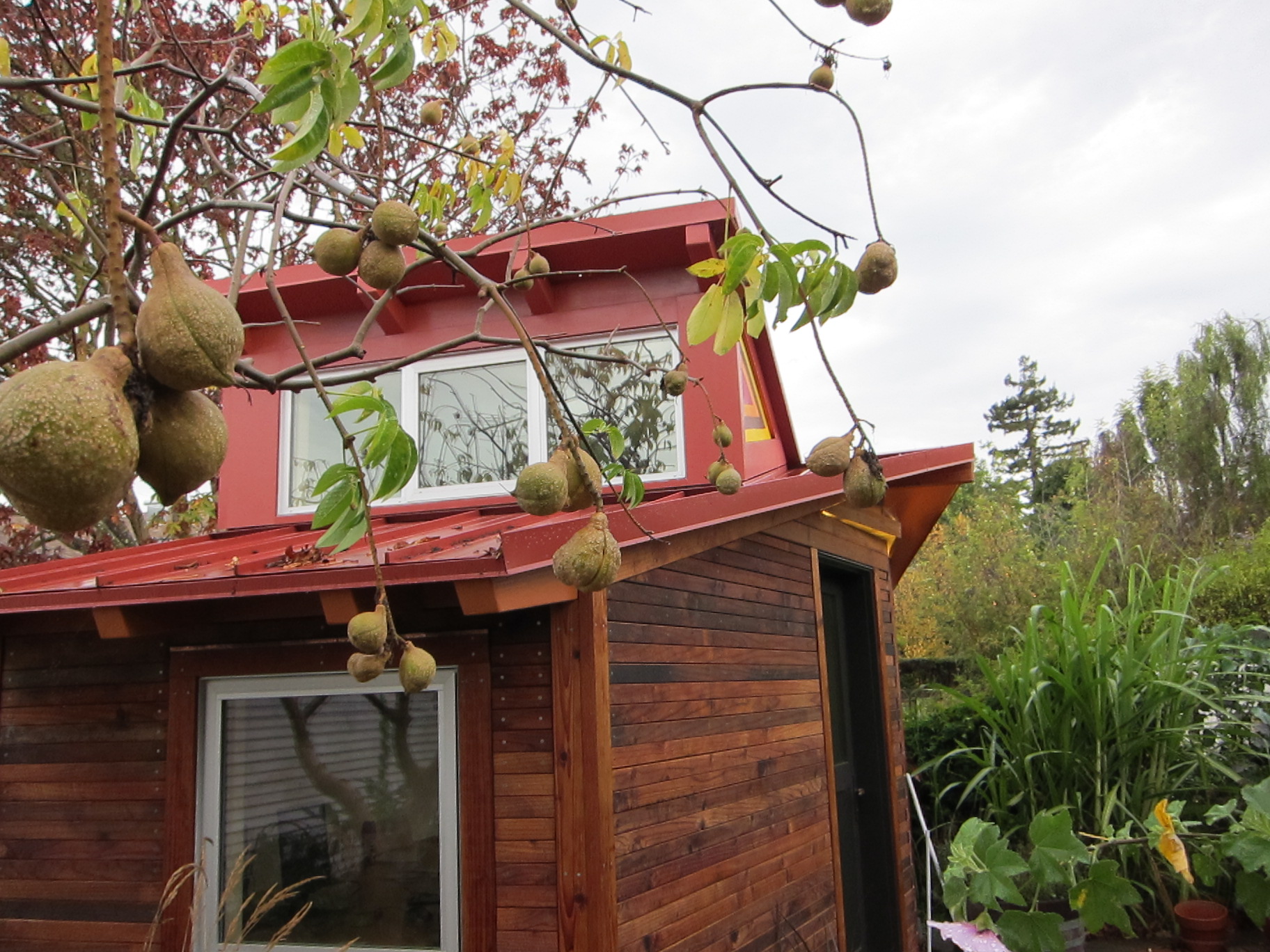
Go HERE and HERE for more photos of the project Here is an article about the project on Dwell Magazine’s website and Here you can vote for or against the design.
Total Cost: $24522.47 ($204/ SF)
Design: Free (by owner)
Permit Fees: $111.55 (Electrical only, 120 SF accessory building didn’t require a building permit.
Foundation materials: $1425.79 (incl sand, gravel, plastic, 30% Flyash concrete, forming materials, pumping labor, tool rental, rebar, etc)
Framing materials: $2661.73 (Almost all FSC Certified includes several large appearance grade exposed beams and FSC Certified sheathing plywood and all the hardware)
Building Paper and Flashing: $397.00 (We had to buy the roofing felt twice because the roof installation was repeatedly delayed by rain.
3 Windows & 1 Door: $1720.02 $750 (half price) for the Loewen half glass aluminum clad fir door salvaged from another project. The windows are dbl glazed aluminum= inexpensive. I chose aluminum because It looks good with the redwood. This is a small outbuilding without heat and they work fine, but metal windows have lower U-value than wood, fiberglass and vinyl. It would be hard to justify metal windows in a larger project with a heating system. The glass in the south facing windows is Sungate 500. This is a special glass that is designed to have a high U-value and also a high solar heat gain coefficient. “In winter, Sungate 500 Low-E Glass transmits the sun’s visible light and directs solar shortwave infrared energy into the home. At the same time, it reflects longs wave infrared (heat) energy — like that which comes from a home’s heating system — back into the room”
Paints and Finishes: $544.90 (Penofin Verde, American Pride, Earth Paint, AFM Safecoat, Bioshield) These are not the cheapest finishes, but honestly way more pleasant to work with than the traditional smelly stuff. Ill have to report back on longevity and durability, but so far so good.
Insulation, Sheetrock install and finish (incl labor), Interior Trim (FSC certified): $1609.93
Roof: $2615.93 (galvanized standing seam painted red by Tri Sheet Metal, James Morgenroth) I hope this is a long lasting solution. It was chosen for the clean crisp lines and the cheerful color. I was considering a zinc roof for its infamous longevity advantages, but didn’t find a local installer familiar with the material.
Exterior Siding & Trim: $850.73 (All the redwood siding was milled from logs salvaged from a road widening project in Sonoma County and gifted to the building. (ie free, just involved a lot of labor and $200 worth of stainless steel screws)
The siding is installed as a rain screen with a space behind the siding for ventilation and drainage. The idea is to make everything last longer by preventing moisture from getting trapped and rotting the siding or the framing. I used Penofin Verde, an eco-friendly penetrating sealer on the redwood. I’m hoping that I wont have to reseal it more than every other year. I have used the more stinky petroleum product Marine Grade Penofin on my wood garage doors for several years. It seems to do a good job of protecting the wood, but since they are on the south side without much protection, I reapply every year.
I sealed the exposed fir rafter tails with penetrating epoxy before priming and painting. They should hold up well, but I need to keep an eye on the corner where the high-end rafters meet the wall. I can imagine water running down the underside and sitting in this corner.
Rain protection & Dump runs: $114.66
Tools and bits: $75.87
Electrical & Plumbing: $1469.40 (includes fixtures, somewhat expensive LED exterior strip light that only uses 7 wAtts. The Louis Poulsen PH5 pendant was a gift)
Landscaping: $1982.88 (brick path by Hornby Garden Design and Construction)
Misc: $585.35
General Labor: $8,004.00 (carpentry, Built-in furniture, electrical, trenching, rough plumbing, etc. Some of this is discounted because it was done by my good friend John Mcbride. This does not include extensive work by owner/designer)
Cost analysis: The door, the roof and some of the lights are expensive. The built-ins were inexpensive, but involved a lot of labor that normally would have cost far more. The unusual shape involved more labor in framing, siding, and roofing. This building didn’t require a permit except for the electrical. Many components that were free would normally have cost a fair bit. The design labor and other extensive labor of the designer also would normally have cost money. For this reason, one should assume that a similar structure might cost at least $36,000, not including design. This would mean $300/ SF.
Things I would do differently or might change later: Insulate the concrete slab, use this sort of window trim detail
Performance: So far the thick and careful insulation (R19 in the 2×6 framed walls and R30 in the roof) and the passive solar features (mainly the south-facing windows with overhangs and a deciduous California Buckeye tree in front of them) perform wonderfully. The building is very comfortable without supplemental heat. On the occasional day that is too warm, opening the high windows works magic. When it is too cold I warm up the room by turning on a few lights and my computer. Sometimes I bring a large dog inside or do 10 jumping jacks to generate some heat. Because of the insulation, the heat sticks around.
- accessory dwelling unit acoustics addition additions ADU Albany aluminum angles appleply ash bathroom Berkeley birds boxes Brooklyn buildings on the water cabin cabinets cedar children color concrete construction process copper cottage curiosities curves decks decoration desert architecture details Detroit dog doorways El Cerrito energy efficiency Fairfax fence fibercement fir fire resistant construction framing fun furniture Garage garden glass tile green green building handrail historical styles holes house houses house surgery humor indoor-outdoor interiors isba Julia Morgan kitchen landscape LED light lighting lighting design McBride Construction metal minimalism modern natural light new materials New York Oak Oakland paint painted plywood pantry paperstone passive house passive solar patterns plants plywood poet's corner Point Richmond process railings rainscreen recycled redwood remodel remodelling restaurant Richmond Rockridge roof rustic salvaged San Francisco San Mateo shou sugi ban simple skylight small buildings small spaces solar electricity sparkle stained glass steel storage Strawbale structure stucco subway tile tile tiny house trim turquoise utilitarian utility value vaulted ceiling victorian walnut water management whimsy windows wood zinc
-
link to RSS Feed

 deedsdesign