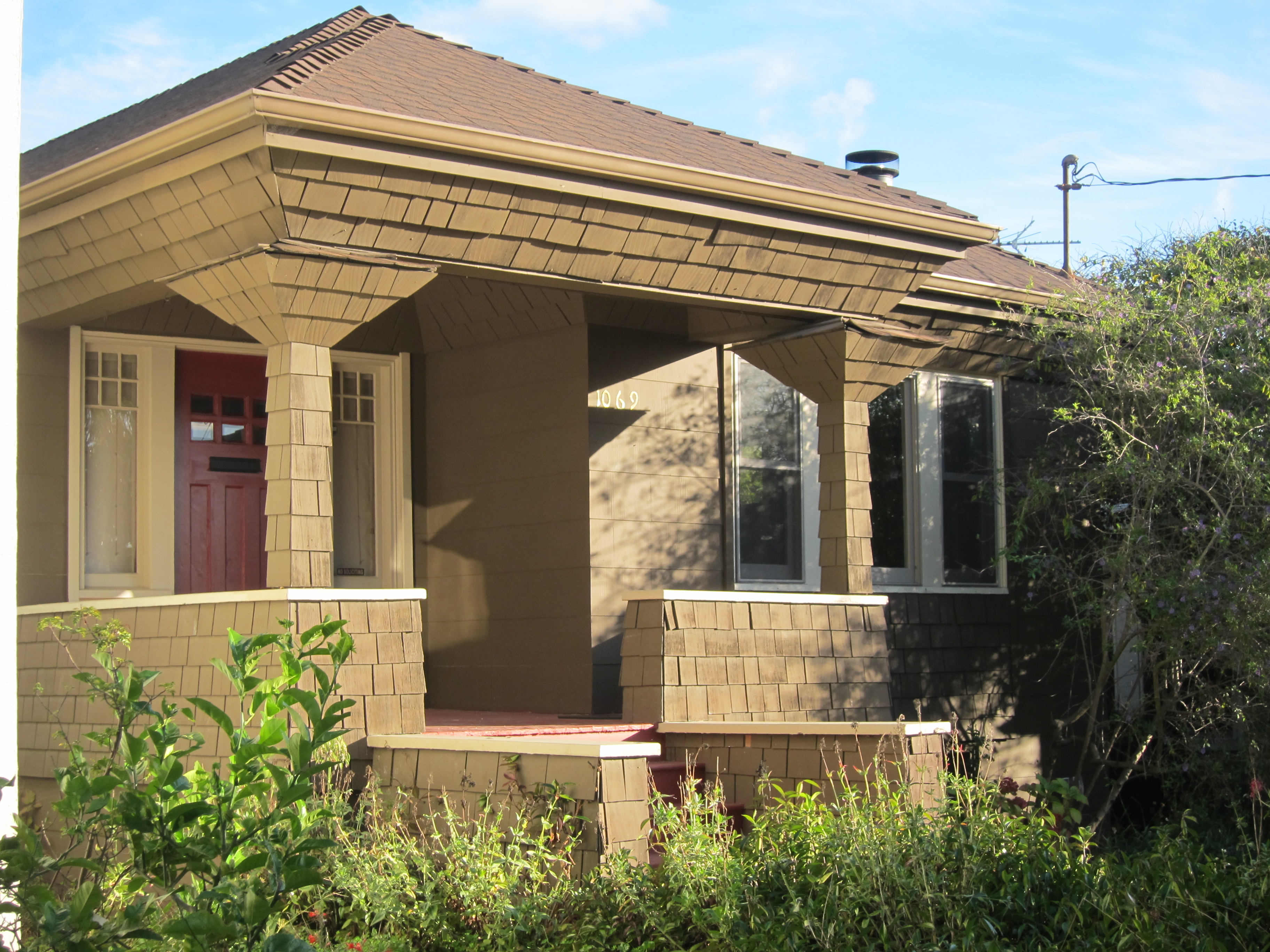
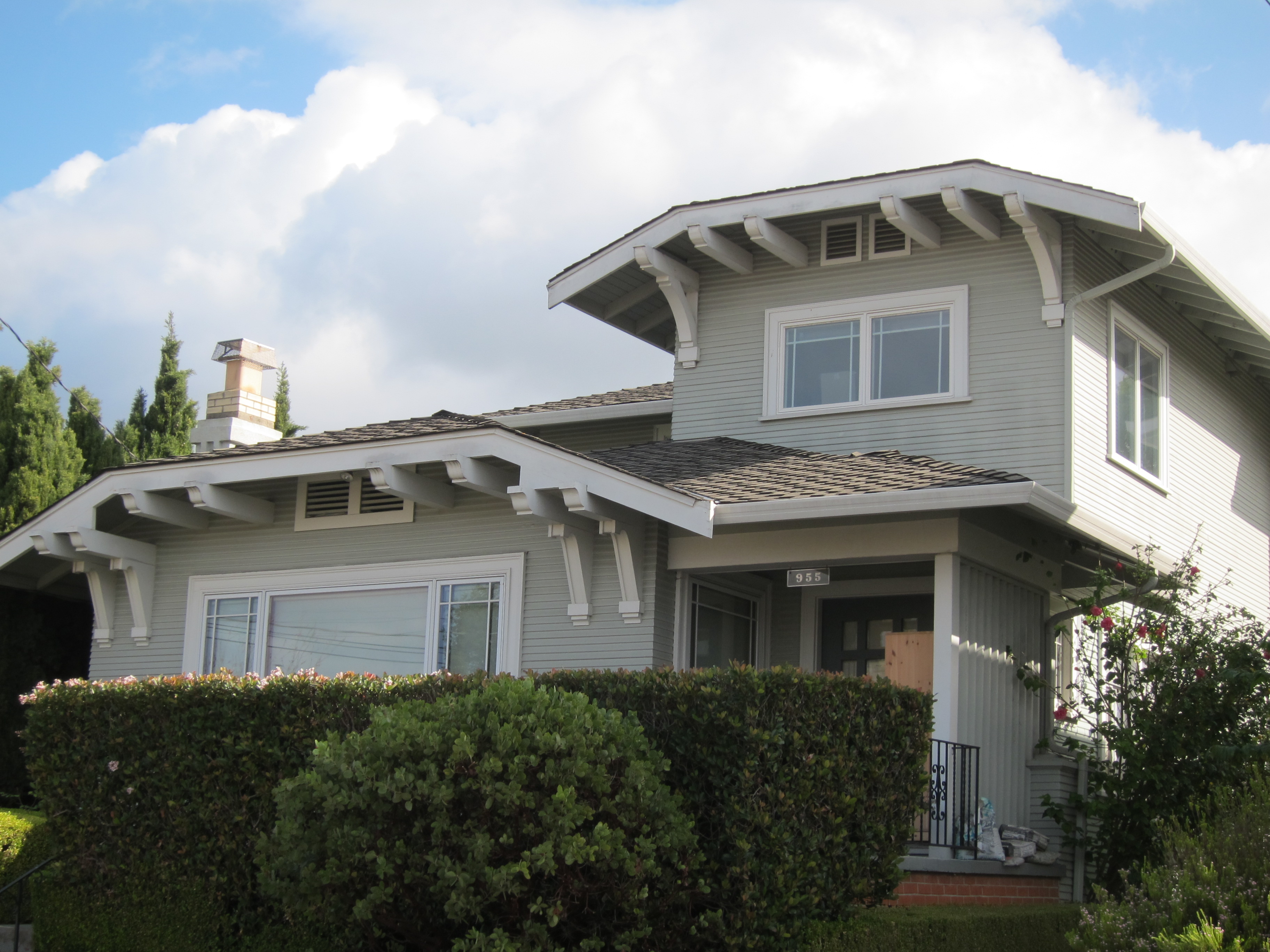
I was sorting through some pictures I took of exterior architectural details and I thought these two were amusing. I’m not sure these need any comment, but feel free to offer your opinions.
Posted in Found Objects, tagged Albany, columns, corbels, curiosities, details, east bay, historical styles, houses, humor, wood on July 2, 2013| Leave a Comment »
I was sorting through some pictures I took of exterior architectural details and I thought these two were amusing. I’m not sure these need any comment, but feel free to offer your opinions.
Posted in Found Objects, tagged details, historical styles, Julia Morgan, lighting, lighting design, tile, whimsy on June 4, 2013| Leave a Comment »
A while back I visited this cute little cottage in Oakland. The couple living there had been told by the landlord that it was designed by Julia Morgan. I couldn’t find any proof of this, so I delayed publishing my photos in hopes that I could find the proof. Now I just want to share some of the pictures regardless of who designed it.





Posted in Design Projects, tagged Berkeley, historical styles, houses, stucco, water management, wood on January 28, 2013| 2 Comments »
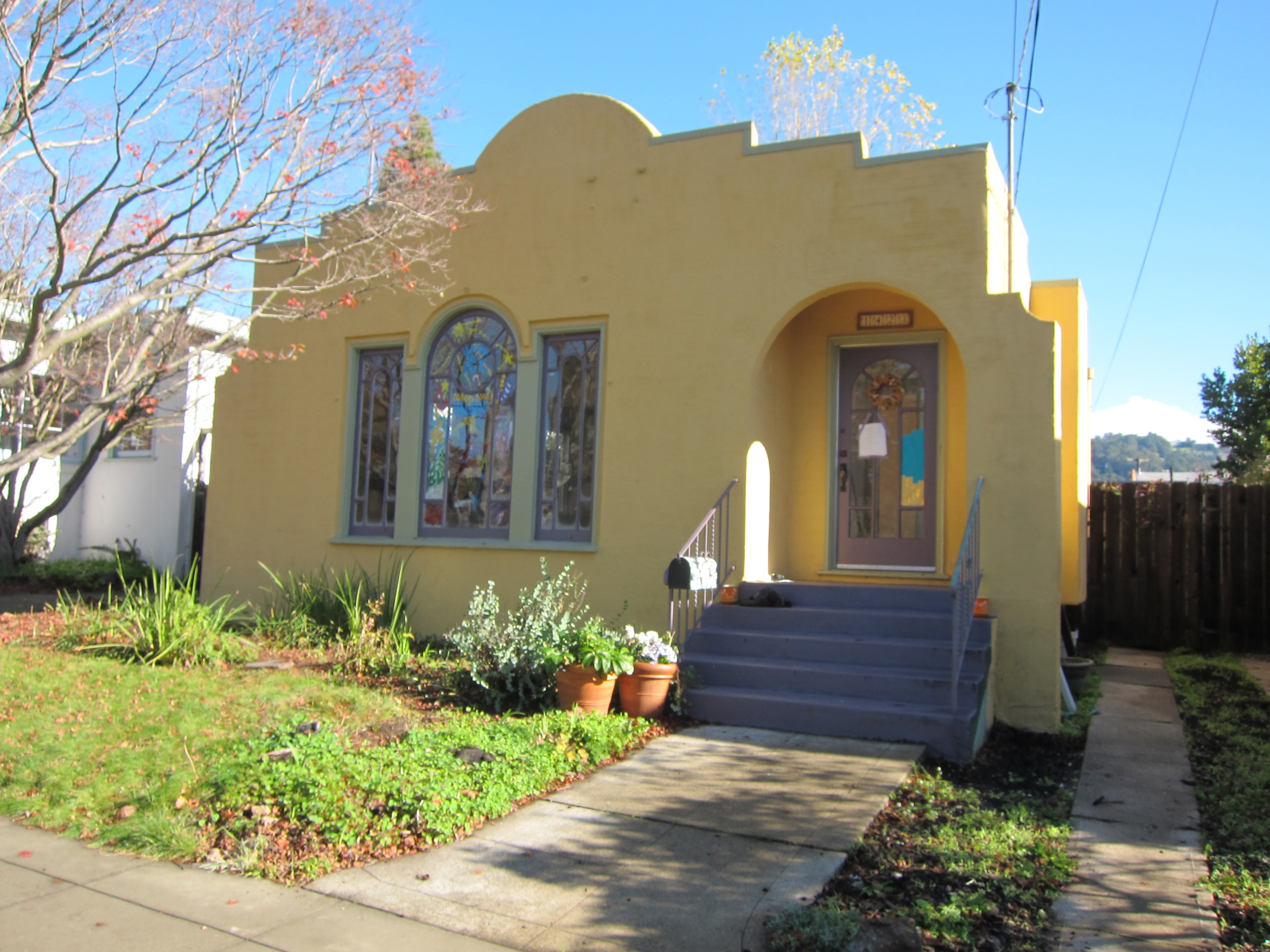
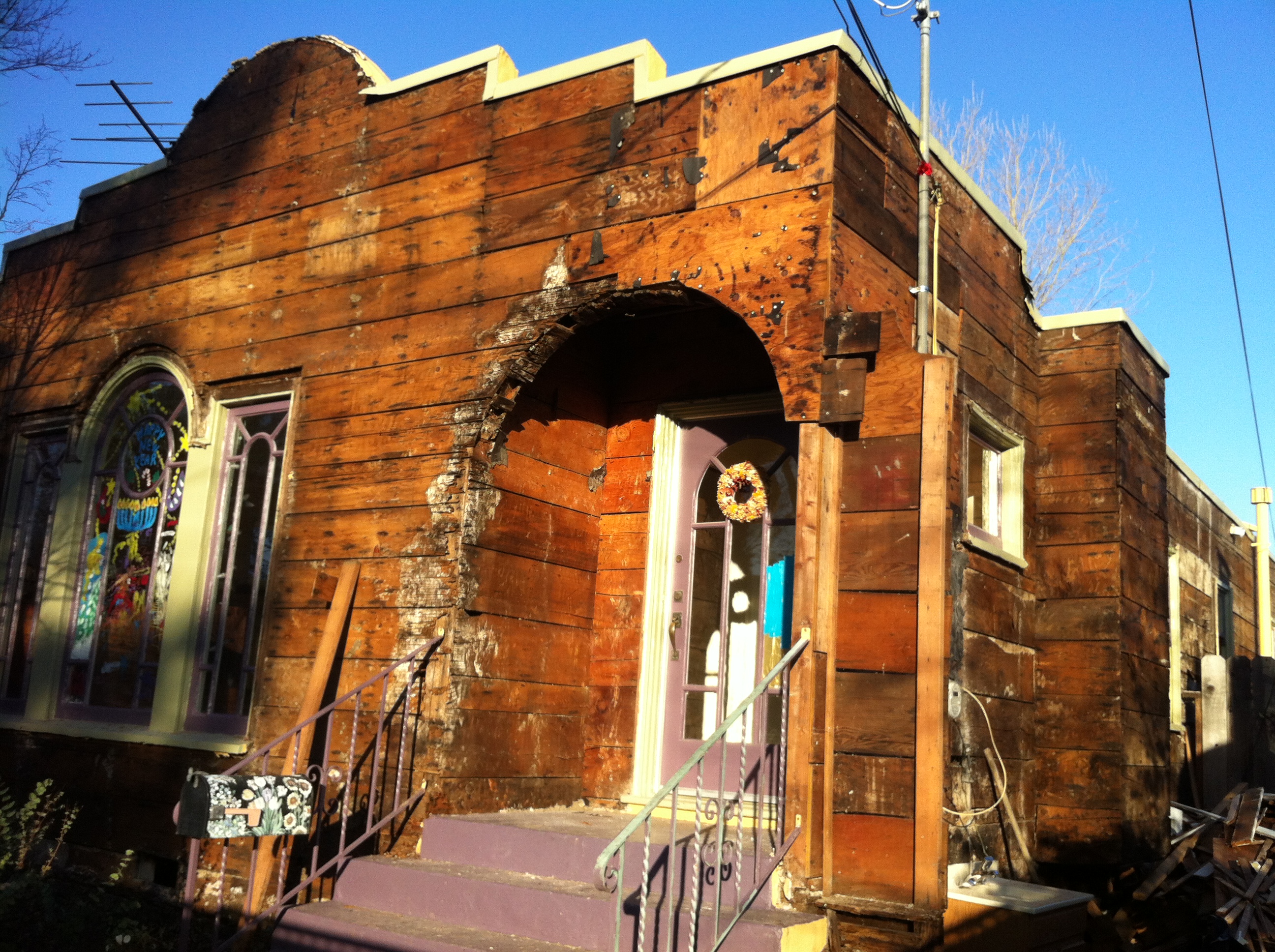
This new remodel project in Berkeley is underway. They are doing a full house remodel and are smart to make sure that the exterior envelope is in good shape. In our climate these zero overhang stucco houses with old fashioned stucco details (stucco all the way to dirt and no weep screed) often have a lot of rot hidden behind the stucco. You can see some of it in the photos below. The next step will be to remove all the old sheathing and check the studs for rot. After repairing any rotten framing, the contractor will add new plywood sheathing and replace all the windows with modern double glazed models.

Posted in Found Objects, tagged ahwahnee, furniture, historical styles, interiors, kitch, lighting, lighting design, national park architecture, paint, patterns, rustic, Wawona, whimsey, yosemite on November 5, 2012| 1 Comment »
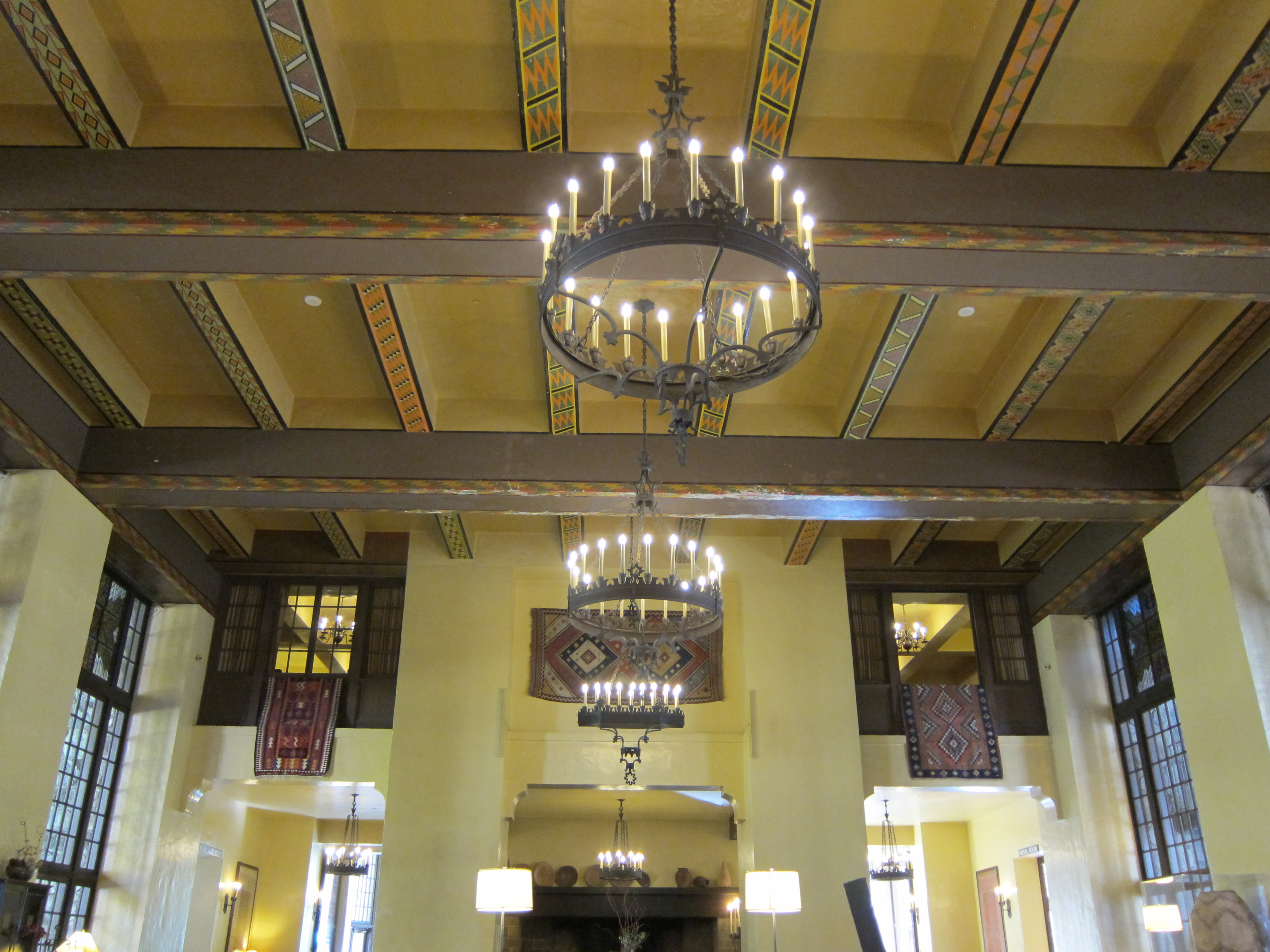
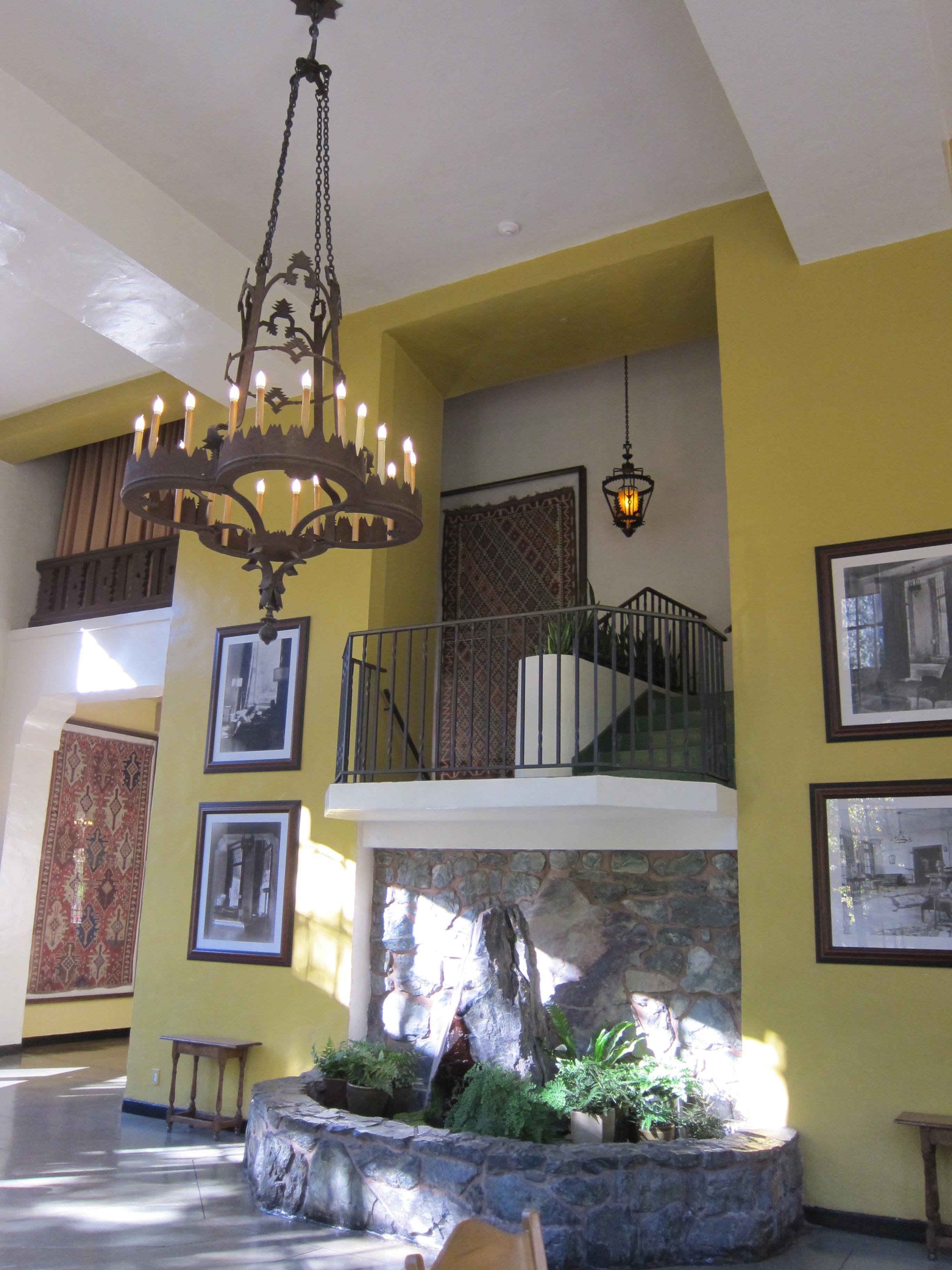
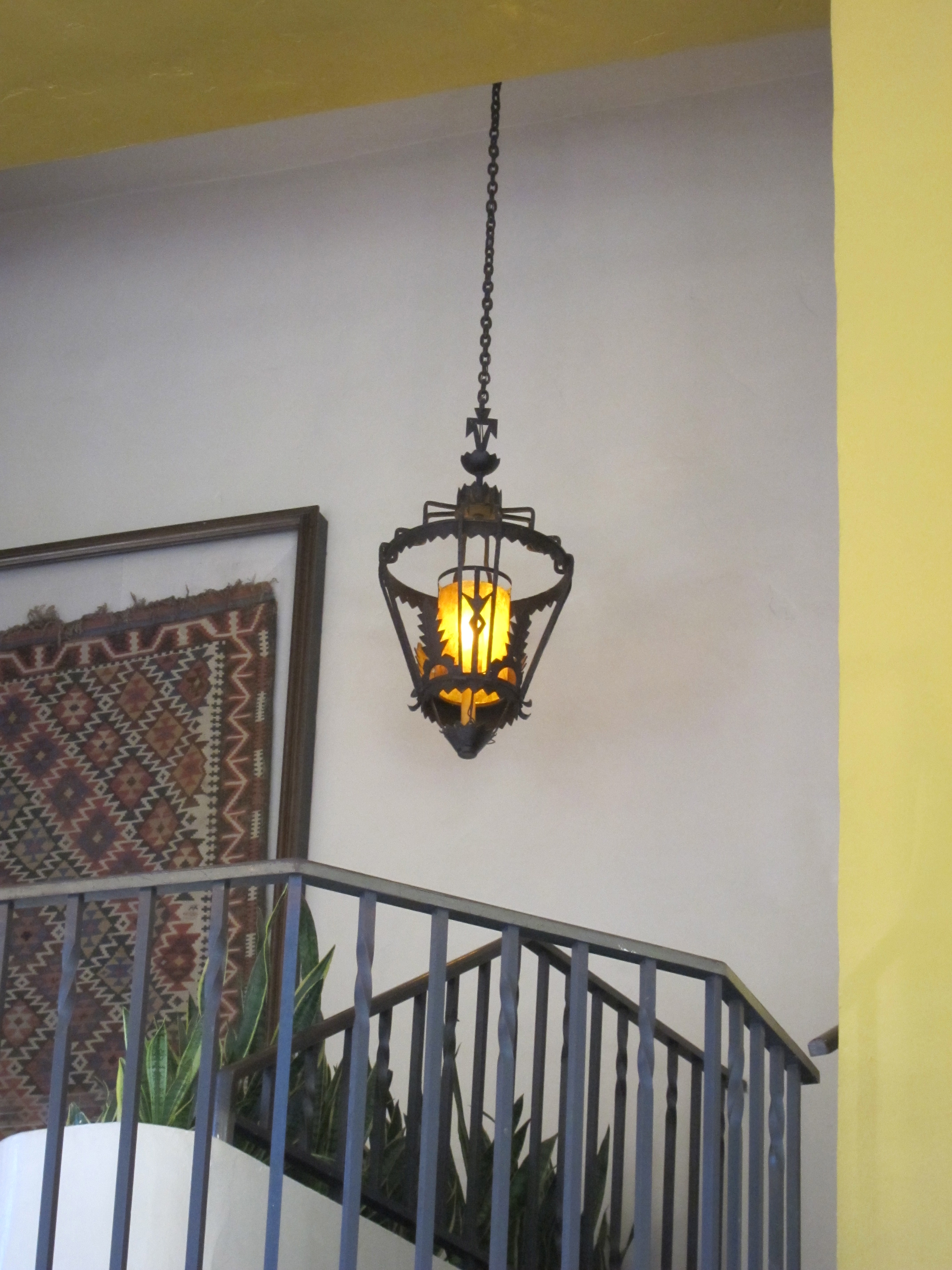
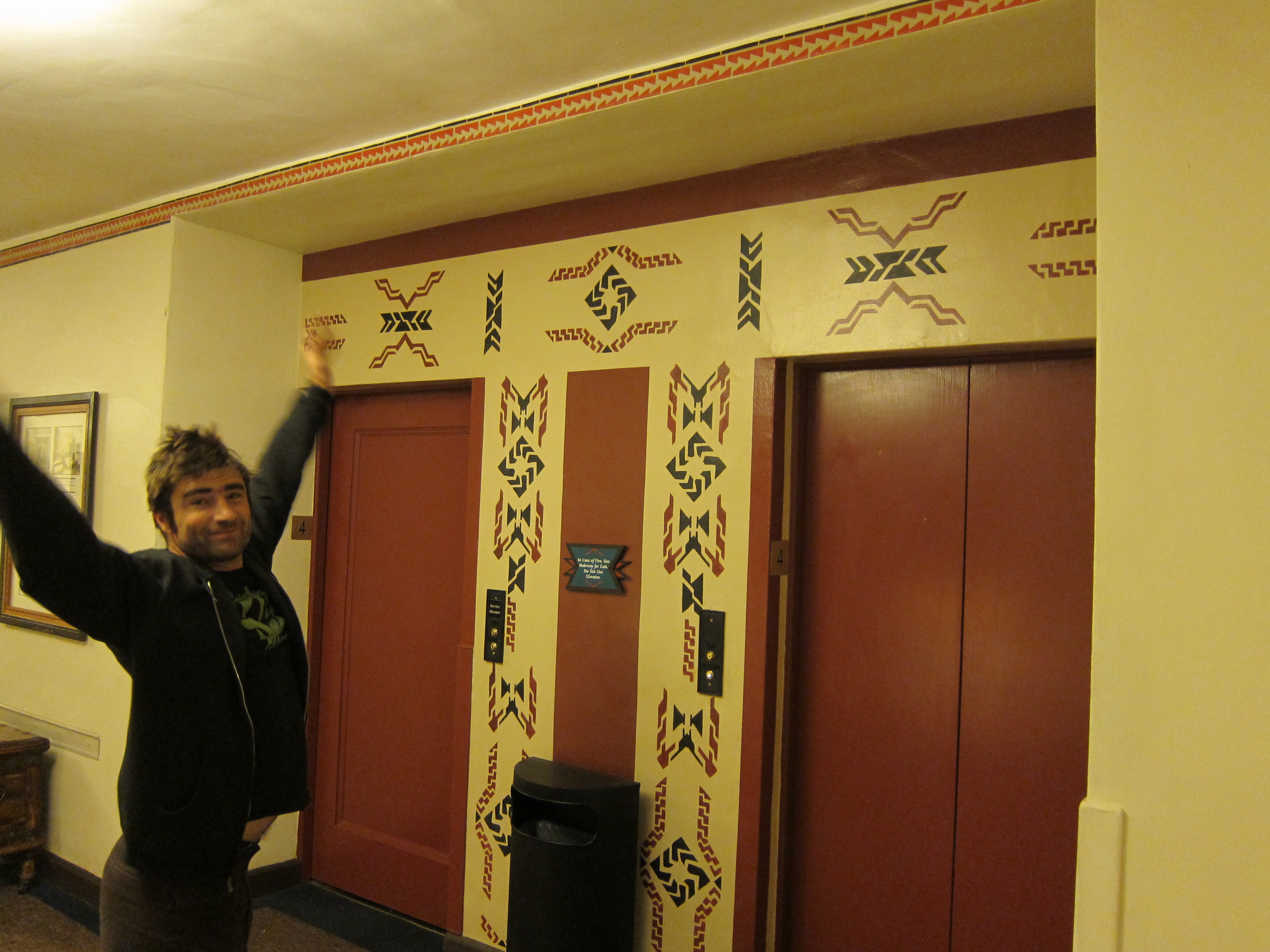
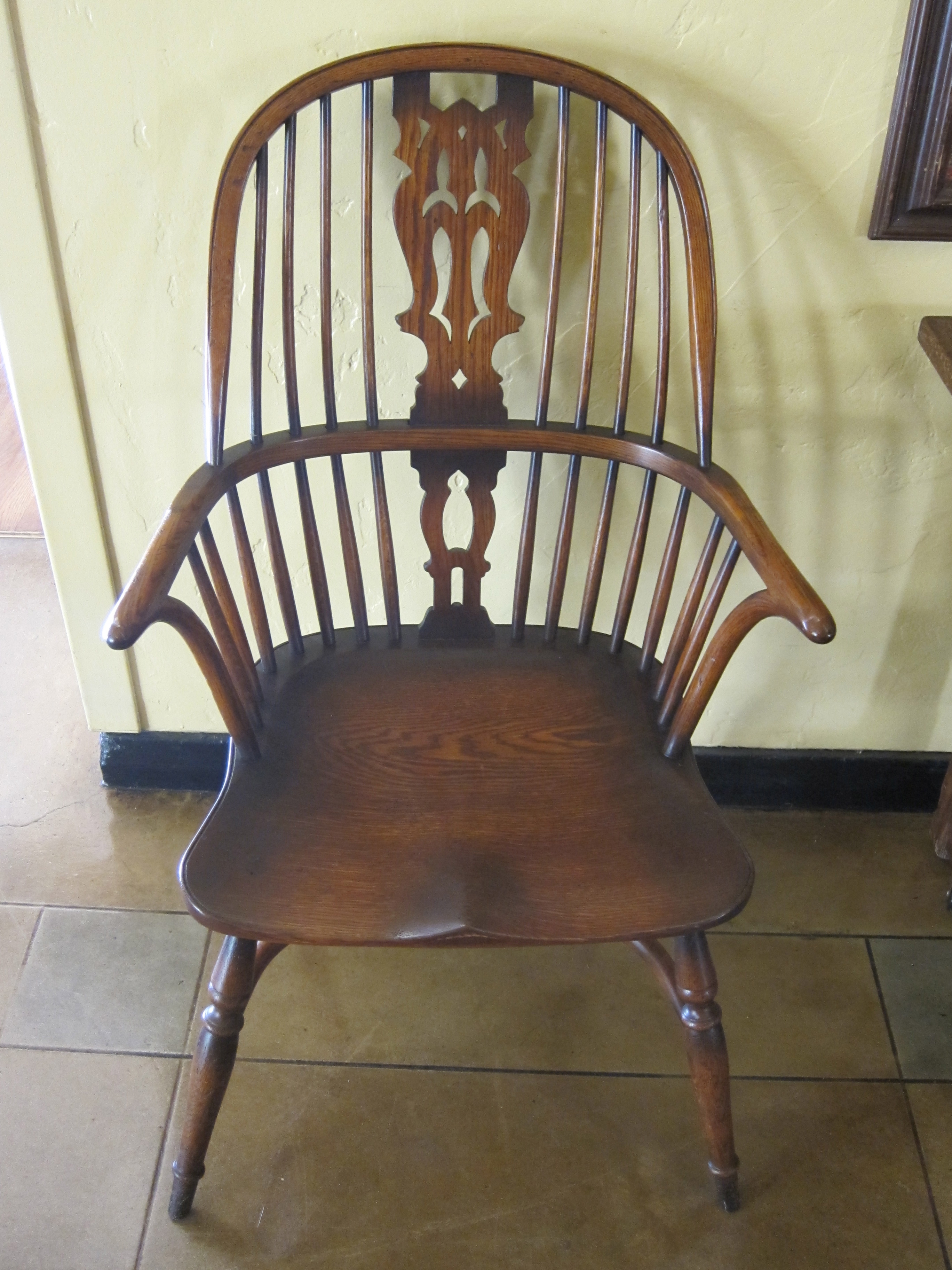
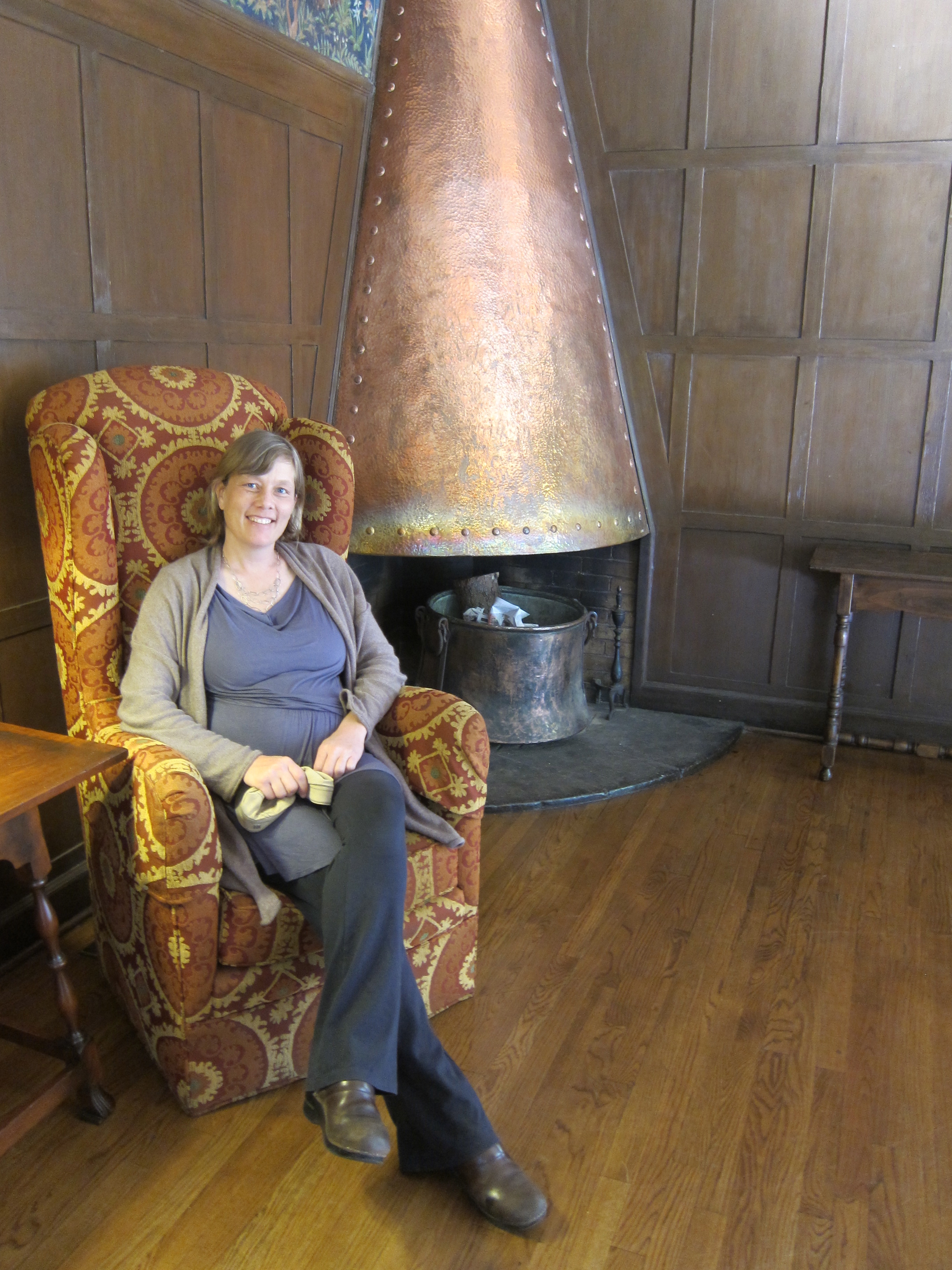
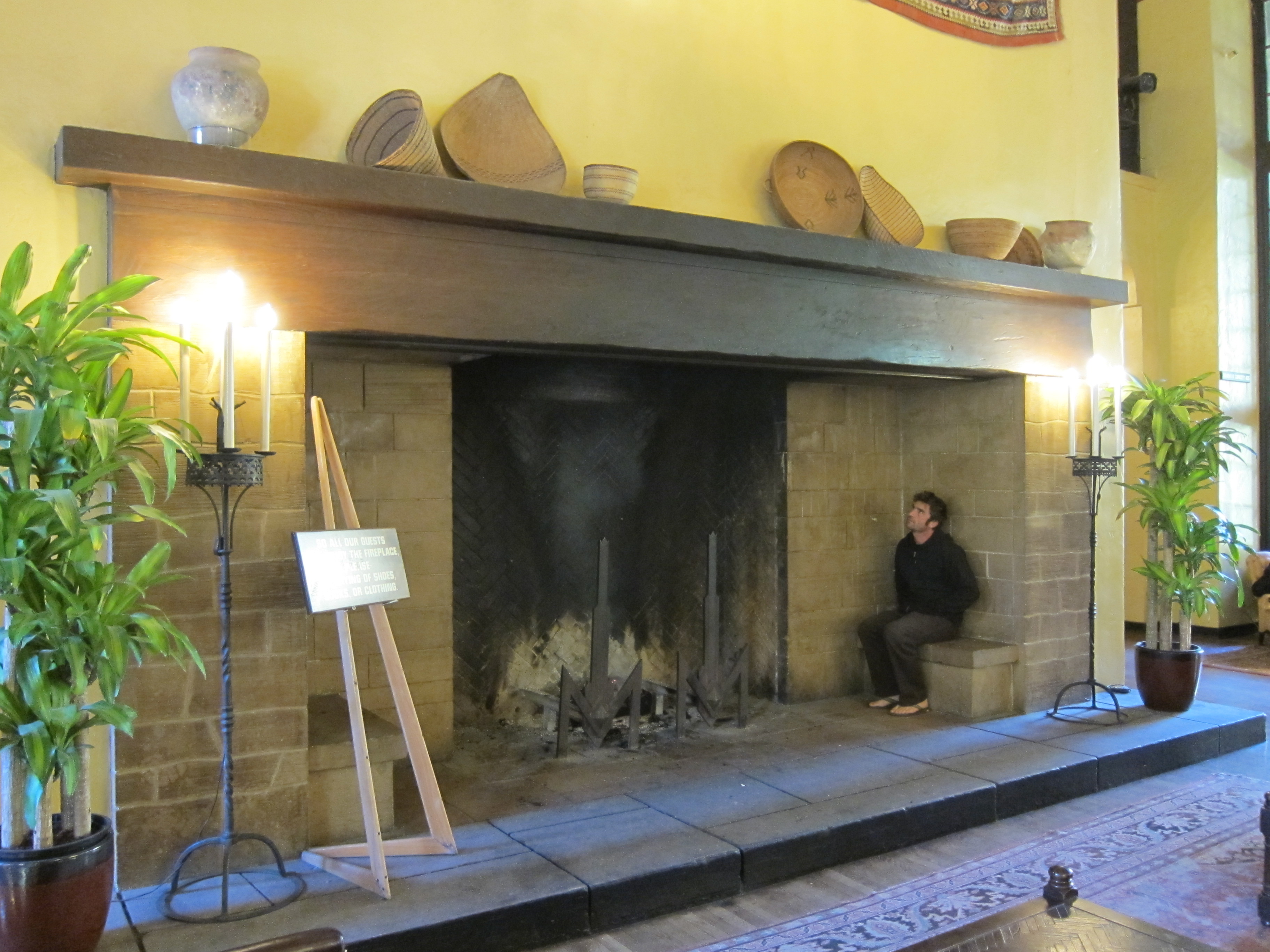
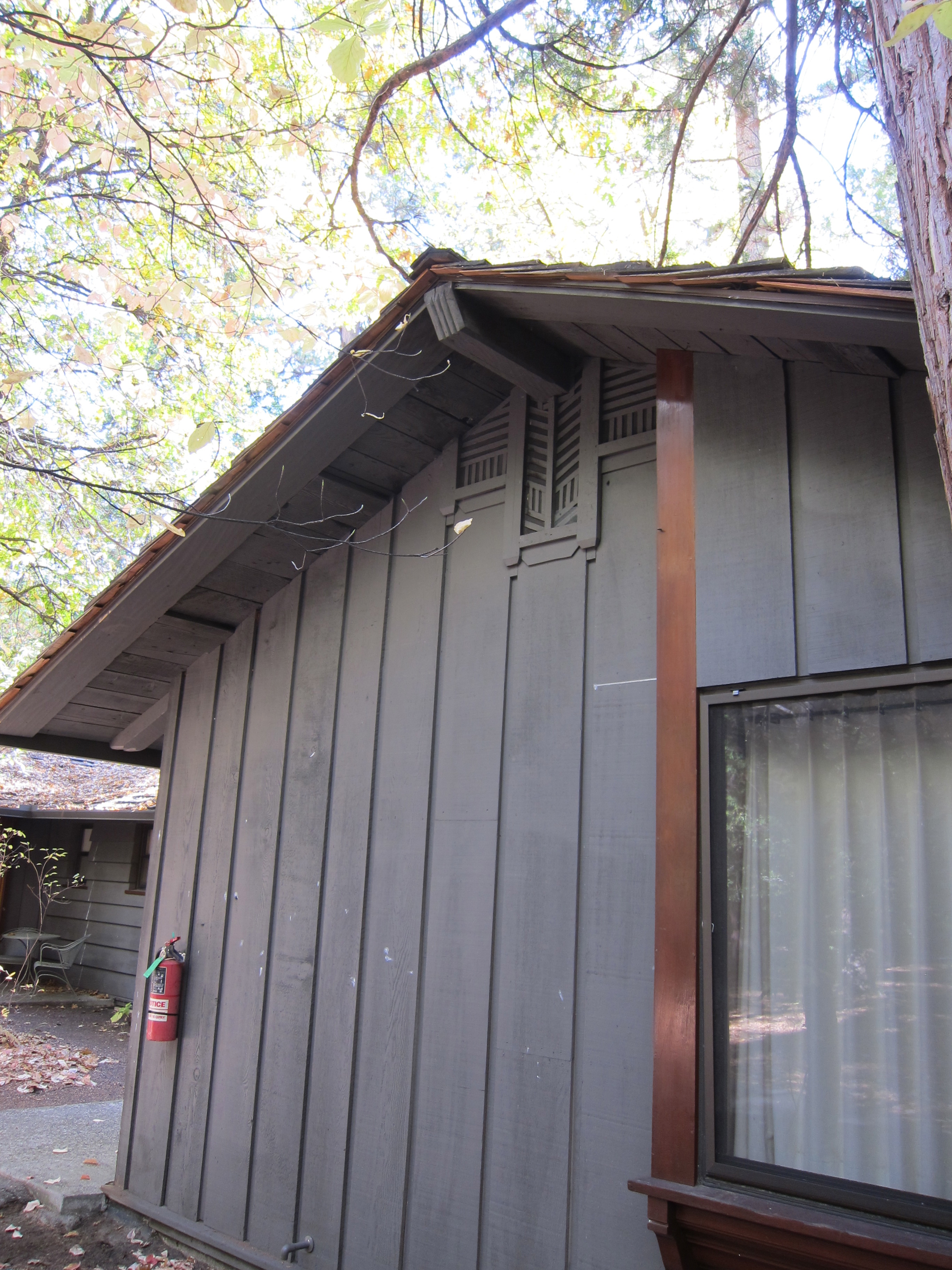
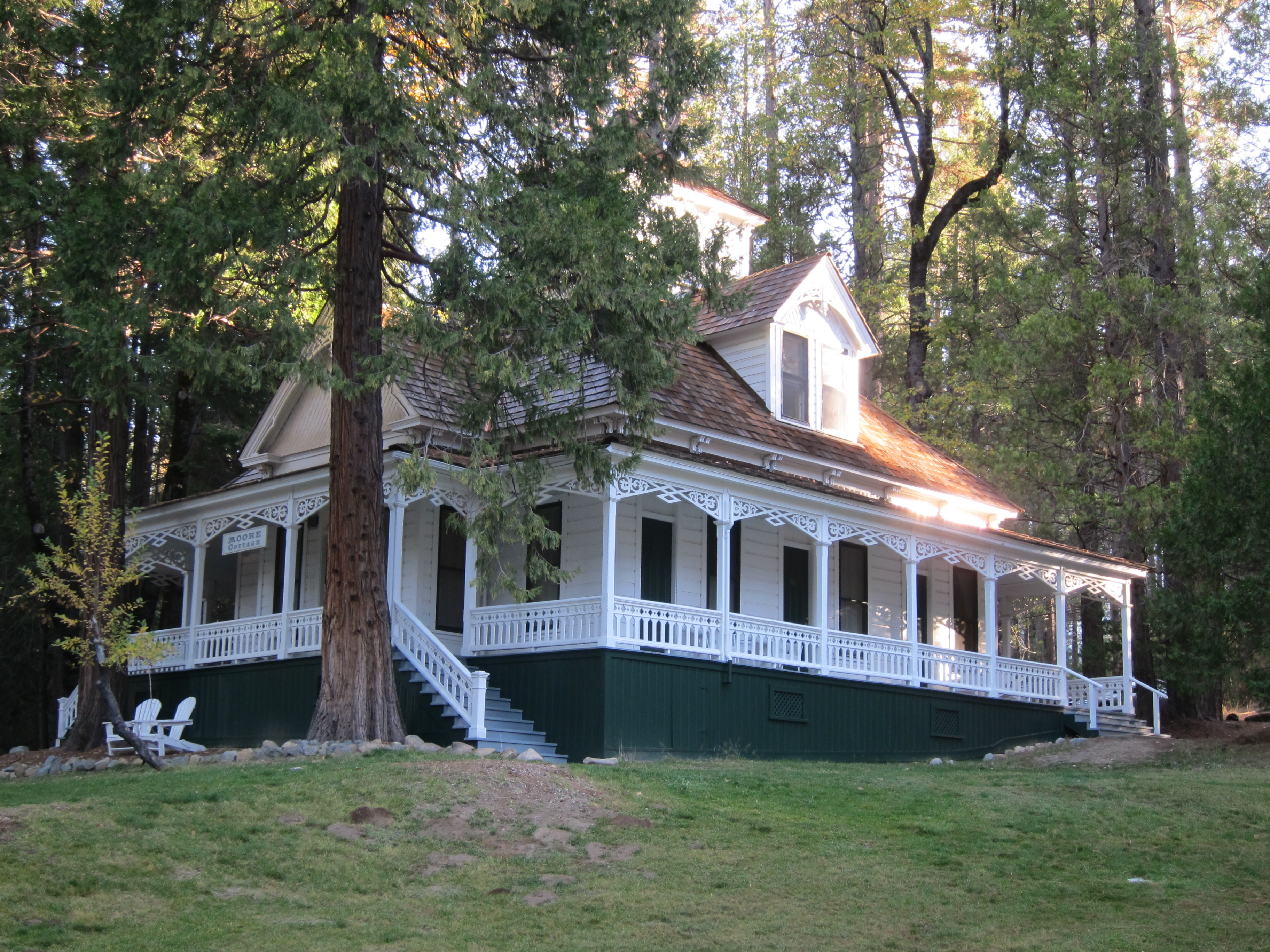
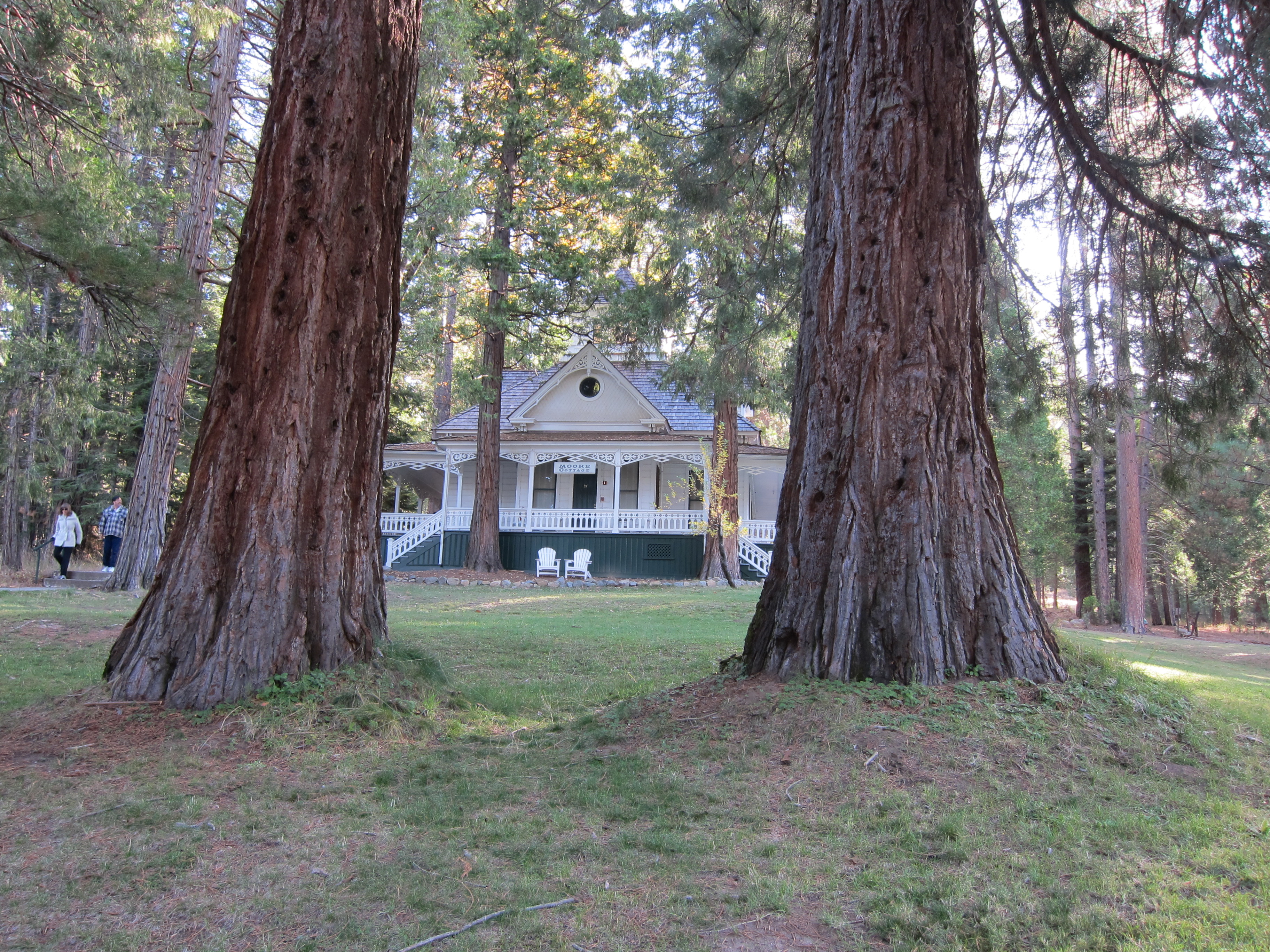
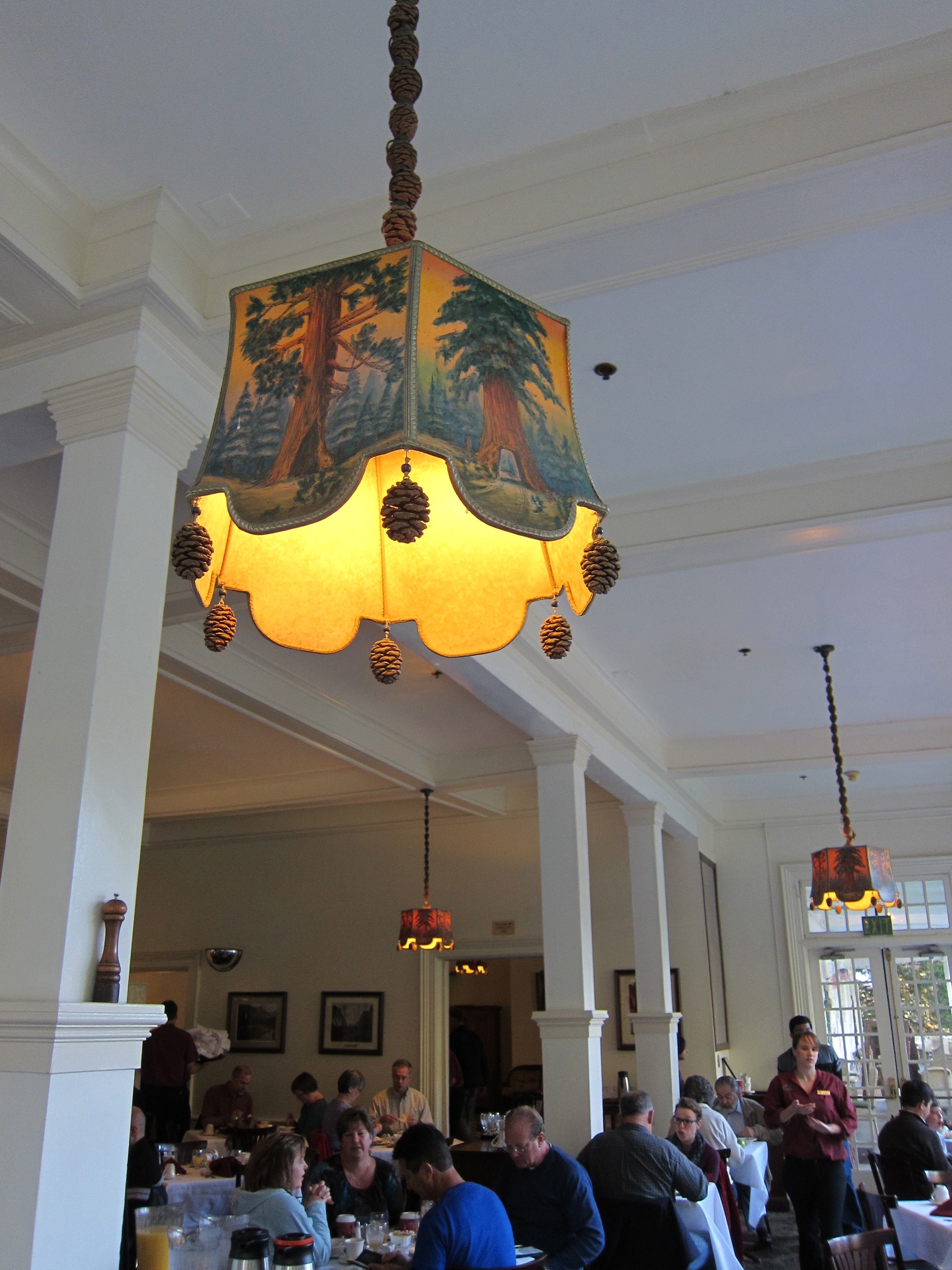
I just returned from a weekend at Yosemite National Park. We enjoyed the fall colors and the stunning natural beauty, but there are also some nice architectural details in the park. The Ahwahnee Hotel is full of decoration and geometric designs. Painted decoration, upholstery, and patterns made of wood and steel are everywhere. The Wawona Hotel, at the other end of the park is a timepiece from the early 1900s with simple white-painted buildings and cute pine cone chandeliers in the dining room.
Posted in Found Objects, tagged Detroit, historical styles, houses, stone on April 9, 2012| Leave a Comment »
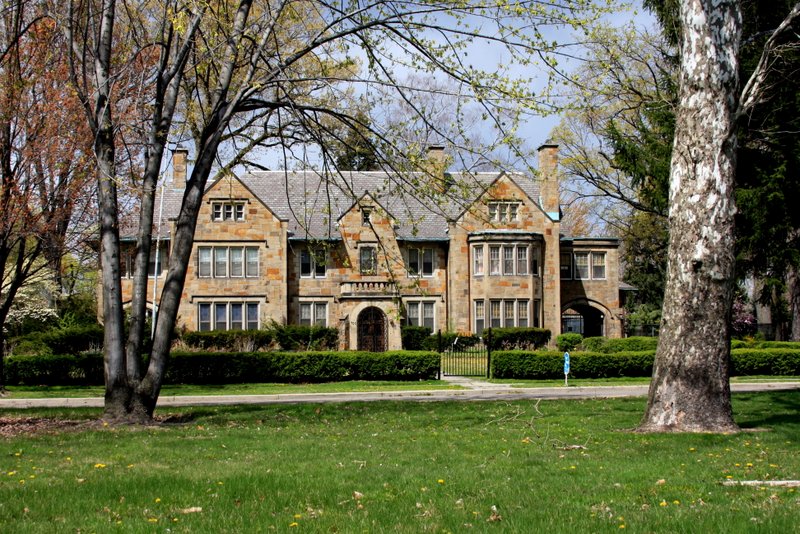
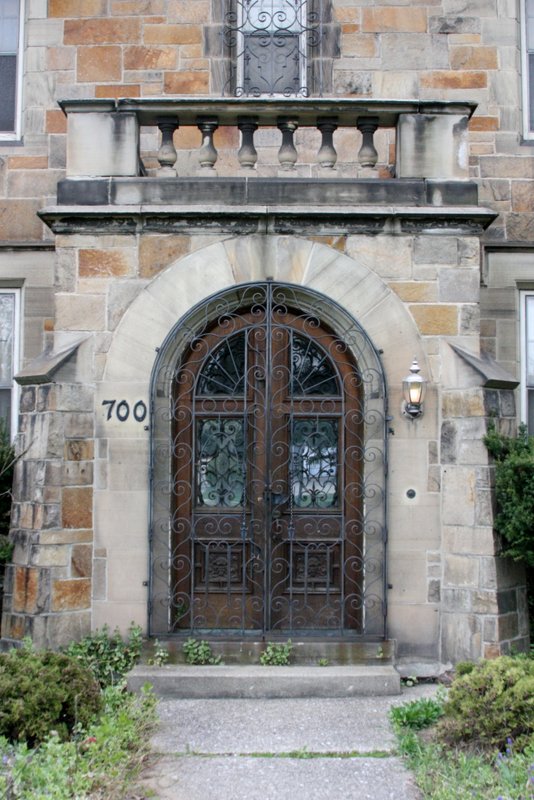
My Detroit, Michigan correspondent just sent me these photos of a stone house for sale.
Here is an article with more photos of the house from the local paper.
Some of the details include carved wooden heads of Tigers baseball players decorating the mantle.
It looks like it has been well maintained. Move right in!
Posted in Found Objects, tagged desert architecture, historical styles, houses, landscape, prospect & refuge, urban design on April 7, 2012| Leave a Comment »
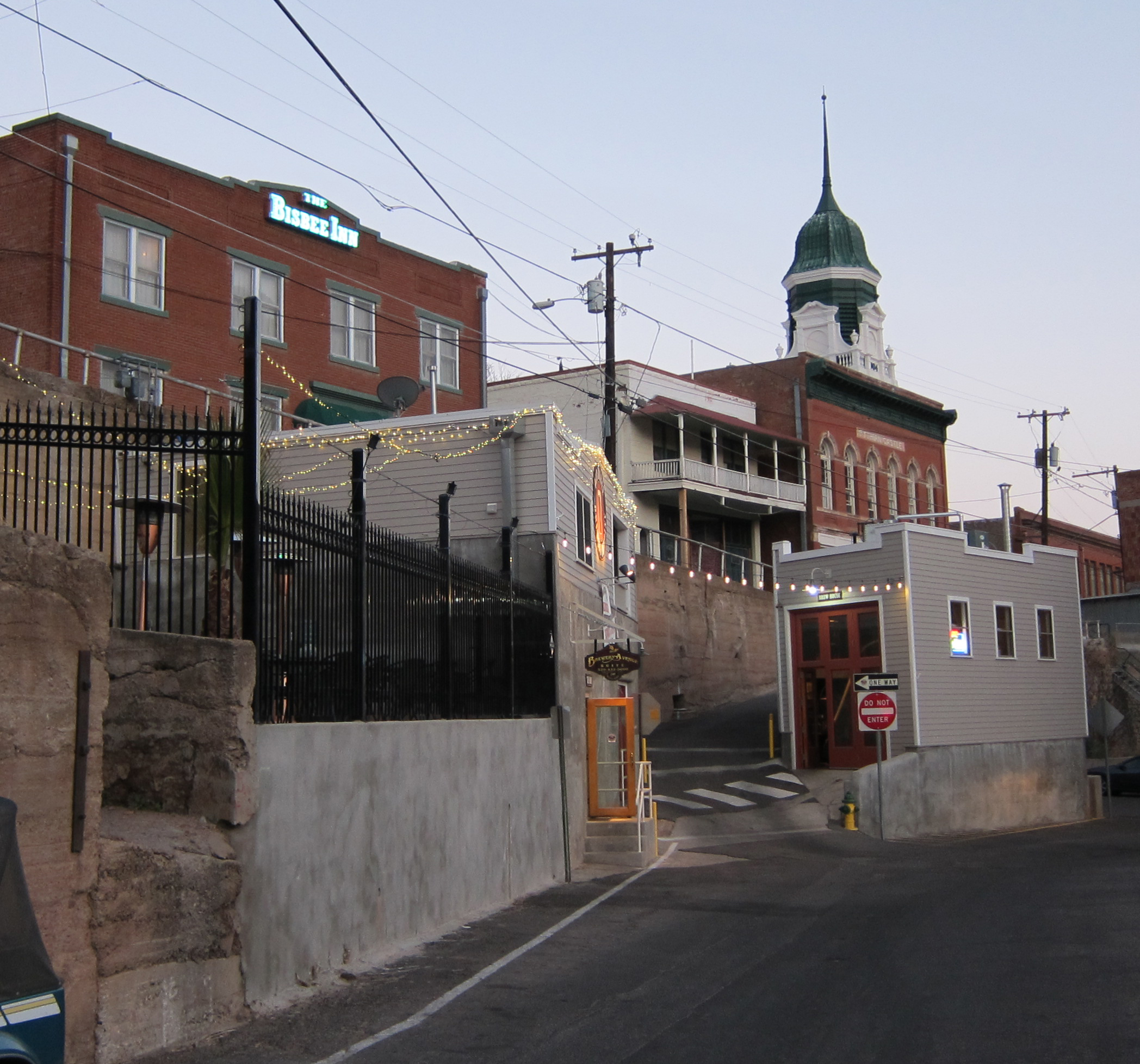
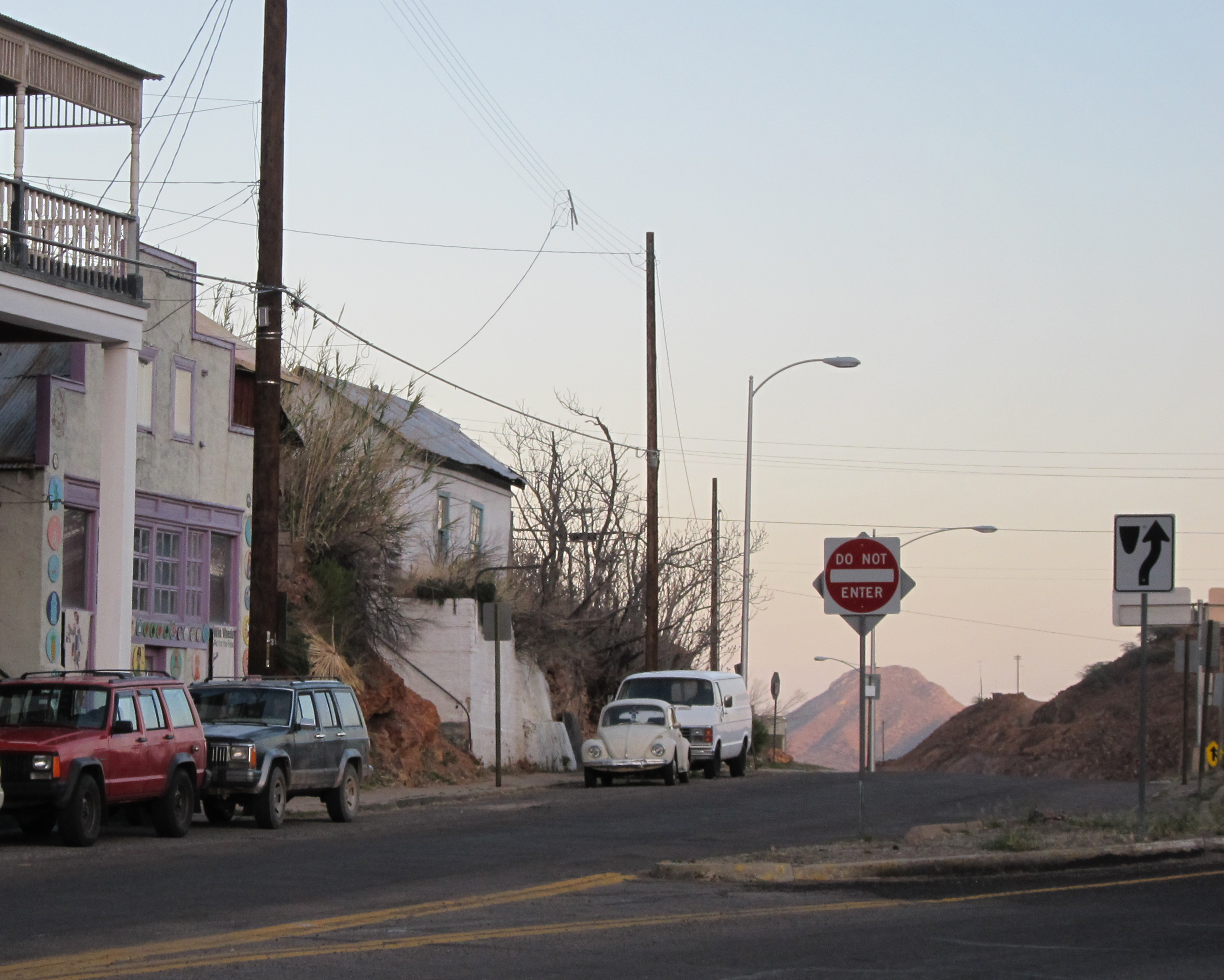
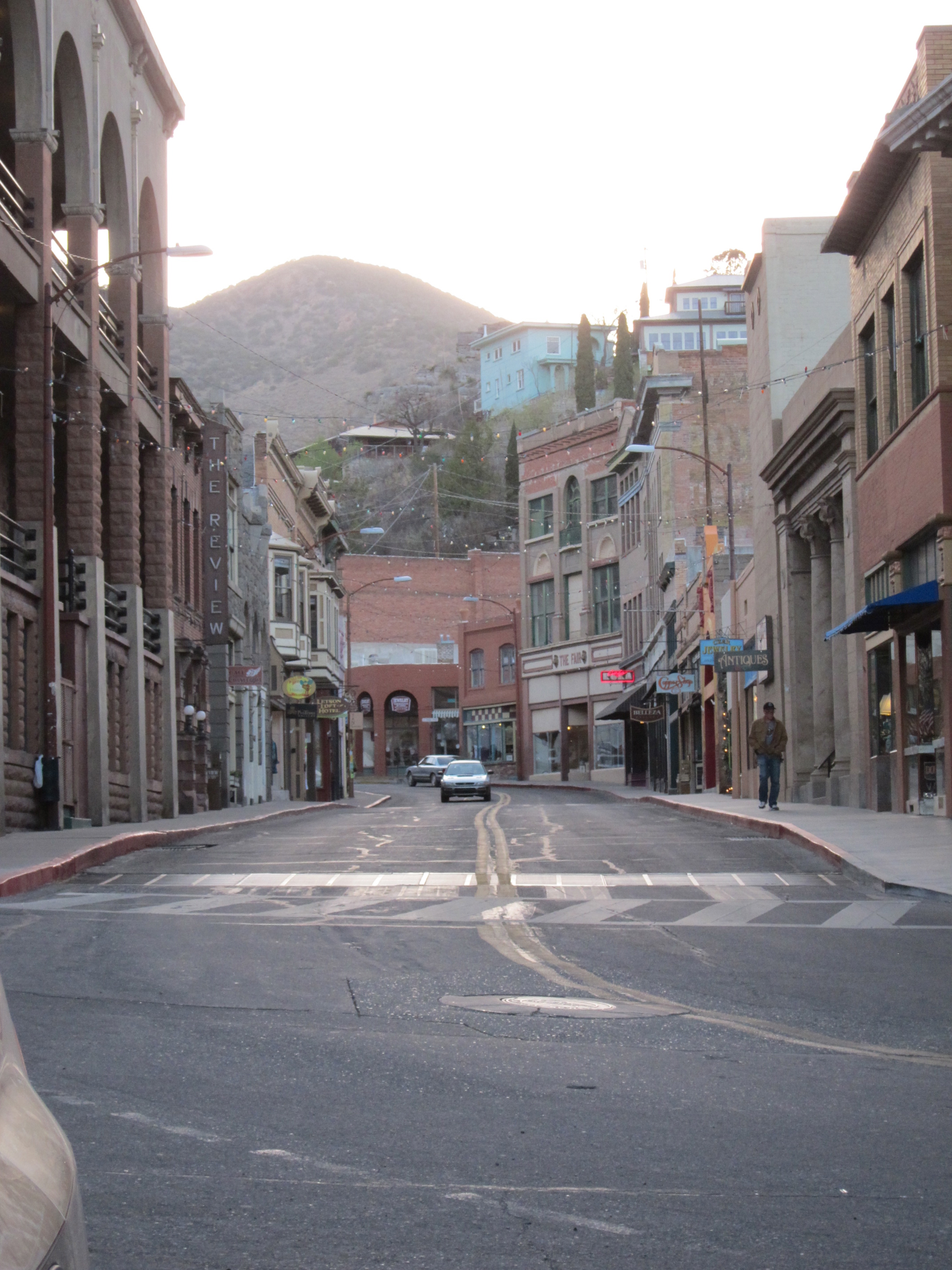
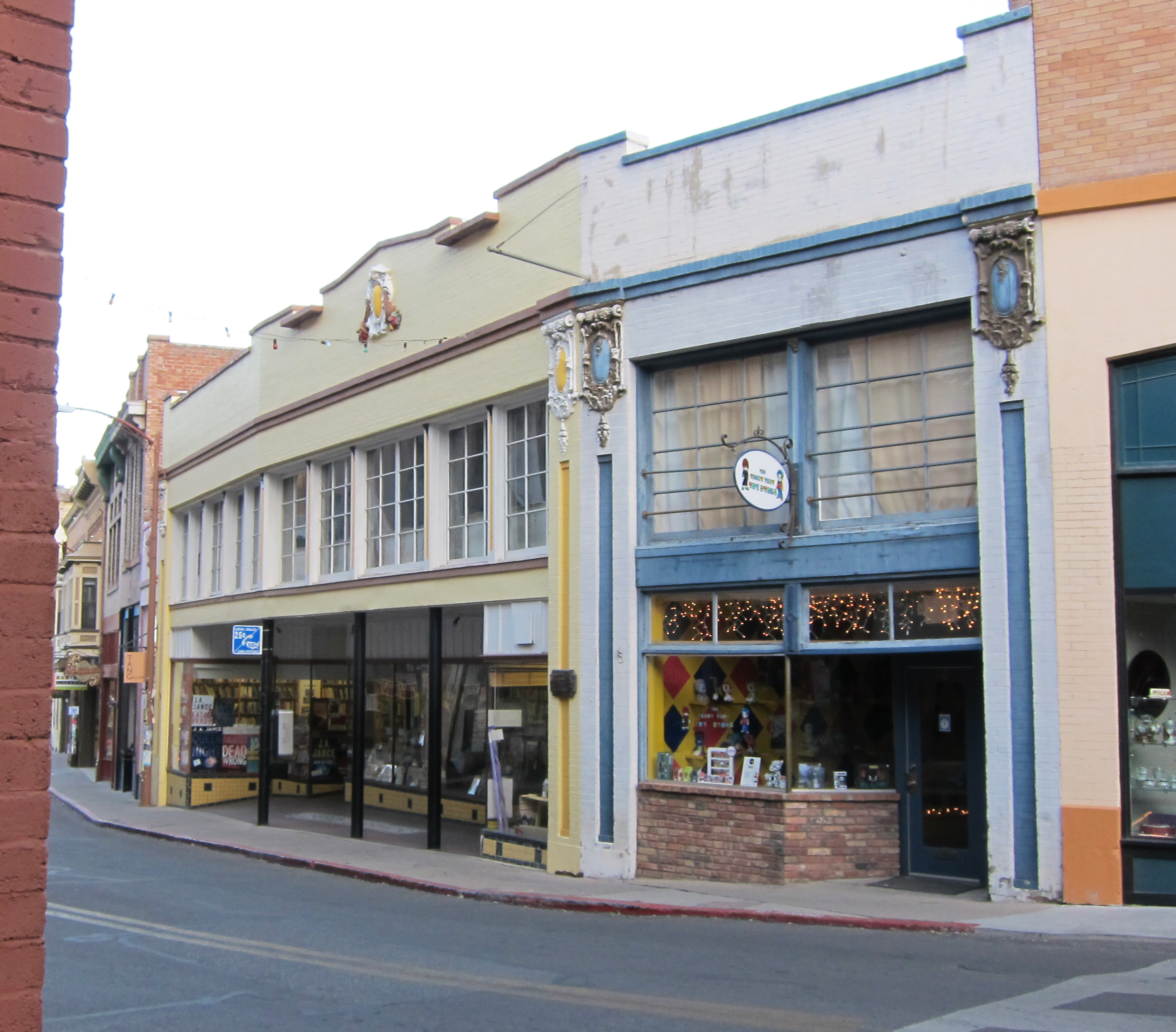
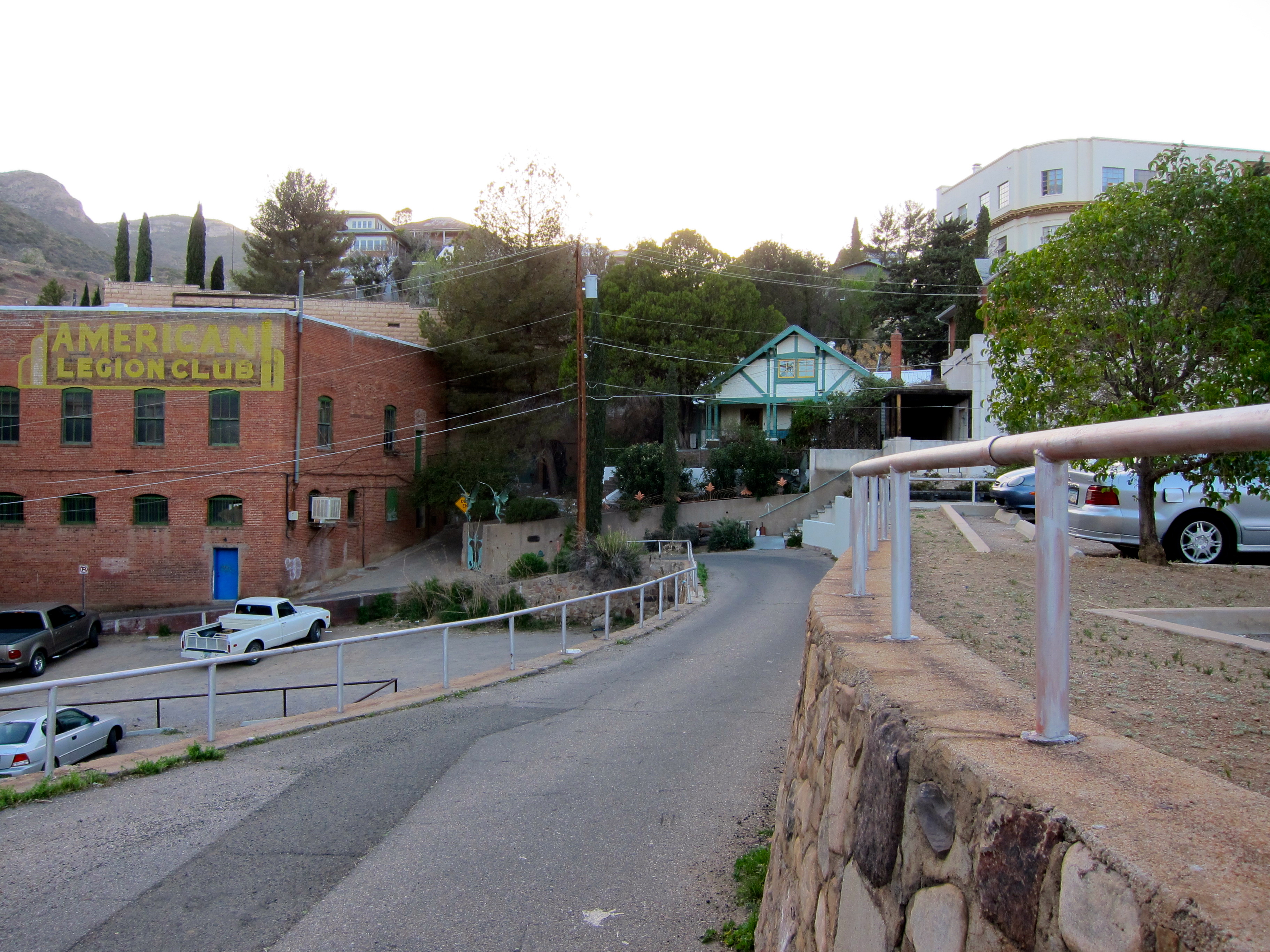
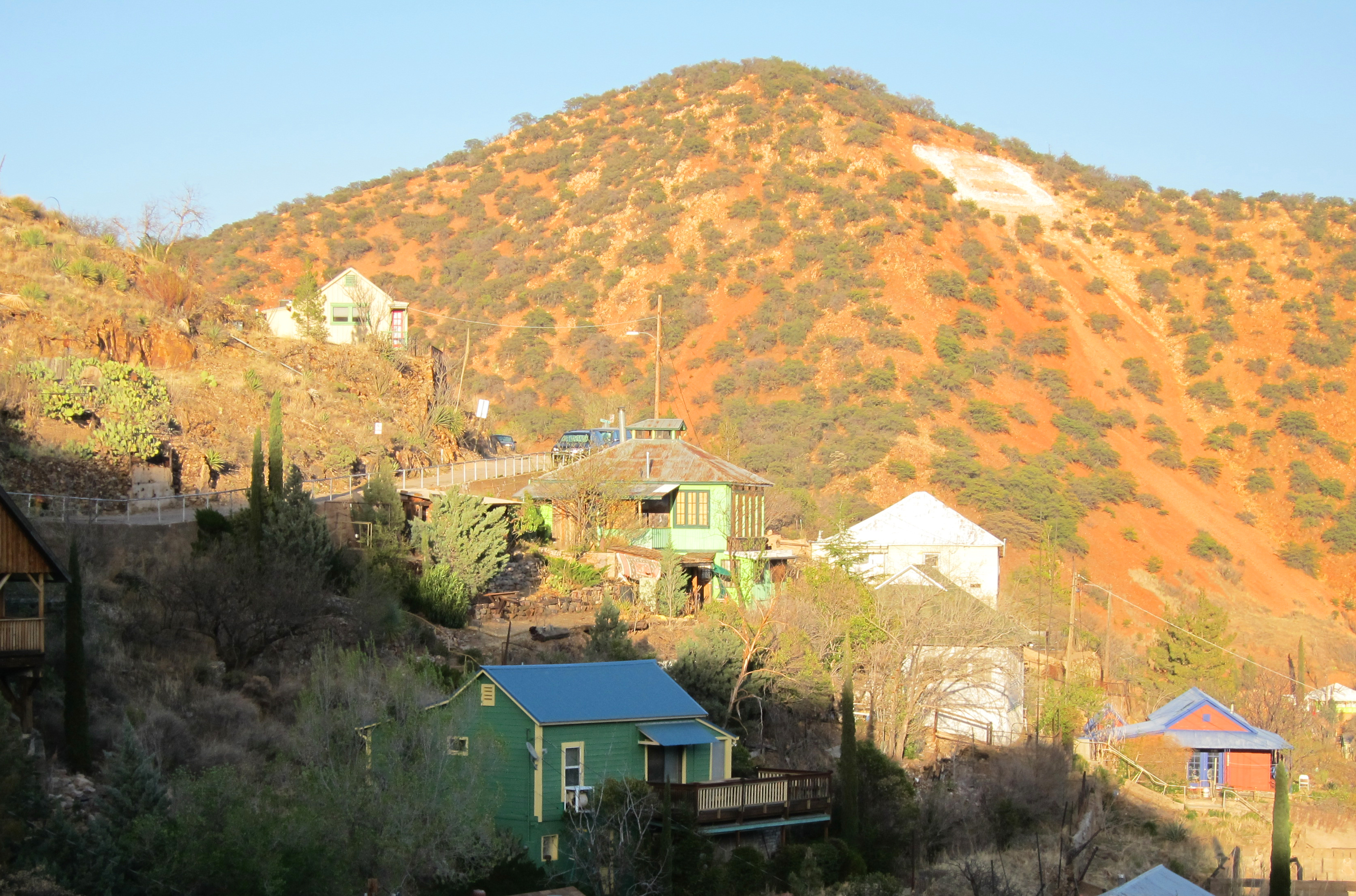
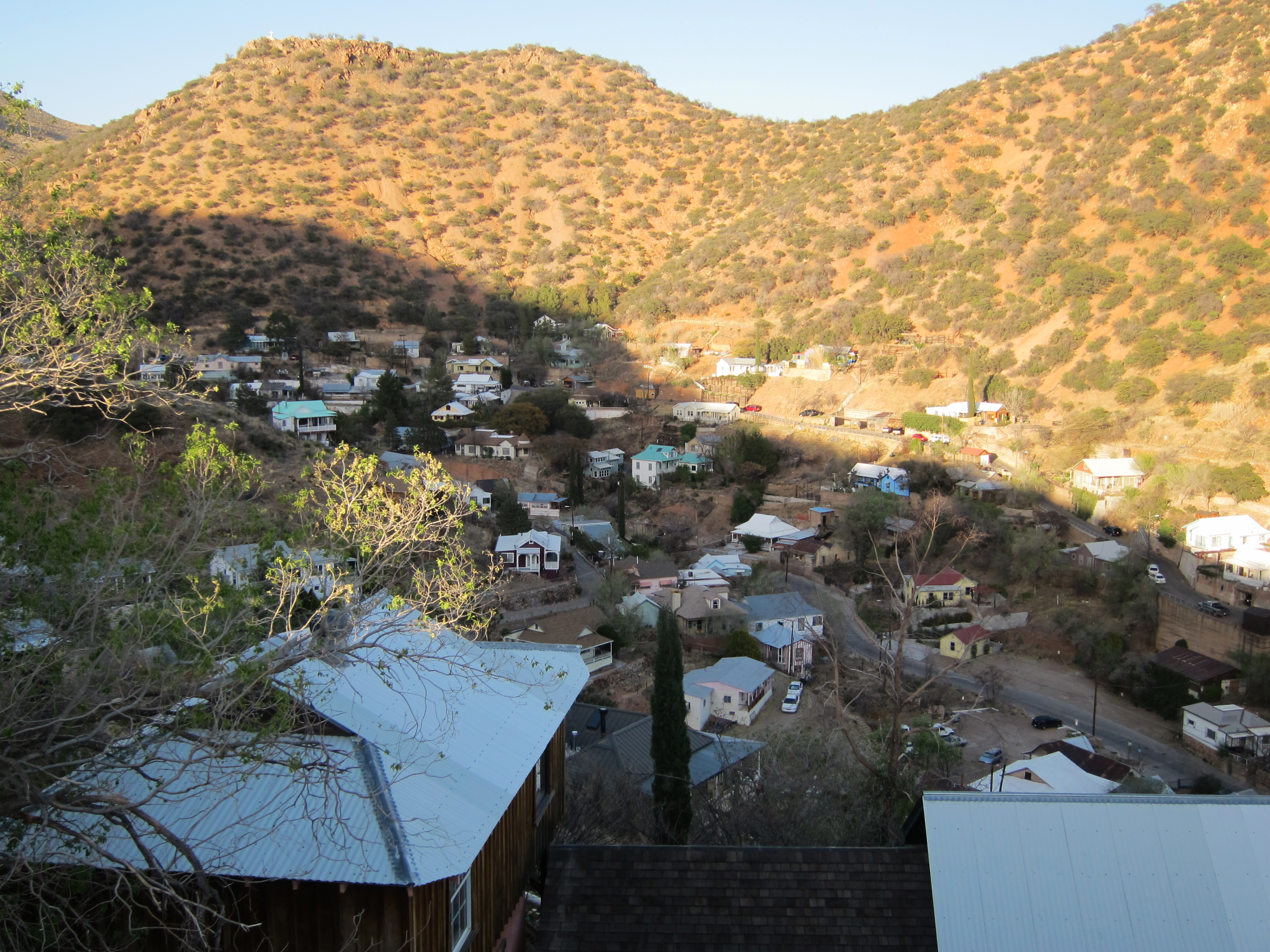
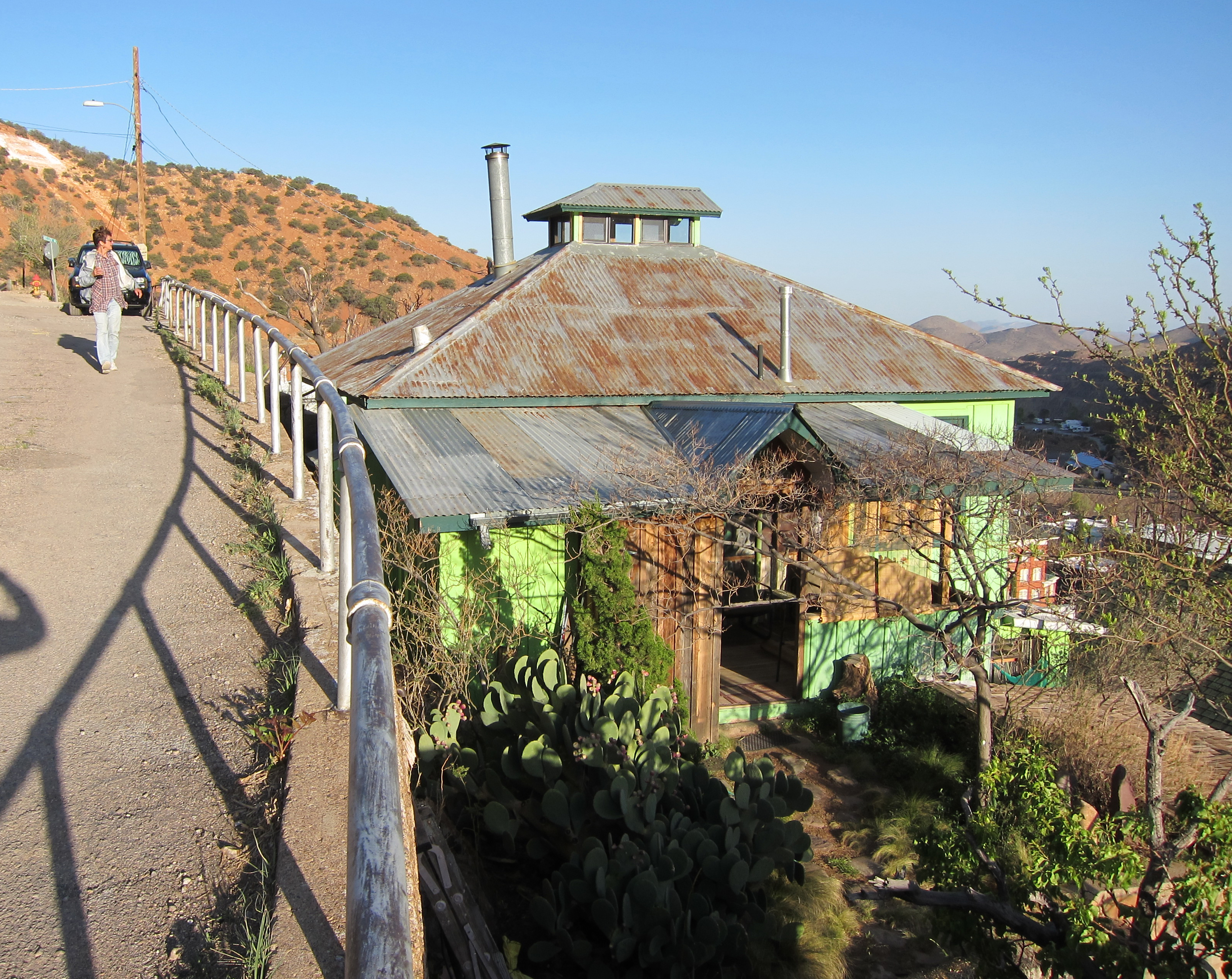
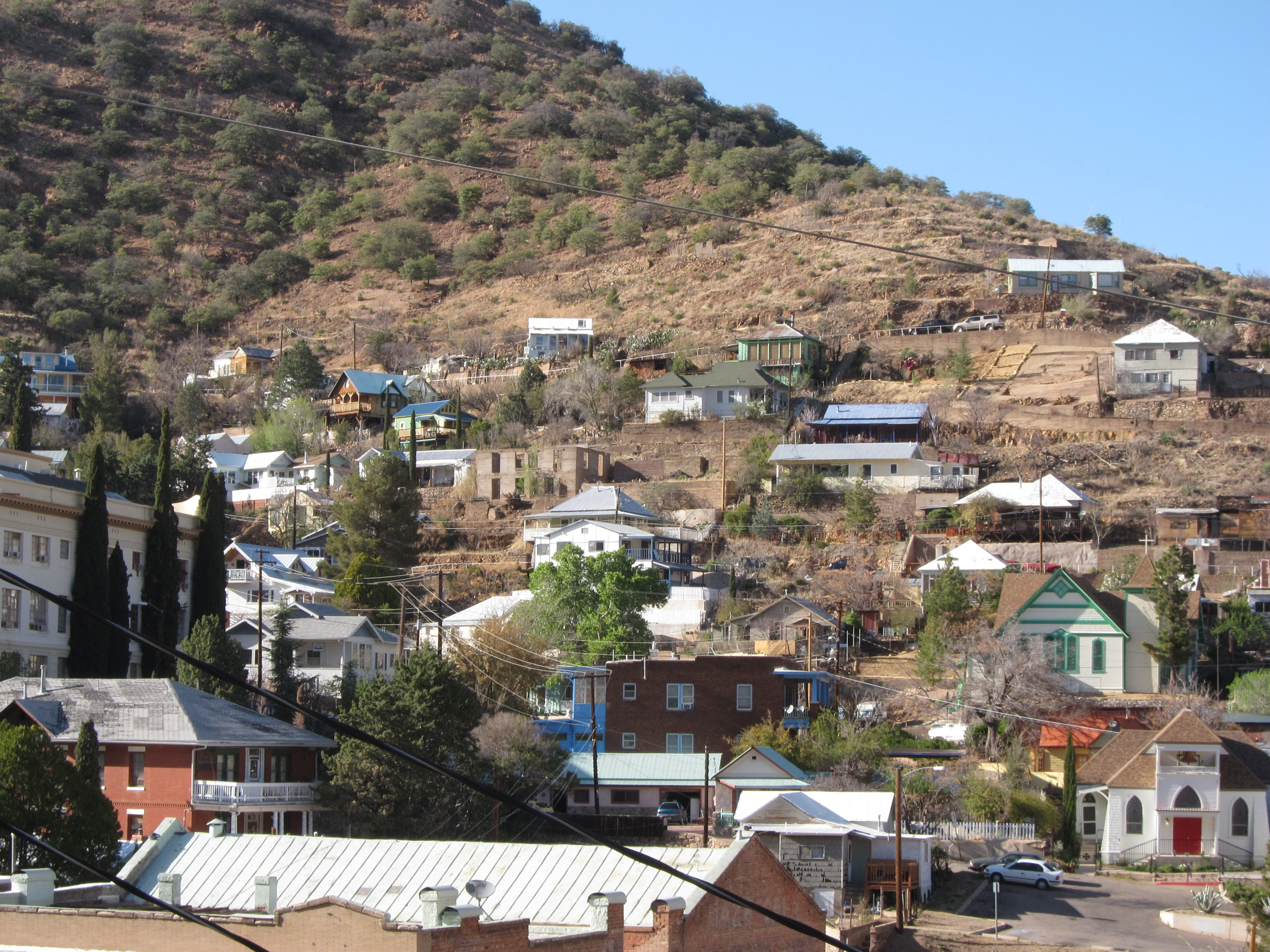
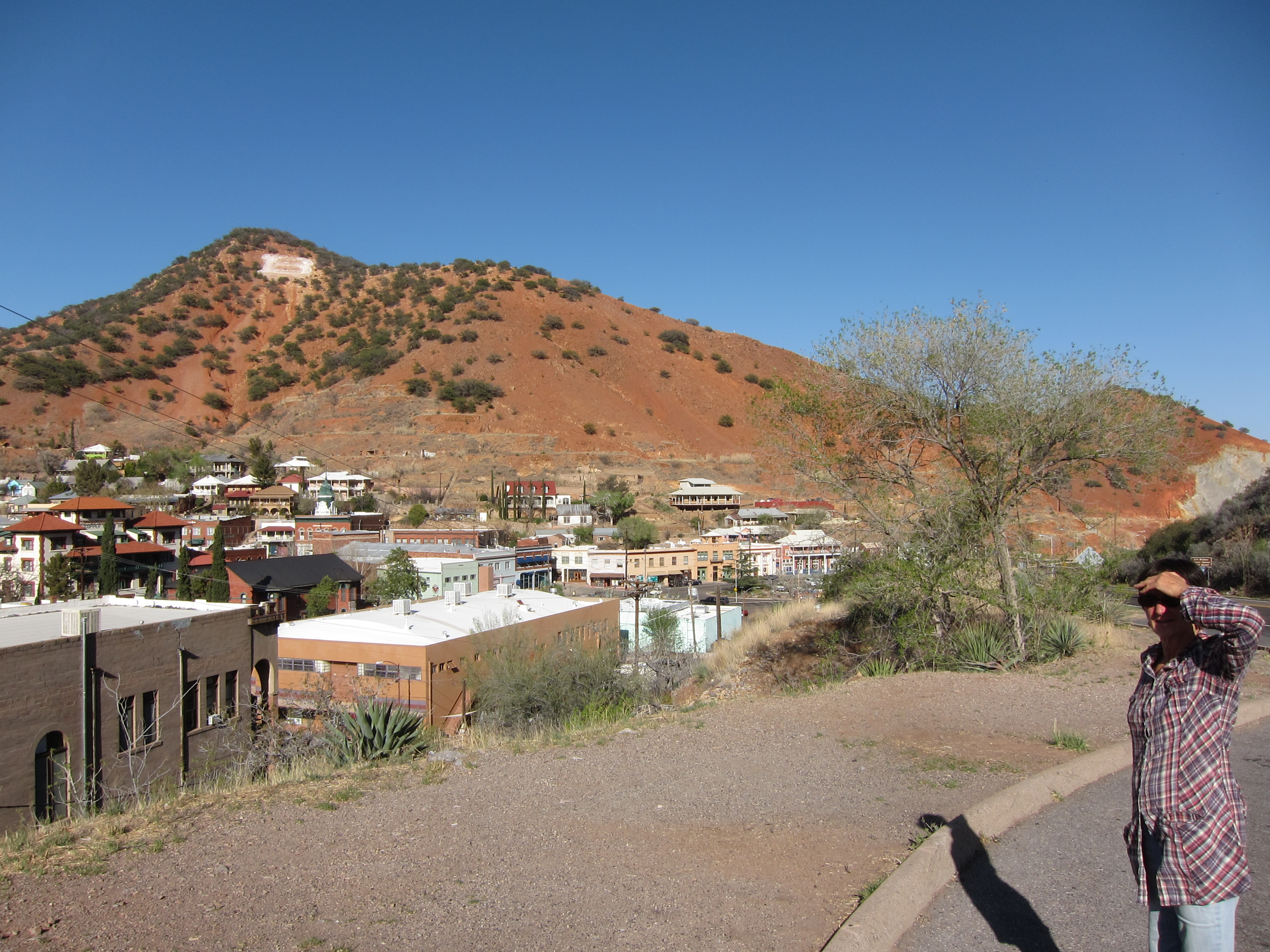
Built into a valley with steep hills all around, Bisbee has very interesting sectional properties (archi-speak for lots of level changes and three dimensional relationships between structures and spaces.) Every view is slightly different and the absence of significant trees makes the effects of the topography more dramatic. In addition to the elevation changes the curving streets make things even more picturesque.
Posted in Found Objects, tagged arizona, color, desert architecture, historical styles, houses, rigid design guidlines, Tucson, turquoise on March 5, 2012| 2 Comments »
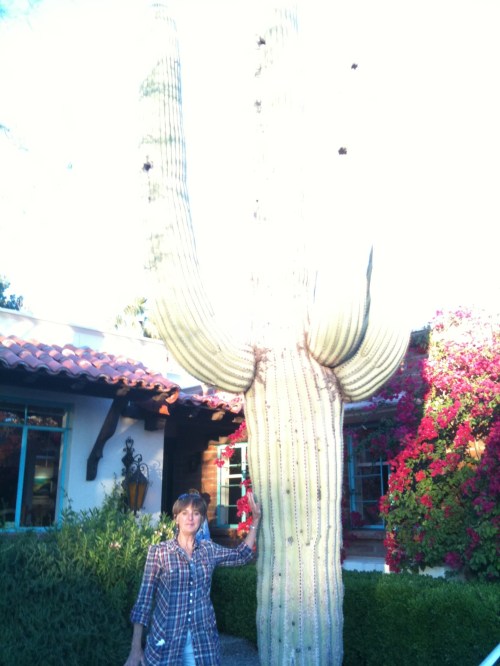
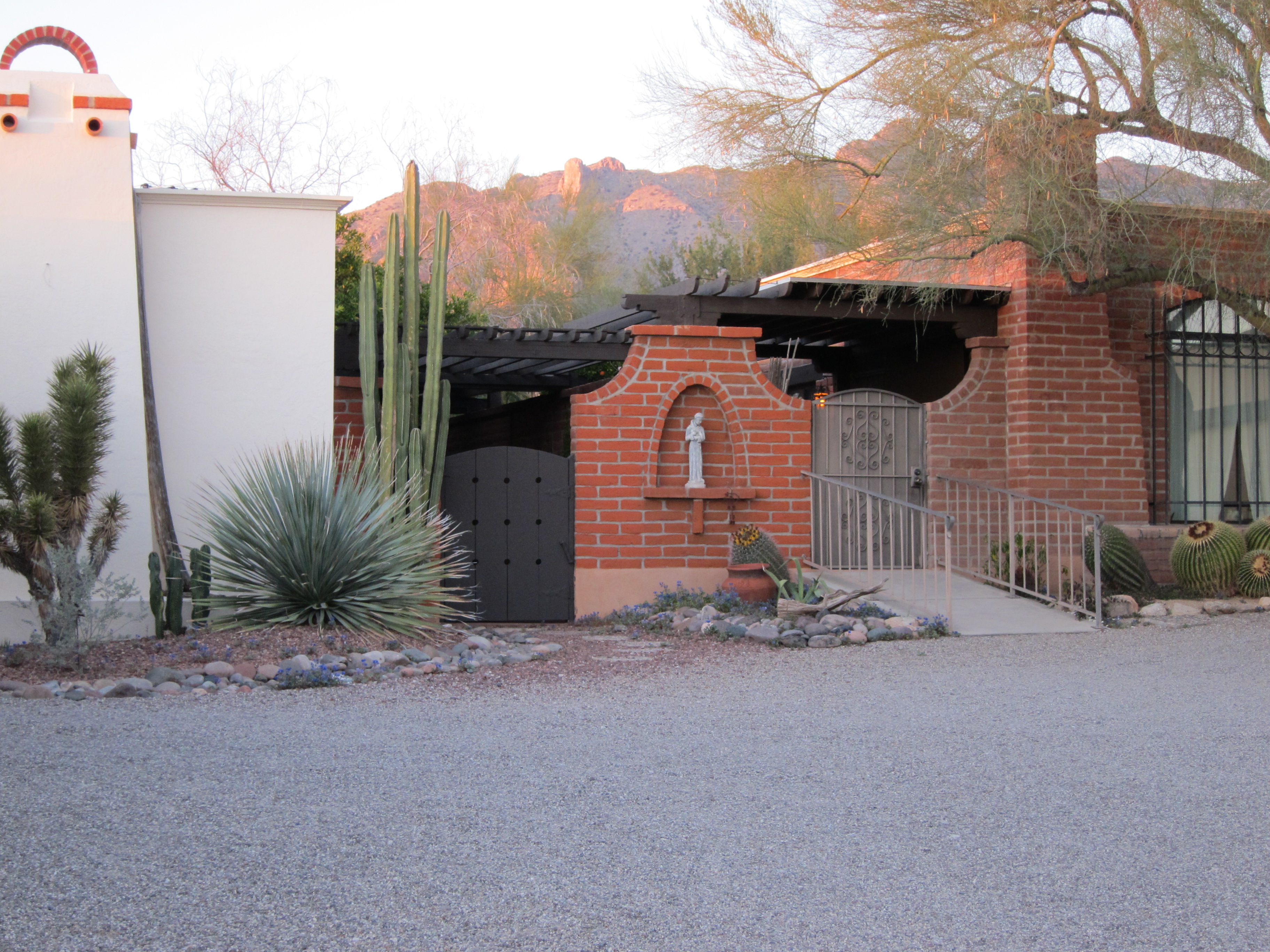
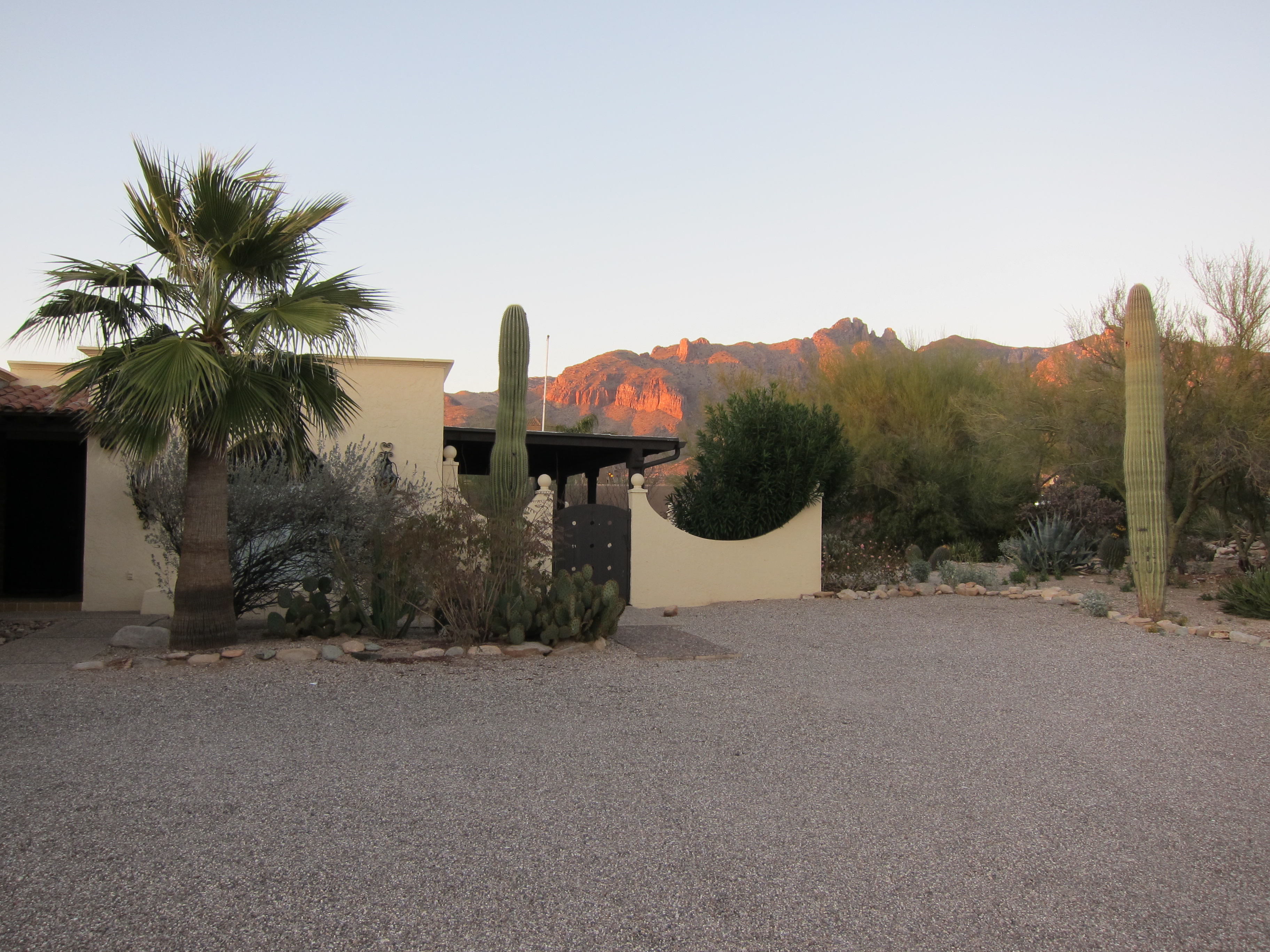
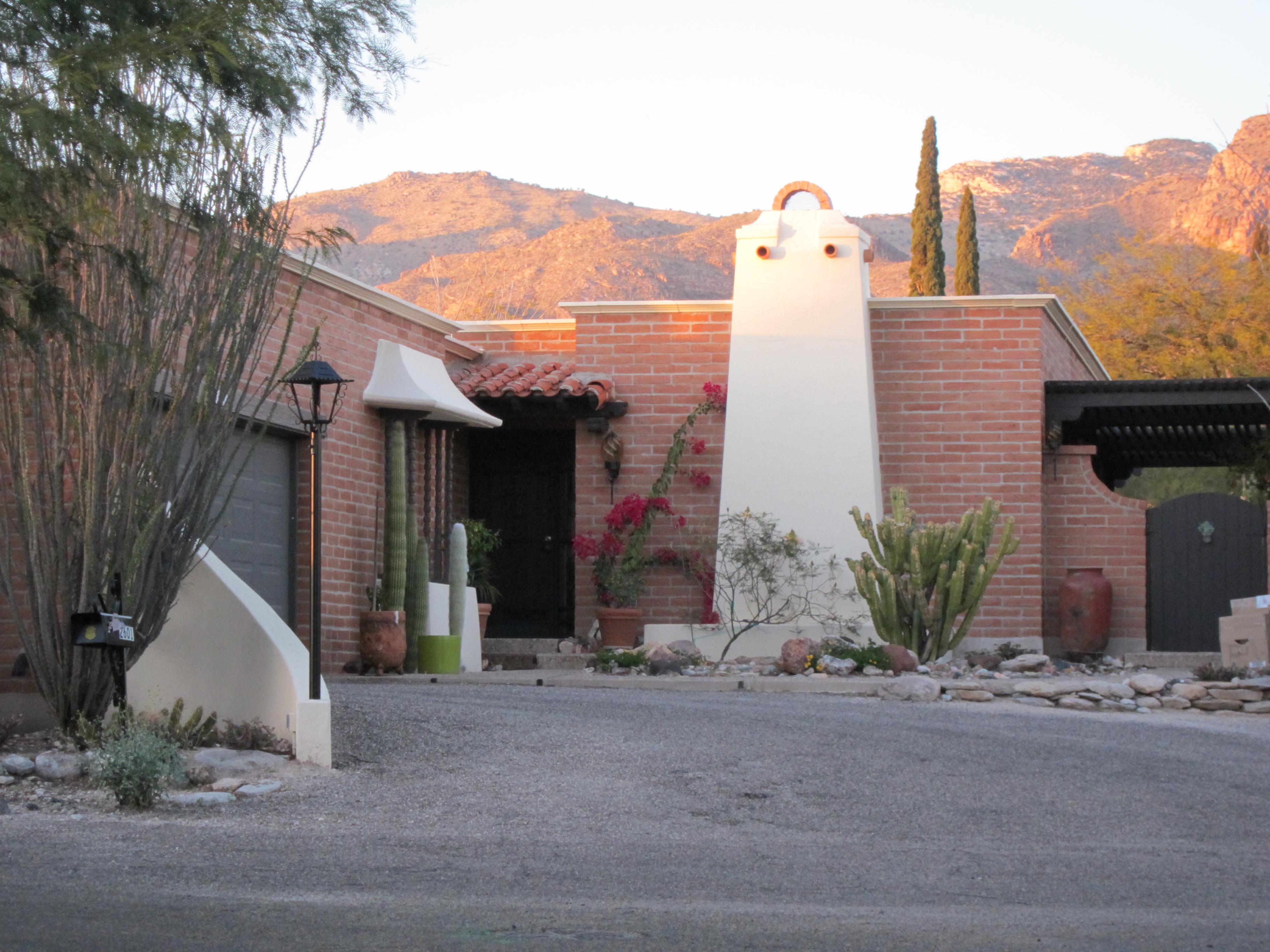
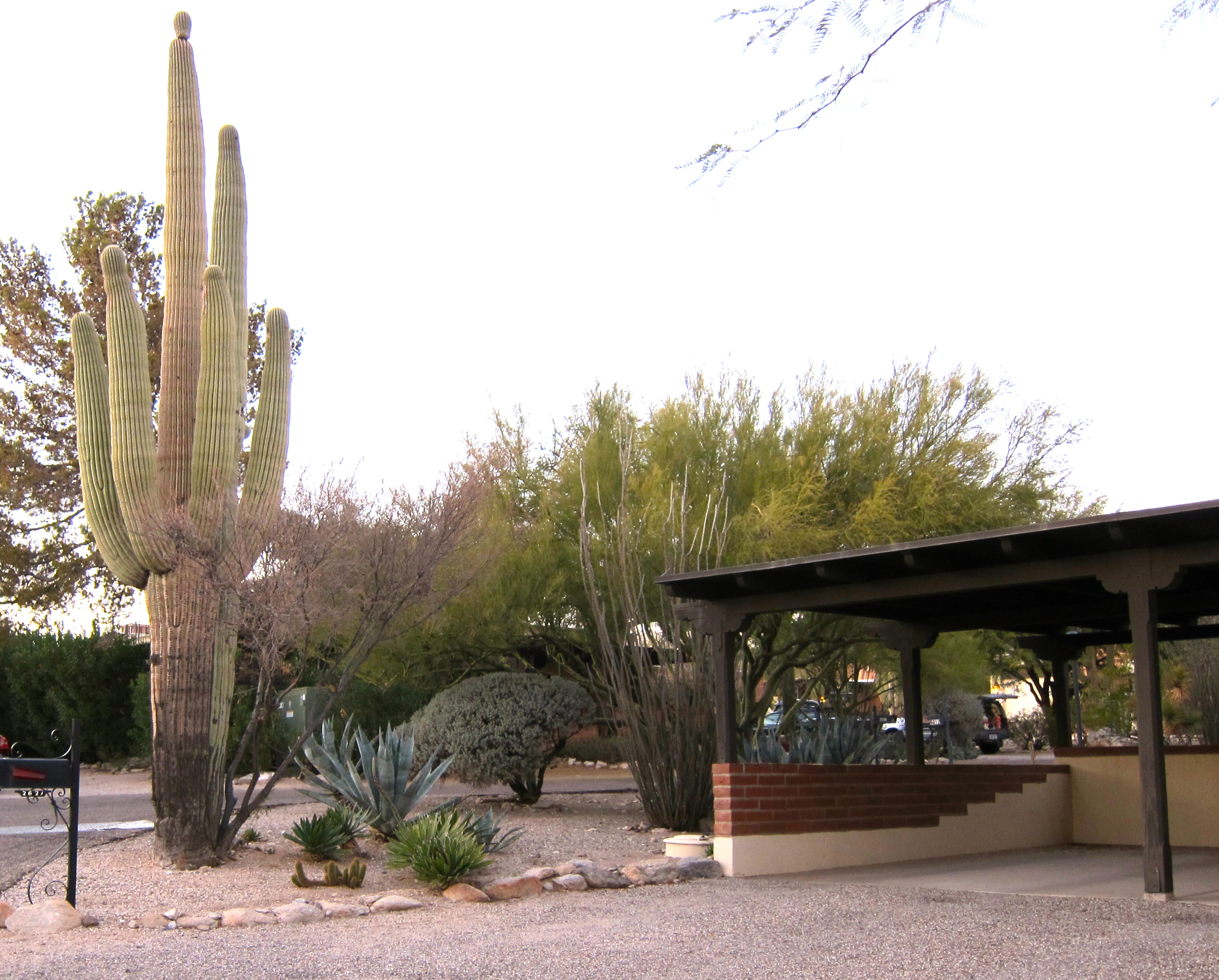
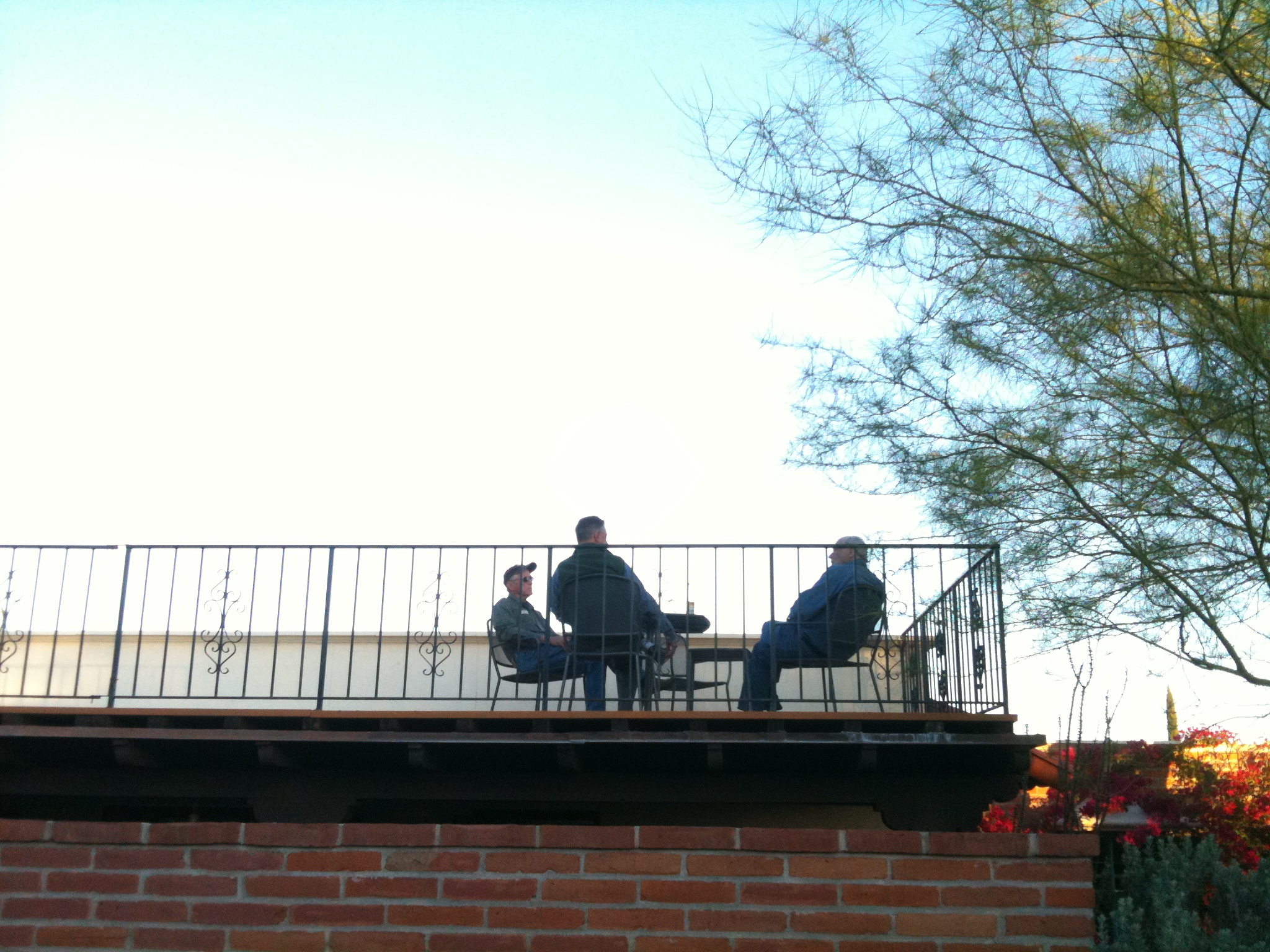
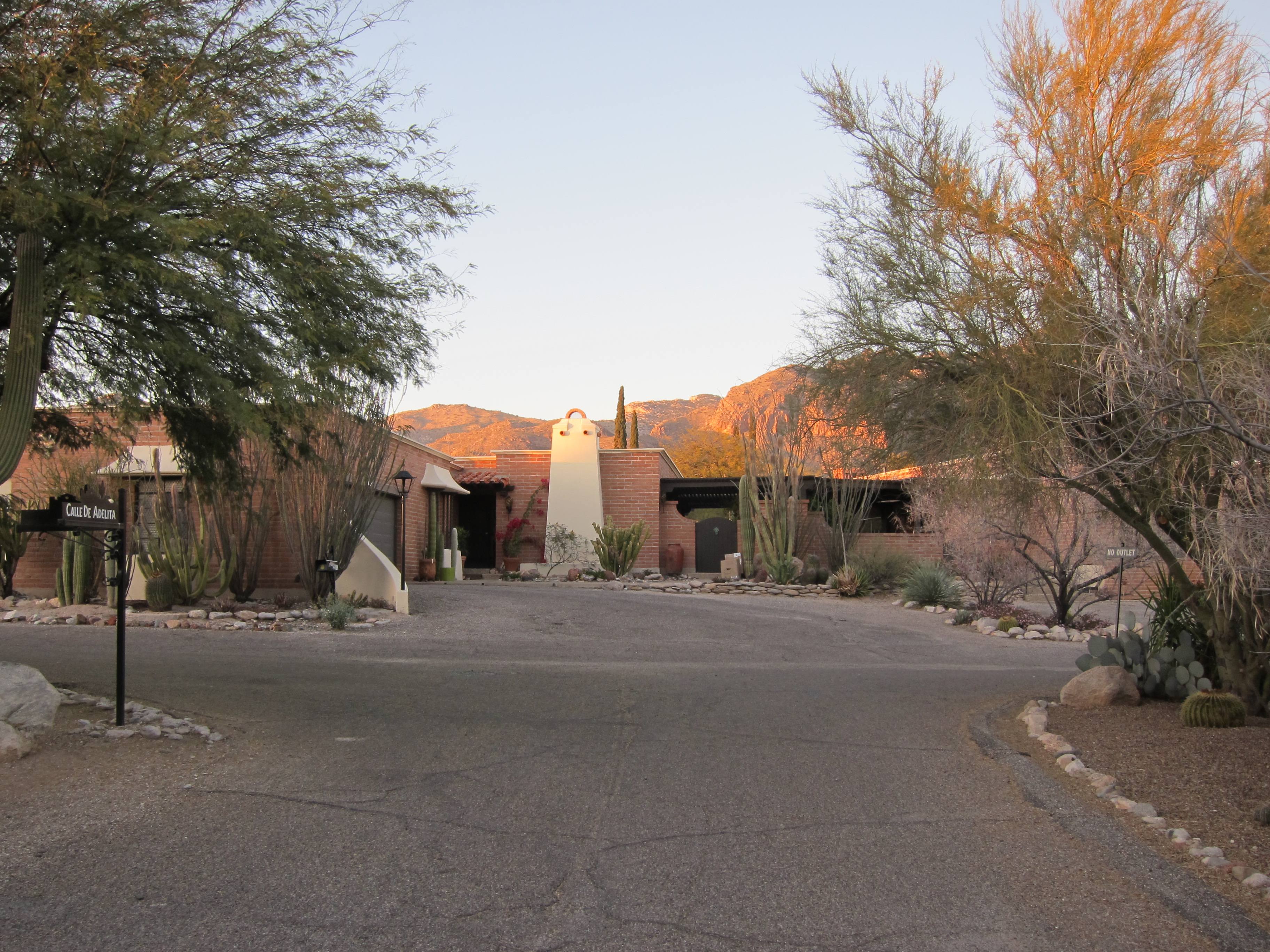
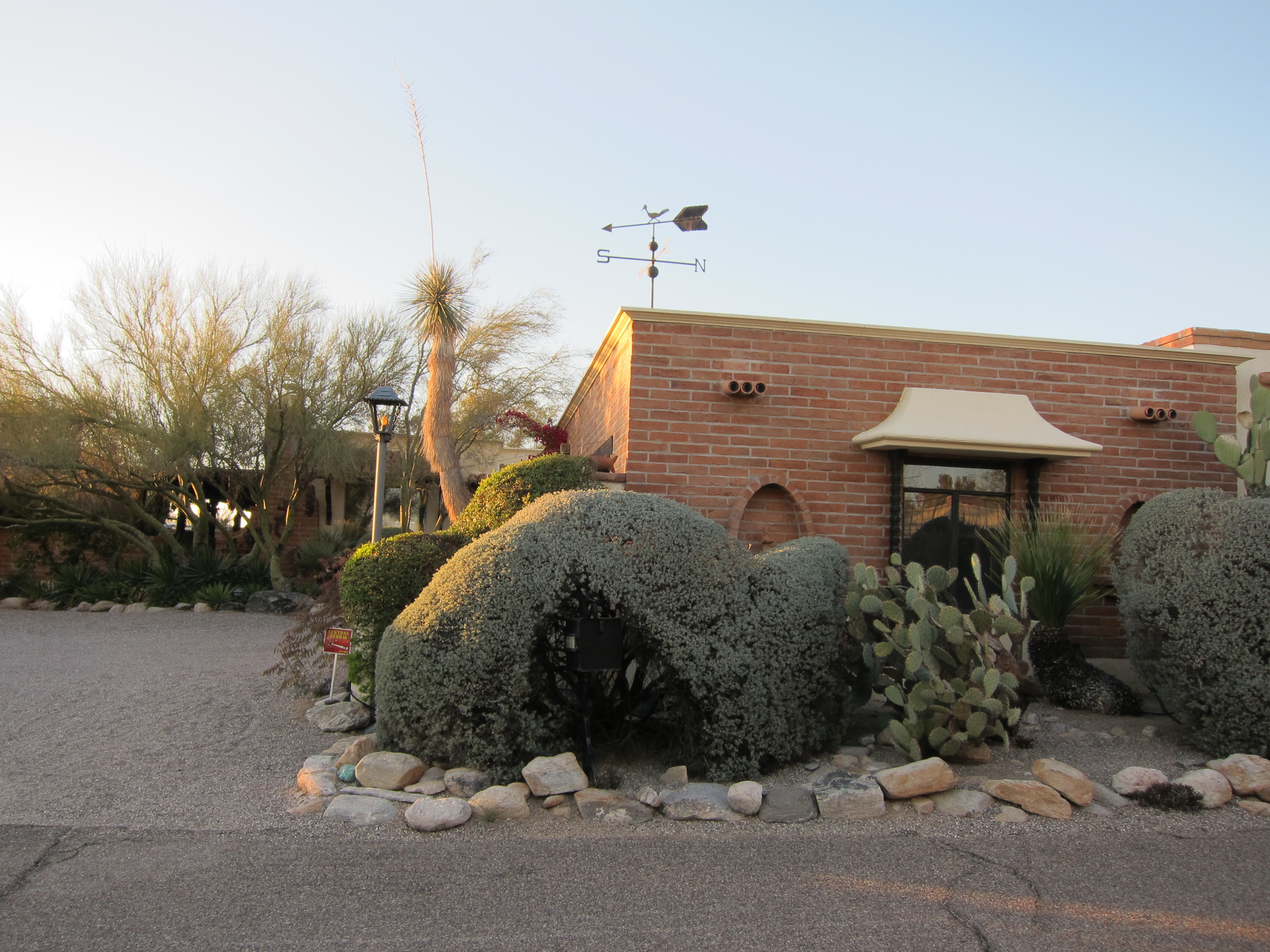
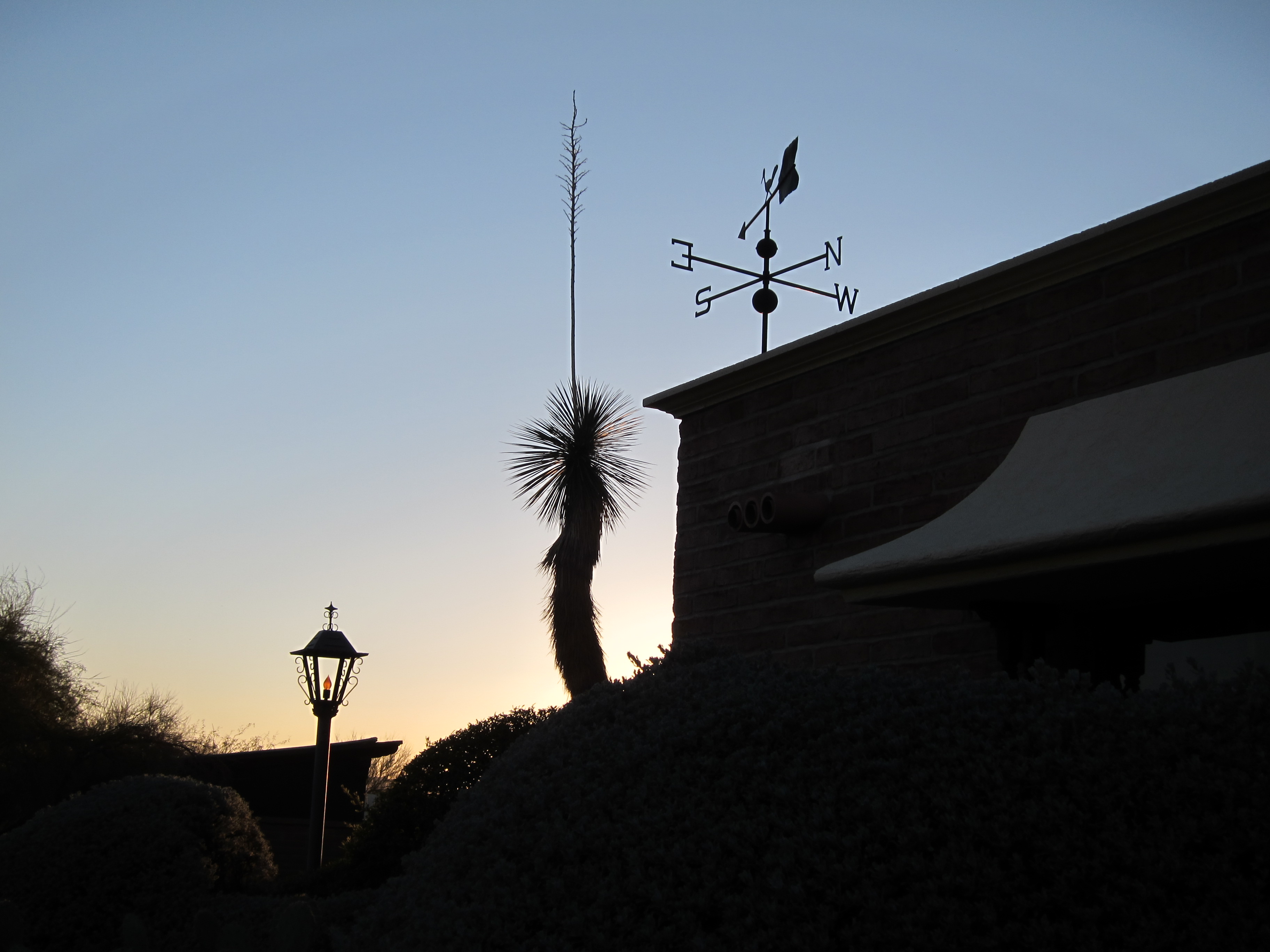
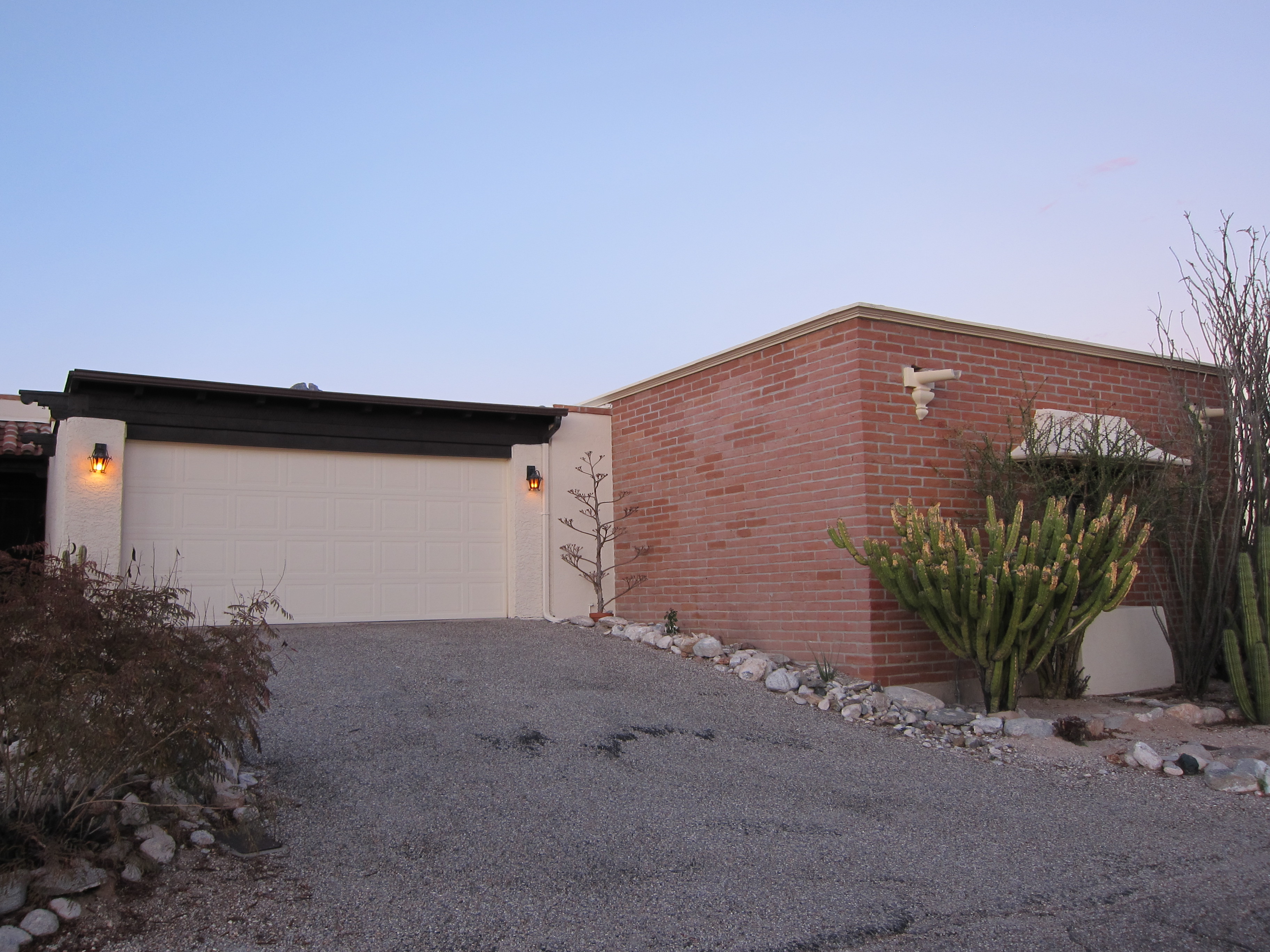
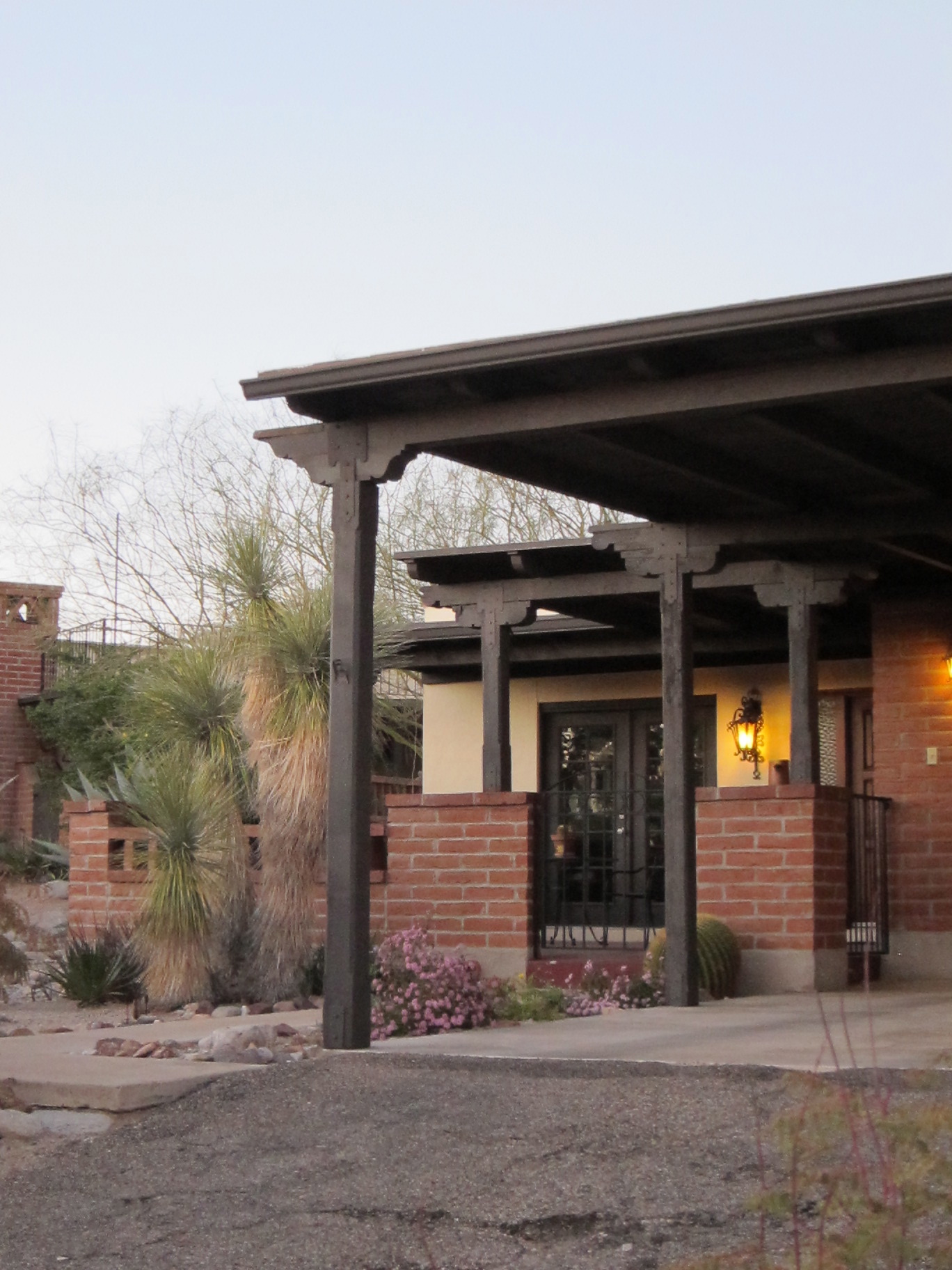
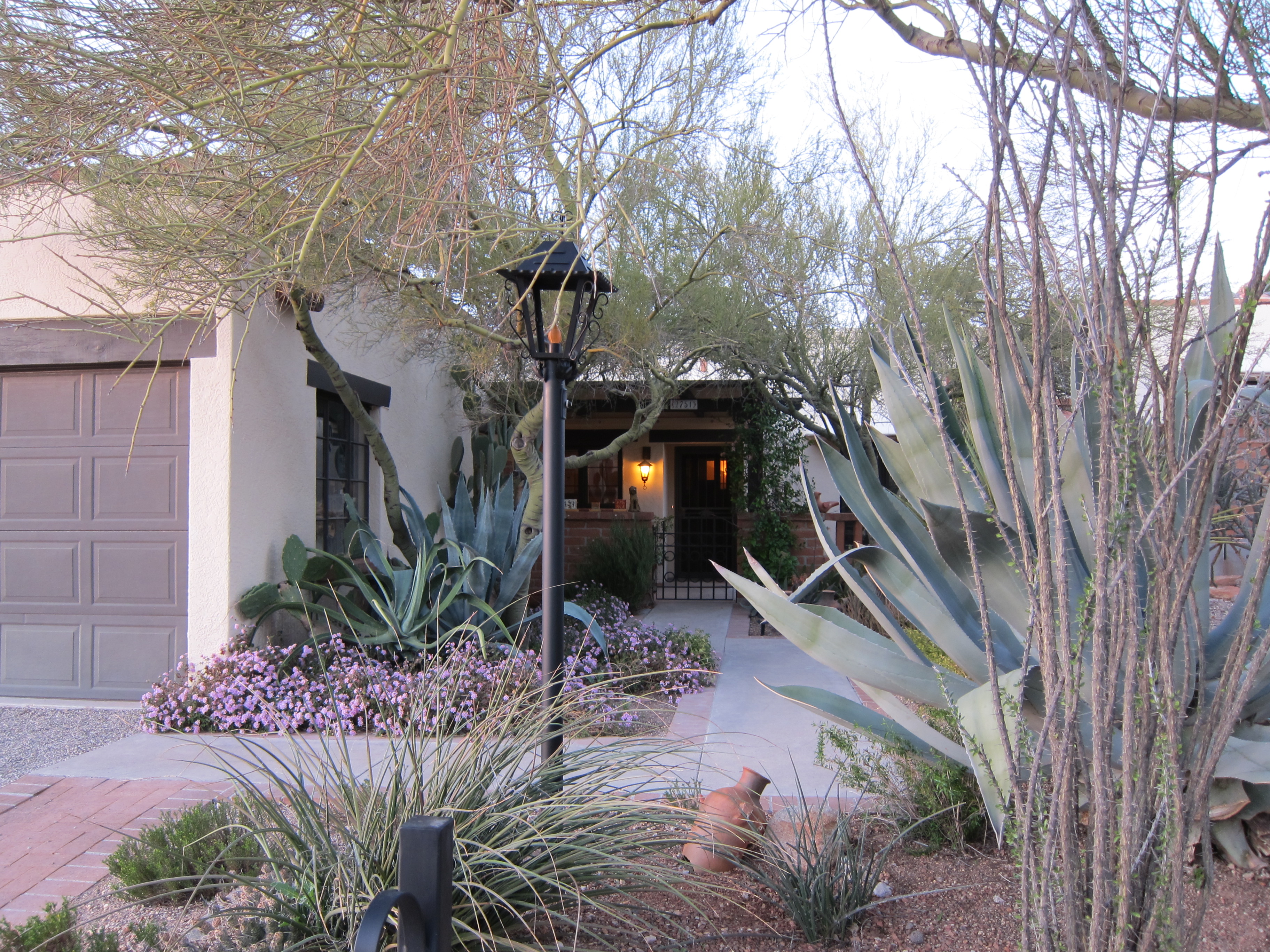
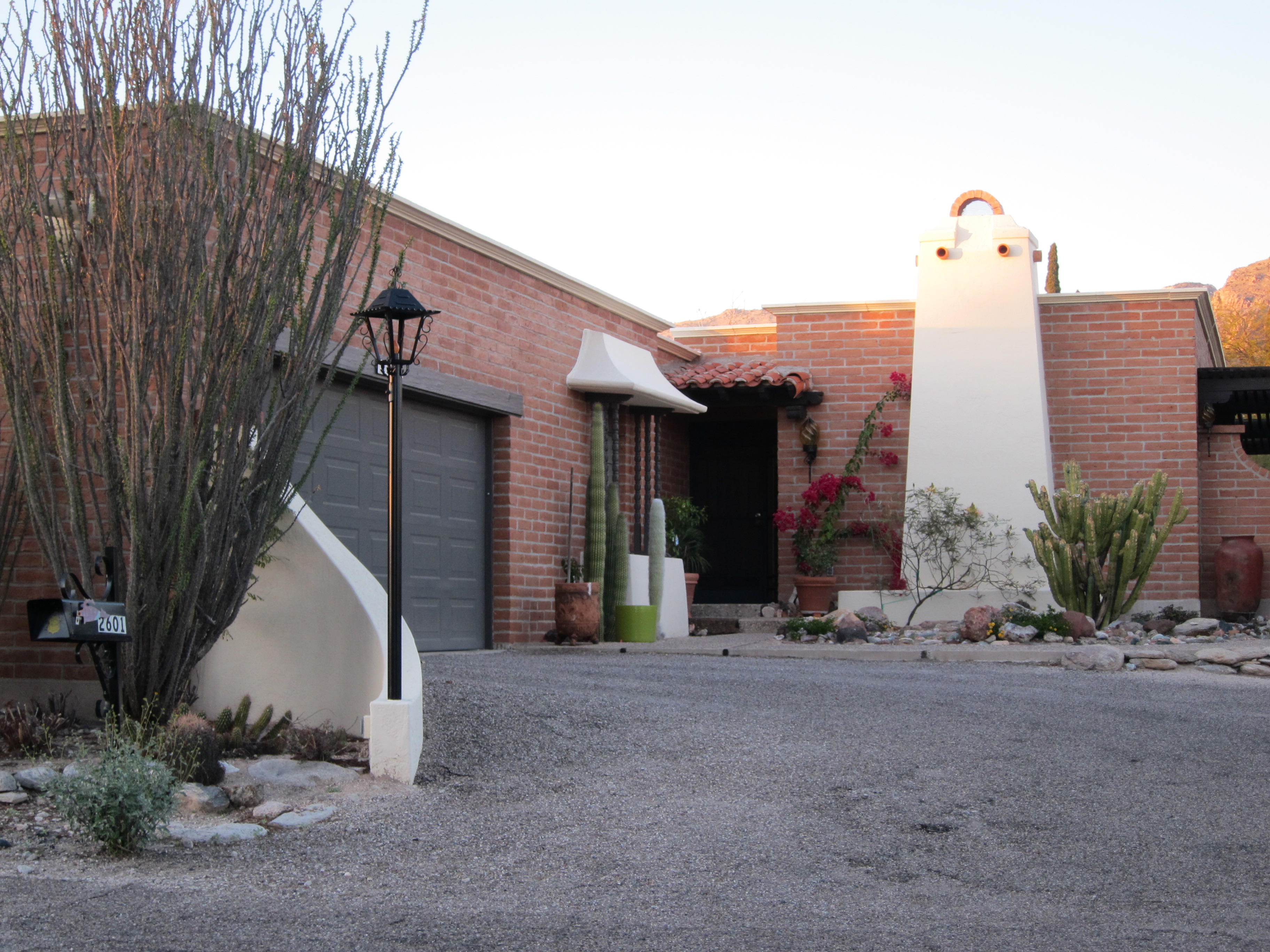
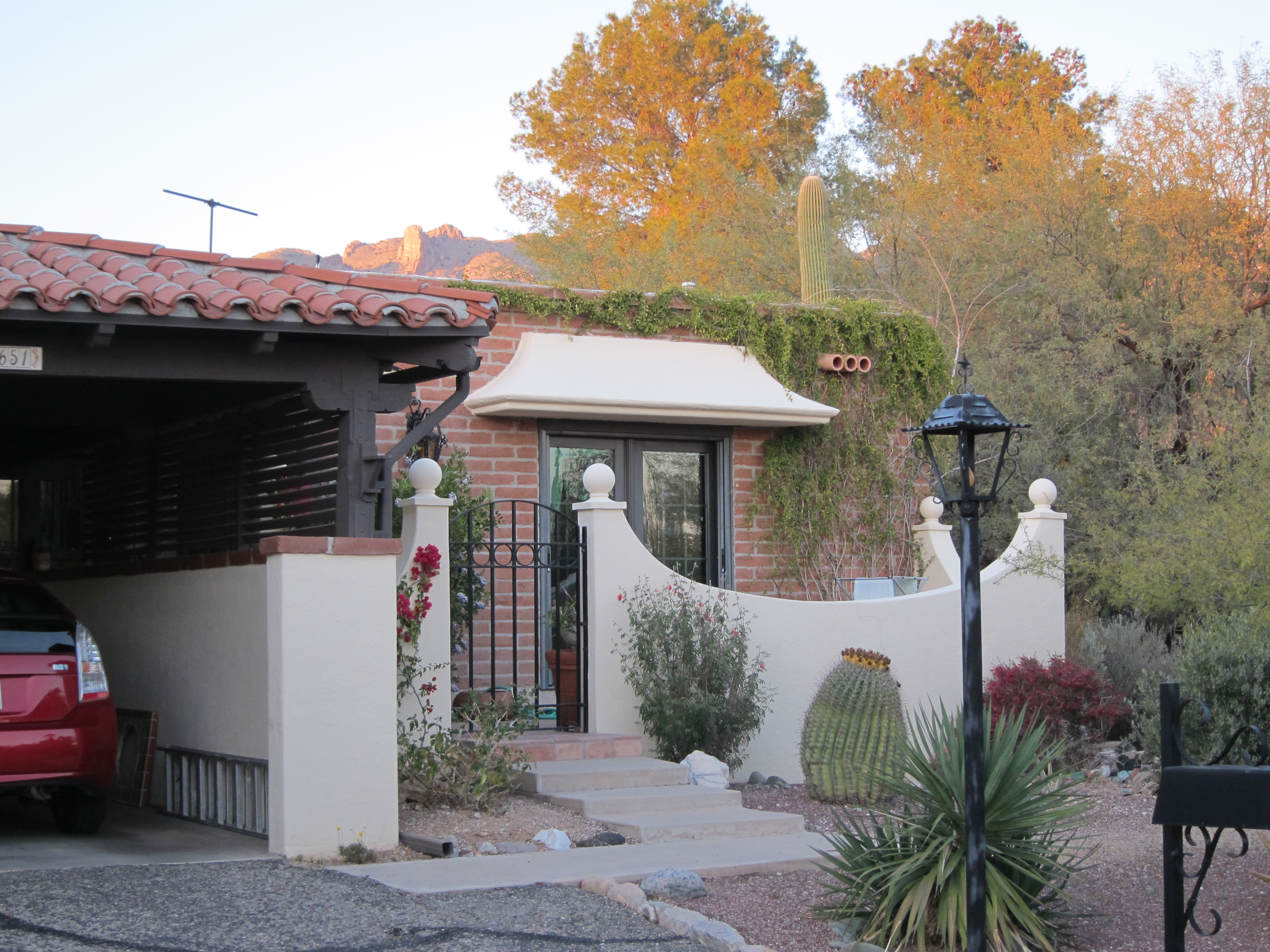
It’s not the greatest photo, but here are the promised southwestern blue (turquoise) windows. From the Catalina Pueblo architectural guidelines – DunnEdwards Reef Encounter– DE573 ) Probably the color is just right for the Sonoran desert because it mimics the color of copper and turquoise, abundant in the region. This photo is the front of my aunt’s house in the Catalina Pueblo. It is part of a 108 house development designed and built in the 1970s by Don Maxon. The association has fairly conservative design guidelines, but they do allow this one bright accent color.
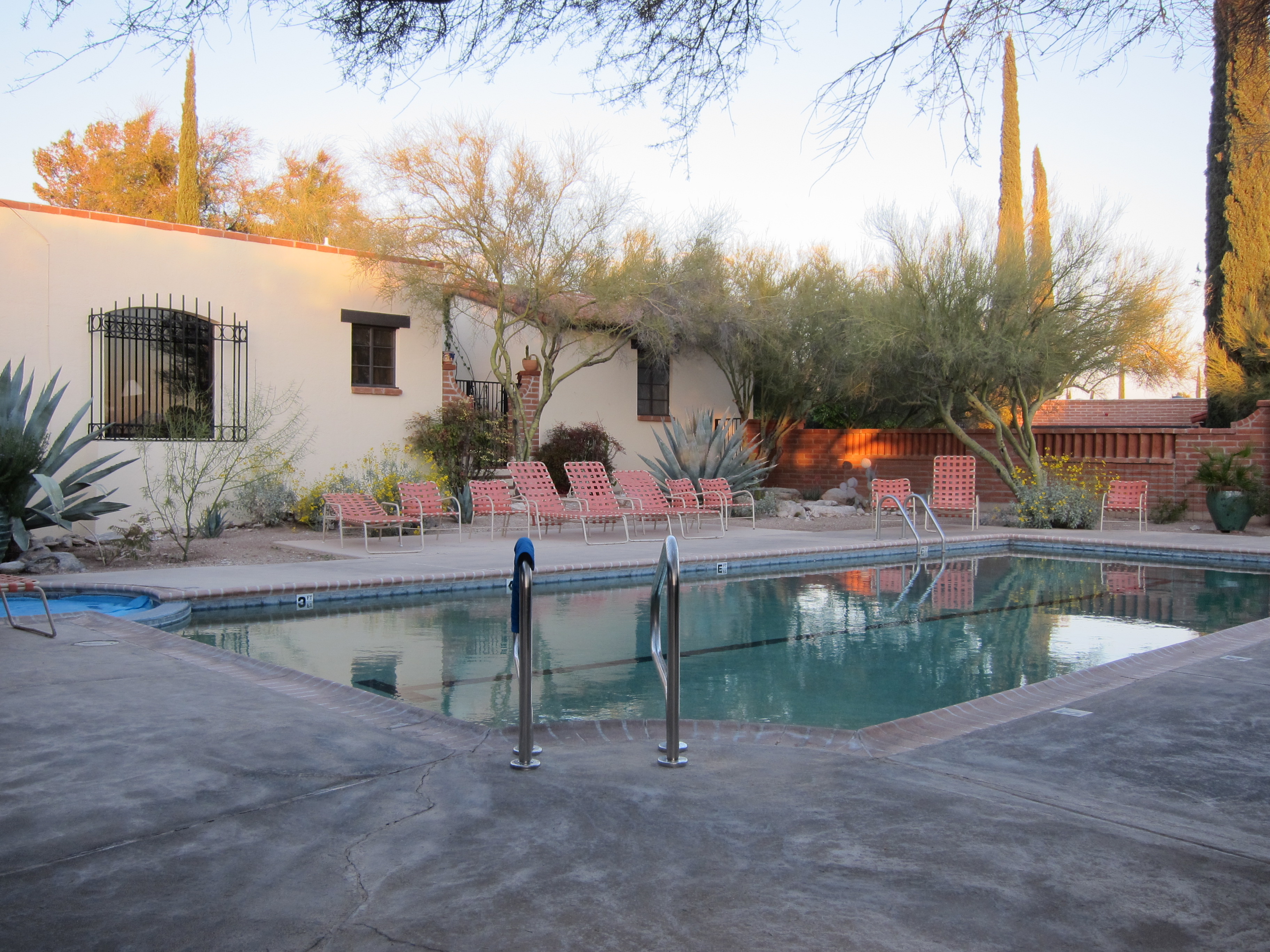
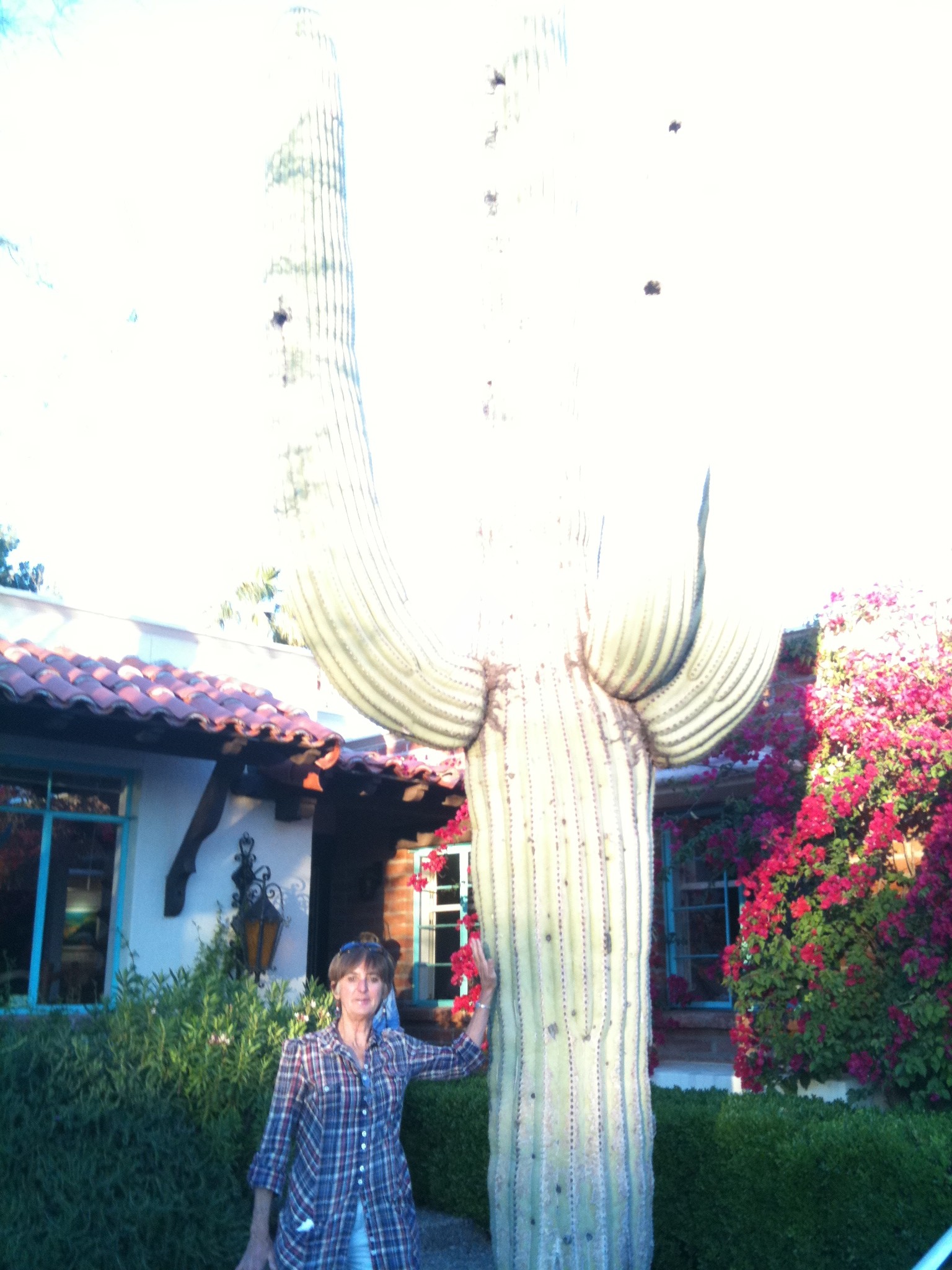
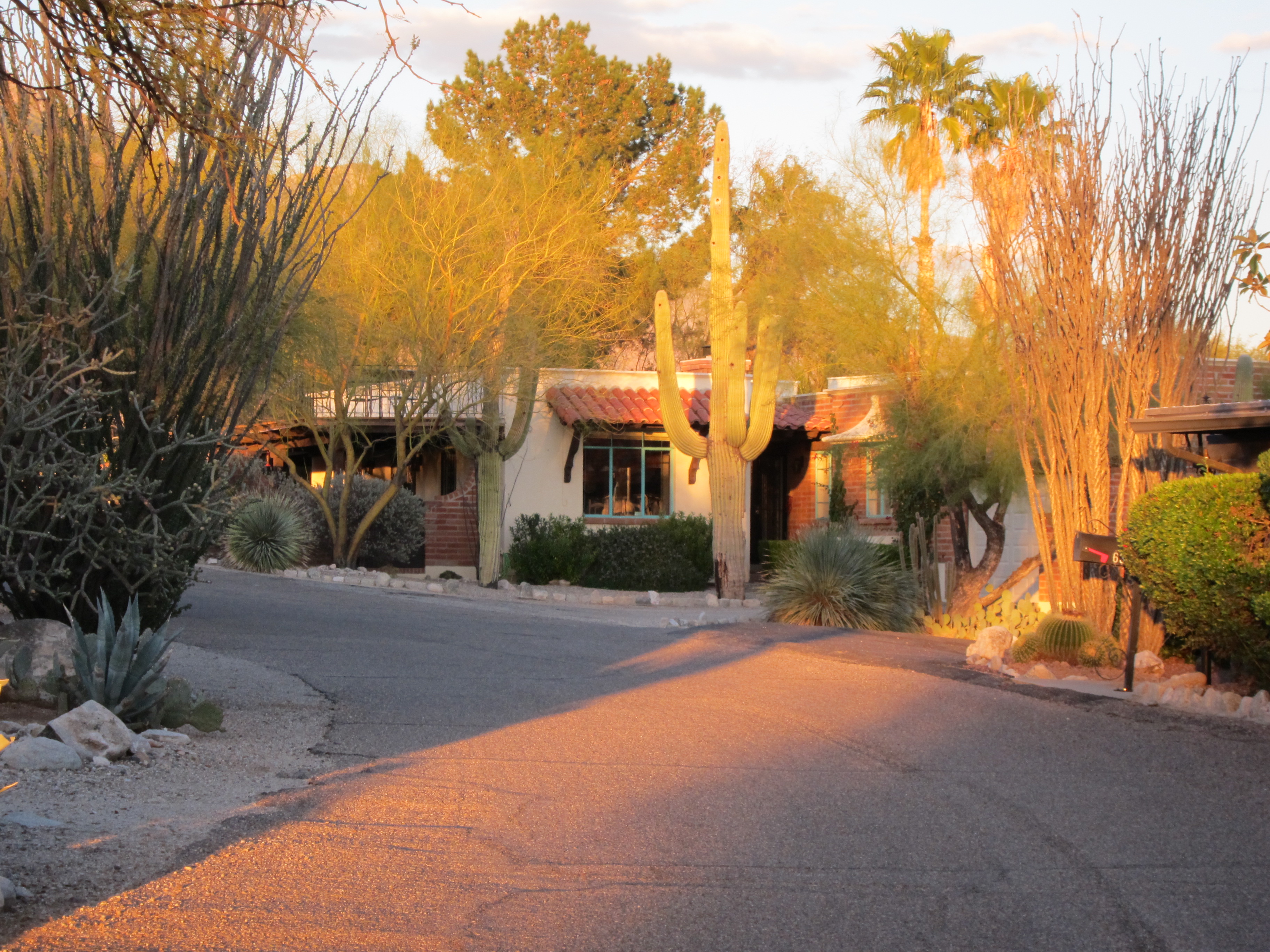
Ahead of their time in the 1970s, the architect and builder preserved much of the native desert vegetation, including many saguaro that are now well over 100 years old. They modeled the houses closely after houses in Alamos, a pueblo in Mexico, sticking to design elements that were carefully documented. The community also has shared amenities such as swimming pools and walking trails. I have mixed feelings about rigid design guidelines, but in this case the result is a very tasteful and cohesive architectural fabric.


Posted in Design Projects, Found Objects, tagged botanical cutouts, cedar, copper pipe, deck railings, decks, guards, historical styles, holes, paint, painted wood, porch railings, railing, railings, redwood on February 1, 2012| Leave a Comment »
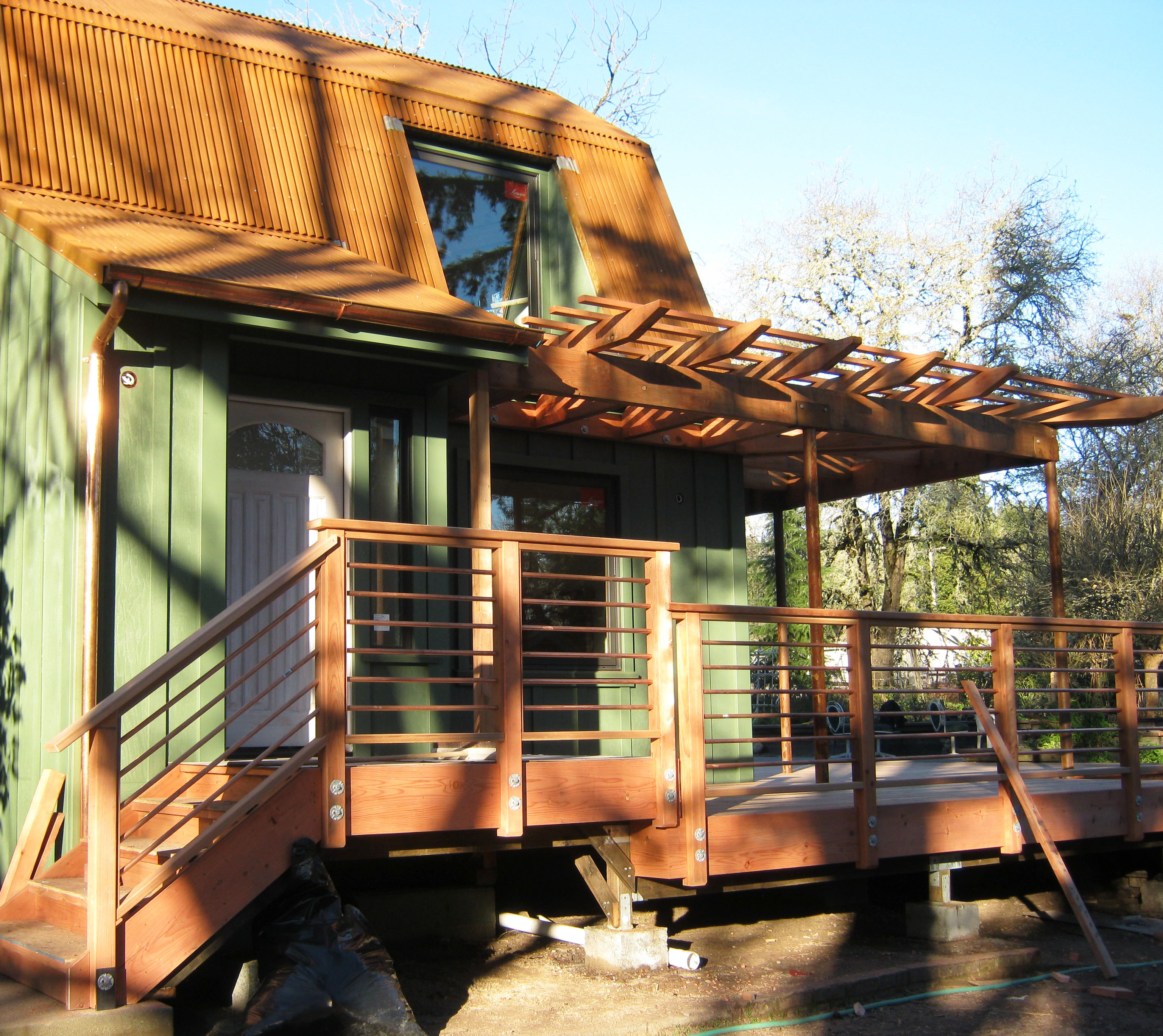
Redwood railing with copper pipe – Forestville, CA
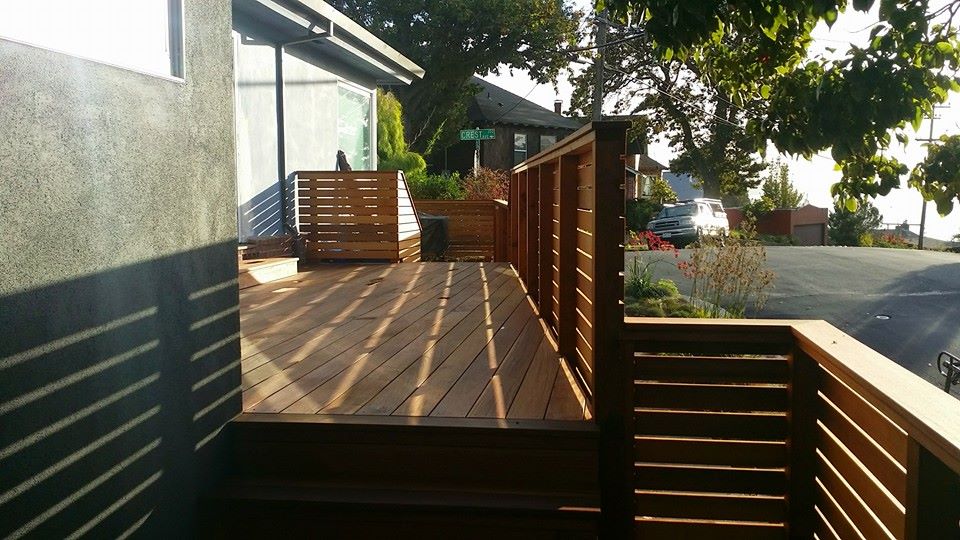
Point Richmond Railing

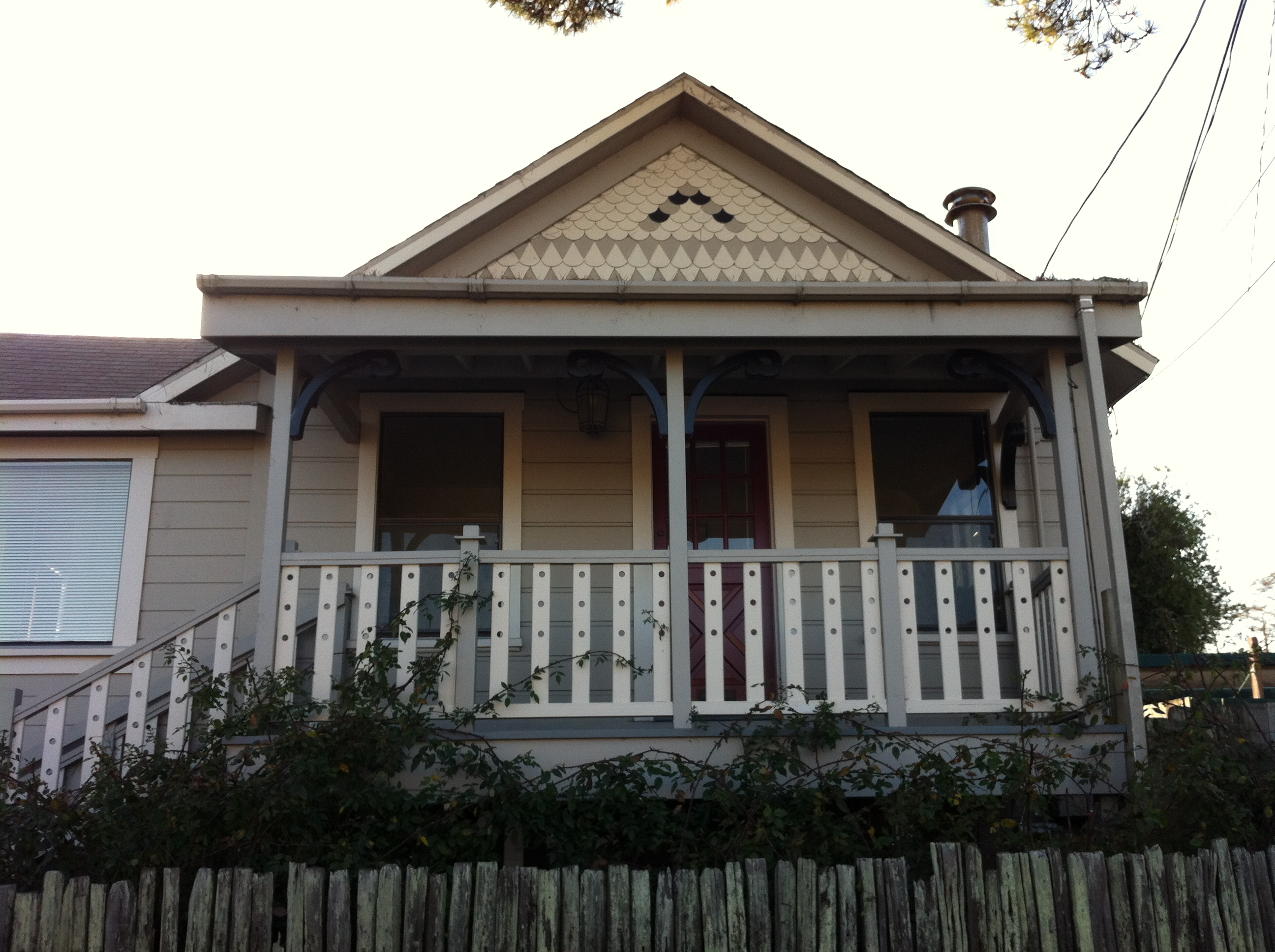
Painted railing with decorative holes in the white pickets, contrasting black braces – Inverness, CA
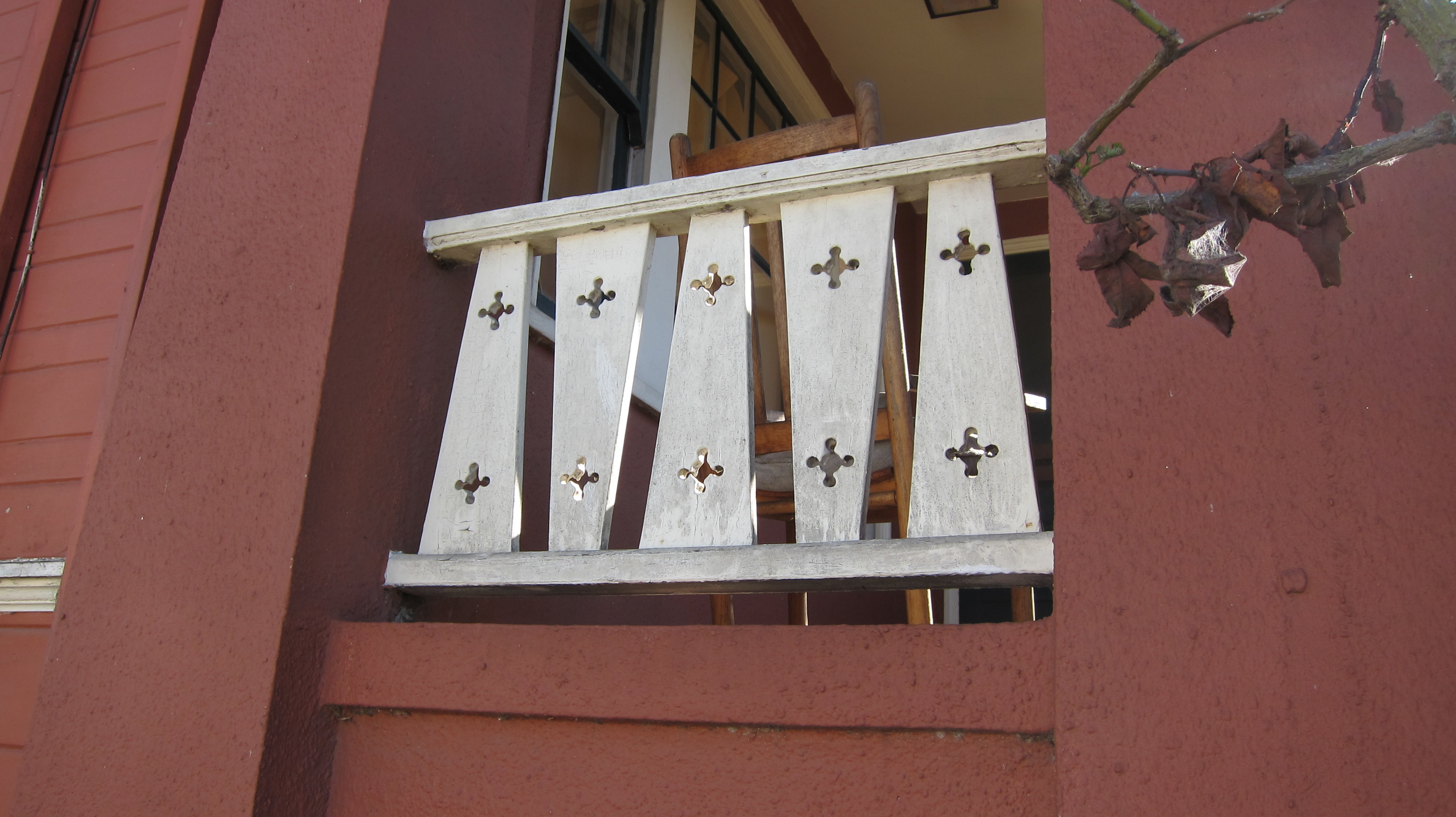
Painted railing with decorative cross-shaped cutouts – Berkeley, CA
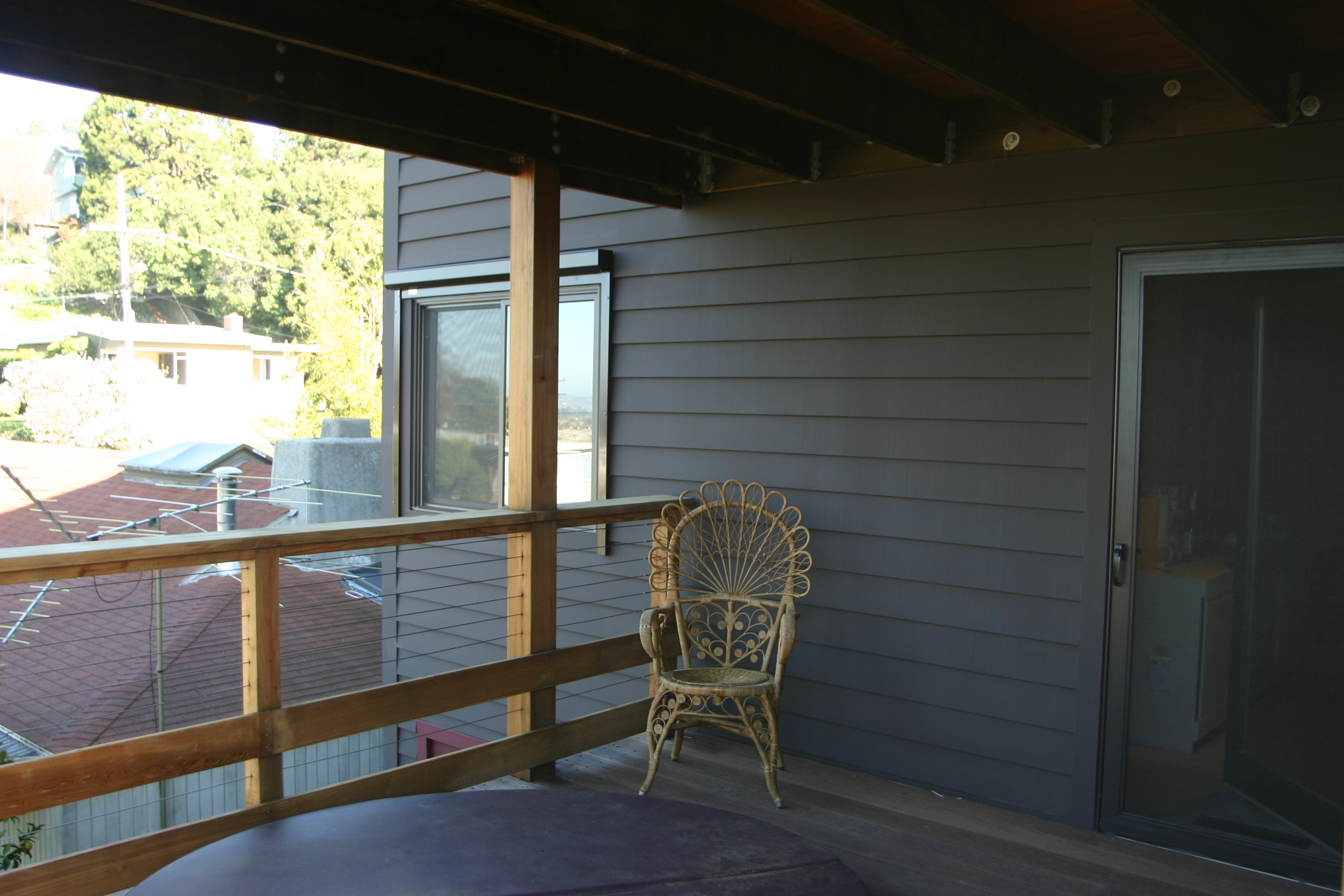
Redwood and Stainless Steel Railing – El Cerrito, CA
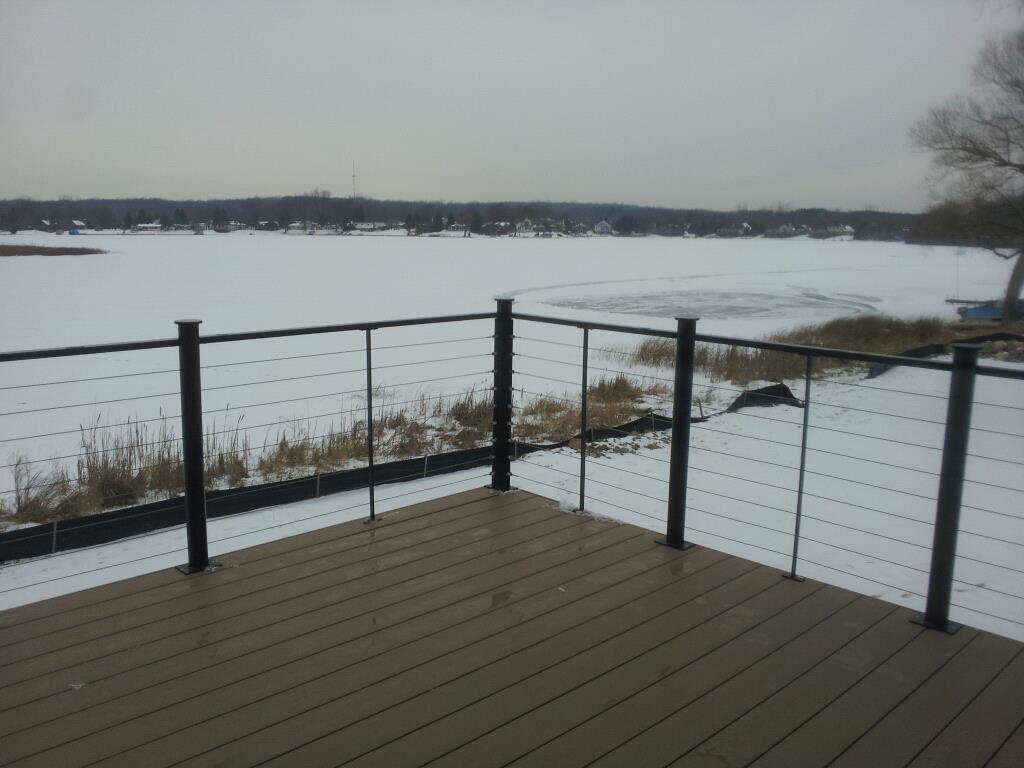
stainless steel with round posts – Michigan (Thomas Hardware Photo)
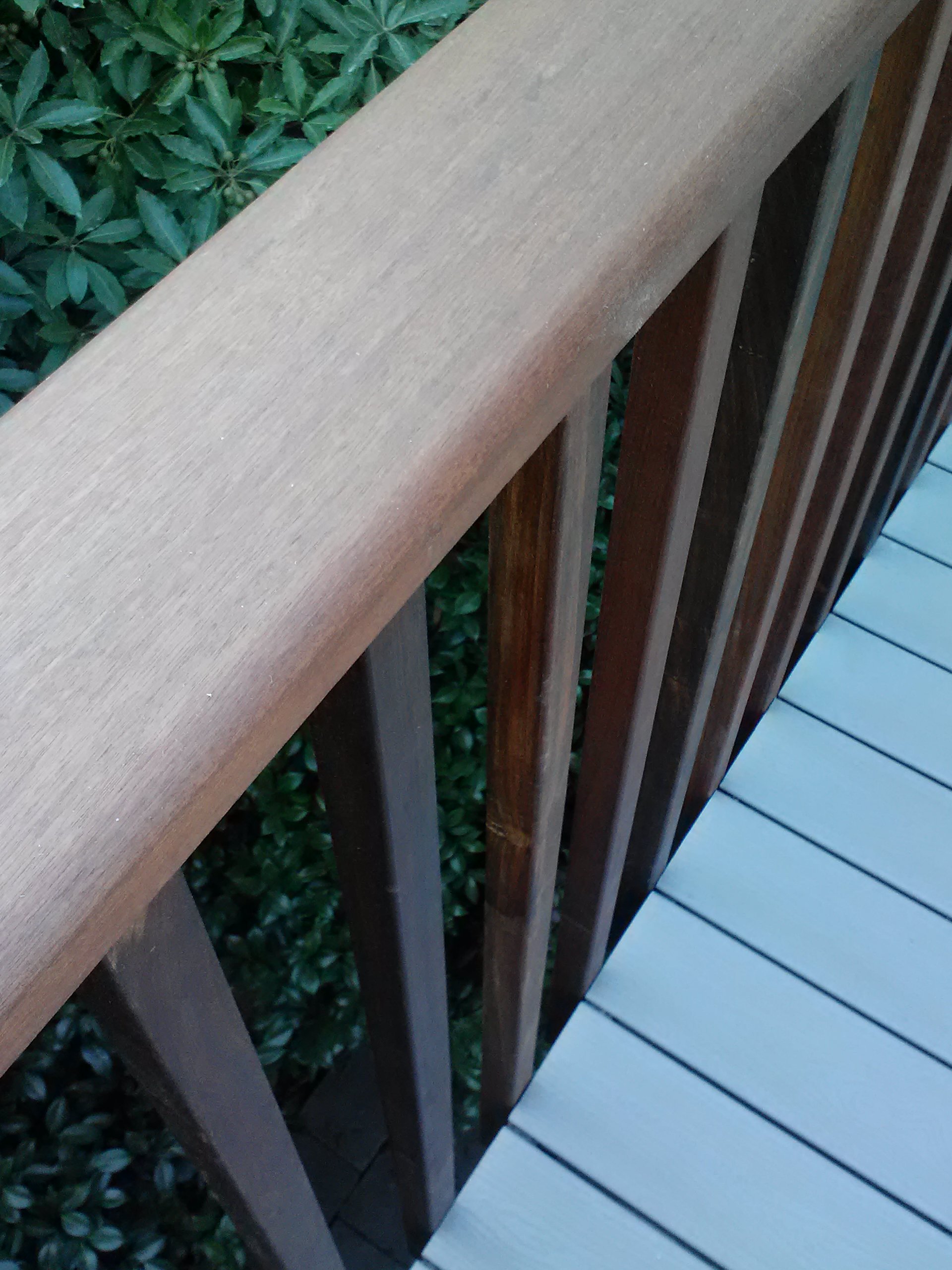
Simple Ipe railing – Oakland, CA
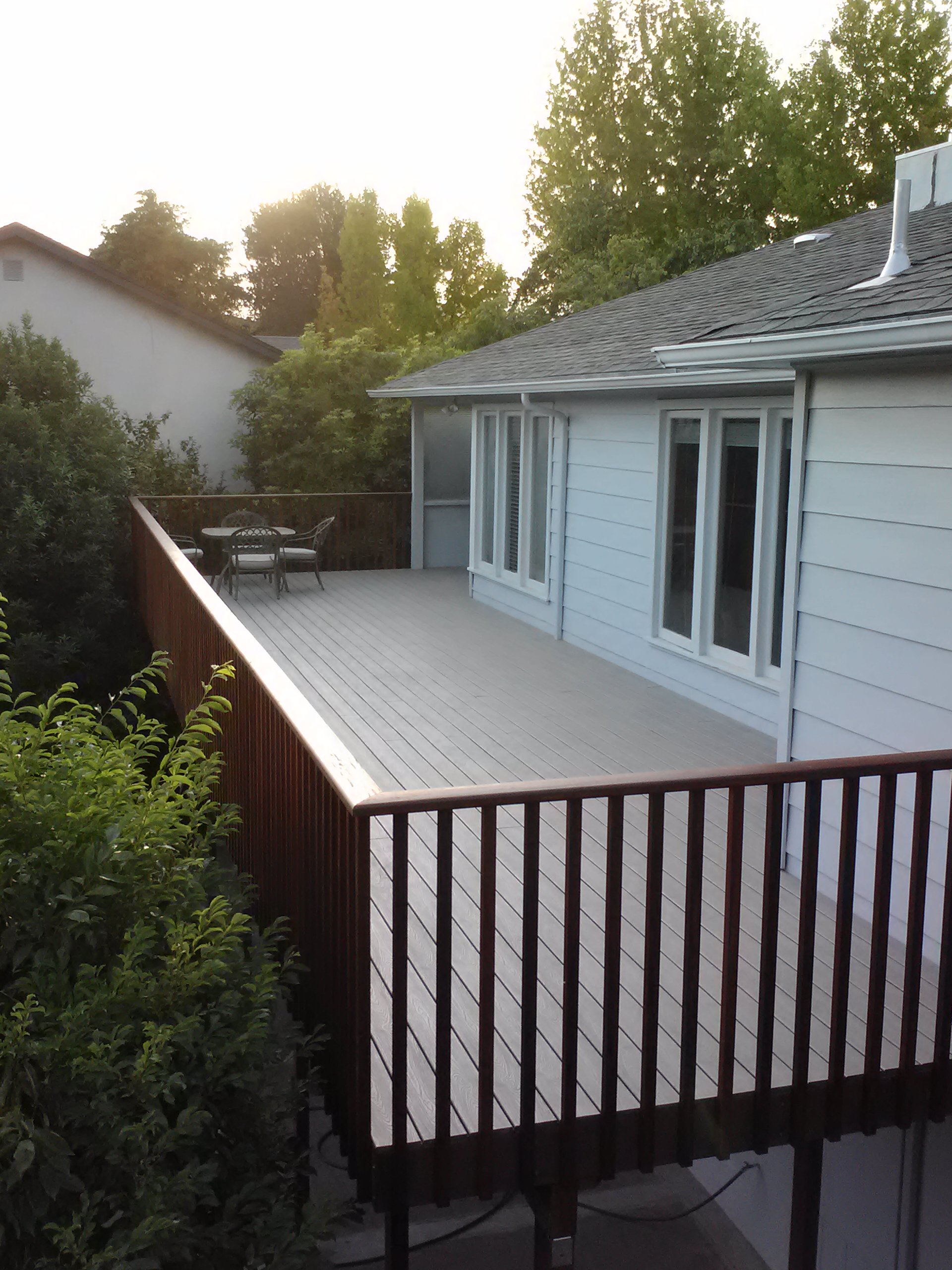
Simple Ipe Railing – Oakland, CA
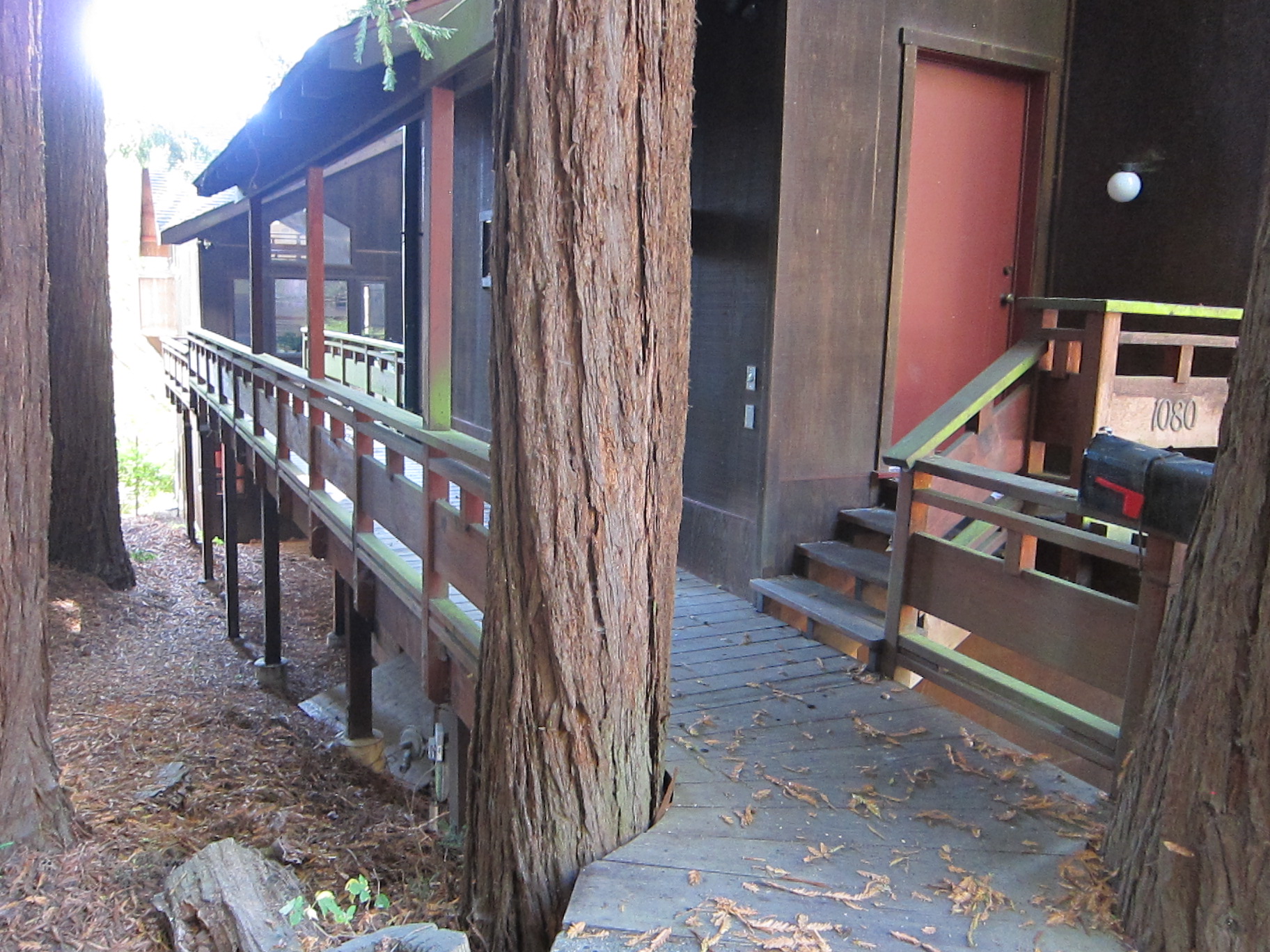
Redwood Railing – Berkeley CA

Cookie cutout railing – Berkeley, CA
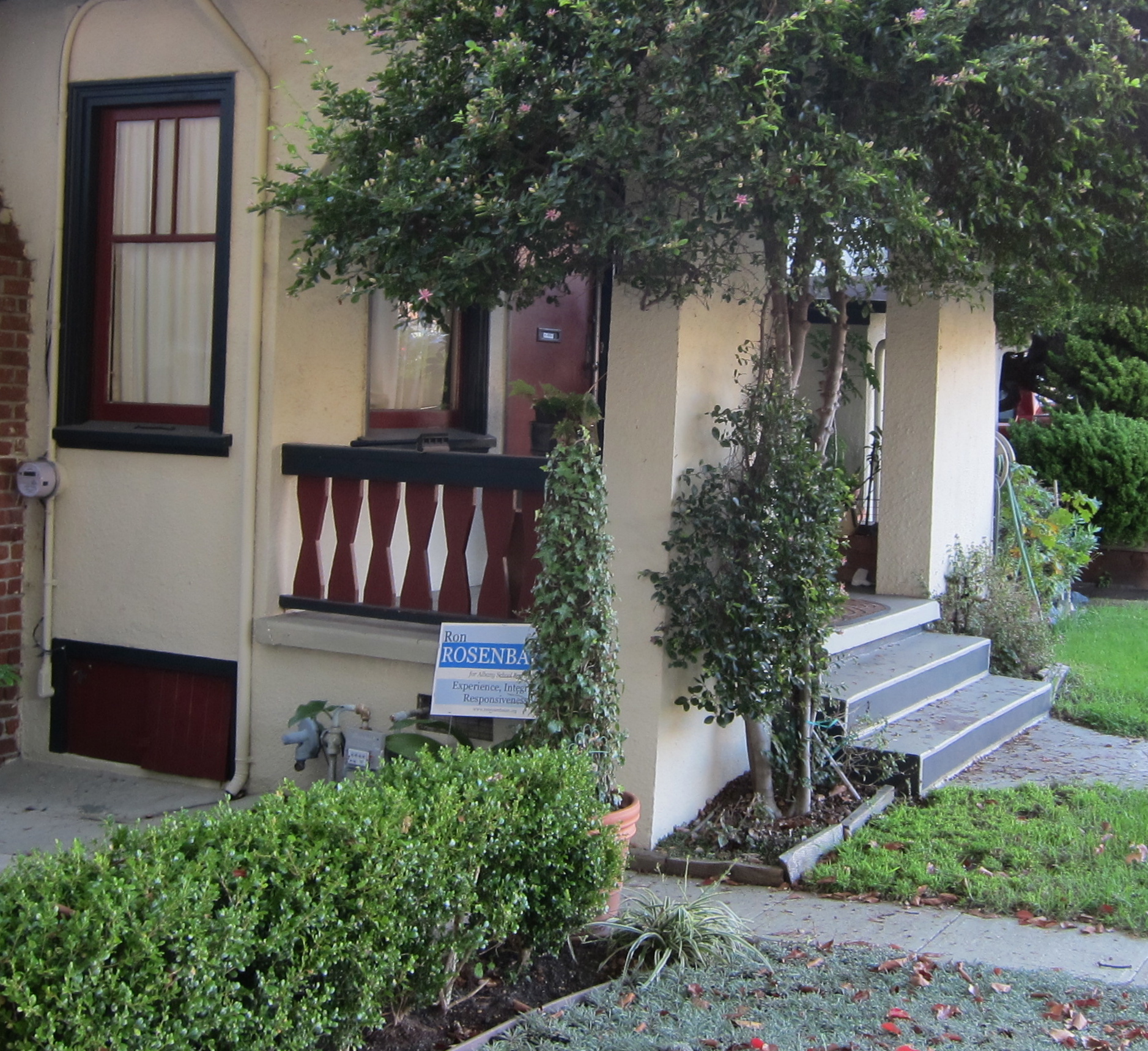
Diamond spaces between red painted slats – Albany, CA
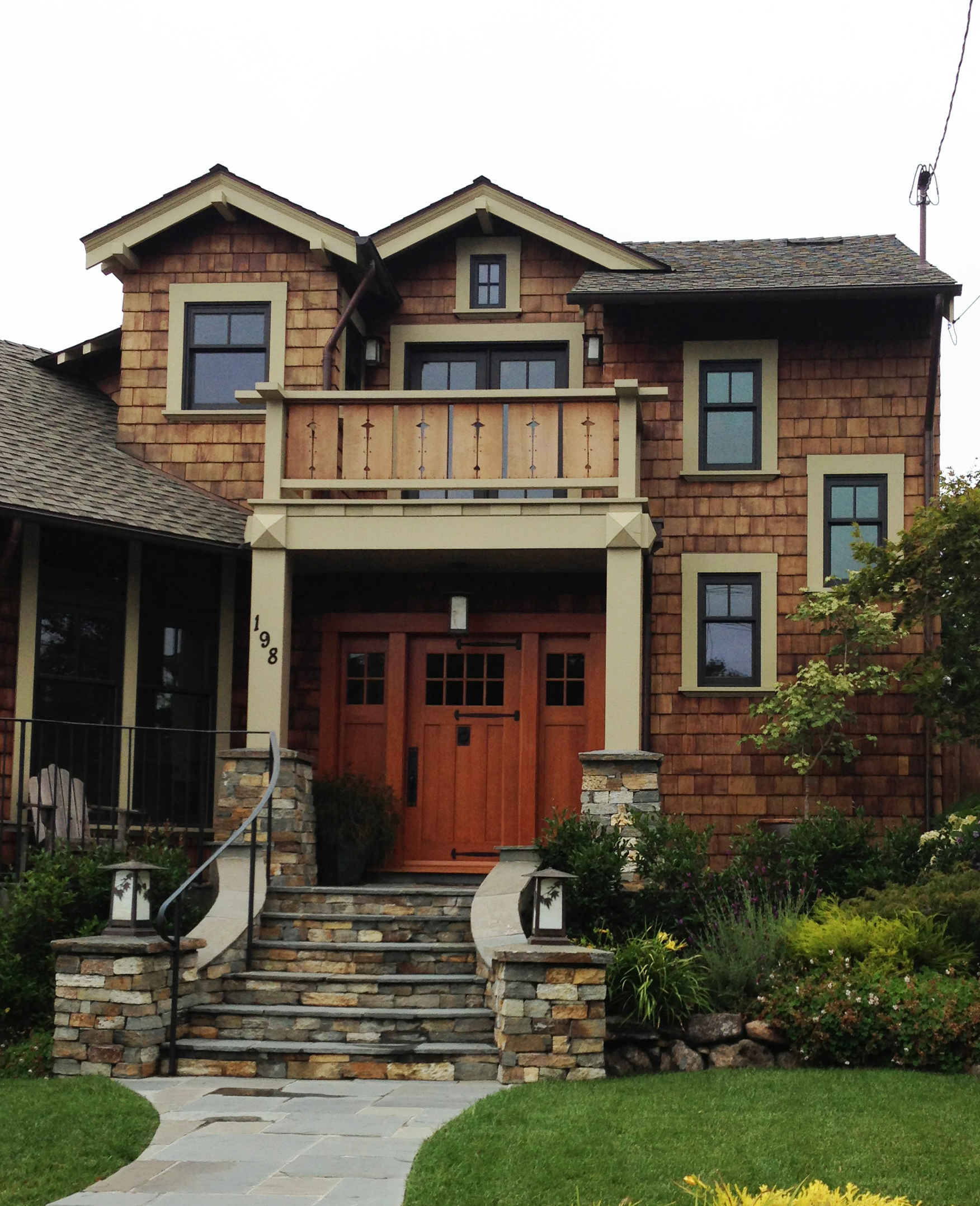
Elegant traditional railing – cedar panels with botanical cutouts
Posted in Found Objects, tagged Chicago, drawing, historical styles, less is more, Mies Van Der Rohe, minimalism, utilitarian on January 30, 2012| Leave a Comment »
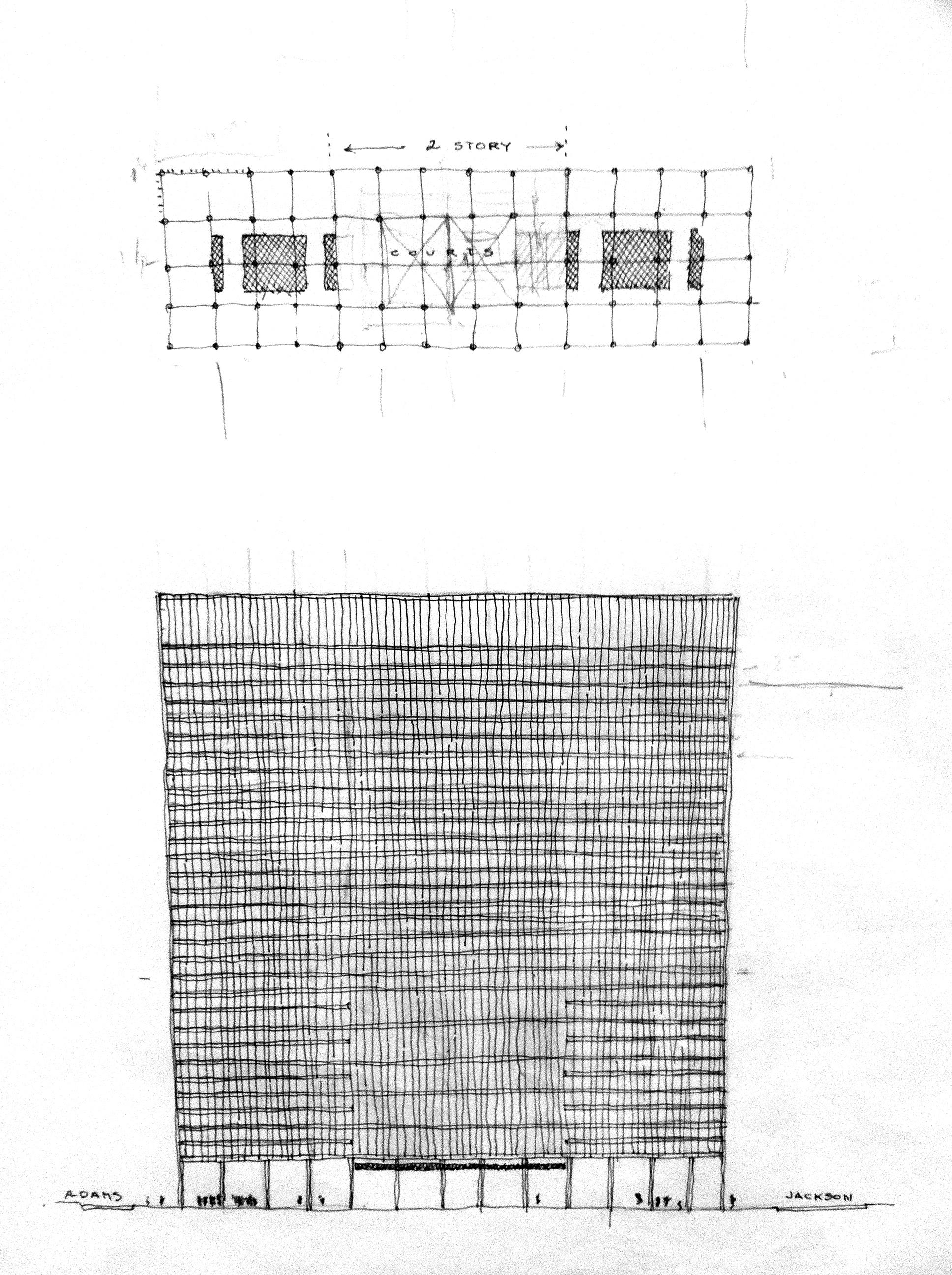
Federal Center, Chicago, Mies van der Rohe (Photographed by me at the MoMA, NY)
I worked on a studio project once with a German exchange student whos drawings looked a lot like this. He was very smart and I liked him, but he was not an overachiever or a workaholic. He kept things simple in part because it was easier that way. On the other hand you’d probably say that Mies showed remarkable restraint and that to achieve minimalism he spent long hours honing things down to the barest essence, making all the parts speak together in unison with no part left unconsidered. Less is More.
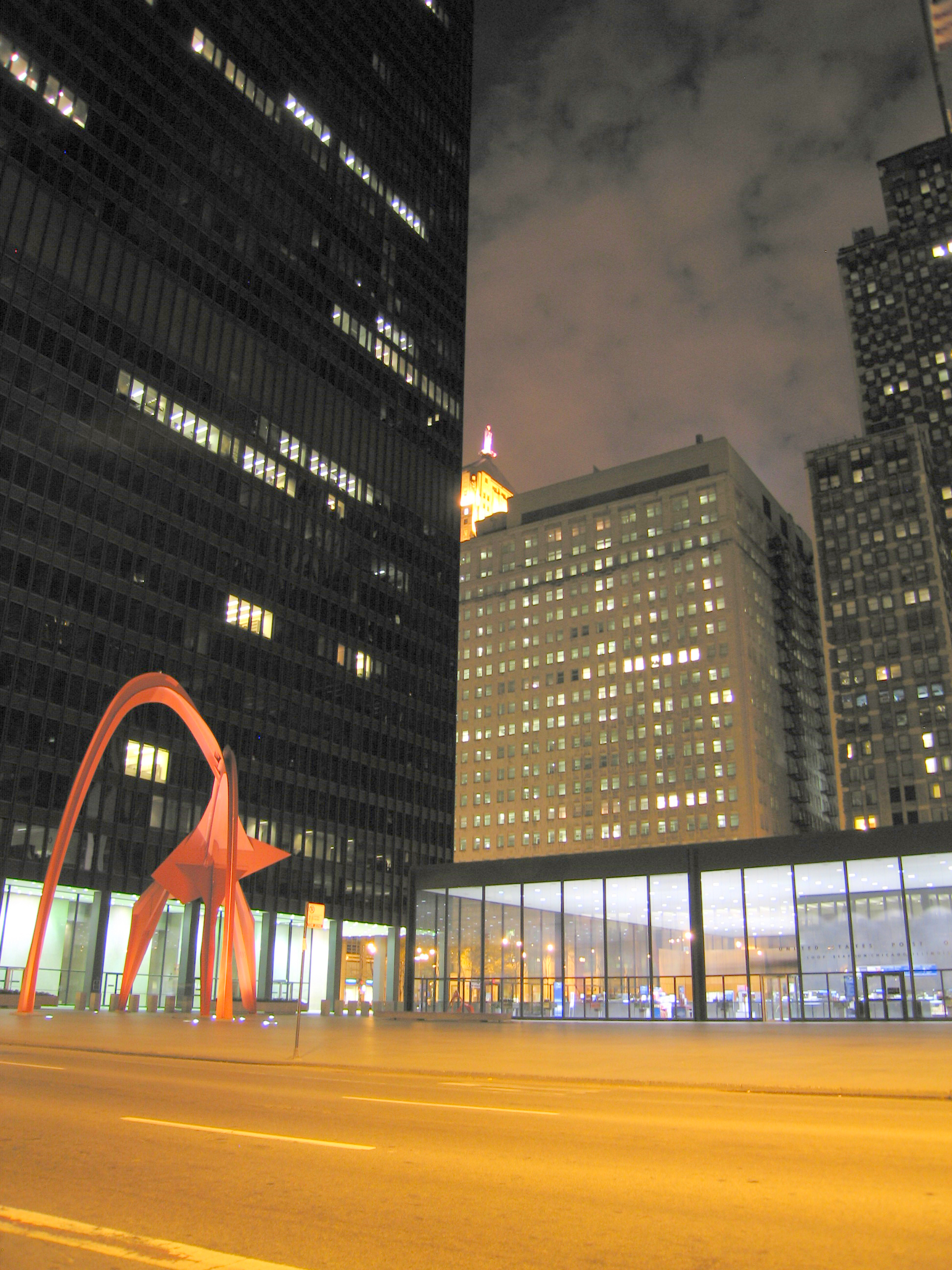
I took this photo of the same building (to left) a few years ago. Minimalist buildings make a nice backdrop for the colorful Calder sculpture.
Posted in Found Objects, Information, tagged Eames, historical styles, houses, humor, Ice Cube, Ice Cube Celebrates the Eames, LA, McMansion, Mid Century Modern Architecure, Republican, utilitarian on January 7, 2012| Leave a Comment »

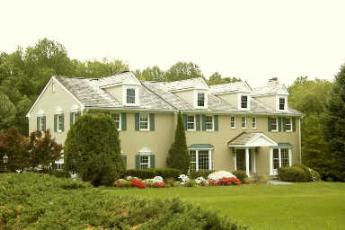
Michelle Bachmann’s house with “a grand manor roof” and “European flavor”
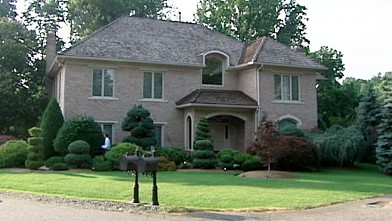
Gingrich’s “Mansionette”
Santorum House: “a big rectangular box with holes punched in it for windows. It doesn’t have much to say. Need I say more?”
The New York Times ran this article recently about the homes of the Republican presidential candidates. The review, informed by “interior designers and design psychologists” (no architects) is generally unfavorable. They make fun of Newt Gingrich’s extensive use of mirrors and Huntsman’s pink love seat with yellow bows. Bachmann’s complex roofline is rather atrocious (no mention of the maintenance issues with such a roof,) and Santorum’s more simple house is called boxy with small punched windows. The houses are all quite big… mostly around 5500 square feet. One designer who commented in the article said that he’d call them McMansions, but that would give McDonalds a bad name. Wow. That is saying a lot. None of them appear to be designed by architects that were given much latitude, but most of the candidates appear to have dropped some cash on interior designers. The houses all scream “I am a traditionalist,” according to design psychologists that were consulted. Manicured green lawns and brick or stone are present in all.
Uh Oh. What would they say about my parent’s house, (the house were I grew up)? My dad took off the fake shutters at least….and it does have industrial chic concrete window sills. The windows are true divided lites, by the way, and my folks hired a local artist to make some stained glass windows for either side of and above the front door…Its not so big, but it is brick veneer with a green lawn and small punched windows.
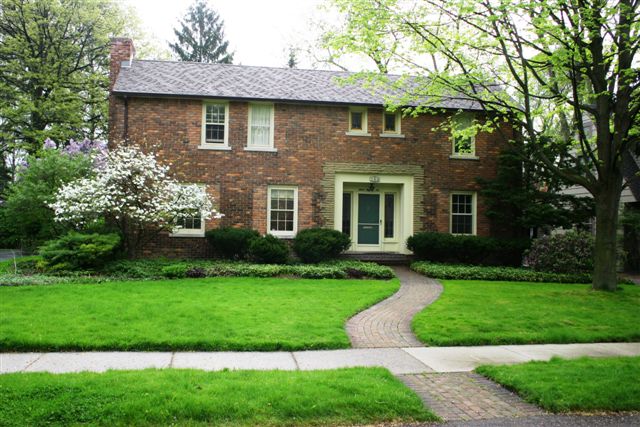
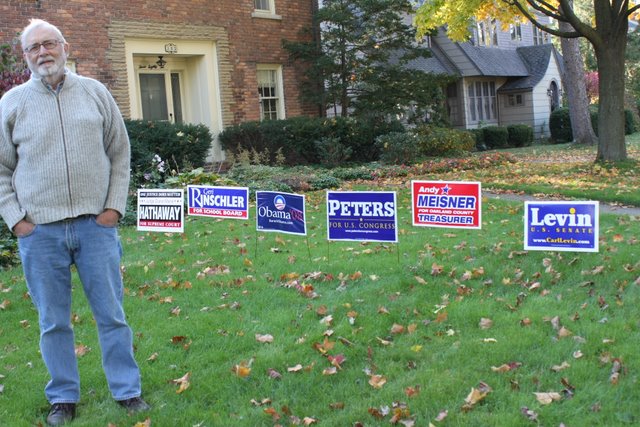
Not a Republican house though
There is no discussion in the Times article about solar orientation or energy efficiency. There is no mention of simplicity, elegance, or economy. Creativity does not make an appearance, (except in Newt’s whimsical topiary.)
Perhaps the candidates can learn a bit from Ice Cube.


Posted in Found Objects, tagged garden, historical styles, landscape, New York, planning, small buildings on October 25, 2011| Leave a Comment »
These small brick row houses face a lush gated courtyard perpendicular to the public street and each also has access to an alley on the back side. It is similar to this project in Berkeley, but minus the driveway through the middle….which makes a big difference. 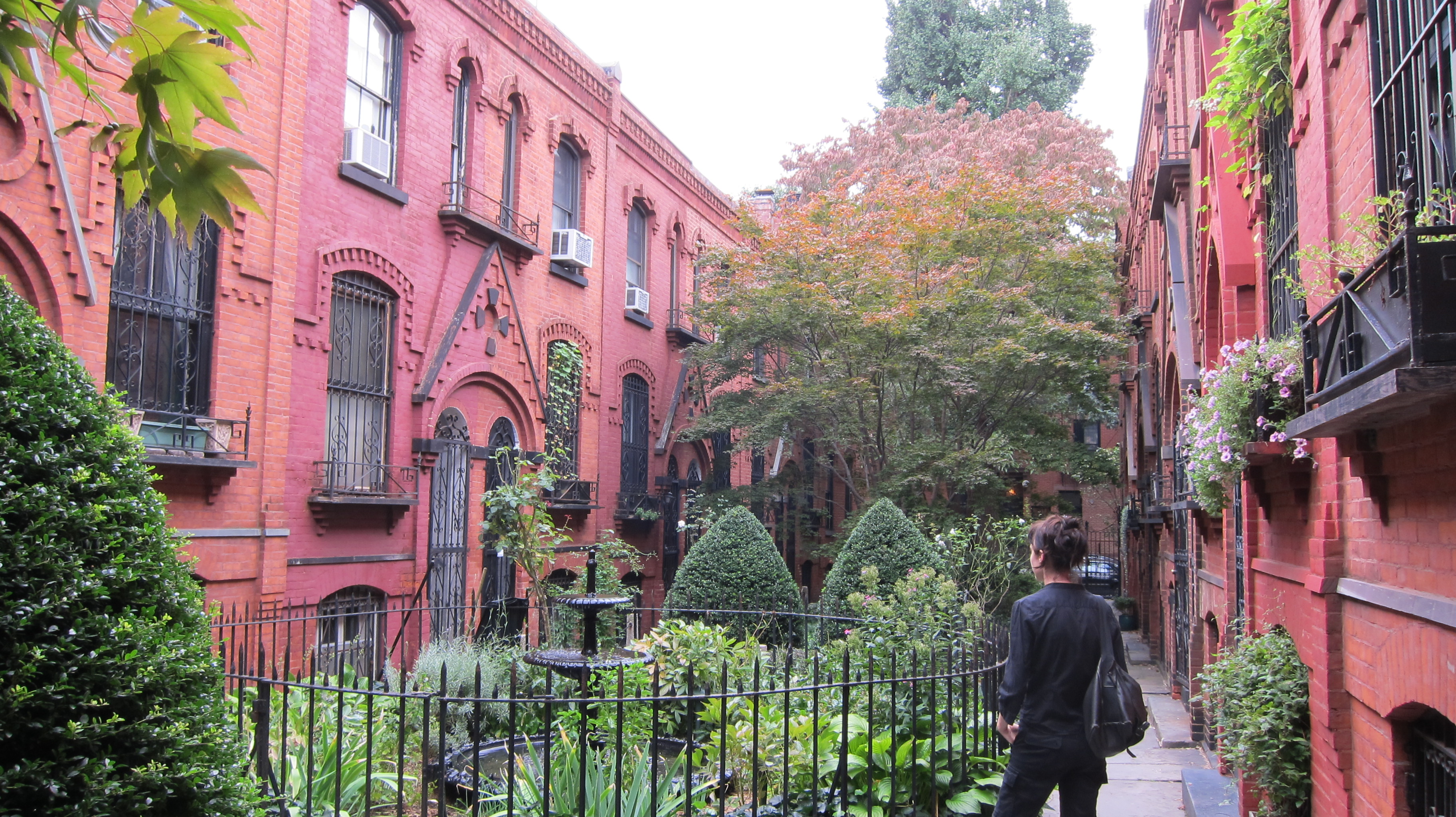
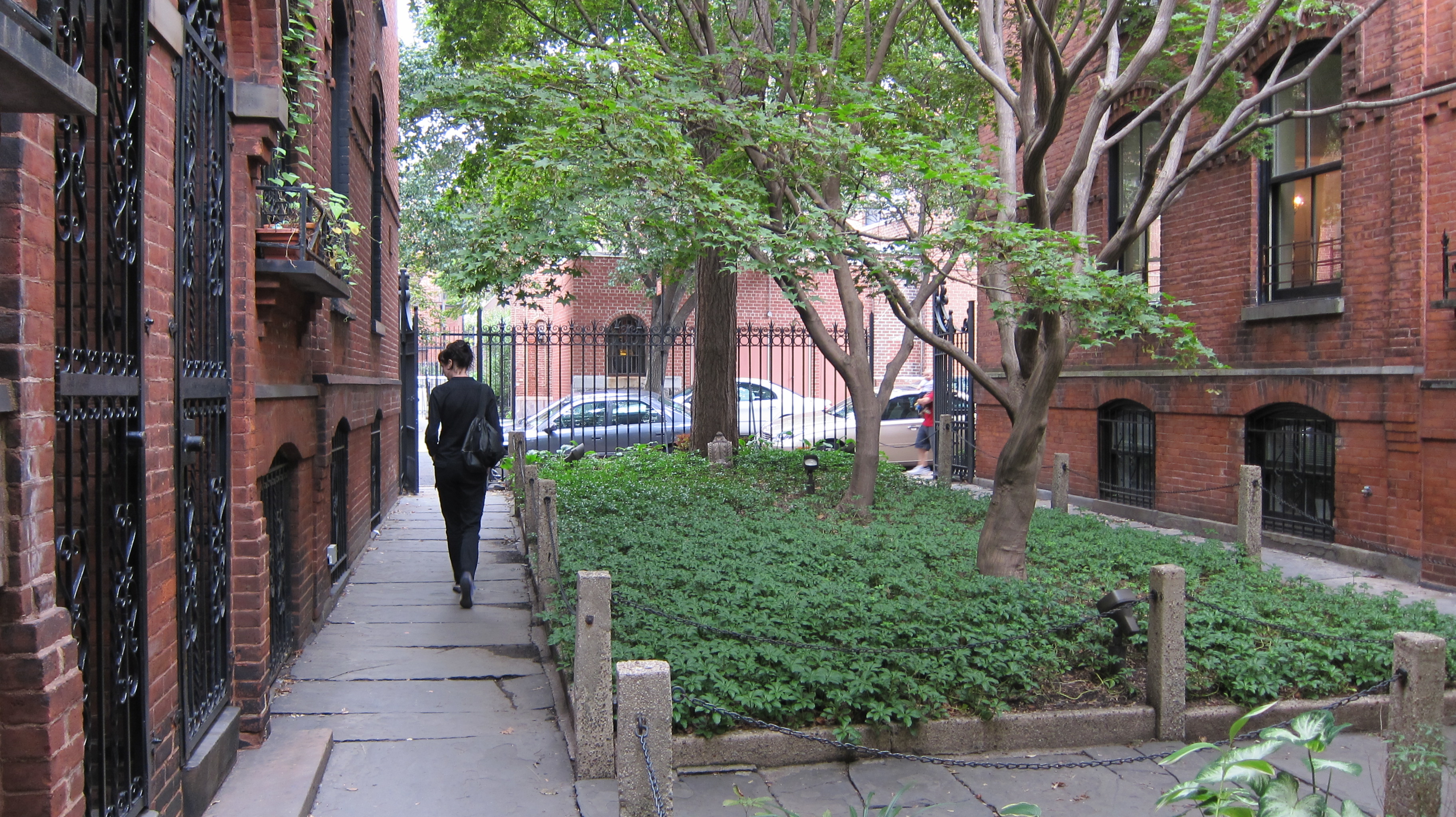
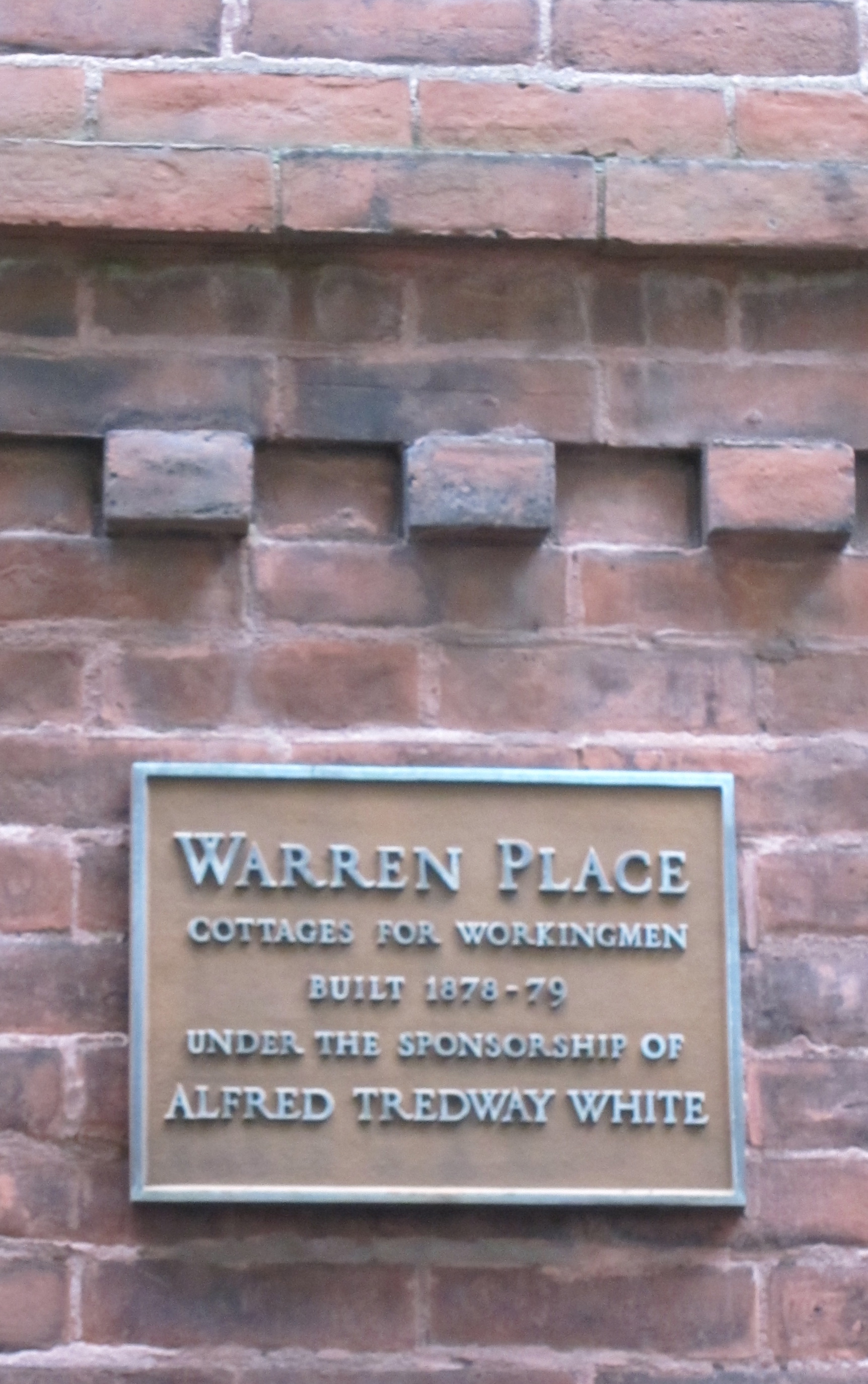
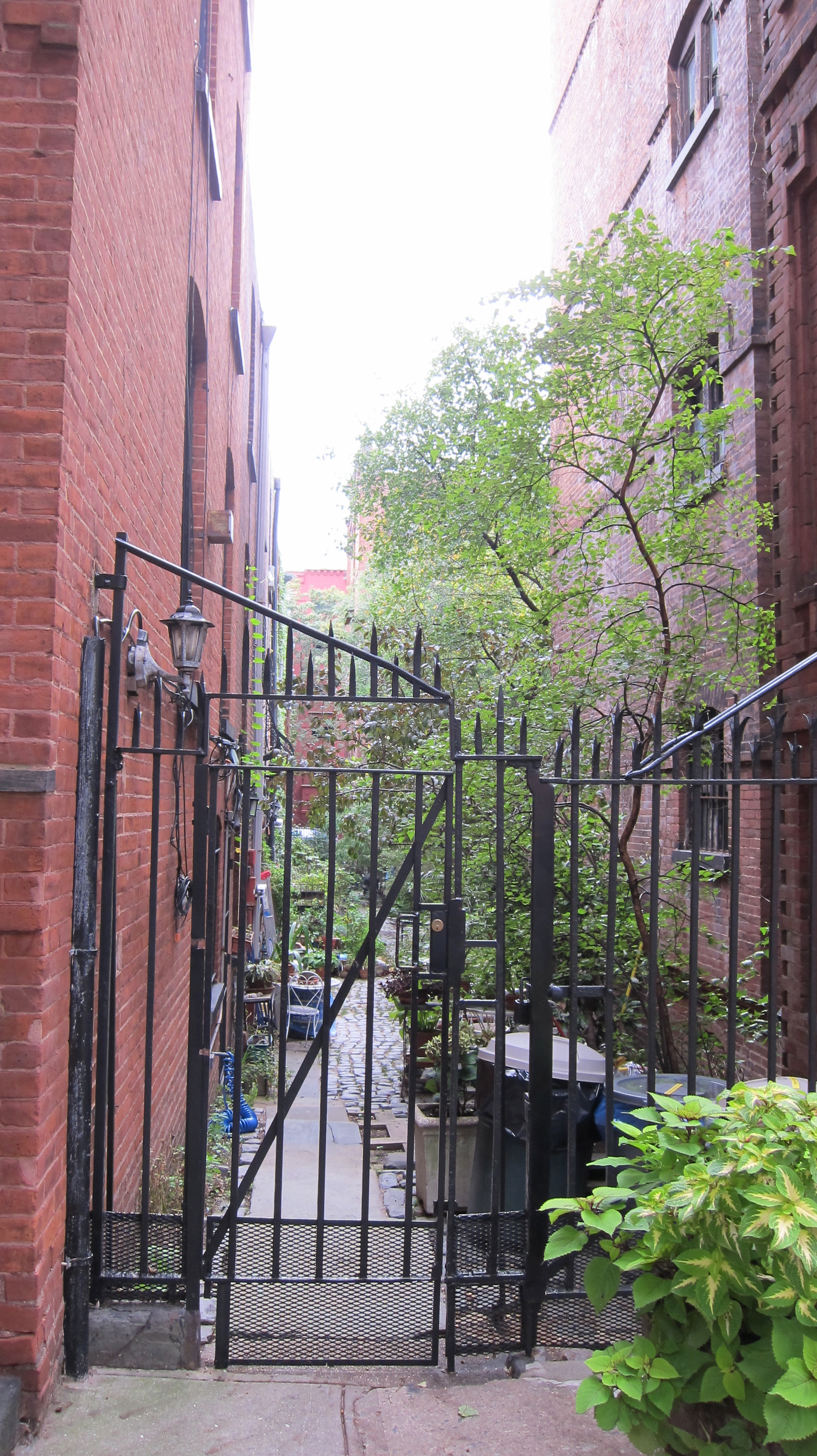
gate to the back alley
Posted in Found Objects, tagged historical styles, landscape, lighting design, New York, patterns on September 28, 2011| 2 Comments »
I spent Monday traversing Manhattan studying (loosely) the evolution of building technology over the last two centuries. I was hoping that I could get a peek inside the Chrysler building, one of my favorites, but visitors are only allowed a few steps into the lobby. The facade patterns created by the windows and wall between is very elegant: vertical lines in the middle and horizontal bands around the corners. The base is more decorated with chevrons and circles and rectangles, and then the glorious top! The Cloud Club once occupied several floors of the crown. The small triangular windows make for a rather inglorious space on the inside.
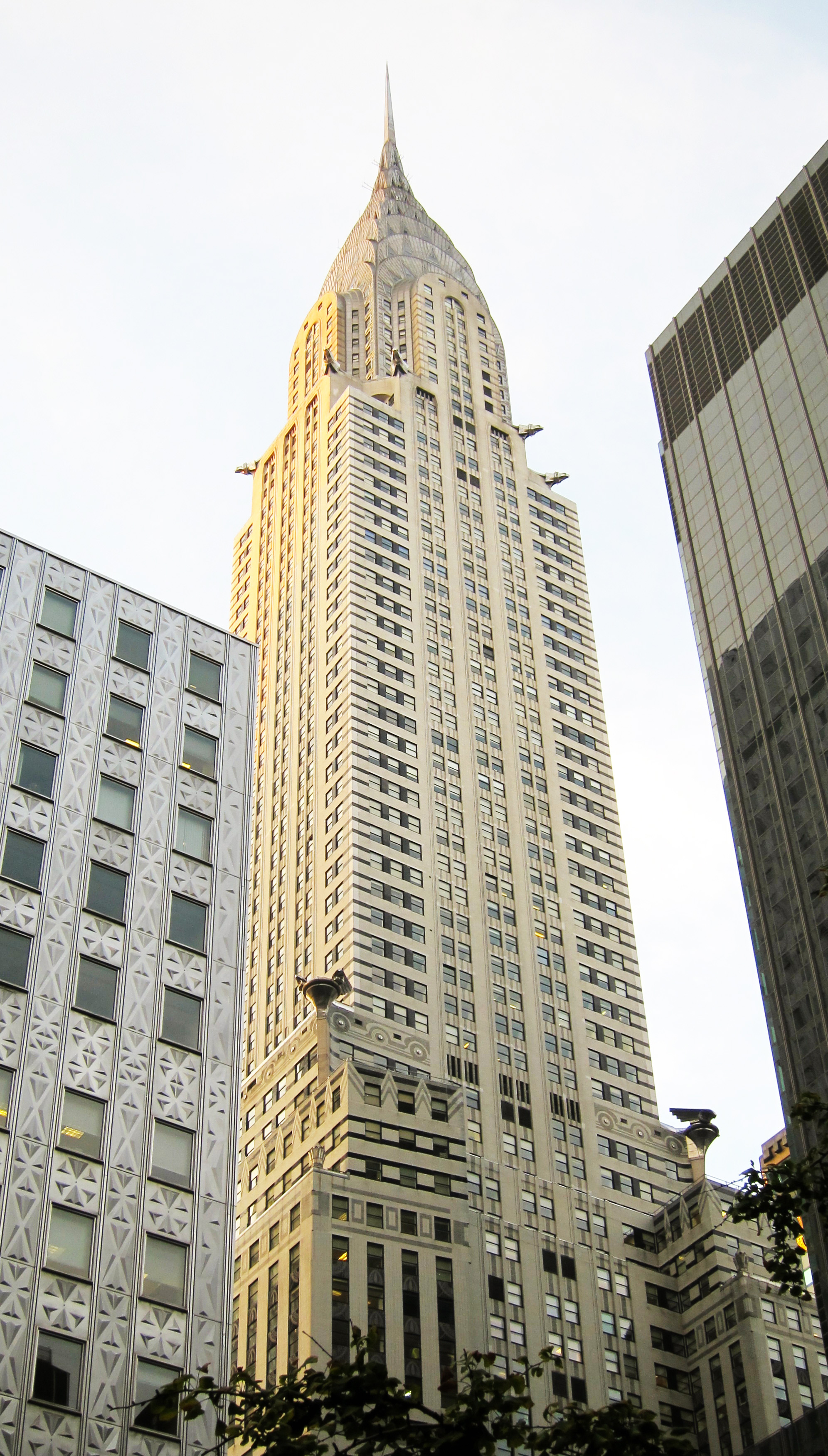 The lighting in the lobby is very architectural. By this I mean that it is integrated with the structure so that is helps define the space with areas of light and dark.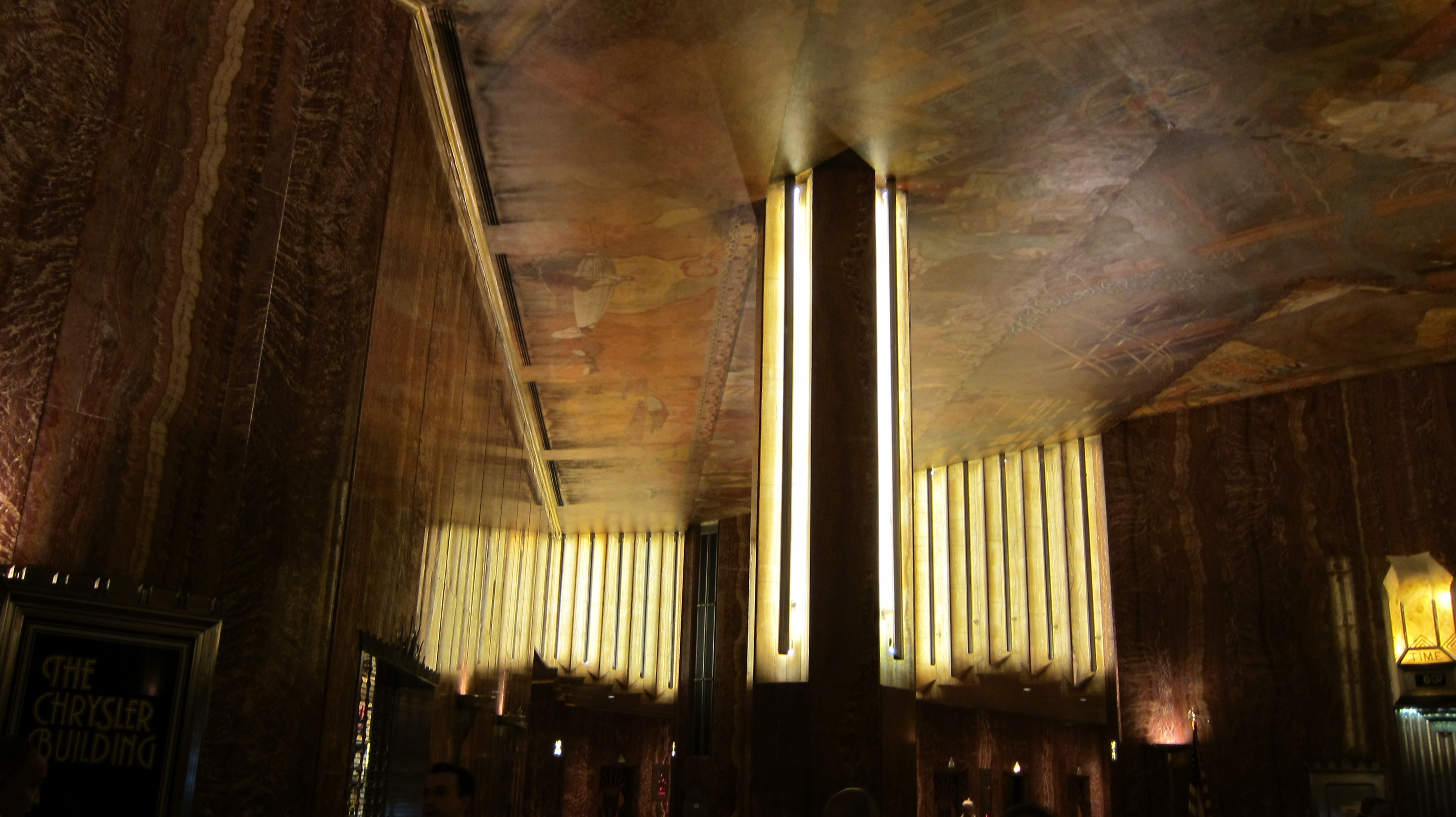
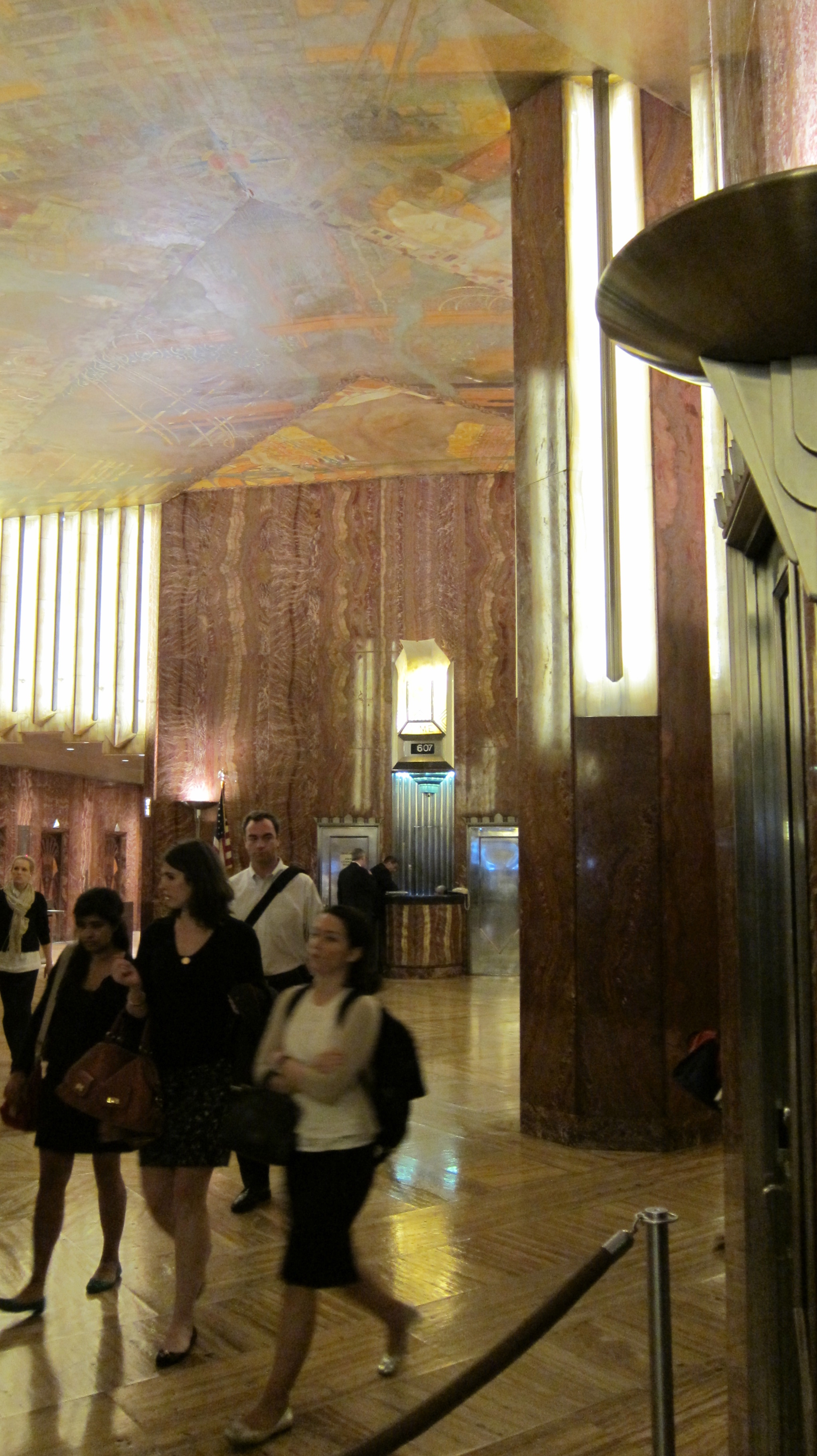
James Maher has some better photos of the lobby on his website. Here are some more photos and information about the building.
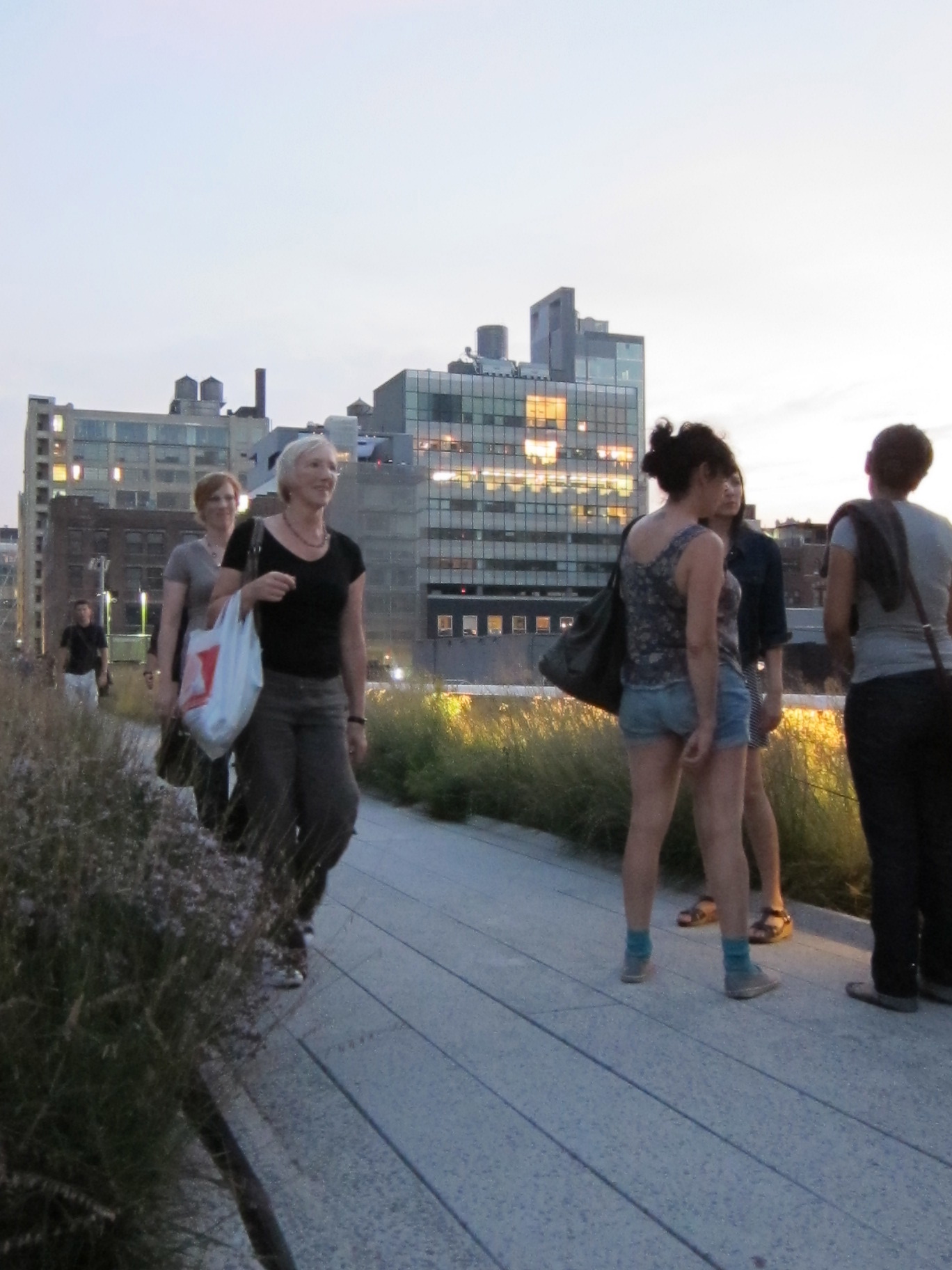
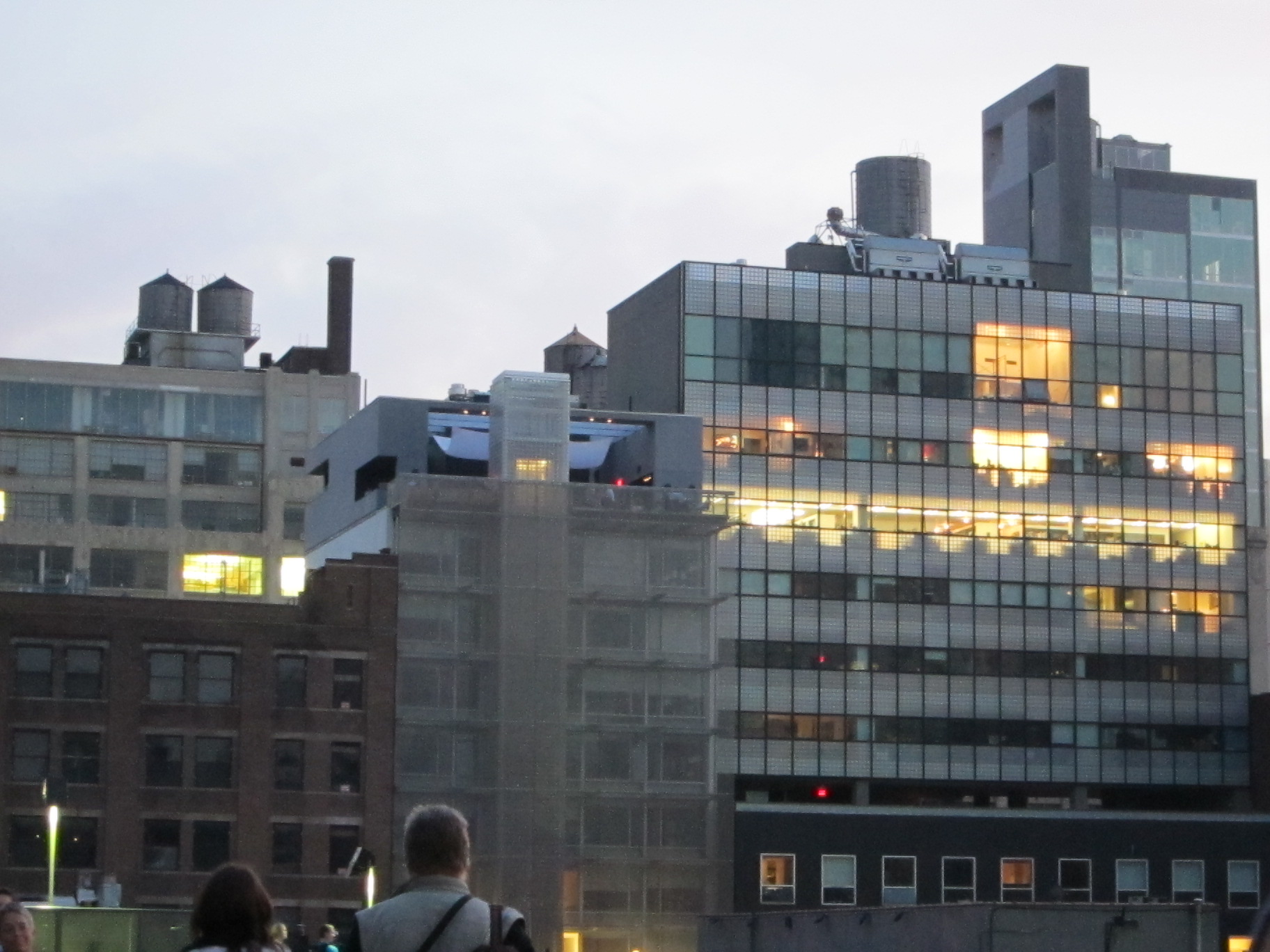
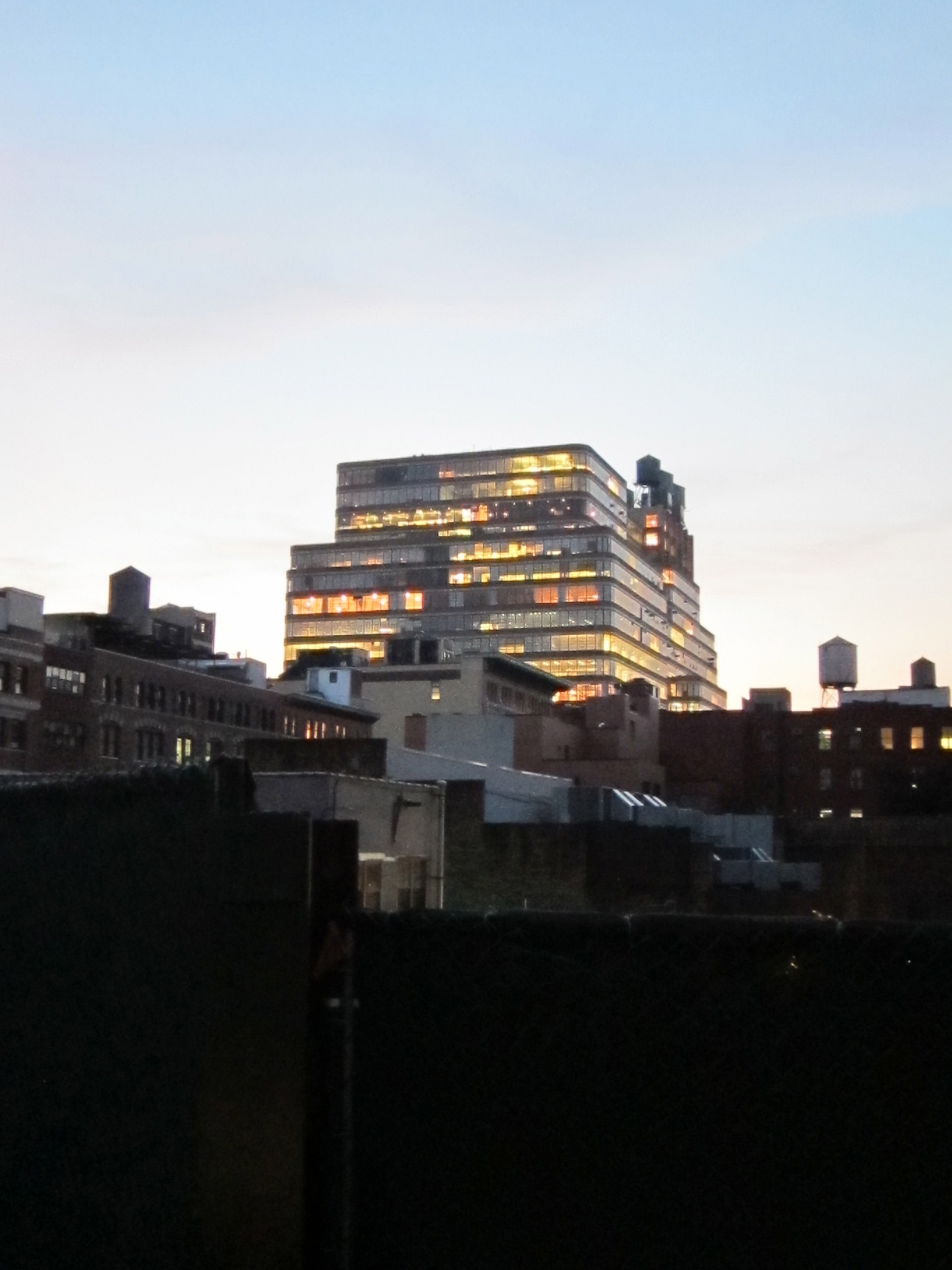
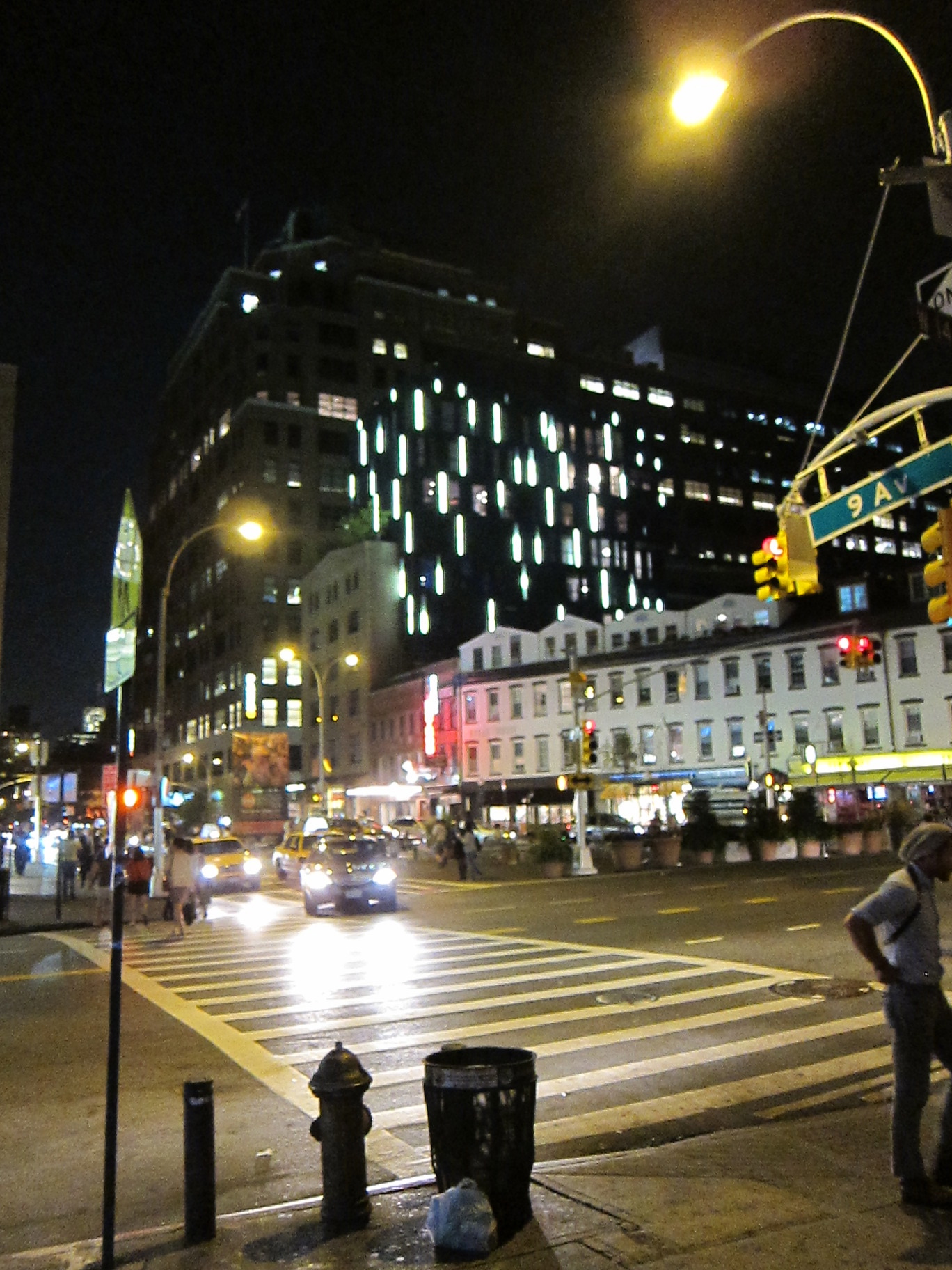
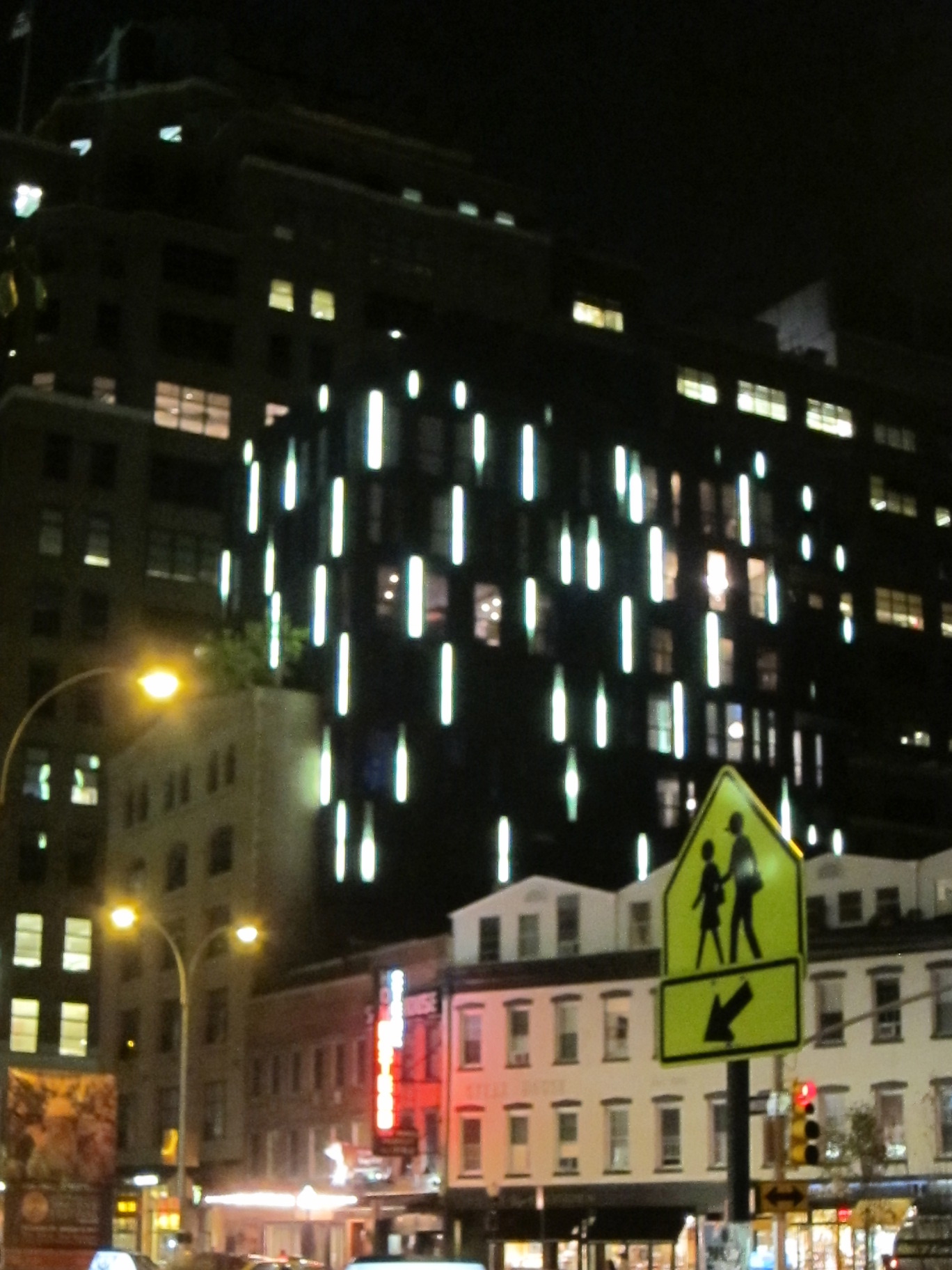
I made it to the High Line, on the other side of town, in time to take a few picture at sunset.

 deedsdesign