Feeds:
Posts
Comments

The building energy code for California is getting stricter in January 2014 and the new rules have been published.

The real goal is for all new homes to be net zero energy by 2020.

One of the biggest hopes for energy savings is LED lights, and the CEC is cracking down on the industry demanding tighter tolerances and standards so that consumers can trust that they are getting the amount and color of light and the longevity that they are paying for.

I just got home from a presentation of some of the latest in LED lighting technology by Param Electric at Laner Electric Supply. I learned a few new tricks and I have some of their product recommendations to share.

1) You can add a current limiter to a track lighting system so that it can pass inspection in a kitchen where lights are required to be high efficacy

2) This one isn’t strictly for LED lights: MR16 fixtures need filters to diffuse the light and eliminate spotty wallwashing

3) The amazing new Cree “A Lamp” only dims to 40%. The new Title 24 for 2014 will require it to dim to 15%, so hopefully Cree will be able to make that happen. These sorts of LED bulbs that can screw into traditional sockets are a great and simple solution for energy savings without throwing out the whole fixture. Beware that overheating is a problem for these bulbs. Many cannot be installed in enclosed fixtures and some cannot be installed facing up. Most are directional, which can be a good thing, but doesn’t work so well in situations where you want light to shine up and down and all around.

3.5) I have used Cree recessed LED lights myself for at least the last 5 years with success, but learned from these specialists that Cree has good quality control and makes the lamps for many of the more high end LED fixture manufacturers. Cree itself keeps it simple and is able to produce basic recessed lights for a very affordable price. If you want something with more bells and whistles you will need to go to their competitors, Juno, Halo, Tech lighting and more. Many of their more expensive competitors are using Cree lamps in their own products.

4) Creative Lighting Systems makes a 2″ diameter recessed light that puts out 800 lumens for 11 watts. (Laner sells the whole package for about $220, the 4″ version is about $160) You can get lenses to change the lighting effect/ beam spread. According to Param, the color of CSL LED lights is not well controlled. You might get one where the color is off, otherwise they make great lights.

5) The color in Kelvins of LED light varies a lot. There has been poor regulation of this standard, but this is one of the things that the regulators are cracking down on. Soon the LED manufacturers will be held to a higher standard of accuracy. Read this for more info on color temperature in lighting.

6) Tech Lighting makes very high quality recessed lights and they are the only option if you need something that puts out a lot of lumens.

7) Diode LED makes very user-friendly strip lighting. A remote driver is required, but it can be far away and it isn’t very big. I have one of these strip lights over the door to my office. I love it so far…been about 3 years.

8) Max Light and Phillips Color Kinetics both make some good self-contained LED fixtures for undercabinet, closet, cove etc that do not need remote drivers.

9) RAB makes some great exterior LED fixtures. I can vouch for these myself.

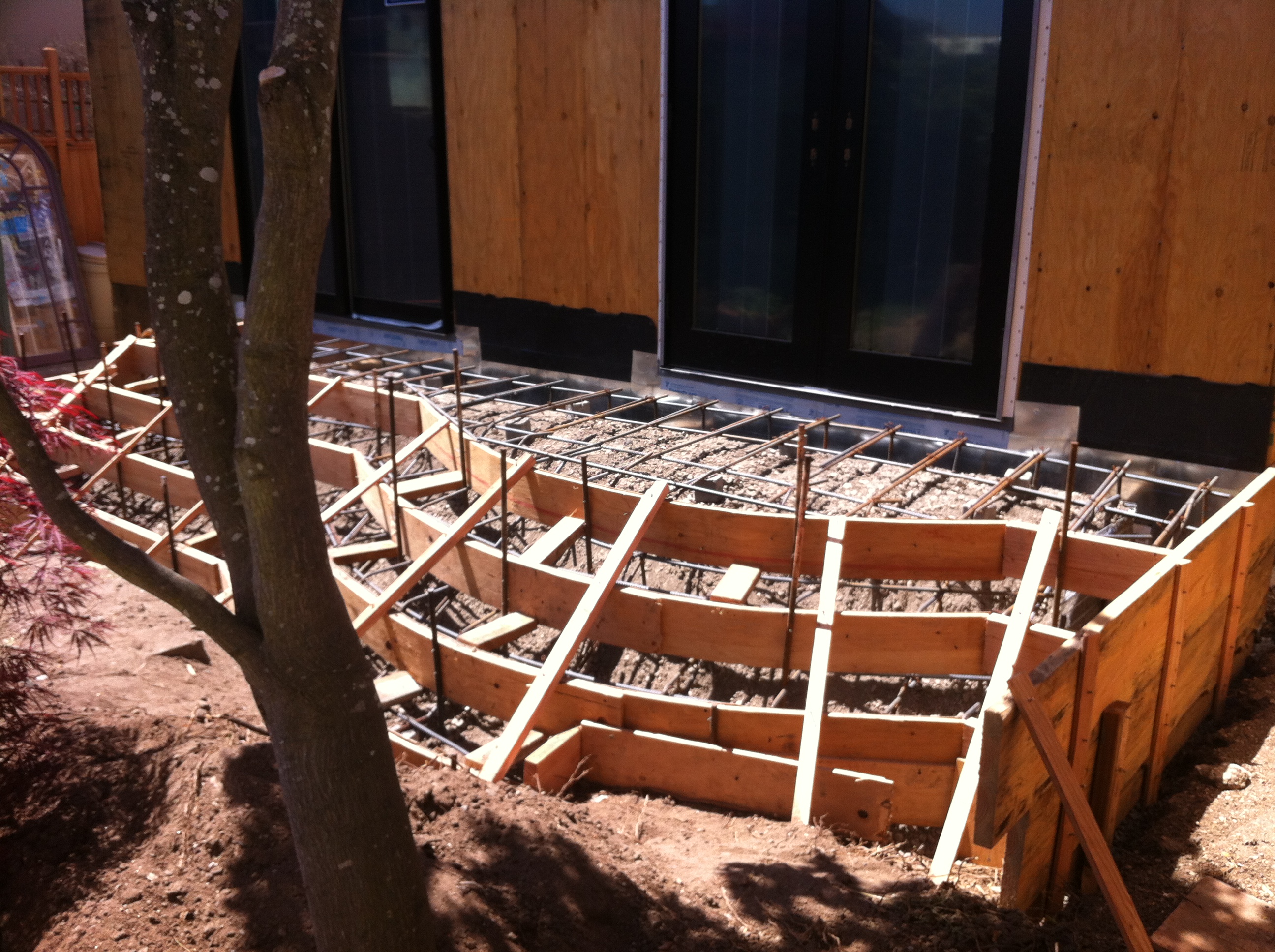
I stopped by my job site today to have a peek at the formwork for the curved concrete steps and landing at the back of the house. I was impressed by how quickly the pros got it done.

curved concrete formwork

curved concrete steps

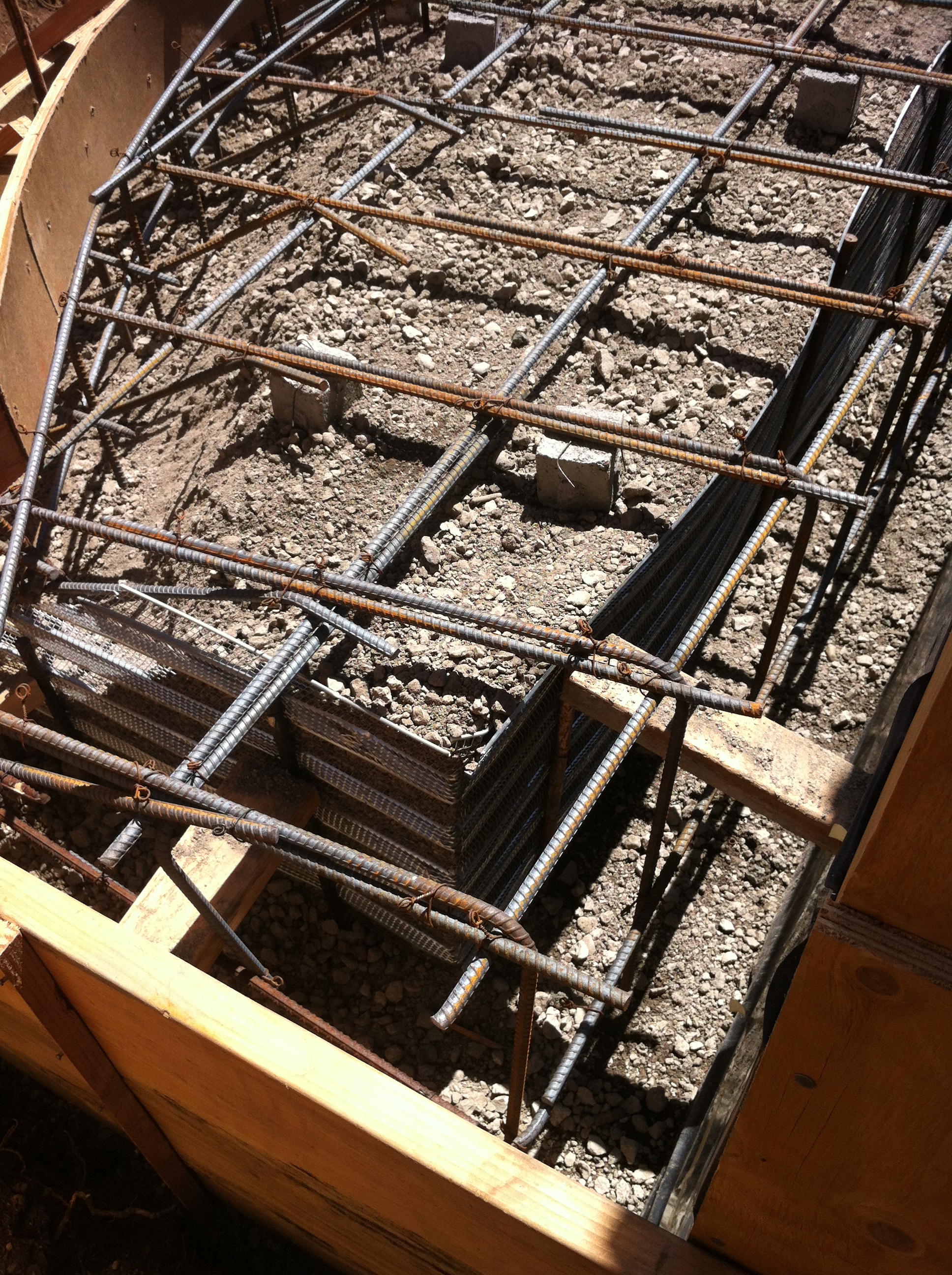
I noticed that they contained the fill at the center of the pour with a metal mesh box. This way they could use much less concrete than if the landing and stairs had been solid.

IMG_2955

Here are the steps today after they pulled the forms and finished the concrete:

IMG_2985

I learned that the concrete cost around $900, the integral color (slate green) cost $1600, and the labor to form and finish was about $2000.

I’d like to try the charred cedar, especially if it is truly durable/weather-resistant. The composting heating system is cool… might not work for everyone. The place looks great!

Visit to Snohetta

A while back I visited my friend Mike who works at Snohetta in Manhattan.  This is one of their most popular projects.  What I like about the Oslo Opera House is that the building is part of the landscape.  The ground continues up onto the roof of the building as a place to sit and enjoy the view and also as a skateboard park. Many of Snohetta’s projects have multifaceted angular shapes that do not seem contrived. The complicated shapes result from many different decisions during design rather than forcing the design to fit into a particularly shaped envelope.

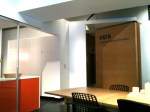
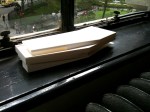
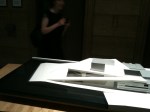
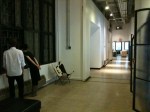
I never had a chance to share the photos from my visit to their office, so here they are:

We stopped in at Claypot, the new neighborhood Vietnamese restaurant on San Pablo last night.  The food was good and I really liked the light fixtures by Omega Lighting. They were made out of old wine barrel hoops.  What I like most is the cool shadow and light patterns that they cast on the white ceiling.

IMG_2915

The place does need some acoustical dampening. The designer owner told me that they would be installing some sound absorbent panels in the middle of the ceiling. I hope they don’t take away from the beautiful shadows!

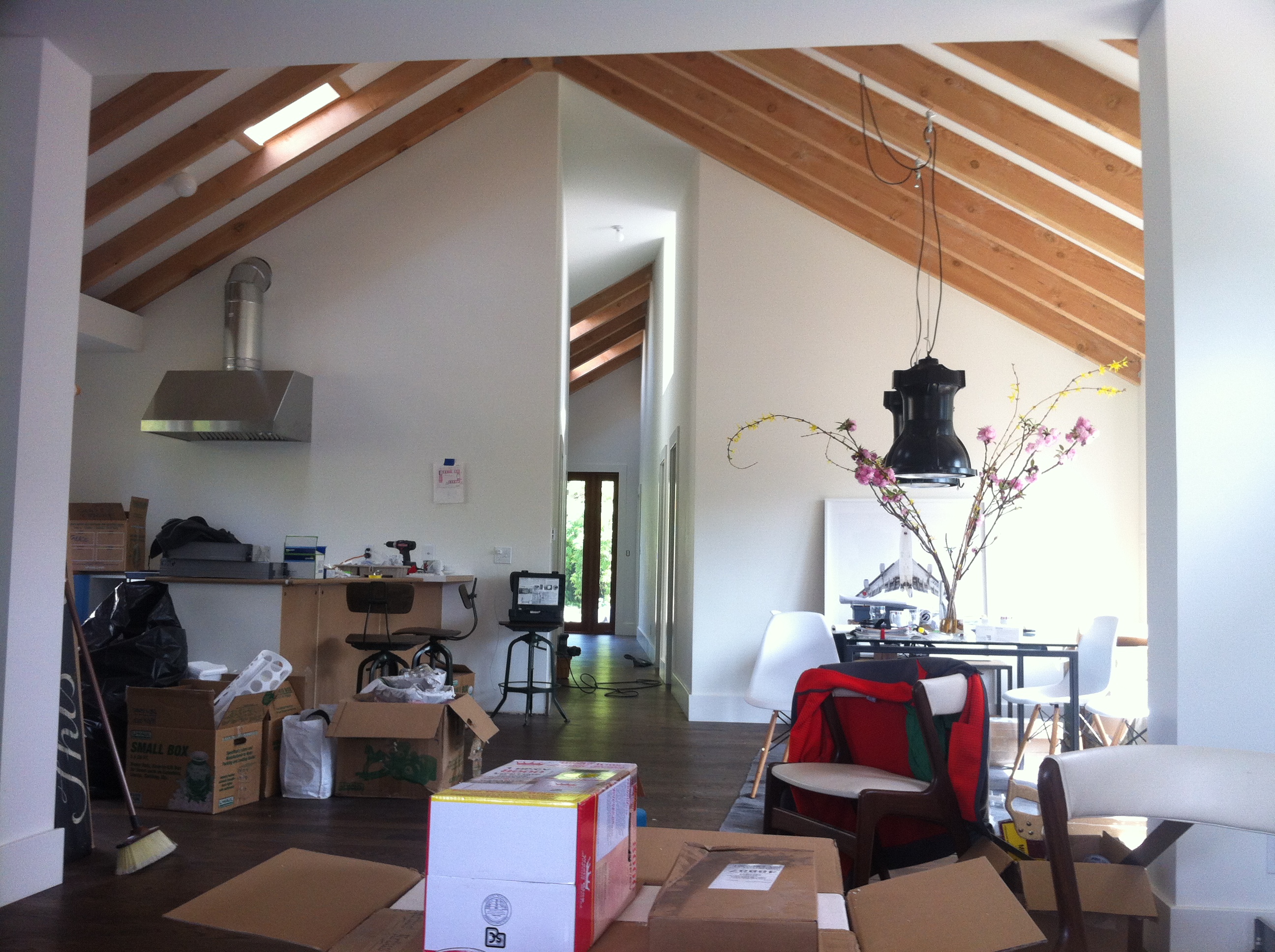
I was visiting my carpenter friend last week for lunch and got to see this project before the client finished moving in. The architect made a lot of nice moves in renovating this old house.  He vaulted the ceilings, opened up the space, and connected better to the backyard, Sunlight comes in through a few  well placed skylights, big south-facing french doors, and a high window in the hall. I am sitting in the front room and I can see the back yard at the end of the hallway. The hallway has to slice through the house at an angle to make this happen. Unusual geometries result from the angled hallway, but since they result from a purposeful  move they do not seem contrived.

IMG_2880

Something to be said for keeping it simple.

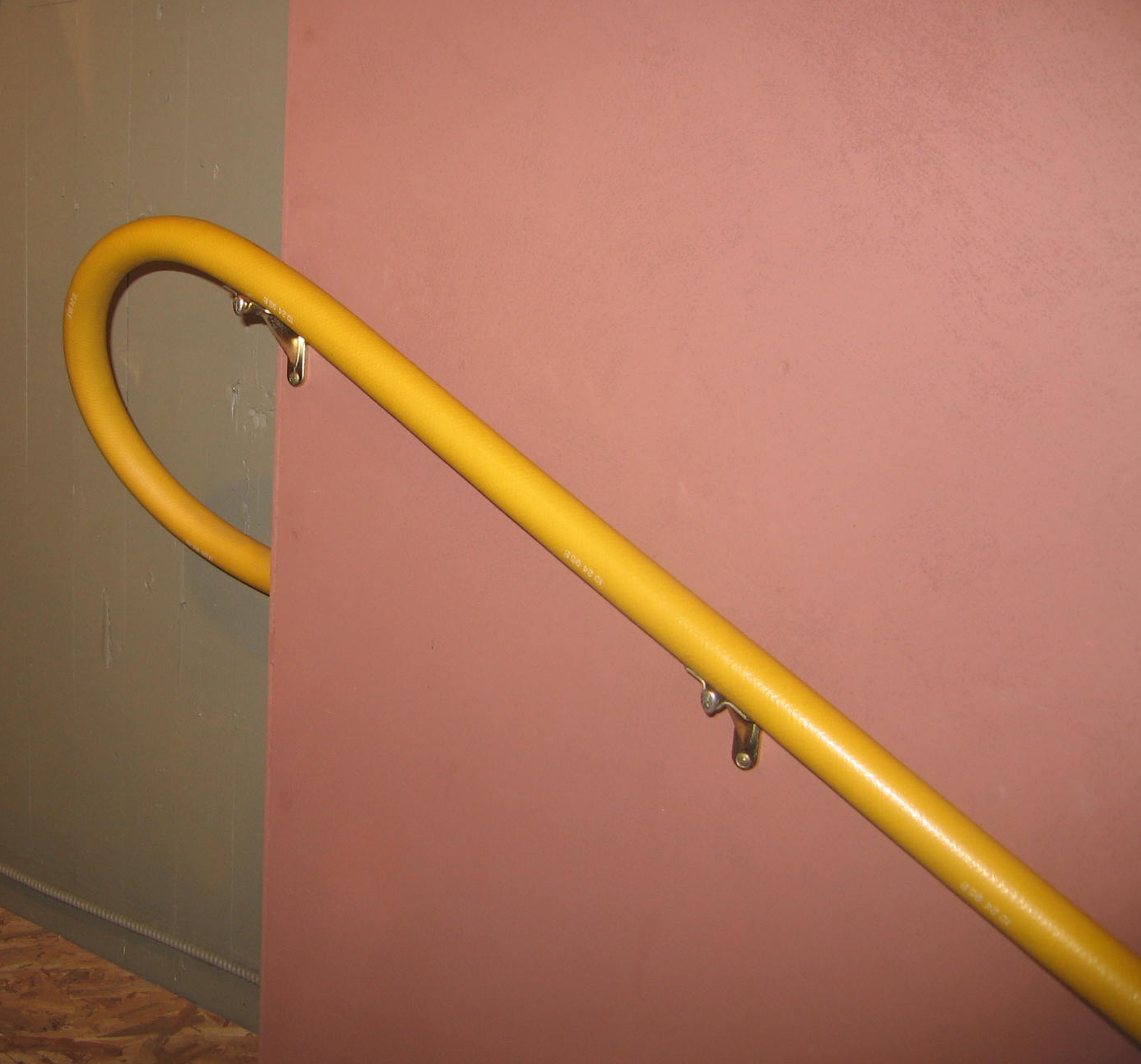
Hose for Handrail

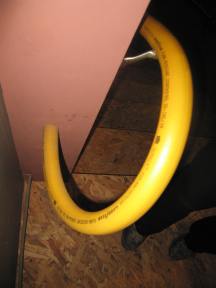
Check out this innovative and easy to install handrail I saw at a Berkeley furniture showroom:

IMG_4428

IMG_4429

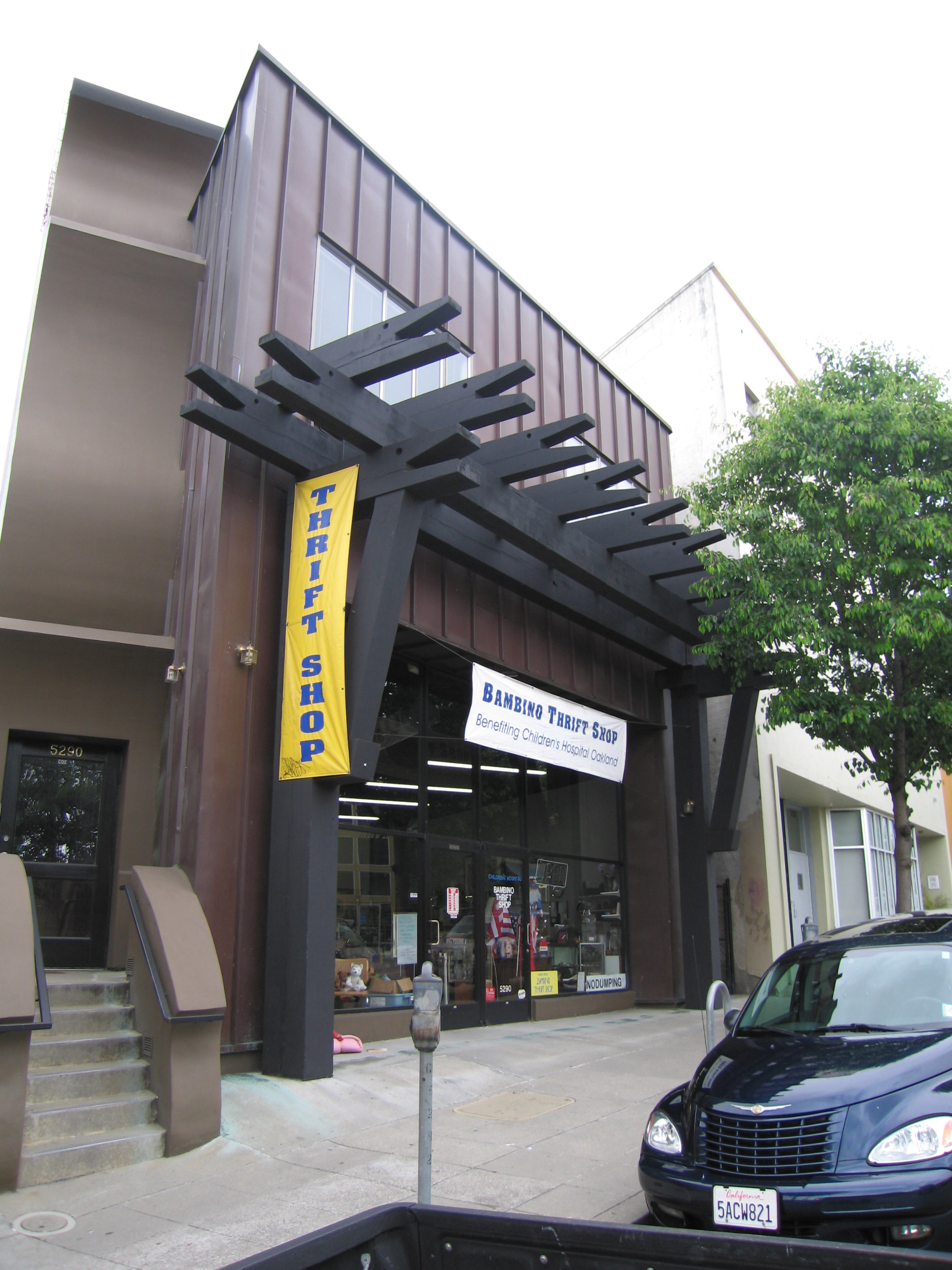
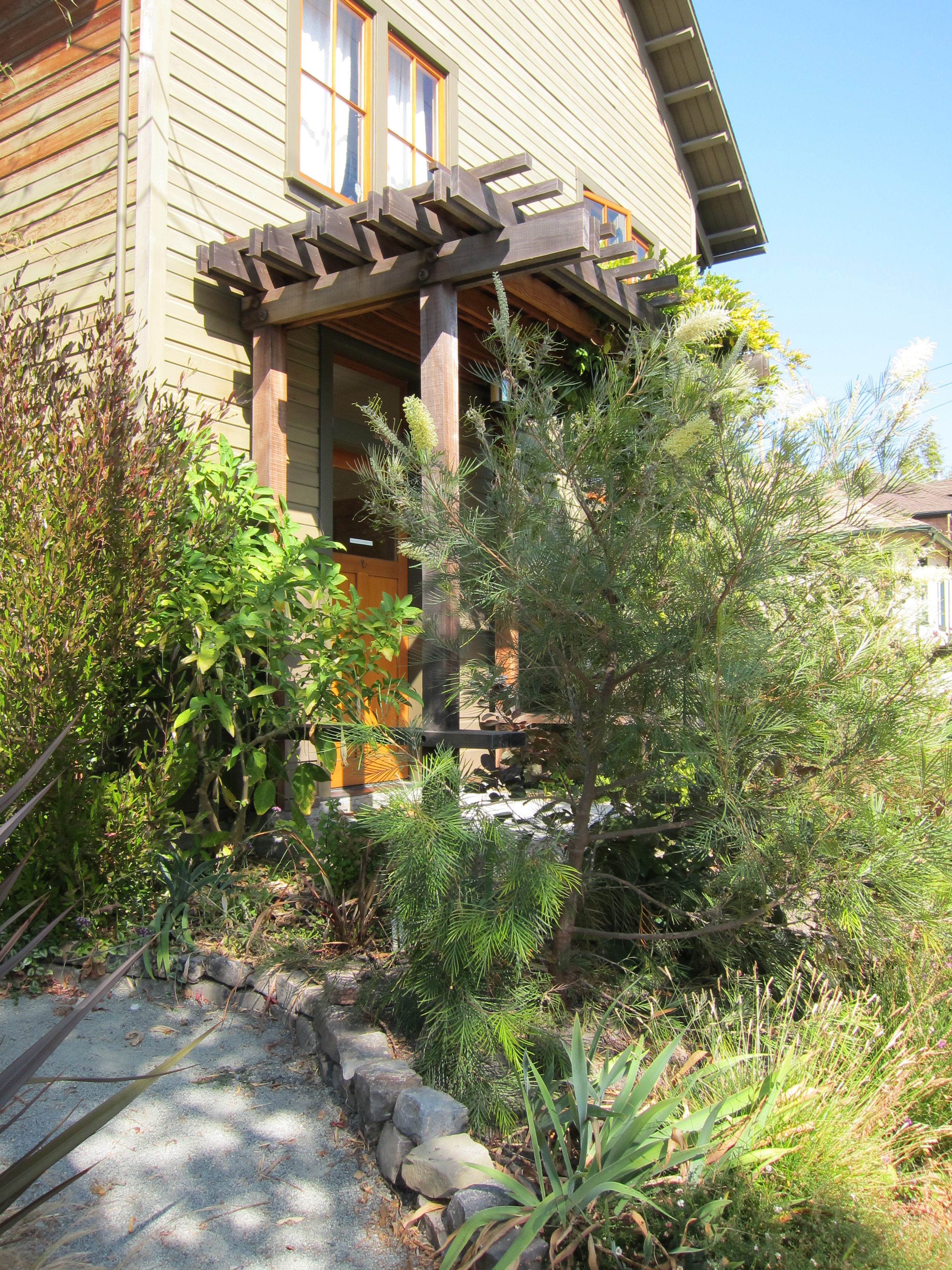
I have collected a few more interesting trellises to share. People in the East Bay sure do like their trellises.  Probably because it is so sunny here!

This one is sort of a caricature - Oakland, CA

This one is a caricature – Oakland, CA

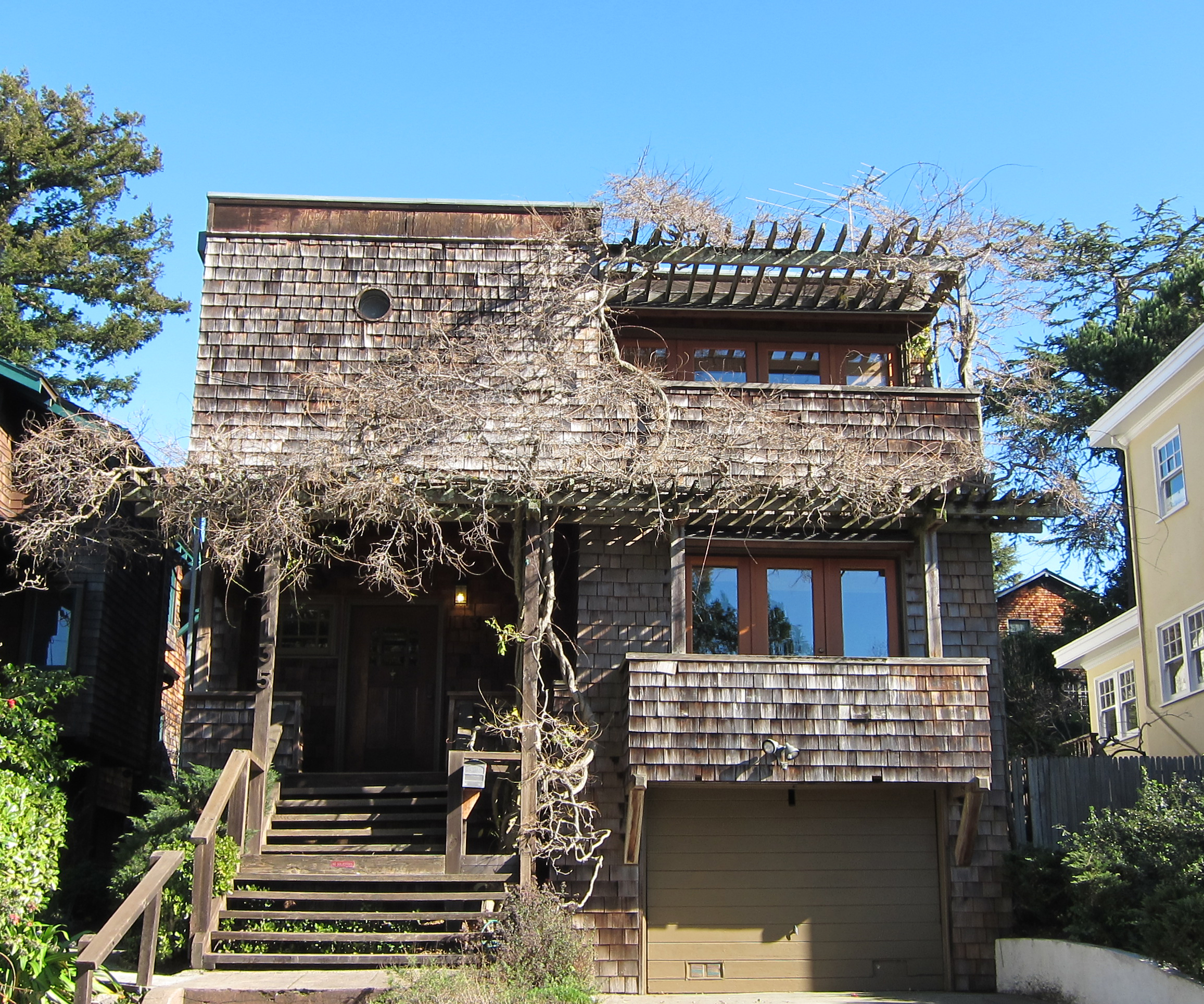
This one is well integrated with the architecture and looks great even though the vine is hibernating - Berkeley, CA

This one is well integrated with the architecture and looks great even though the vine is hibernating – Berkeley, CA

IMG_0007

Another wisteria trellis with cool metal and wood brackets (zoom in) – El Cerrito, CA

IMG_0985

I like this one with the very square trellis members – Berkeley, CA

IMGP1707

Modern steel and wood trellis – Oakland, CA

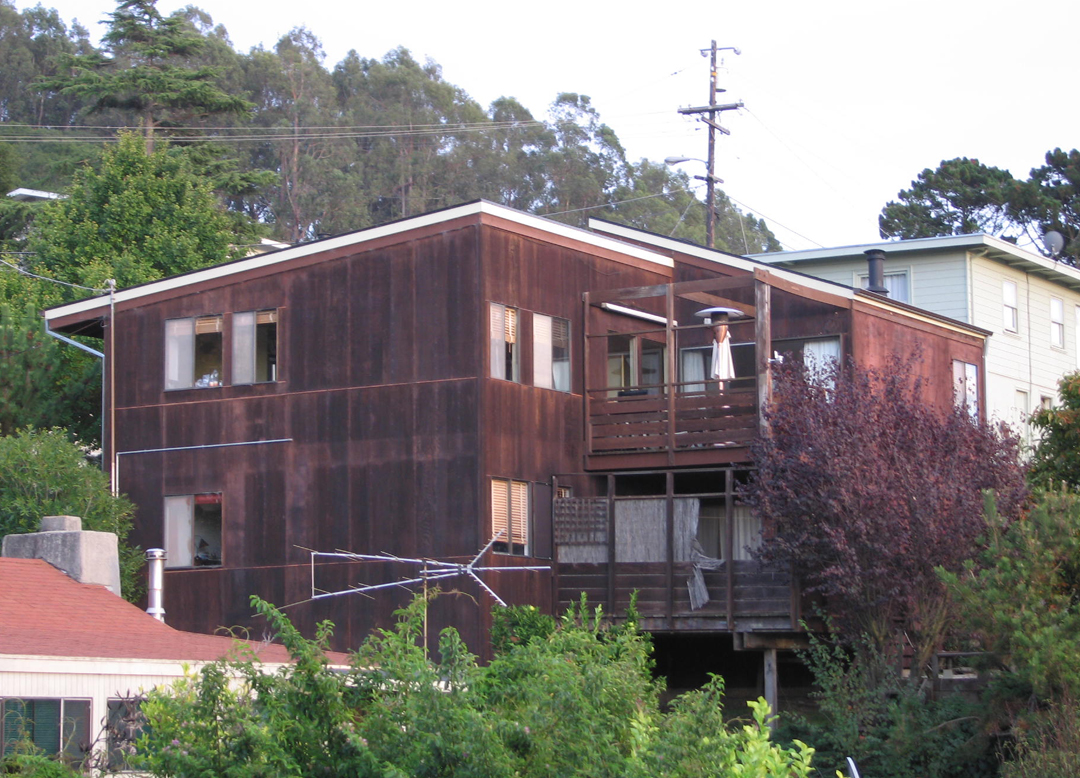
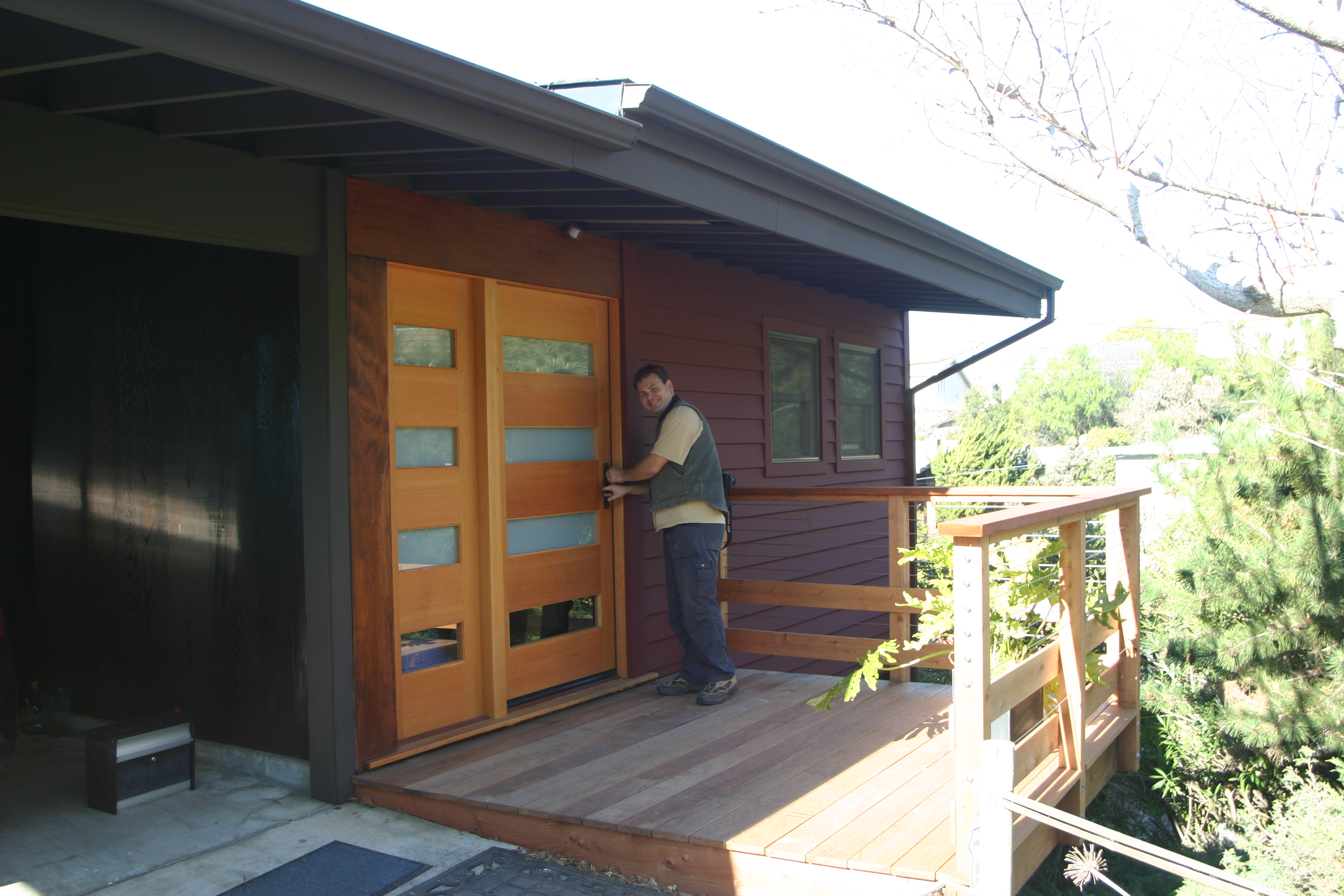
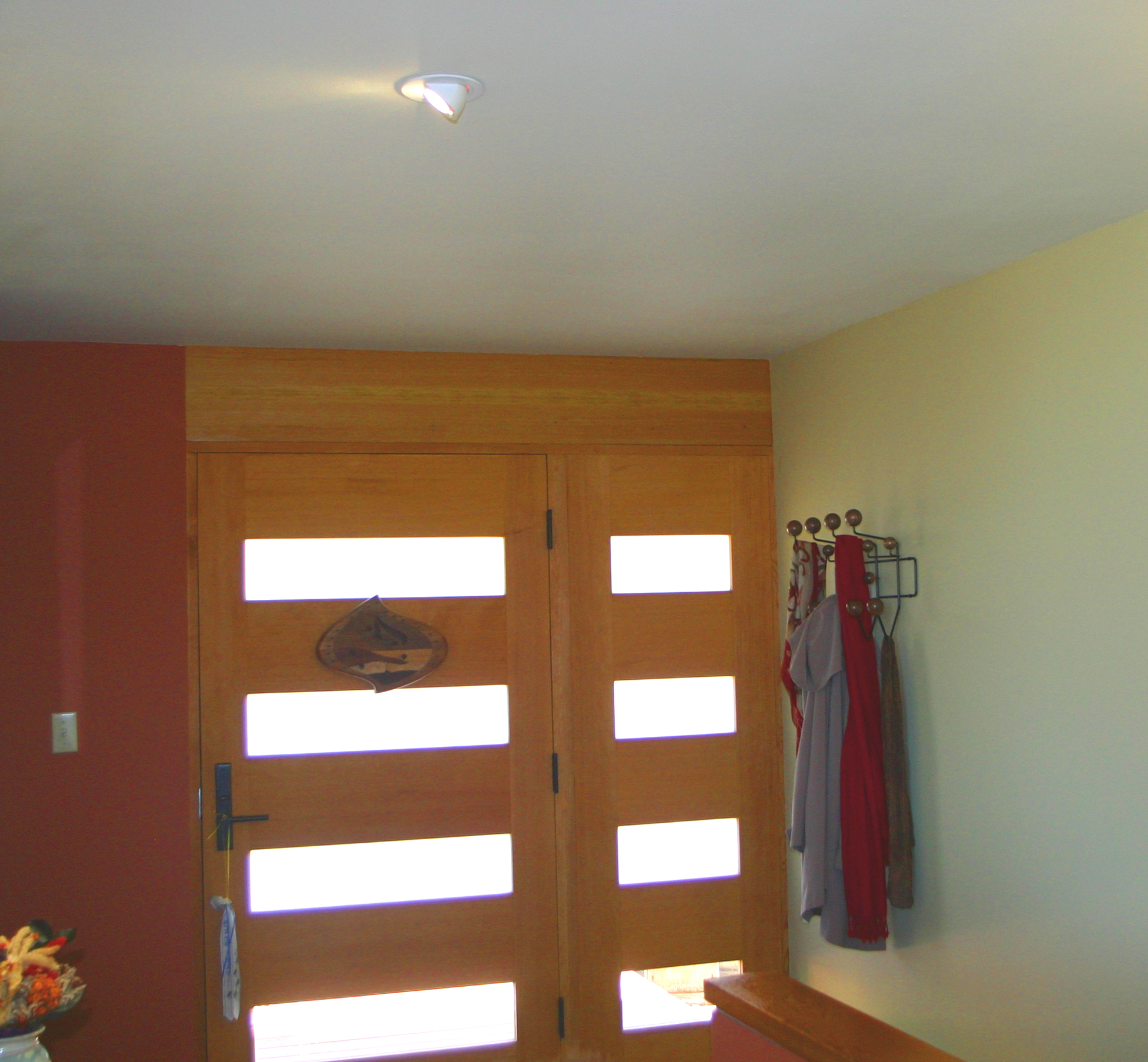
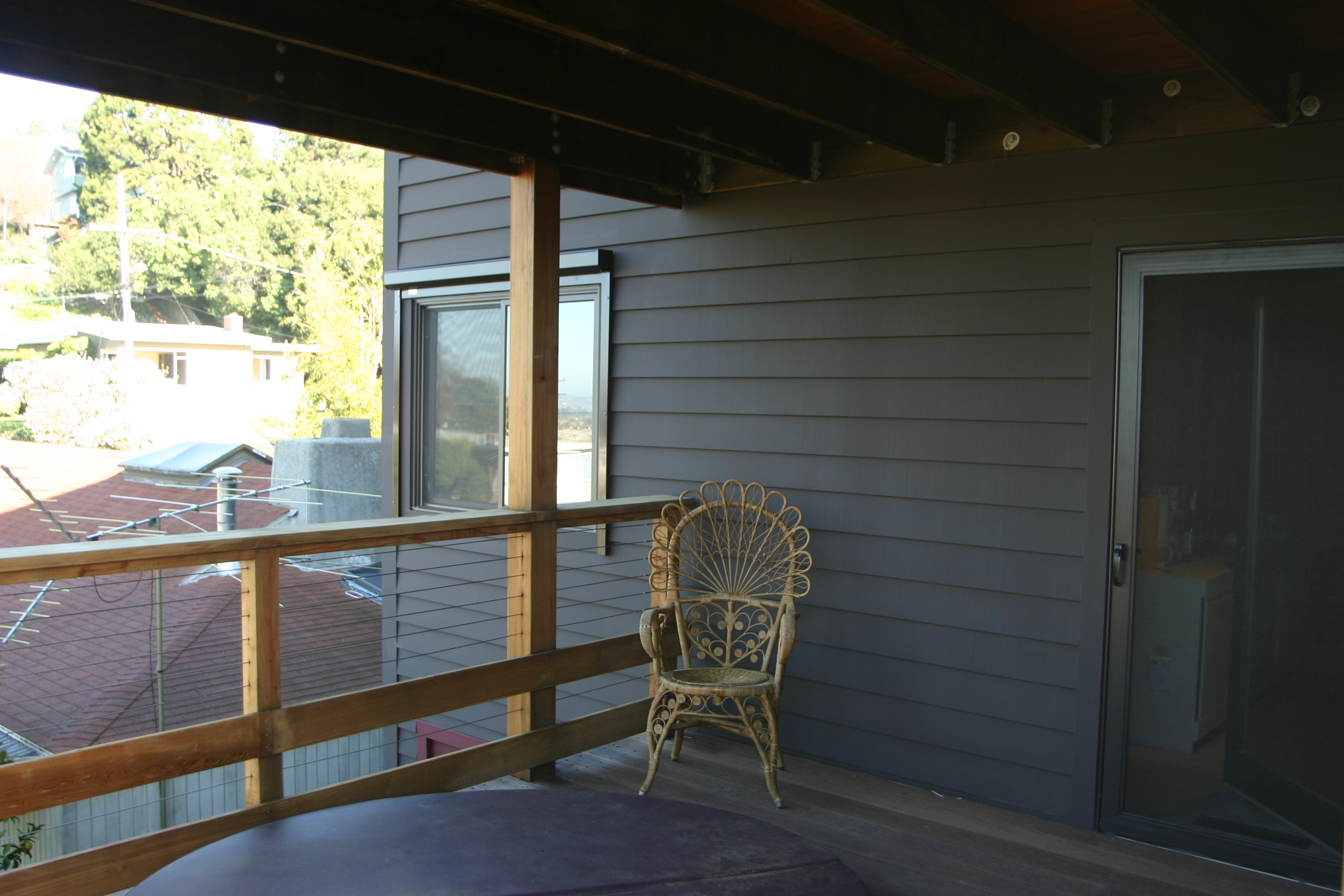
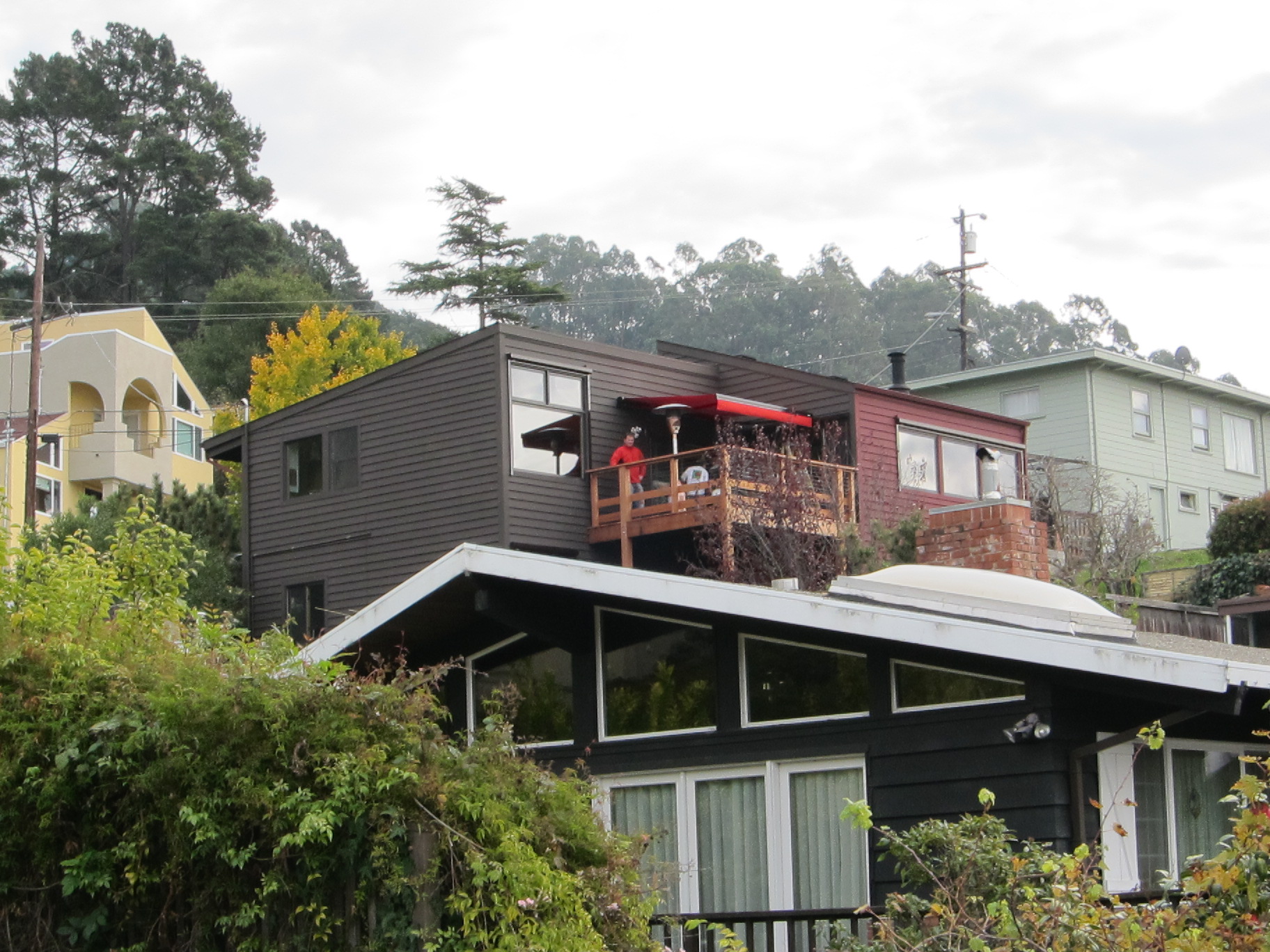
This 1972 budget modern house needed a tune-up. In the process of replacing the windows & siding, adding insulation, replacing the double level deck, and adding exterior window shades and a bright red-orange awning on the NW & SW sides, we also rearranged things and made the floor plan work better. That was the most satisfying part of the project, but it is hard to show it in photographs. Type “Navellier” in the search box to the right for photos of the process.

before for blog

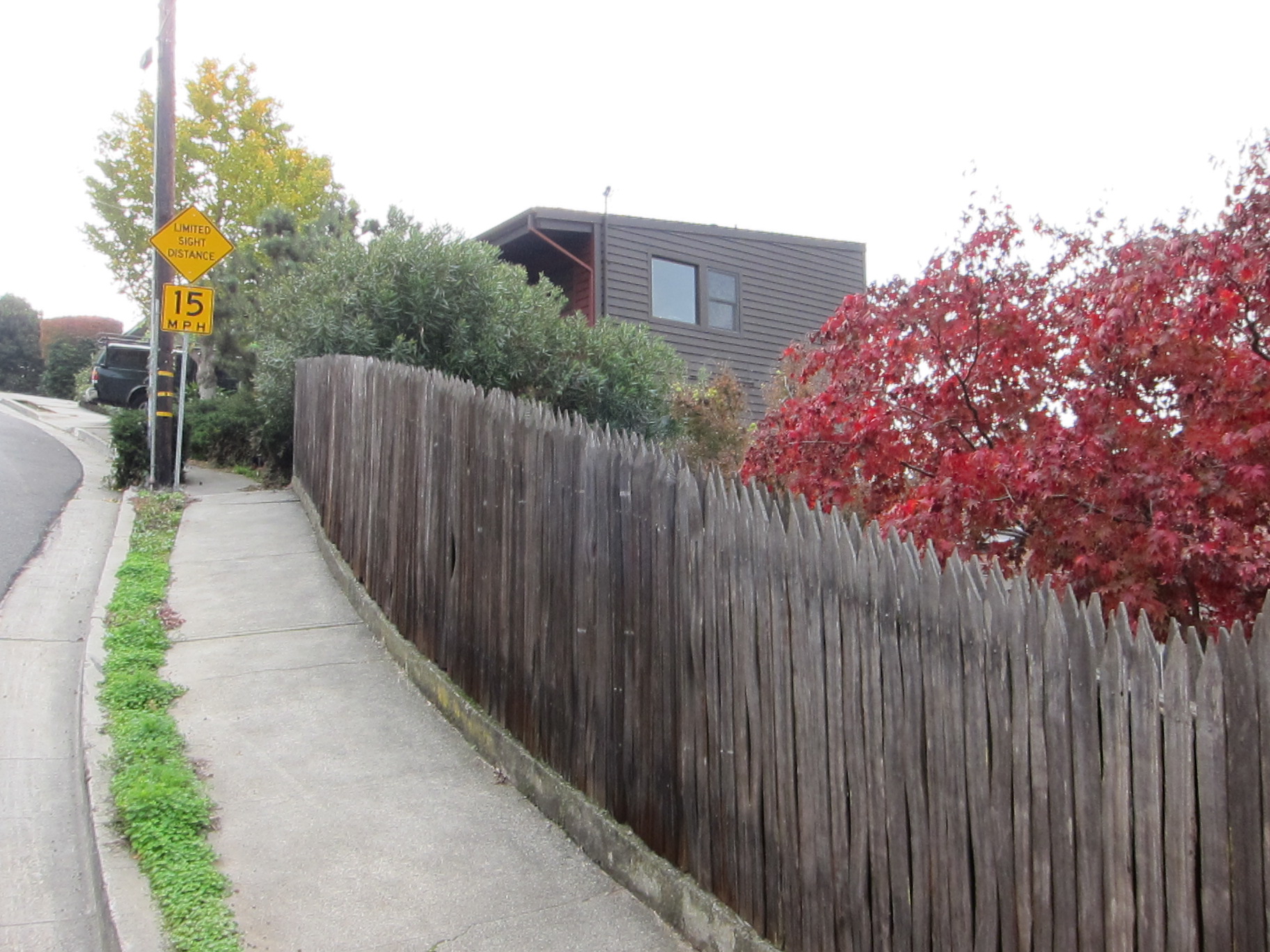
Here are some photos after construction:

Approaching the house

Approaching the house

isabel 048

New entry door and porch

isabel 040brightx2

isabel 006

Exterior window shades and awning (retracted) and fibercement siding installed as a rainscreen

Redwood and stainless steel railing

Guillaume and Freddy under the bright red awning

Guillaume and Freddy under the bright red awning

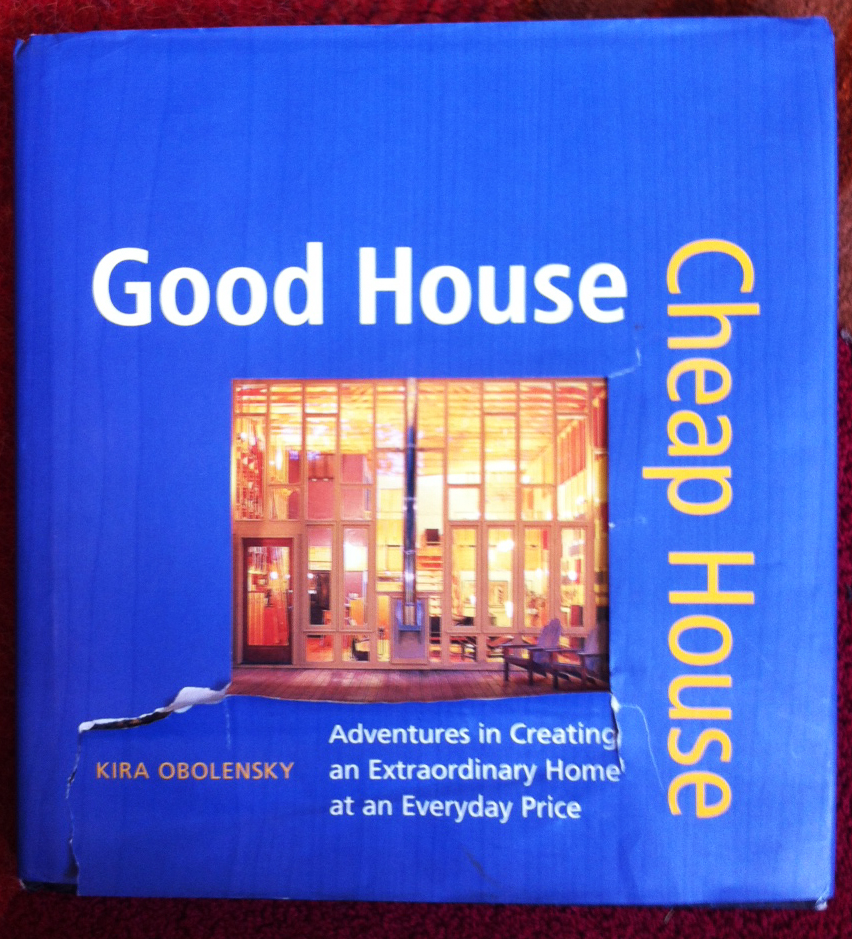
A friend recently recommended this book:

Good House Cheap House – An Adventure in Creating and Extraordinary Home at an Everyday Price by Kira Obolensky.

The main premise of the book is that you can build your dream house for below market rate prices through creativity, salvaged materials, and hard work.  I will start by saying that I like the idea and I really like a most of the houses that she features. I also agree with Kira that the architect should not be eliminated as a cost saving measure. But now I will pick apart the strategies that she puts forward.

1) Salvaged materials – Generally this is not a viable or significant cost saving measure for most people. It is hard to find and store quantities of building materials. Using used windows doesn’t make sense in most climates because used windows are mostly not up to current energy efficiency standards. Using used framing materials often requires that they be re-certified to prove they can still perform.  Additionally, Labor costs in the United States are usually a bigger share of the budget than the materials….so it doesn’t make sense from a financial standpoint to have paid labor removing nails and cleaning up salvaged materials.  That said, if you do have a place to store materials out of the weather and access to good salvage yards, craigslist, and other places to buy used materials, money can be saved. There is often also character and charm in using salvaged materials..and of course it can be more environmentally sound. The same is true of saving parts of an old building rather than tearing it down and starting from scratch. Unfortunately, it is often cheaper to start from scratch.

2) Creativity – Kira shows many examples of ingenuity and unconventional uses of materials. Honestly, for most people with a hired contractor, I can’t imagine that this saves any money. The idea would have to be communicated from architect to client to builder, or from client to architect to builder or maybe just from client to builder and this often is a challenge.  Frequently new creative ideas scare builders who have to put a price tag on things ahead of time.  Many of the houses in Kira’s book are architects’ own houses. Its much easier to be creative on your own house. You can experiment and don’t have to spend time creating drawings, models, or other tools to convince the client of the idea.  These architects probably did some of the building themselves, eliminating communication altogether.  That said, much of the construction budget goes to finish materials. If you like the aesthetic of plywood as a finish floor or various sheet goods rather than tile for your shower and bathroom floor, curtains instead of doors for the shower and some closets, then you can save money.

It is wonderful to create something beautiful through creative use of basic materials. In my mind this is way cooler than making something beautiful by spending money on expensive tiles, carpets, and other architectural elements.

3) Hard work –  In my opinion, this is the only sure winner, but it also has to be smart work.  Experienced builders and architects and engineers are often more efficient and have tricks of the trade. Doing your own work, design or construction, can sometimes lead to disappointing results.  The hardwork that makes the most sense in my opinion is spending the time to carefully select your architect and builder, spending the time to have your needs and desires and budget thought through, assisting the architect where possible and being available and giving schematic plans sufficient thought and consideration and getting preliminary pricing before moving along to the more detailed construction documents. It is often a good idea to pick a builder early on so the architect and builder can work together for an efficient collaboration. During construction there is plenty to do. Some builders are open to clients helping with the work, others typically bigger companies, want no part of this.  I have had several projects where a small builder was happy to have the owner operate as a carpenter’s assistant. This is a great way to learn and get your hands dirty while having an expert on hand to guide the project. Home owners also frequently help with clean up and dump runs – labor intensive and low skilled parts of the job. Painting is often done by the home owners, but it is often more efficient to paint before finish electrical and plumbing, so it might be inconvenient for the contractor to wait while the homeowner does their own painting. The most important thing that a homeowner can do to make the job more efficient is to be available and spend the time to make decisions as quickly as possible. If every door knob has not been selected prior to construction with the architect, these things will have to be selected during construction. There are a lot of small decisions like this and it is crucial that they don’t cause delays.  It is even more important that you don’t change your mind about certain decisions. changing things late in the game can be very expensive.  Beyond making decisions, keeping your eye on things is always helpful. Even an untrained eye can detect issues and help things go more smoothly.

4) Simplicity – A cost saving measure that Kira does not mention is simplicity. For example: Most kitchens these days have recessed lights, under-cabinet lights and a decorative light in the middle of the room. If you have high enough ceilings to make it work, stick with one big light in the middle of the room. (if your ceilings are not high, you might not get enough light on the work surfaces.)  Every switch and fixture costs money. Complicated roof lines can be very expensive in labor and materials.

5) Lifecycle costs – It is also important to consider the lifetime costs of the building. Incandescent bulbs might be cheaper, but LED bulbs will save you money in the long run. Durable materials will last longer. Money spent on extra insulation will usually save money down the road.

Interior Design and Color

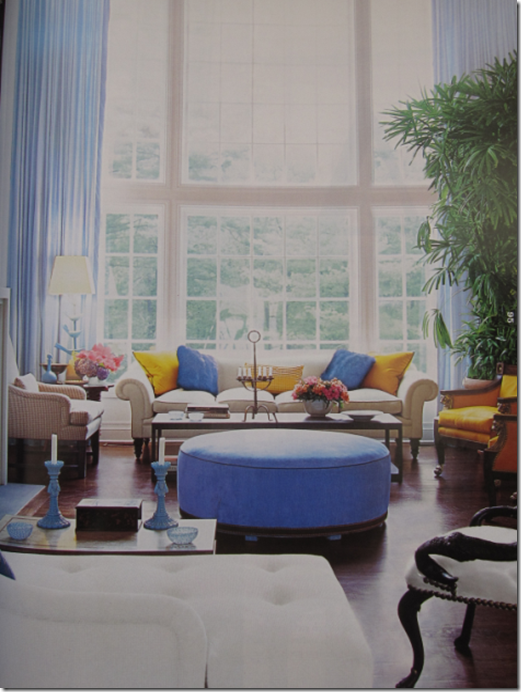
I’ve been following this blog of a color consultant & interior designer in part out of fascination with someone so different from myself, but also because she has some real tidbits of wisdom. Read the post linked above for her explanation of what is good about this room below.

Maria's favorite room