January 15, 2014 by sarah
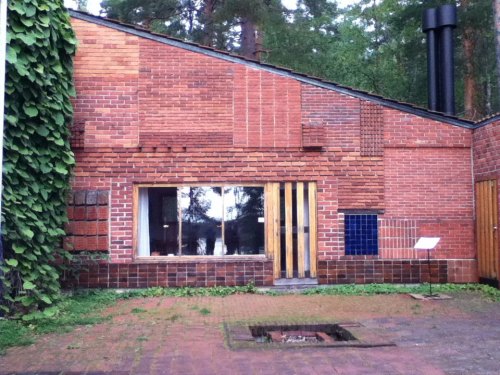
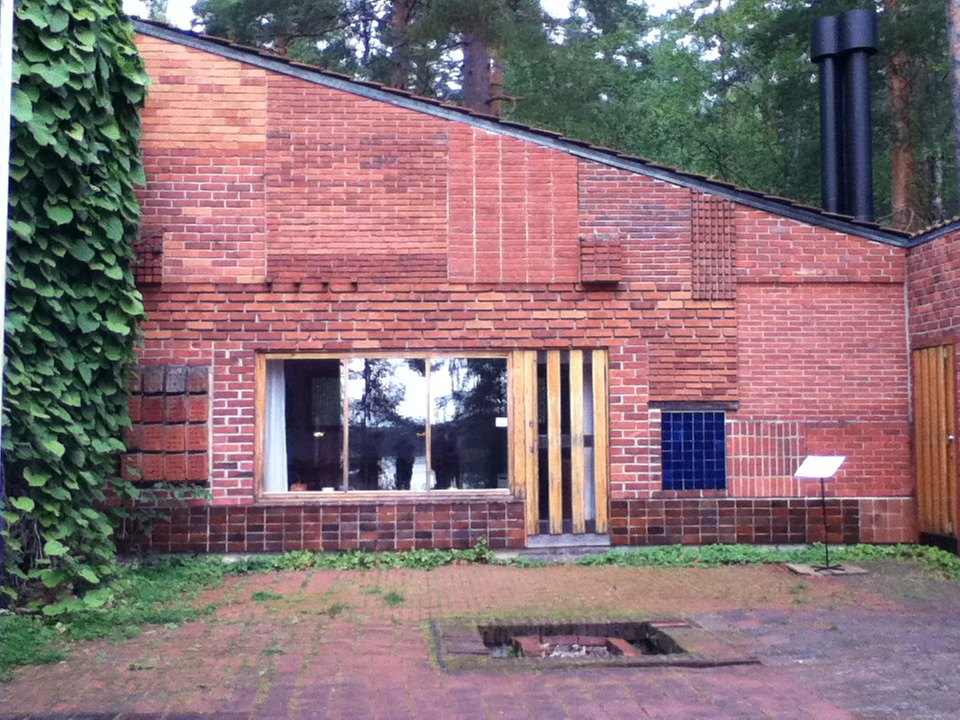
Aalto’s summer house, Muuratsalo, 1953 – brick experiments
I love bricks. The scale of a brick to fit in a human hand allows you to imagine the wall being built one brick at a time. I probably read that somewhere rather than invented it myself, but it’s right. Bricks can also create nice patterns. This photo is of a wall of Alvar Aalto’s summer house on Muuratsalo and maybe was a test palate for different brick options.
I looked up this project up in my one Aalto book, Alvar Aalto by Richard Weston, 1995. Weston has several pages on these “brick experiments”
“The brickwork is also painted white externally, while inside the courtyard the brick and tile experiments create a rich patchwork-quilt on the walls and floor, which suggest by turn De Stijl-like reliefs, or old walls with redundant door and window openings bricked up and patched over time. The experiments were as much aesthetic as technical: we are in the world of metaphor again , for what are these walls if not imitations of ‘ruins’ – past, or perhaps to come? Is this tiny piazzetta, the atrium of a Pompeian patrician’s dwelling, or the (de)relict room of a large, old house, which has lost its roof and been recolonized as a picturesque courtyard? All these possibilities come to mind: the image is too general to be pinned down to a specific interpretation – it would lapse into kitsch otherwise – and can still be contemplated simply as an abstract collage. Memories of Pompeiana probably played their part. As did those of Italian piazzas. I like to think Aalto intended the walls to be seen as the arch-empiricist’s ironic commentary on the fate of the strict geometric compositions then coming into favor in Finland under the influence of the arch -theorist Aulis Blomstedt, with his pythagorean fascination for number and proportion on the basis of beauty. ” Pg 119-121
There are several more paragraphs of discussion of the meaning of this brickwork in Weston’s book. I think I will let you read the book rather than transcribe it here.
Posted in Found Objects, Information | Tagged Aalto, Alvar Aalto, bricks, materials, patterns, whimsy | 1 Comment »
My client is choosing between two very different woods for their flooring throughout the house. The samples are both very nice, so I thought I’d share them. Both of these are finished with clear Rubio Monocoat, an environmentally friendly wood finish that is more matte than conventional floor finishes. We are also hoping that since it is not shiny it might not show wear as much. It is much easier to repair scratches in this type of finish.
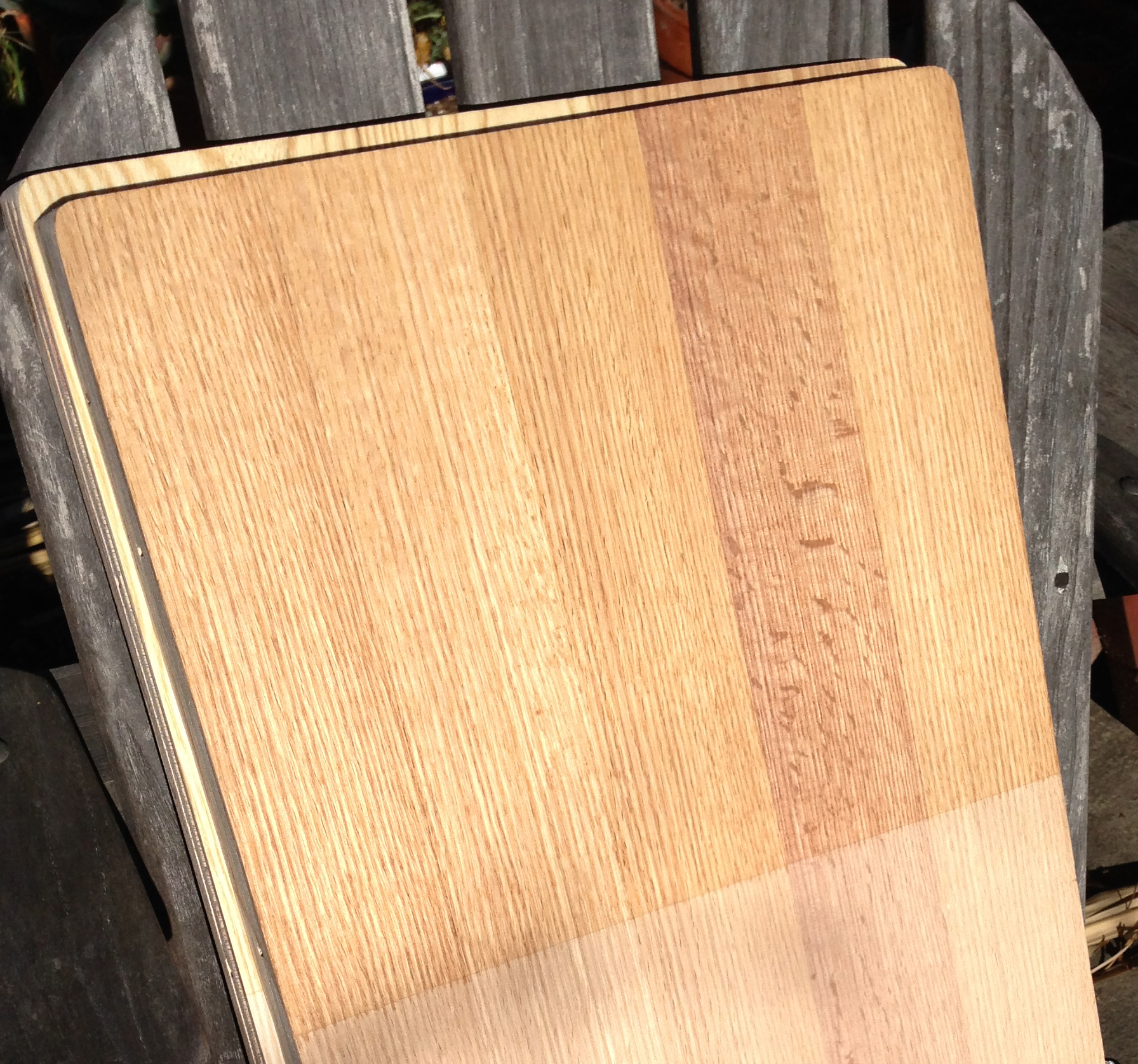
The first sample shown here is Rift Sawn Oak. It has a very regular grain pattern of tight straight lines. It is a medium warm brown color.
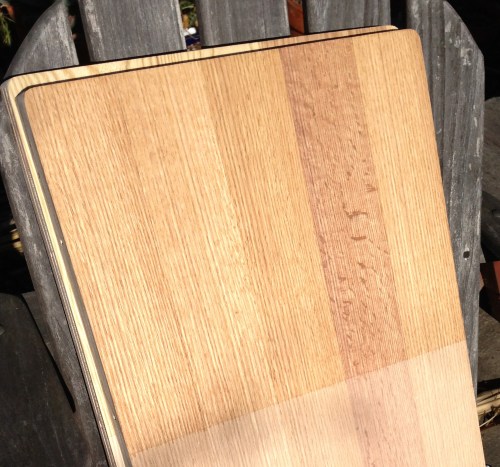
Select Rift Sawn Oak with Rubio Monocoat
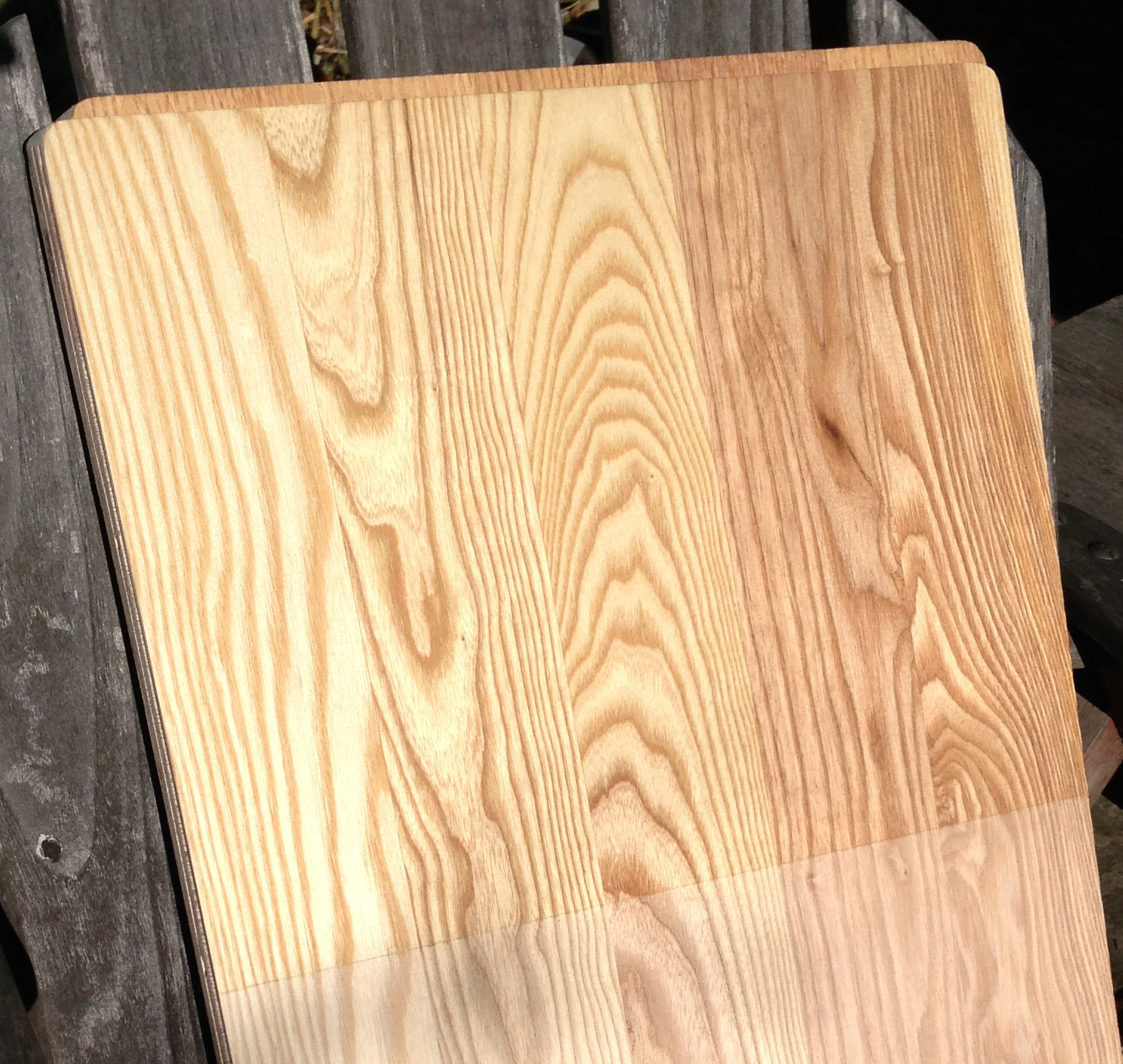
The second sample is ash. Ash has a very pretty, much less regular grain pattern and an ash blond color.
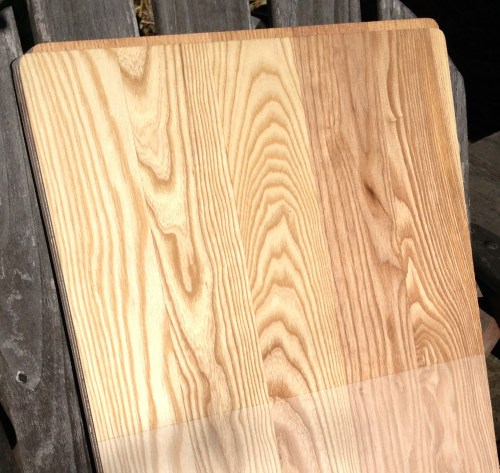
Ash Flooring with Rubio Monocoat
They can’t go wrong with either of these, but I am particularly partial to Ash.
Posted in Design Projects | Tagged ash, floor finish, flooring, green, riftsawn oak, rubio monocoat, wood, woodgrain | 1 Comment »
December 4, 2013 by sarah
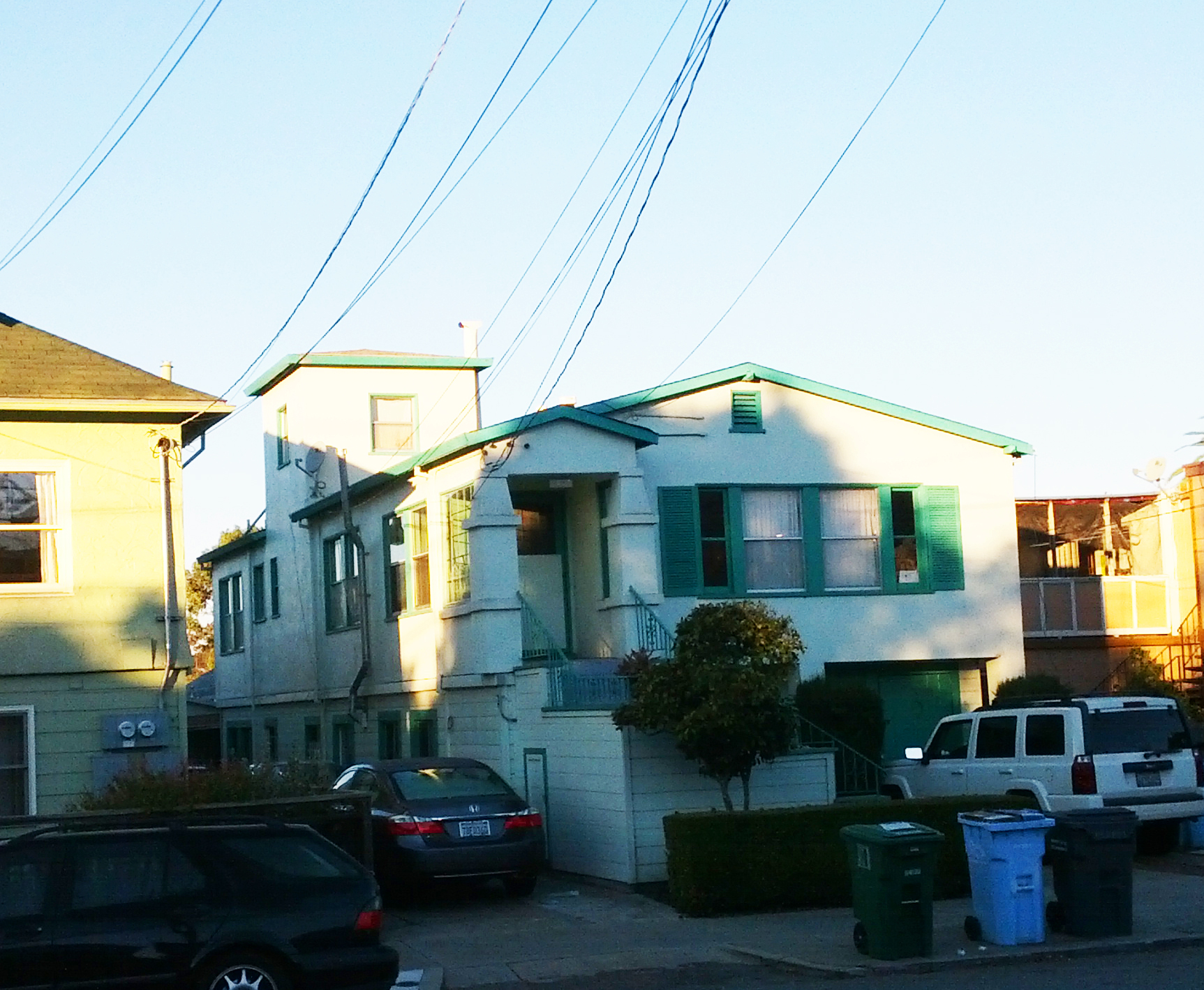
My Oakland correspondent saw this curious tower addition on an Oakland bungalow. I’d love to see it from the inside.
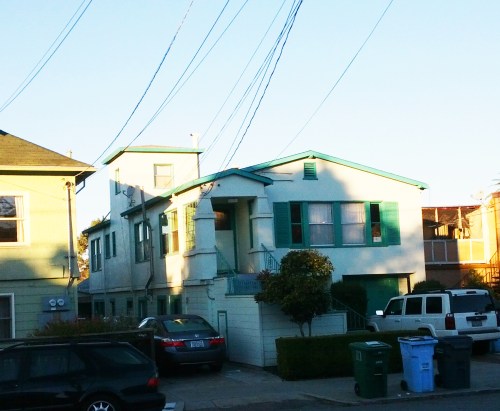
Tower addition on Oakland bungalow
Posted in Found Objects | Tagged additions, curiosities, houses, humor, Oakland, small addition, small buildings, tower, whimsy | 1 Comment »
December 3, 2013 by sarah
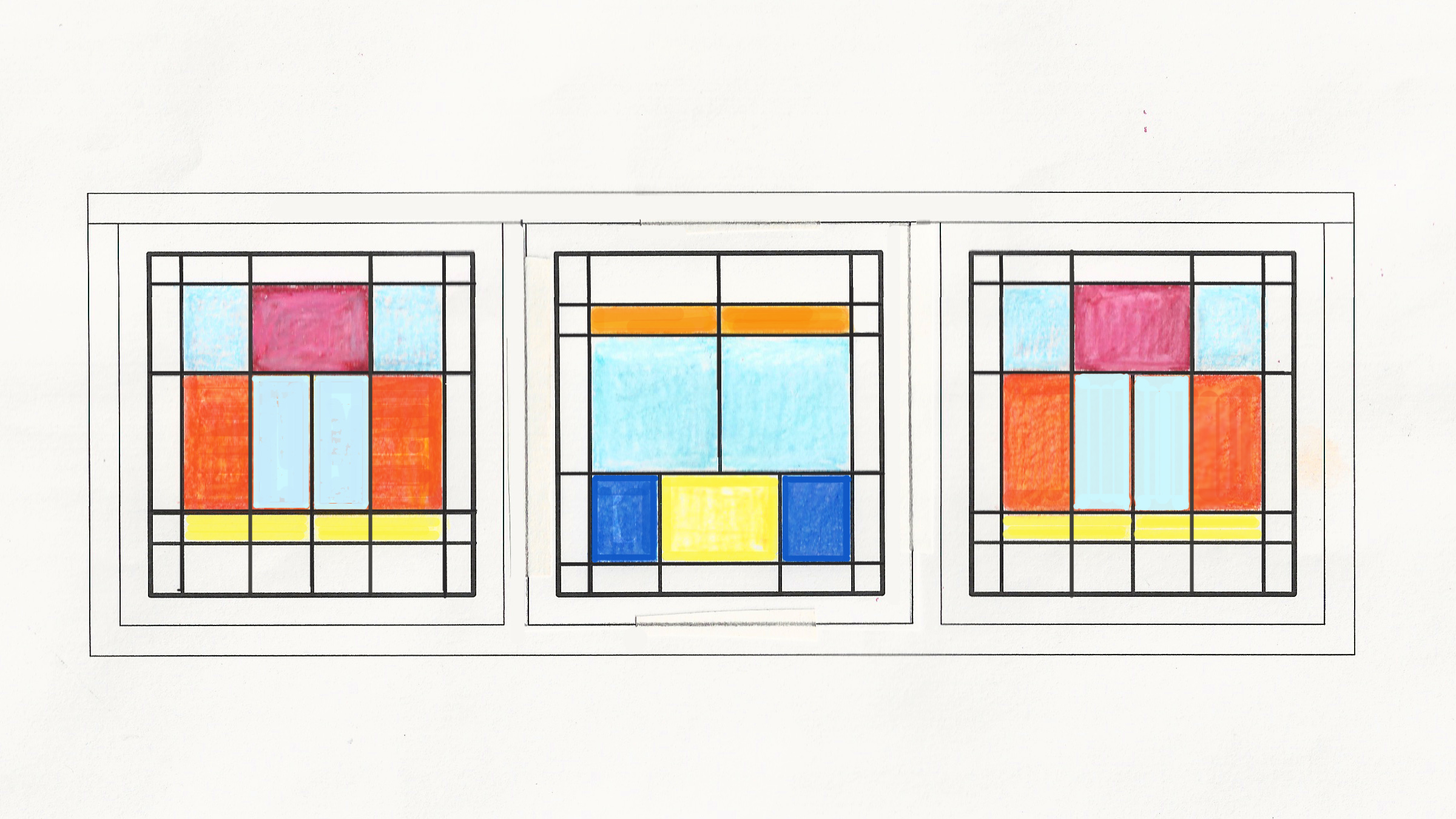
I did these sketches a while back for a client who wanted to divide a shared yard and create more privacy
Posted in Design Projects | Tagged fence, garden, landscape, process, whimsy, wood | Leave a Comment »
November 11, 2013 by sarah
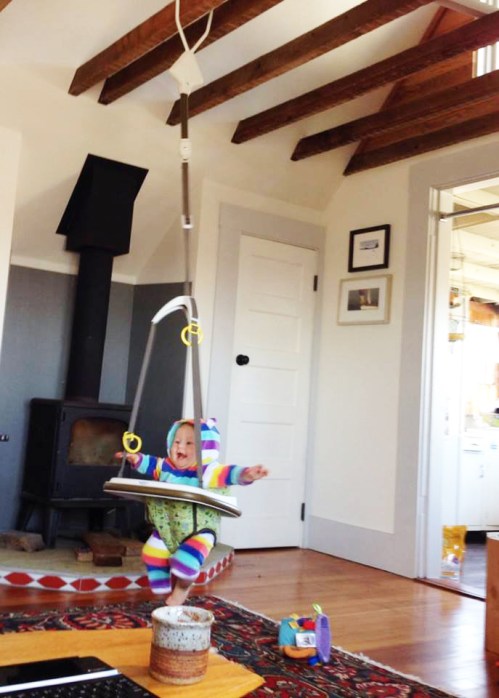
I am a fan of having some exposed structure in a house. This photo shows one of the reasons. In addition to hanging a bouncy swing, these beams can make a great place to hang a mobile or colorful flags, wrap holiday lights, store fishing poles or a small boat, install lighting to shine up on the ceiling, and more.
In addition they add a three-dimensionality to the space and light filtering down through the beams from high windows creates interesting shadow patterns.
Posted in Design Projects | Tagged collar ties, designing for children, designing for kids, details, exposed beams, fun, interiors, techtonics, wood | Leave a Comment »
November 8, 2013 by sarah
We are working on the repair and remodel of an actual 4-square cottage from the early 1900s!
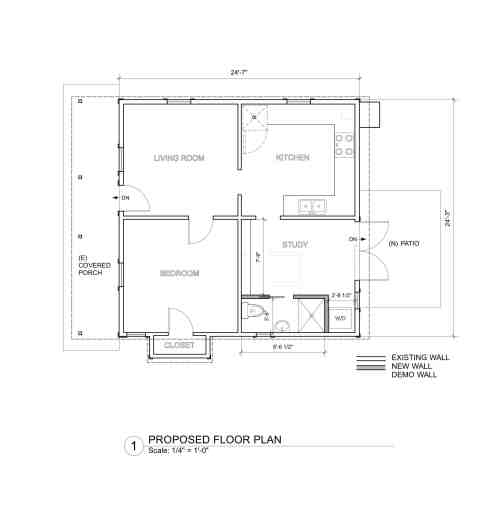
Posted in Design Projects | Tagged accessory dwelling unit, ADU, Berkeley, boxes, cottage, Four-square, historical styles, houses, small buildings, utilitarian | Leave a Comment »
November 7, 2013 by sarah
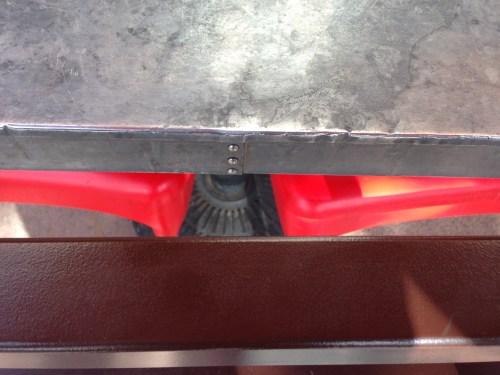
Zinc edge detail
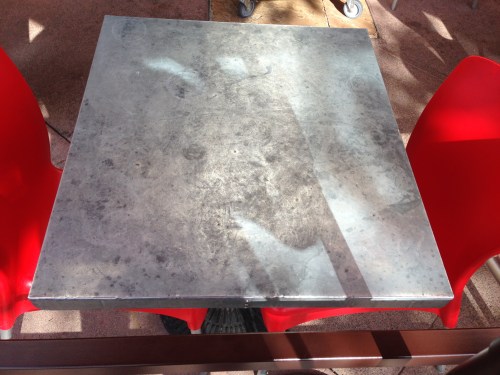
Zinc table top with patina and scratches
Posted in Found Objects | Tagged countertops, details, kitchen, metal, utilitarian, zinc | Leave a Comment »
November 2, 2013 by sarah
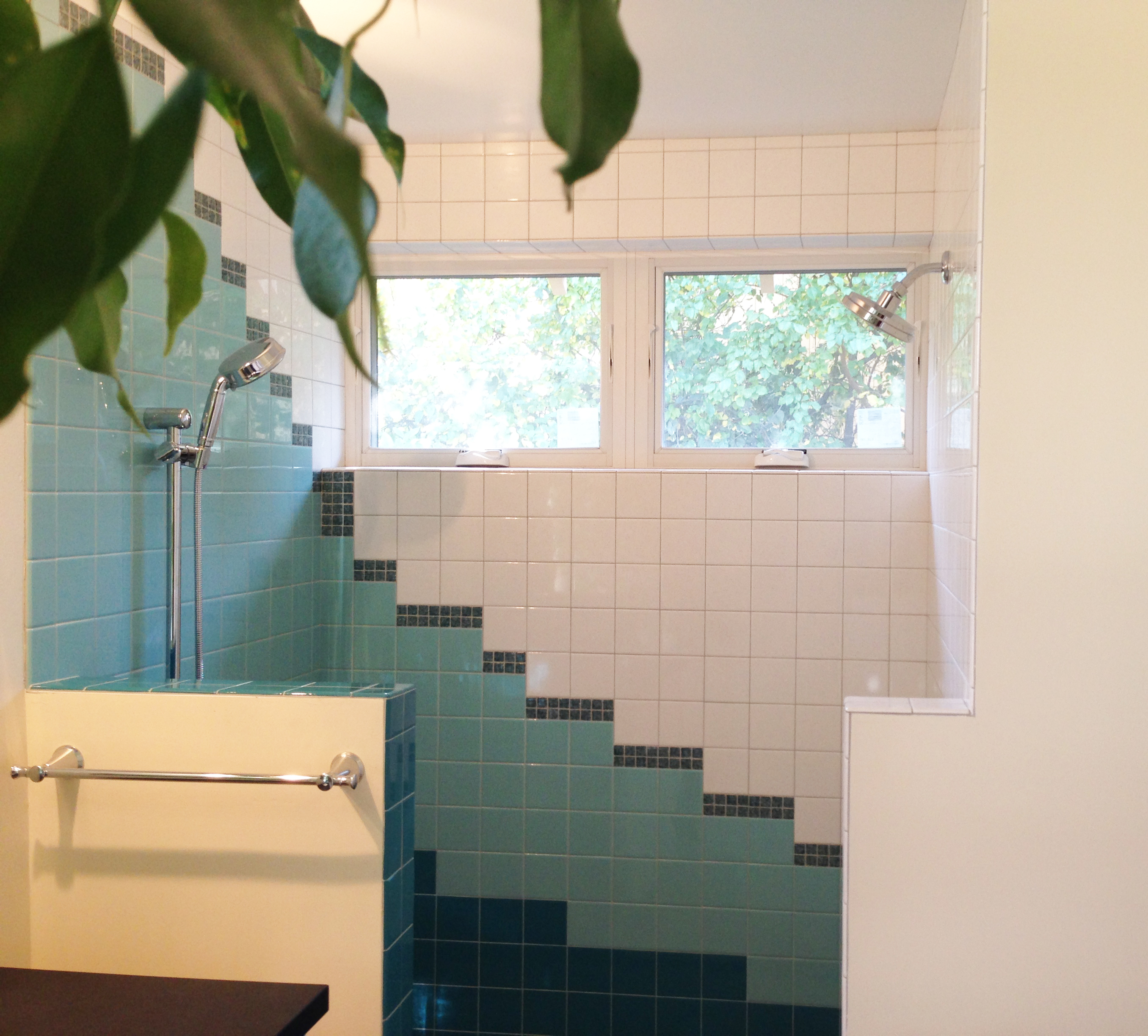
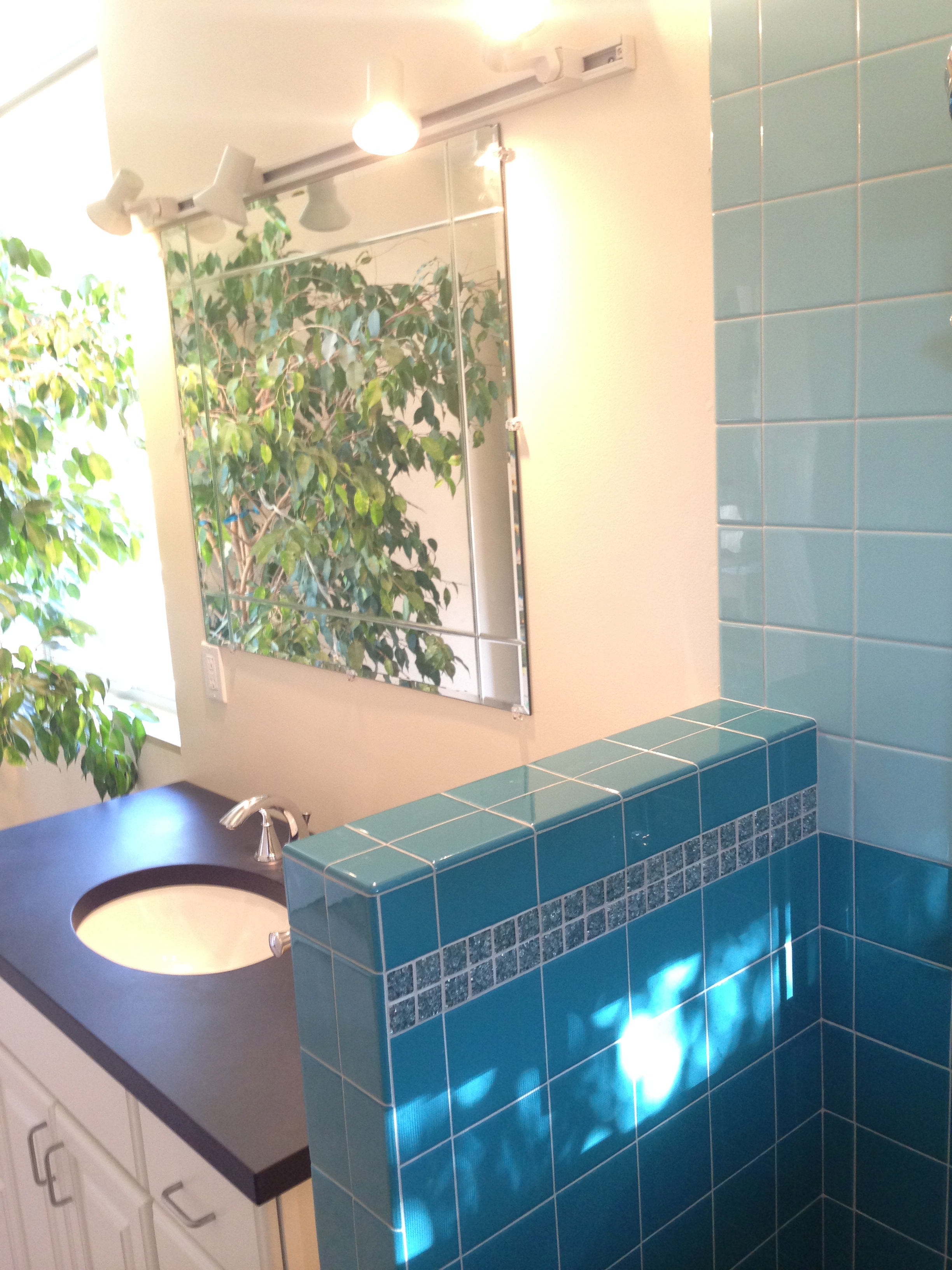
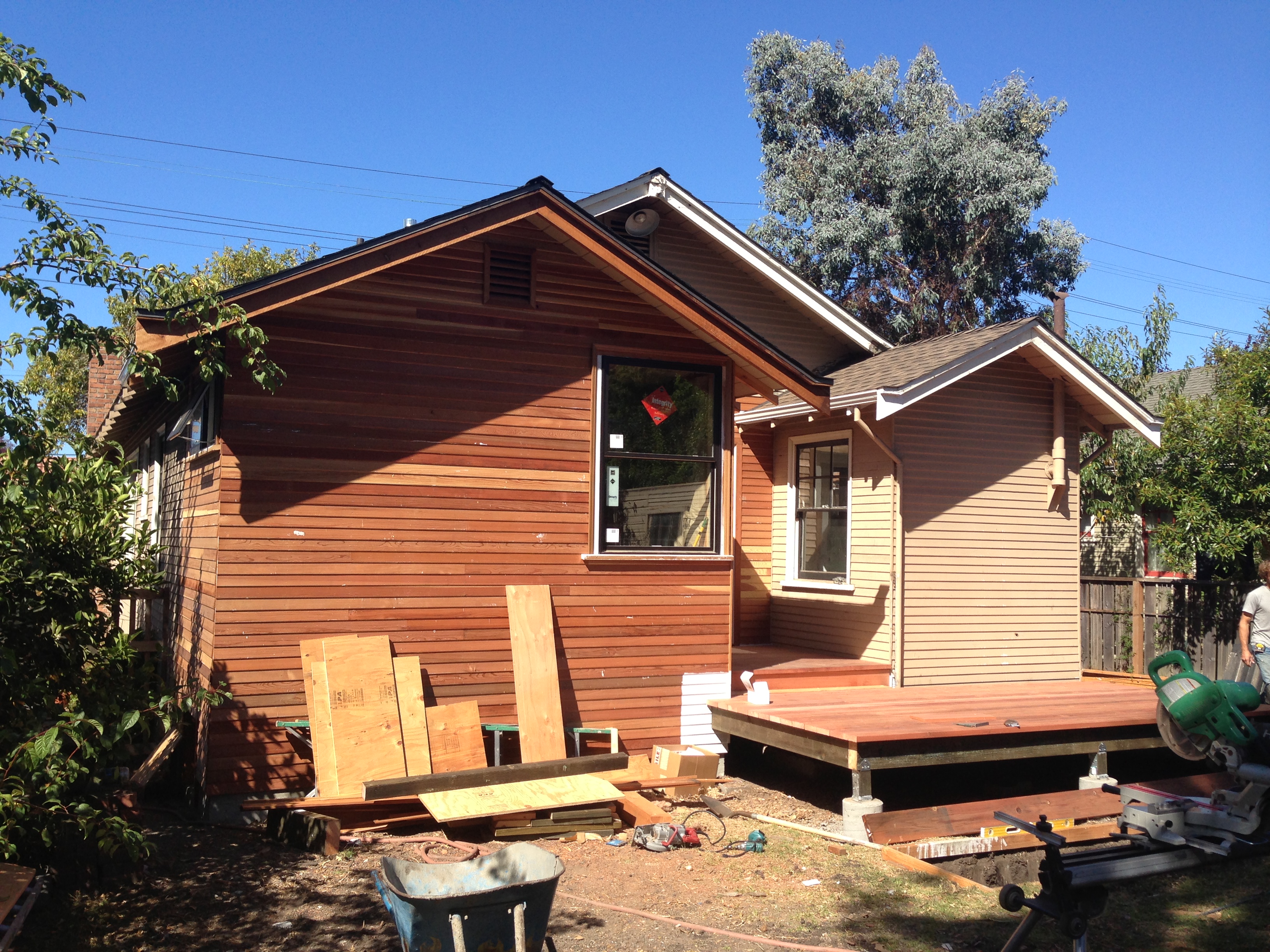
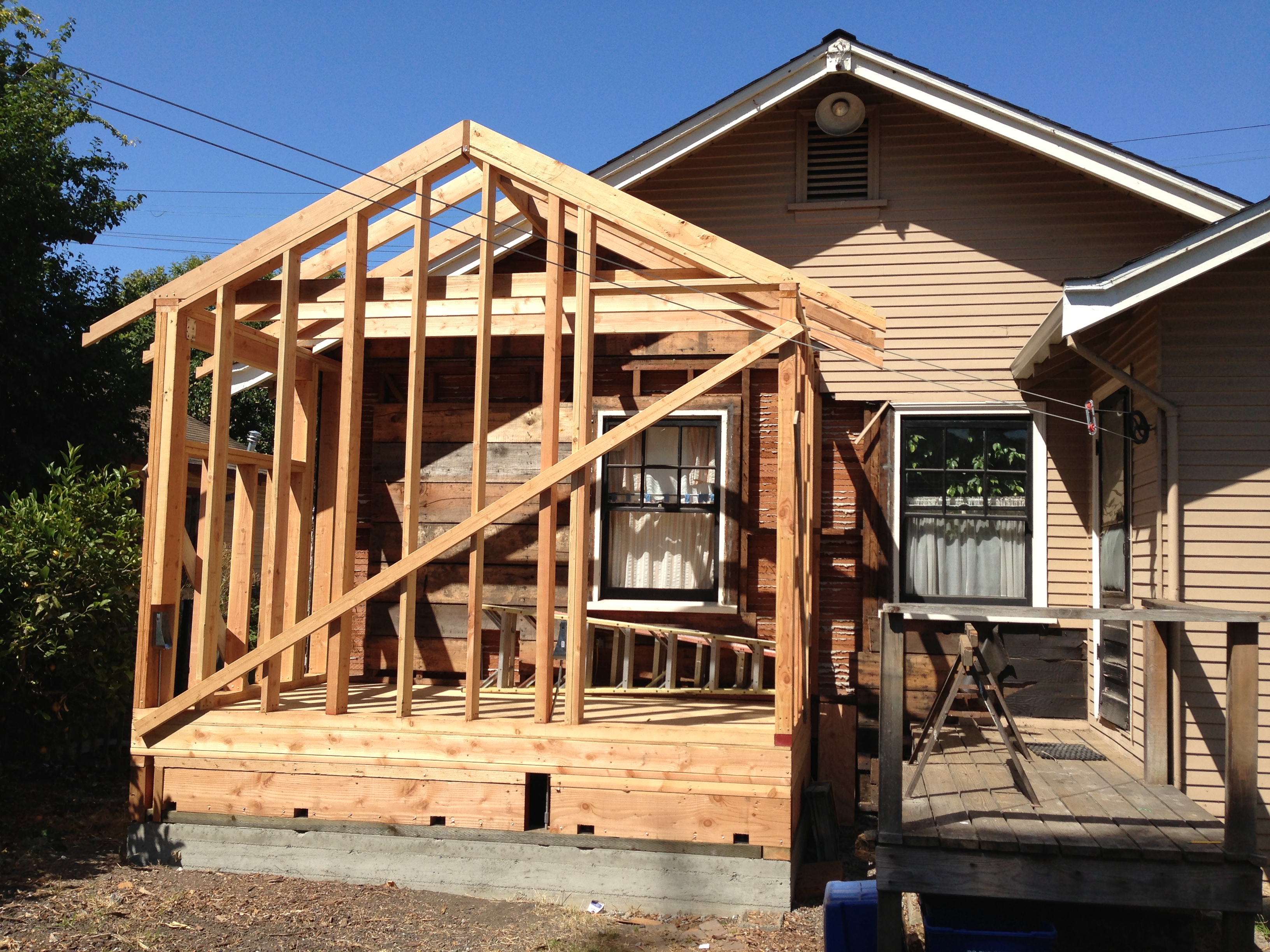
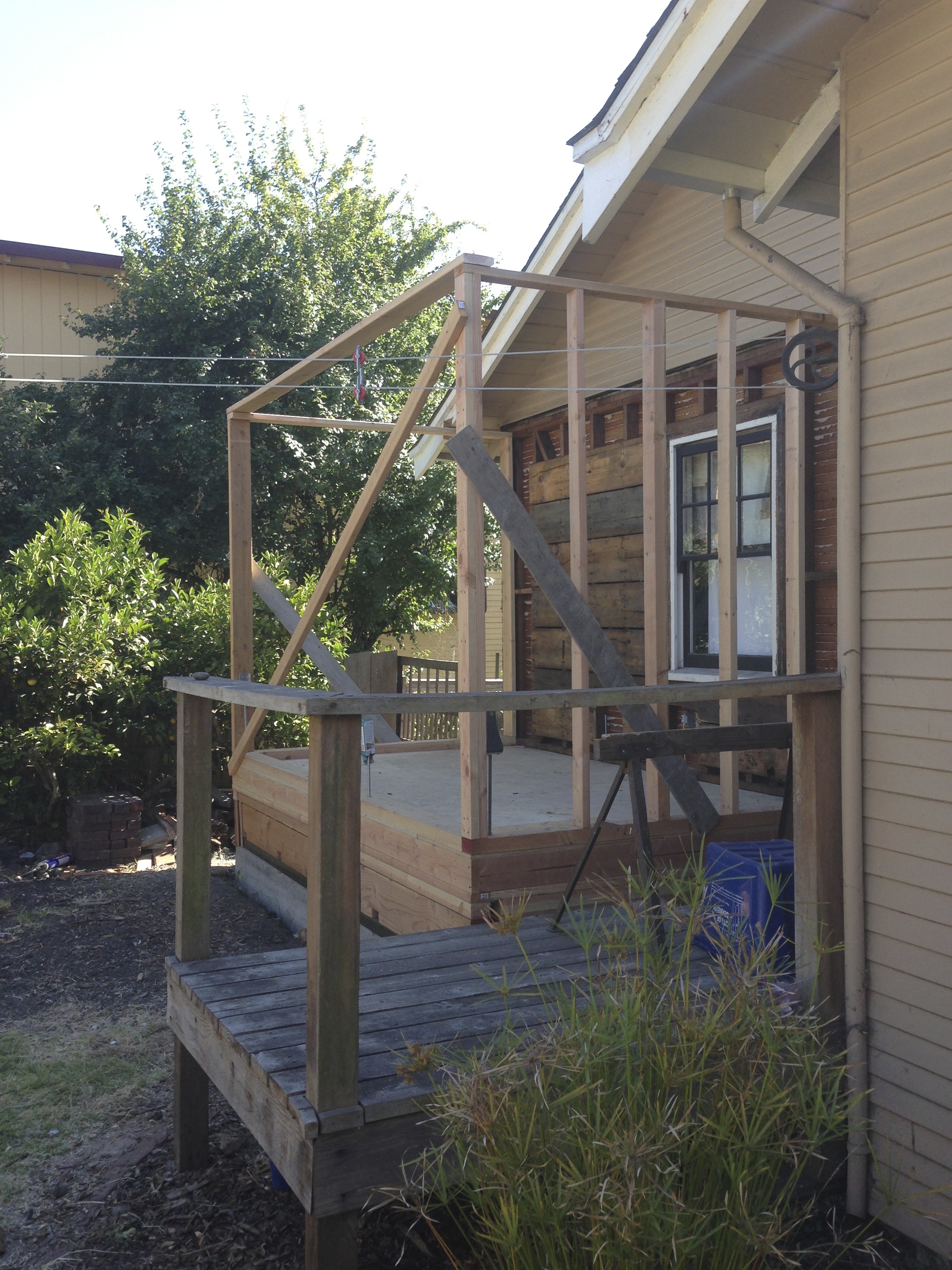
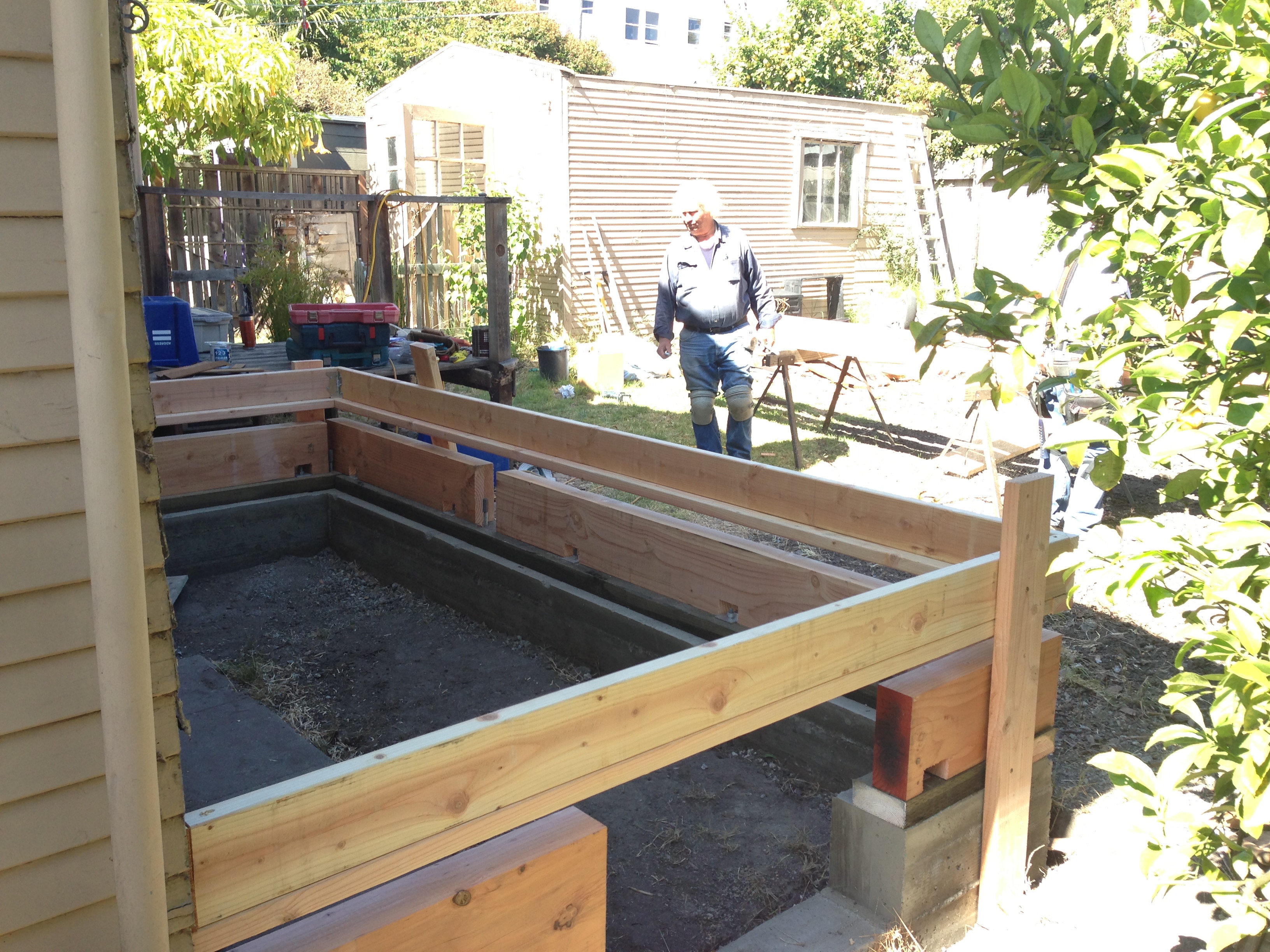
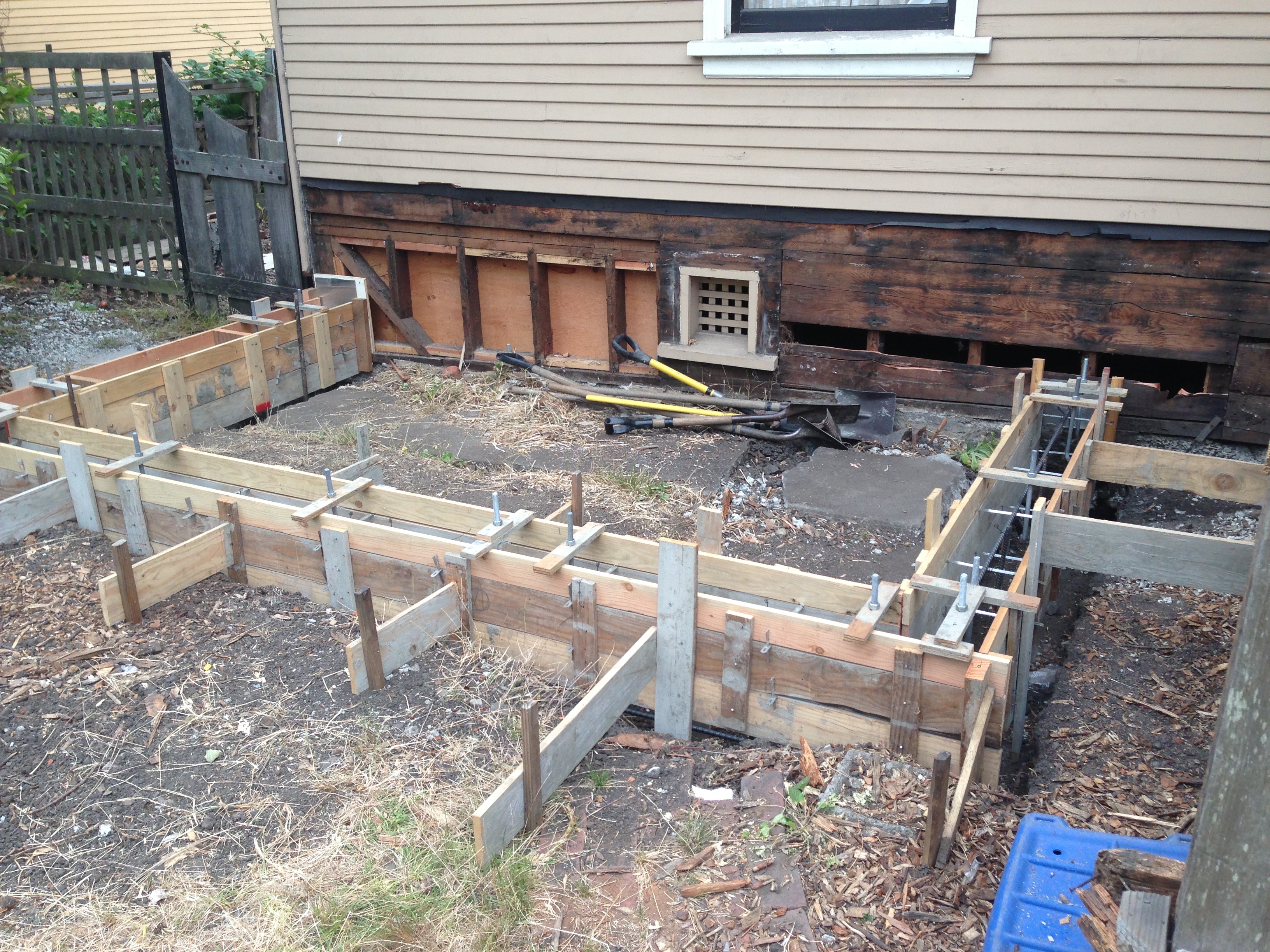
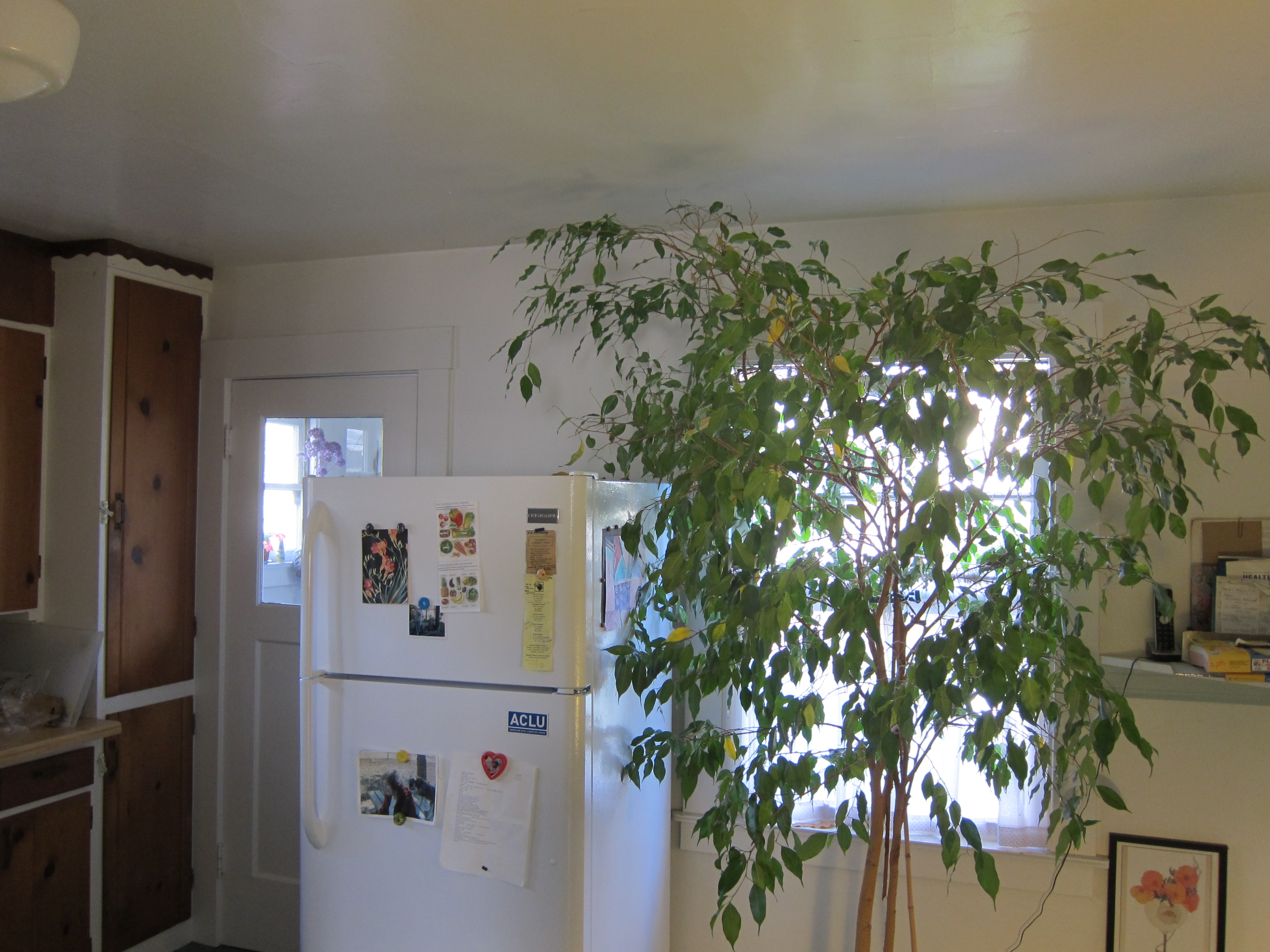
This small addition is a spa-like bathroom designed to be more accommodating to a person growing older. My client also wanted space for plants in the room, including her large ficus plant that was outgrowing her house. They are getting close to finishing the project, but I took some photos of the almost finished interior. Most of the interior design elements were chosen by the client…but deedsdesign guided the project in subtle ways.
Some of the collaborators:
Richard Pollack Tile, Peter Renoir Plumbing, Semolina Design (Provided and fabricated the Richlite remnant), Angress Construction
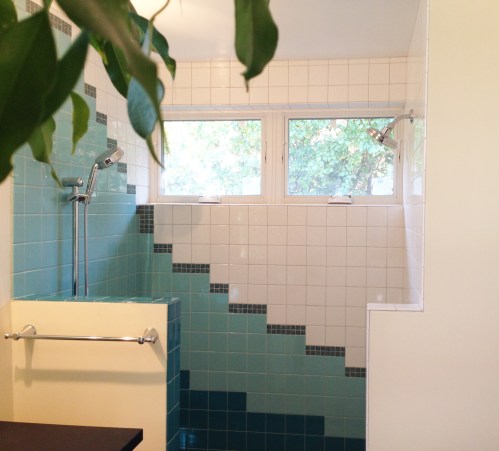
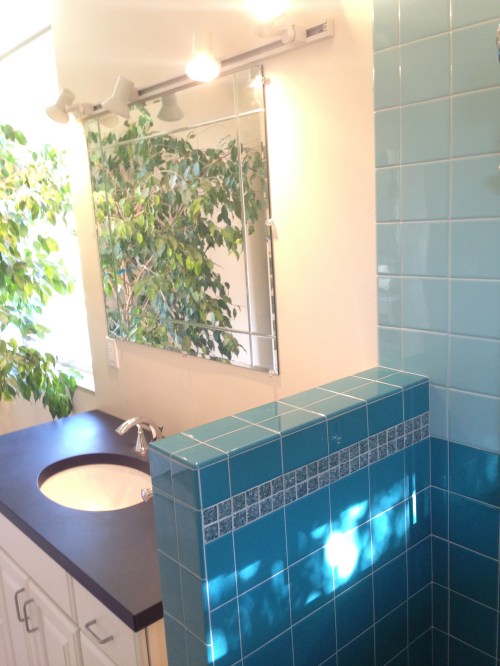
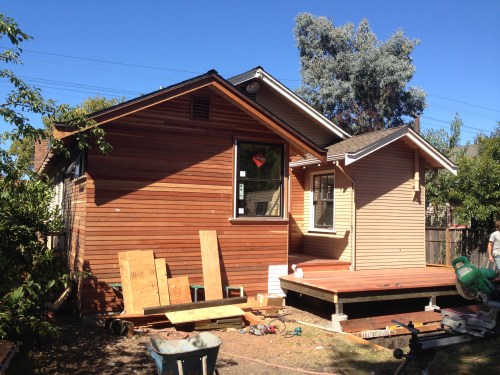
addition almost finished
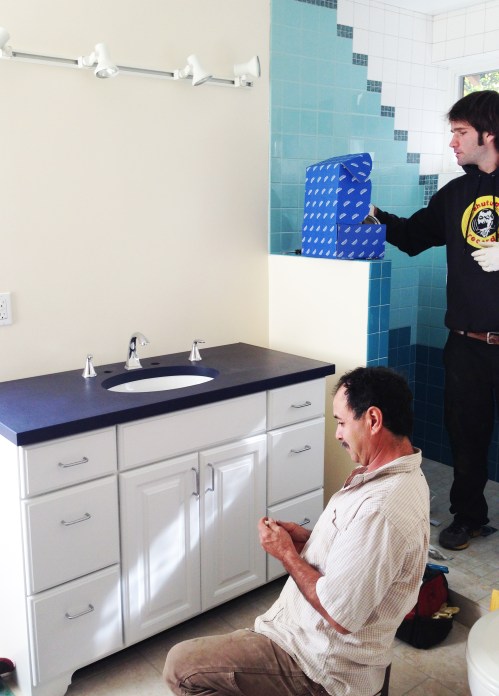
Peter Renoir Plumbing (Blake and Modesto) Finishing the Plumbing Installation – Blue Richlite Countertop is a remnant fabricated by Semolina Design.
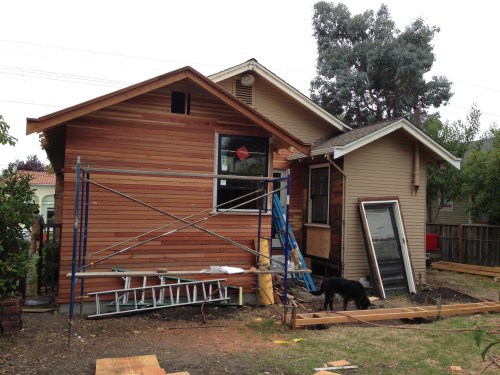
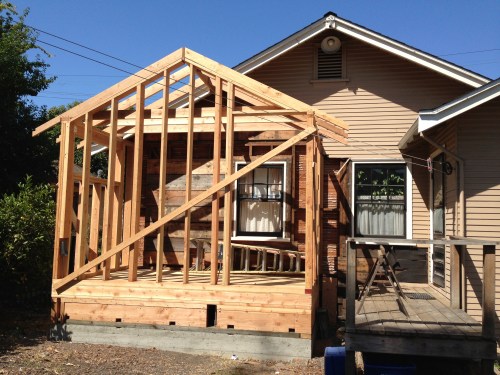
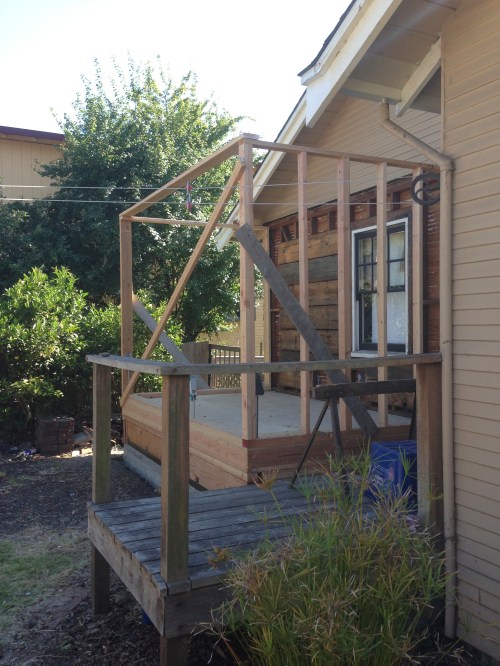
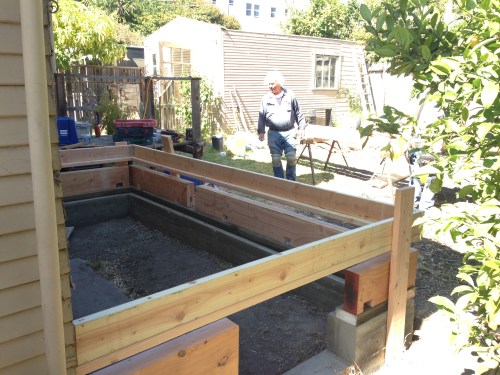
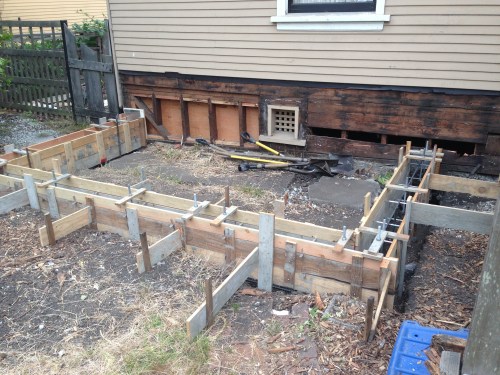
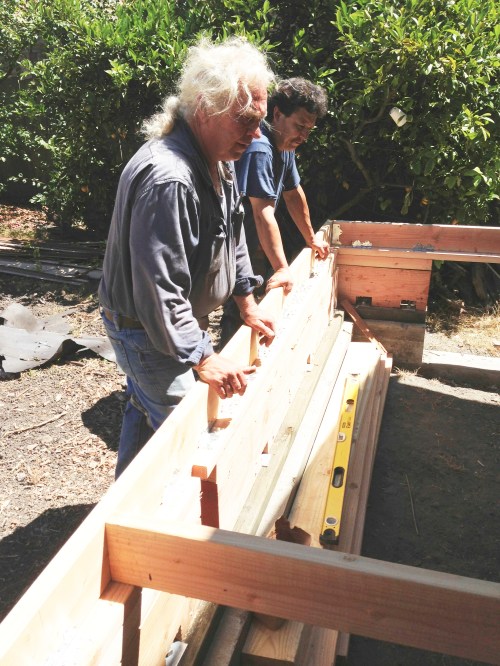
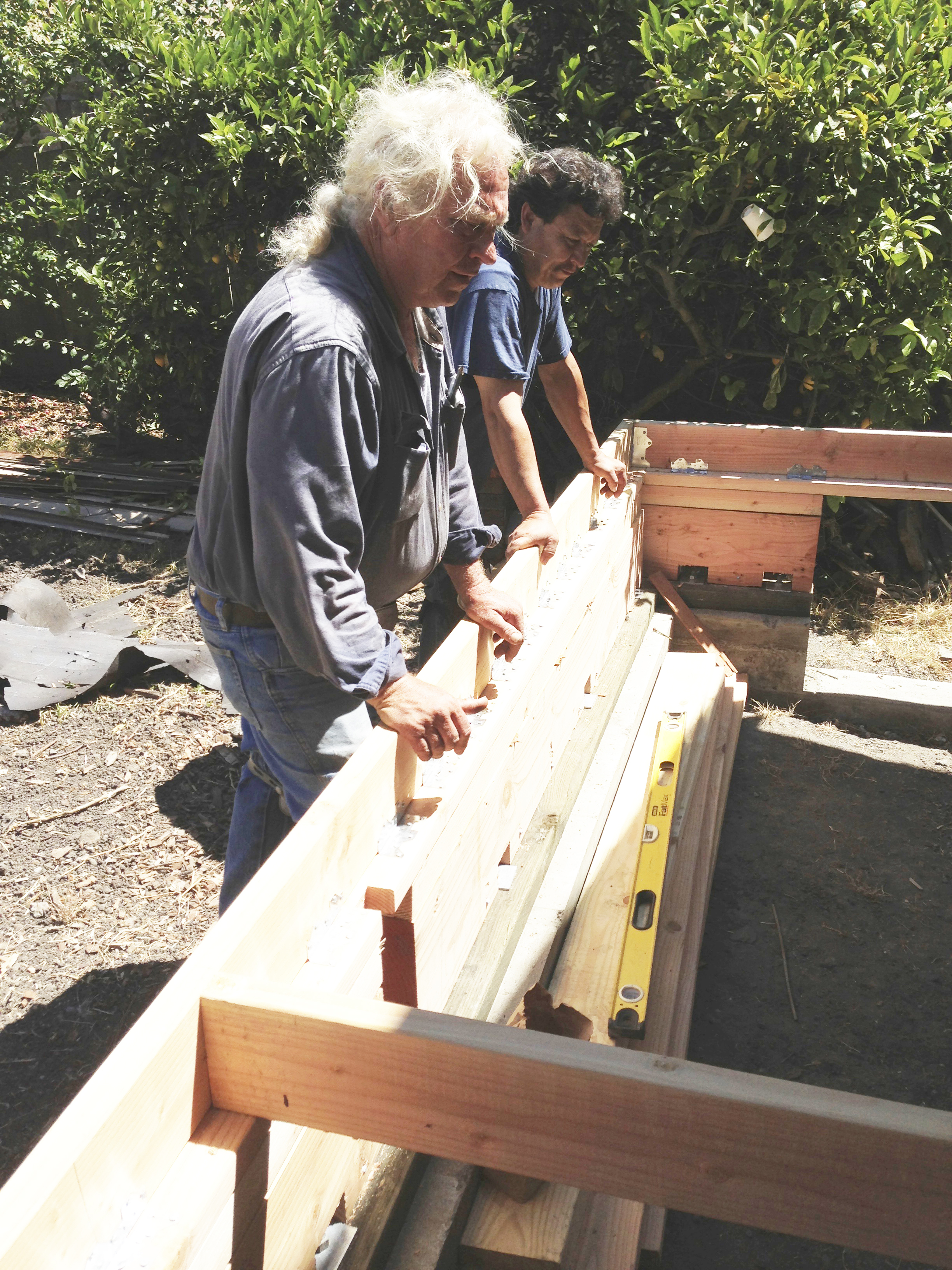
Henry and Ruben ponder the floor framing
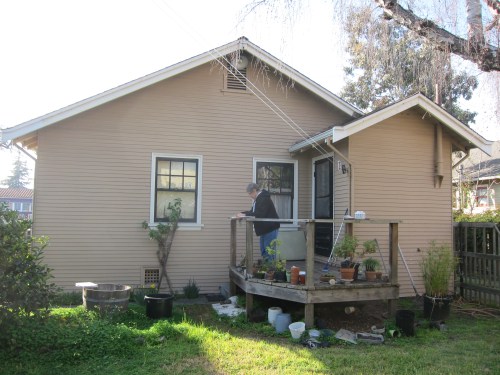
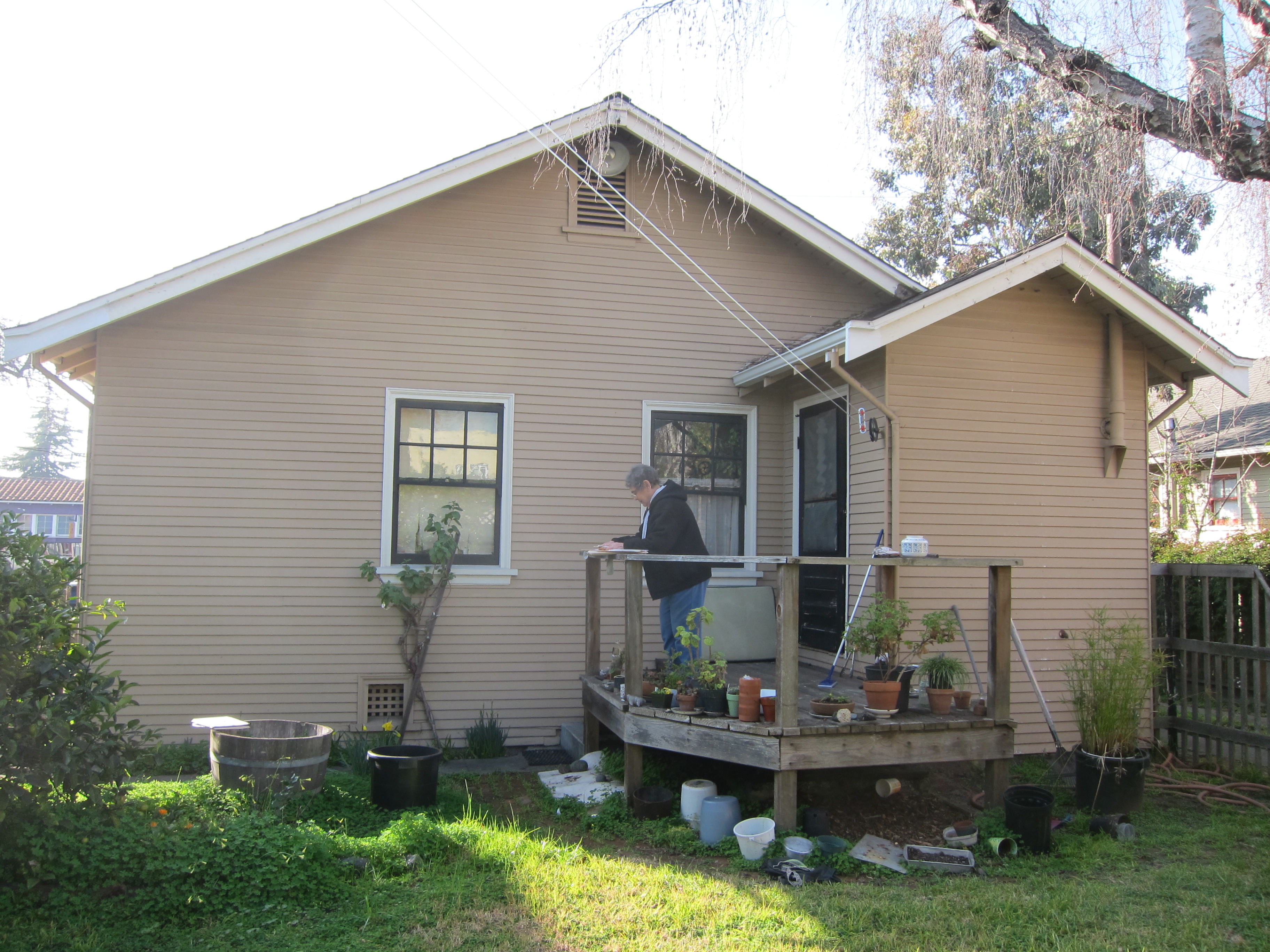
Marcia and the house before
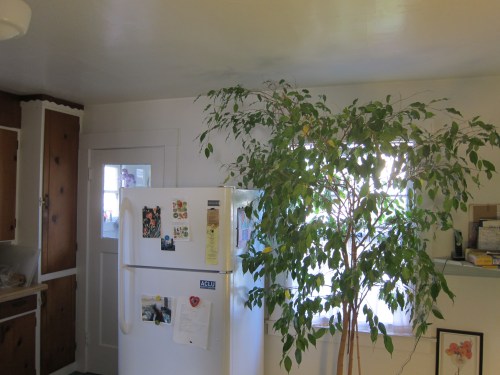
Marcia’s Ficus
Posted in Design Projects | Tagged bathroom, Berkeley, Ficus, garden, houses, process, small addition | 1 Comment »
October 29, 2013 by sarah
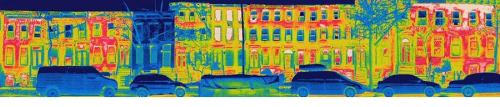
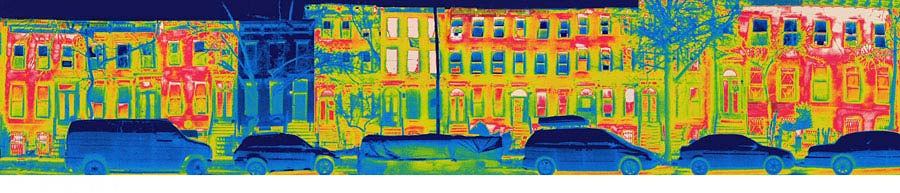
I stole this photo from the website of Fabrica718. It is an image taken with an infrared camera of a block of Brooklyn brownstones. The blue one is the one they remodelled….blue because its envelope is so well insulated that very little heat is escaping. Pretty cool. I’m not sure why most of the other houses have blue second and third story windows. I can’t imagine that the whole block has been upgraded to triple pane. Any ideas?
Posted in Information | Tagged energy efficiency, green, New York, thermal imaging camera | 2 Comments »
October 27, 2013 by sarah

Rat Park
Rat Park was a 1970s study of drug addiction in rats. The Canadian Scientists showed that rats alone in small cages tended to quickly become morphine addicts, but that the same rats avoided the morphine laced water after being moved to nicer cages with toys and other rats to play and mate with and space to raise a family.
Posted in Design Projects | Leave a Comment »
October 25, 2013 by sarah

Appraisals make me grumpy. It seems brutal to reduce the value of a house to square footage, numbers of bedrooms, and whether the bathroom floor has tile. There are so many intangibles that contribute to the value of a house. For example the two large trees in front of my house that shade my bedroom in the summer with their dense greenery then turn bright orange yellow and red in the fall. Of course there has to be some way to quantify a house’s worth for banks.
One guideline that seems pretty silly is the rule that square footage that is even slightly below grade is not counted as square footage. This realestate agent’s article has some funny comments. One guy actually seems to have hired a bulldozer to unearth his house so that he could qualify for a loan. Another homeowner determined that he has no square footage because his entire house is dug into the earth.
I thought of one of the inspirations of my youth, Malcolm Wells. He was an architect in Massachusetts who built most of his buildings underground. Here are some of his words about this way of building (from his website):
“…By letting our structure hog all the sunlight wherever we go, we stamp out much of the natural riches of our land. Weather is not kind to building materials. They need to be protected by a blanket of earth. Otherwise, ice cracks the freeways, water rusts bridge structures, floods rage because water cannot soak into impervious ground….”
“…We live in an era of glitzy buildings and trophy houses: big, ugly, show-off monsters that stand—or I should say stomp—on land stripped bare by the construction work and replanted with toxic green lawns. If the buildings could talk they would be speechless with embarrassment, but most of us see nothing wrong with them, and would, given the opportunity, build others like them, for few of us realize that there’s a gentler way to build. It’s called underground.”
Here are some nice pictures of one of his houses
Posted in Information | Tagged appraisal, appraisals make me grumpy, earth sheltered, green, houses, landscape, underground buildings | Leave a Comment »
« Newer Posts - Older Posts »



 deedsdesign