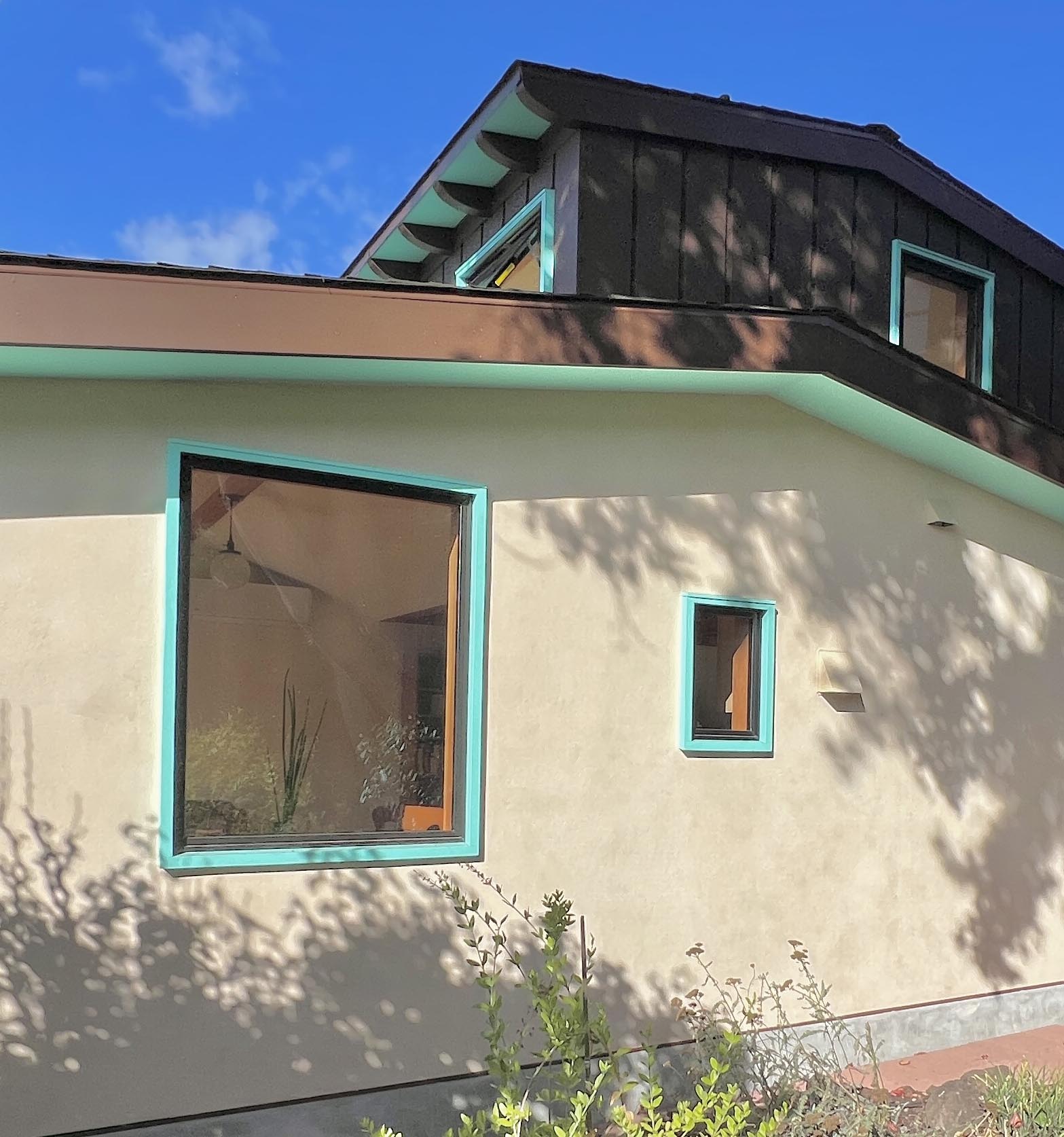
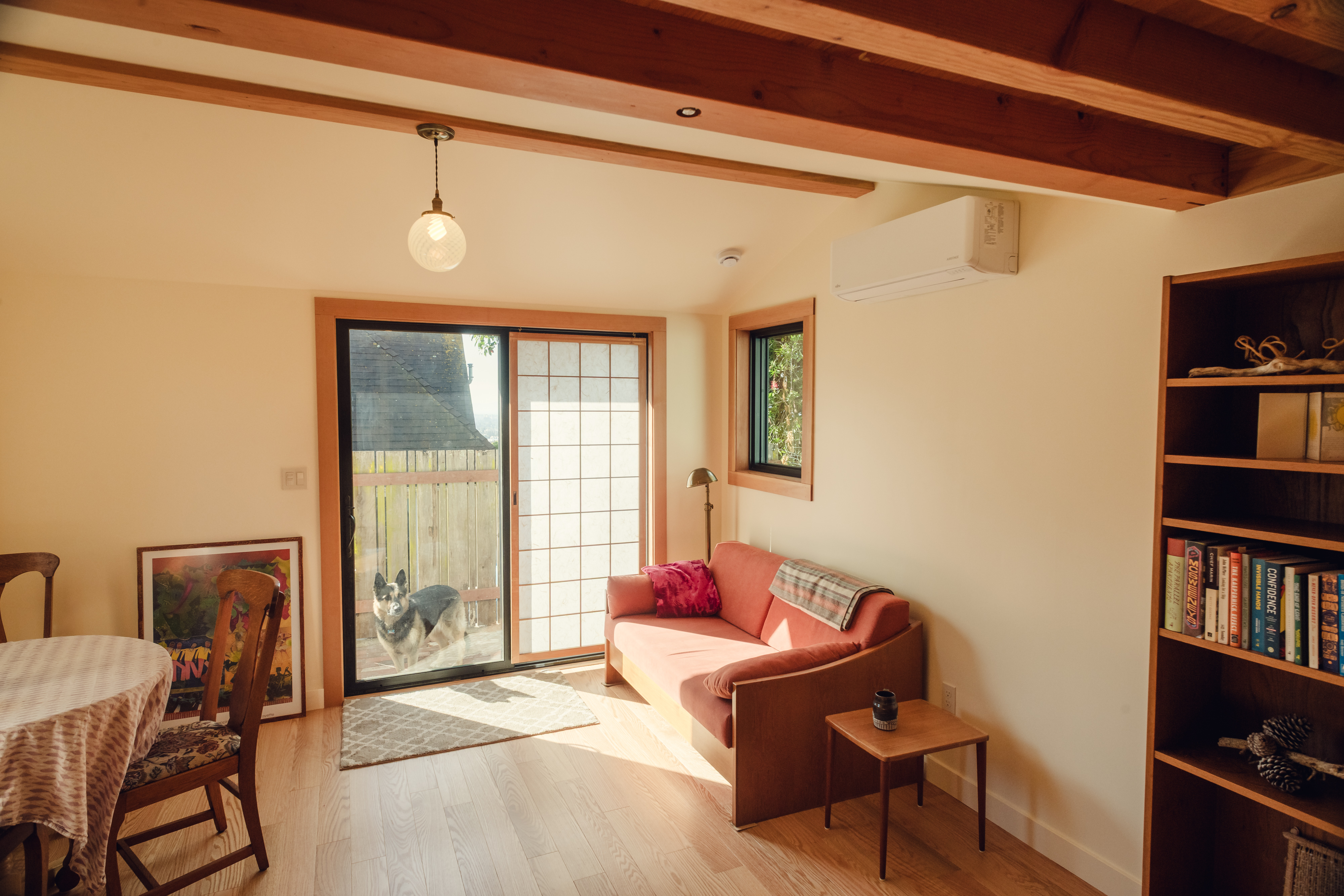
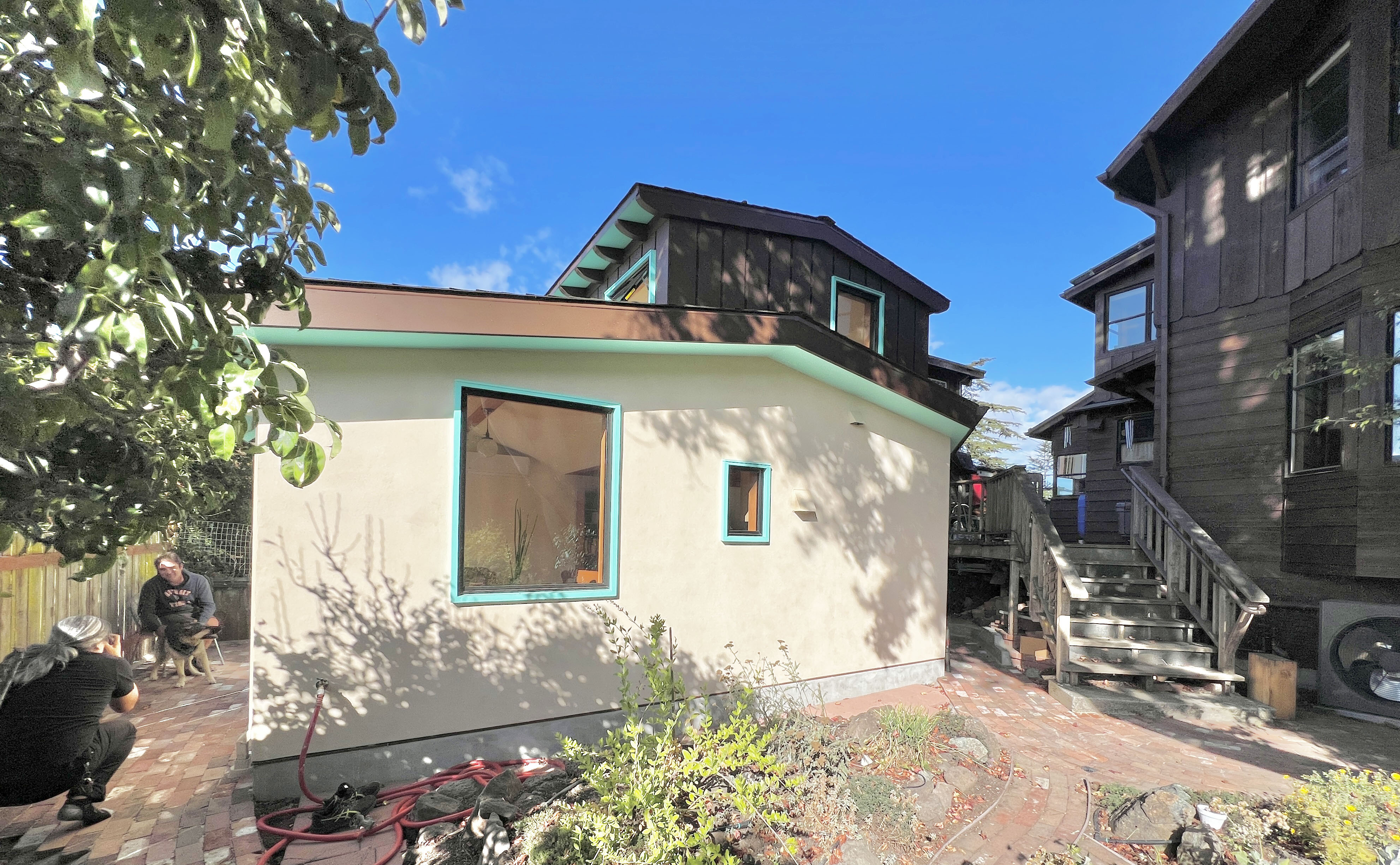
I am finally getting around to sharing the photos of this recent 440 SF Accessory Dwelling Unit. It is an unusual shape due to many constraints including preserving the bay views from the main house, and preserving as much garden as possible. It is also located on an active landslide and in a wildland -urban interface with strict wild fire safety provisions.
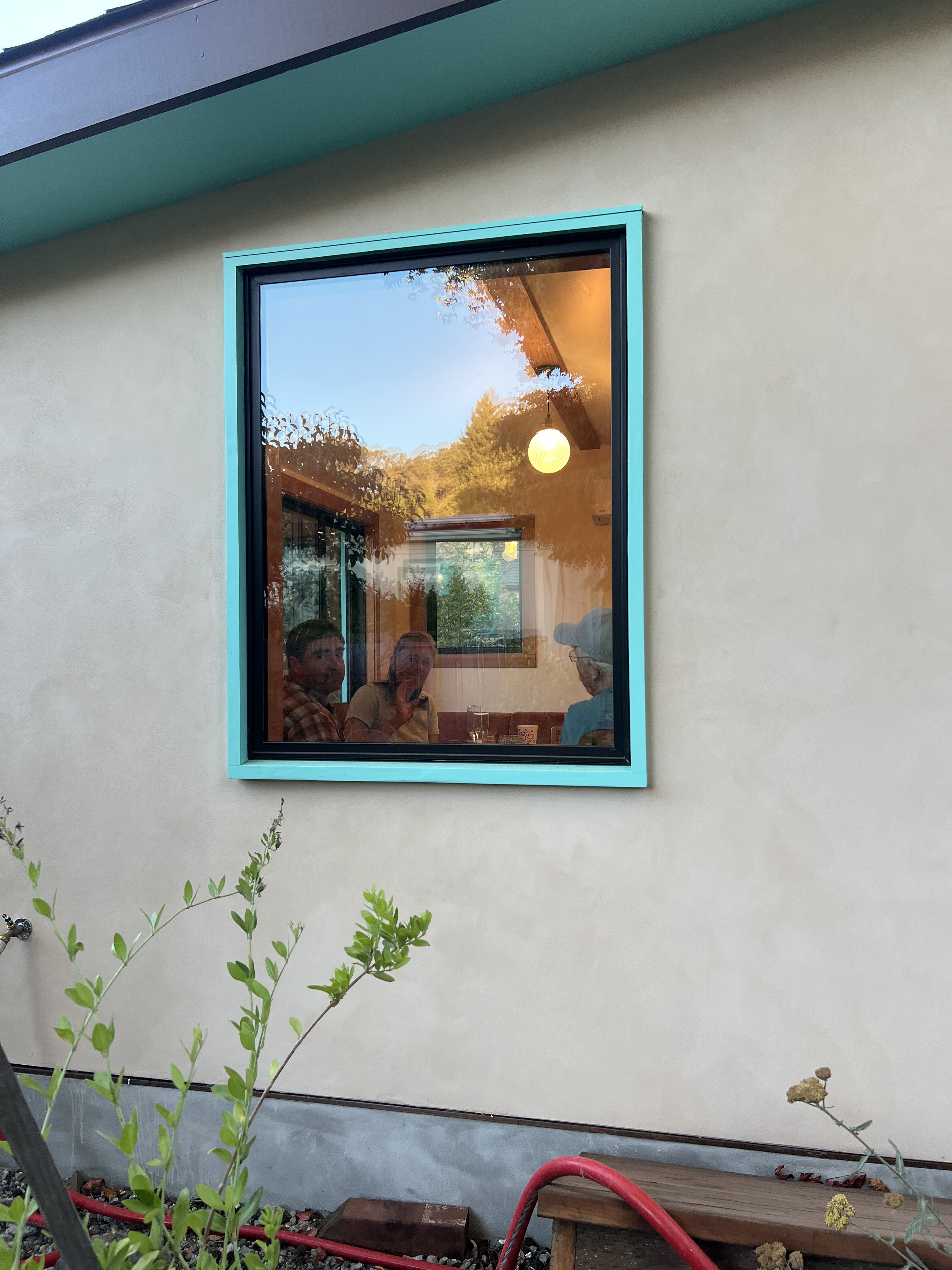
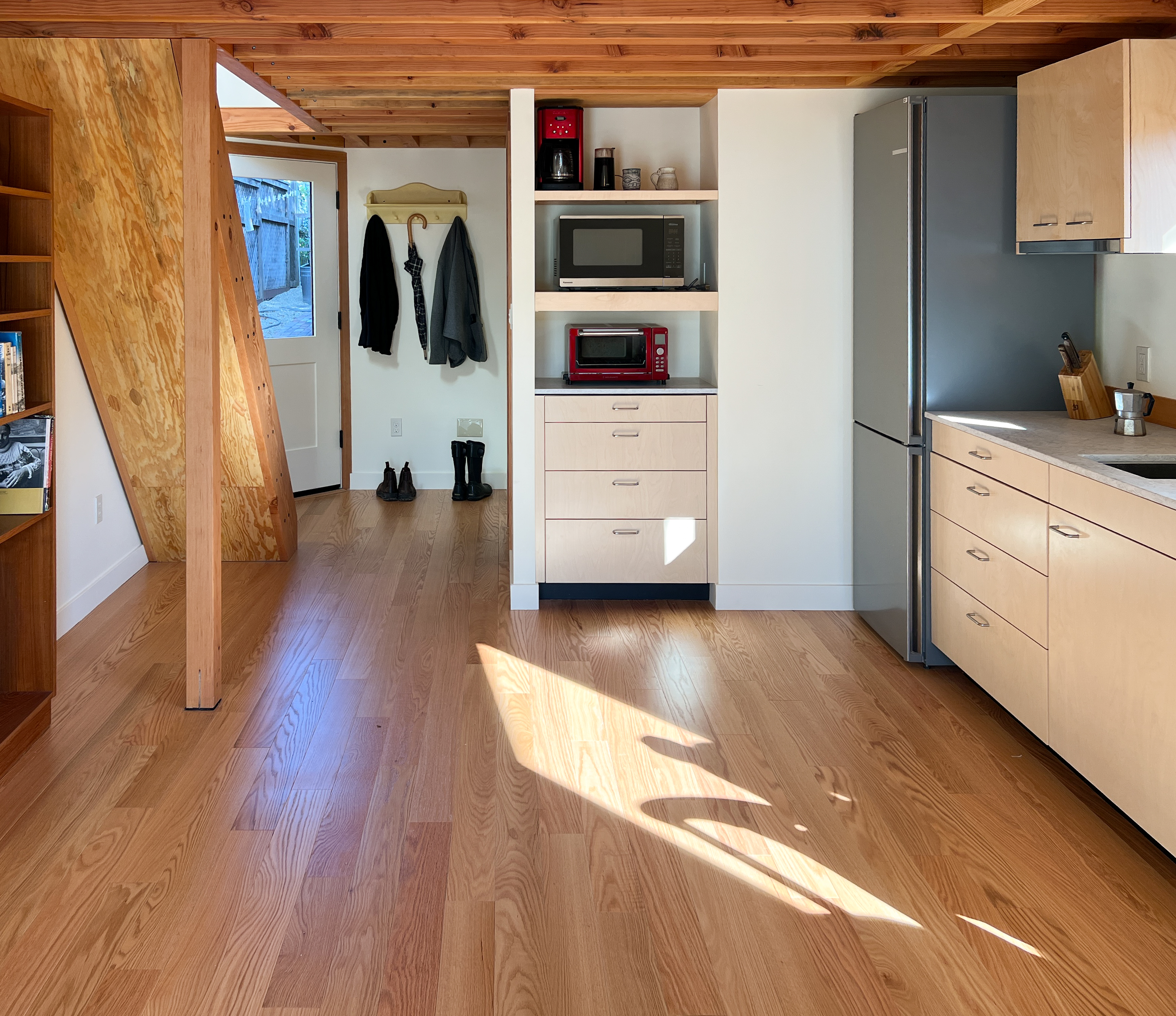
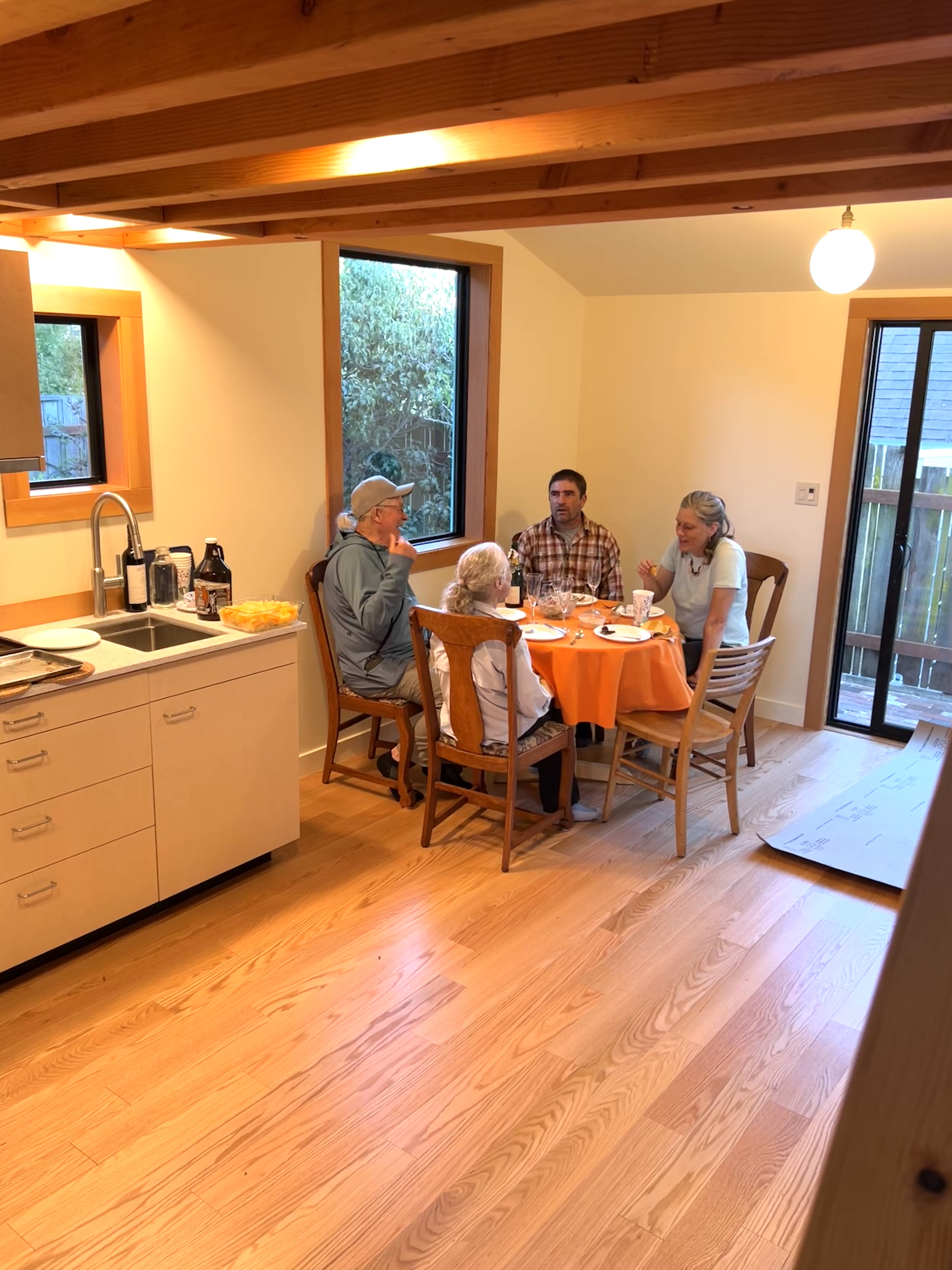
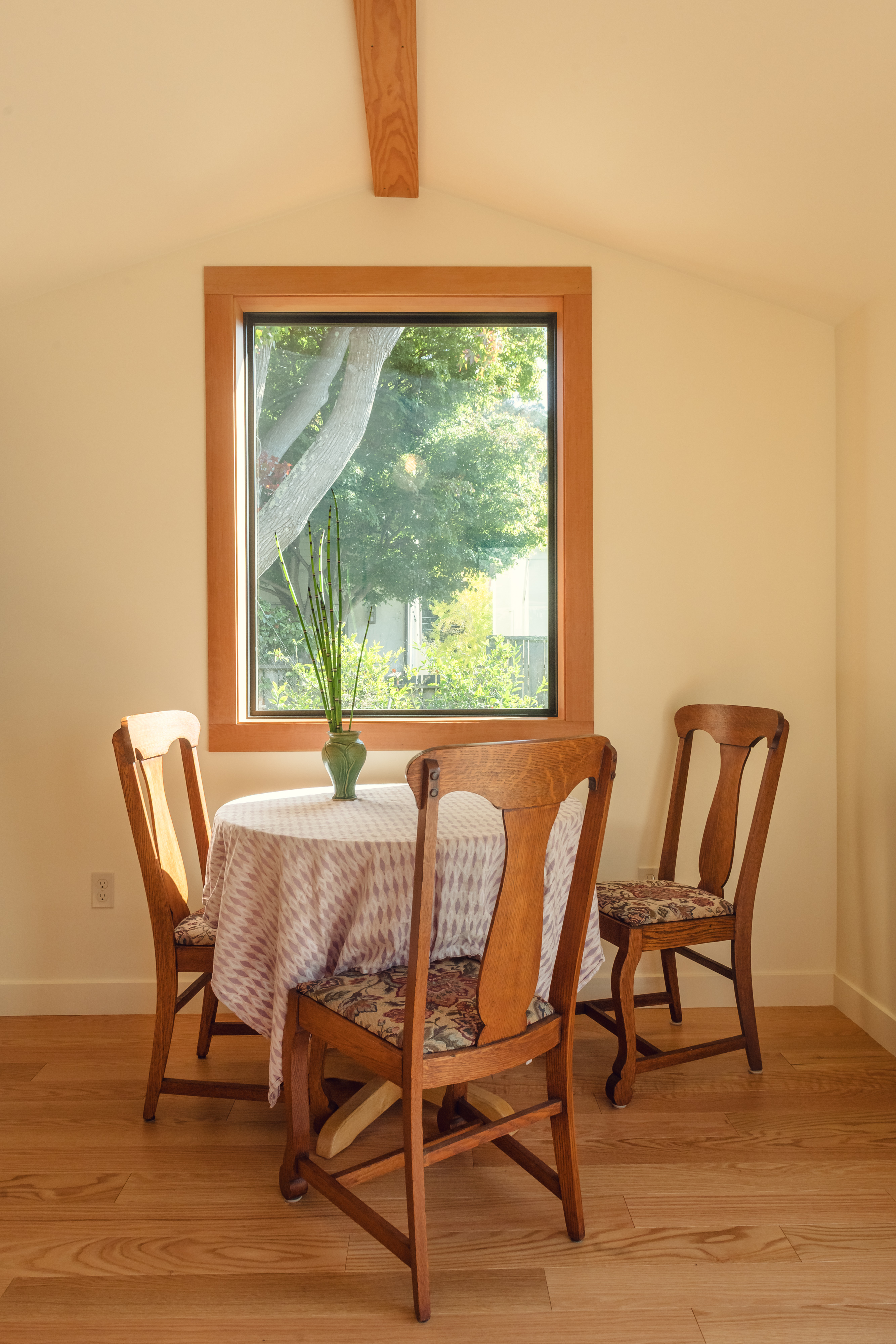
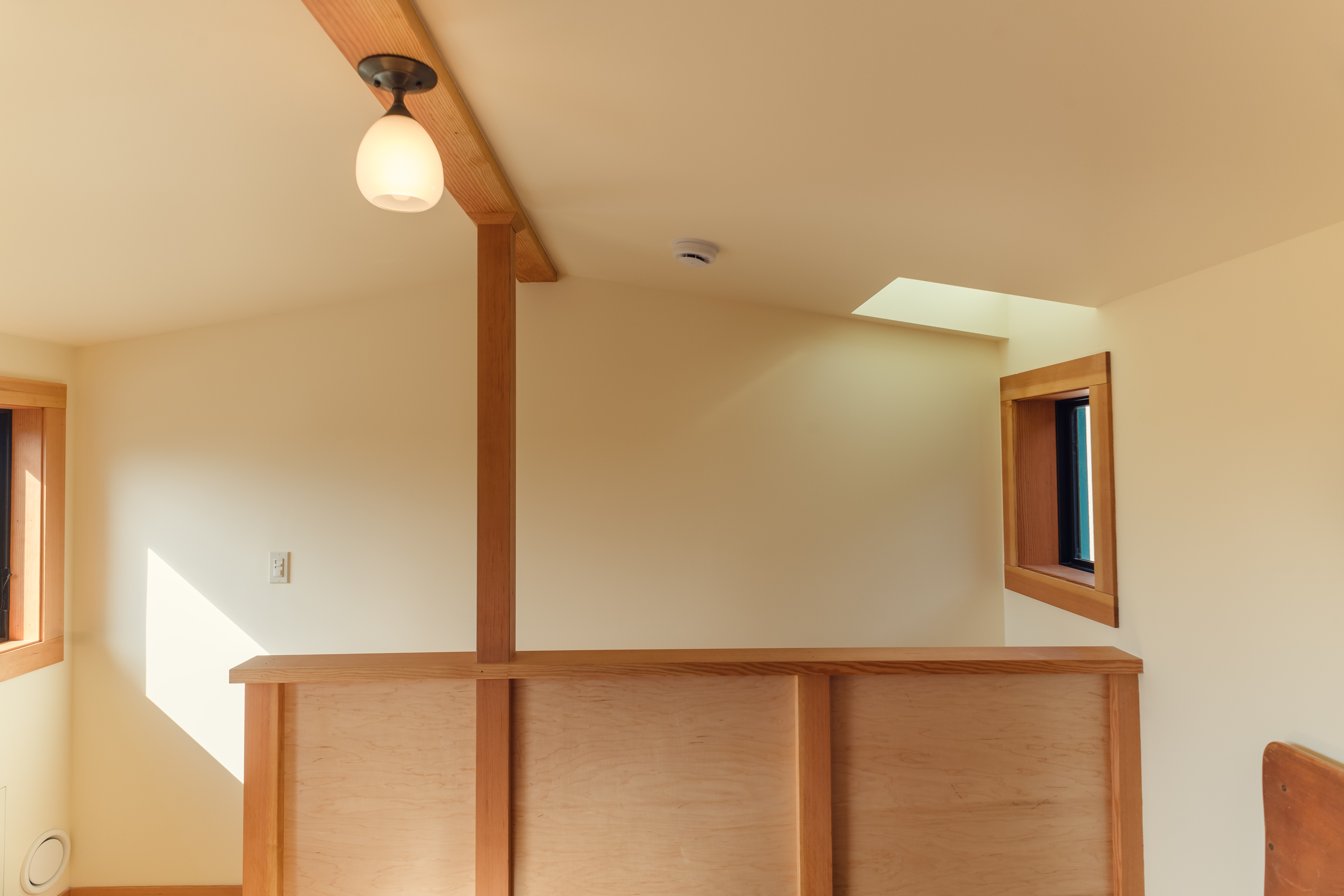
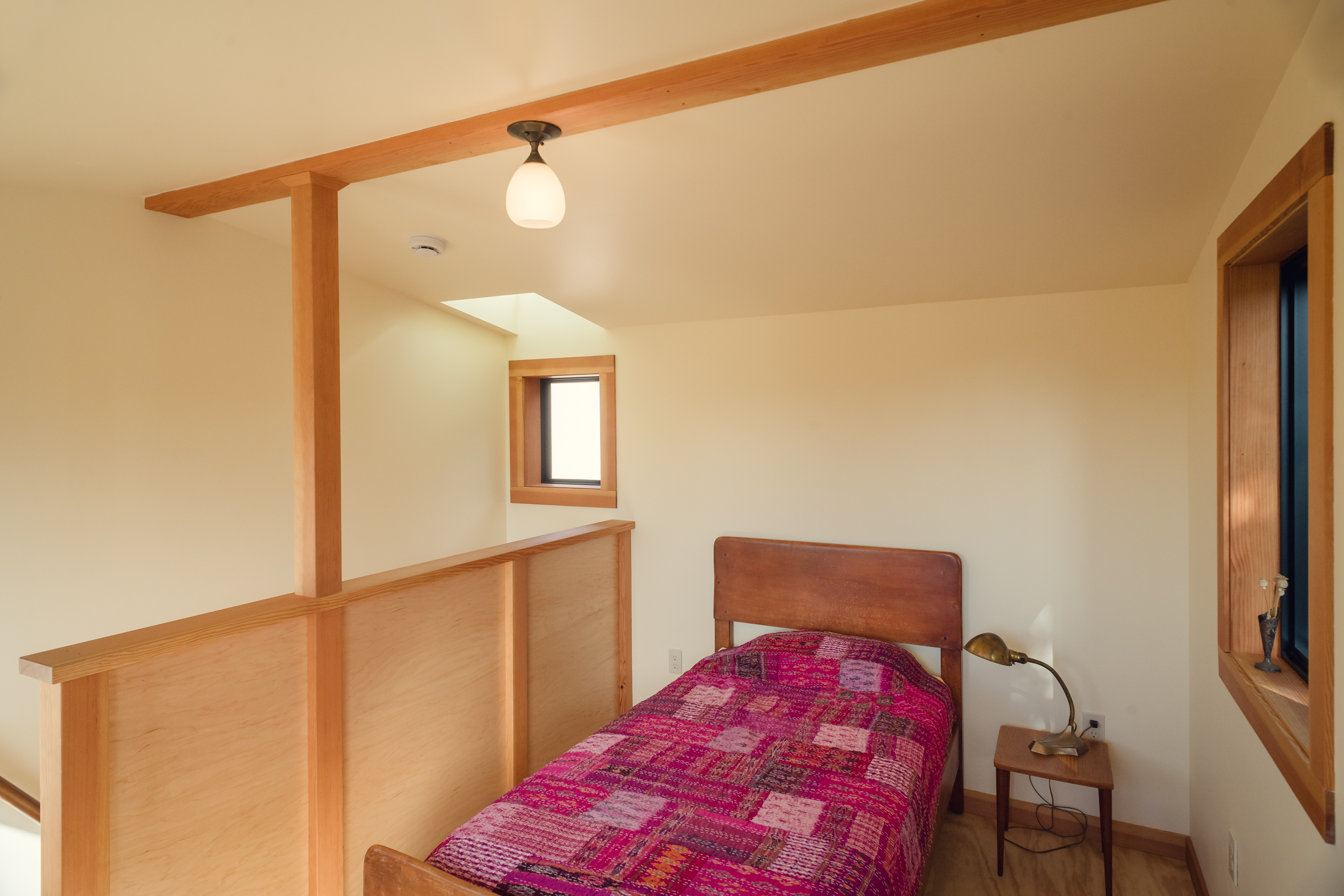
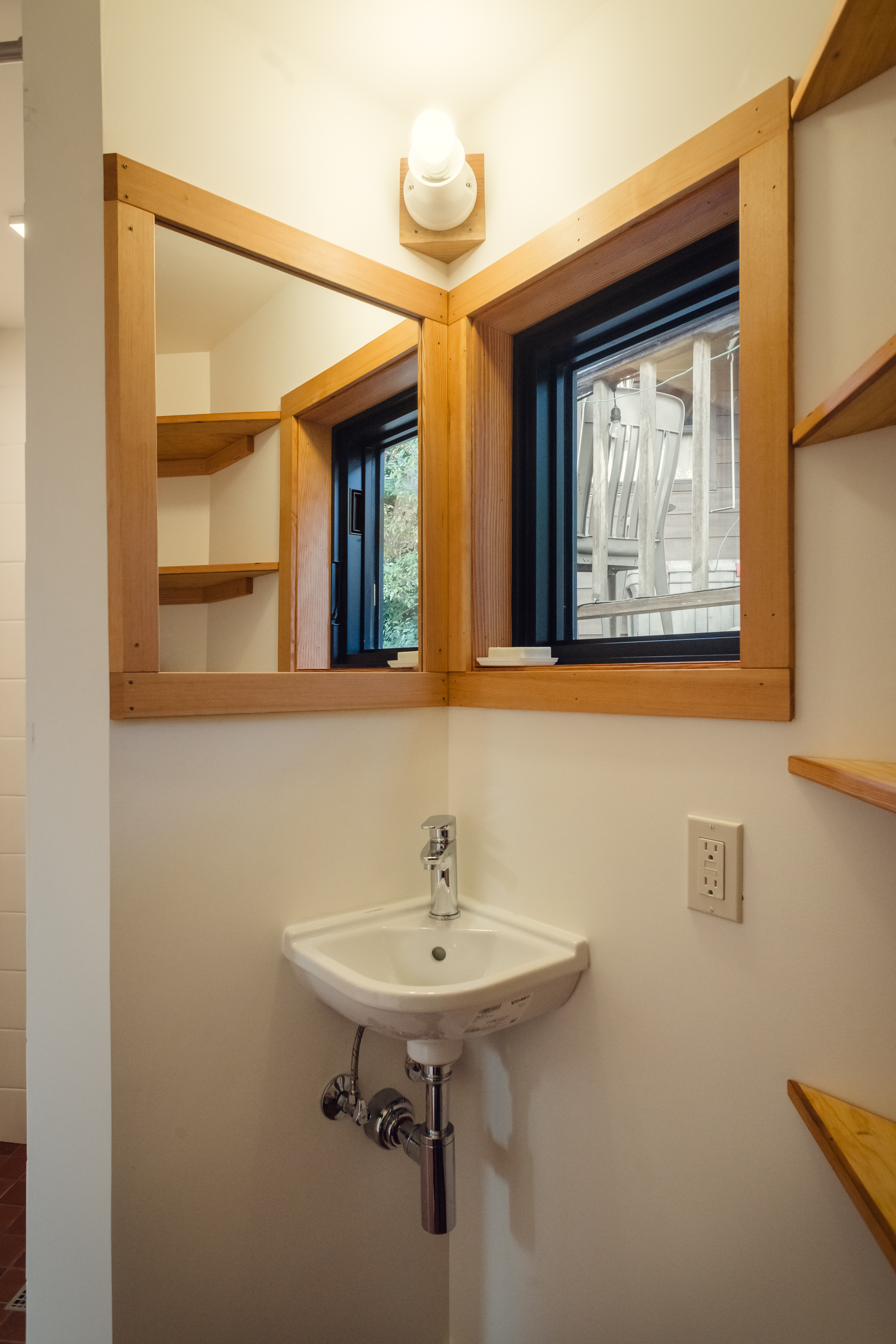
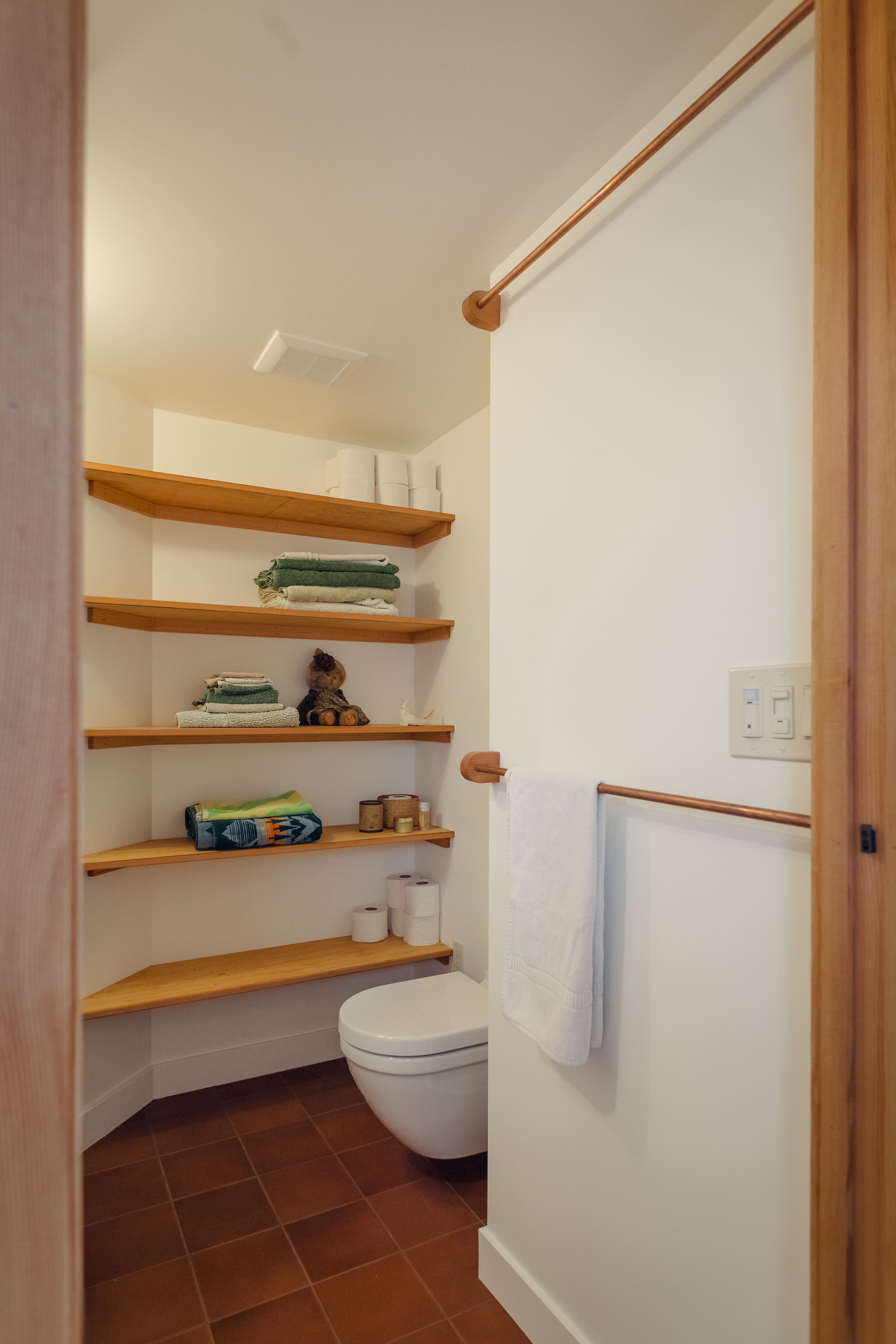
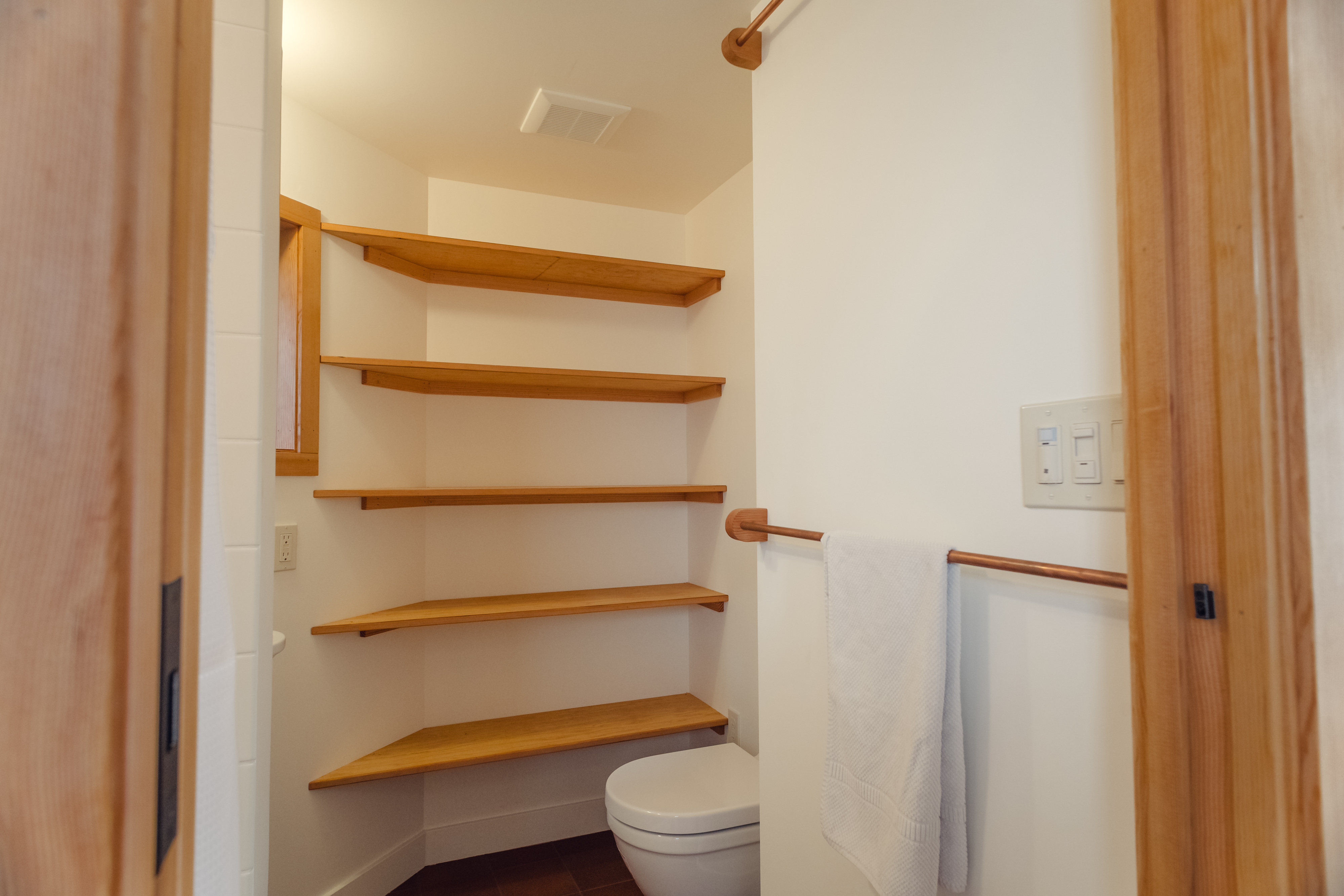
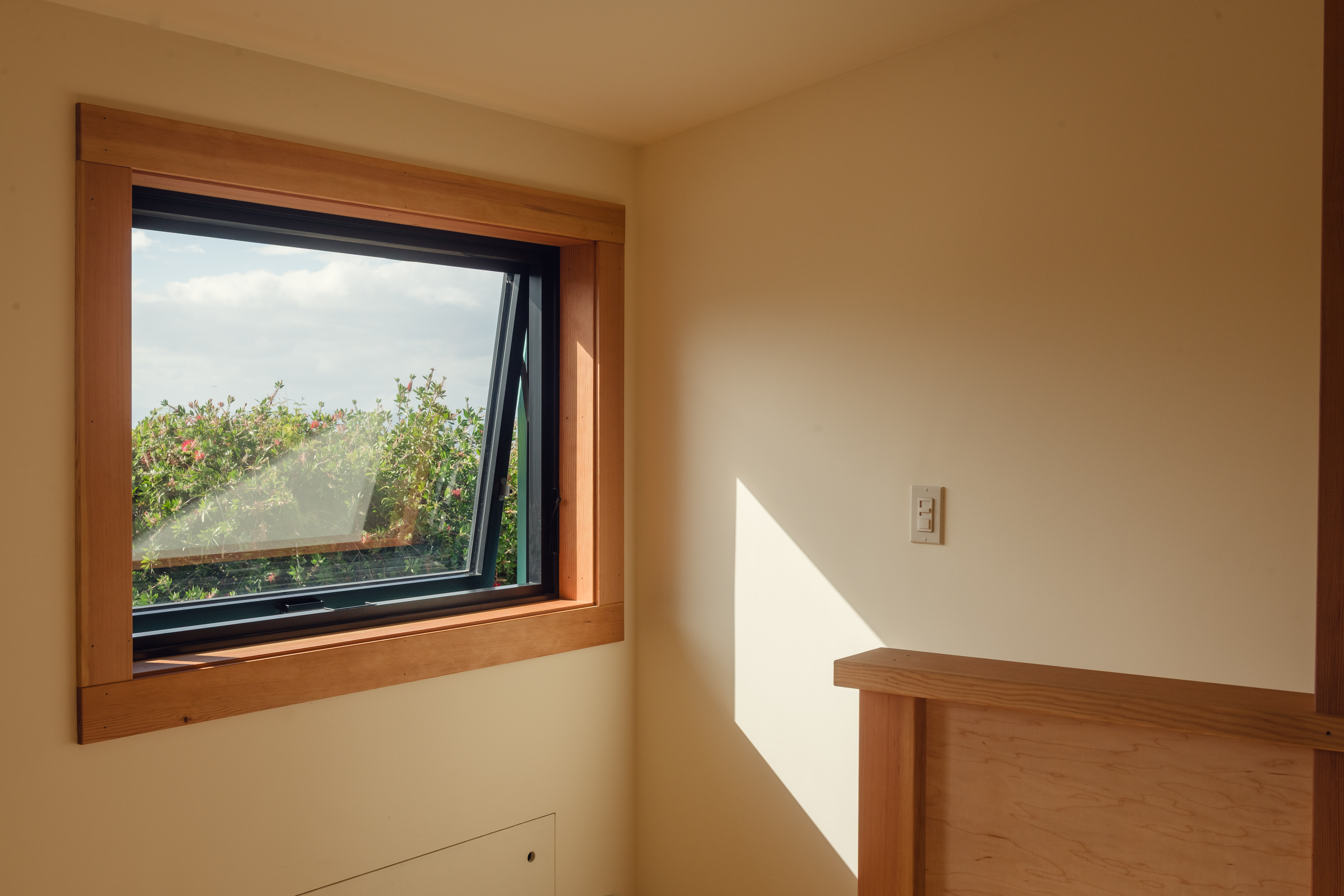
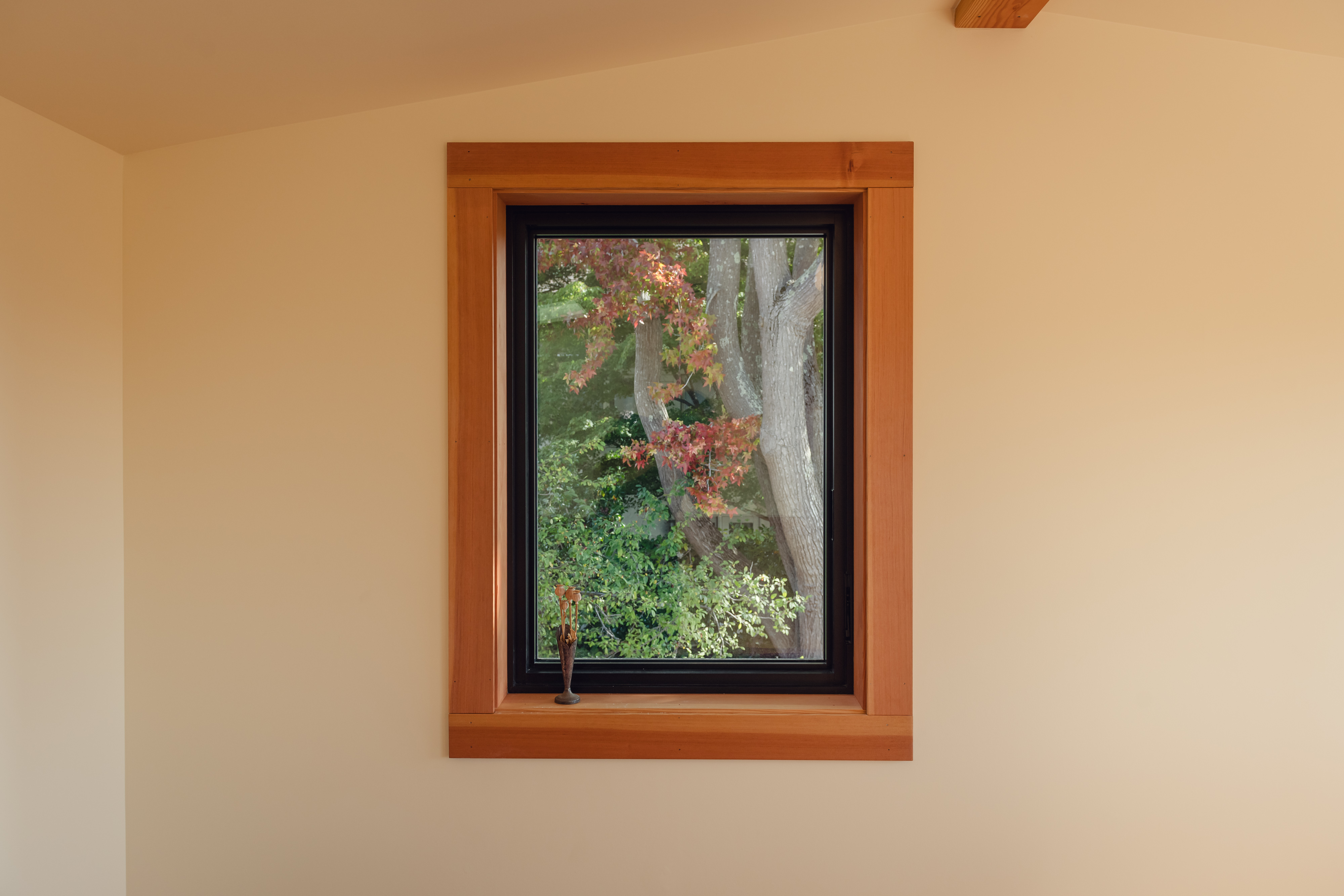
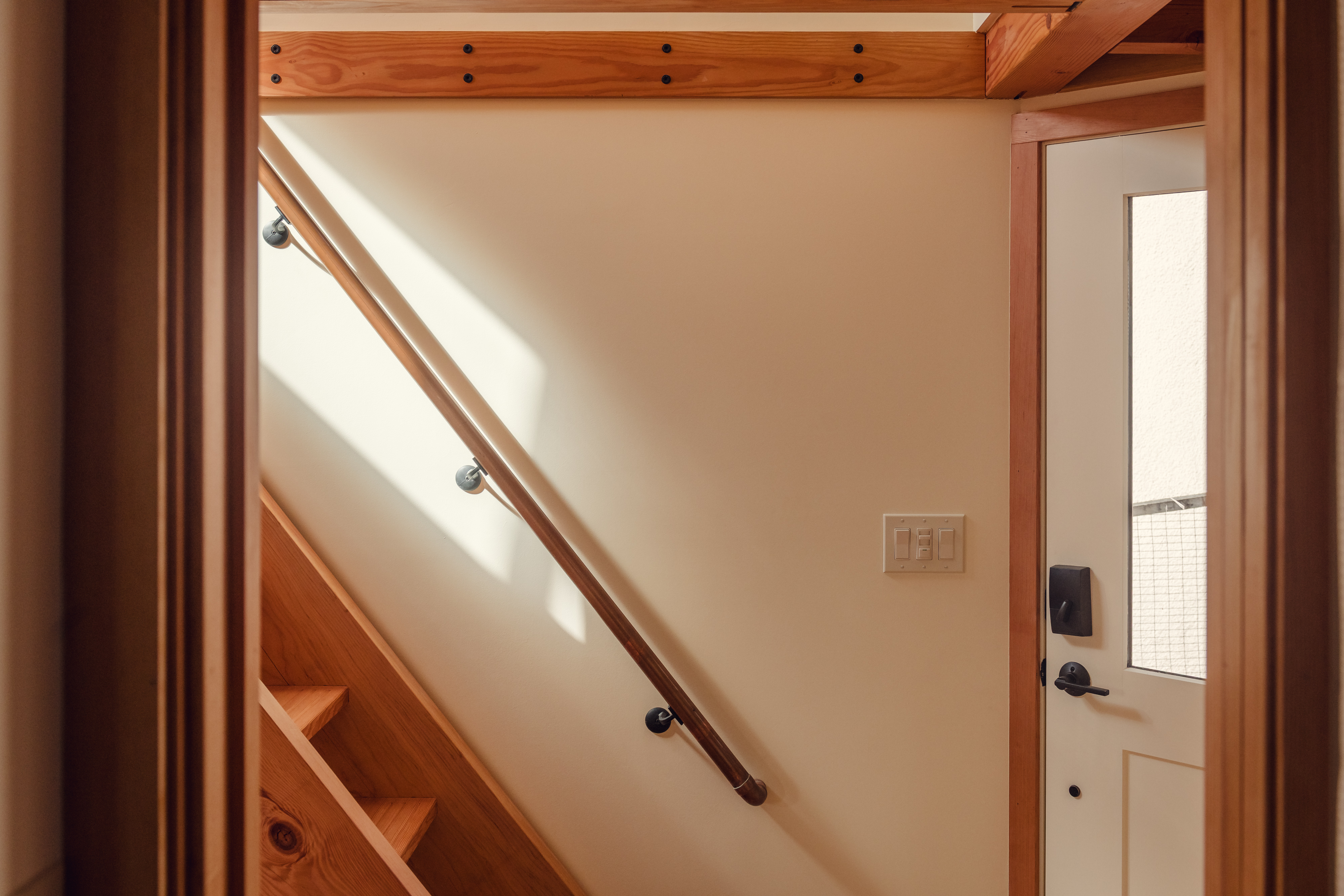
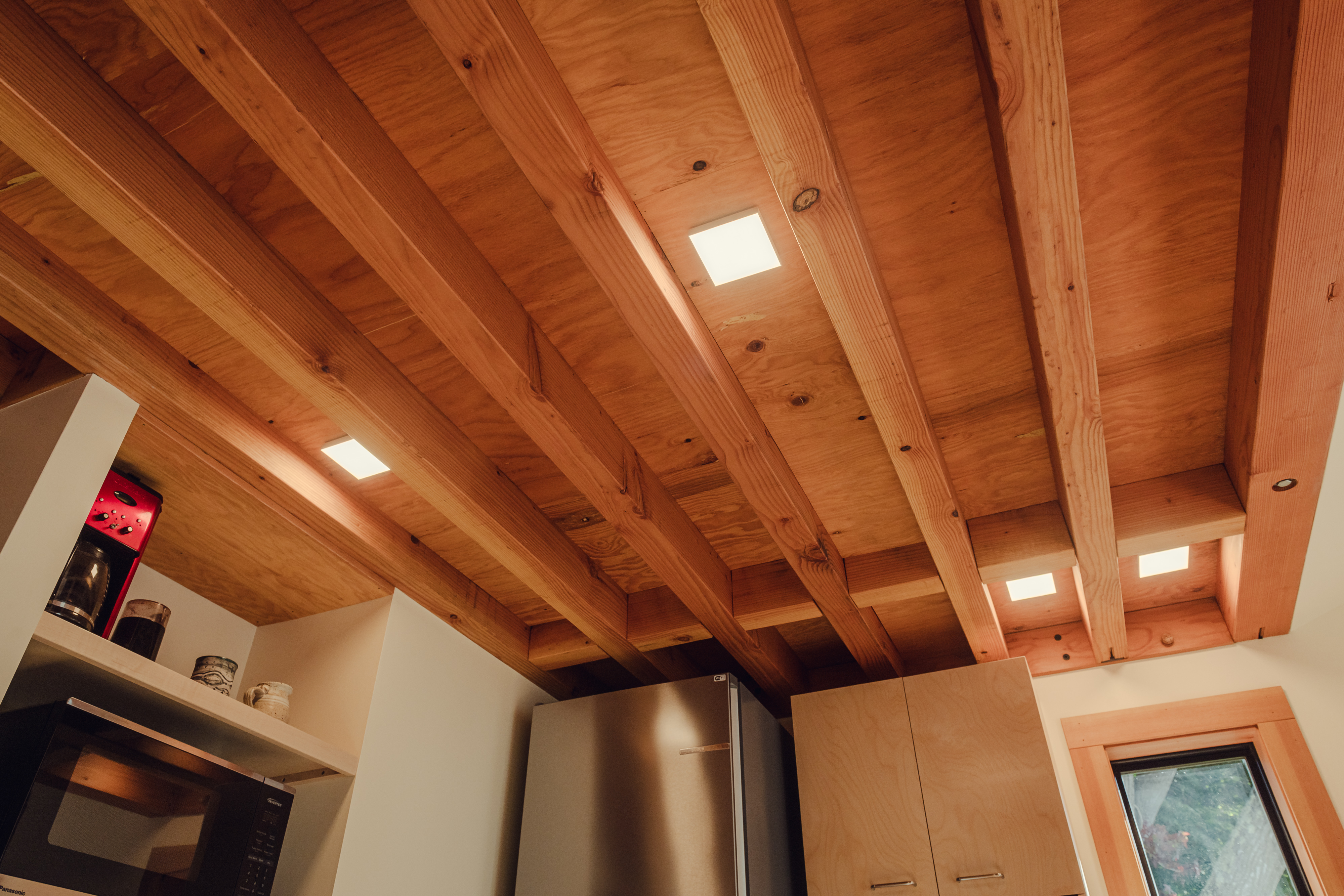
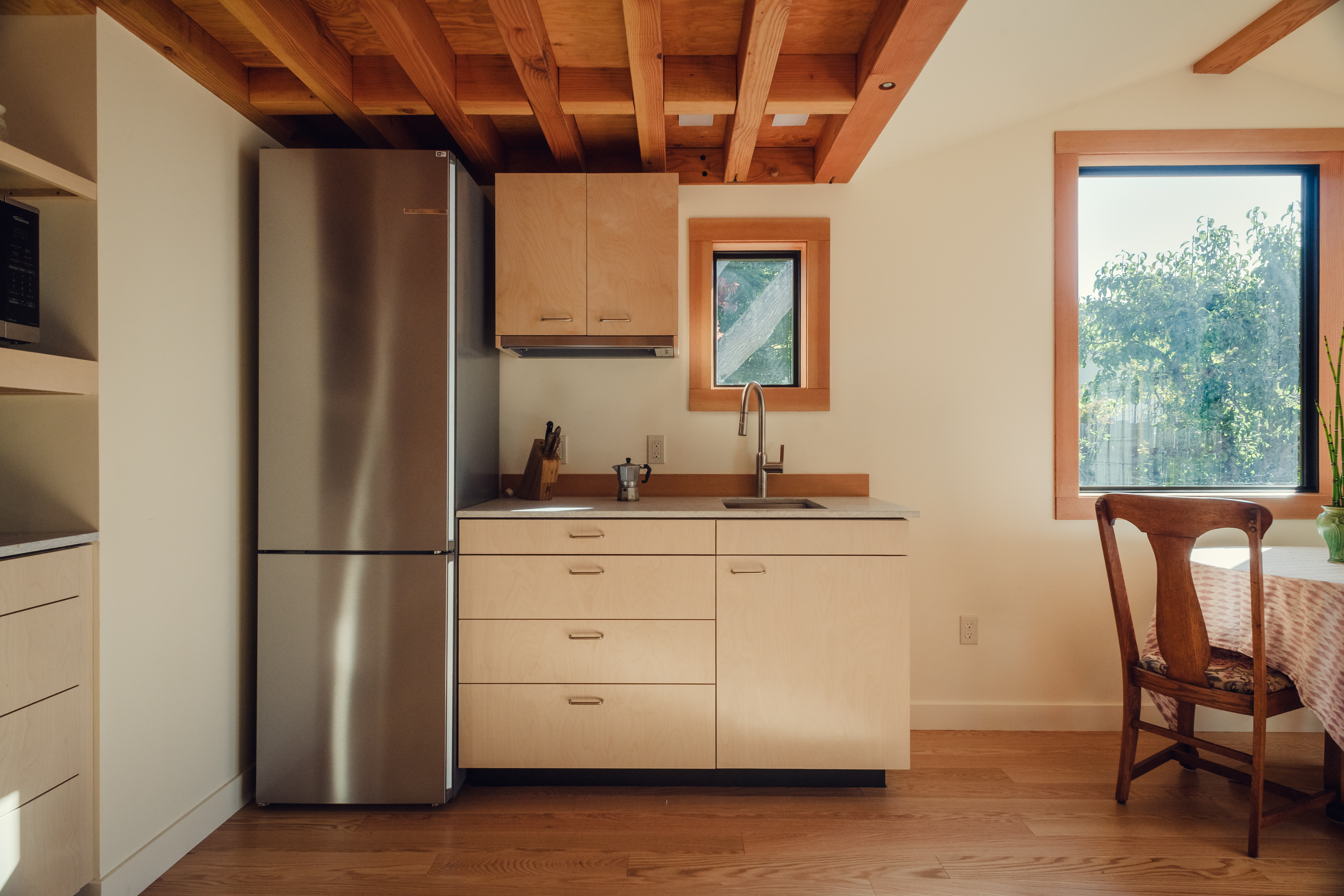
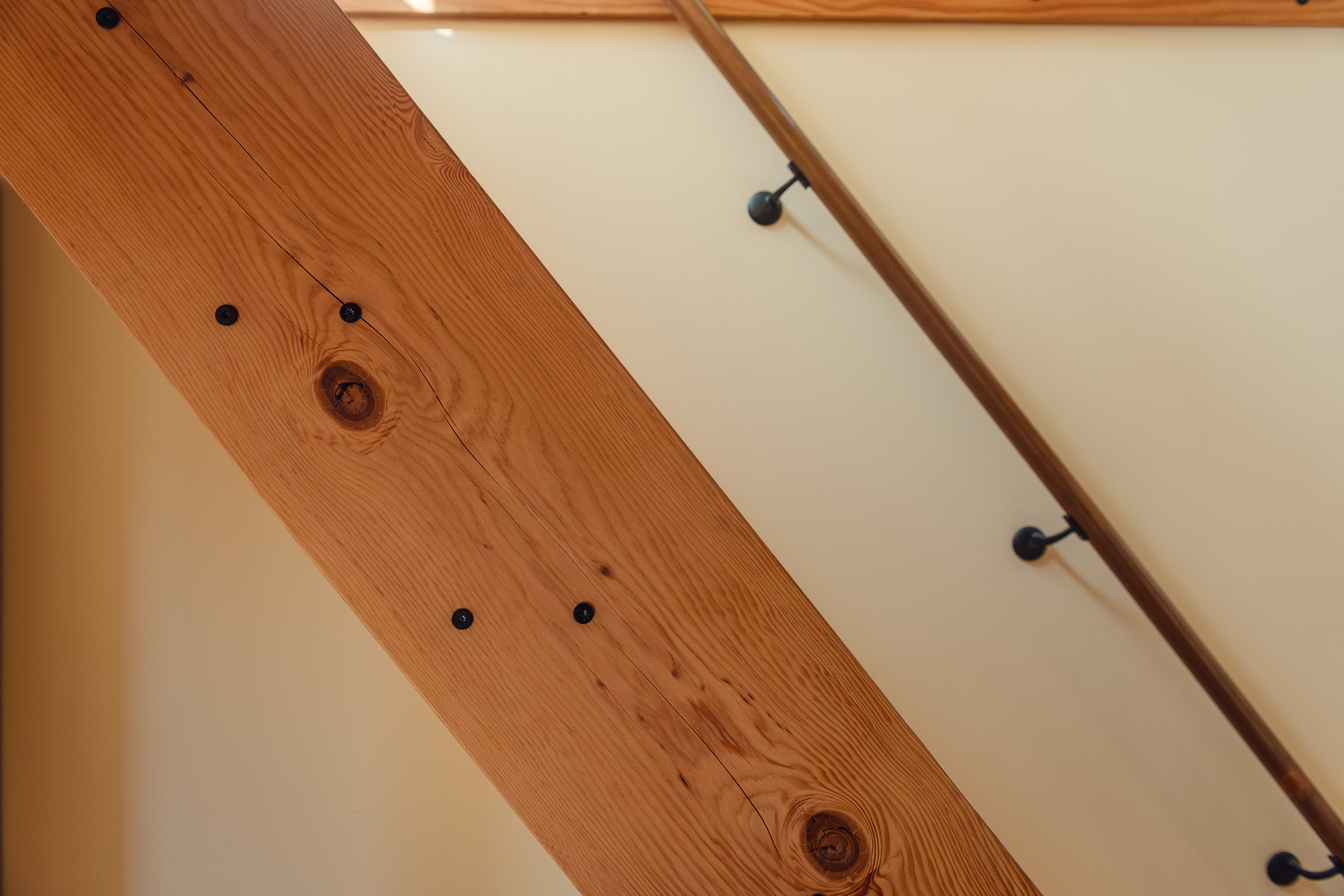
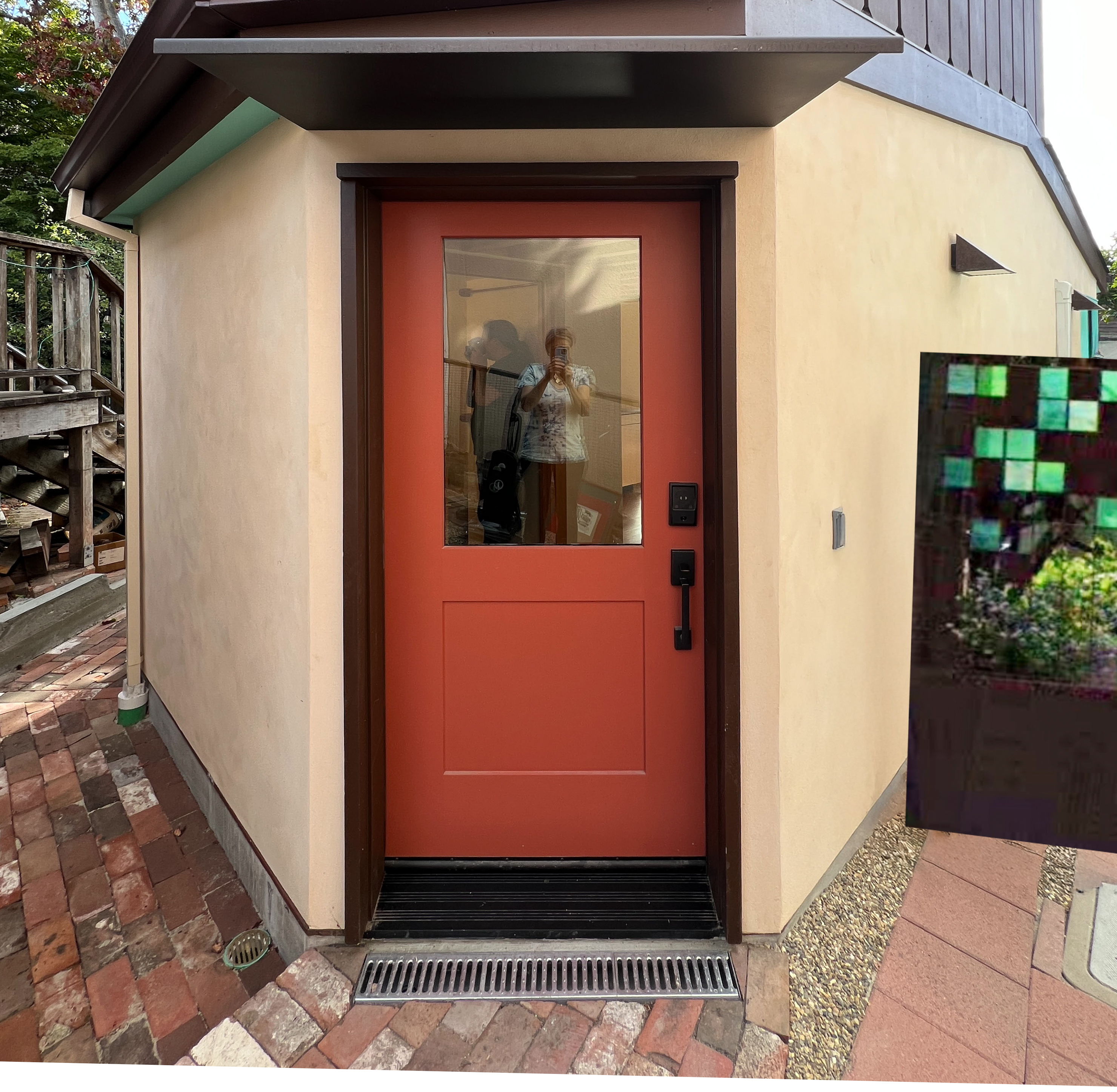
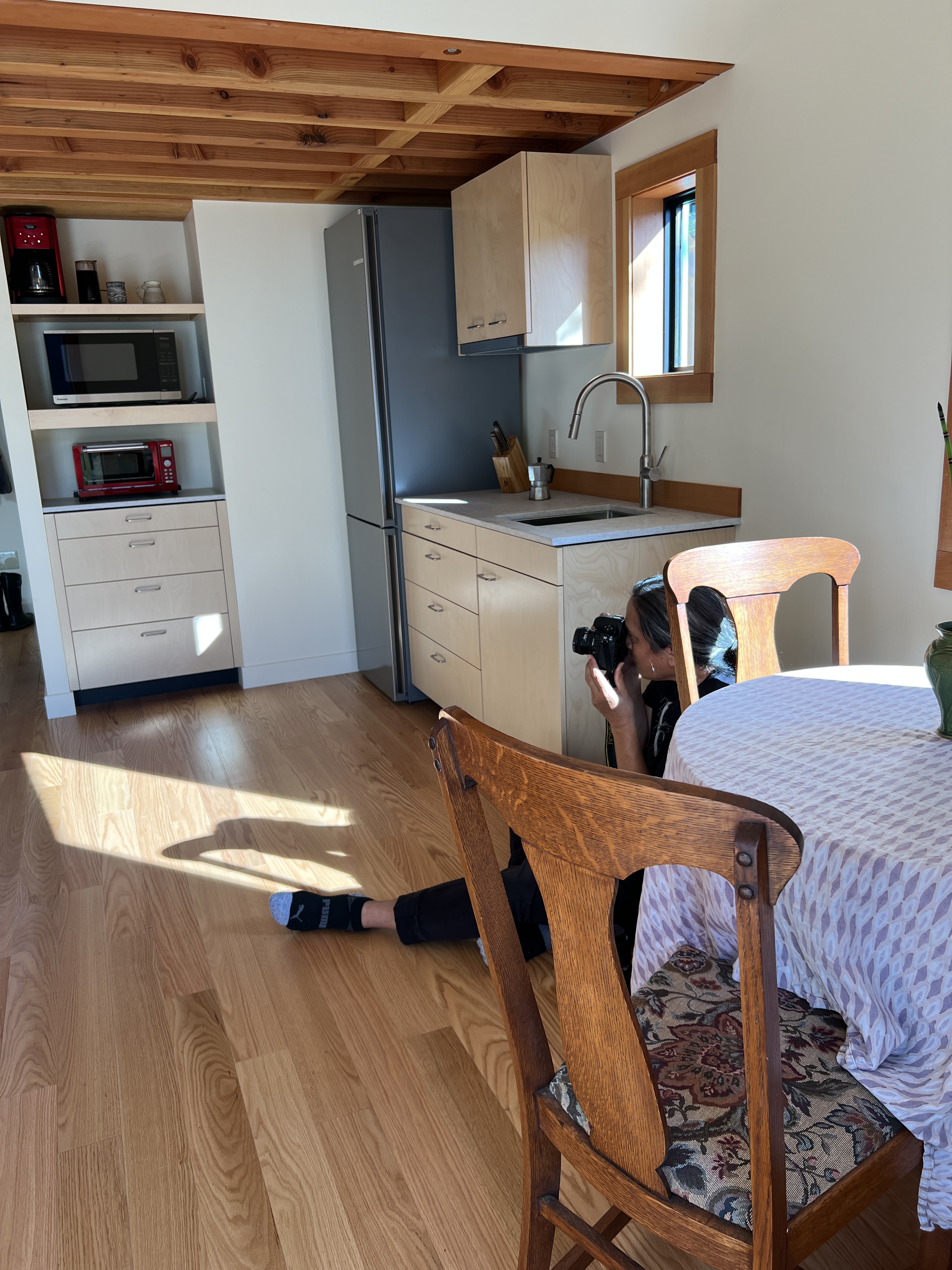
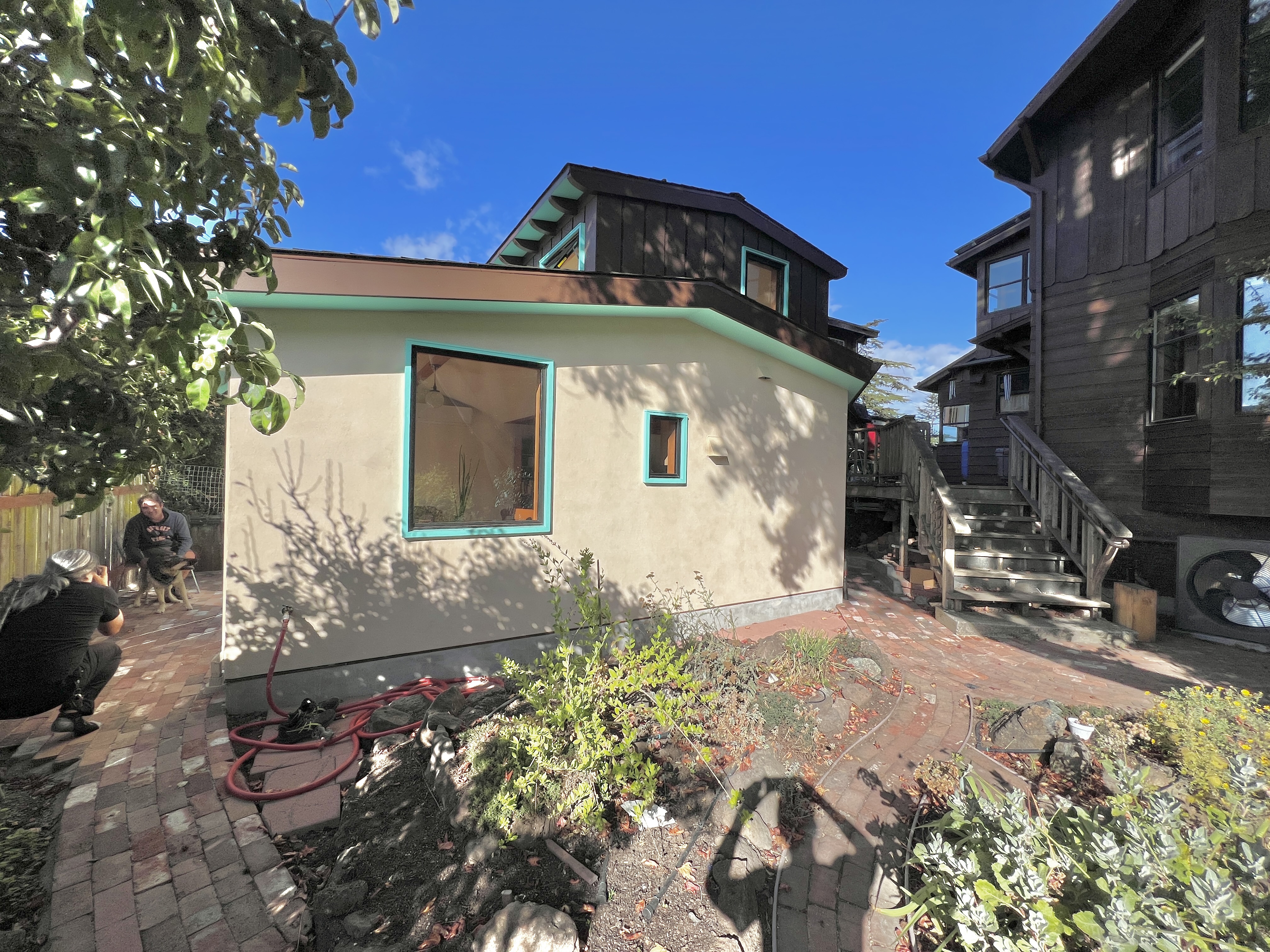
Warm sandy limeplaster walls below and painted fibercement & Boral above. Heavy timber raftertails, no roof ventinga nice window to garden with cheerful green coral trim (photo by Willa McBride) view through kitchen to entrycelebrating completion (photo by Willa McBride)celebrating completion (Photo by Willa McBride)dining area (photo by Lenny Gonzalez)Fir beam and post and guardrail with cute light (photo by Lenny Gonzalez)Loft bedroom (photo by Lenny Gonzalez)compact sink with mirror and window above (photo by Lenny Gonzalez)Bathroom (photo by Lenny Gonzalez)custom bathroom shelving & fir and copper towel bars (photo by Lenny Gonzalez)South window (photo by Lenny Gonzalez)East window (photo by Lenny Gonzalez)Entry & Ships Ladder (photo by Lenny Gonzalez)Exposed fir floorjoists and fir plywood with square LED lights (photo by Lenny Gonzalez)small kitchen – cabinets by Andrew Franklin (photo by Lenny Gonzalez)Living room/ Dining room view to south patio (photo by Lenny Gonzalez)Ships ladder to loft (photo by Lenny Gonzalez)East side Entry door – with architect reflected and builder inside
We have been busy with all sorts of great projects the last few months. Here are a few snapshots.
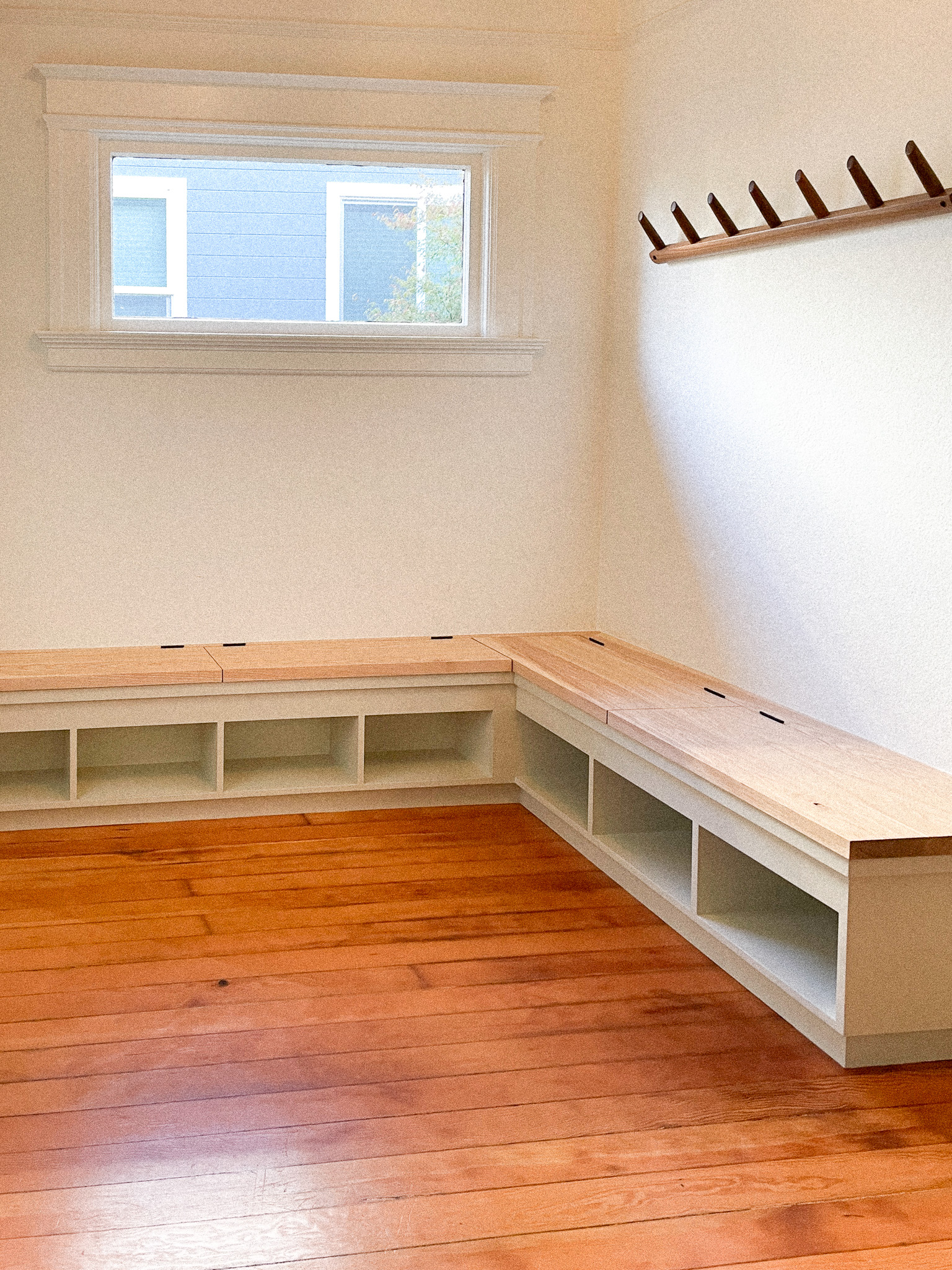
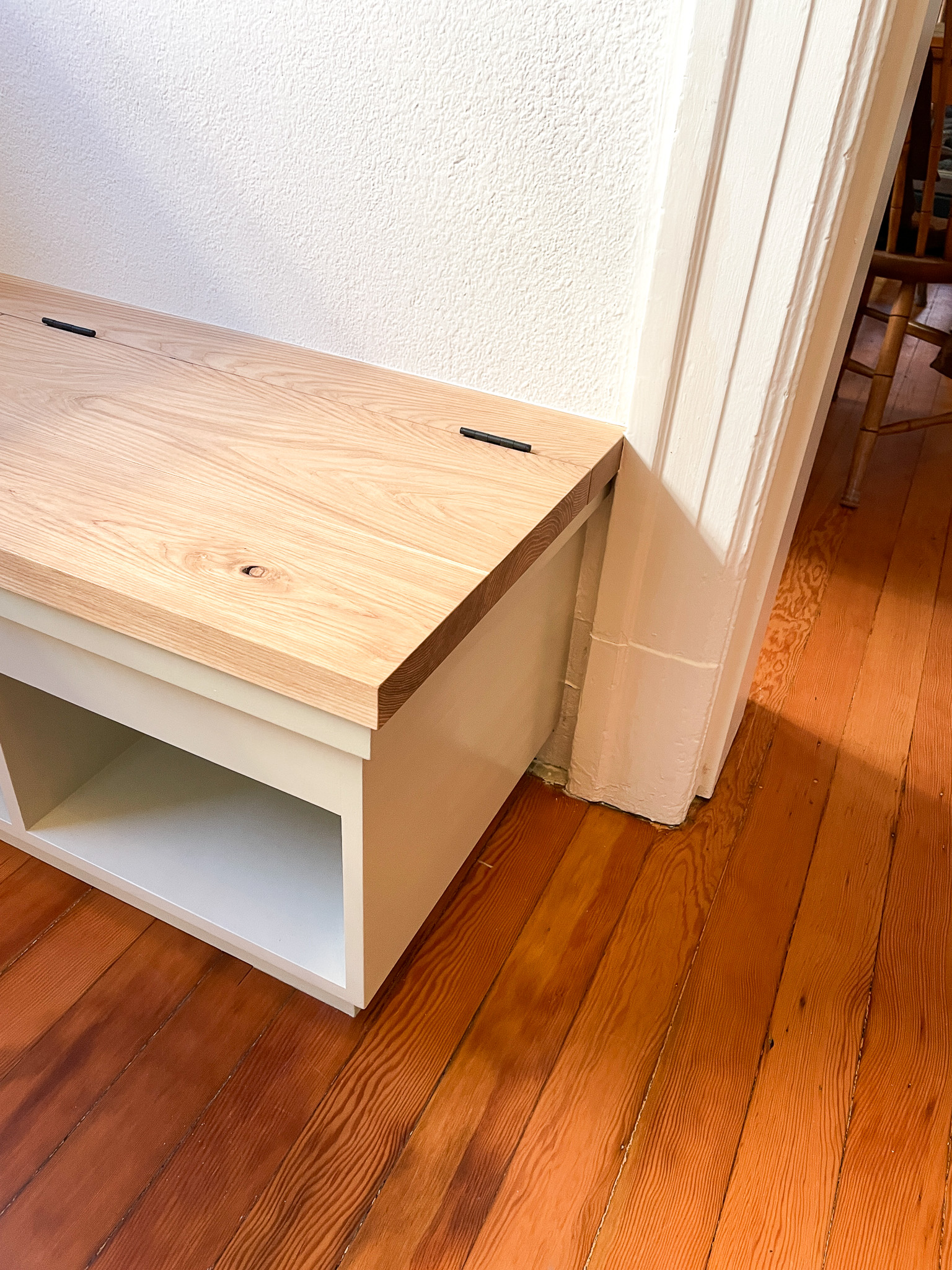
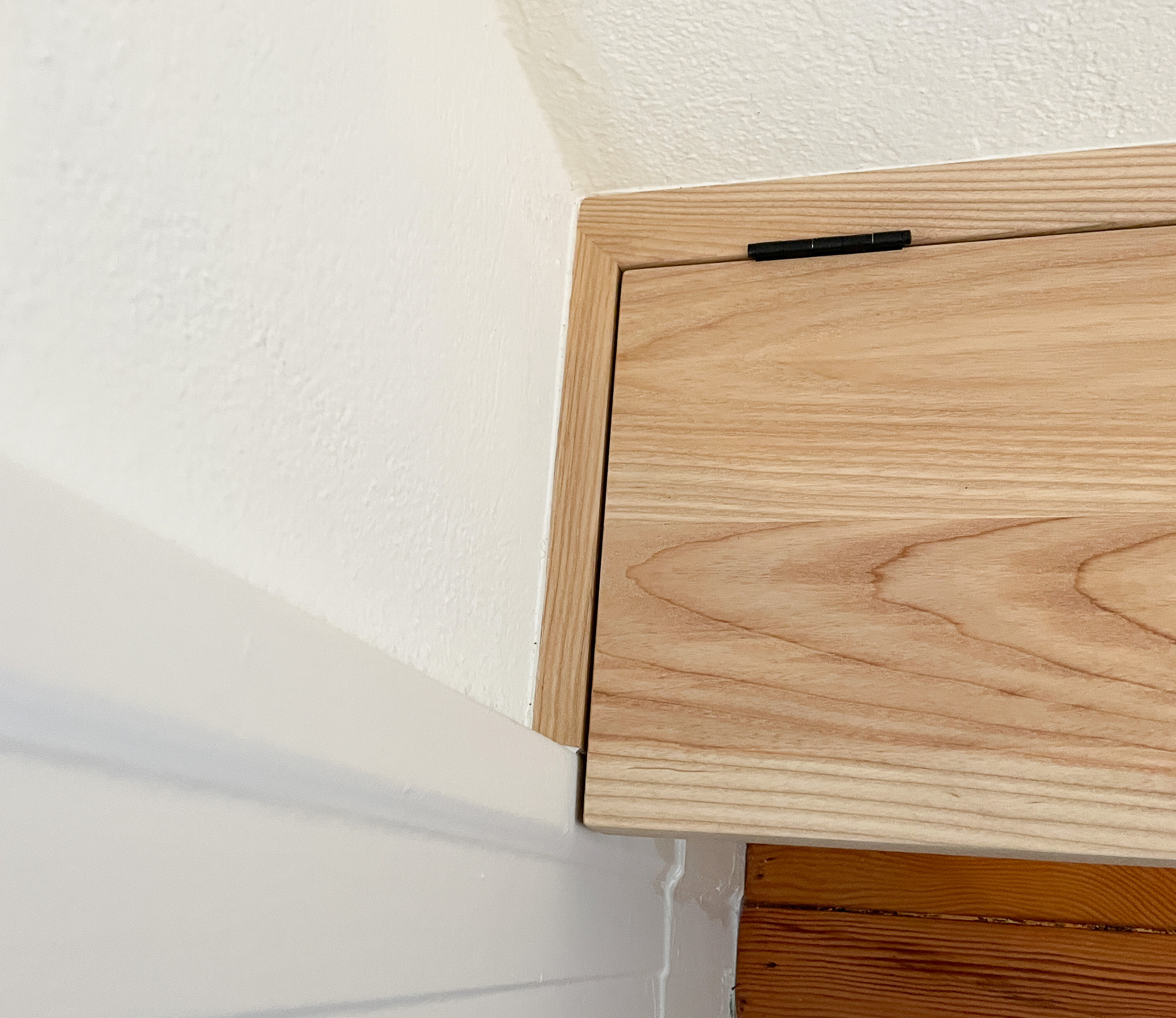
Mudroom Bench – Very similar to one we did 10 years ago, but customized to perfectly fit the new space: narrower on one wall than the other. The lid is solid ash and the rest is painted. I need to get some photos of the blue interior. Thanks to Kelly Best and McBride Construction for the excellent craftsmanship.
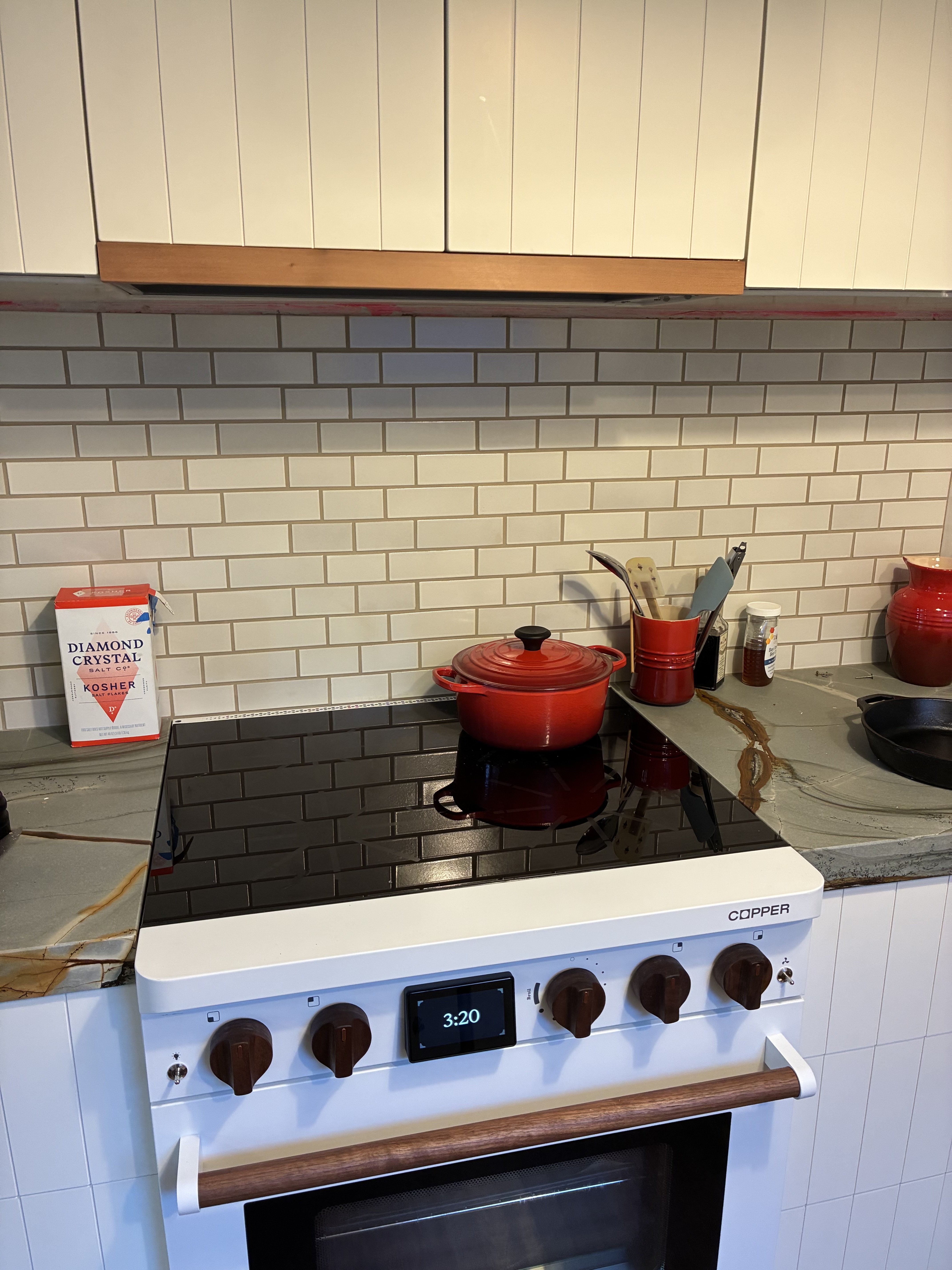
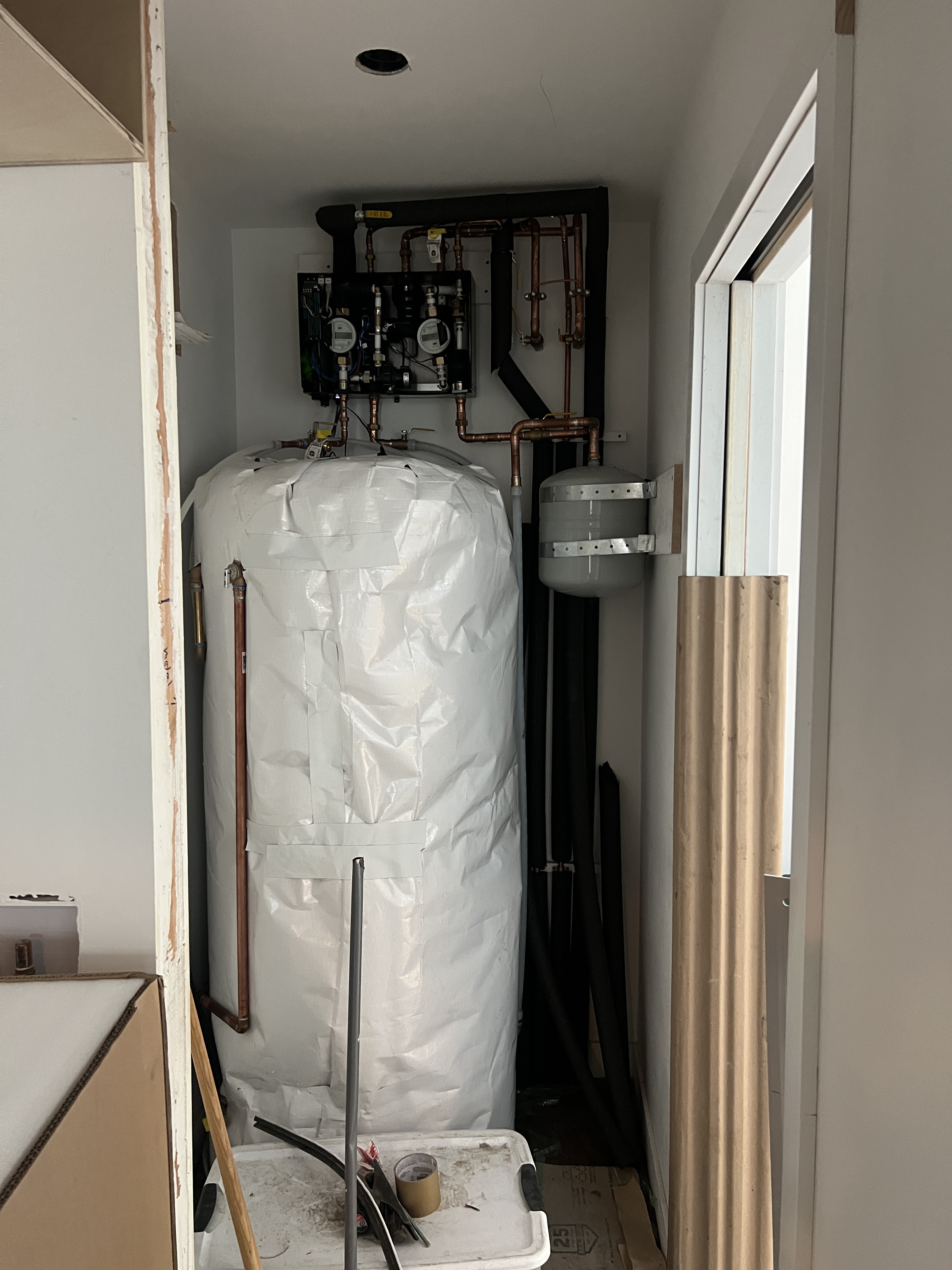
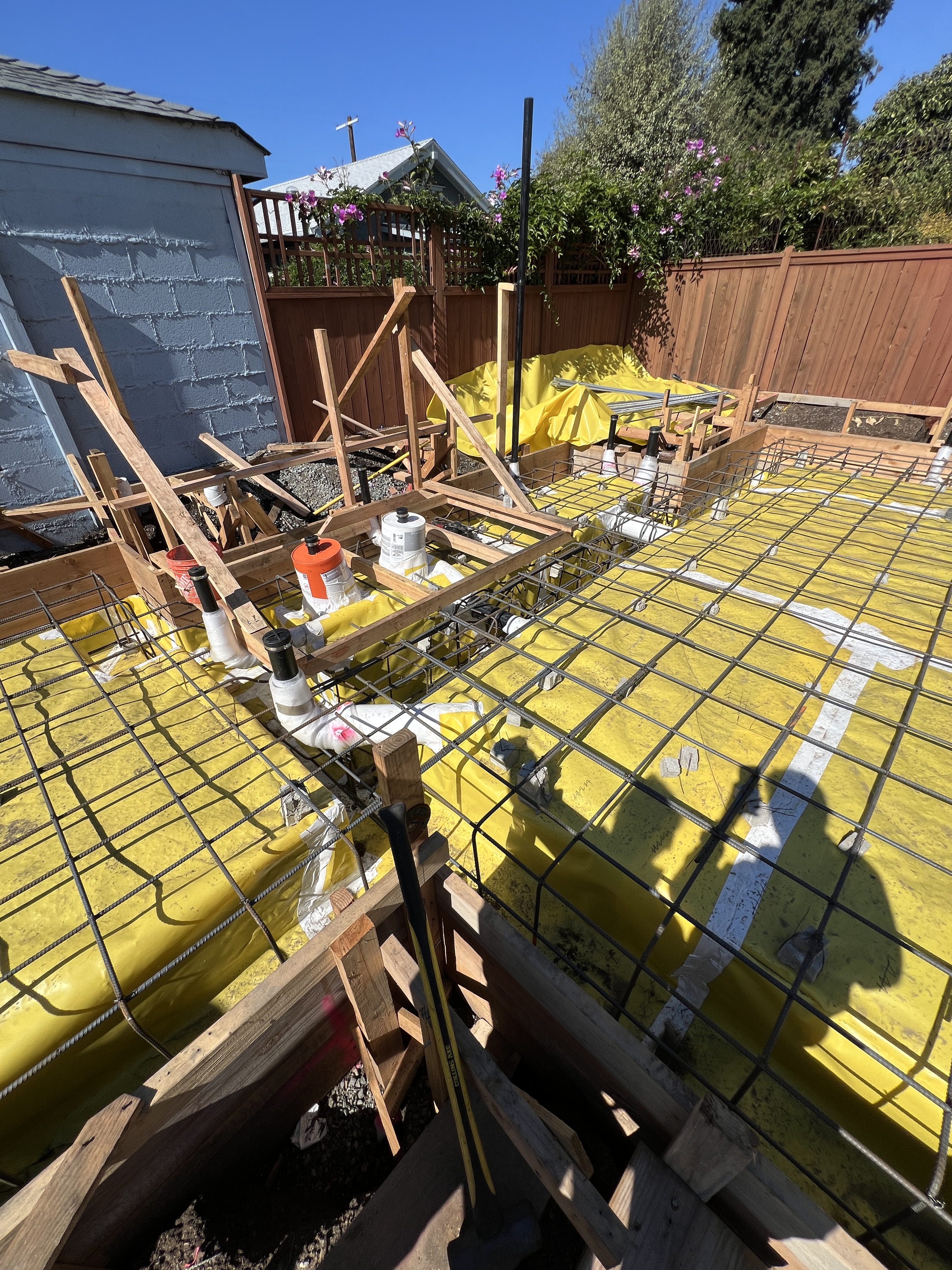
Copper induction range with battery and walnut knobs (Berkeley company!) SANCO₂ heat pump hot water heater (tank inside, heatpump outside) that doubles as house heating system (Harvest System) ADU slab..getting ready for the concrete pour
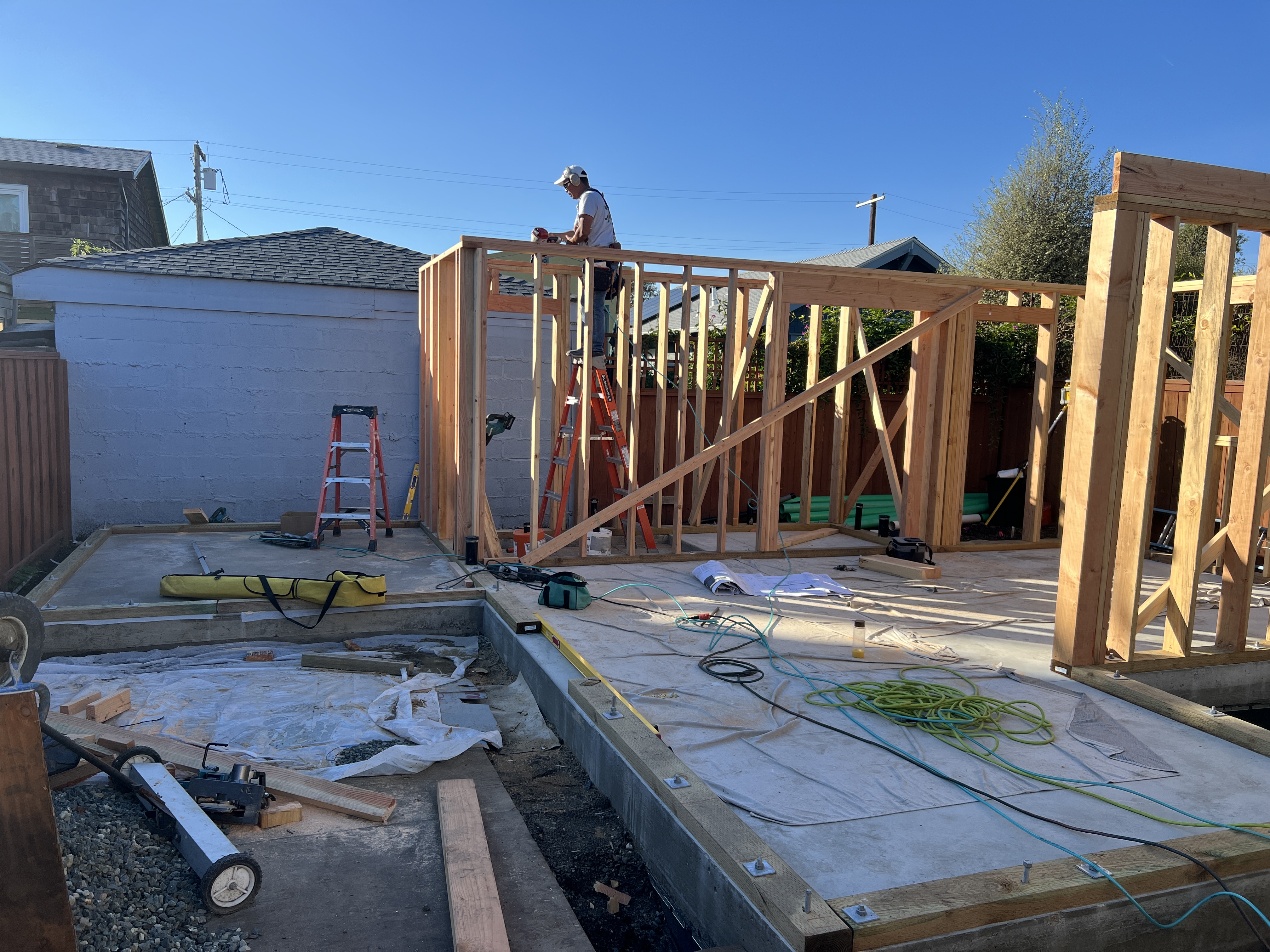
The slab was poured and beautiful saw cut control joints added. Now the structural framing is underway. The tolerances are very tight in these small living spaces. Every inch matters. I was delighted to discover that the concrete work and framing has resulted in walls that match my drawings to the 1/16 inch.
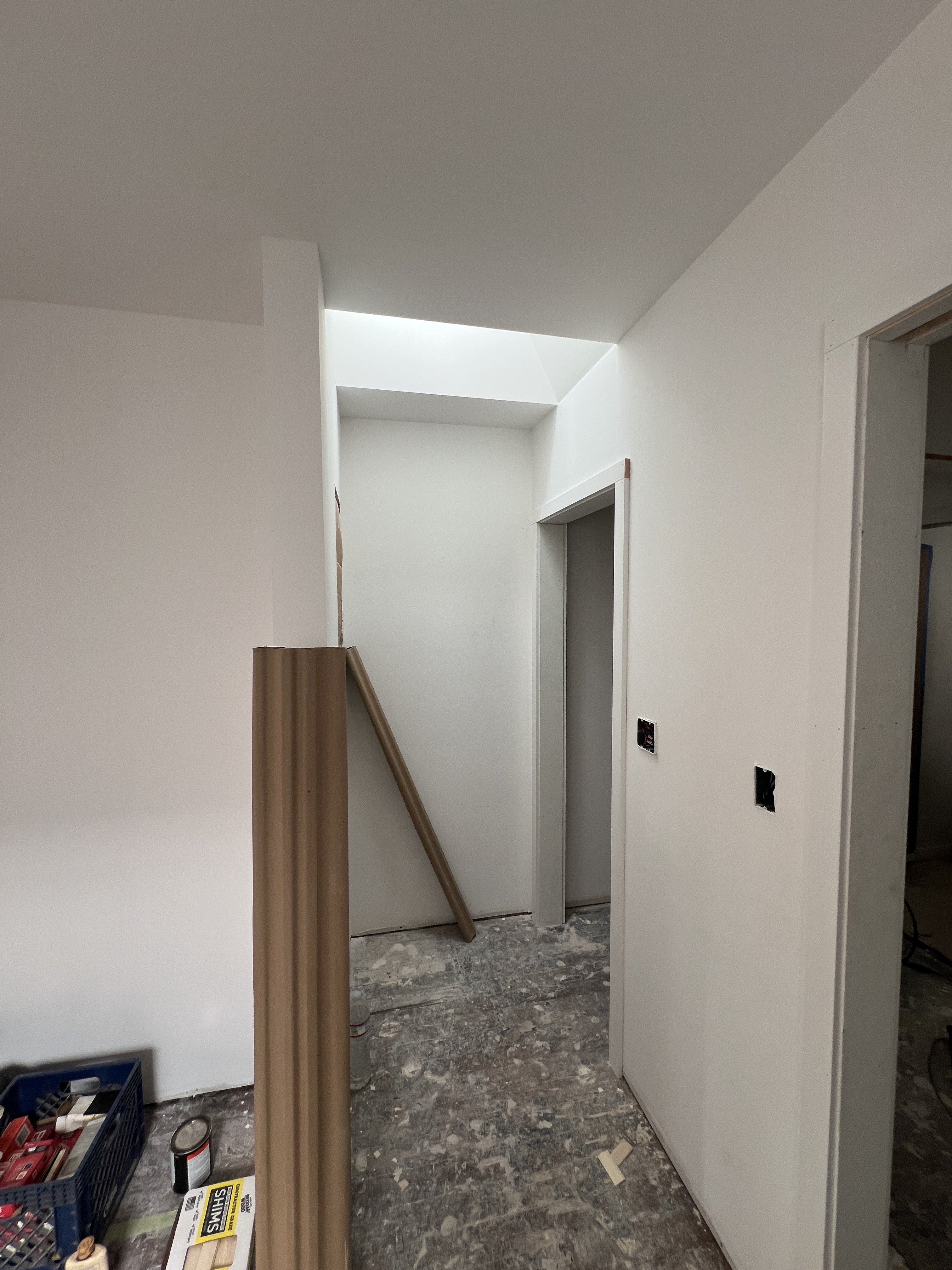
Framing Underway (Oscar of McBride Construction hard at work) A small addition at the back of a small Berkeley house (we moved the storage, laundry and water heater to the middle and put the kitchen, dining nook, half bath, and reading nook at the back of the house by the yard. I like the deep eave over the door and windows and the pretty fir rafter tails We added a skylight in the middle of the house…a lot of bang for the skylight buck. To right of skylight is laundry, pantry, and mechanical space and to the left is the kitchen and then the back yard.
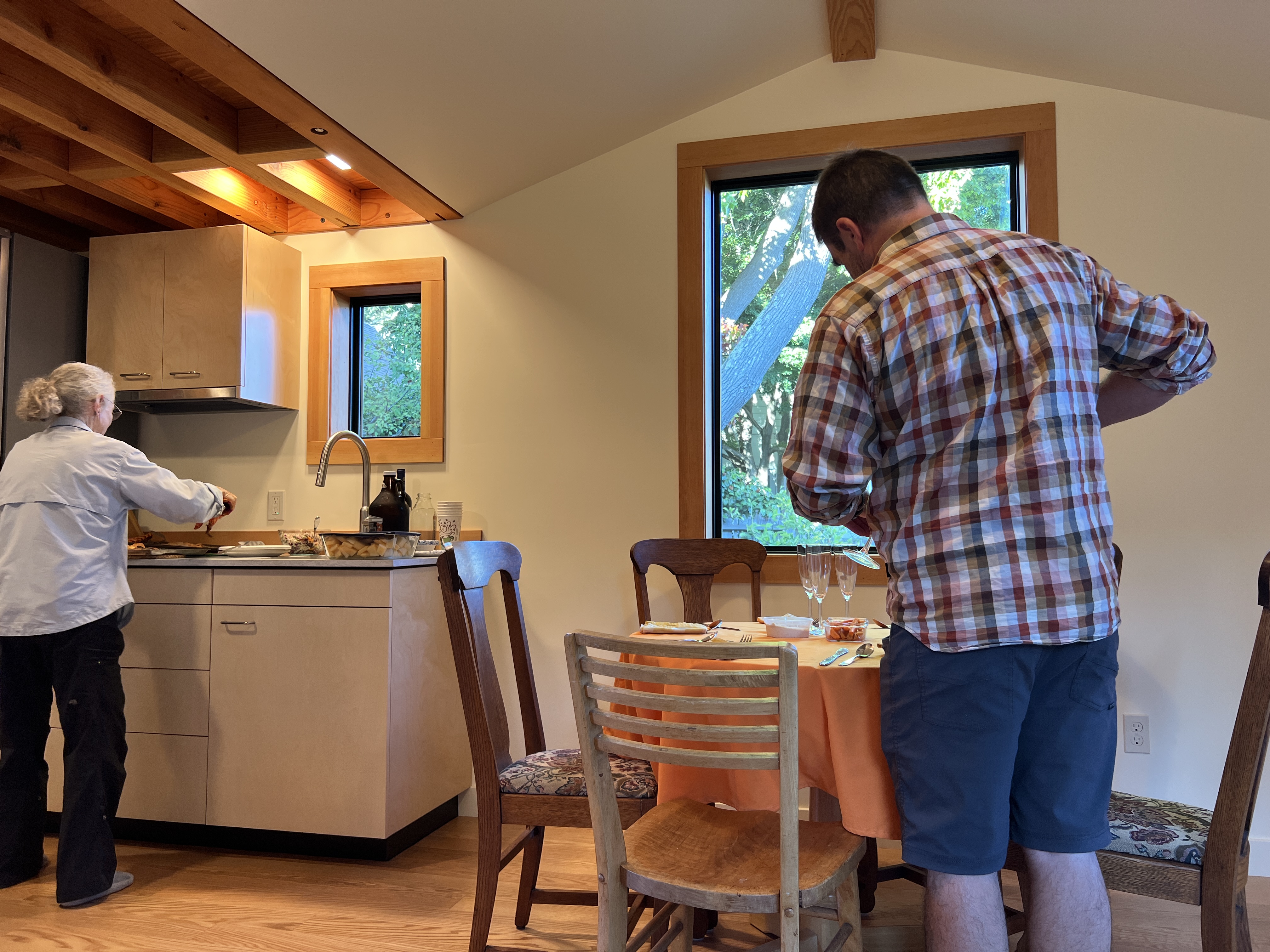
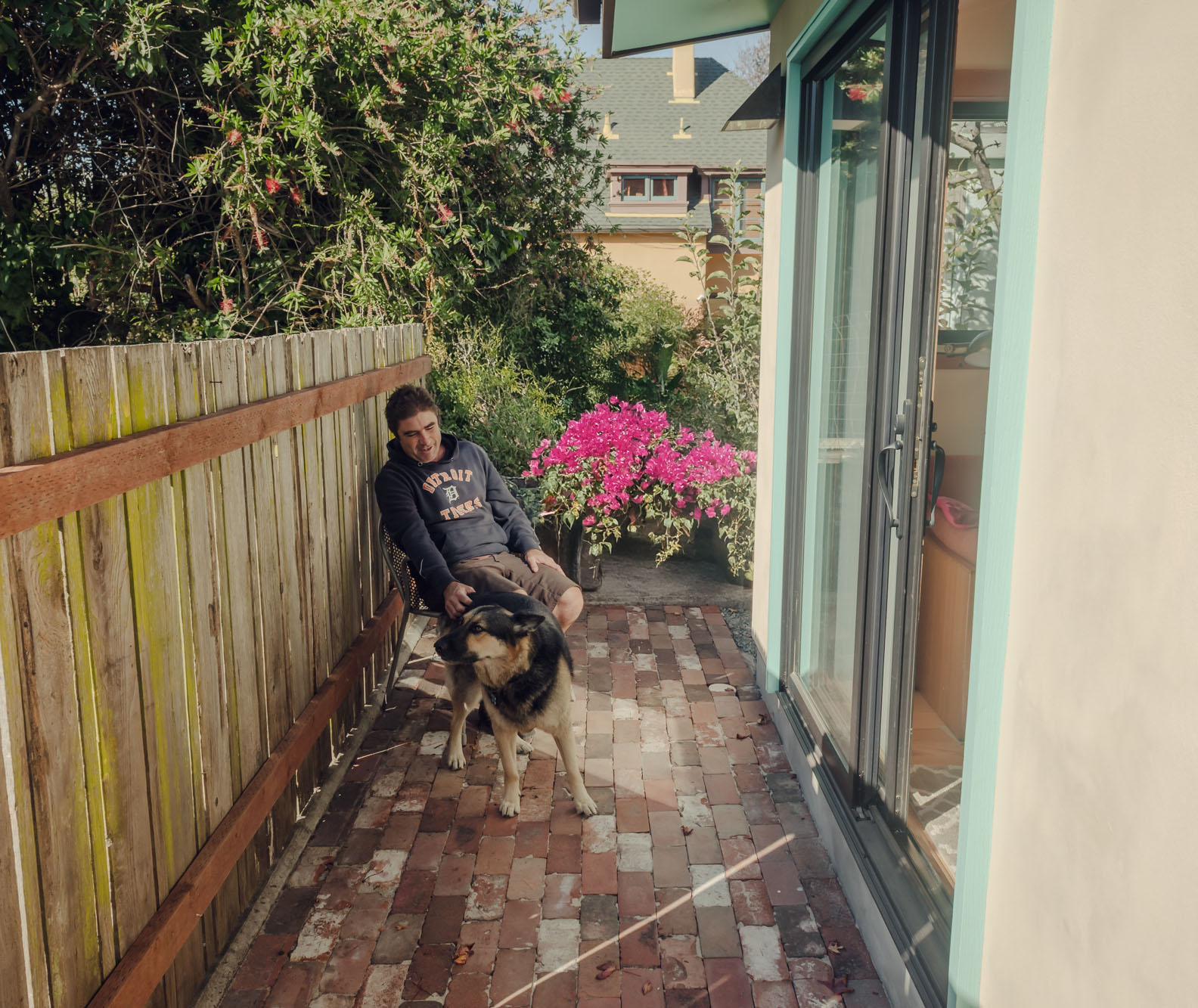
Finally did a photoshoot at a recently finished Accessory Dwelling Unit in the Berkeley Hills. Below you will see the photographer, Lenny Gonzalez, and the photoshoot models Eowyn & John.
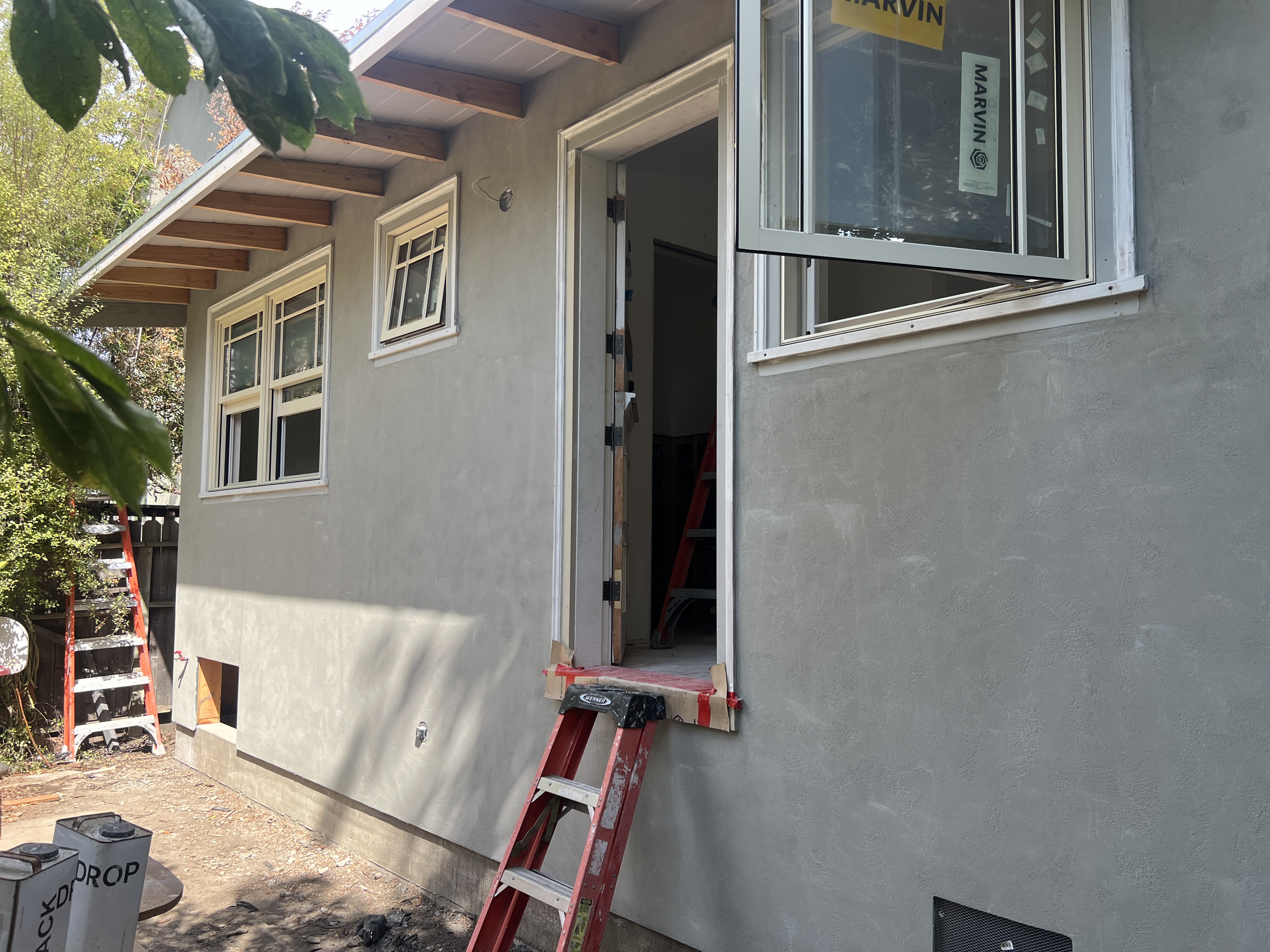
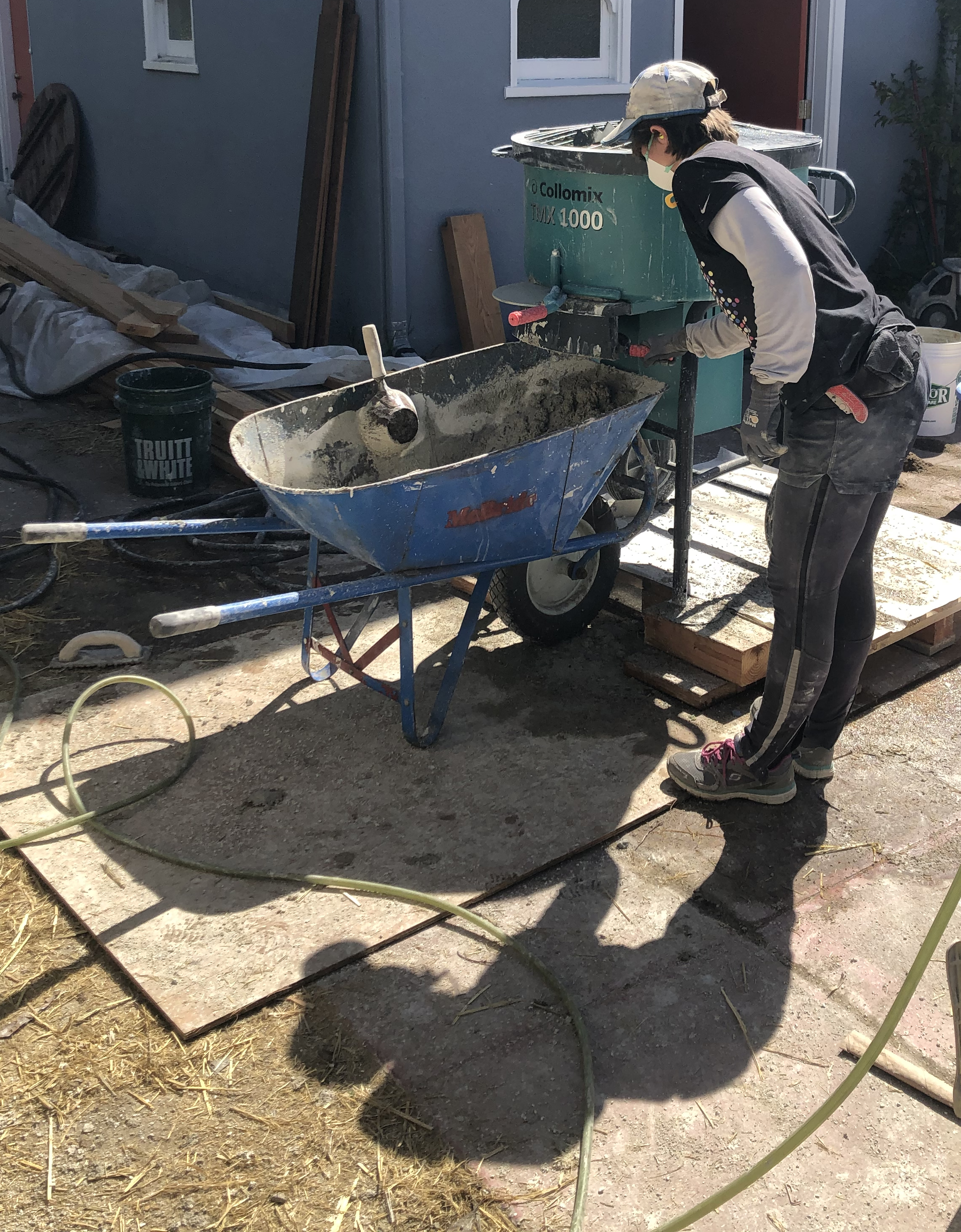
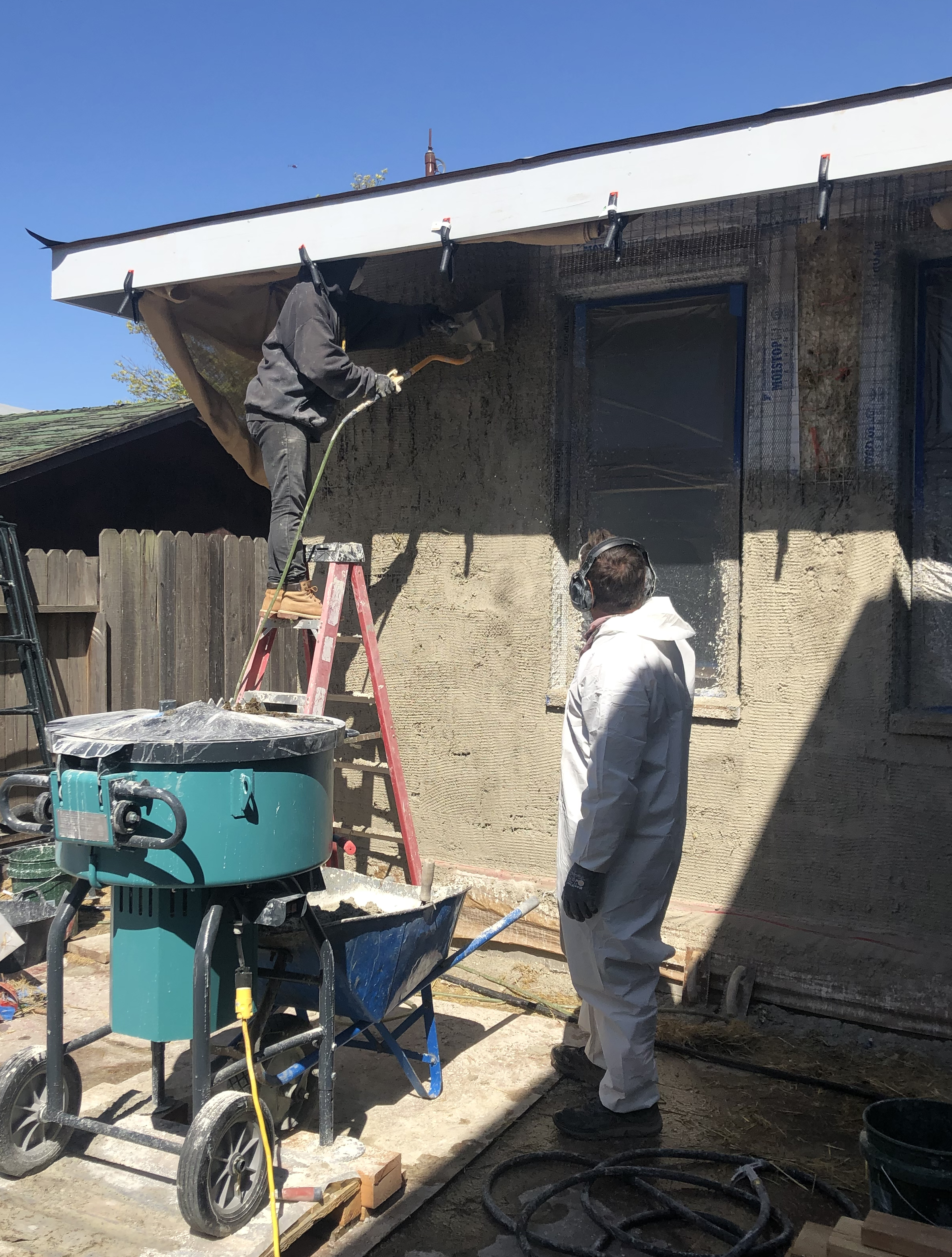
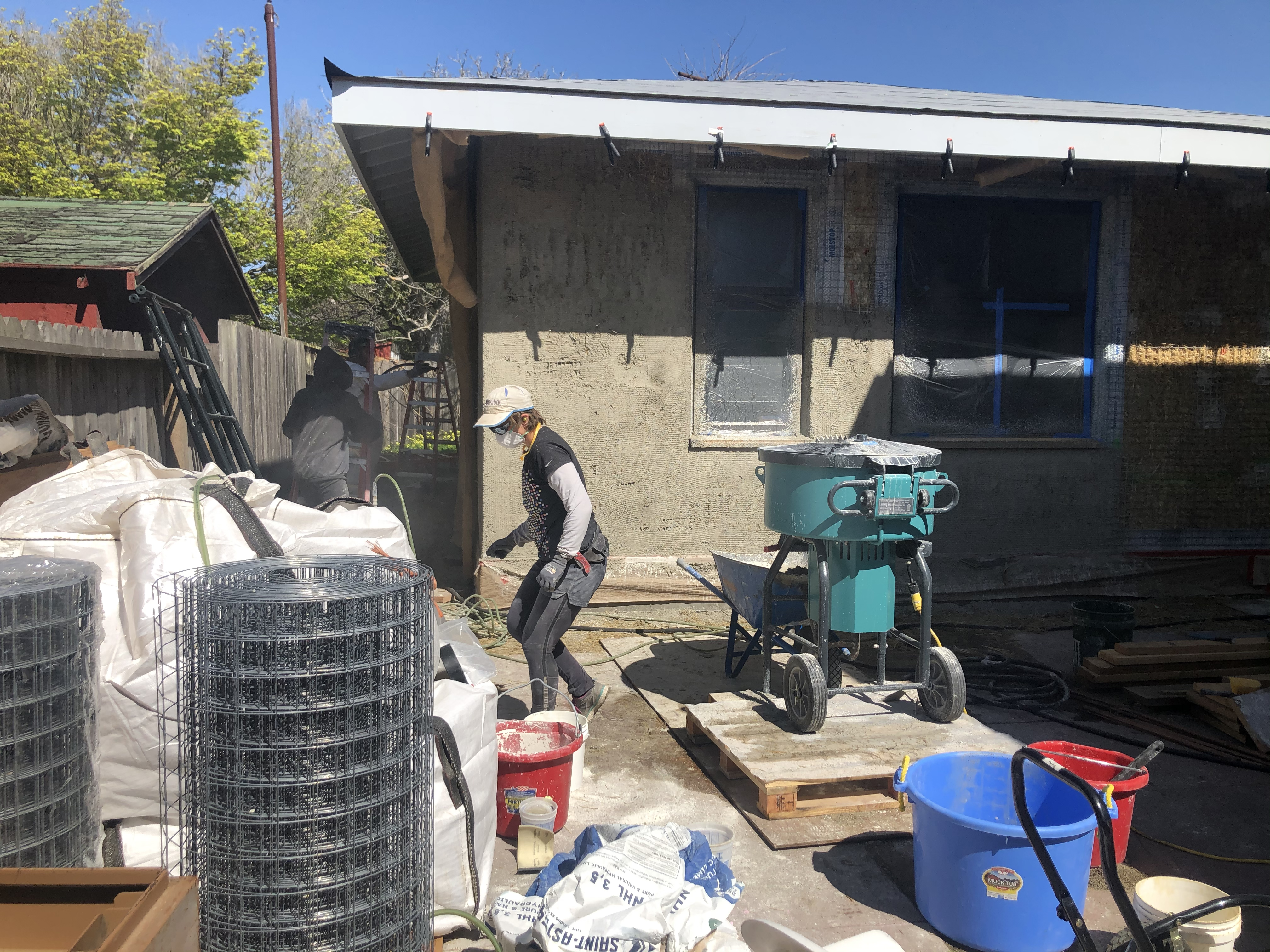
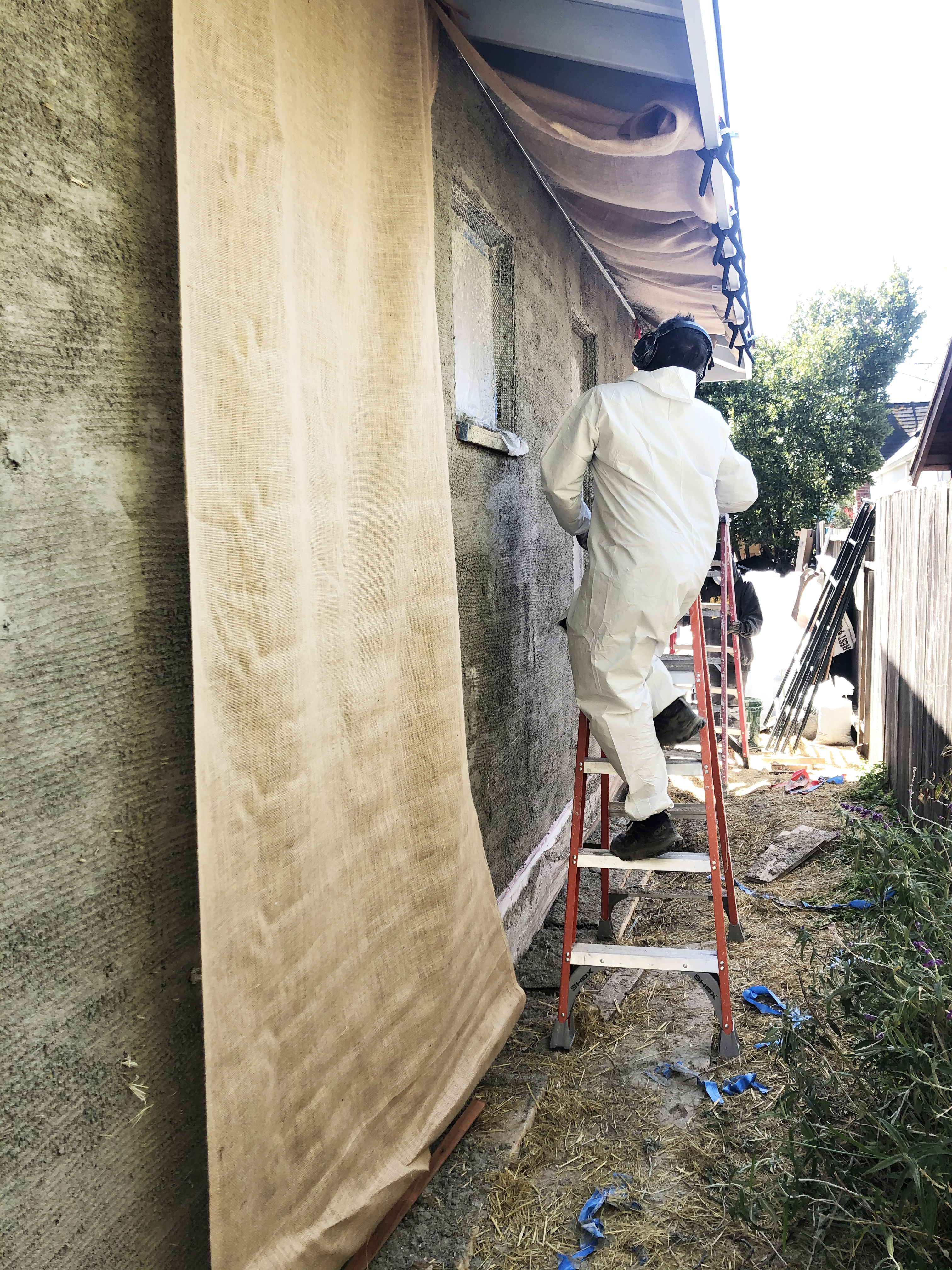
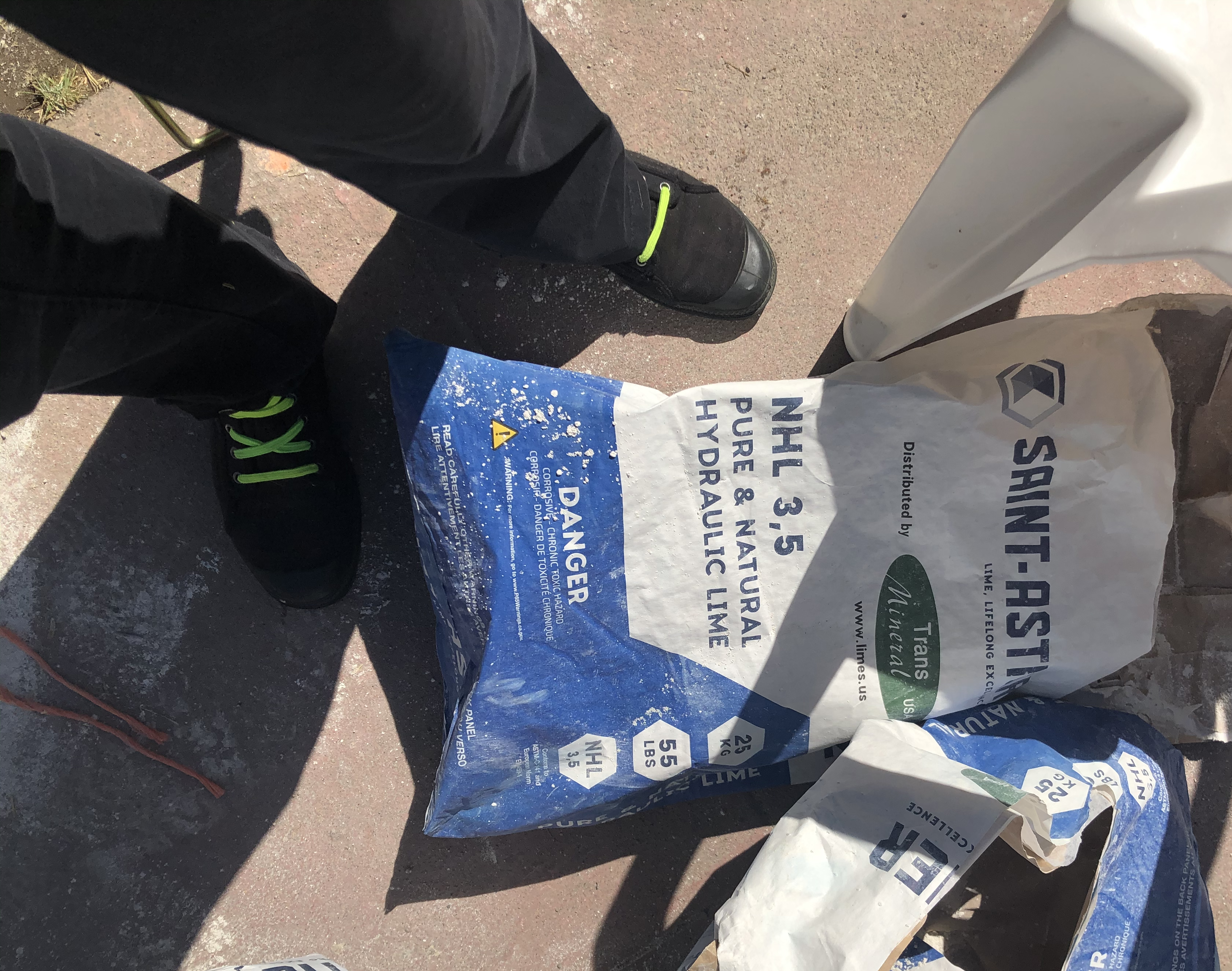
Hydraulic lime plaster is similar to cement stucco, but with lime rather than portland cement. It is more flexible and more vapor permeable than cement stucco, but it takes more skill and curing time. It also requires warmer temperatures. While making portland cement requires a lot of energy and the chemical reaction releases large quantities of CO2 into the atmosphere, Manufacturing lime takes energy, but when lime plaster carbonates (hardens) much of the CO2 released during the manufacture is reabsorbed. (From Essential Natural Plasters, Henry & Therrien) According to Strawbale Building Details (Published by CASBA – California Strawbale Building Association)The strawbales themselves sequester 26 pounds of carbon each, preventing the formation of 95 pounds of CO2)
Mixing the natural hydraulic lime, plaster sand & waterSpraying the plasterBurlap shades to protect the plastered walls from direct sun (It cures better if kept moist and cool)

 deedsdesign