Feeds:
Posts
Comments

Archive for the ‘Information’ Category

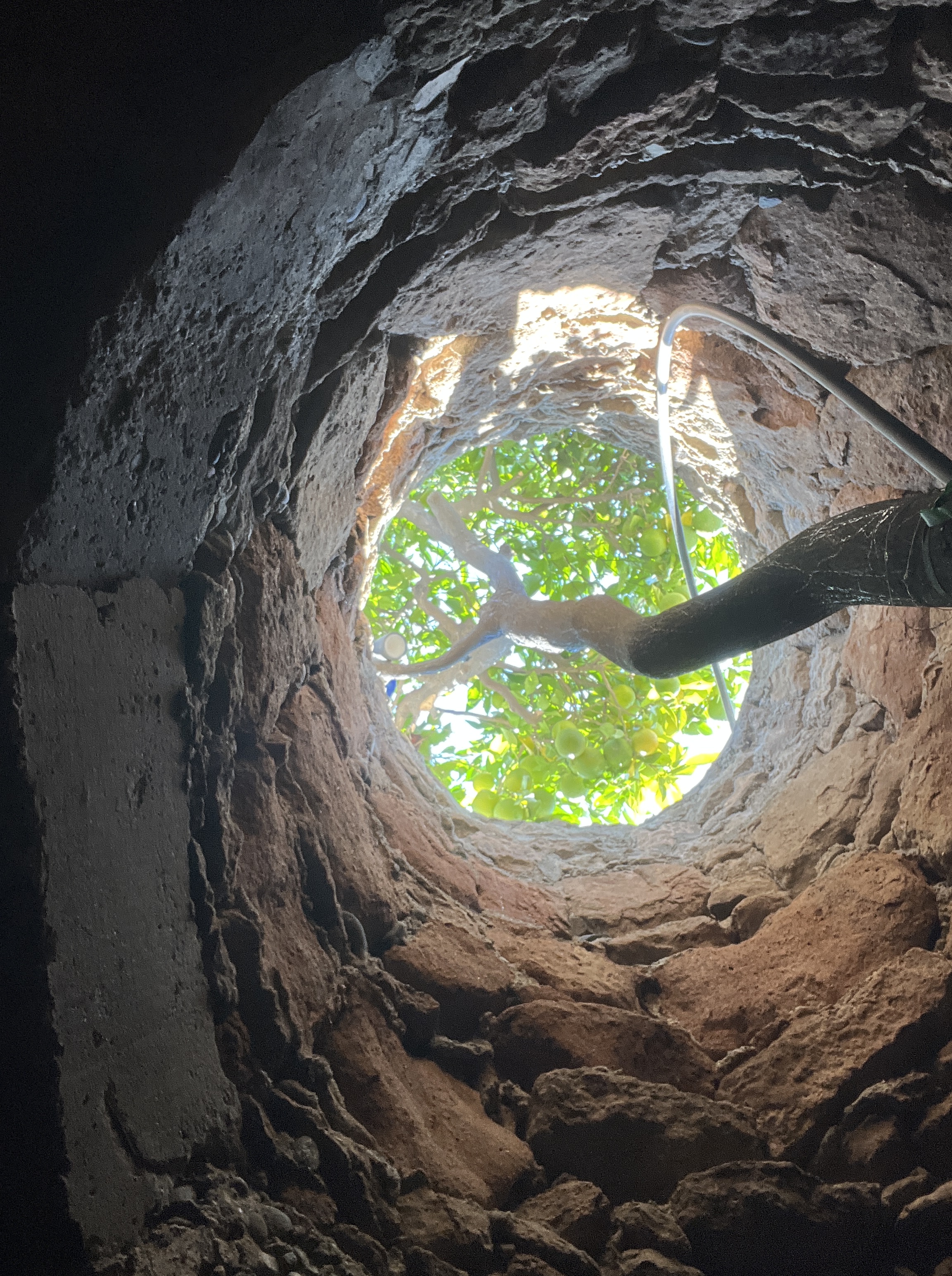
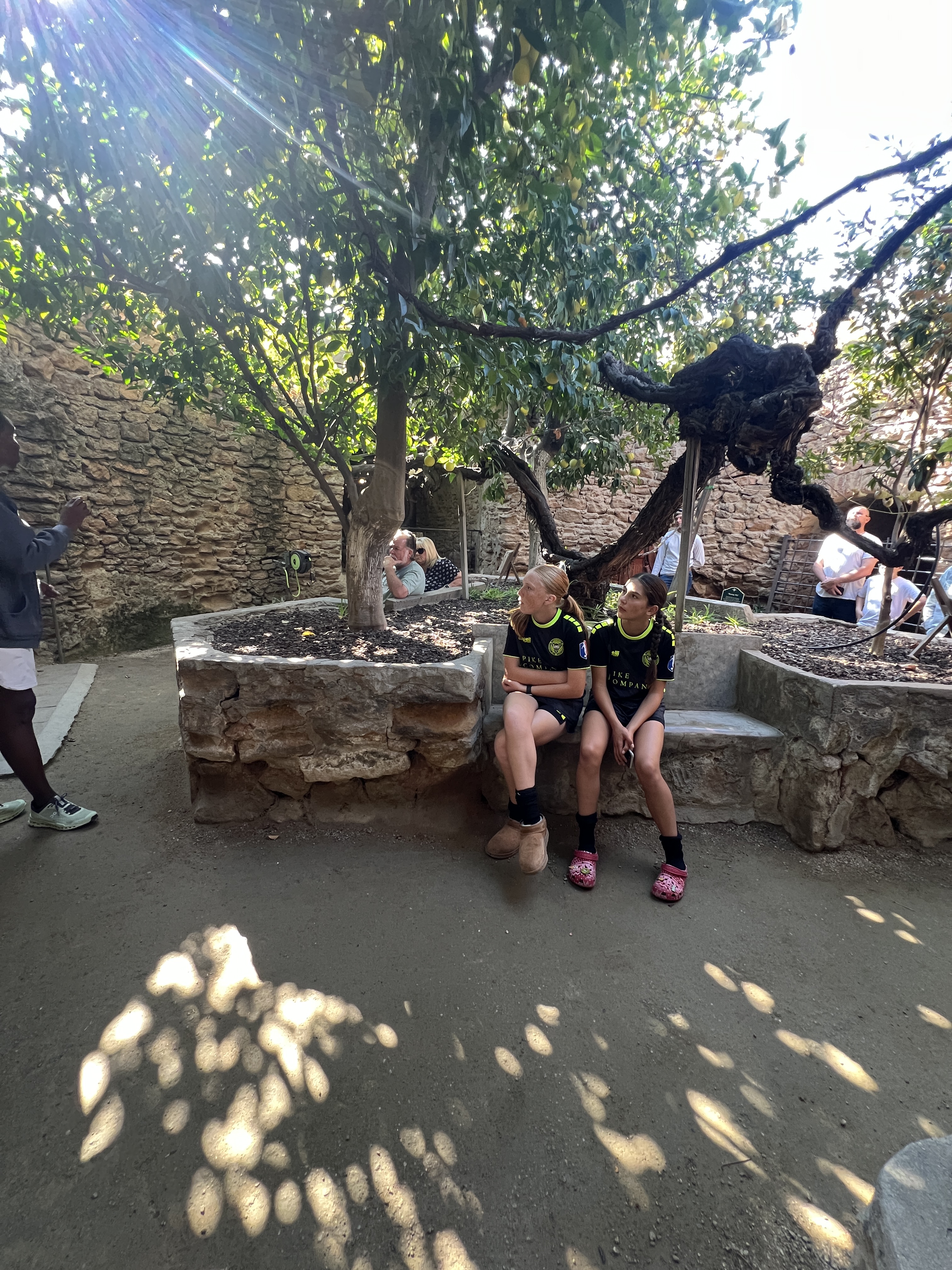
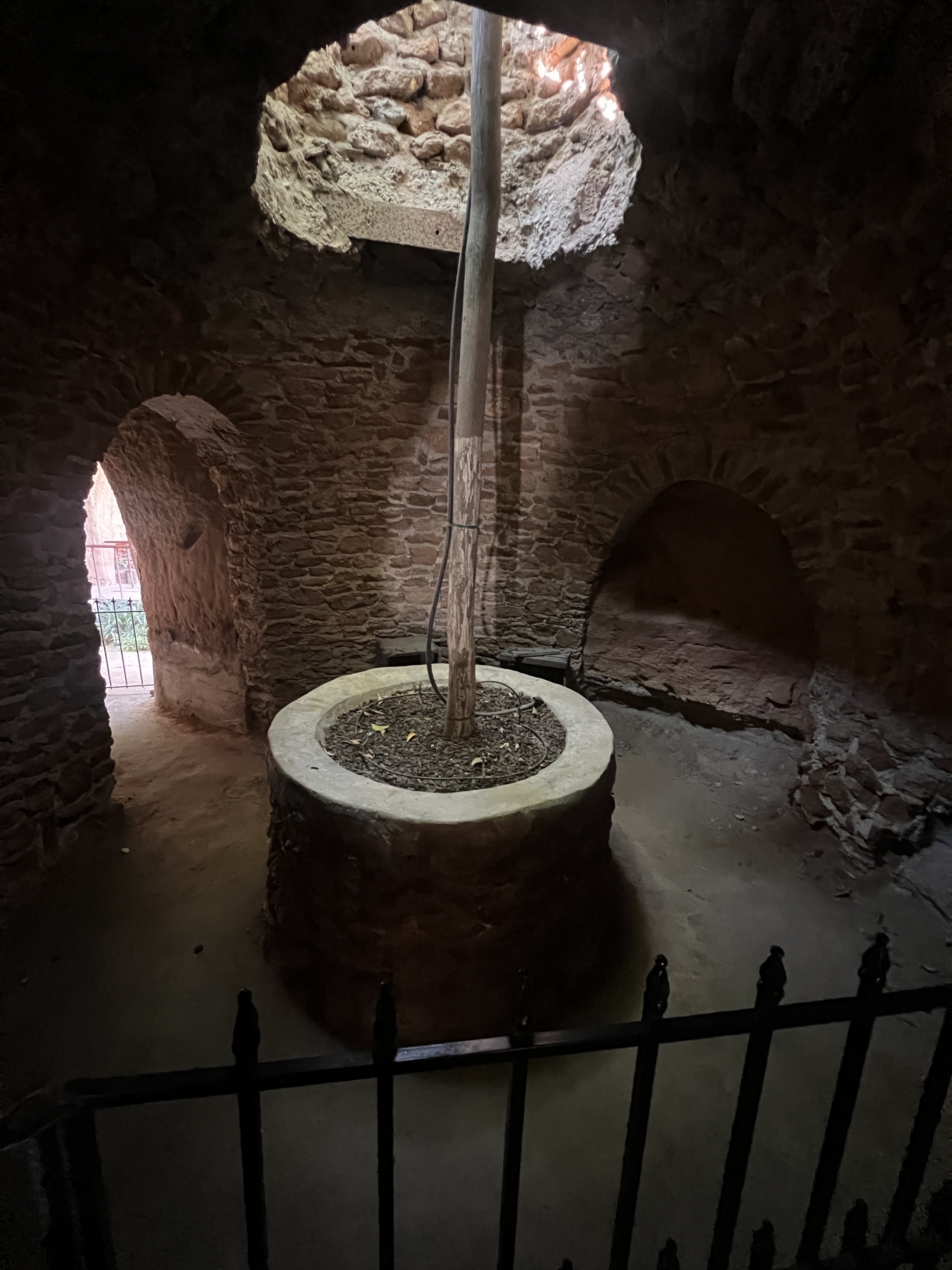
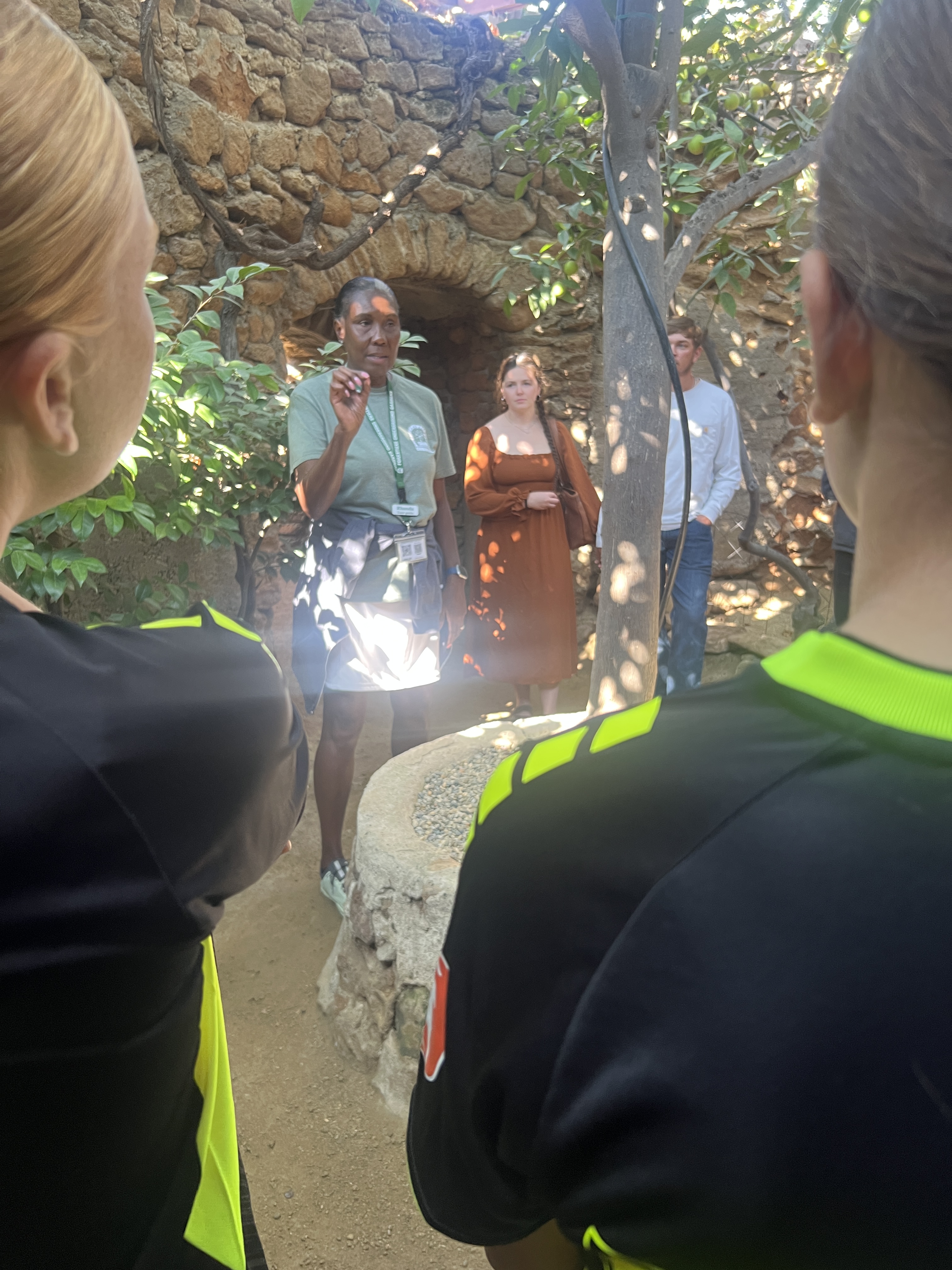
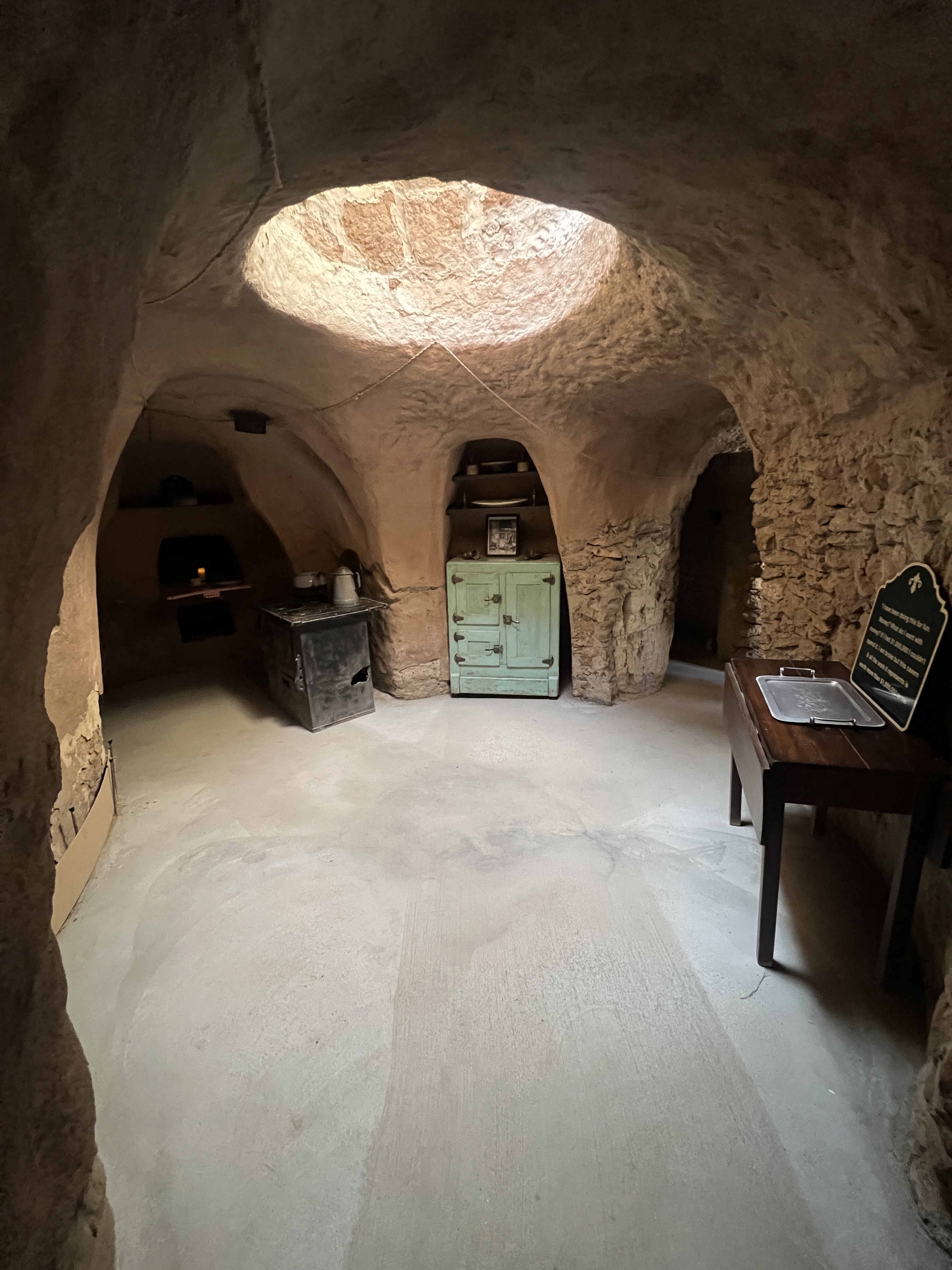
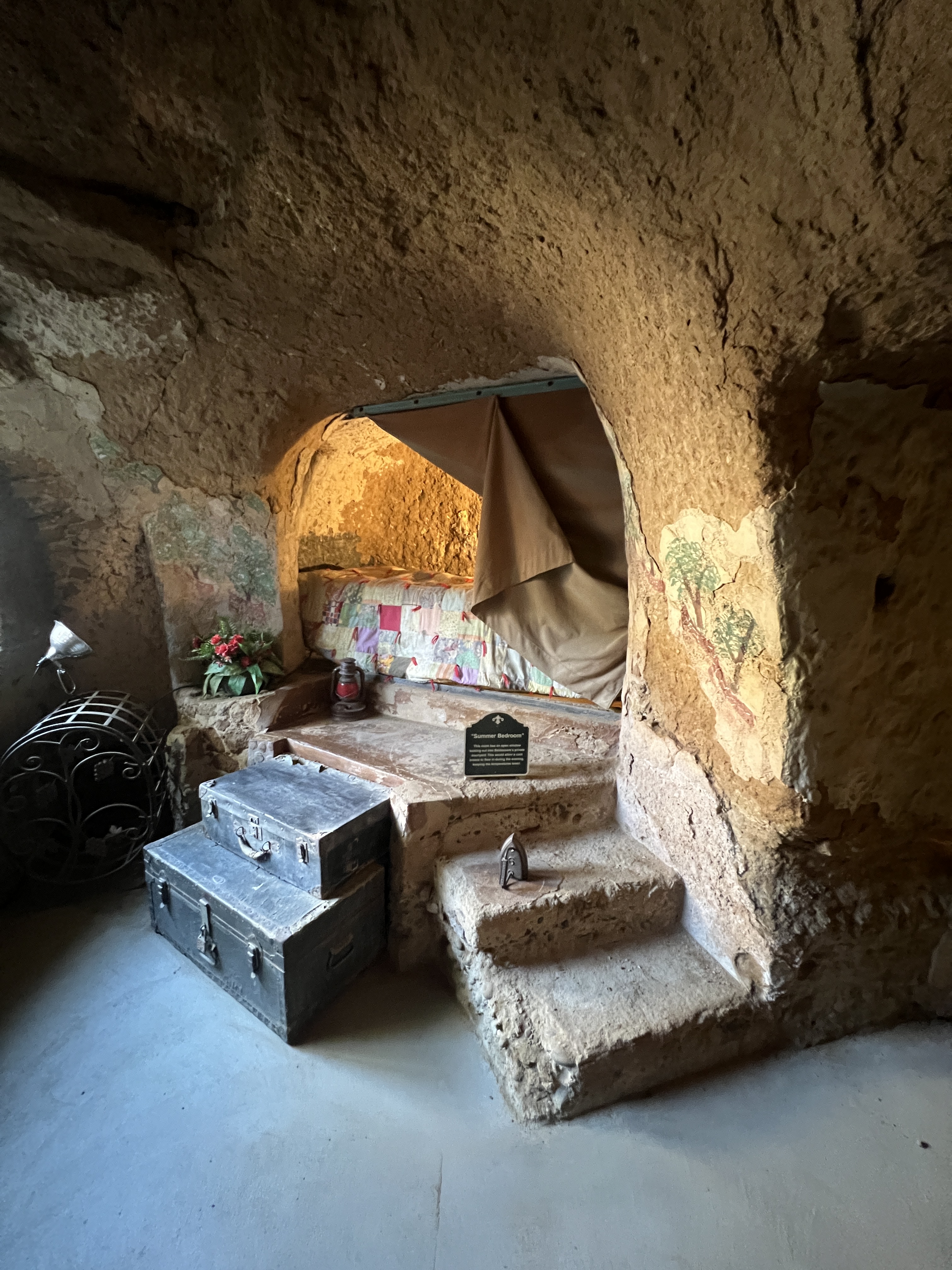
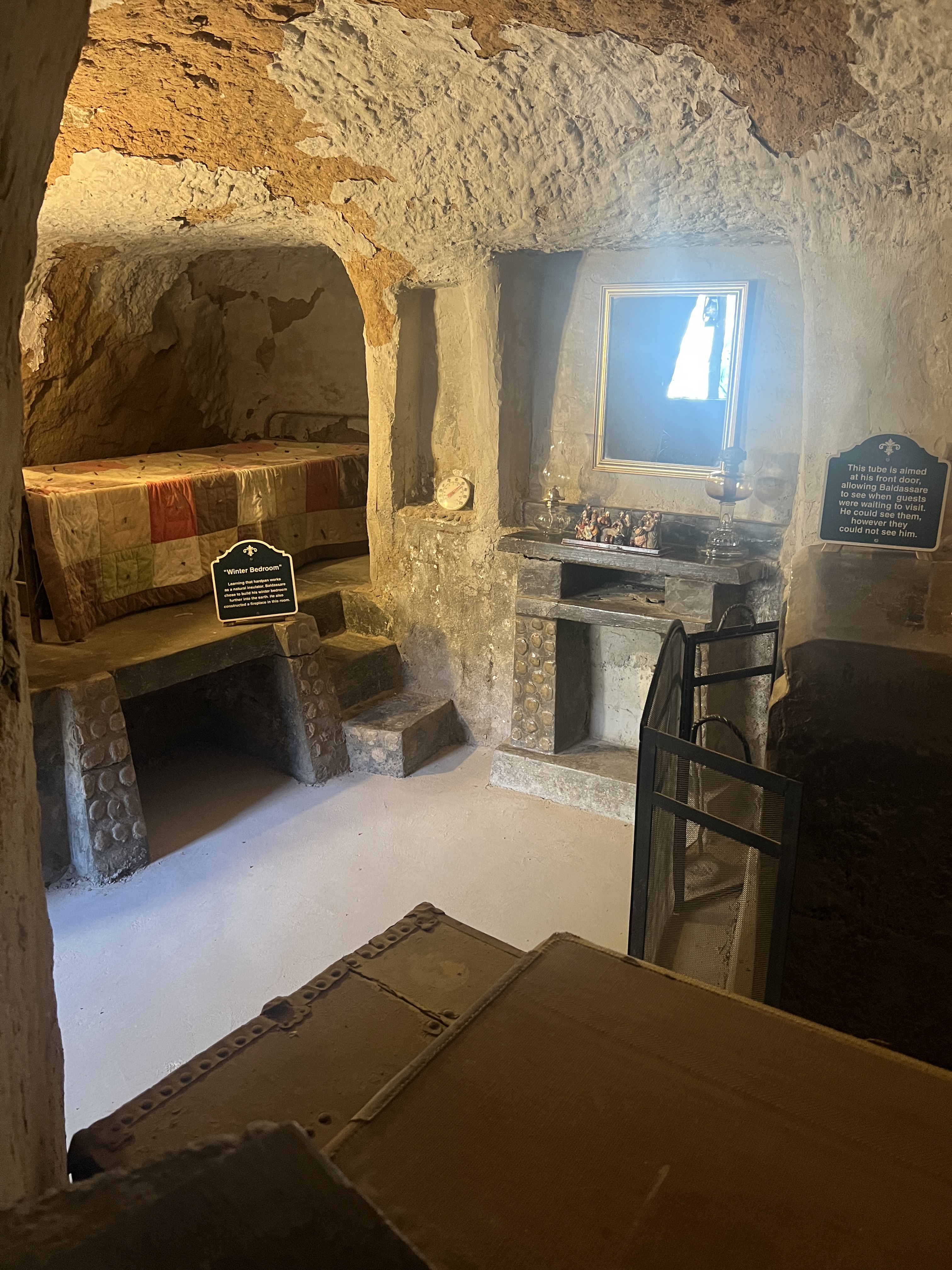
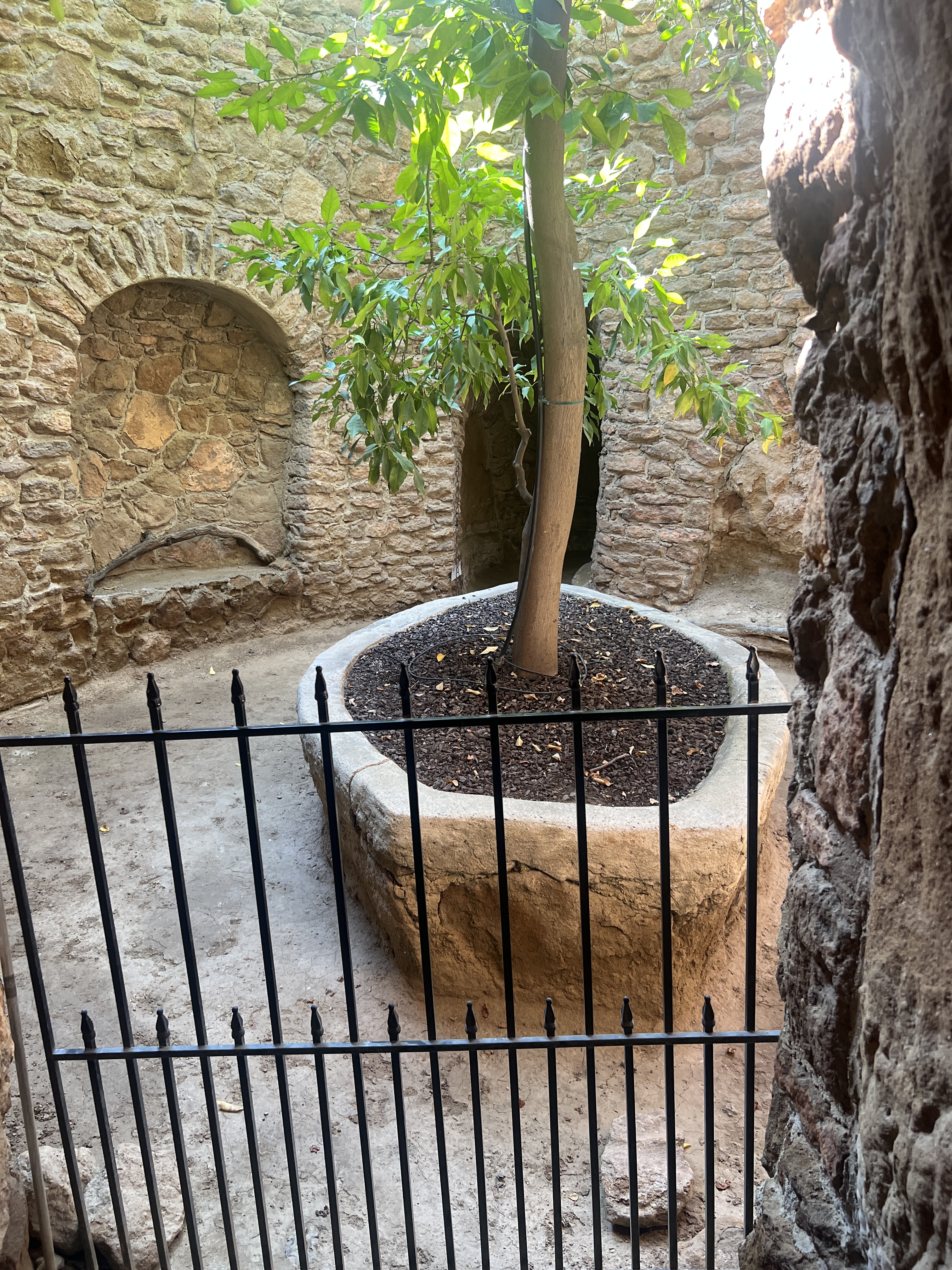
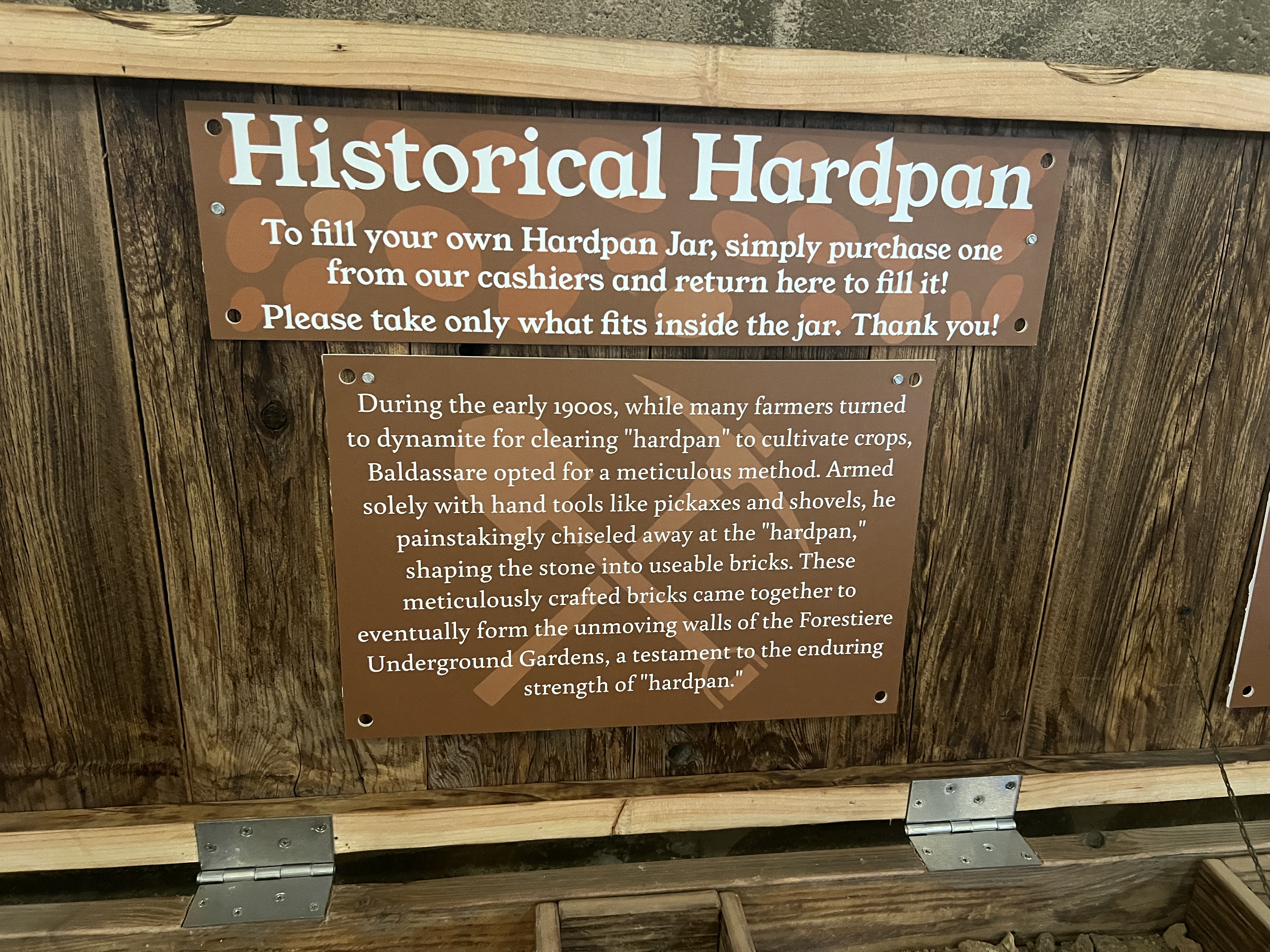
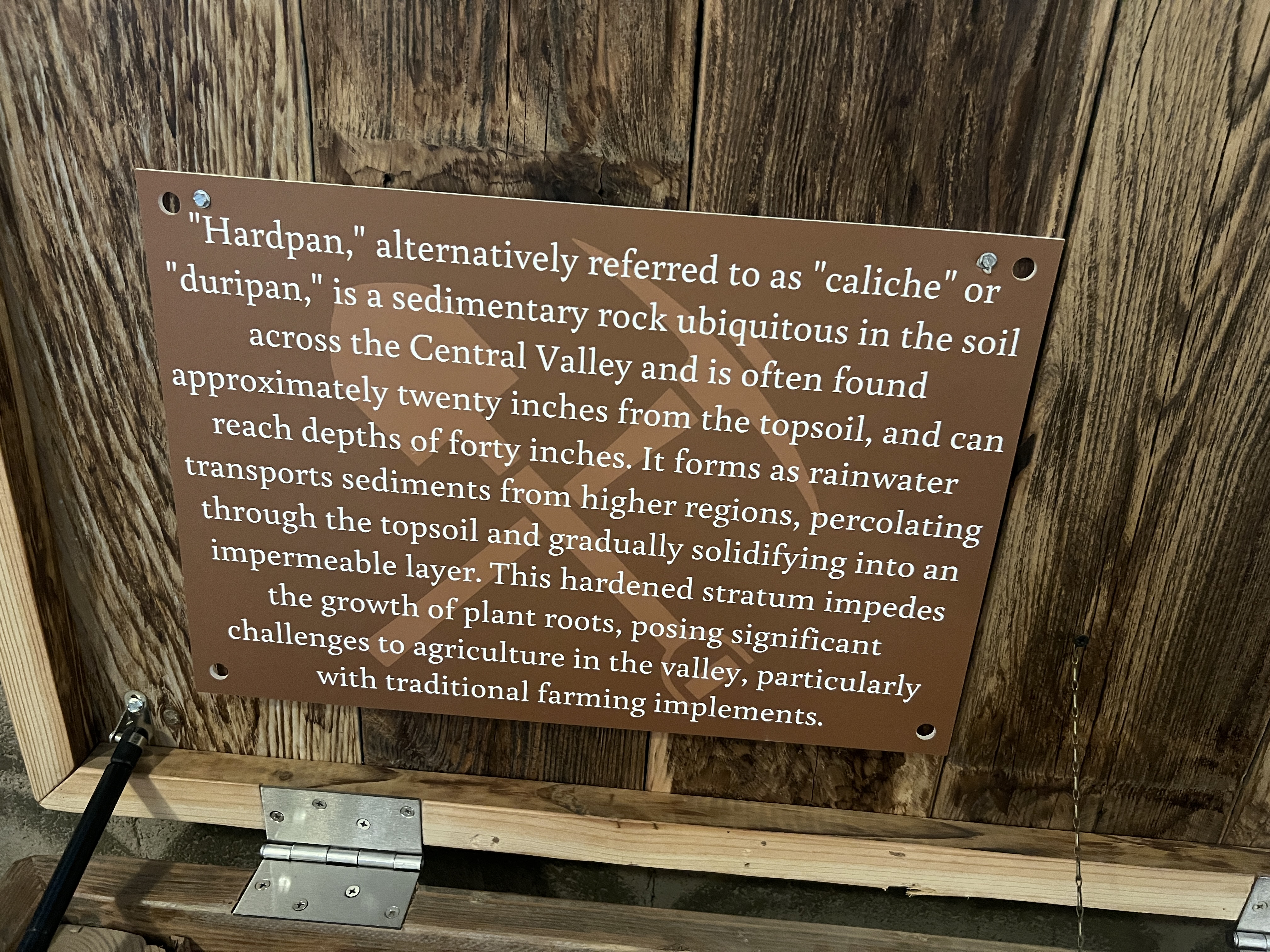
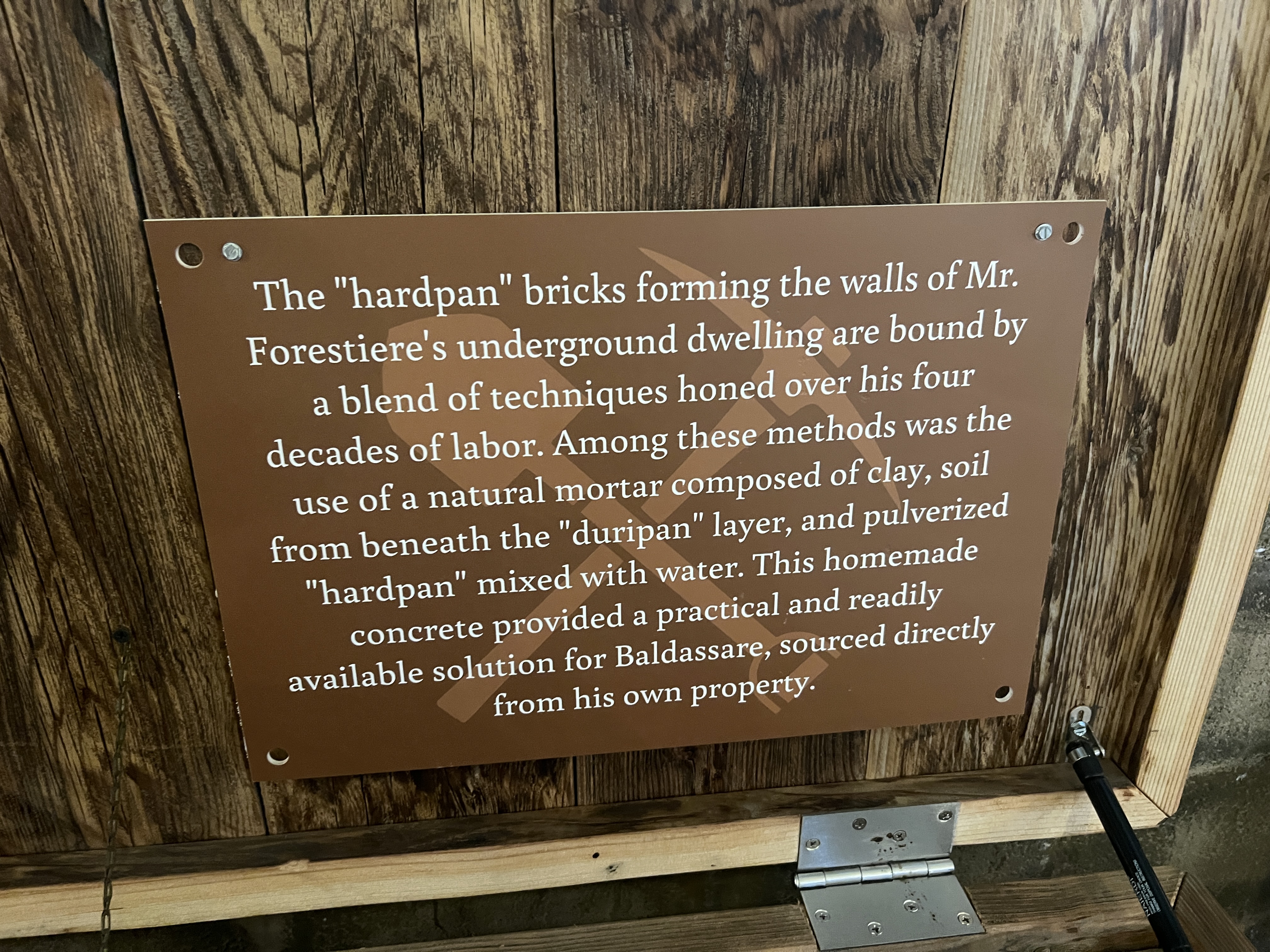
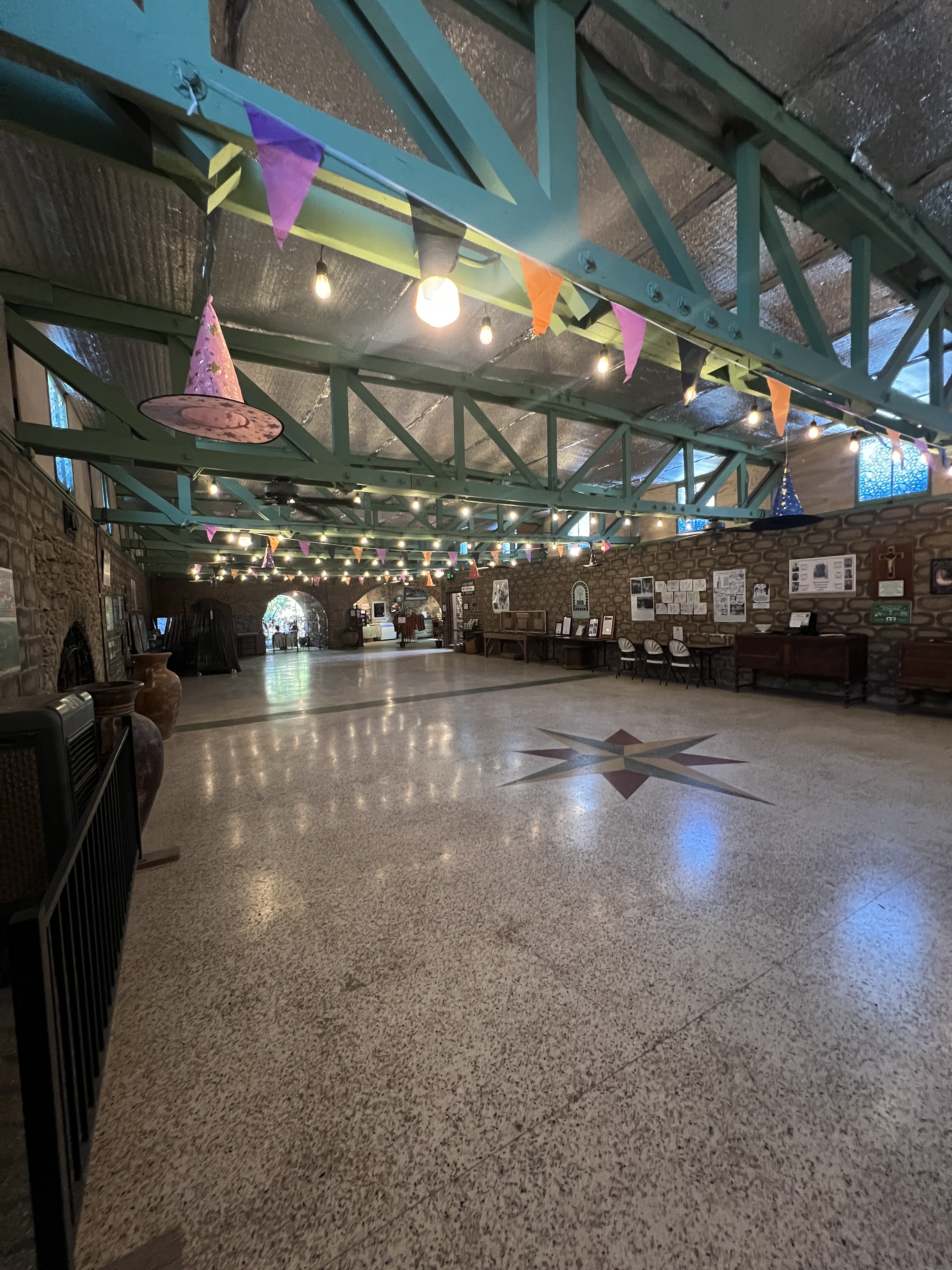
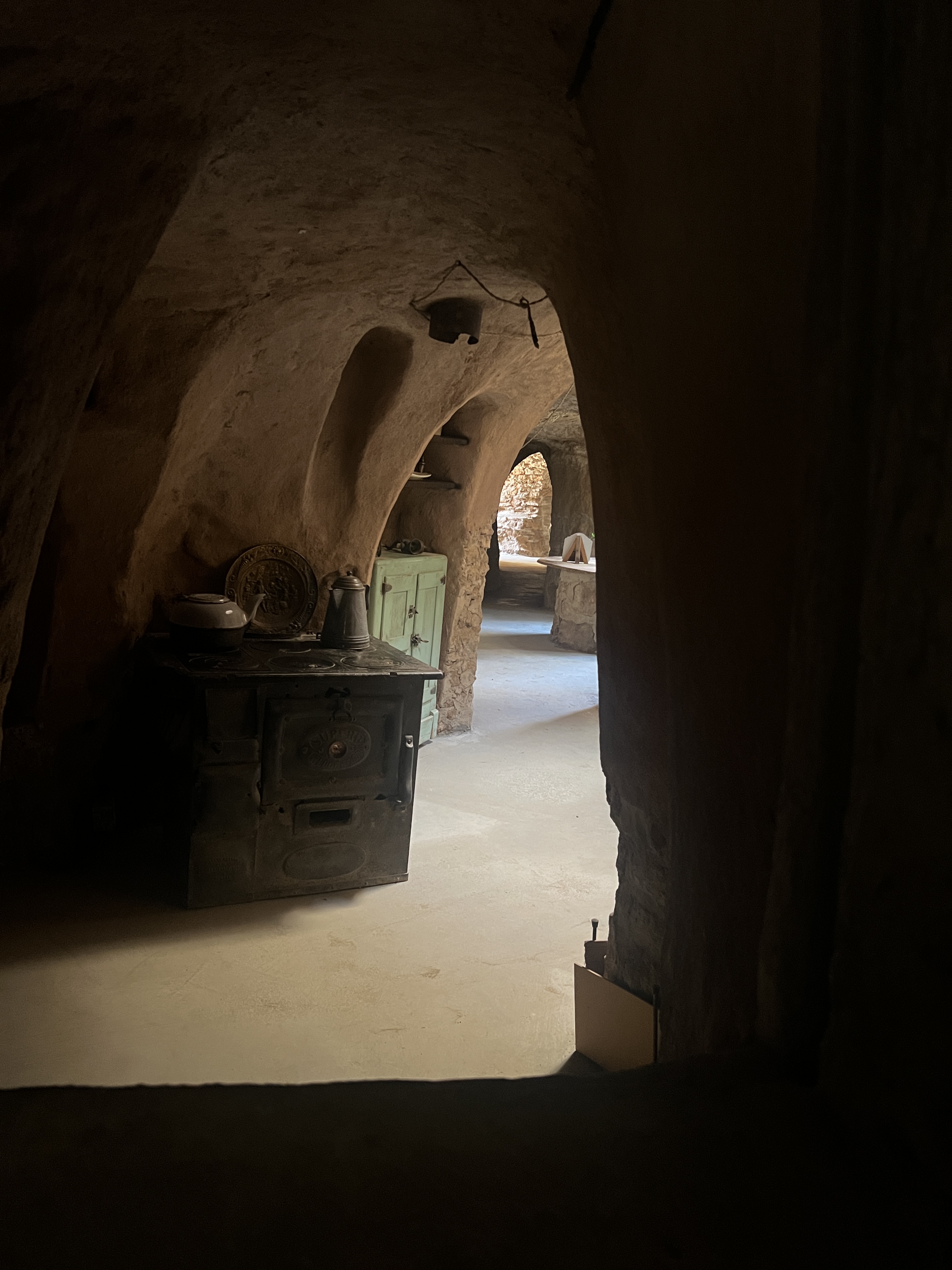
This place had been on my list for a while and I finally got a chance to check it out. One man, Baldassare Forestiere, tunneled in and under the hardpan on his property for many acres to create rooms and gardens of fruit trees and vines. The earth and the shade moderates the wide temperature swings of the Central Valley, allowing Baldassare to grow plants that normally couldn’t grow in that location. His underground rooms stayed comfortable as well. I cant write more but here it a link to the Website for more info.

Read Full Post »

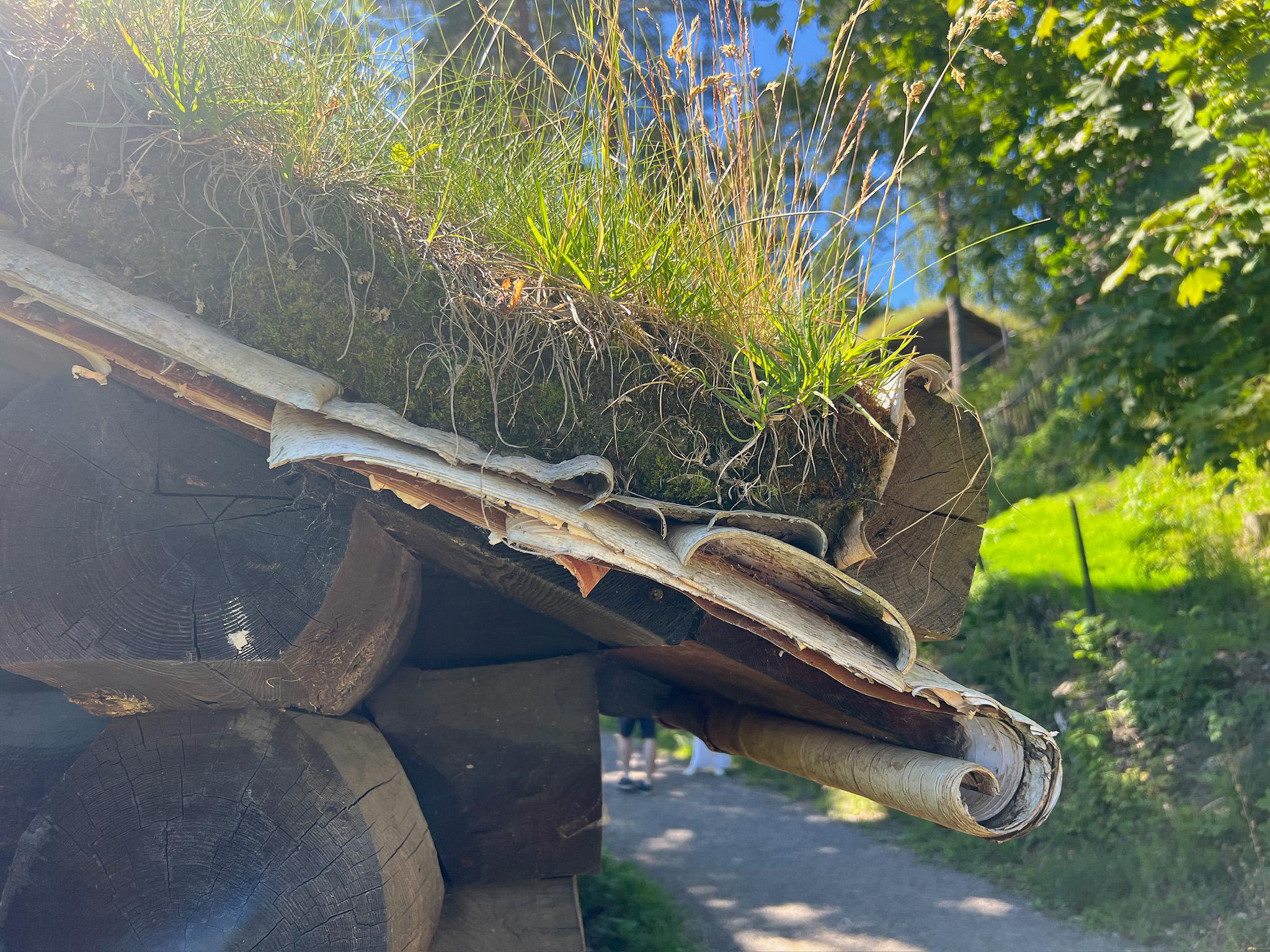
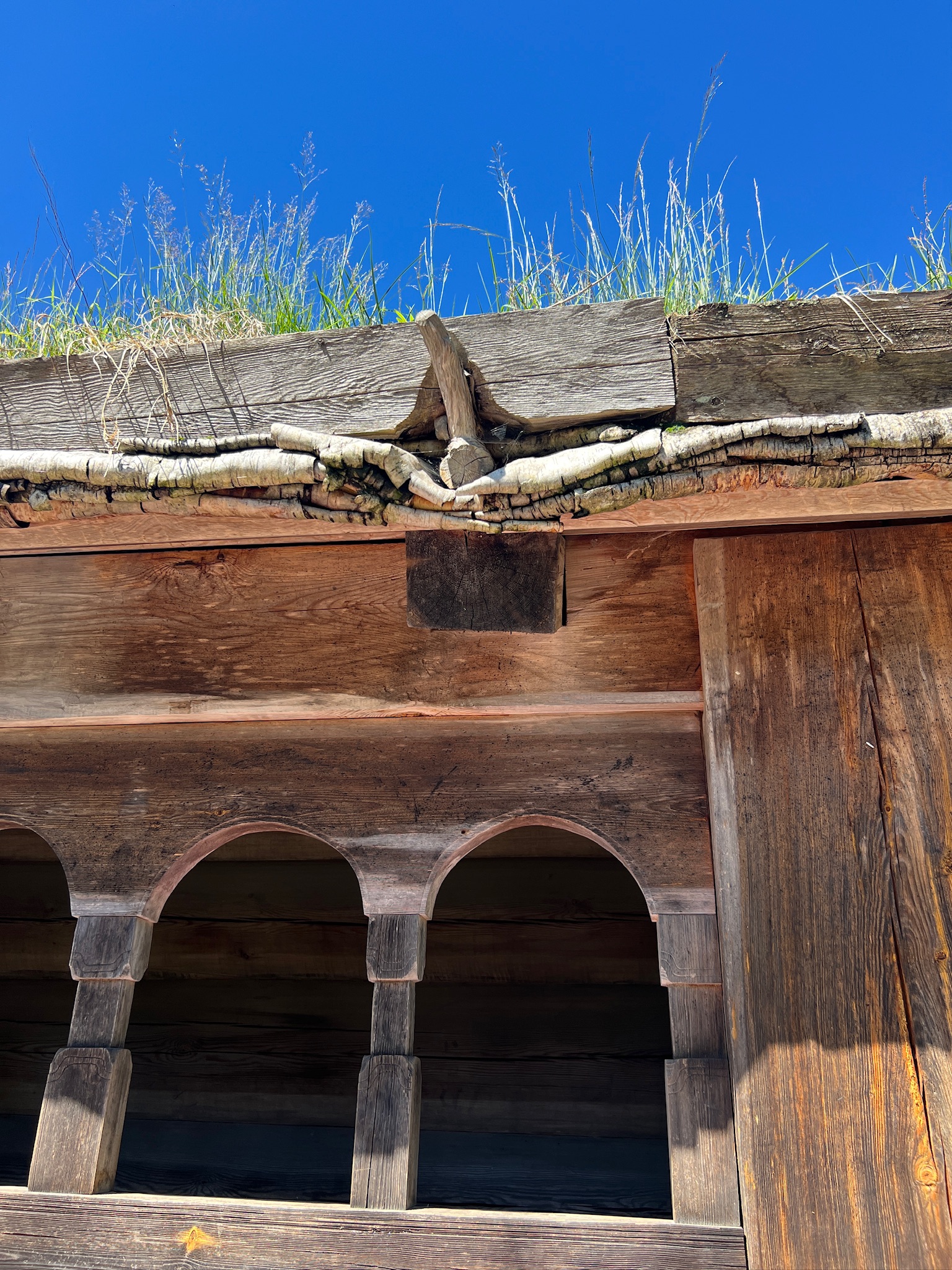
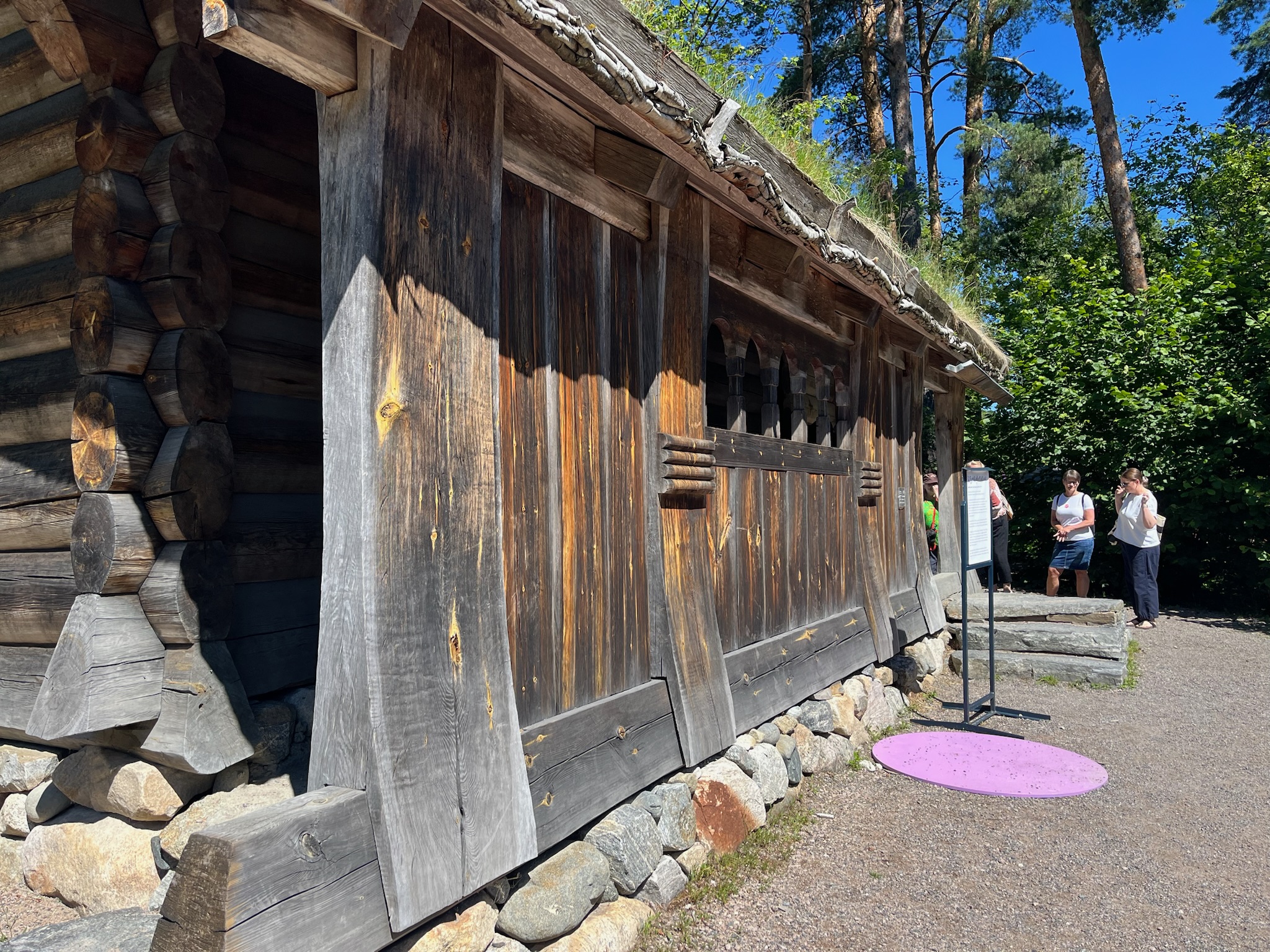
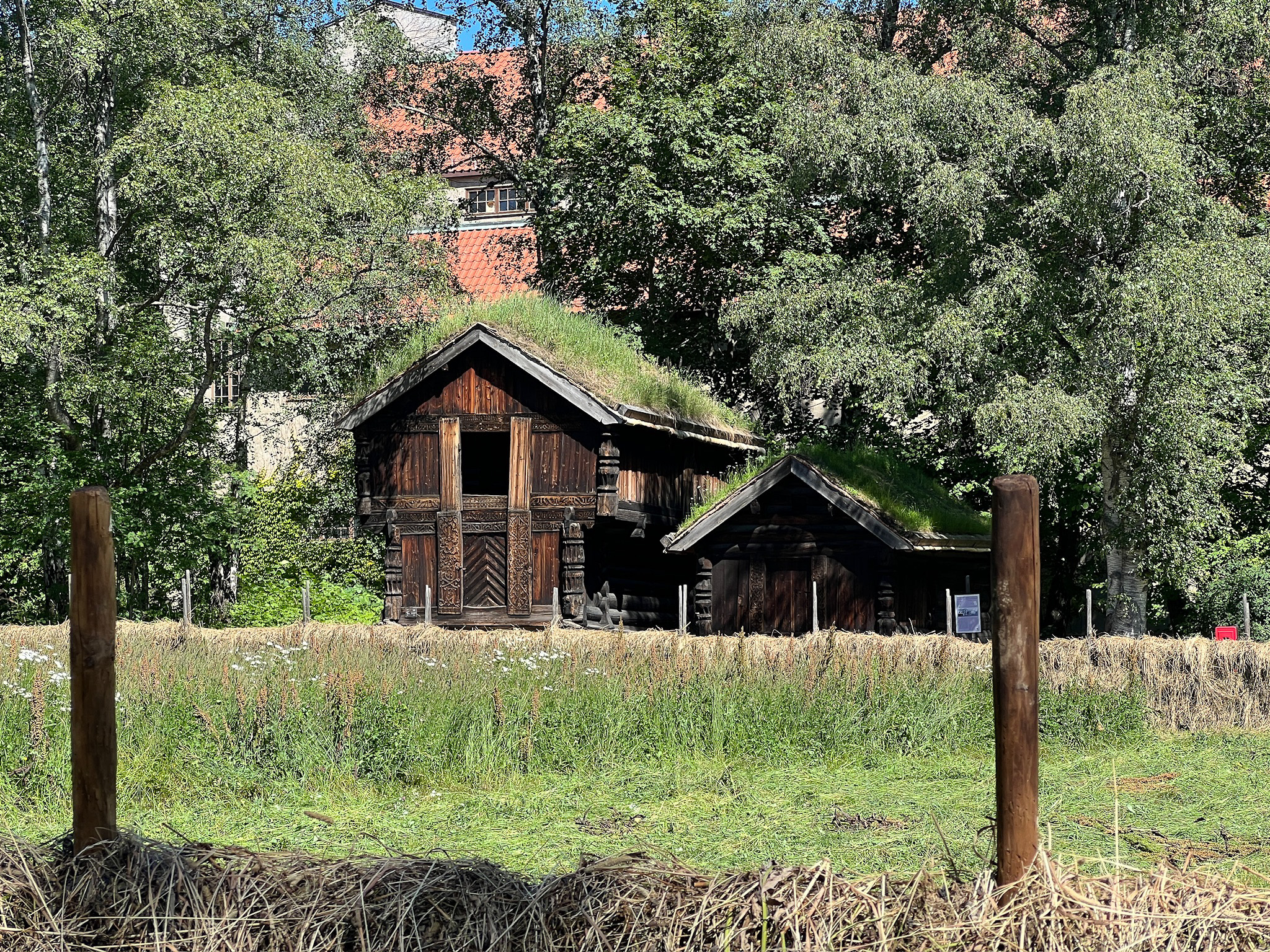
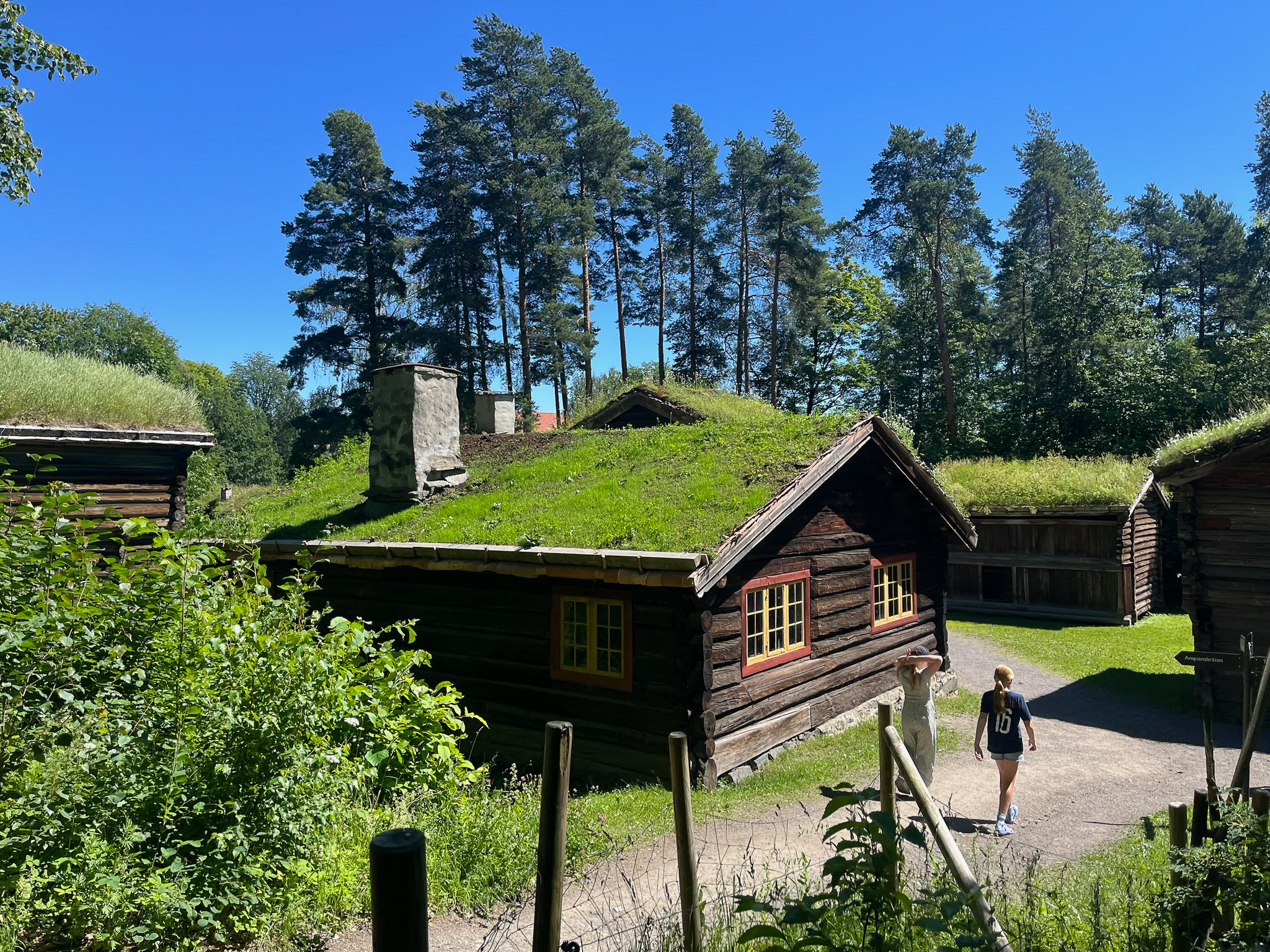
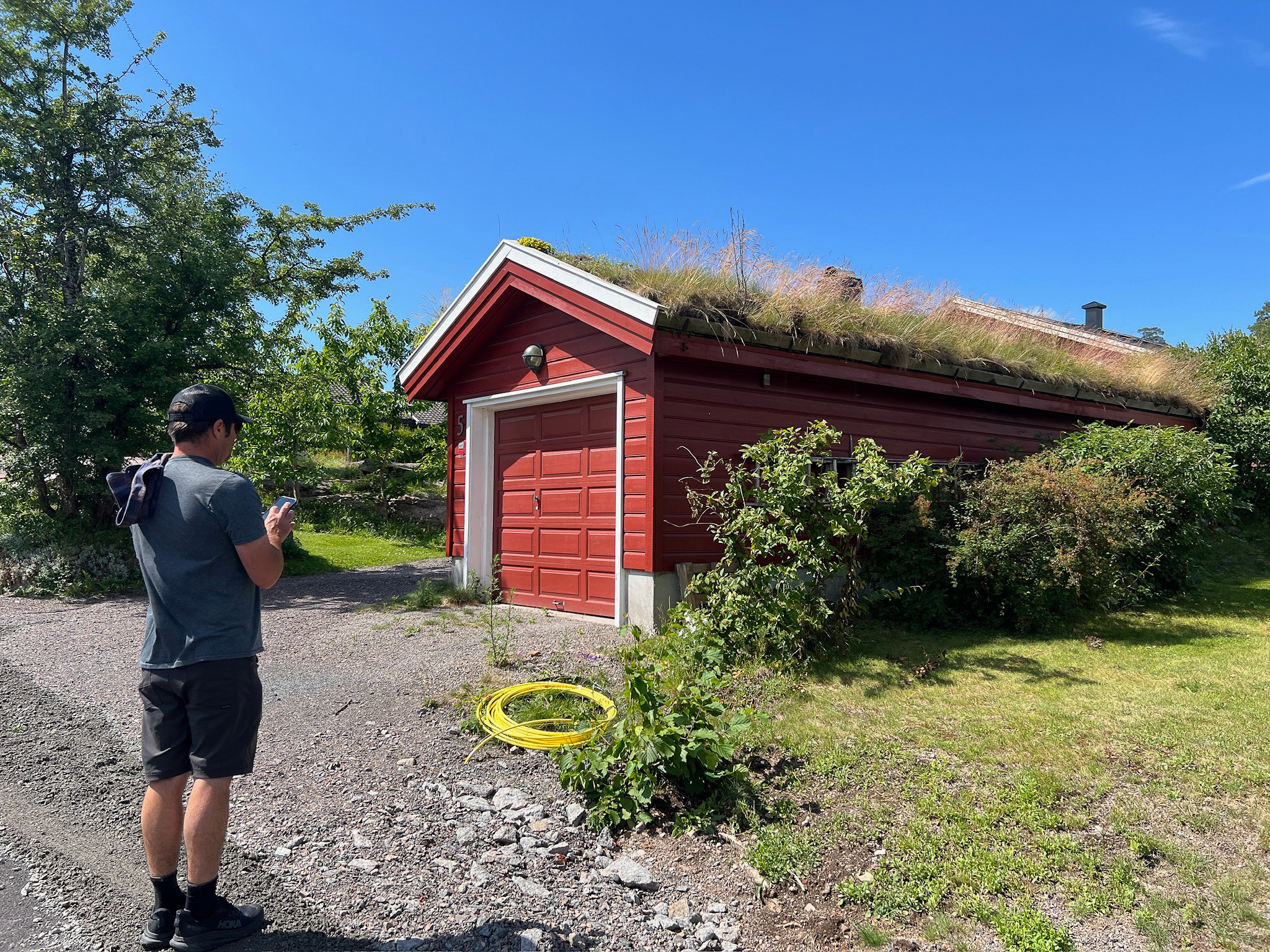
We (myself and John McBride) collected a few photos of living roofs in Norway and Denmark. Starting with traditional details from the Norwegian Museum of Cultural History in Oslo, then some modernized, but very similar details that we saw everywhere we went in Norway, then one very modern example in Copenhagen, Denmark.

Starting with a traditional detail – with layers of tree bark for a waterproofing membrane
They hold the facia in place with tree branches! Looks kind of funny here.
another view of that eave
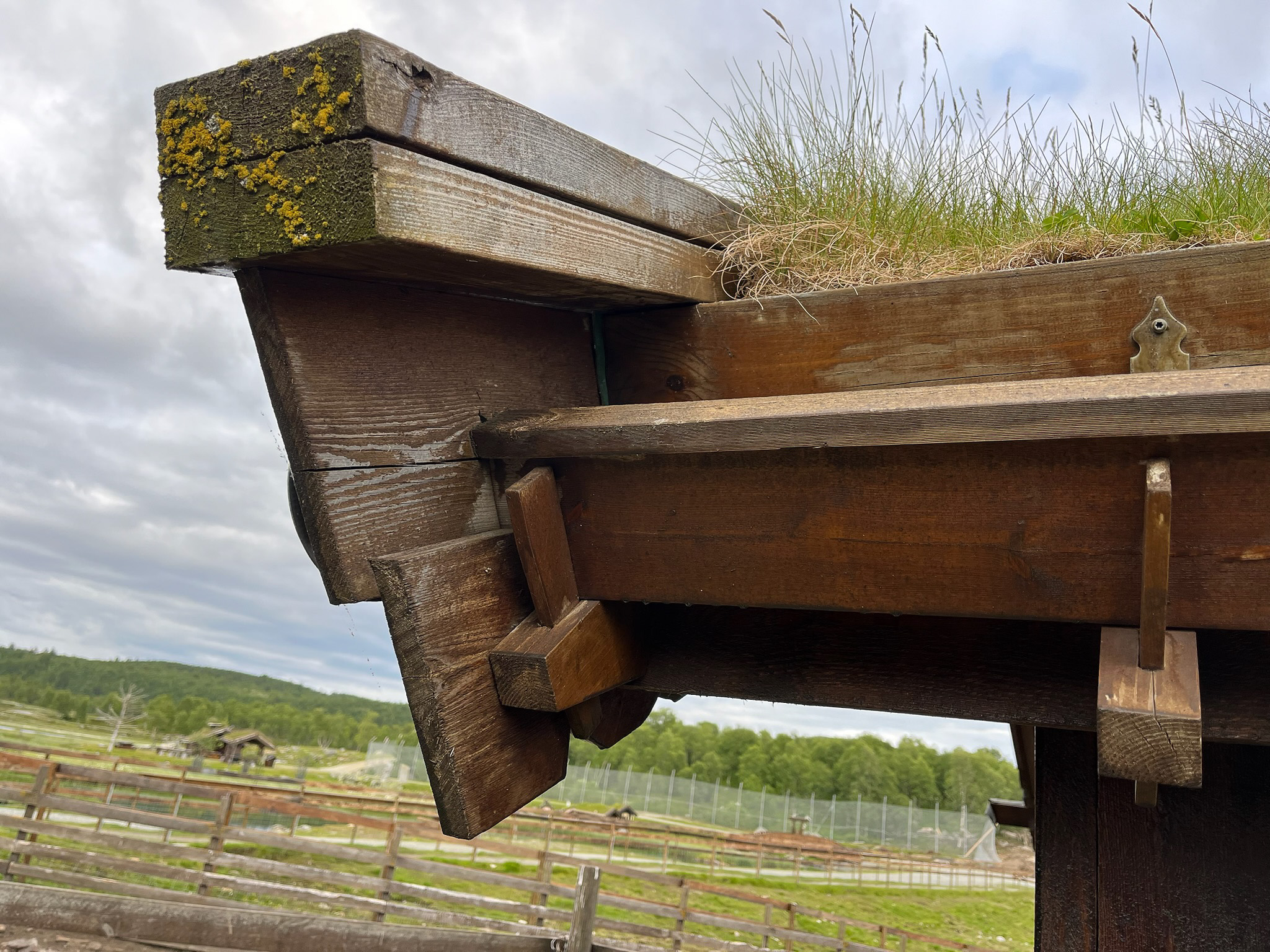
A more recent example near Tonsberg – has metal clips to hold the facia, a modern waterproofing membrane in place of the treebark, and a bit of metal flashing in evidence
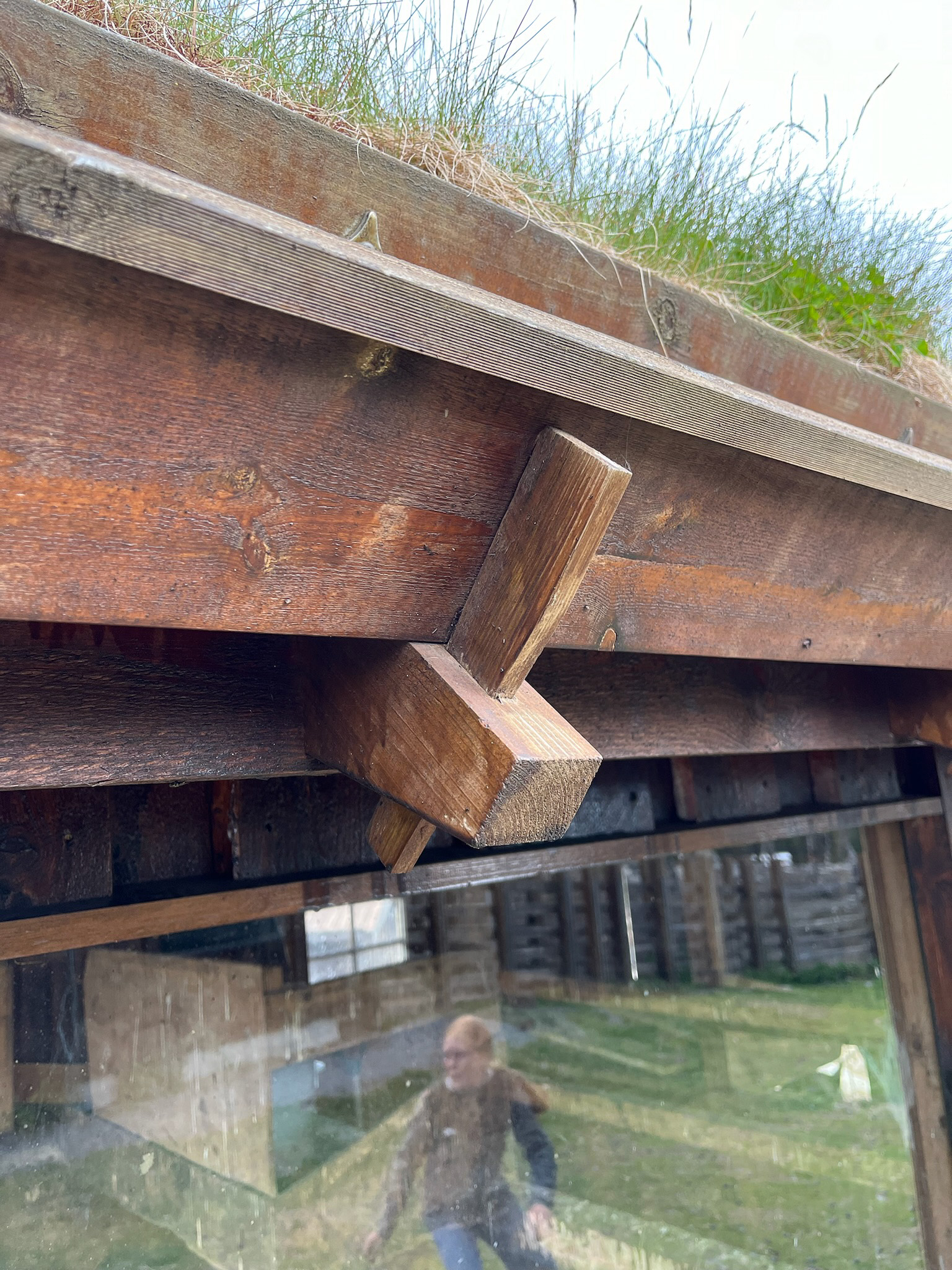
Another recent detail with elegant joinery instead of clips to hold the facia. I’m not sure about drainage…whether it just spills over when necessary…or something more sophisticated.
I think the lower part is a wooden gutter. Decorative clips hold the facia which holds the earth and plantings.
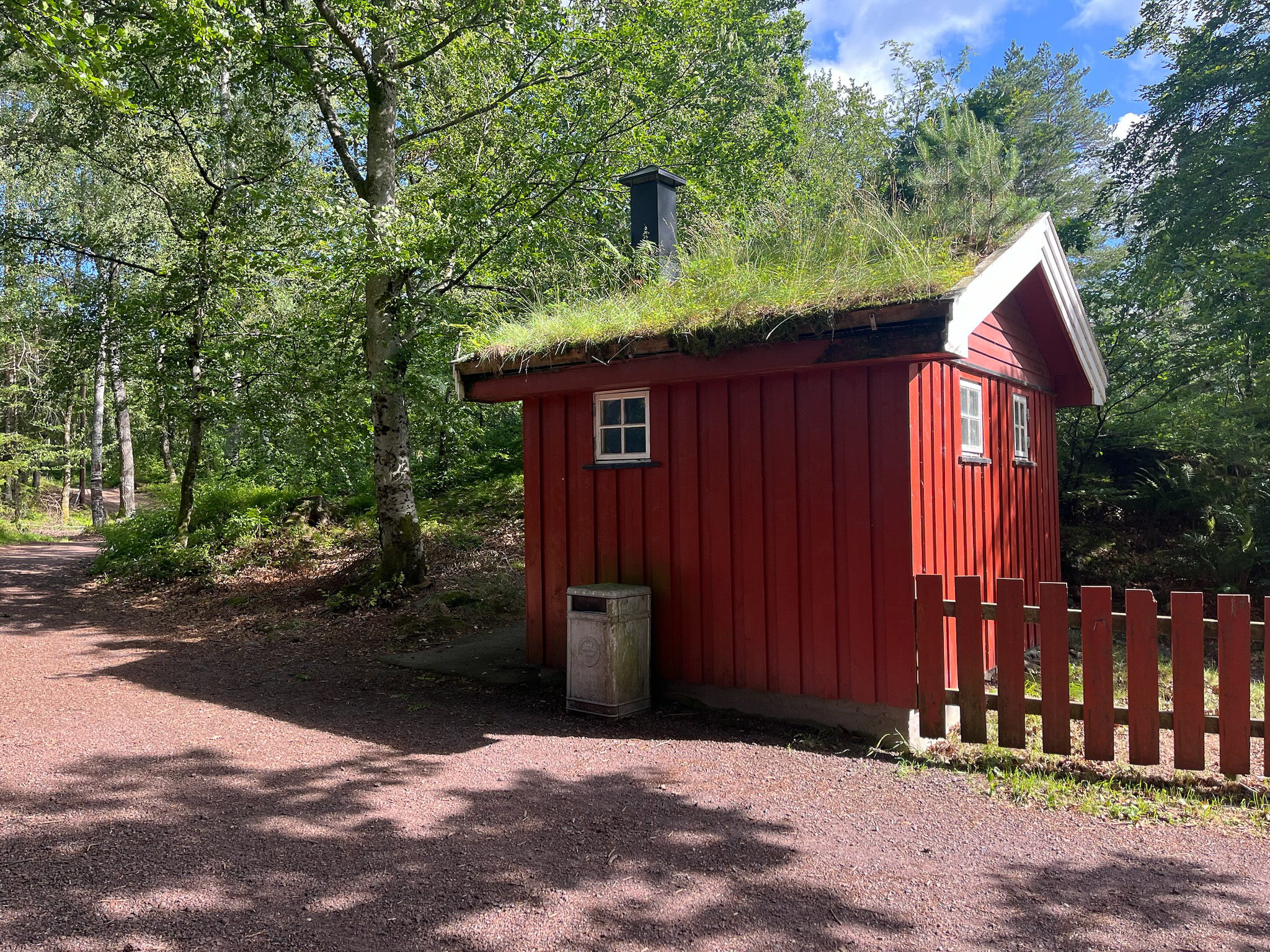
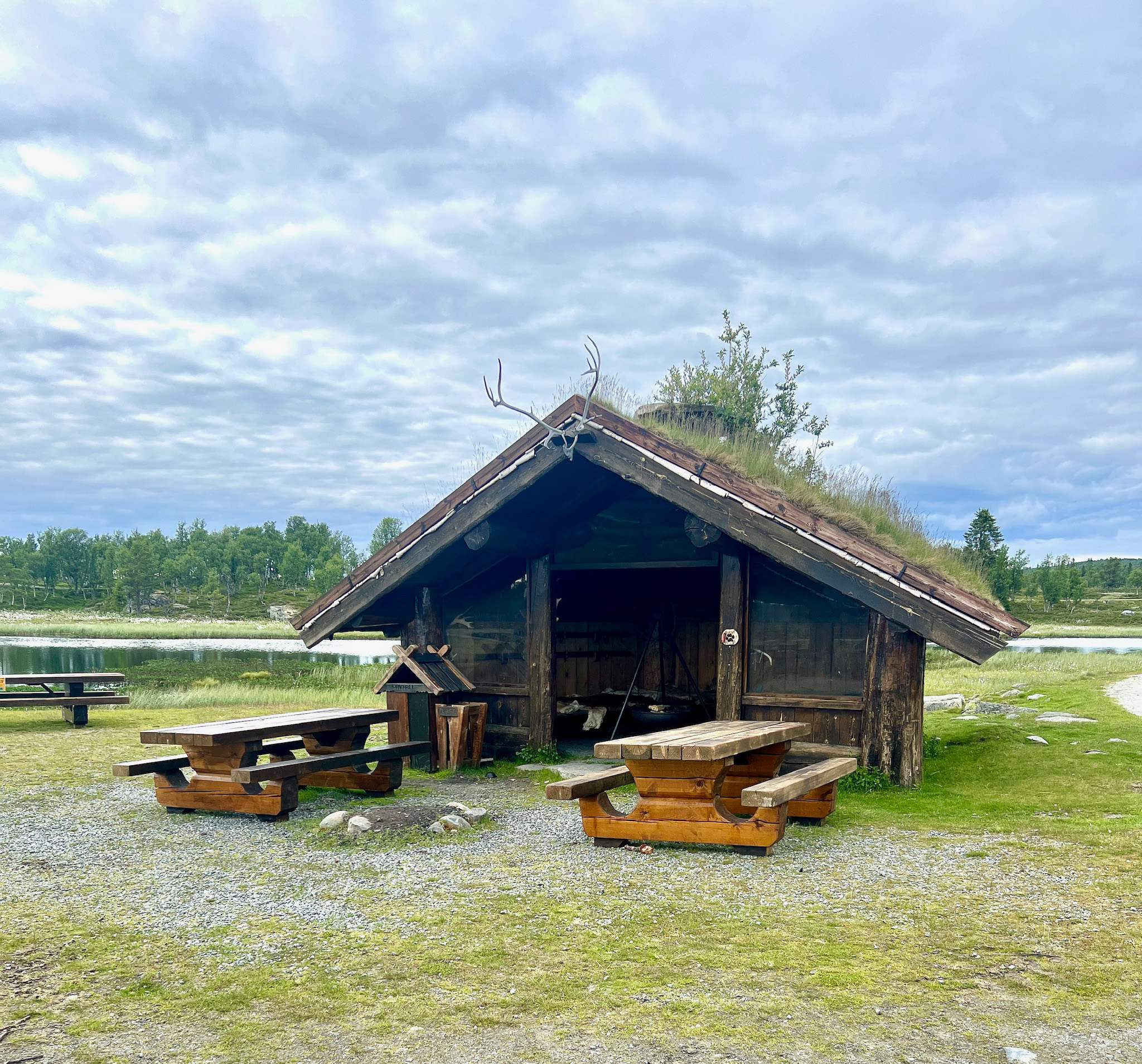
This little changing room near a lake needed a bit of maintenance. I dont think having trees growing out of the roof is intended.
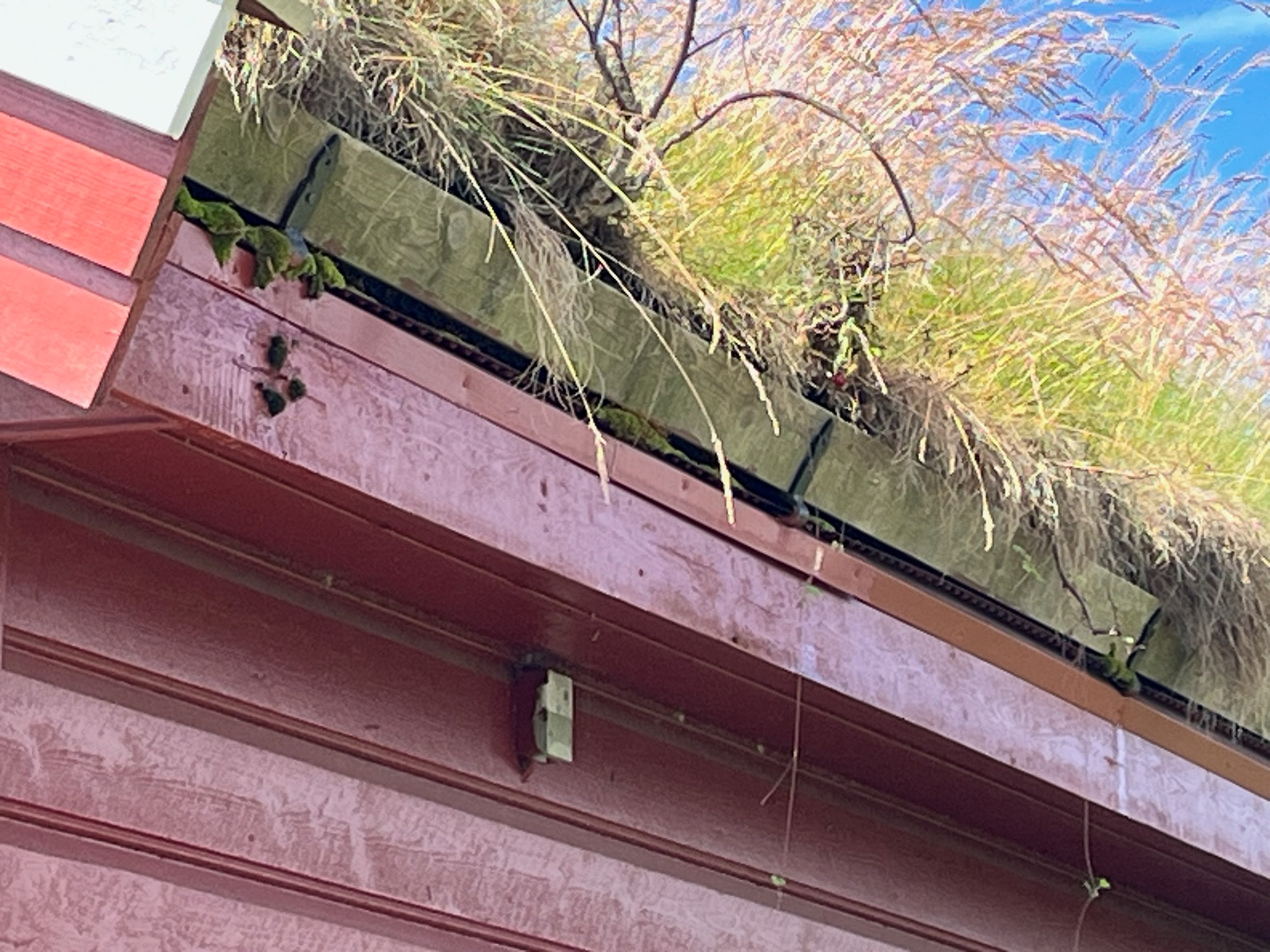
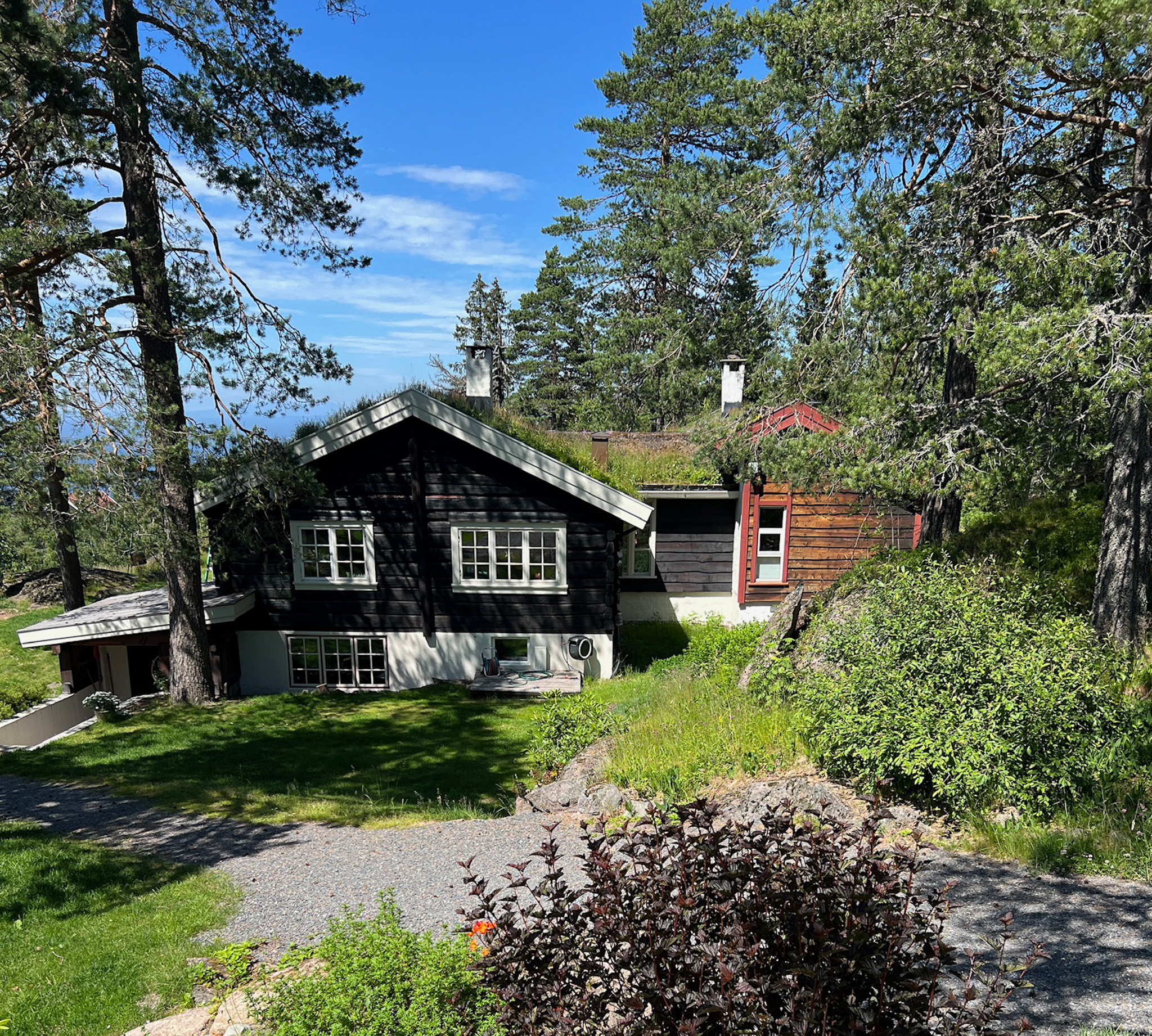
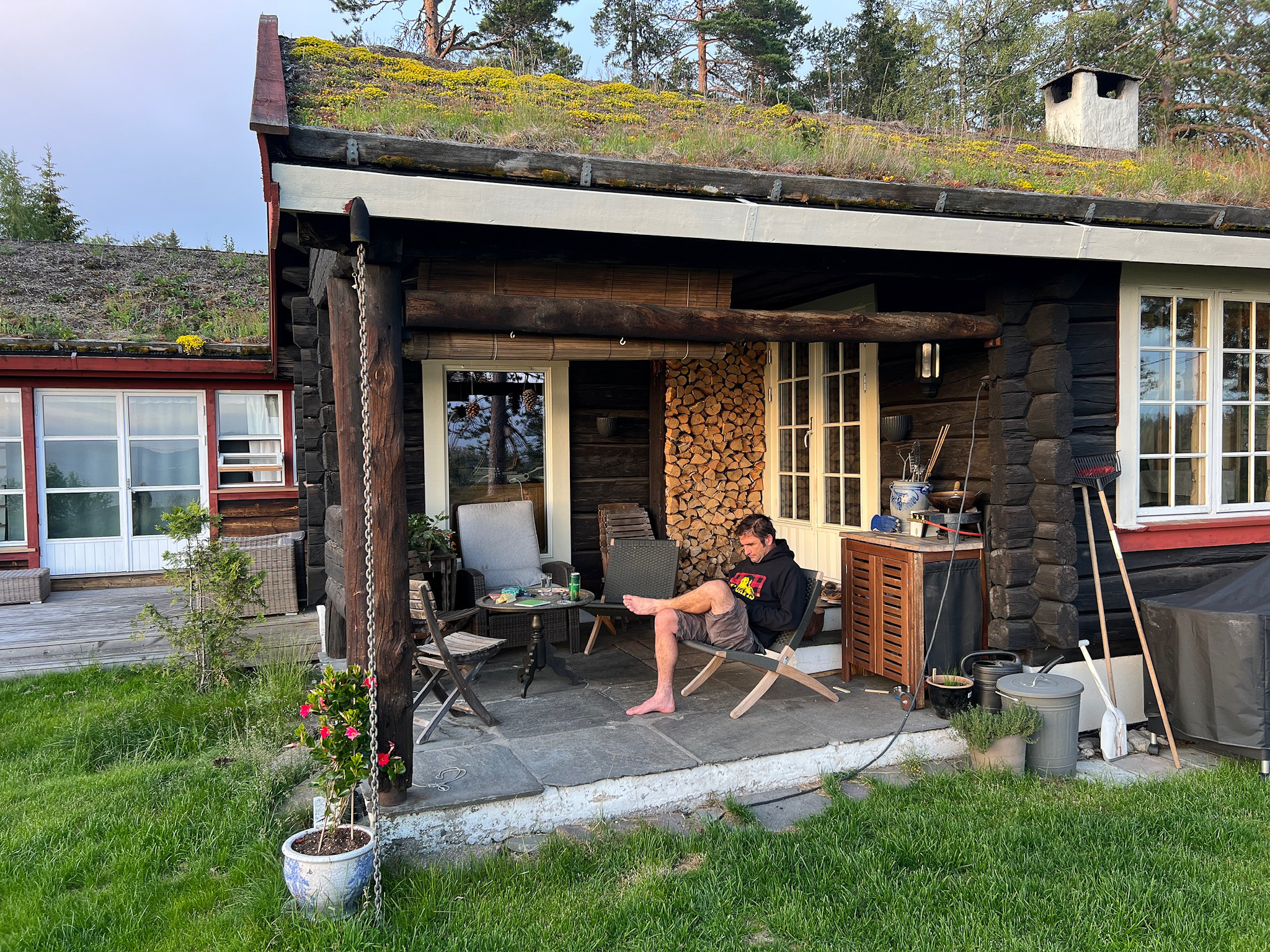
We stayed in this house near Oslo with the same basic roof system
Water passes into a gutter with chain drains in some spots.
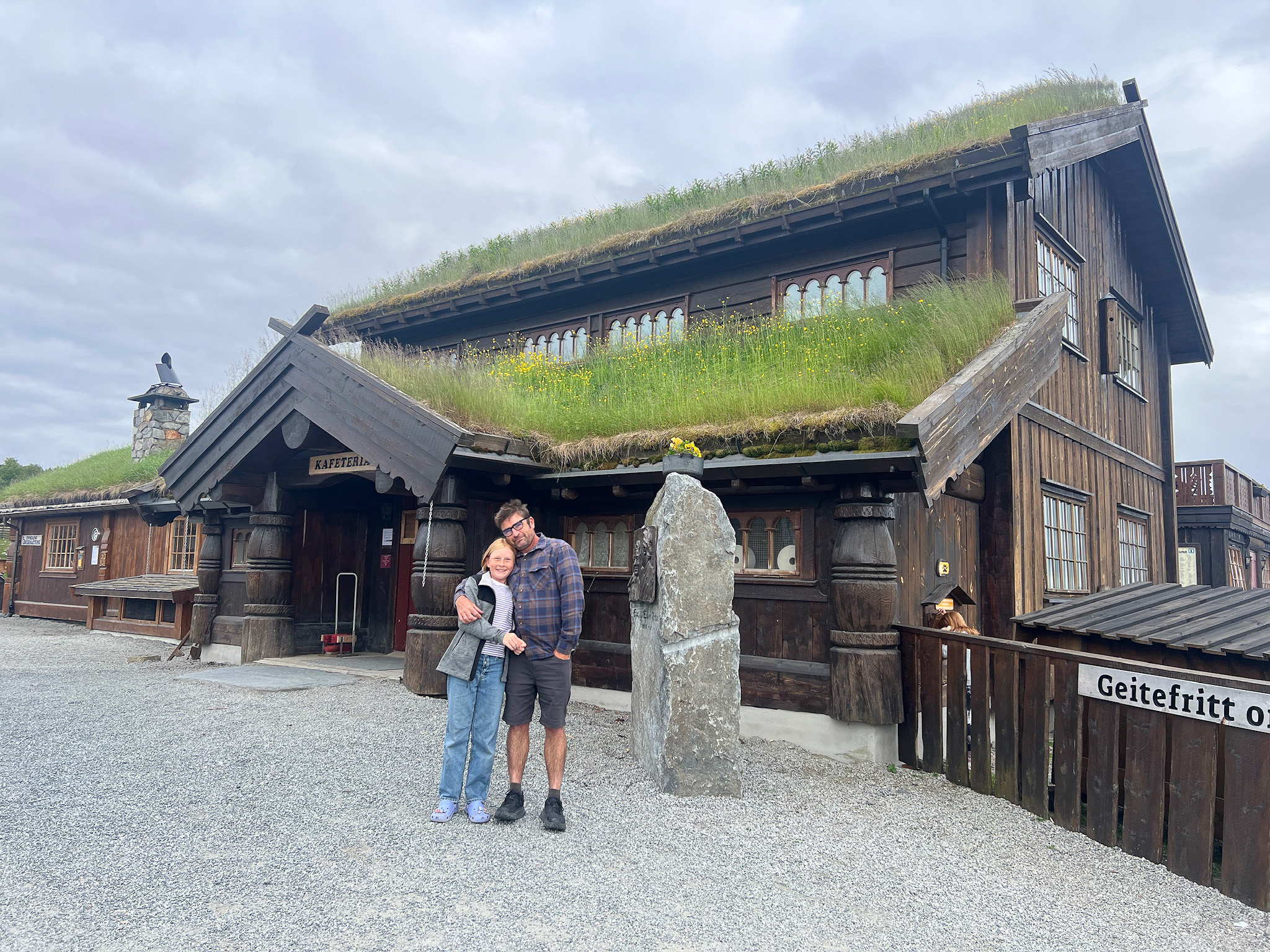
And we slept a night under this living roof on a hut in Langedrag Nature Park. It also had some saplings growing out among the grasses.
Almost all the buildings at Langedrag had the same sort of roof.
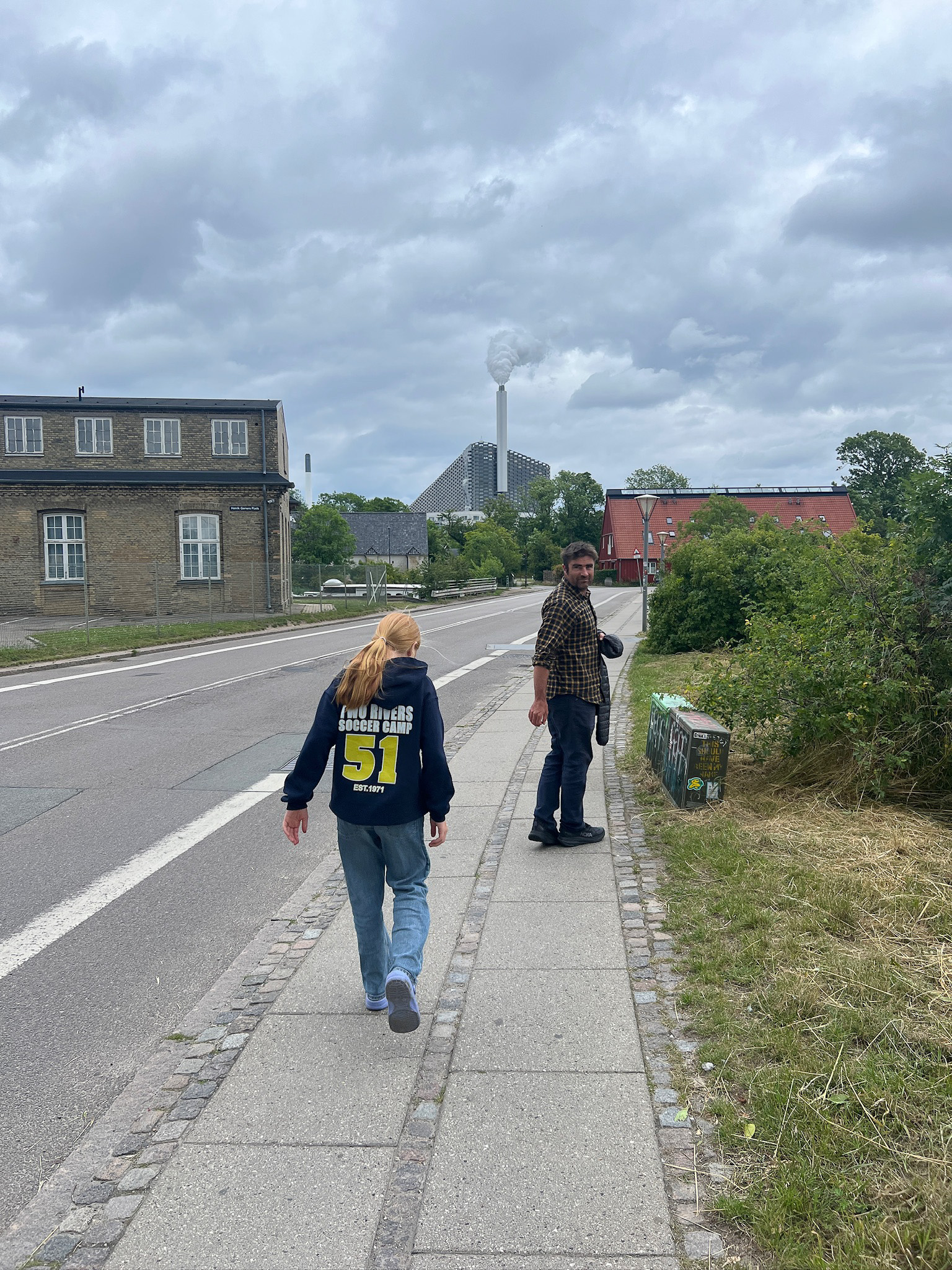
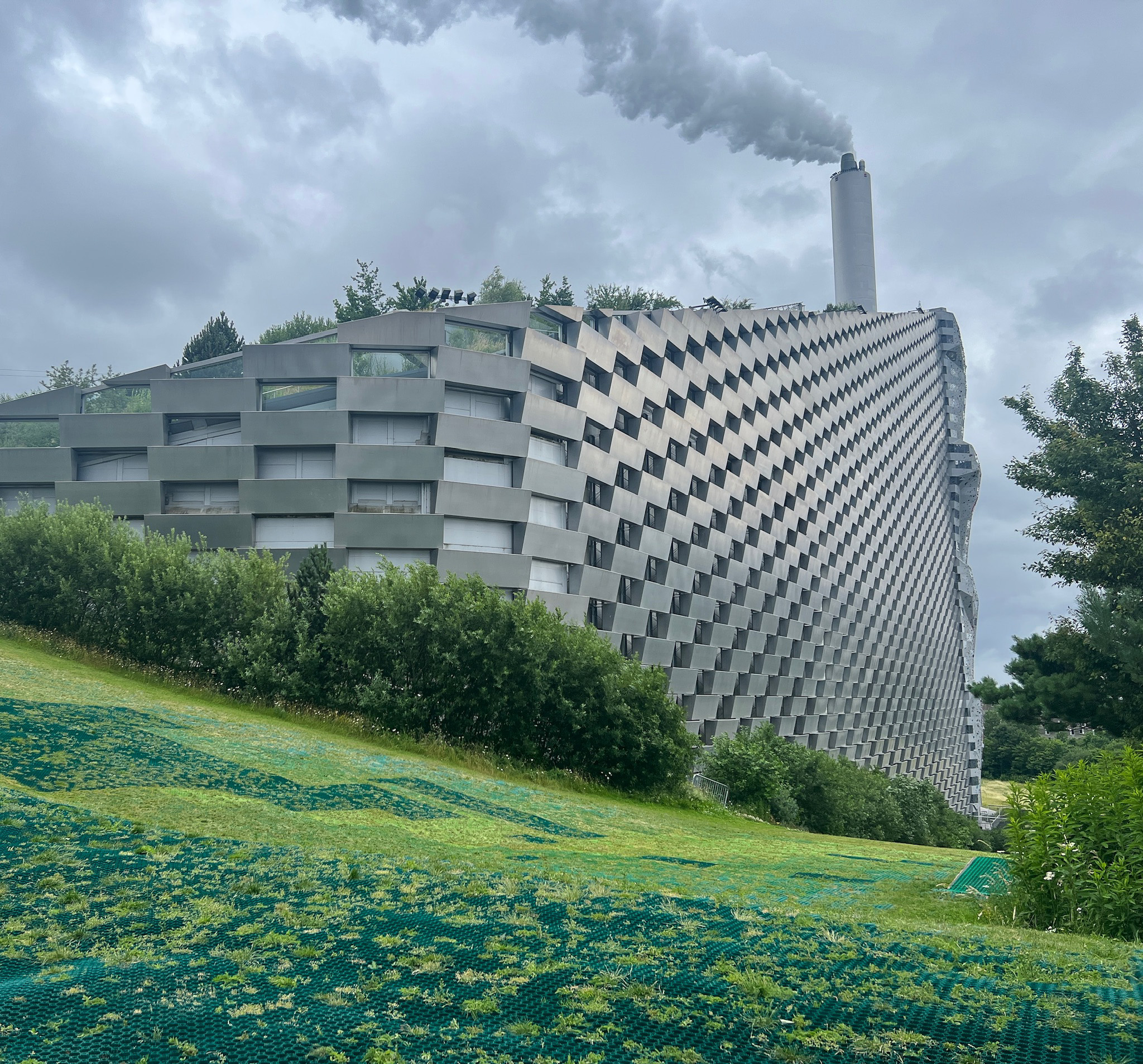
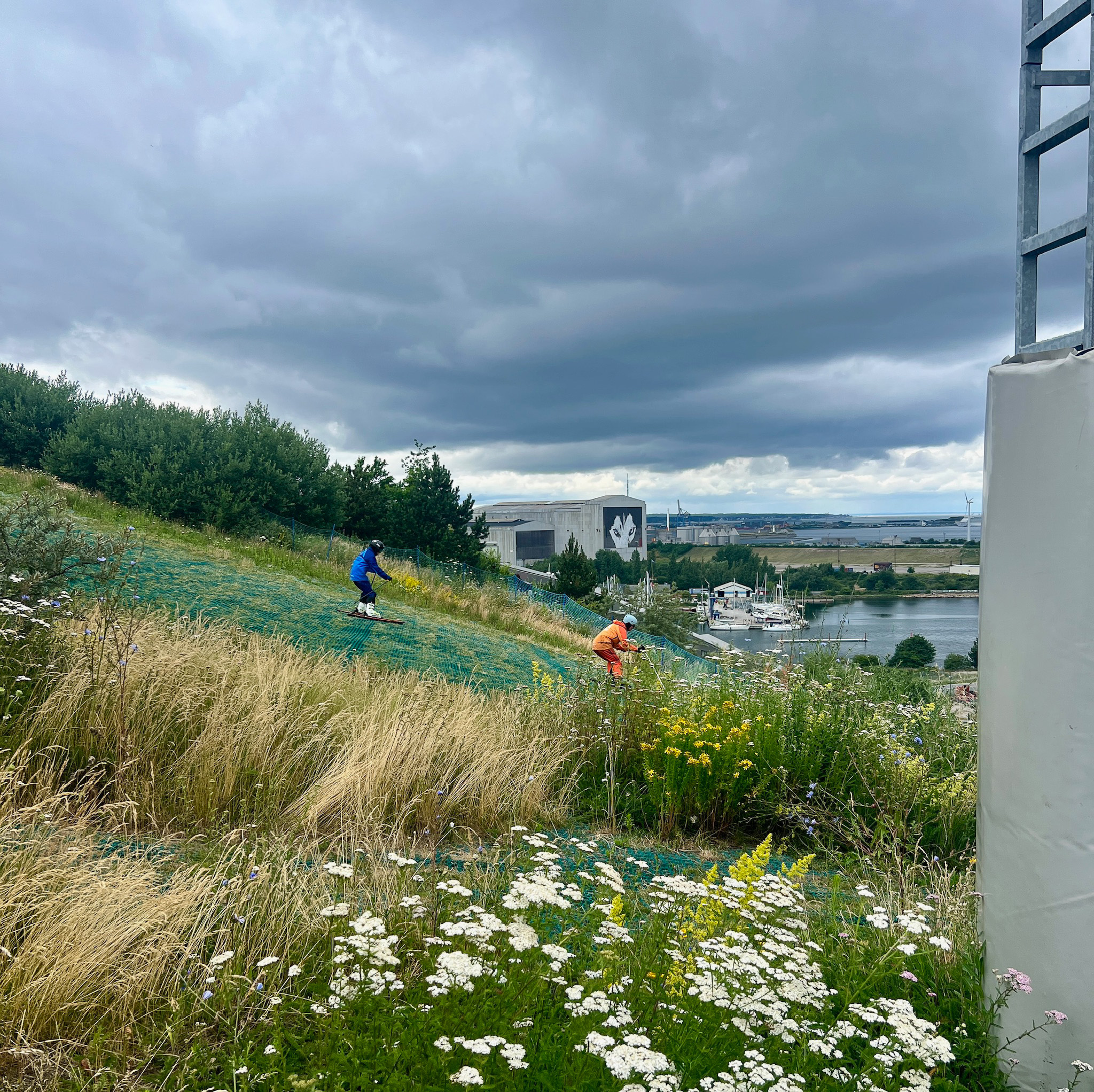
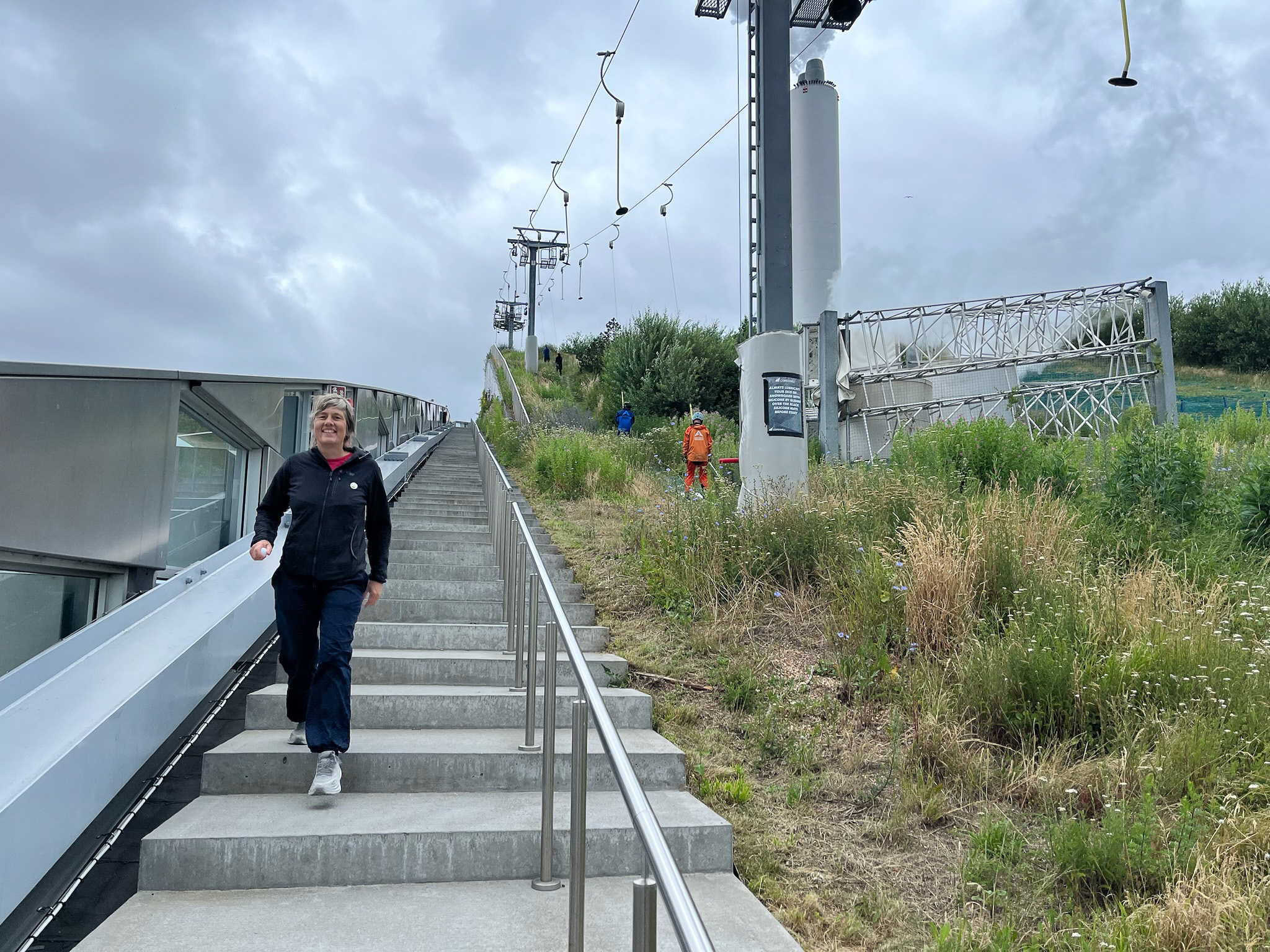
We walked across Copenhagen to see this cool ski hill atop a waste to energy plant (in the background)

Read Full Post »

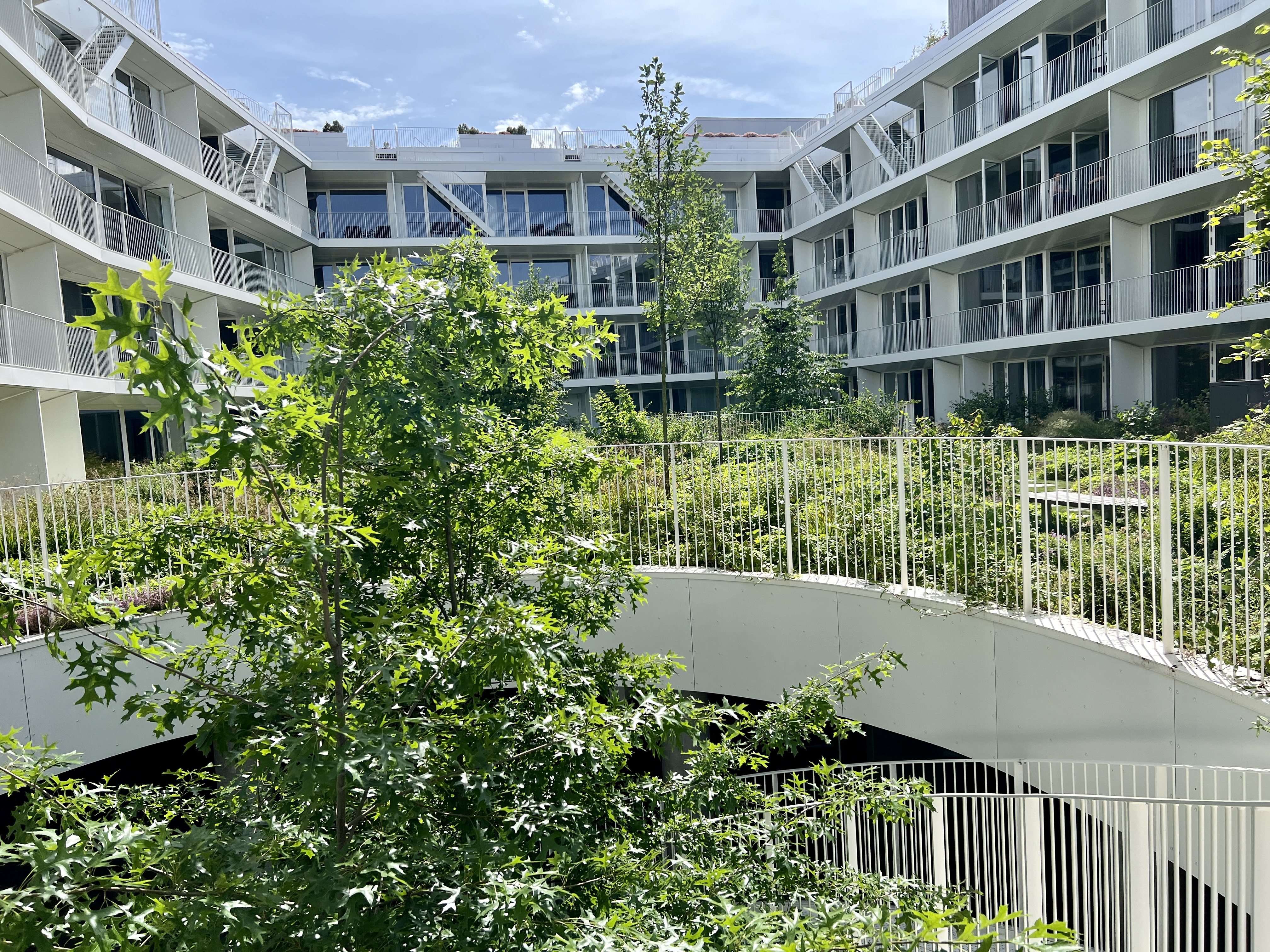
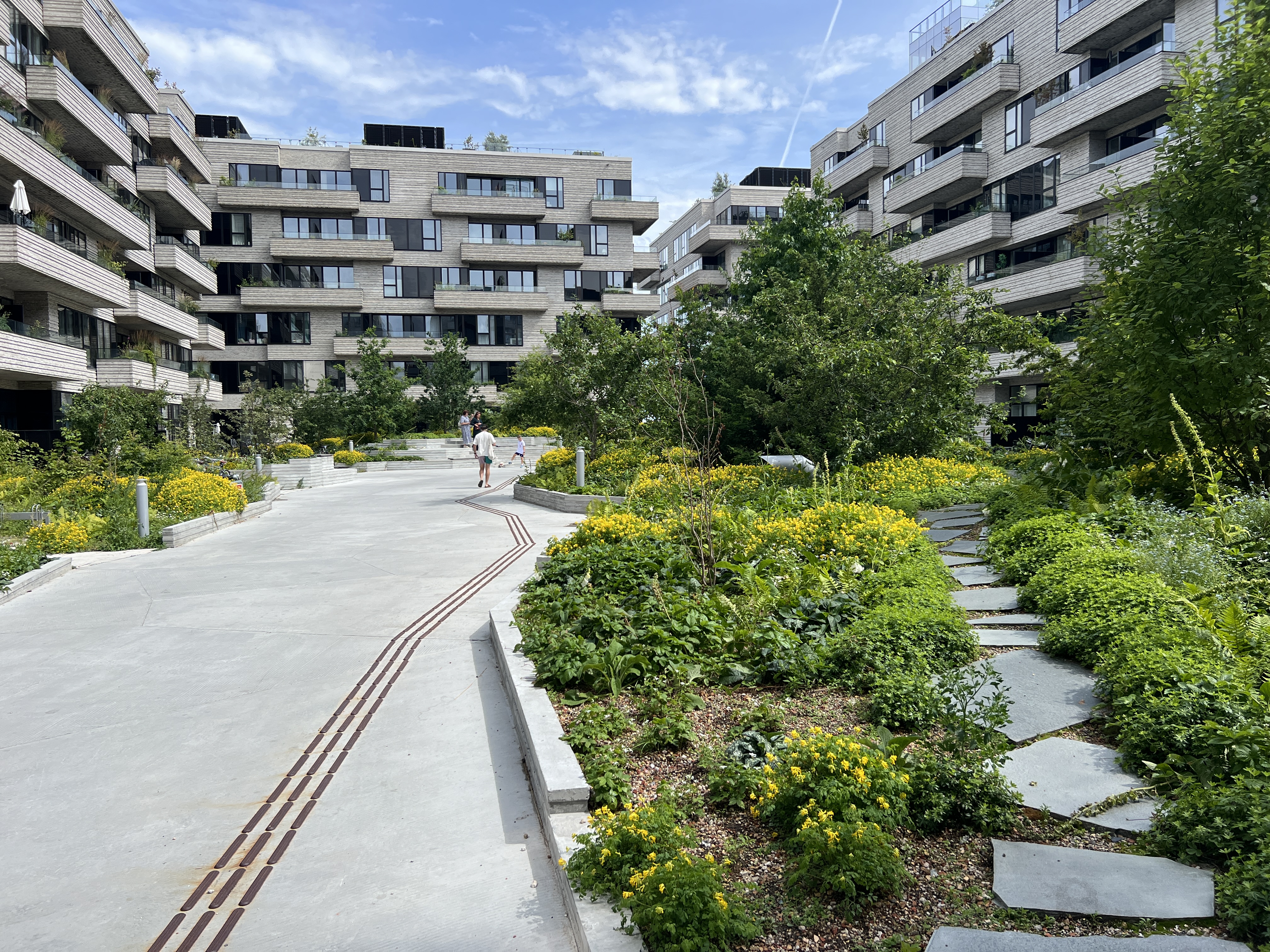
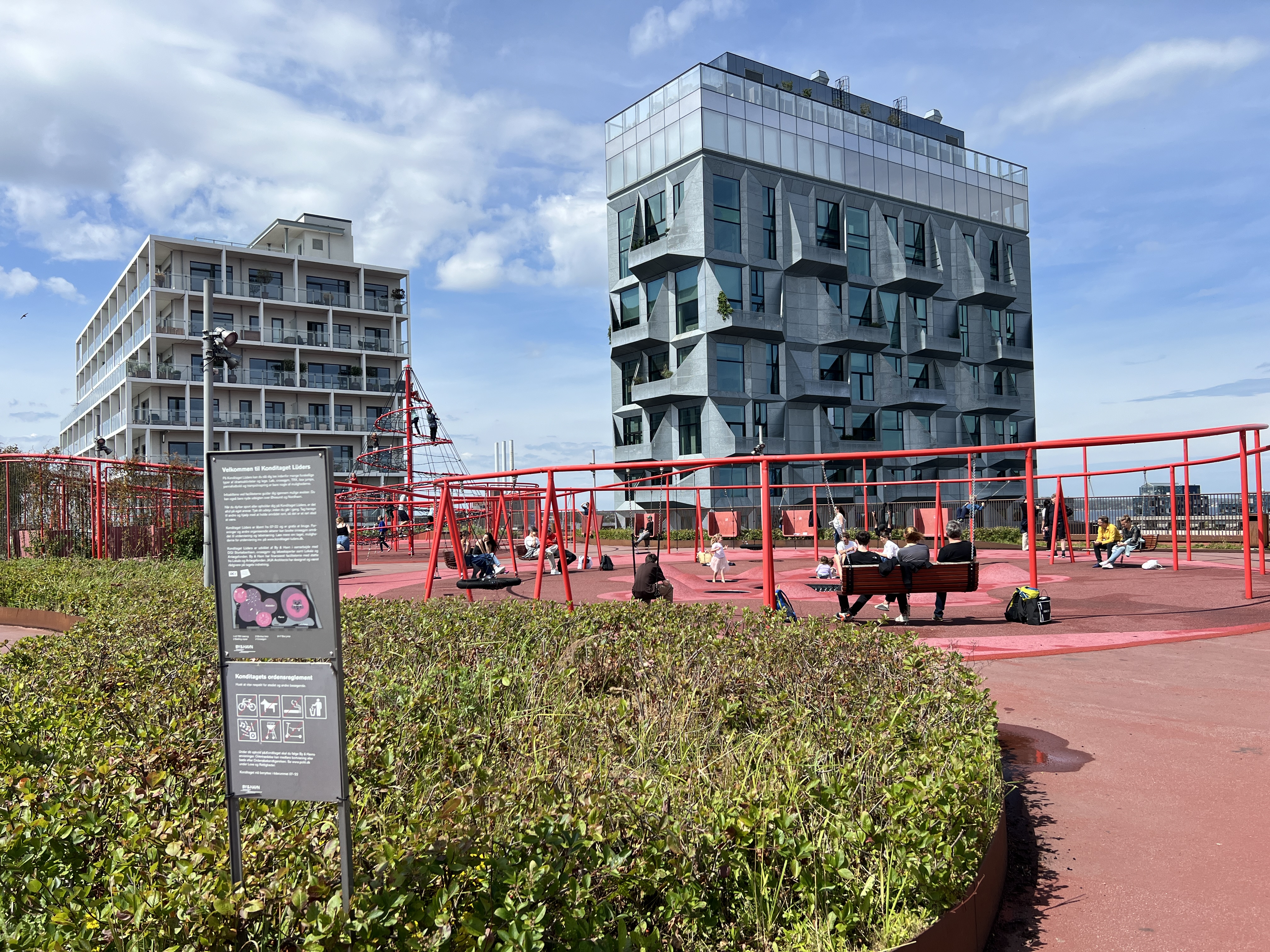
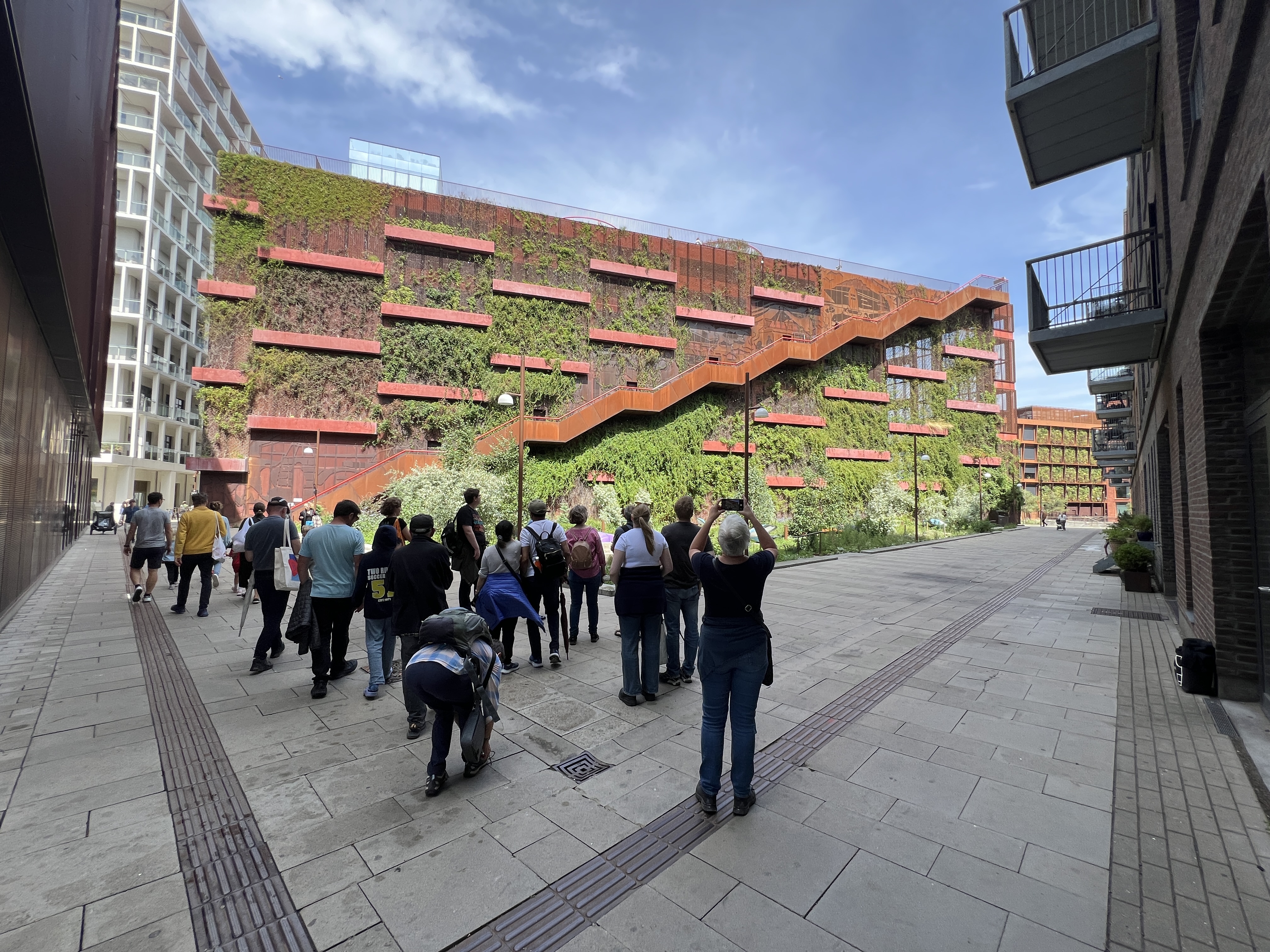
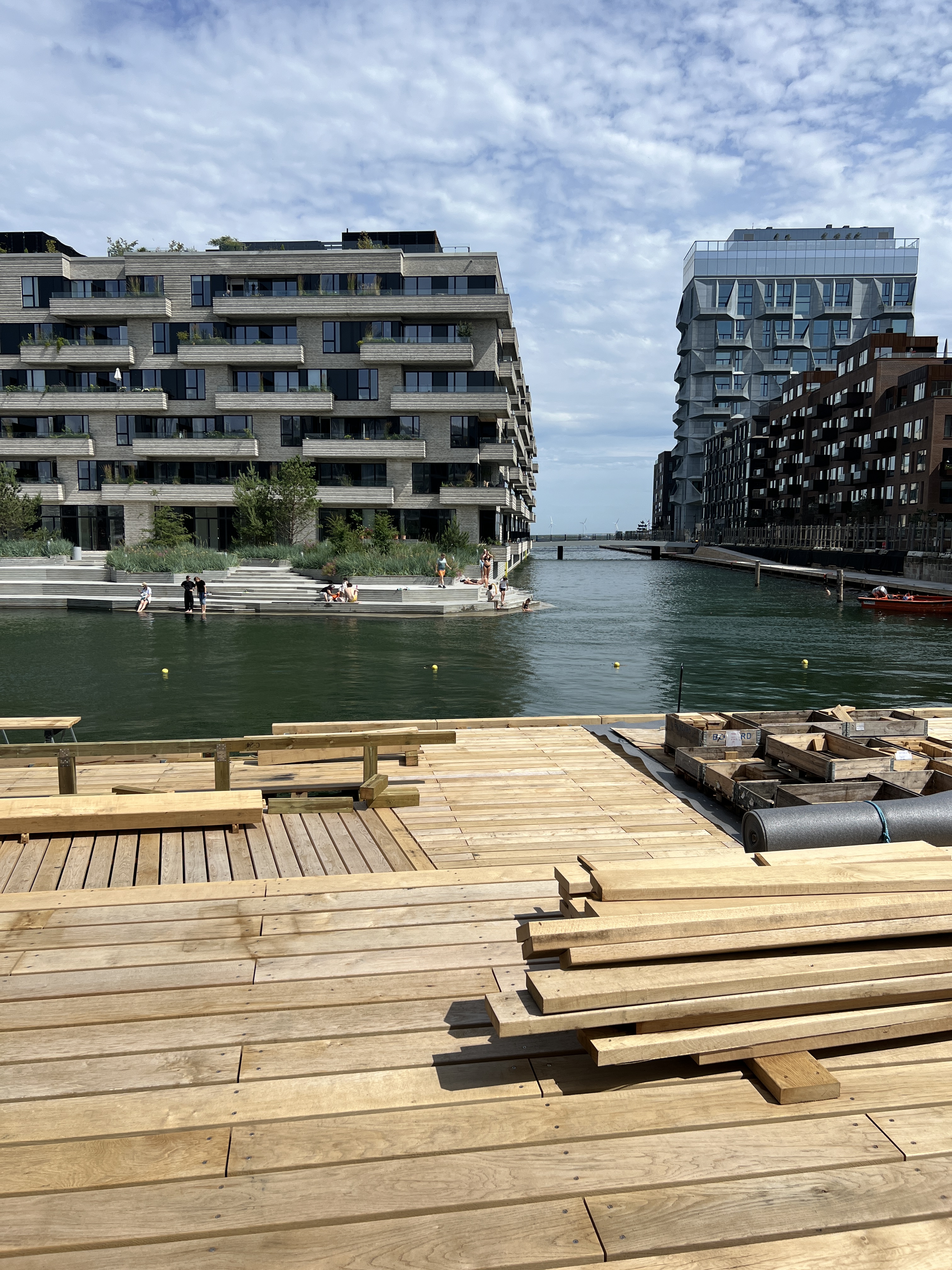
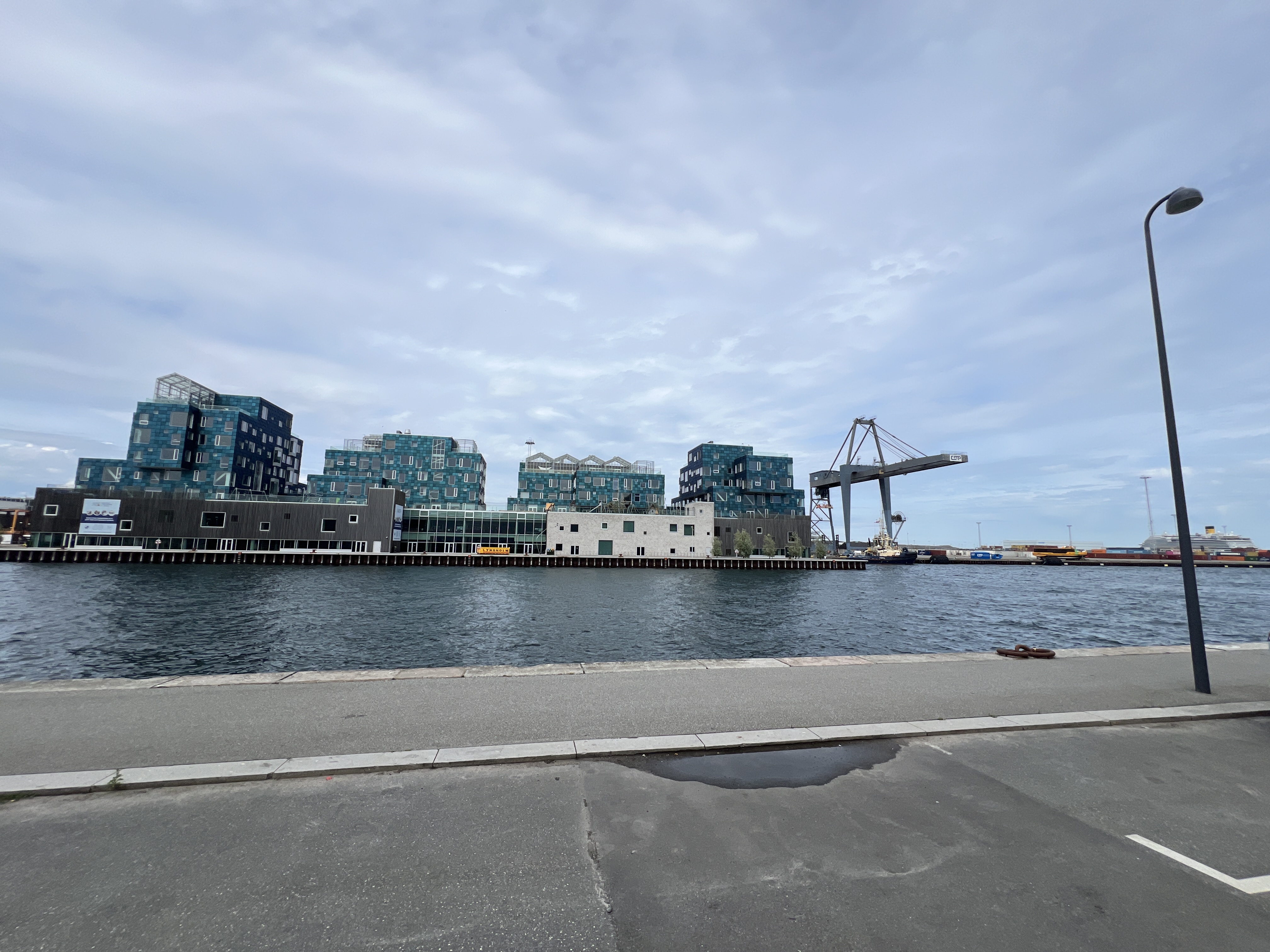
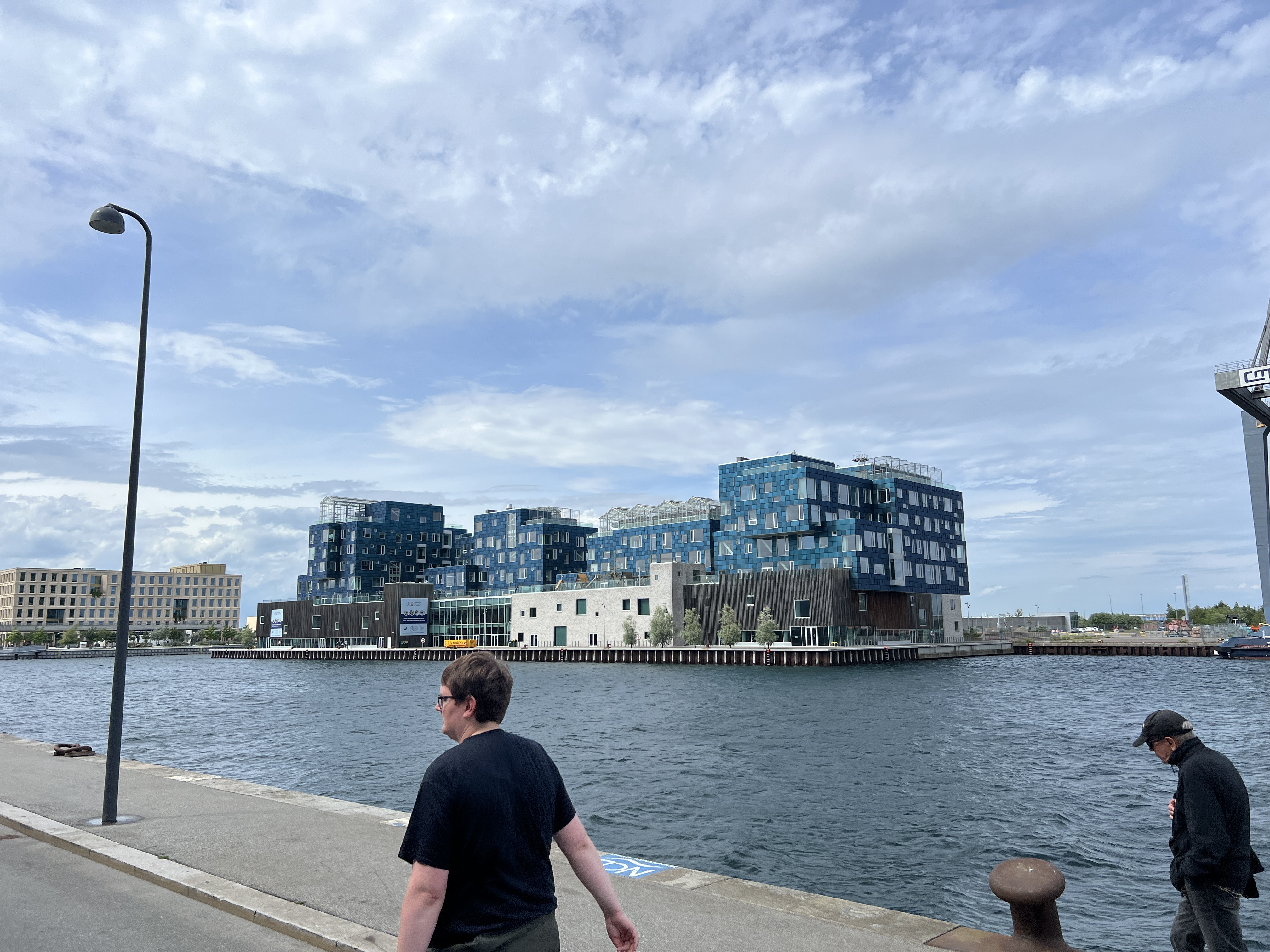
Also in Copenhagen we went on tours of some of the newly developed mostly residential areas…in particular, Nordhavn, which used to be a port and is now mostly apartments. Our tour guide told us that this and other newer parts of Copenhagen are built on what was once water. She mentioned that the master plan included both green space and blue spaces for enhancing the human environment – regular parks (green) and all sorts of connections to the water and uses of the water for transit, swimming, boating etc. (blue) Lots of mention of environmental certifications, and we also toured a very nice recycling/reuse facility. Nesting sites for 3 species of bird were incorporated into the roof of one tall building. The courtyards and other outdoor spaces, (blue and green) were mostly quite nice. We were wondering about impacts on the greater environment, wildlife, of expanding over the water…and how they were preparing for sea level rise. Multi family housing is already more energy efficient than single family houses, but we were told that most of these buildings incorporate many environmentally conscious features, but that wasn’t the focus of the tour. We did tour a very nice recycling and reuse facility serving the neighborhood. The entire waterfront is public space available to all residents and non- residents.

perhaps not very functional for playing or otherwise occupying, but still very nice
Playground on parking garage roof and two of the taller apartment buildings in background
side of parking garage and stair up to the playground with another playground at ground level
water interfaces under construction still…but already in use.
School on the waterfront

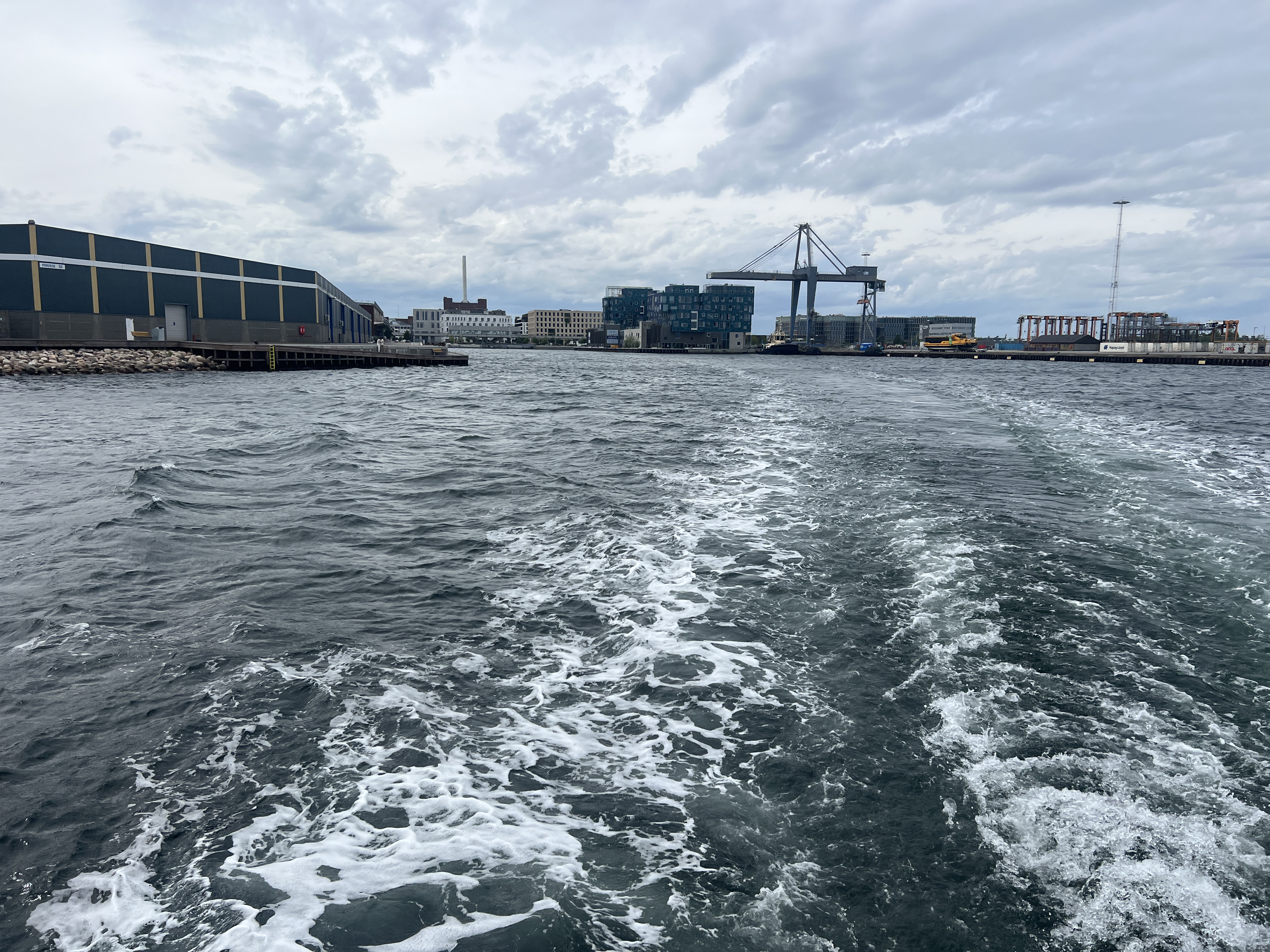
We headed home on the electric ferry

Read Full Post »

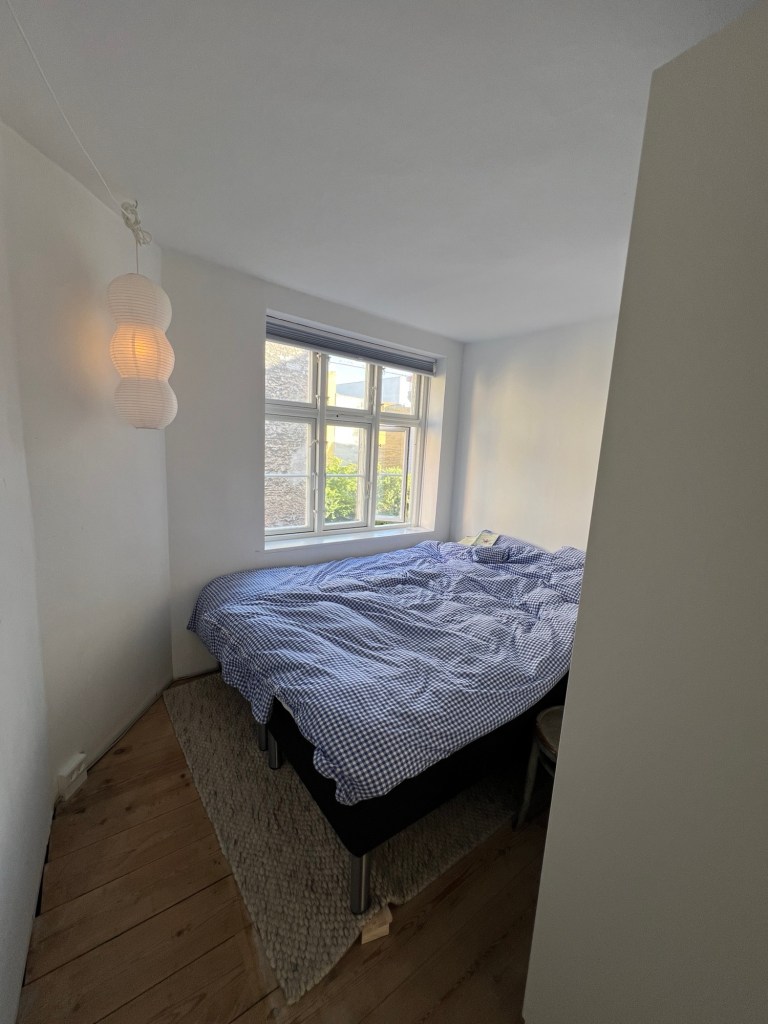
First trick – if you barely have room for the bed best to have the foot accessible so two can access. (If only one side)

Also two small comforters rather than a big shared one makes it easier to not disrupt the other person when you go to bed late.

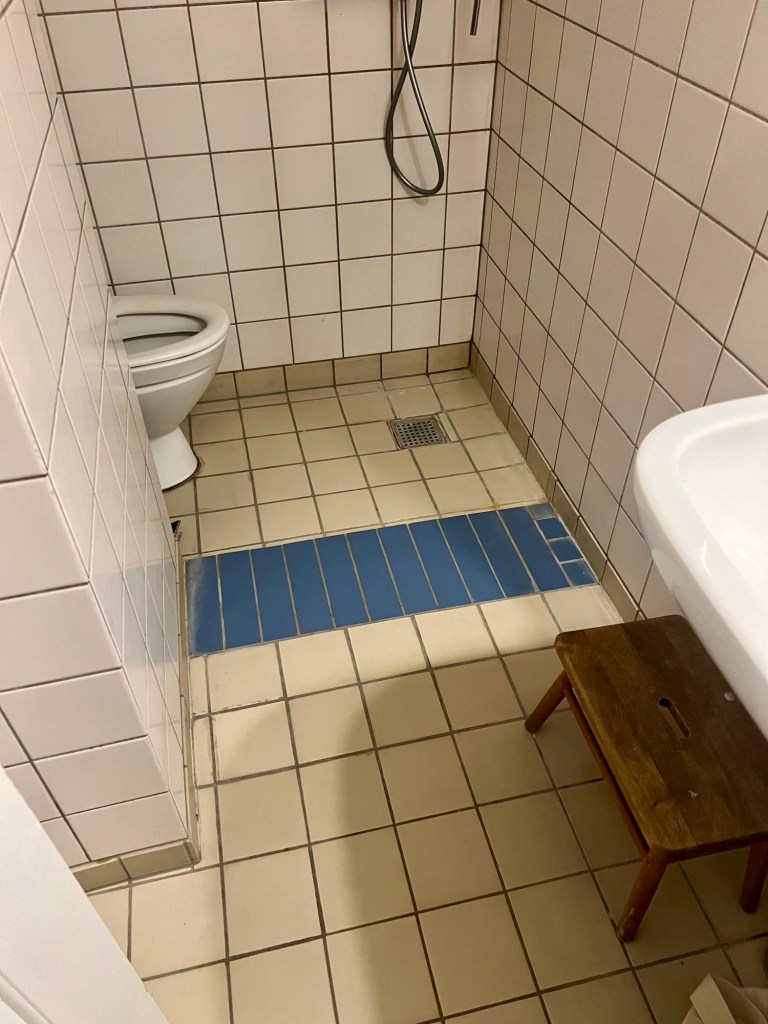
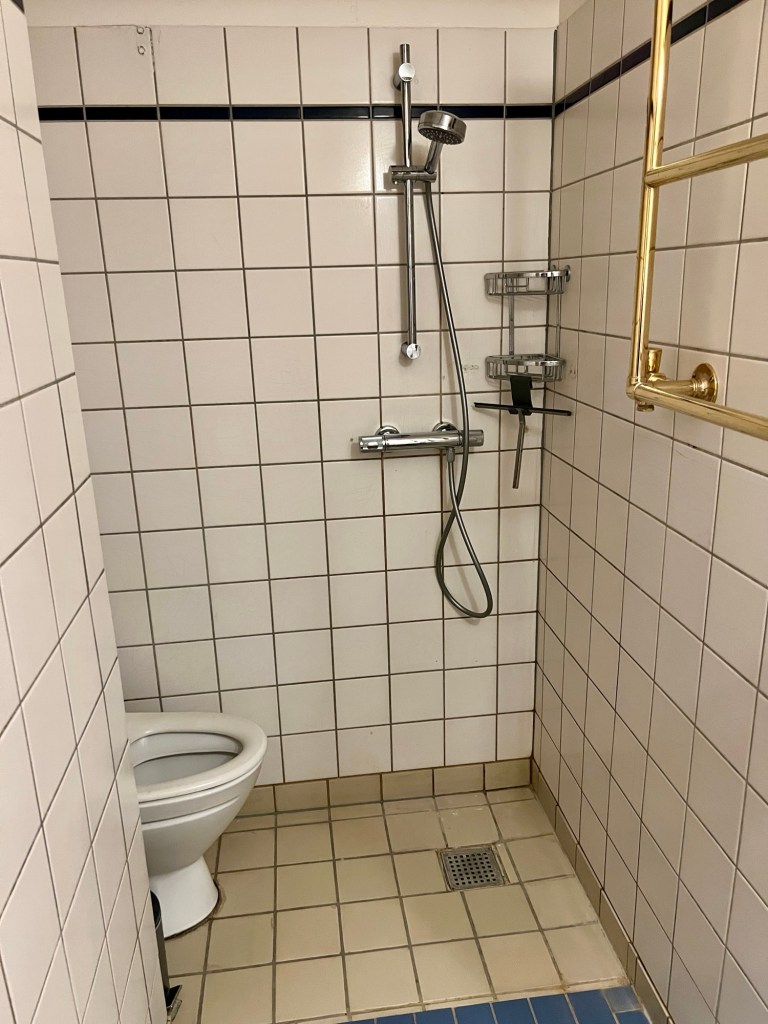
Second – small bathroom trick that seems common in Scandinavia – the whole bathroom shower

in this one the toilet gets washed everytime you take a shower! (best if the tp is protected from splash)

This apartment also has a great shared private courtyard in the back. Ill post some pics tomorrow.

Read Full Post »

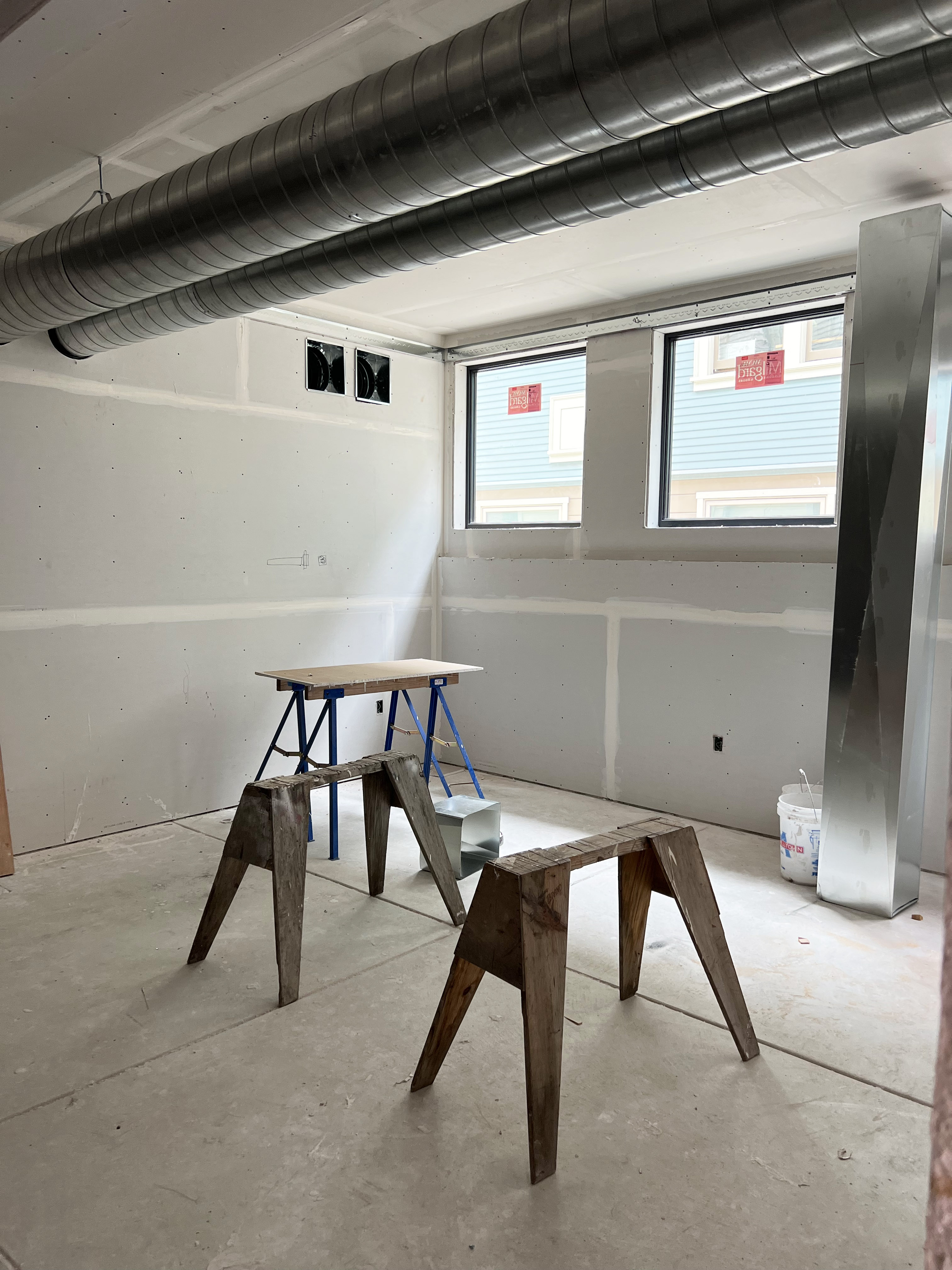
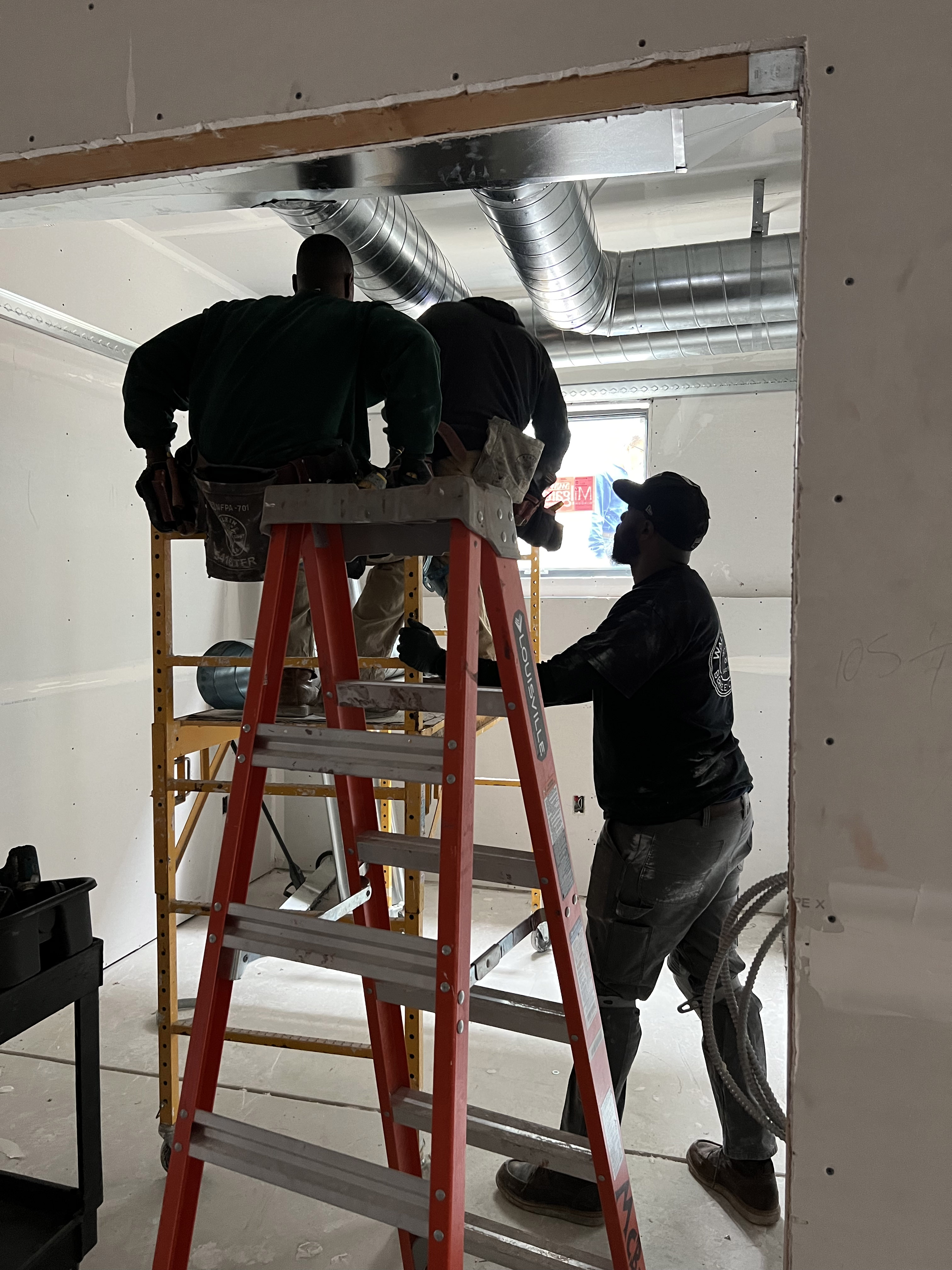
We are finally getting close to completion on this North Oakland pilates studio for Corpokinetic. The ventilation system is sized to provide 5 air changes per hour when needed to keep the Co2 concentration to 400-500 ppm. It is a heat recovery system for energy efficiency and has a HEPA filtration system that can be activated if there is wild fire smoke or other pollution outside. Hopefully none of this will be needed, but seems more than likely these days. It will also minimize transmission of the ordinary cold virus in the studio. Thanks to Beyond Efficiency for mechanical design and Walter Mork & McBride Construction for installation

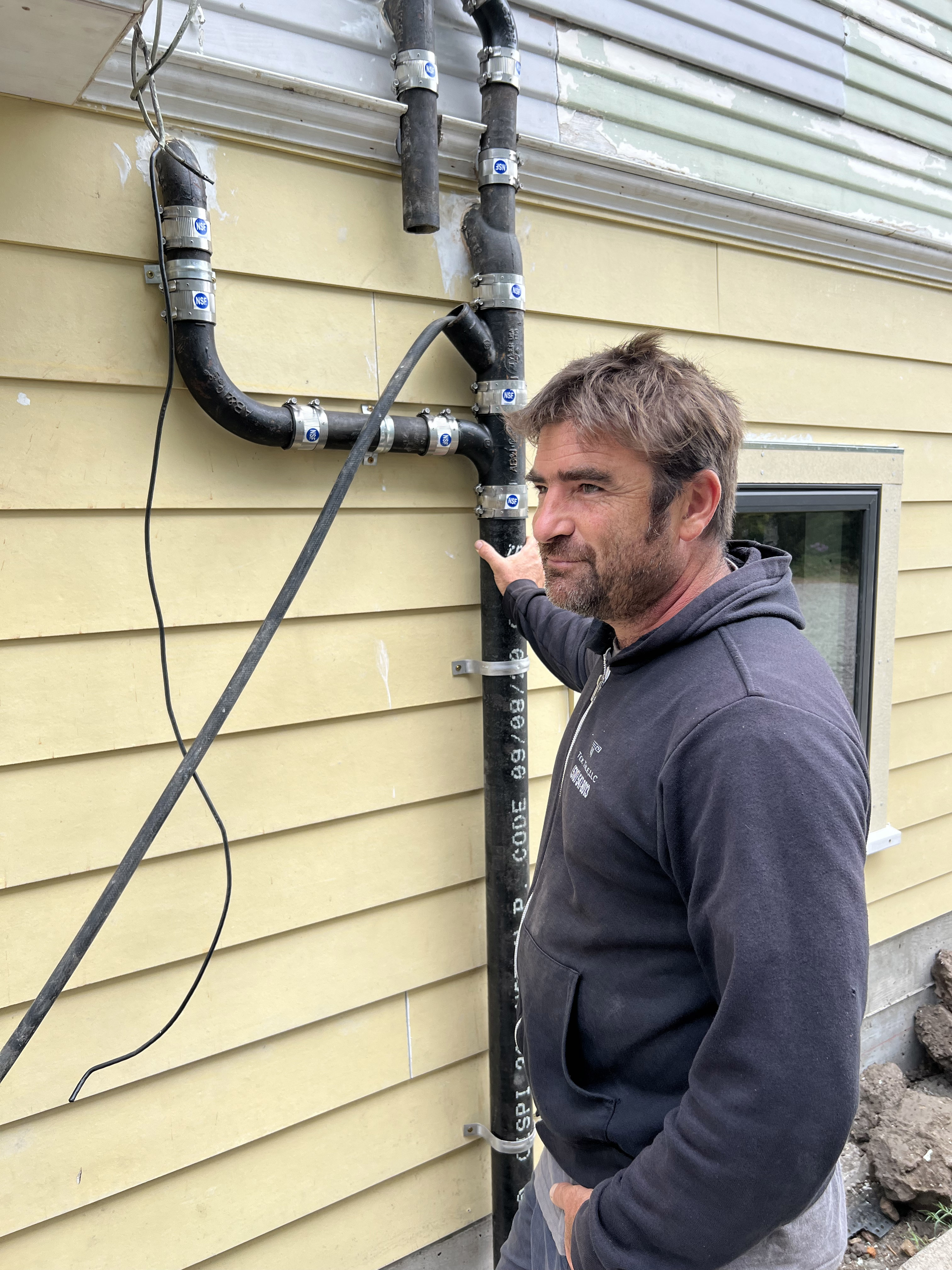
Plumbing inspection was also passed today. Here is John McBride testing the drain lines for leaks before the inspector arrived:

Read Full Post »

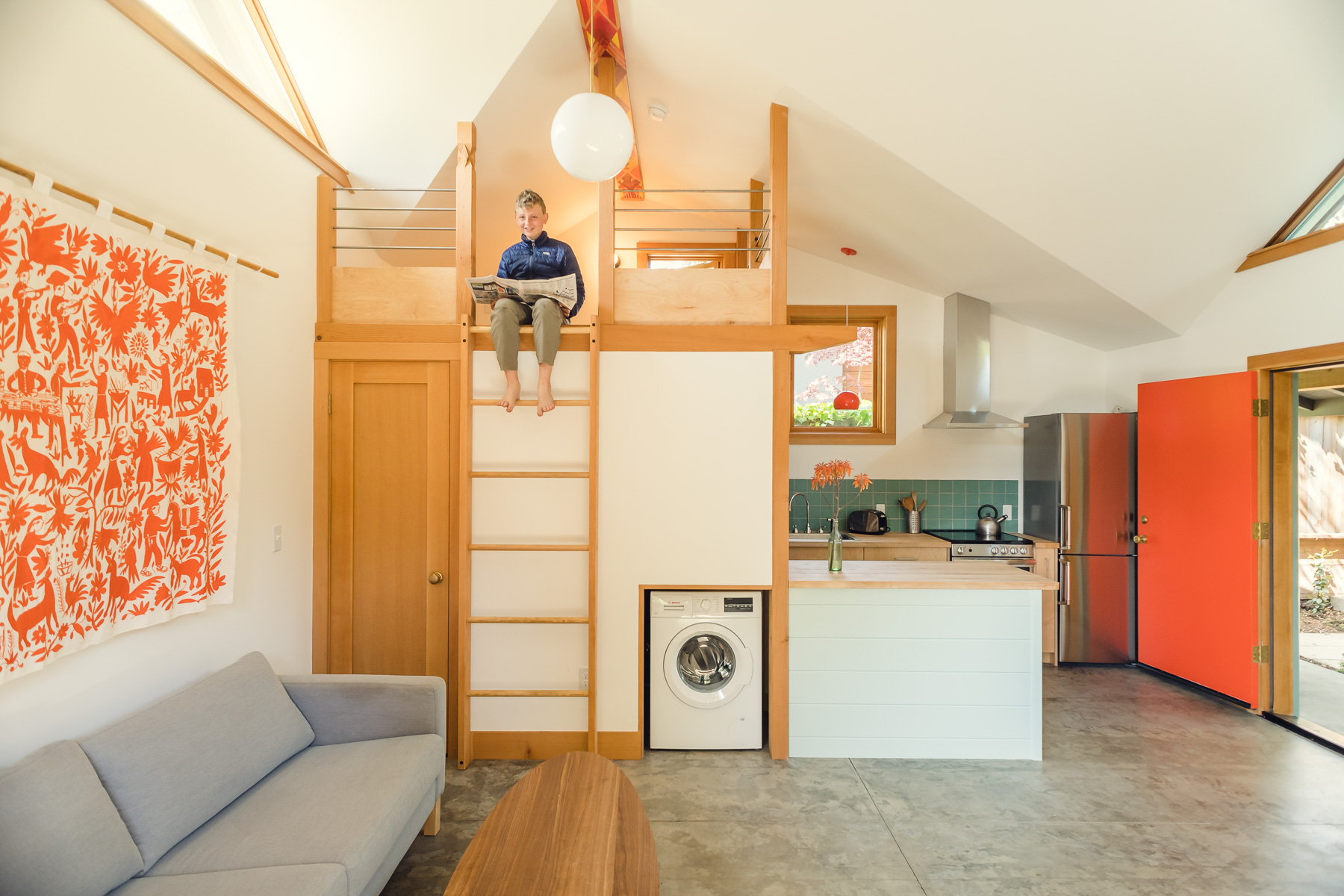
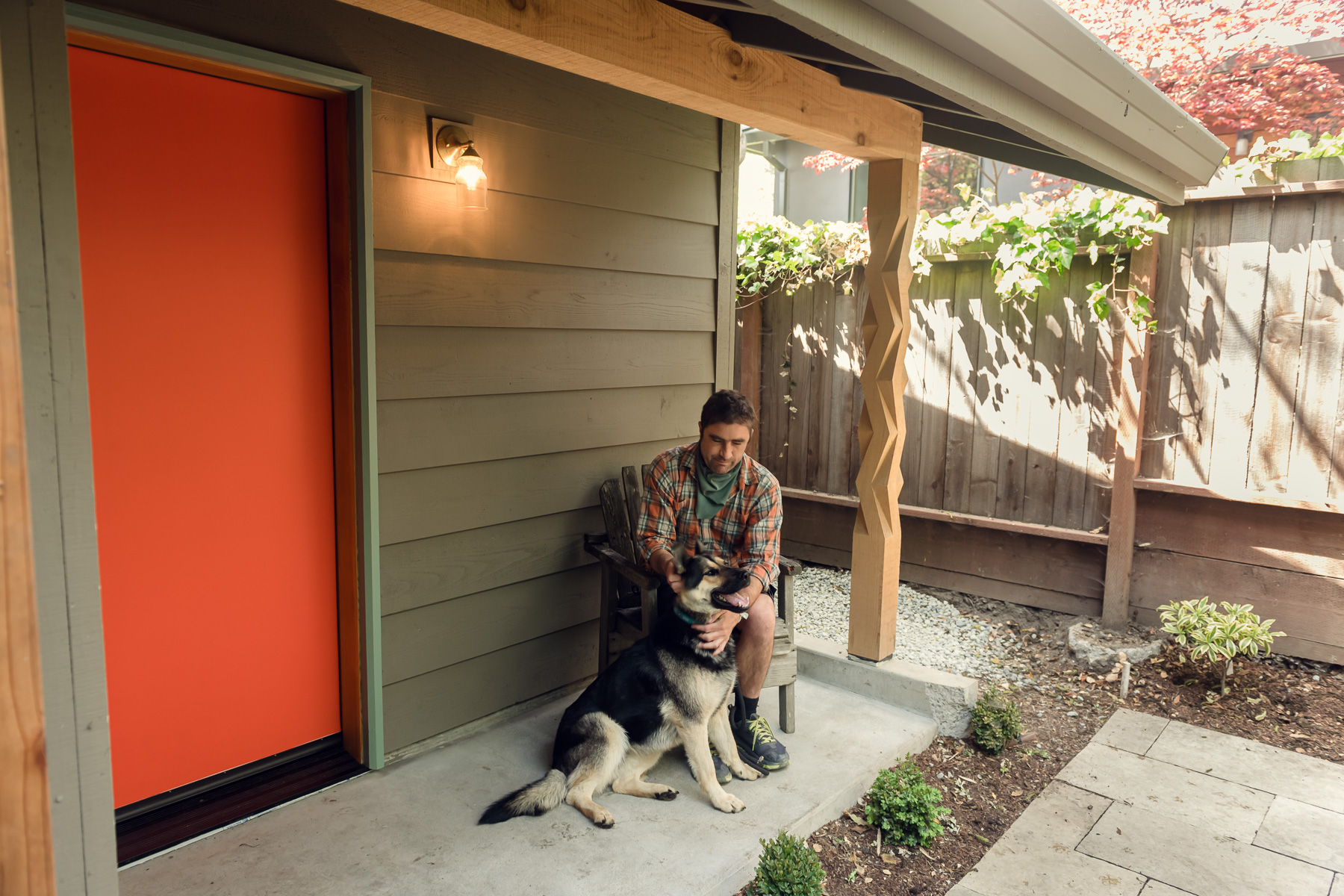
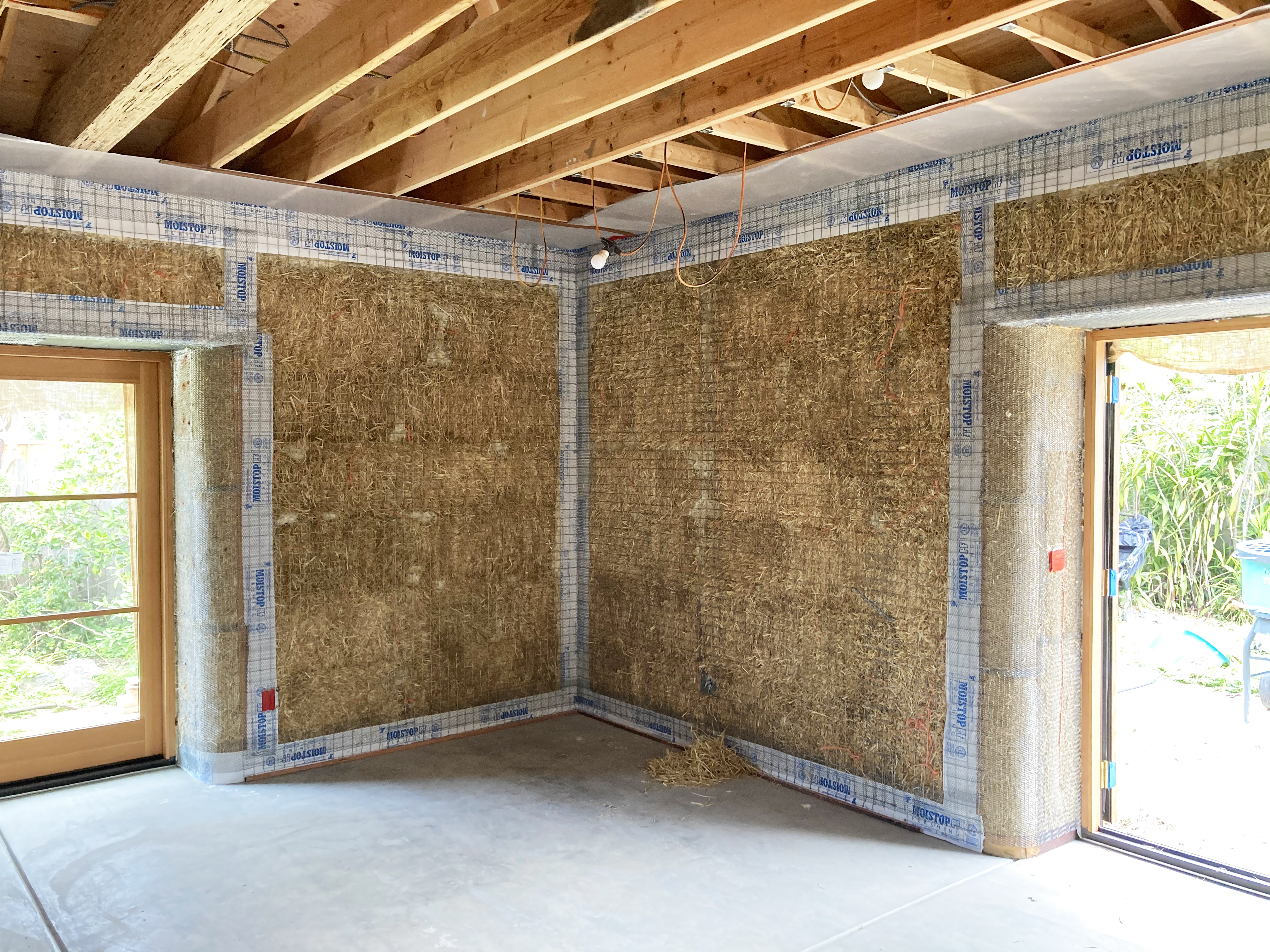
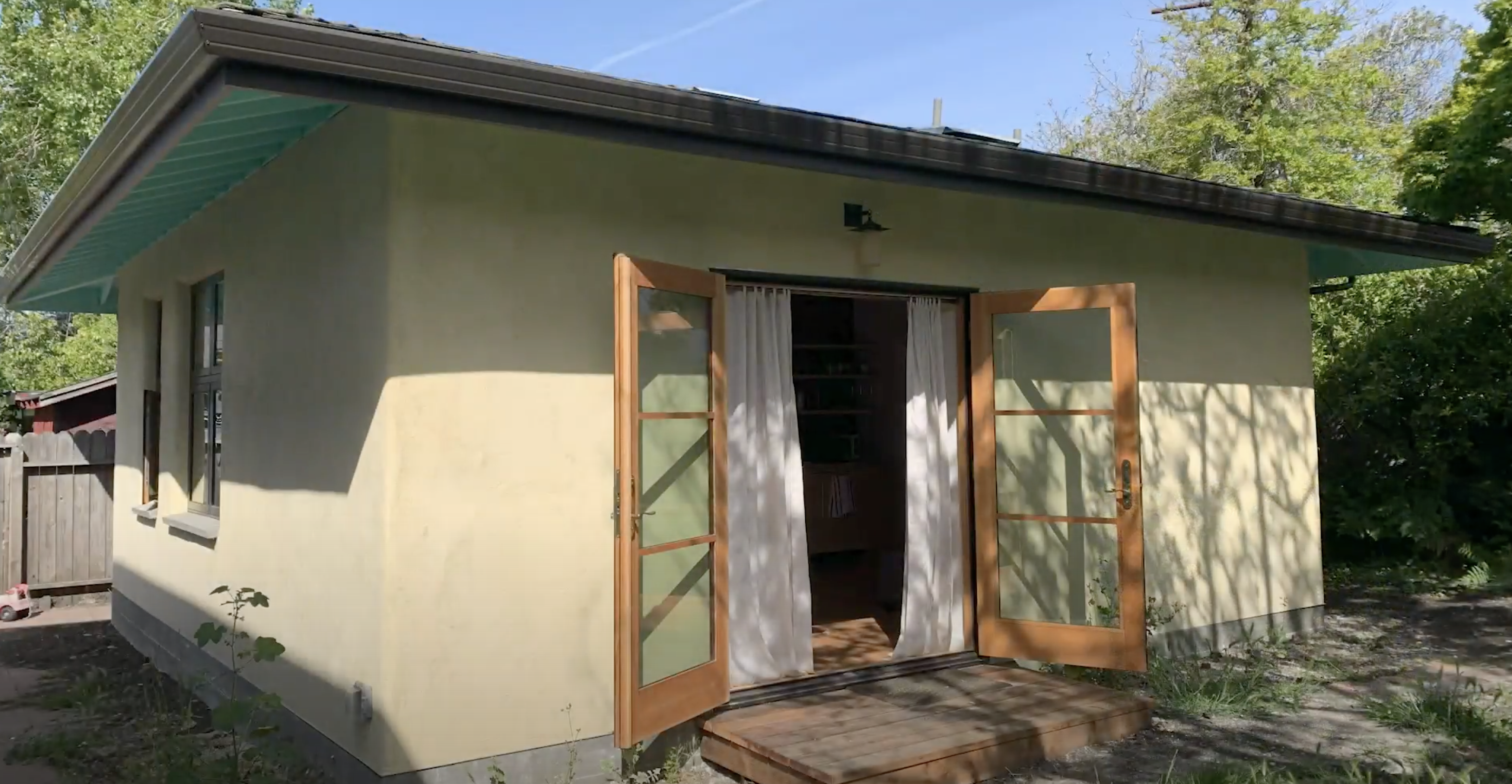
John McBride and I have two projects on this years tour. A strawbale accessory dwelling unit and a stick framed accessory dwelling unit. We are proud of both projects and put a lot of extra heart and soul into them. The tour is free. you just sign up HERE. I’ll be there to answer questions.

Read Full Post »

I was admiring the artistic way these rafter tails wrap around the corner at the Graduate Theological Union in Berkeley when I noticed the dark sky protection measures they implemented very economically with cut off black plastic waste bins. (and look at that black sky!) I recently updated my education on dark sky protection. I already knew that bright exterior lights are annoying to neighbors and that it would be nicer to see more stars at night, but I learned a few more reasons to avoid light pollution. So many nocturnal animals have their normal patterns disrupted by bright night time lights. Birds and insects in particular. I have a new love for curtains on windows to keep the interior lights from lighting up the outdoors. I had considered curtains mainly for privacy and keeping the sunshine out, but hadn’t worried about all the light that can spill out of a house when lights are on at night. Because LED lights use so little electricity the Earth’s light pollution problem is getting worse. It doesn’t cost very much to leave exterior lights on all night and this sometimes seems simpler than fancy lighting controls. Now I will be thinking of the nocturnal creatures as I plan my architectural lighting.

Read Full Post »

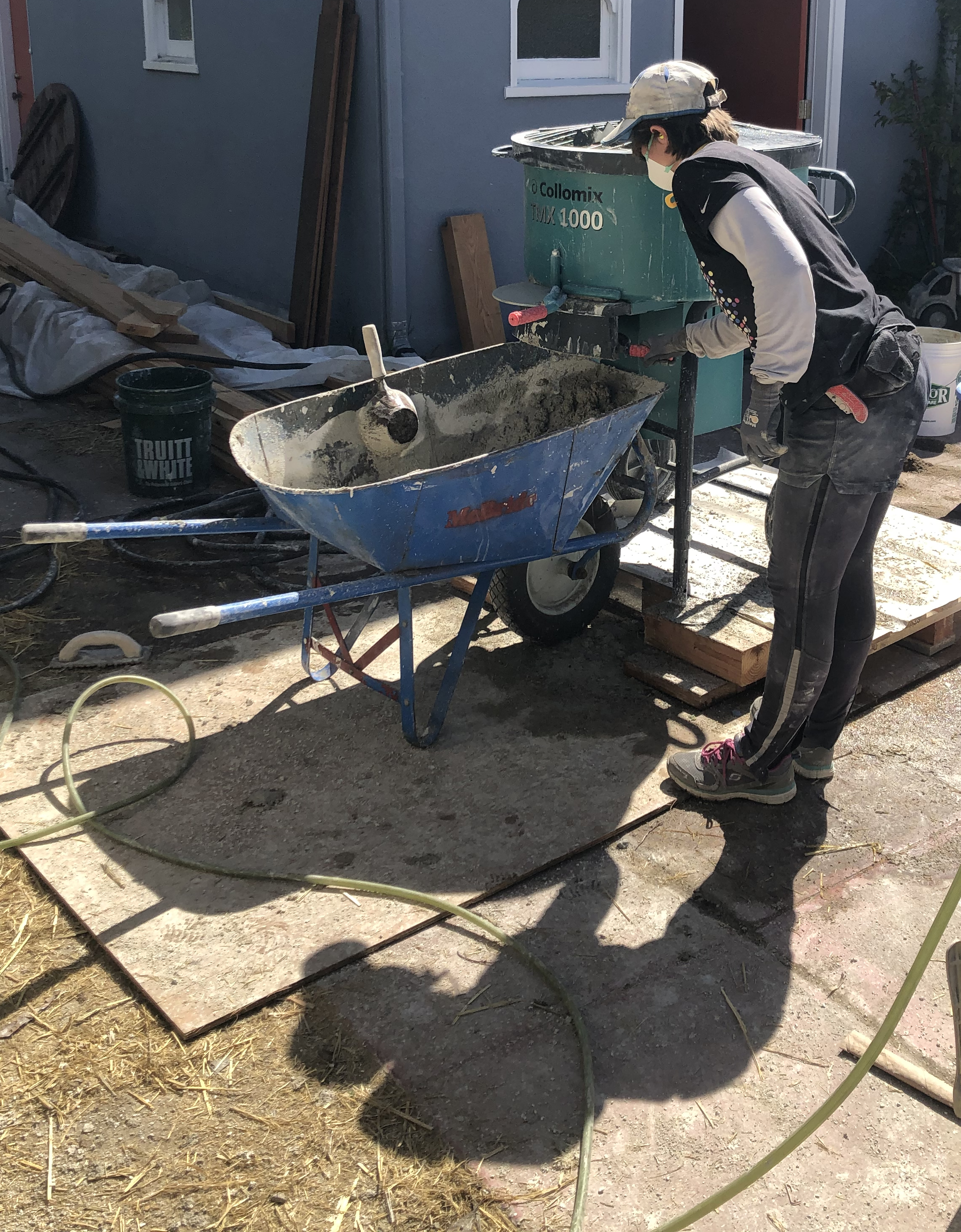
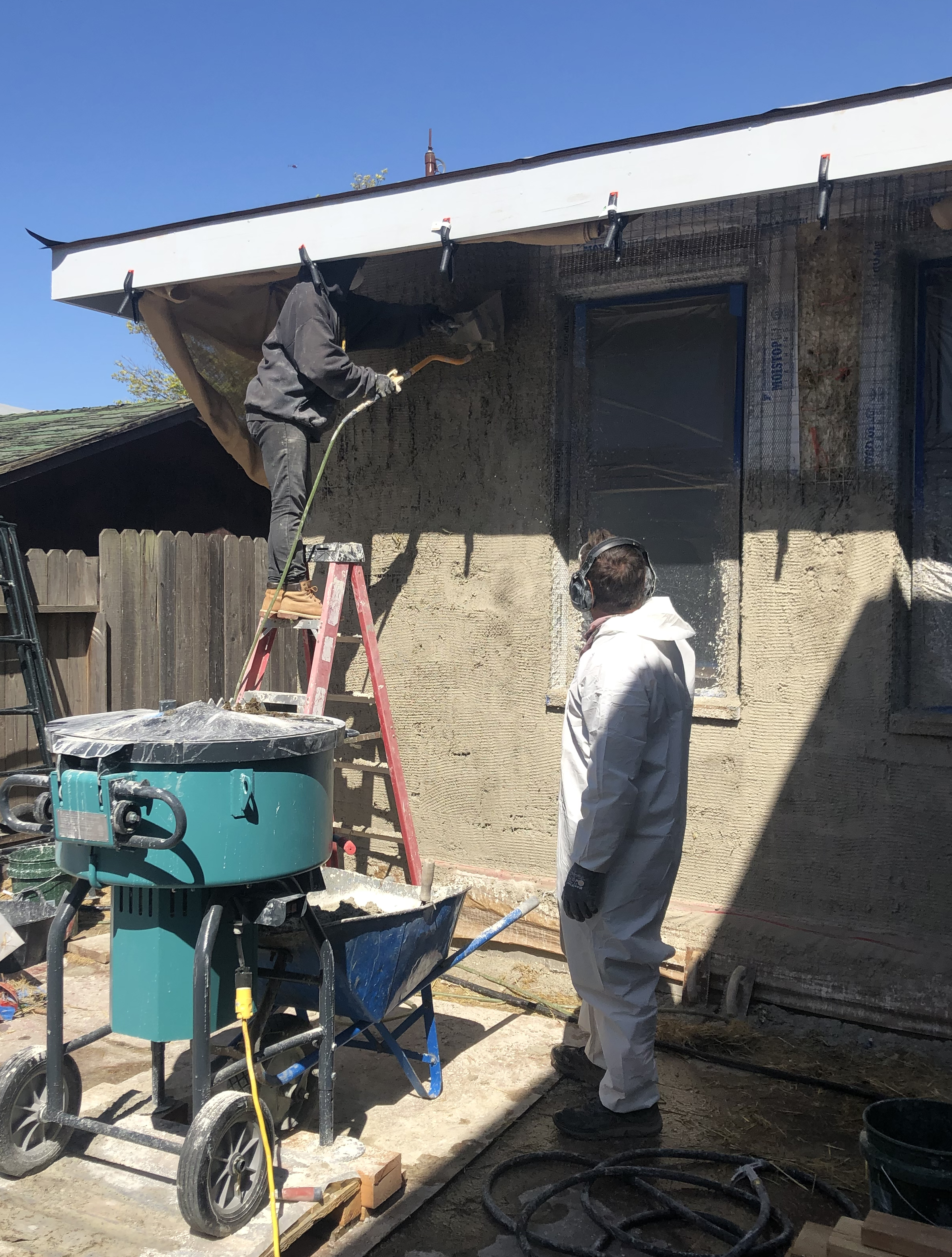
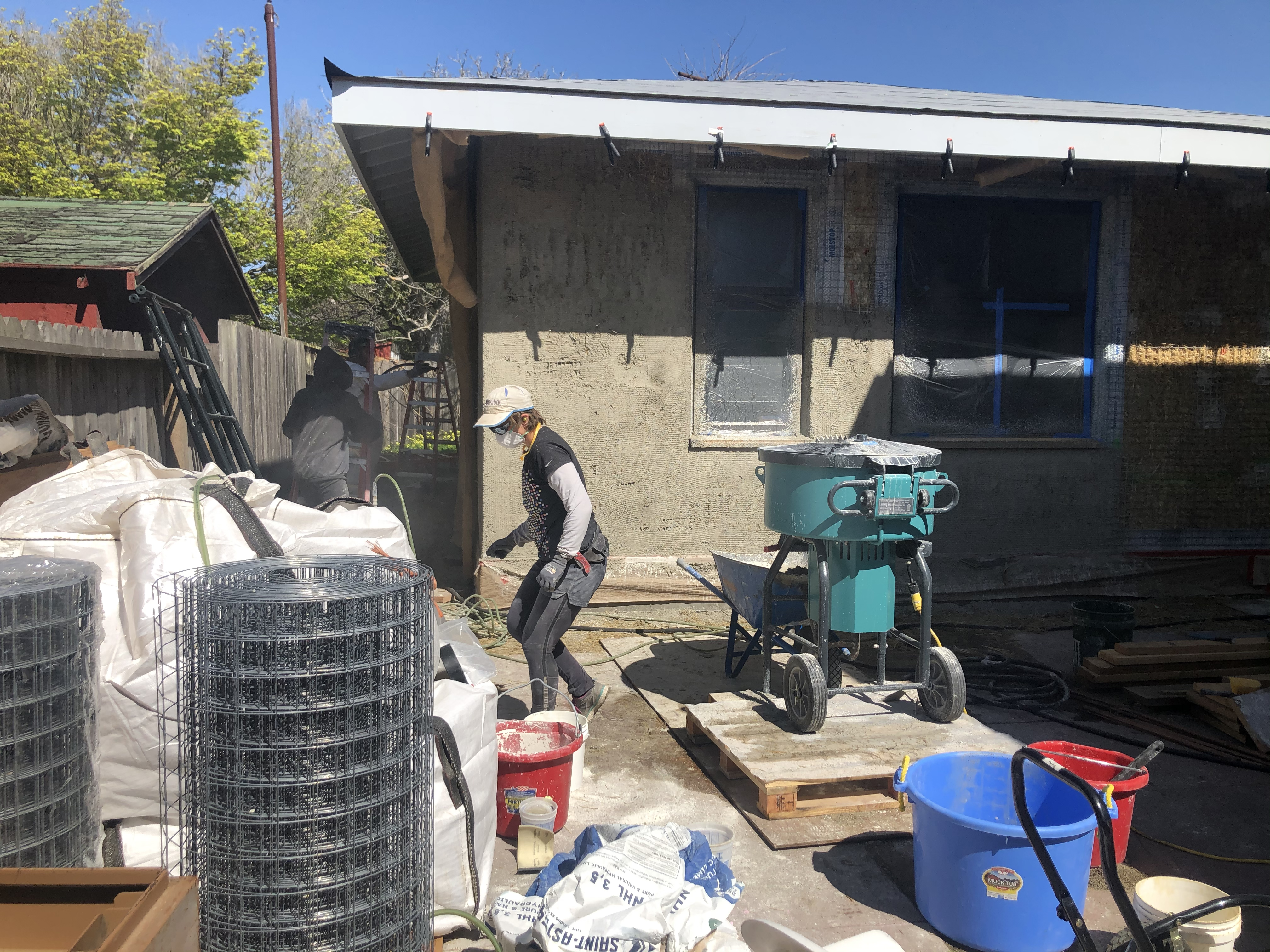
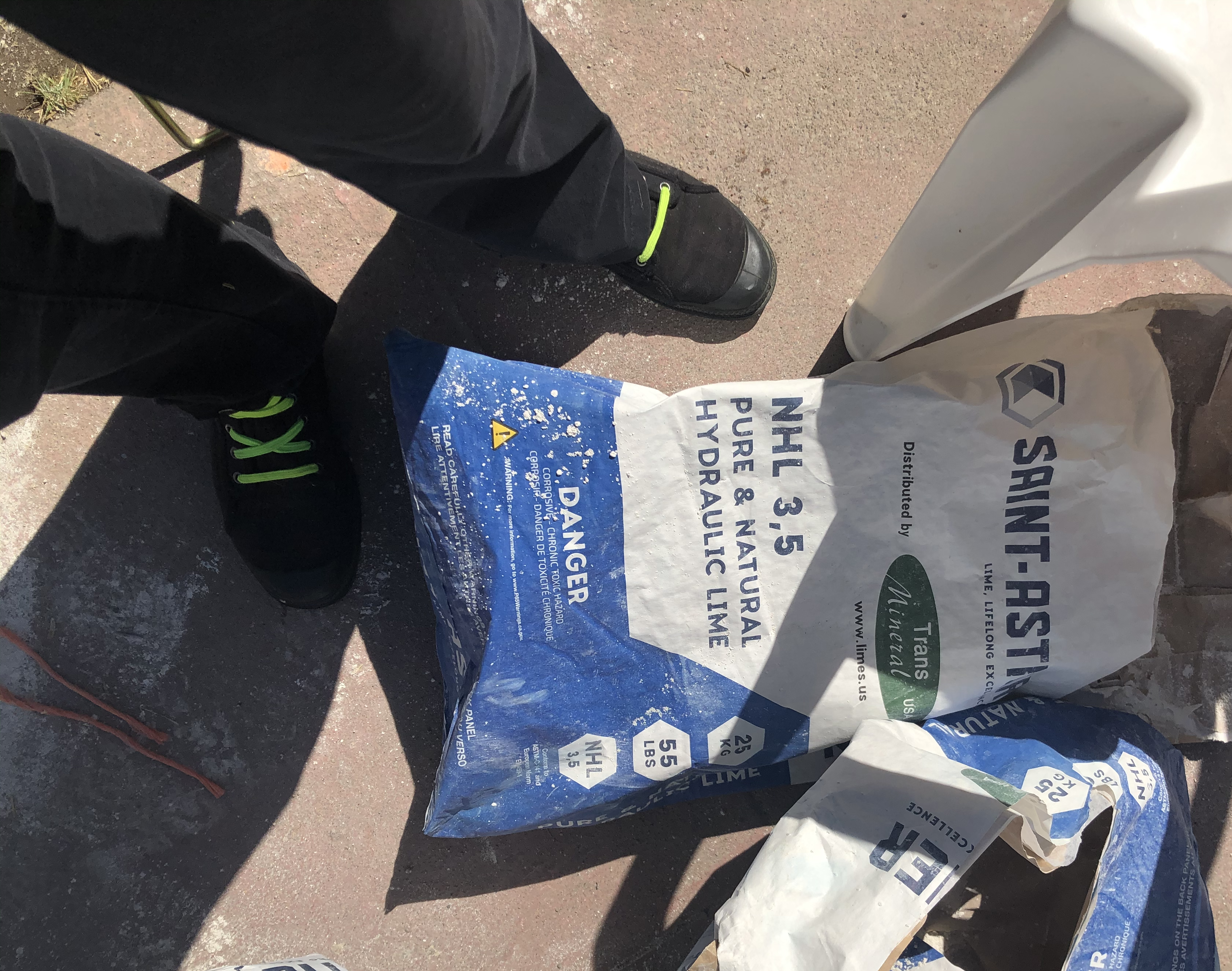
Hydraulic lime plaster is similar to cement stucco, but with lime rather than portland cement. It is more flexible and more vapor permeable than cement stucco, but it takes more skill and curing time. It also requires warmer temperatures. While making portland cement requires a lot of energy and the chemical reaction releases large quantities of CO2 into the atmosphere, Manufacturing lime takes energy, but when lime plaster carbonates (hardens) much of the CO2 released during the manufacture is reabsorbed. (From Essential Natural Plasters, Henry & Therrien) According to Strawbale Building Details (Published by CASBA – California Strawbale Building Association)The strawbales themselves sequester 26 pounds of carbon each, preventing the formation of 95 pounds of CO2)

Mixing the natural hydraulic lime, plaster sand & water
Spraying the plaster
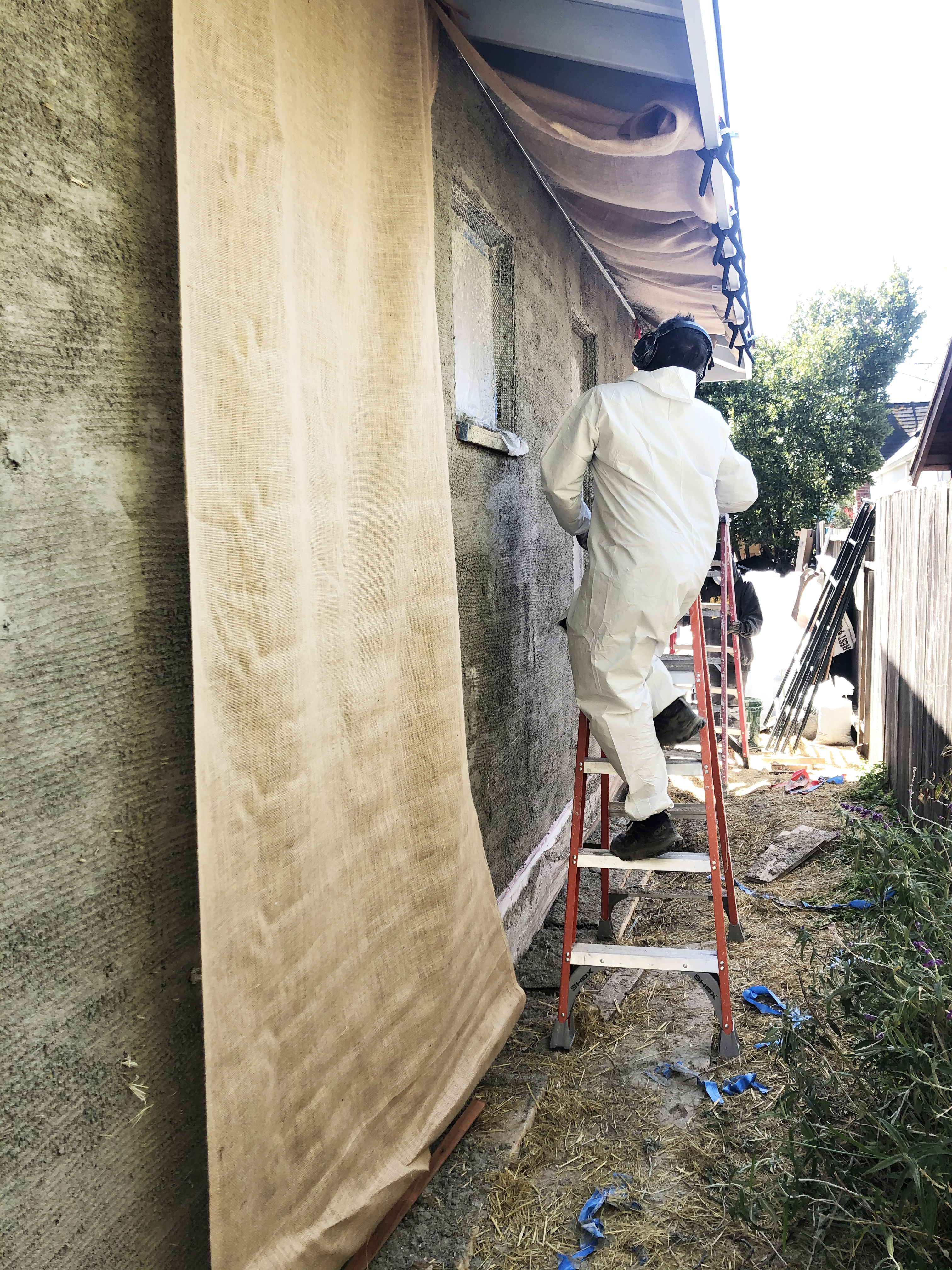
Burlap shades to protect the plastered walls from direct sun (It cures better if kept moist and cool)

Read Full Post »

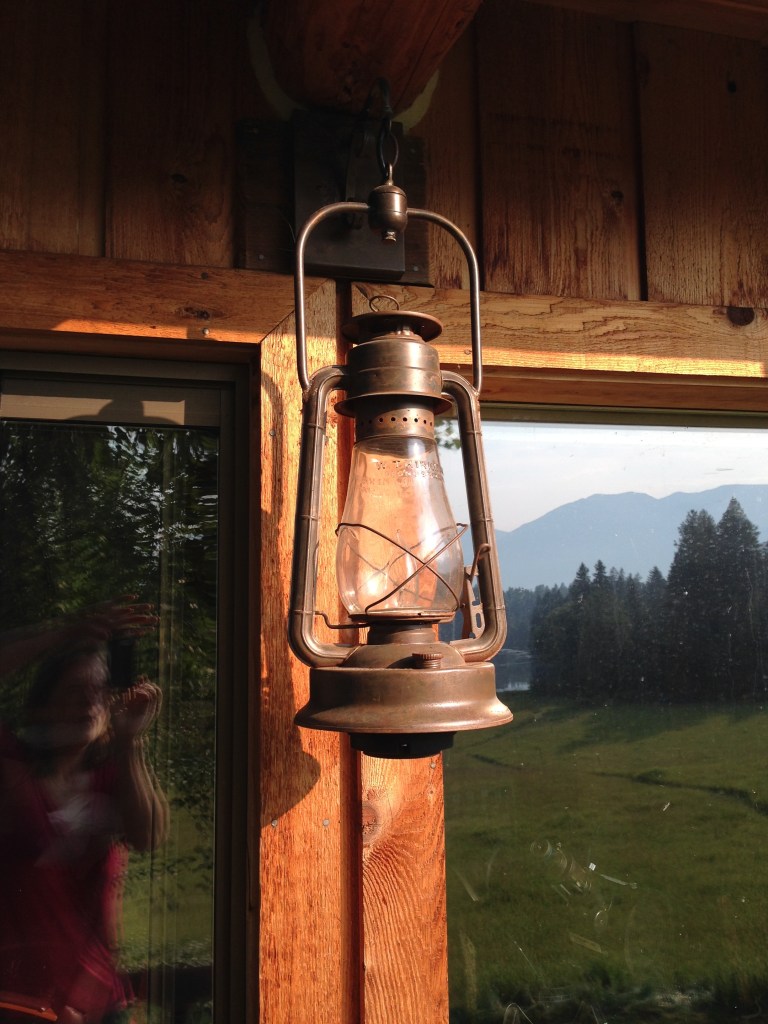
W.T. Kirkman lantern style light (Near Flathead Lake MT)
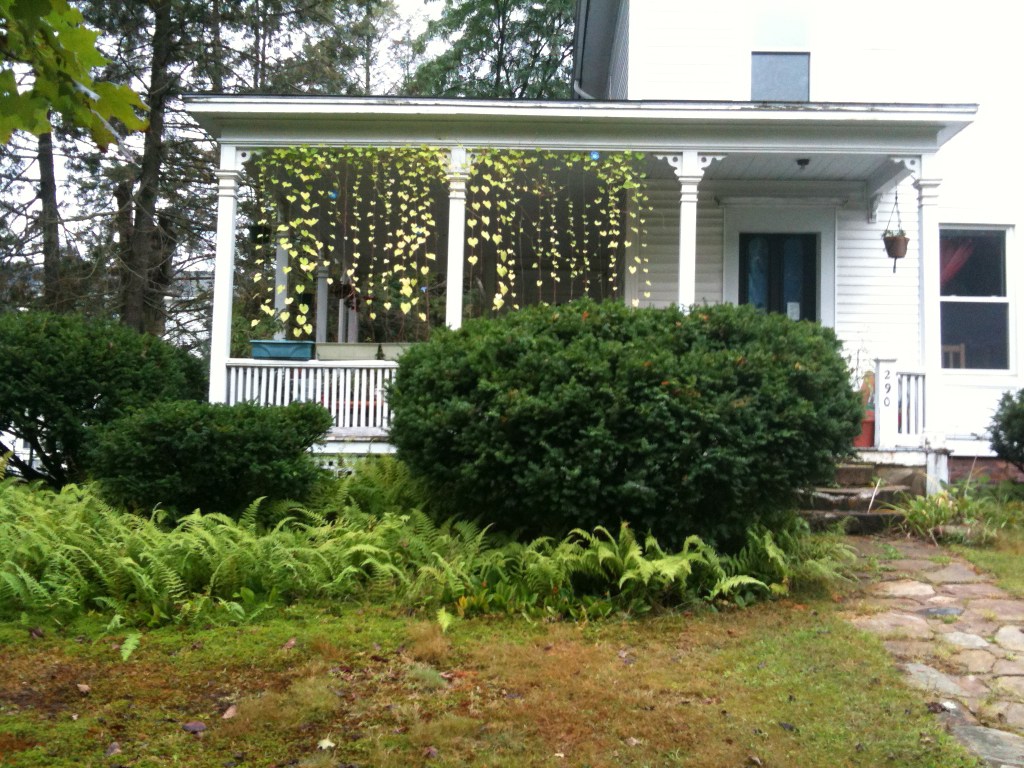
Vine porch curtain (North Hampton MA)

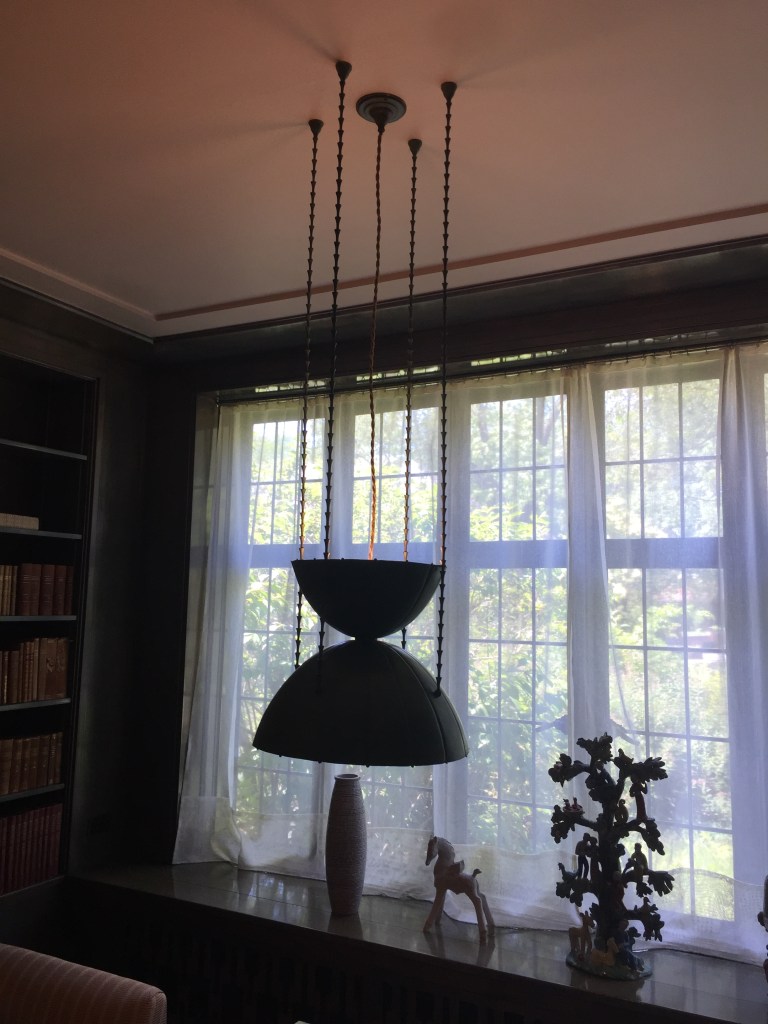
Cranbrook House Dining room light that can shine up and down or both. (Probably a custom design by Eliel Saarinen) Bloomfield Hills, Michigan

Read Full Post »

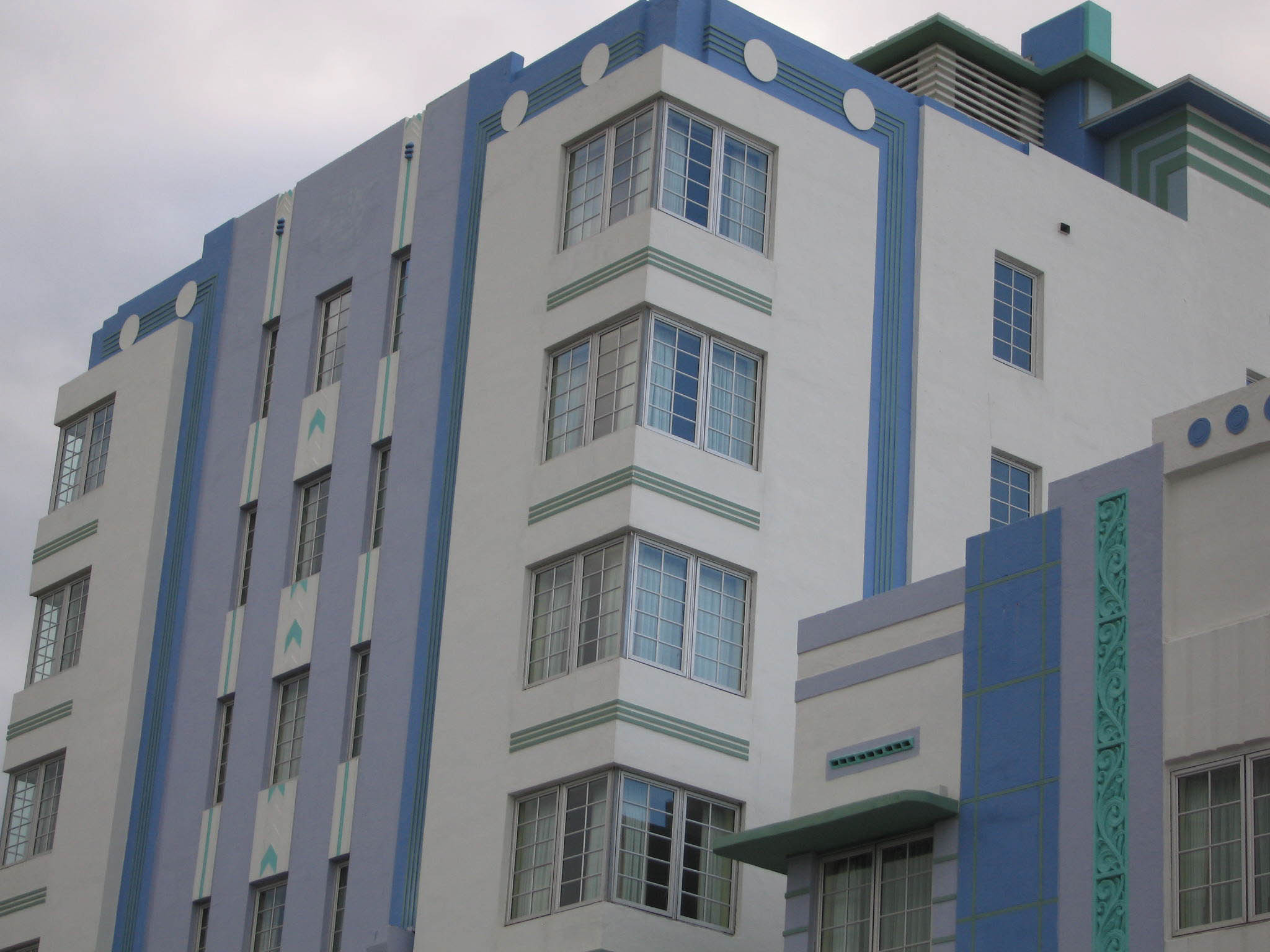
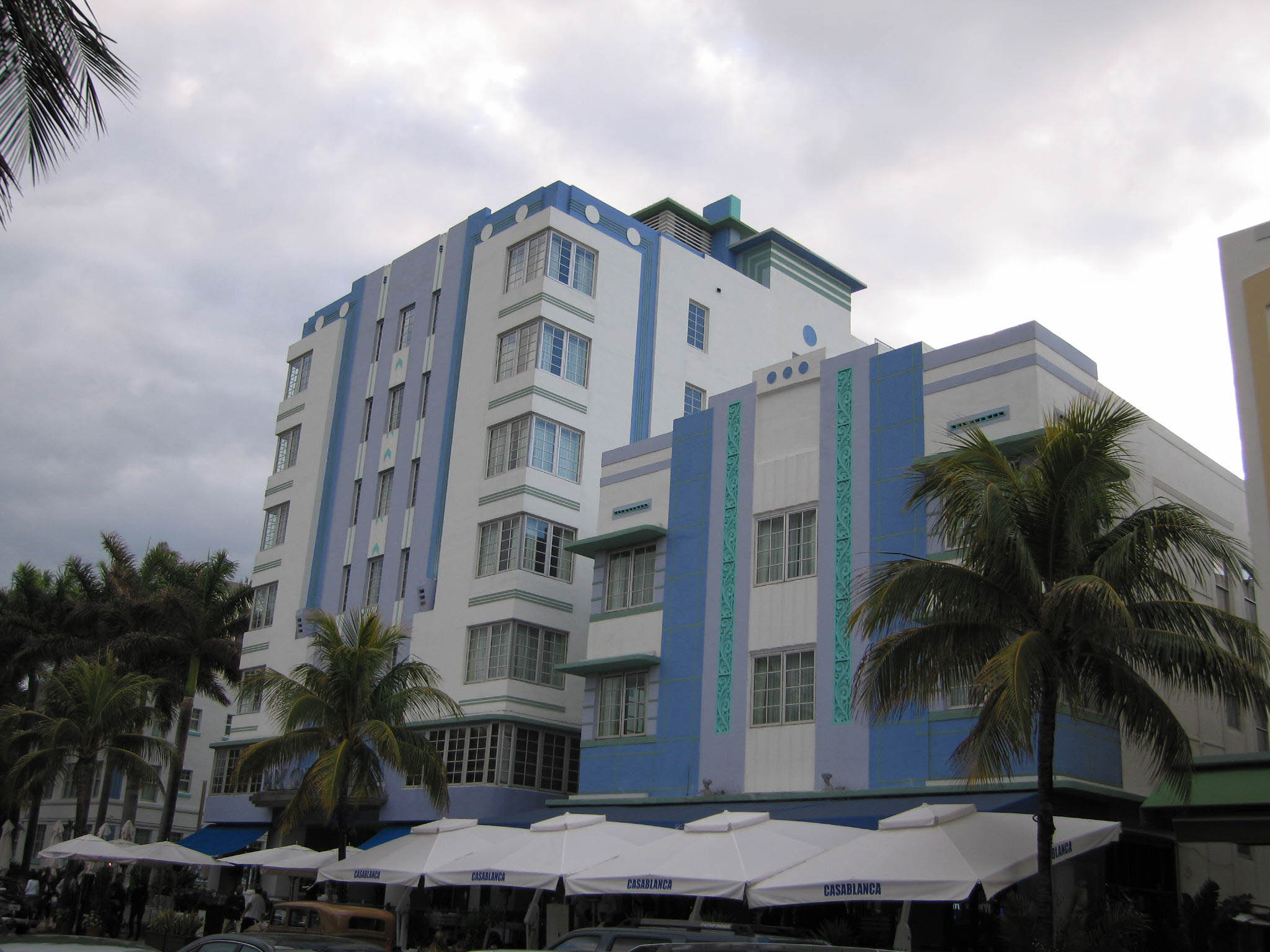
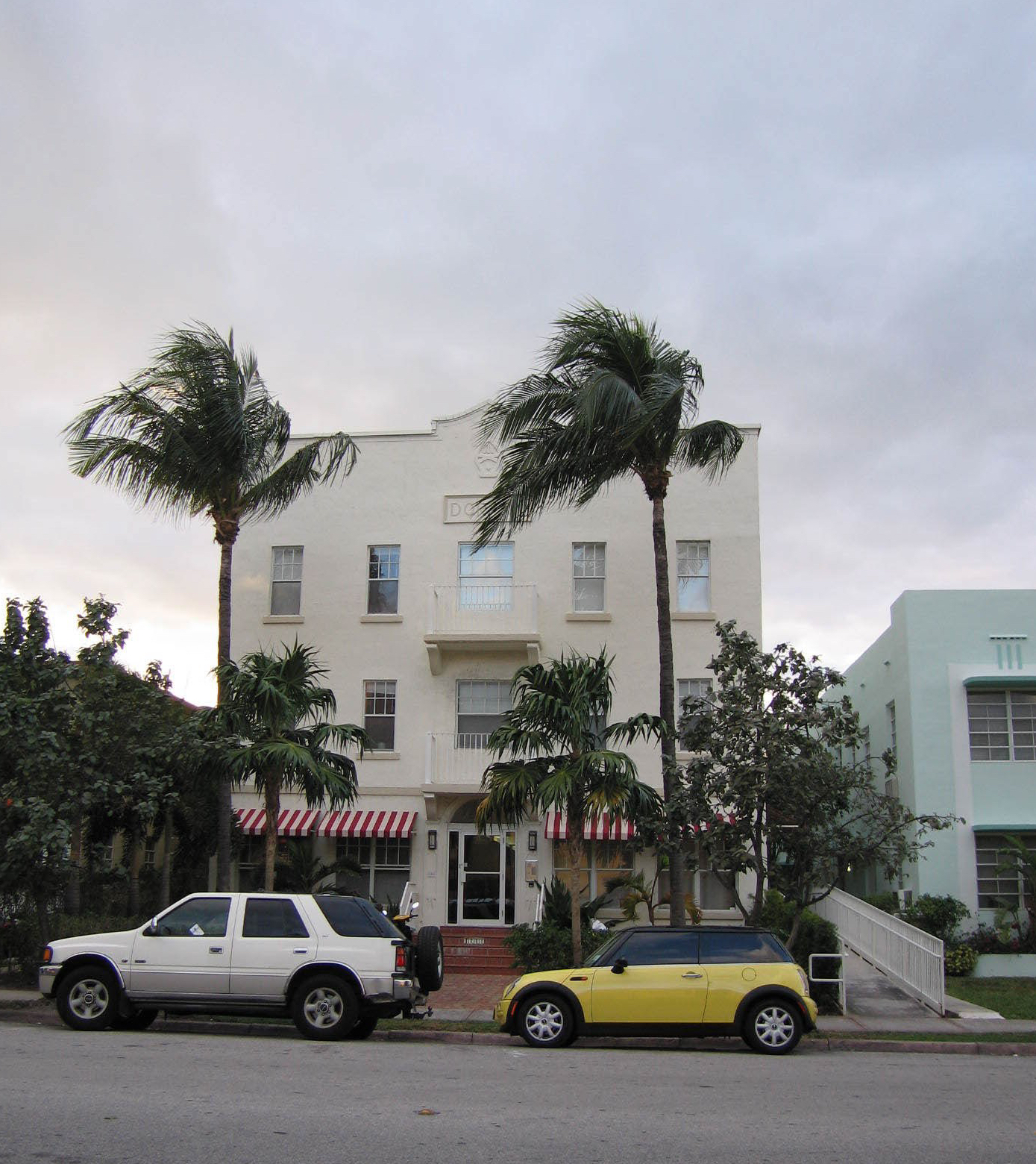
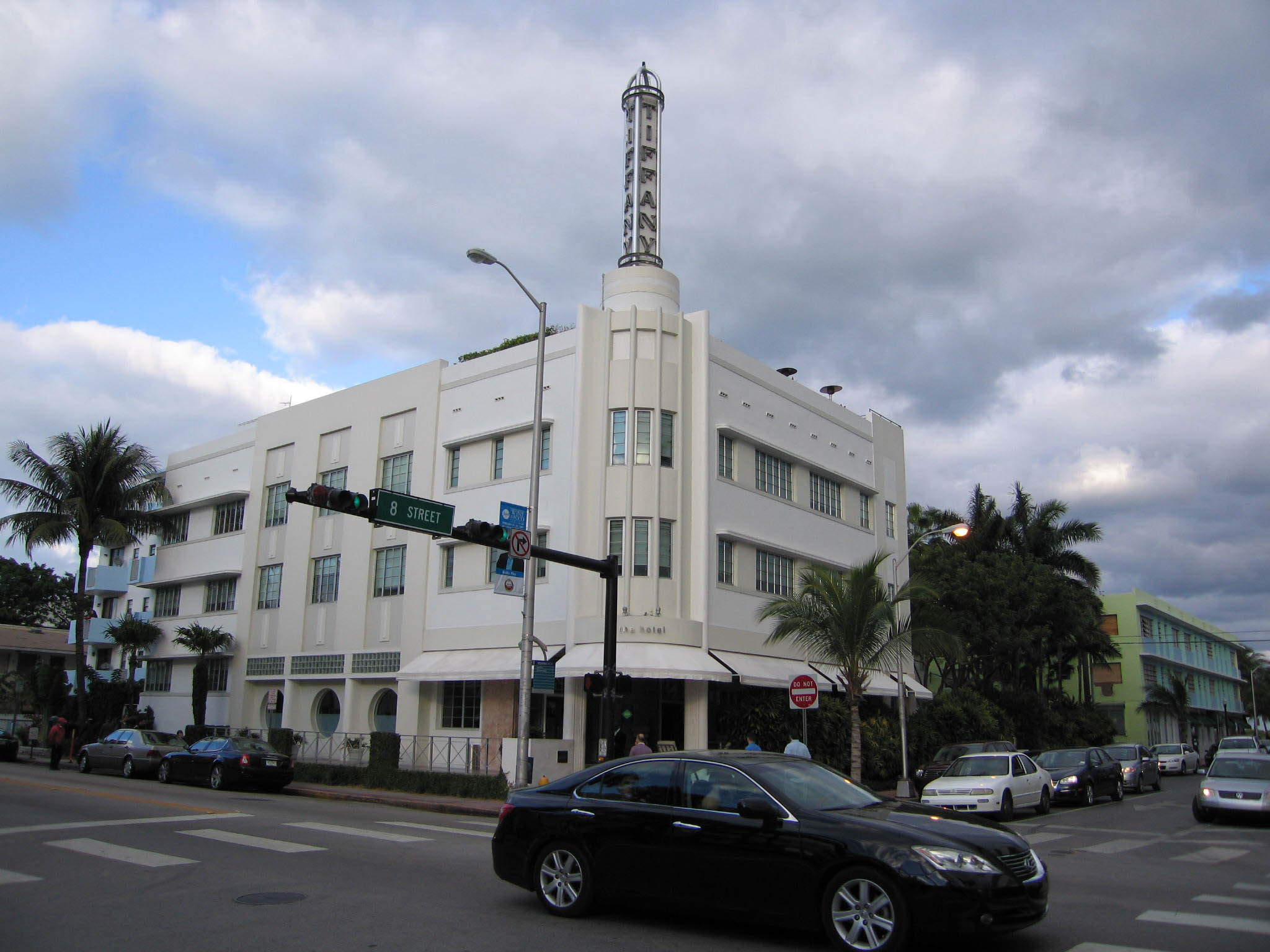
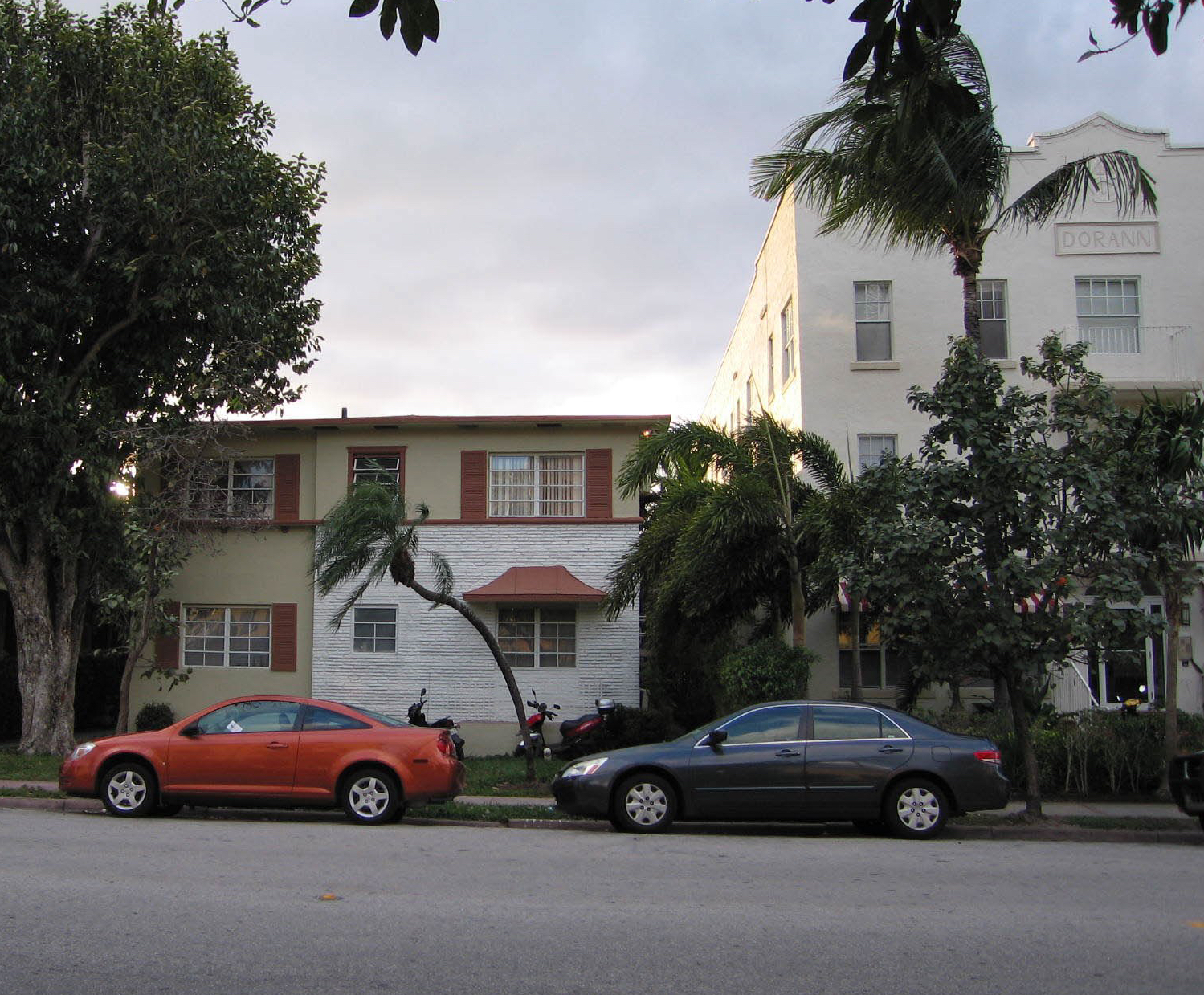
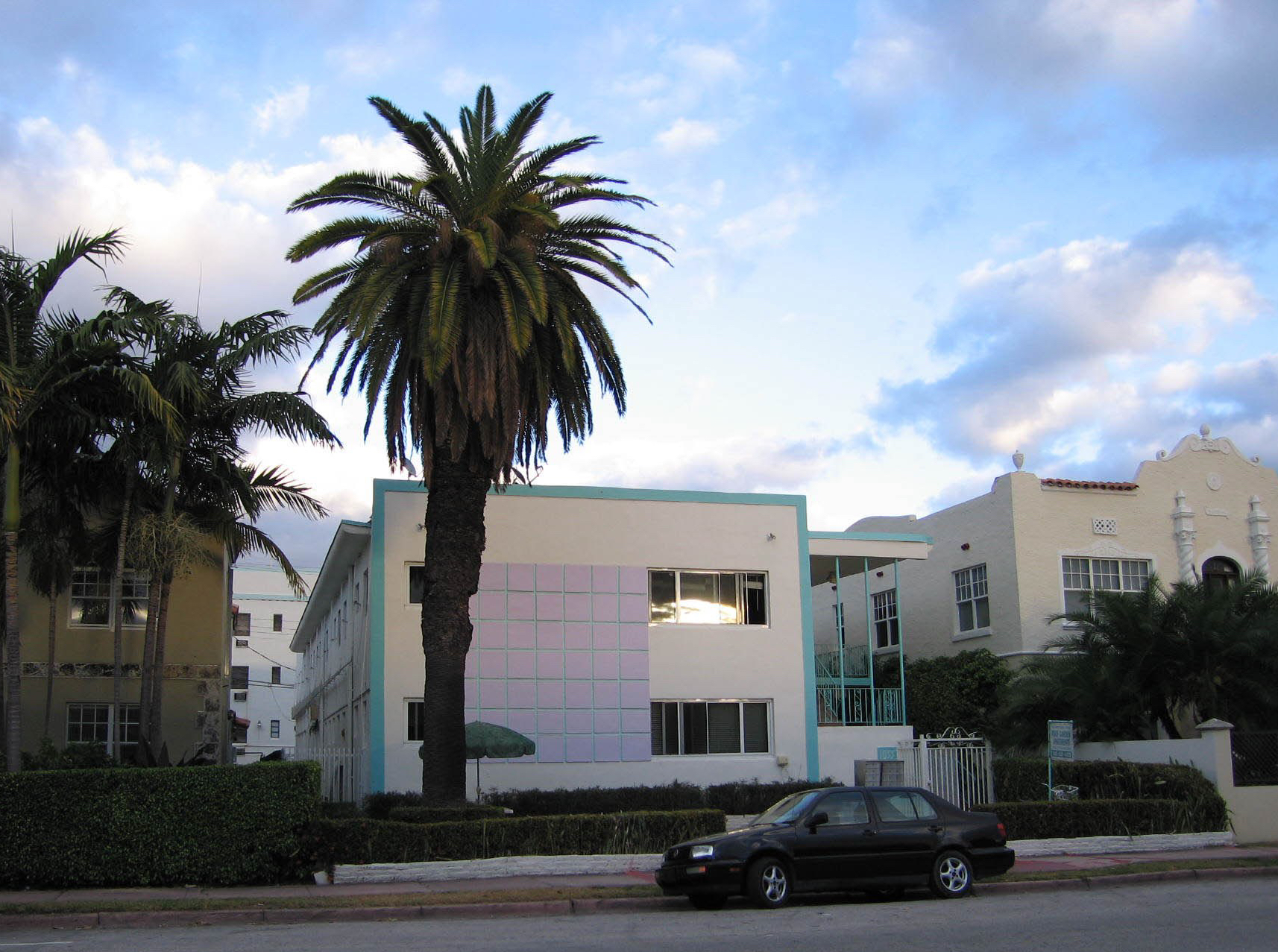
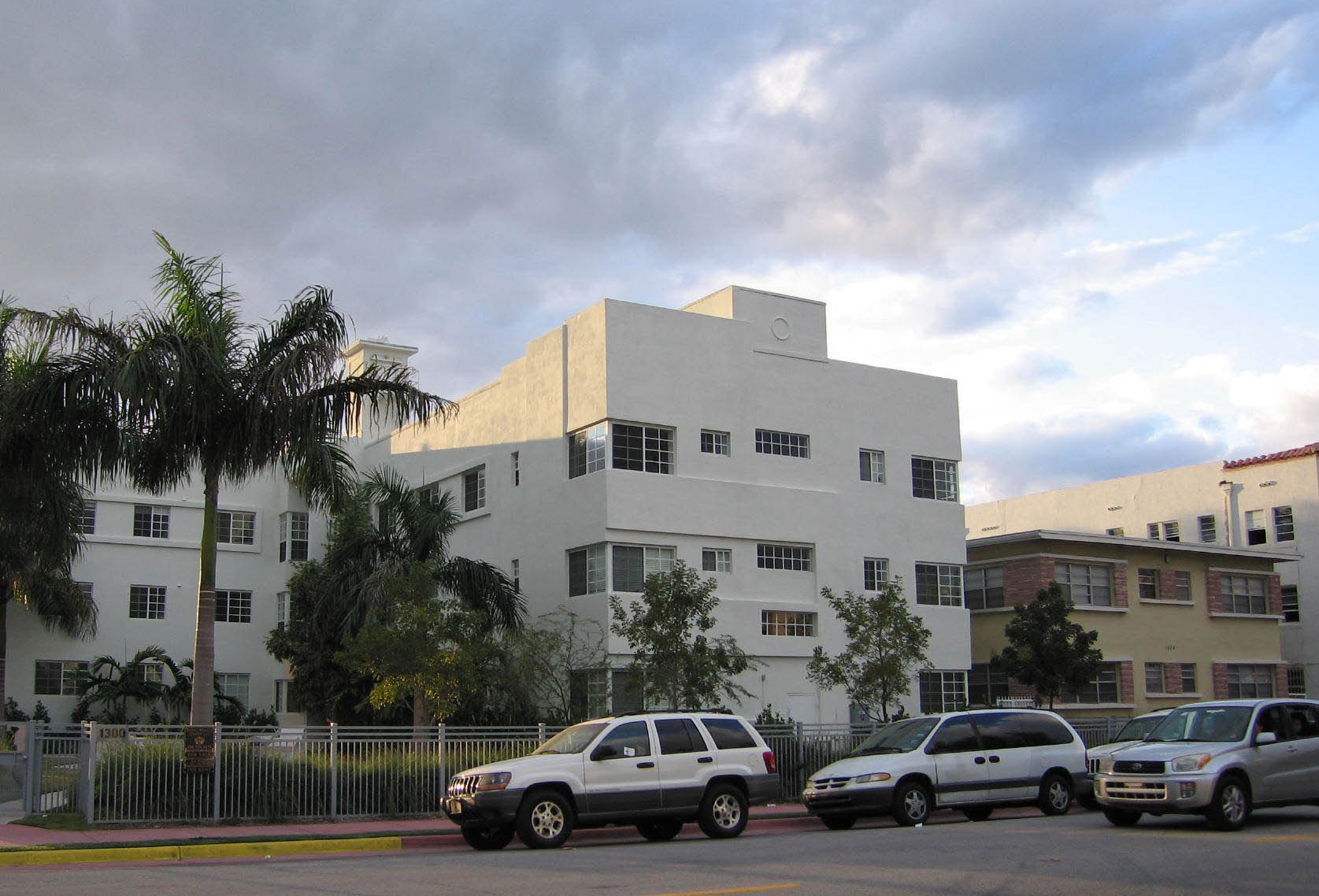
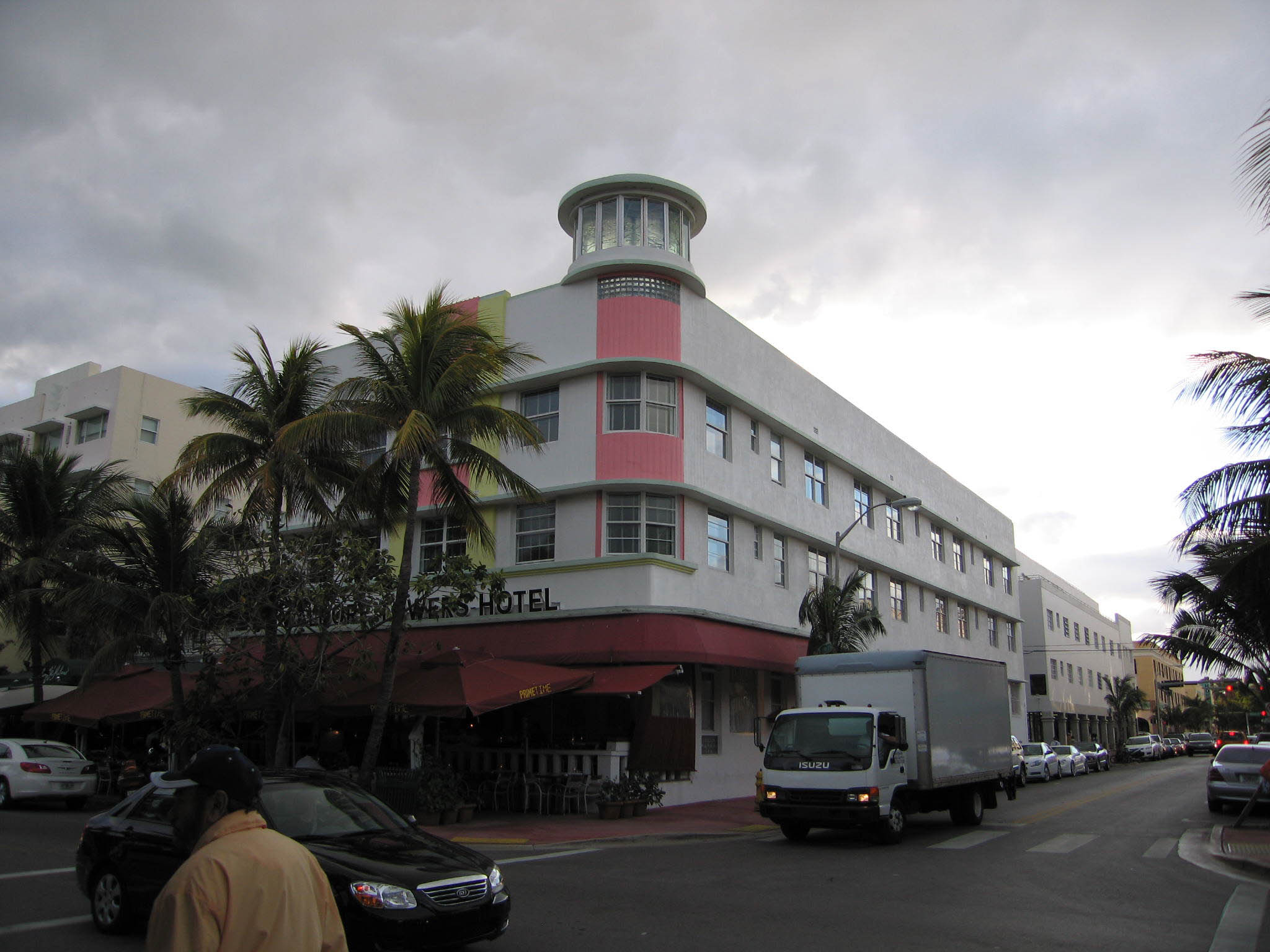
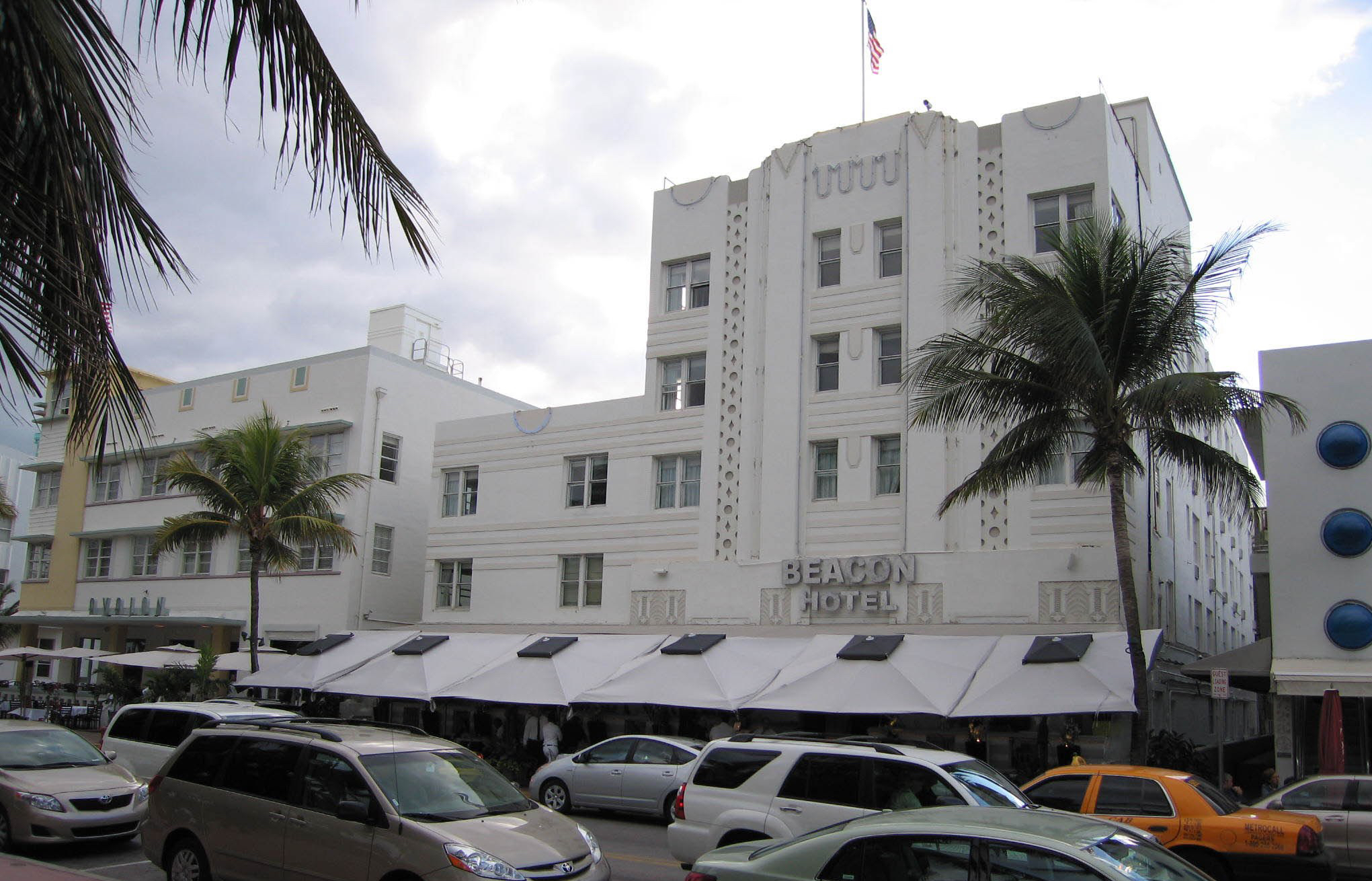
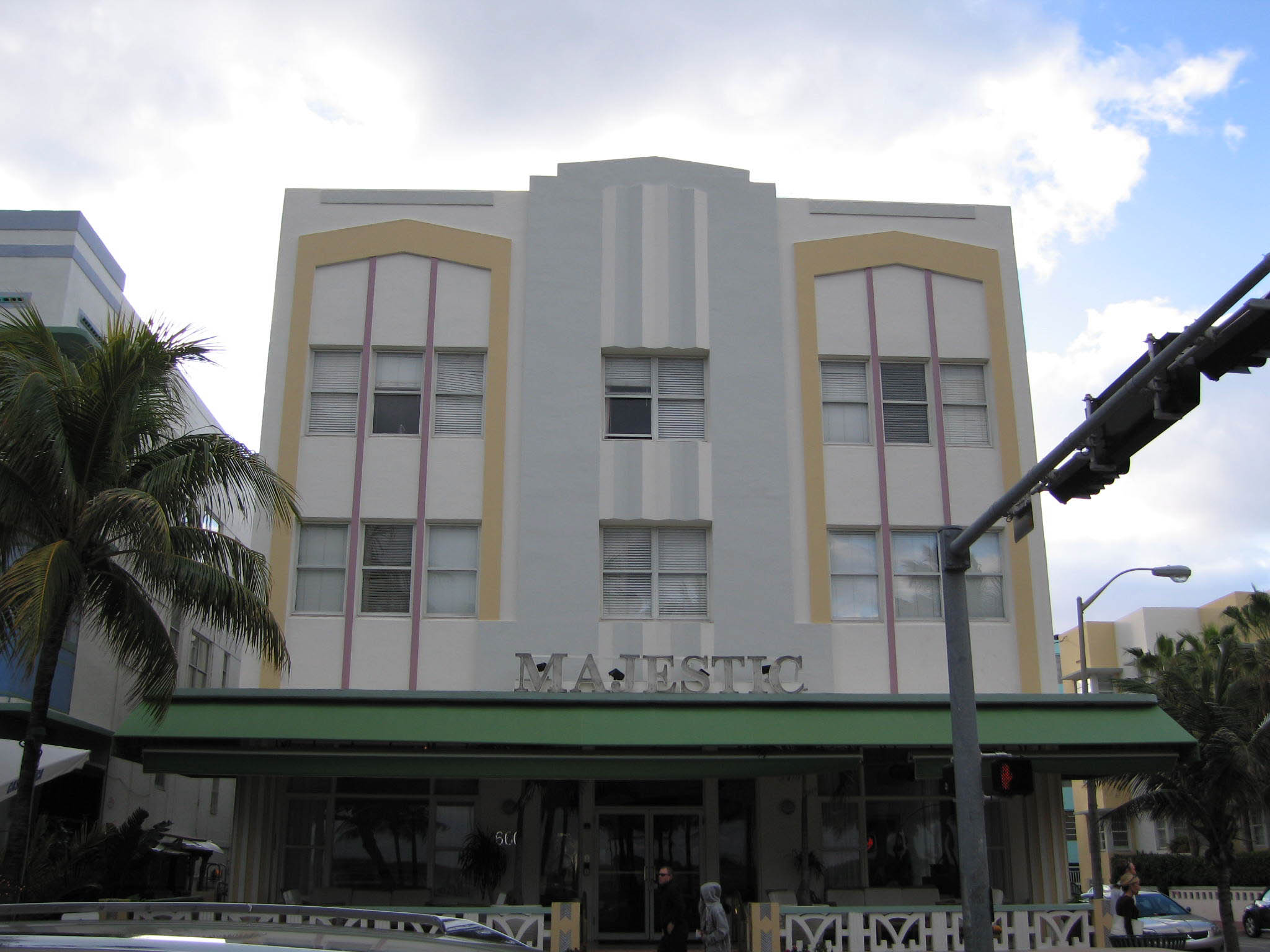
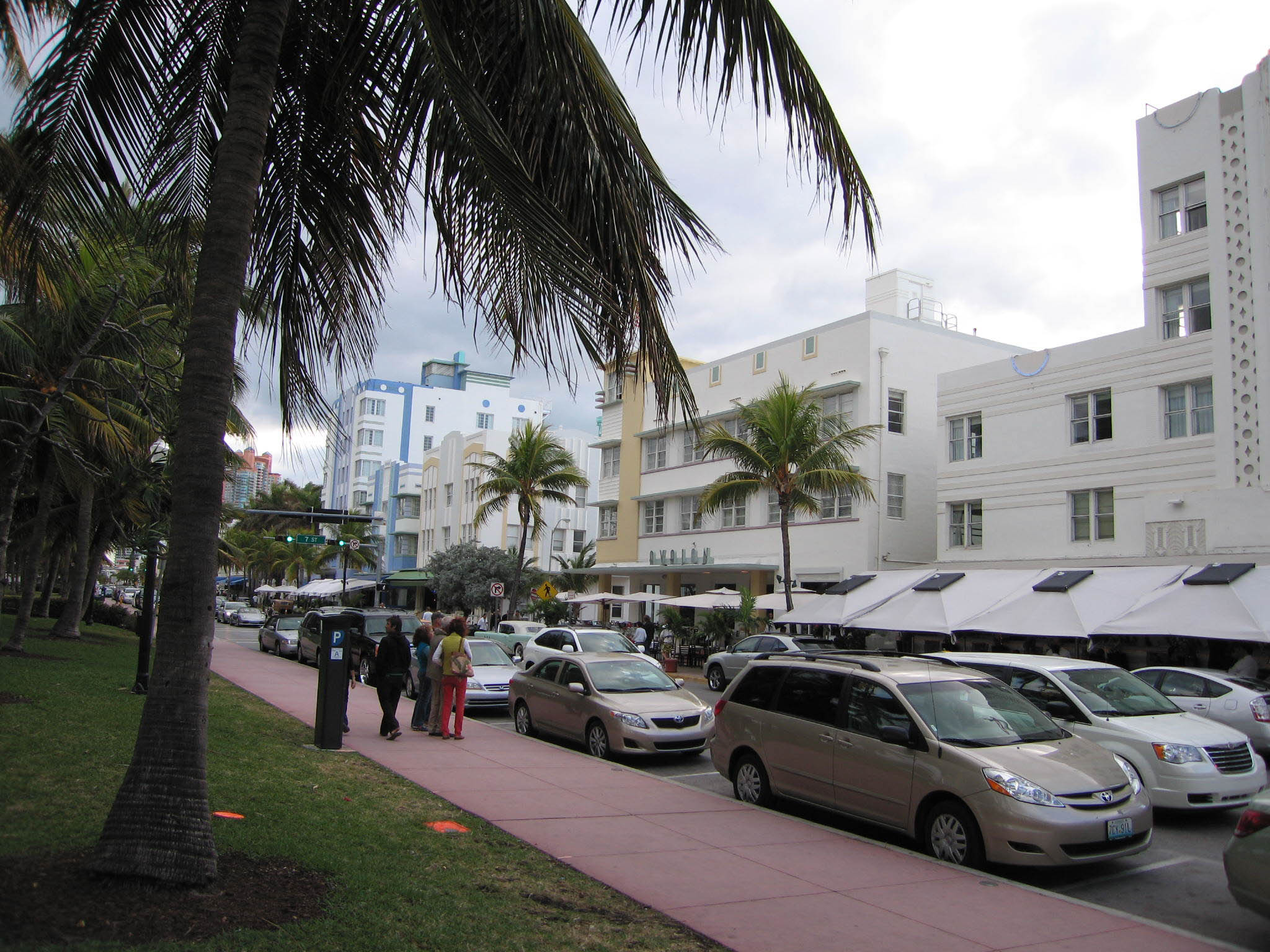
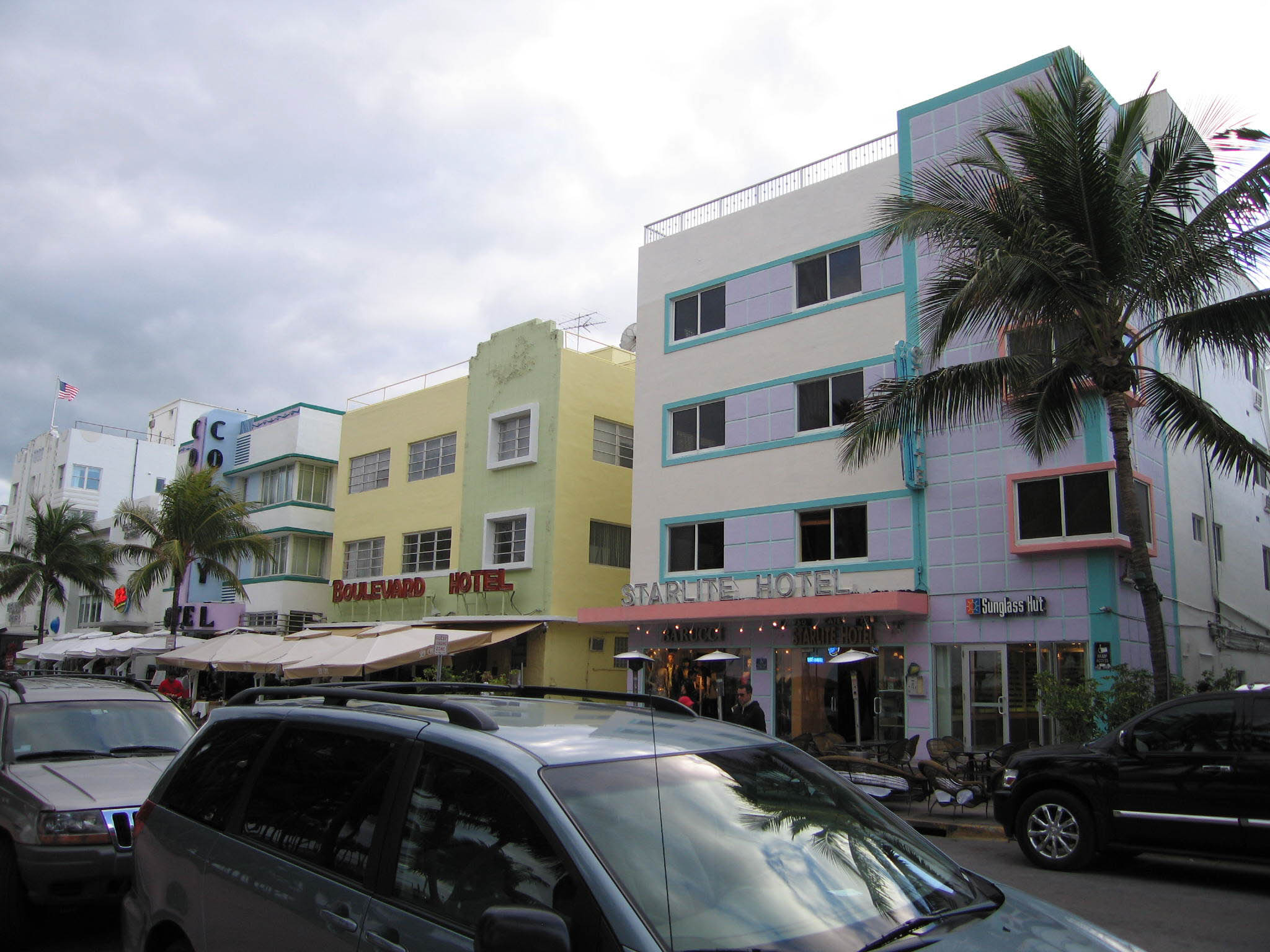
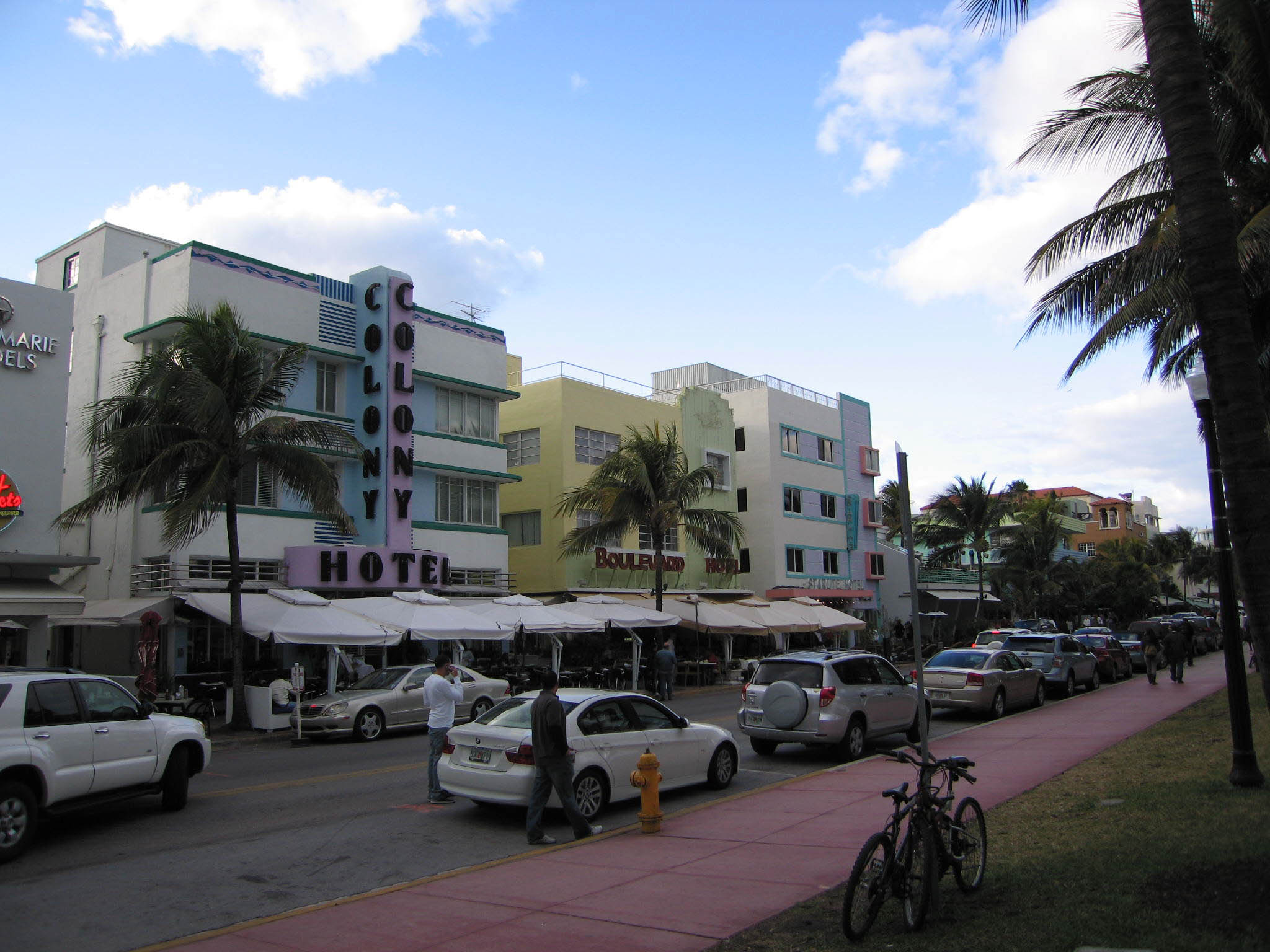
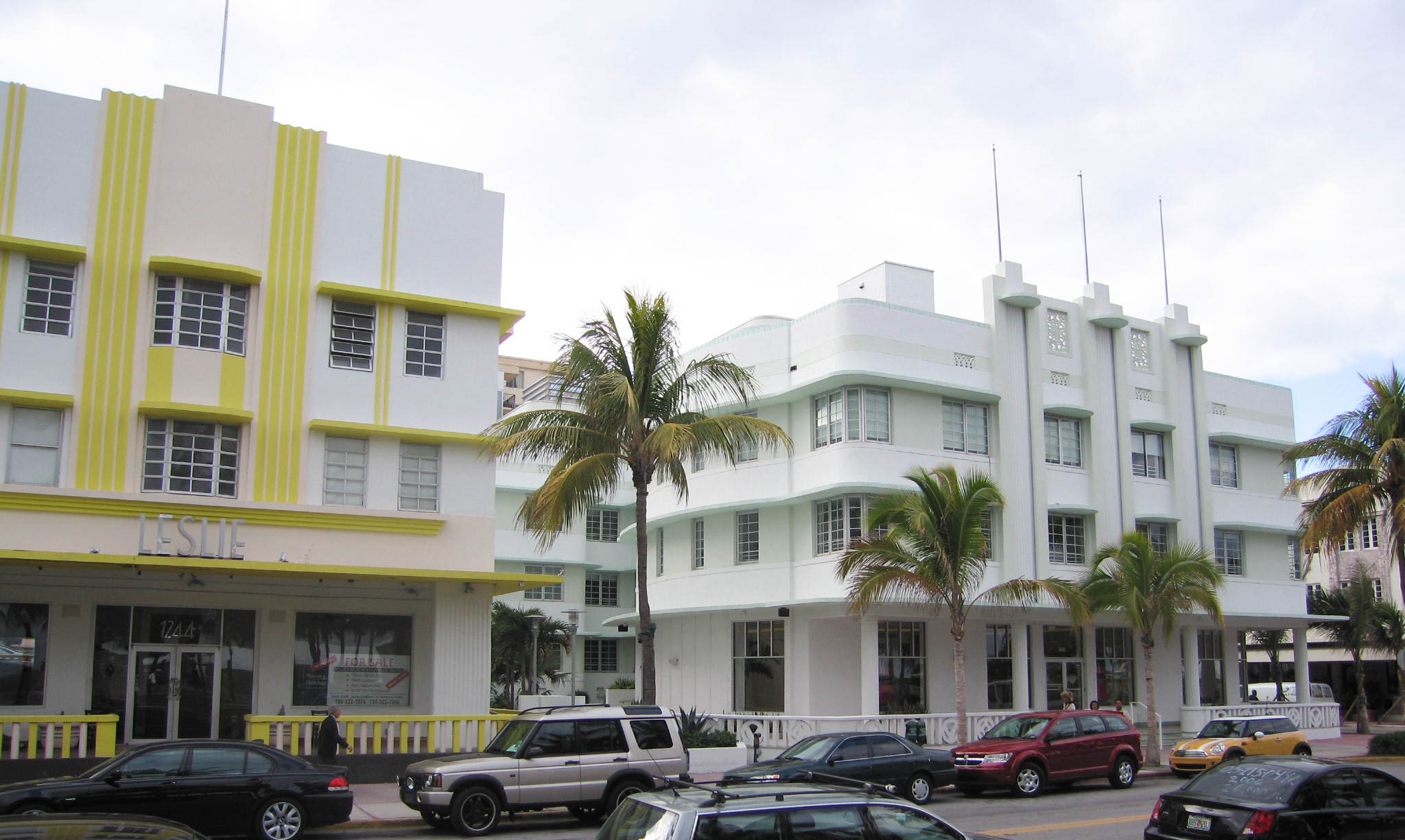
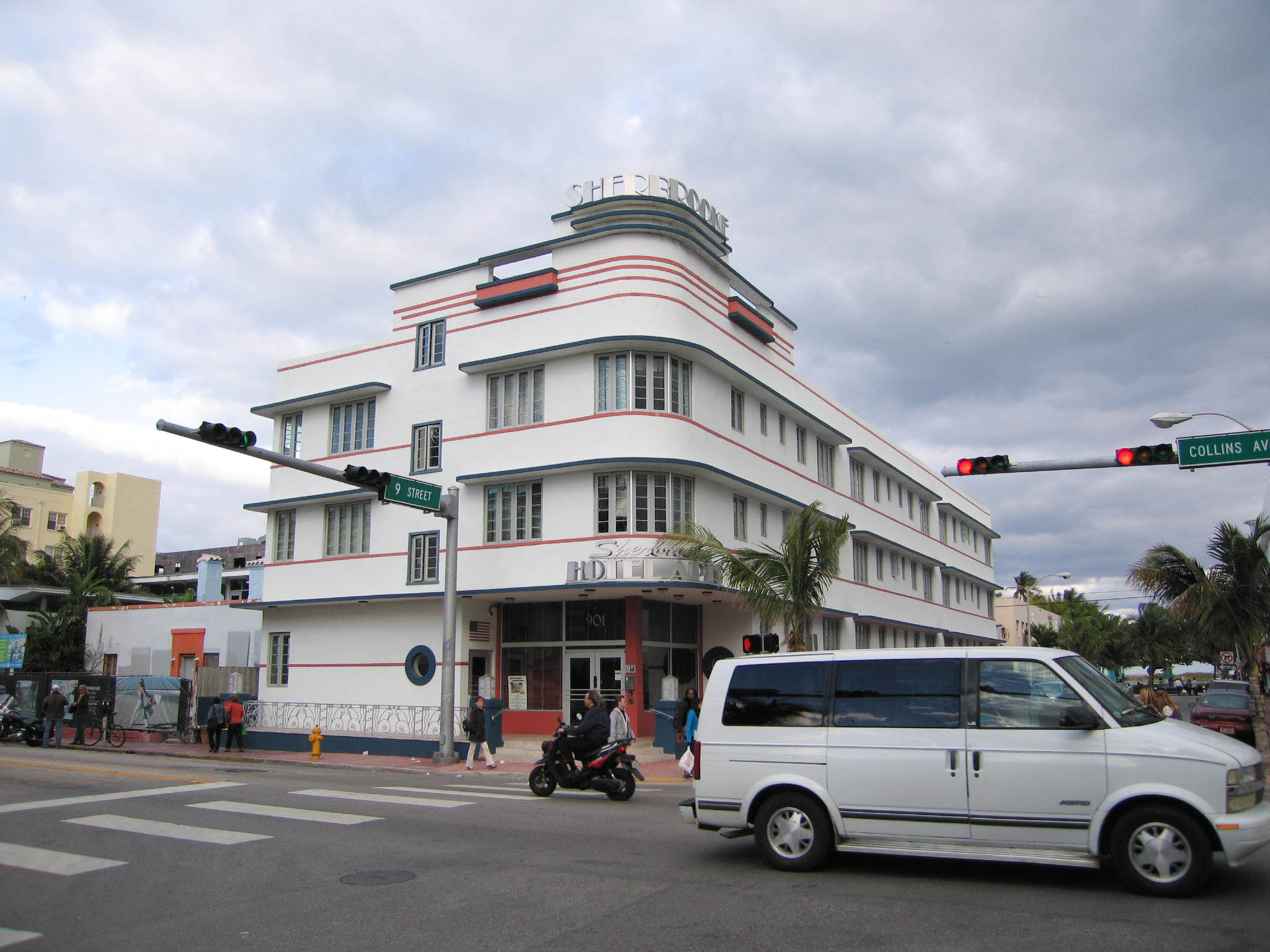
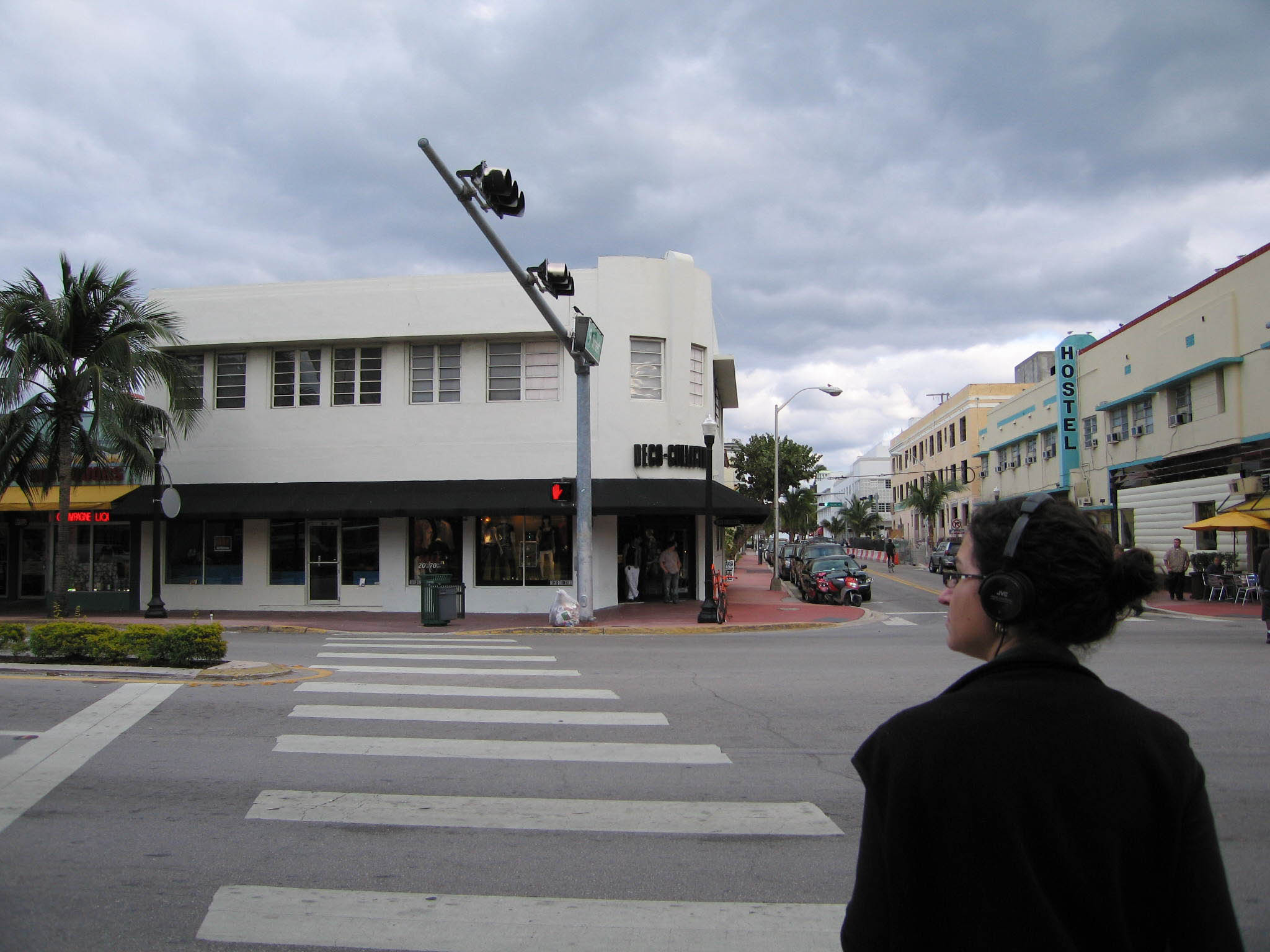
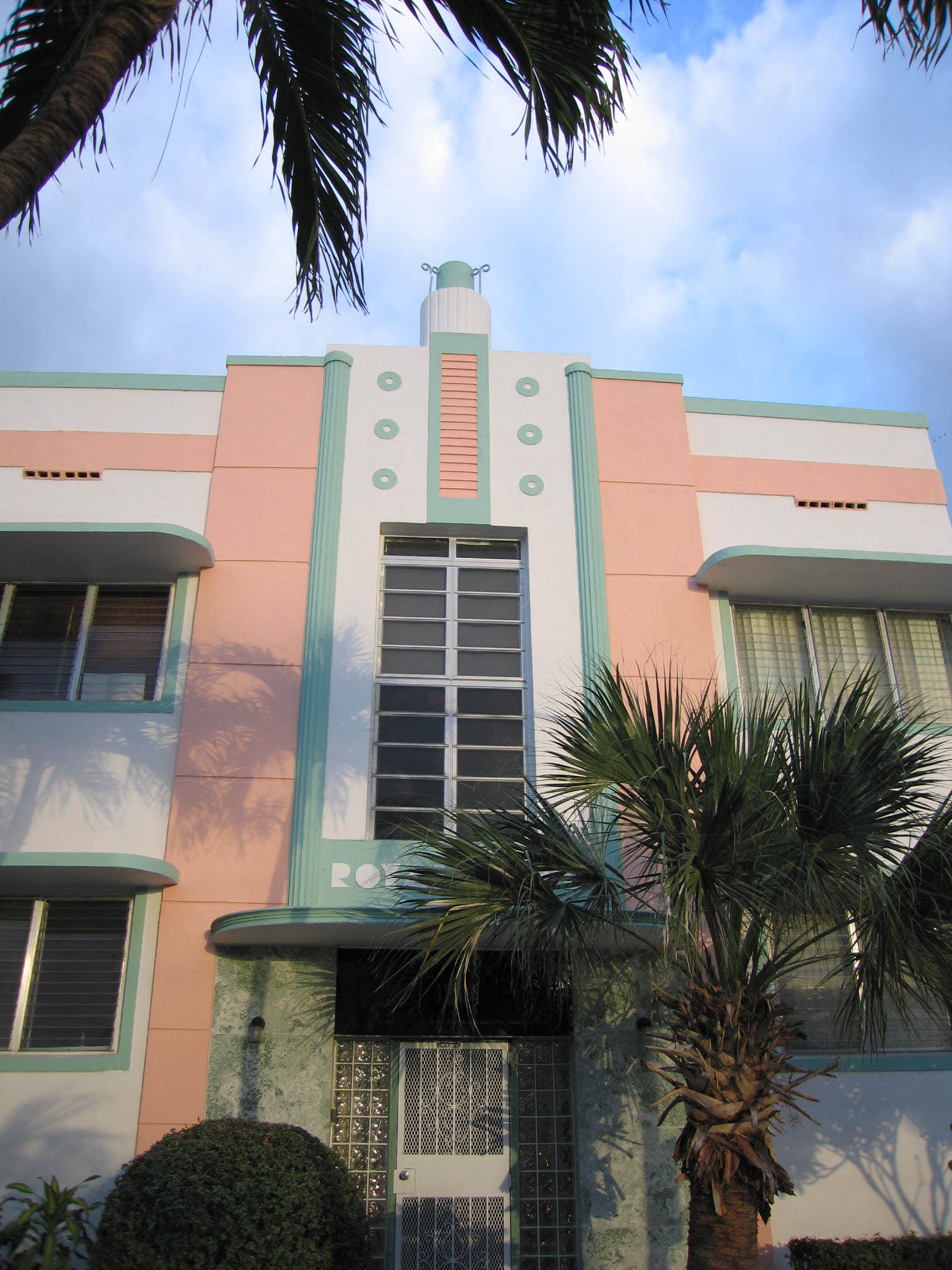
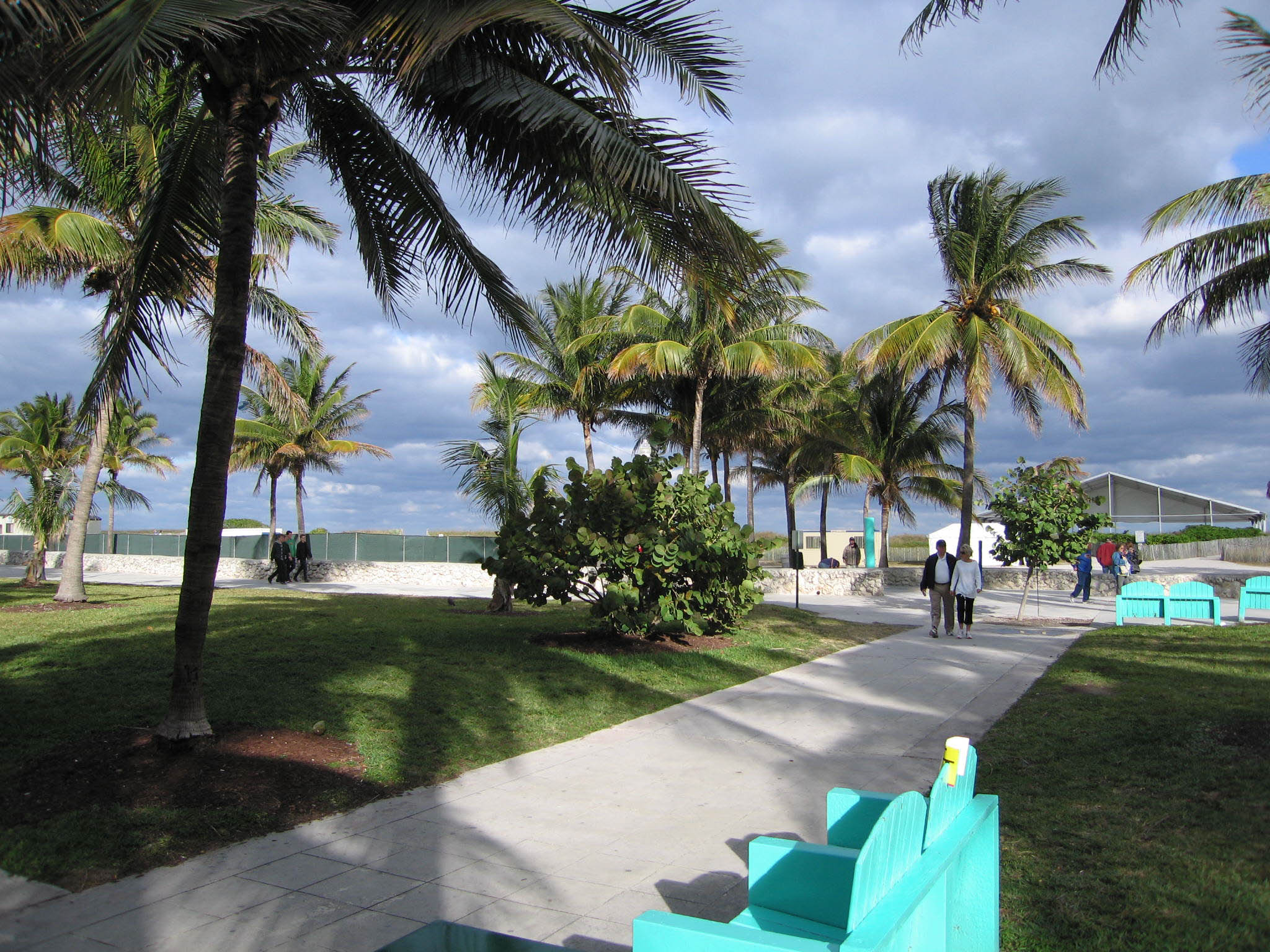
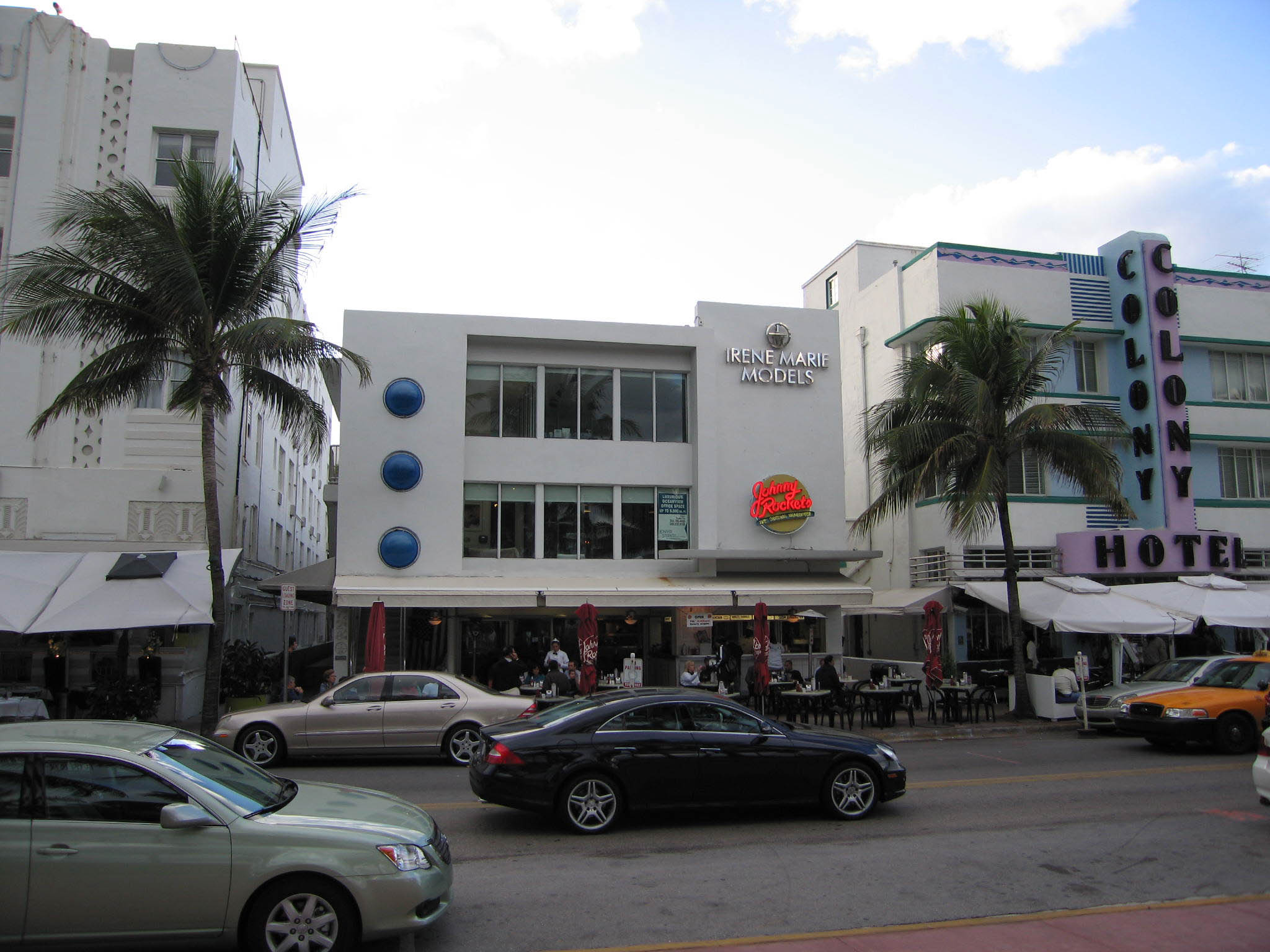
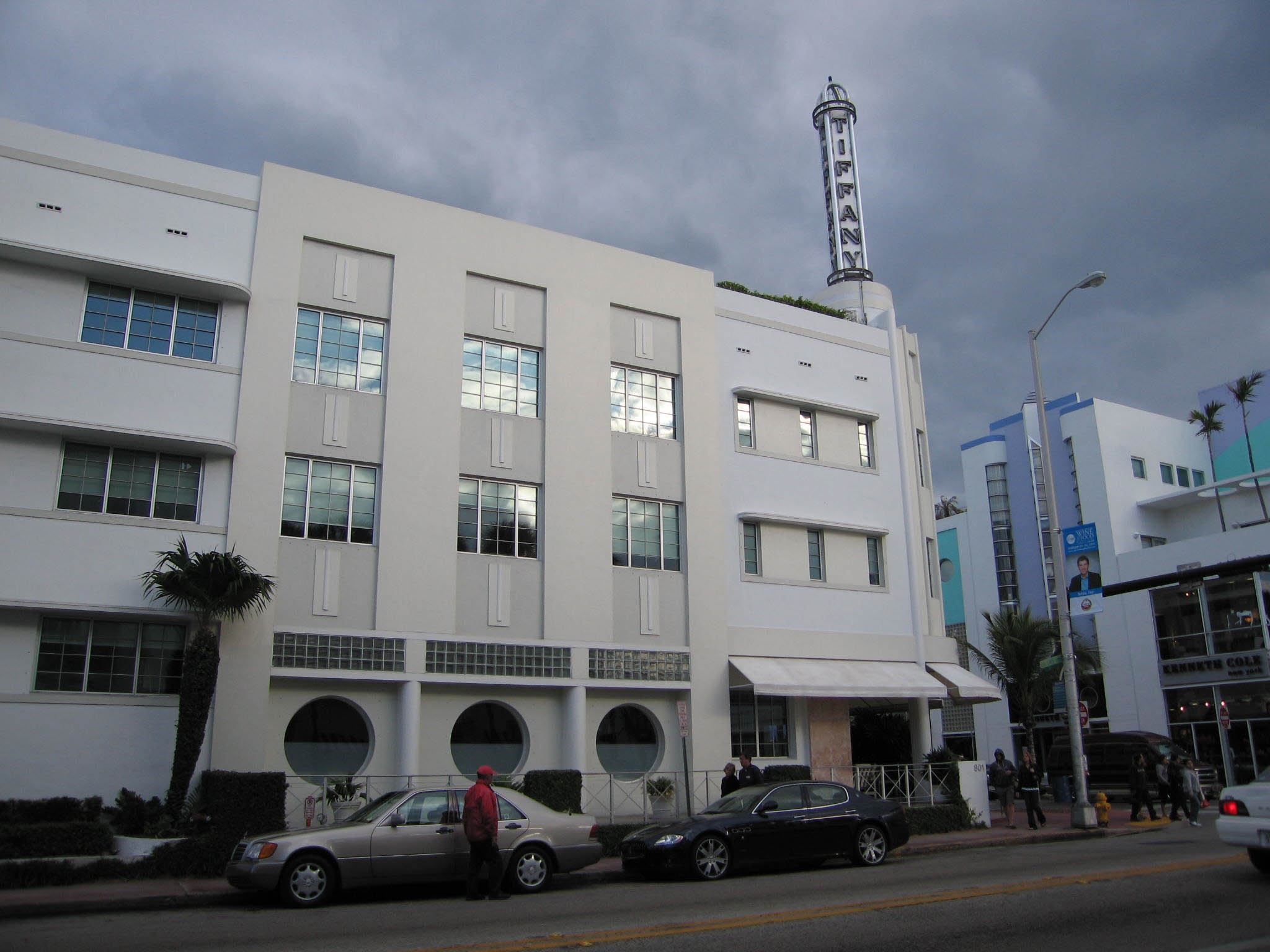
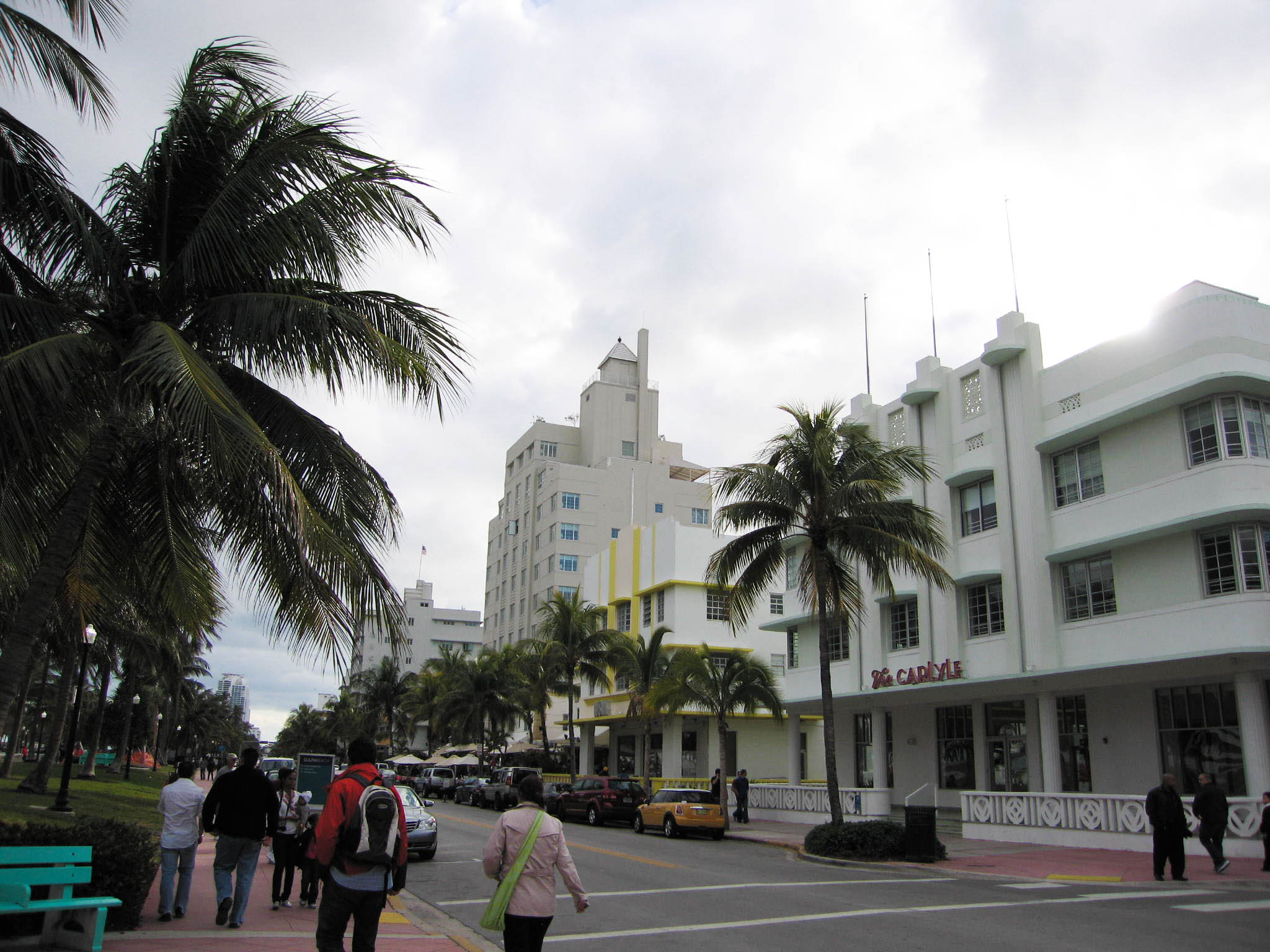
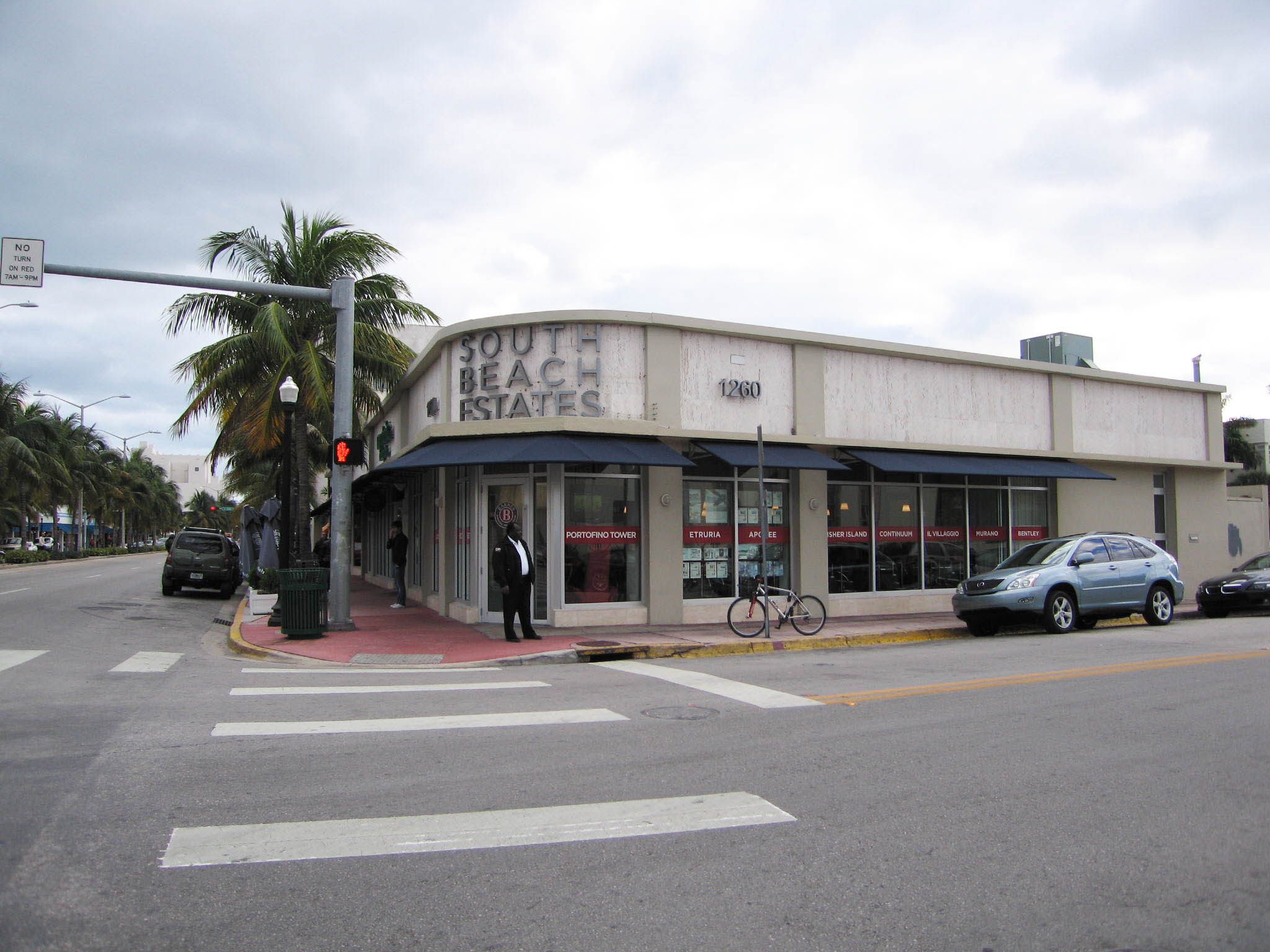
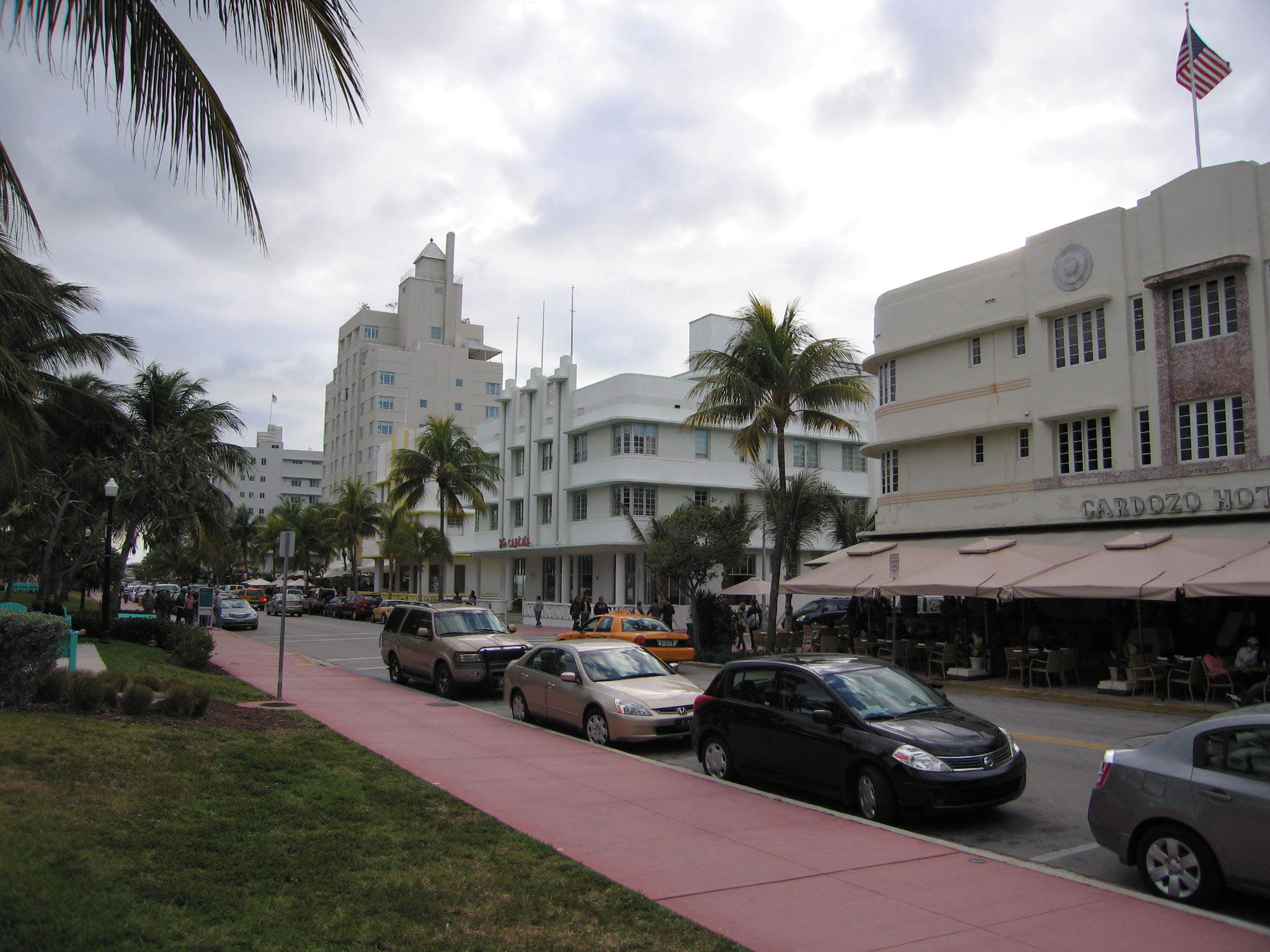
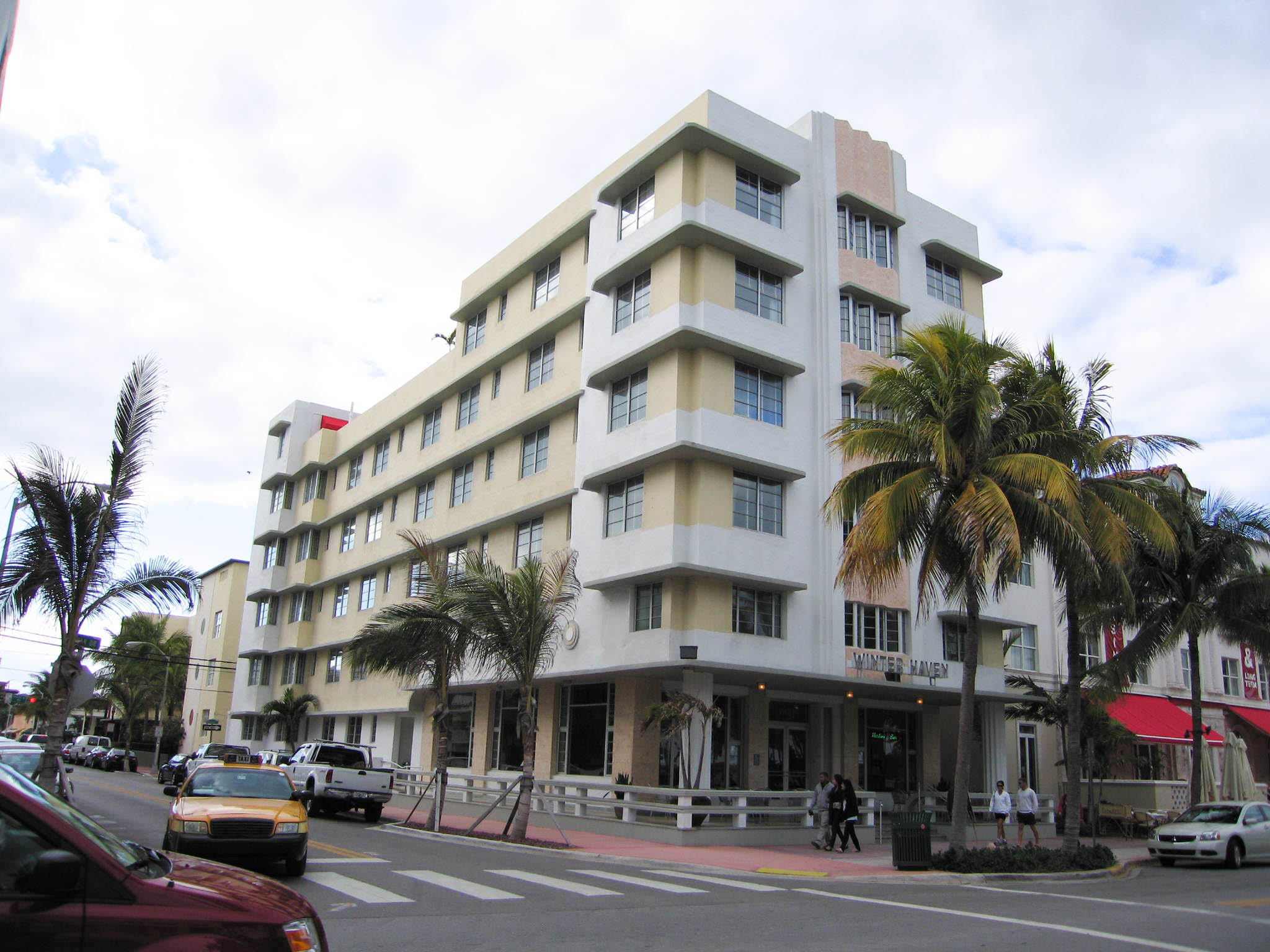
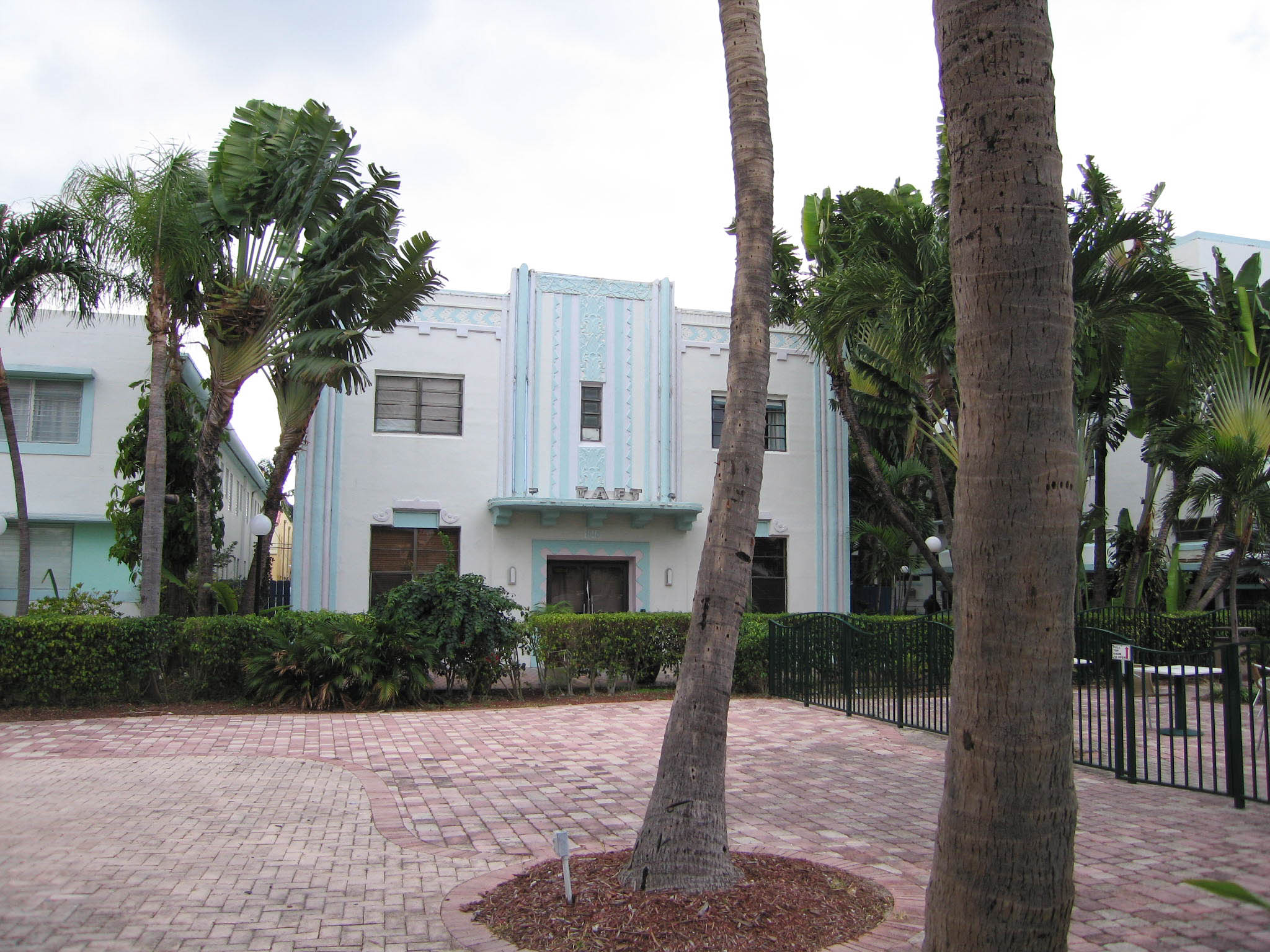
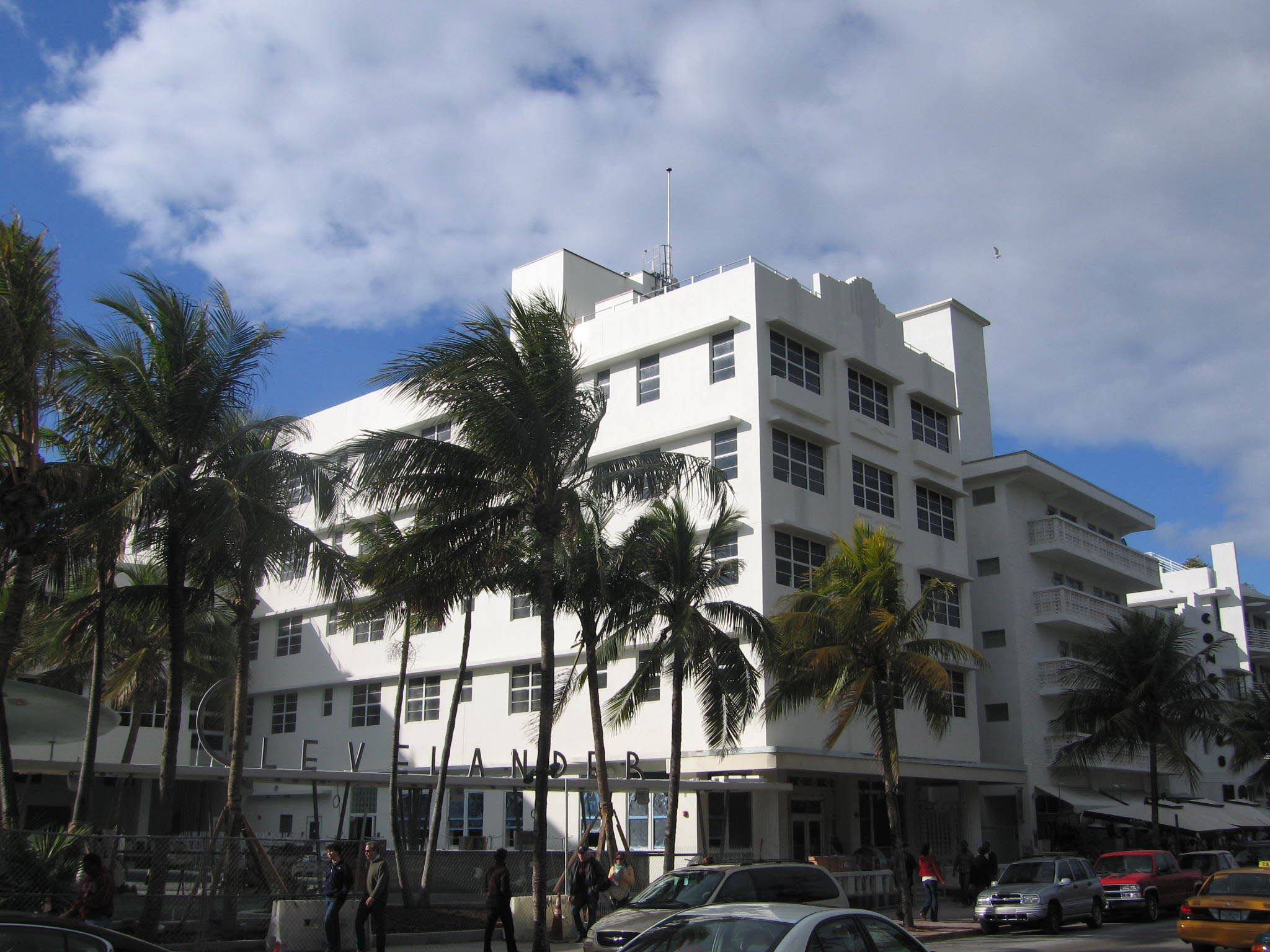
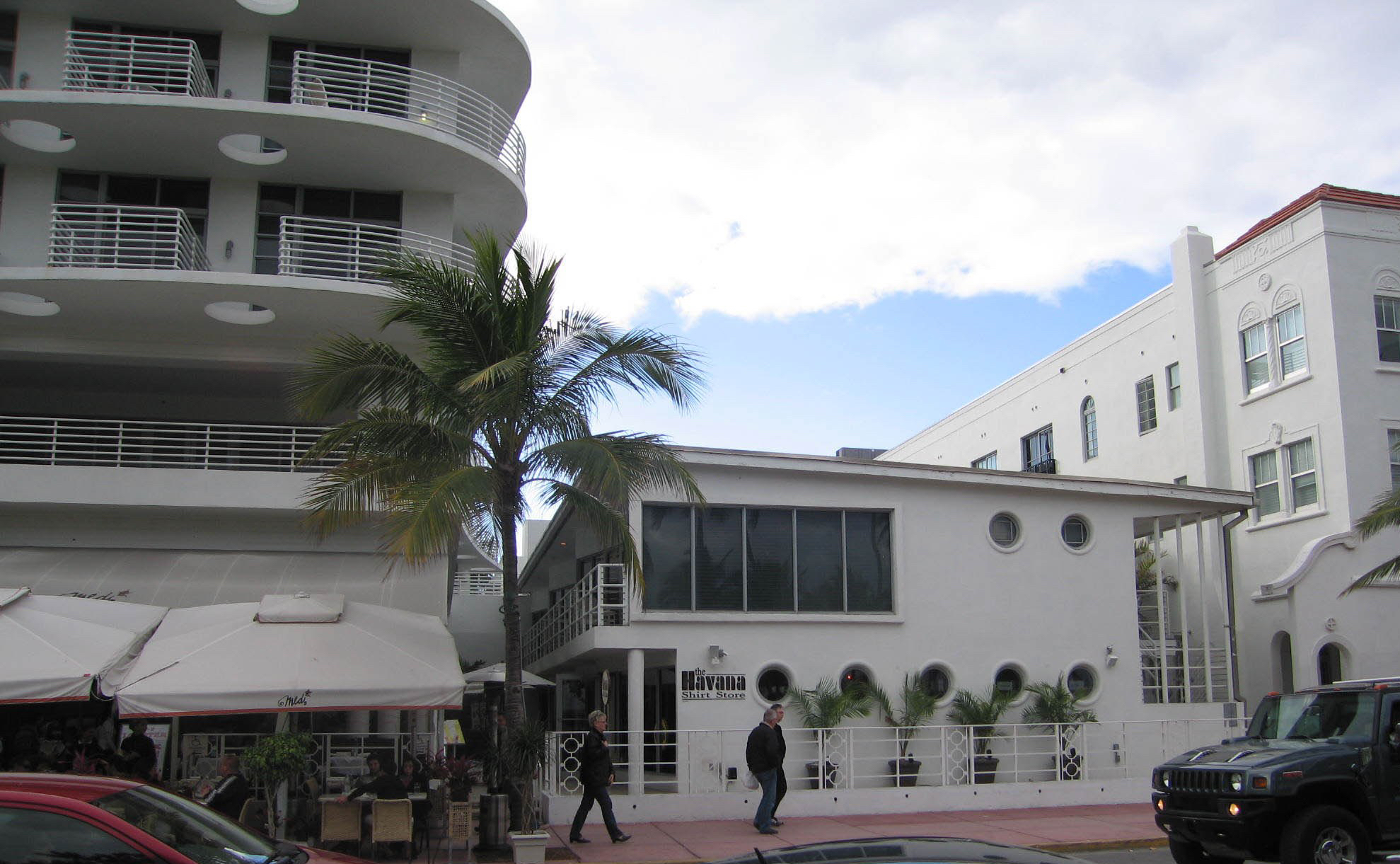
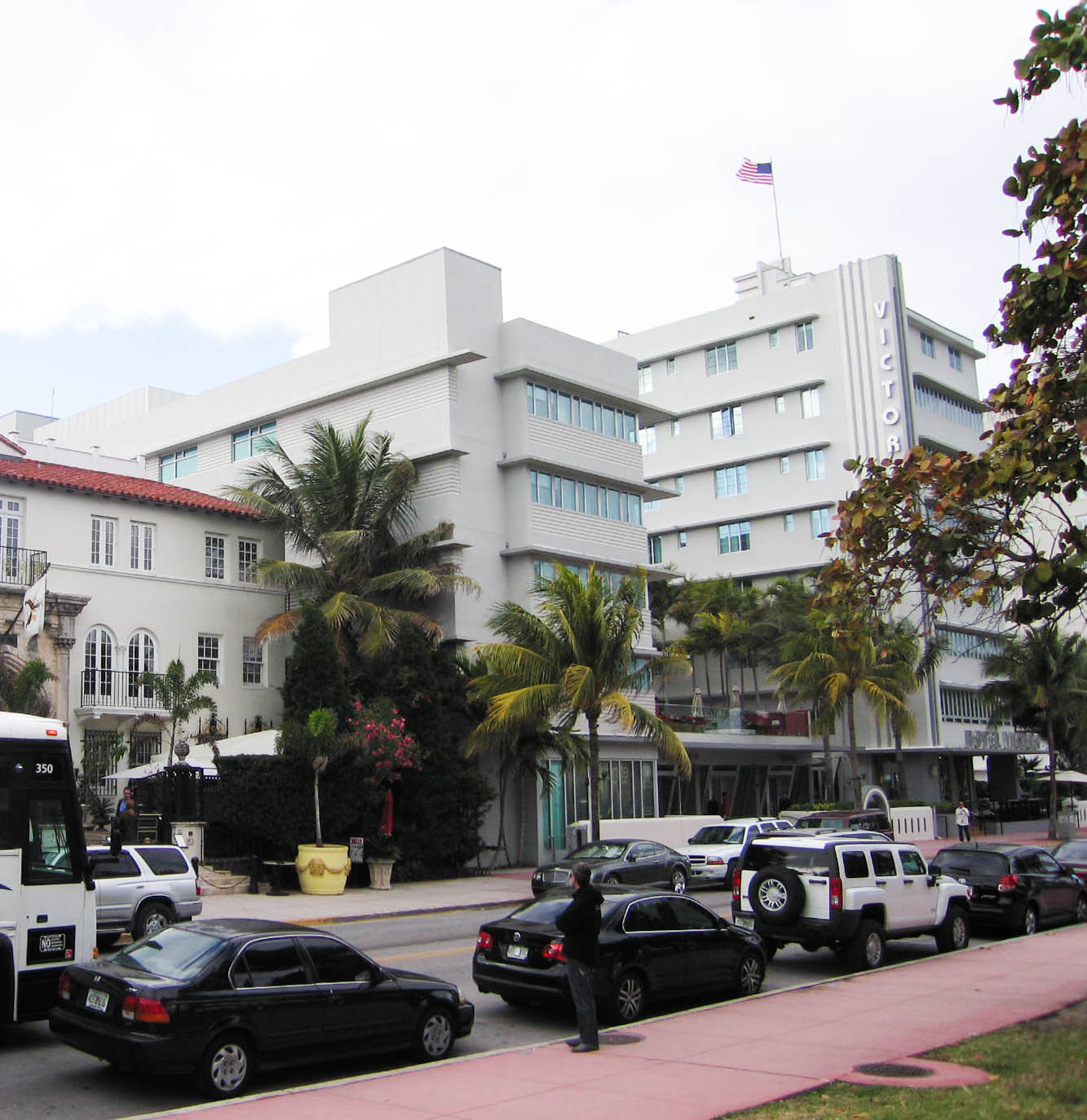
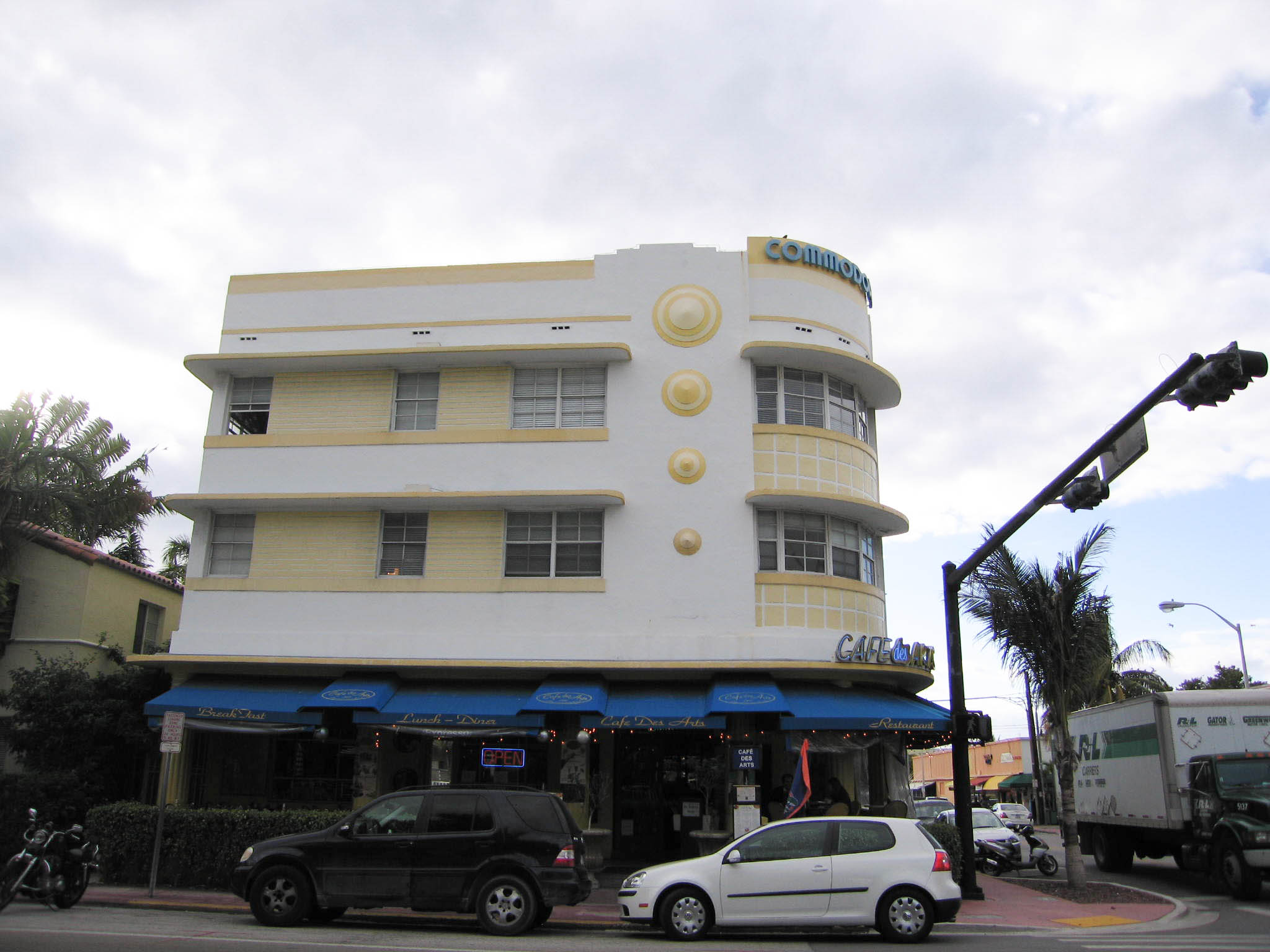
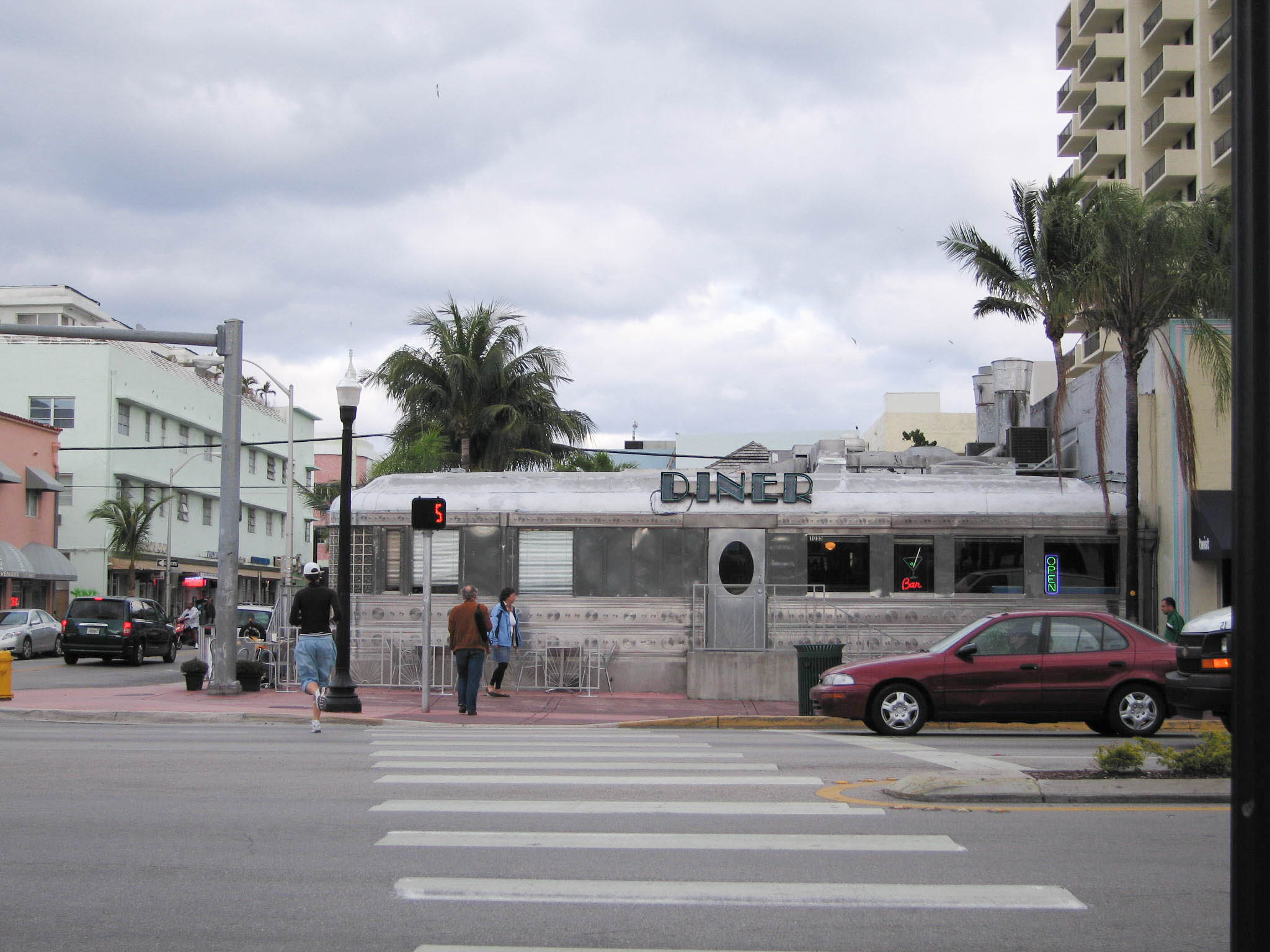
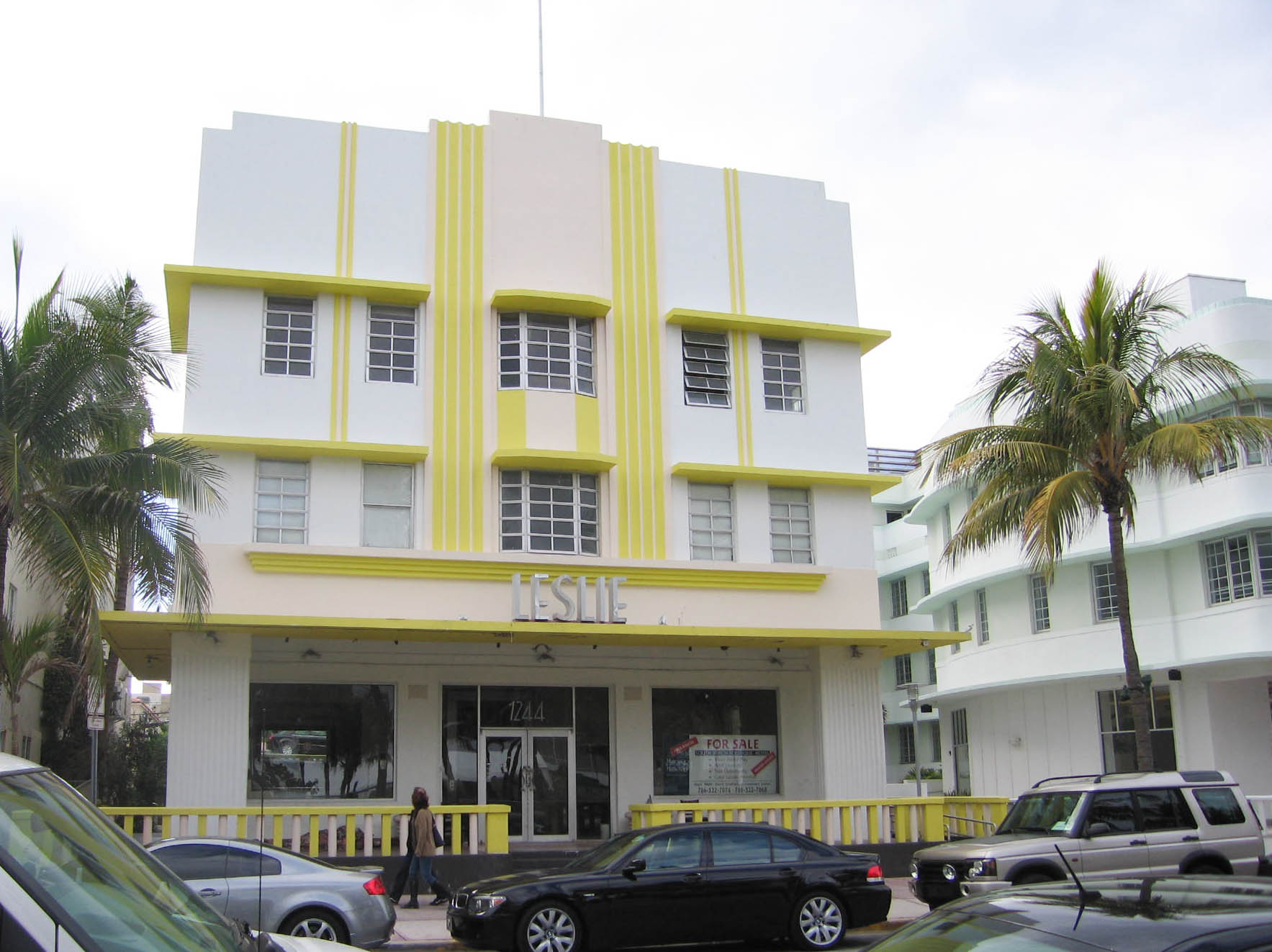
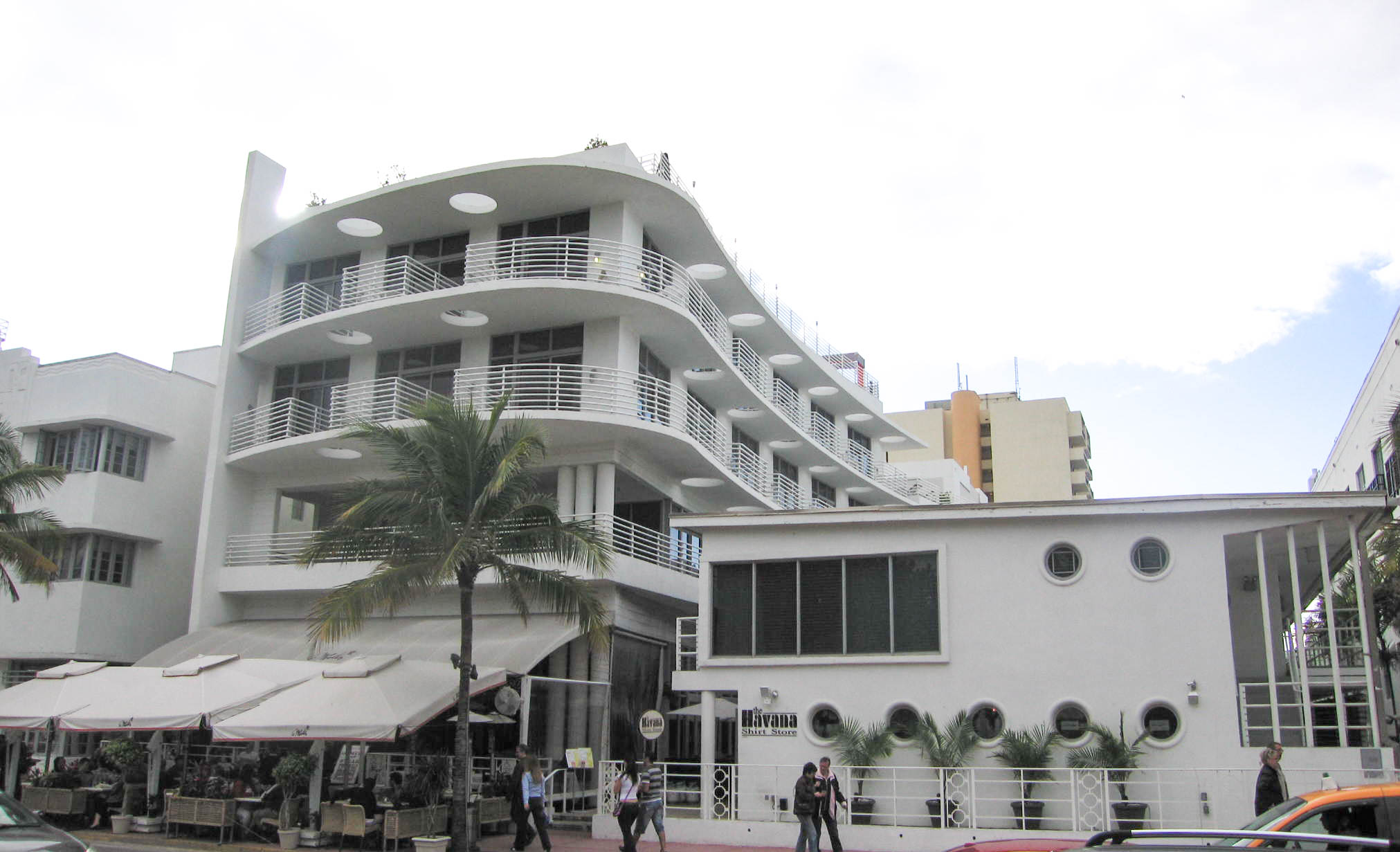
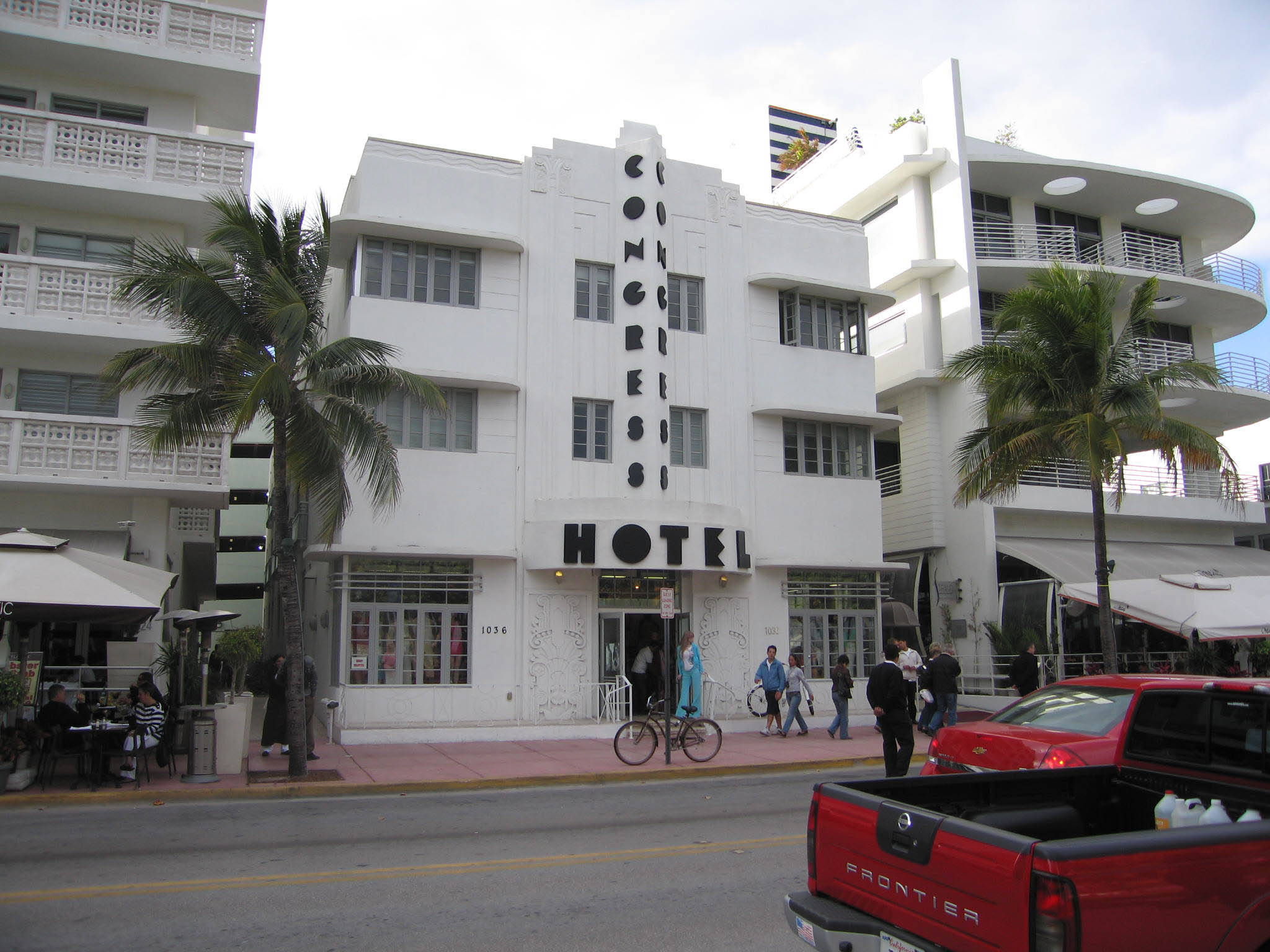
Art Deco Miami Beach-26Art Deco Miami Beach-27Art Deco Miami Beach-32Art Deco Miami Beach-20Art Deco Miami Beach-33art-deco-miami-beach-35.jpgArt Deco Miami Beach-31Art Deco Miami Beach-30art-deco-miami-beach-23.jpgArt Deco Miami Beach-28Art Deco Miami Beach-24Art Deco Miami Beach-21Art Deco Miami Beach-25Art Deco Miami Beach-7Art Deco Miami Beach-18Art Deco Miami Beach-17Art Deco Miami Beach-34Art Deco Miami Beach-8Art Deco Miami Beach-22Art Deco Miami Beach-19Art Deco Miami Beach-9Art Deco Miami Beach-13Art Deco Miami Beach-10Art Deco Miami Beach-11Art Deco Miami Beach-15Art Deco Miami Beach-1Art Deco Miami Beach-3art-deco-miami-beach-16-e1499349338338.jpgArt Deco Miami Beach-5Art Deco Miami Beach-12Art Deco Miami Beach-14Art Deco Miami Beach-6Art Deco Miami Beach-4Art Deco Miami Beach-2

Read Full Post »

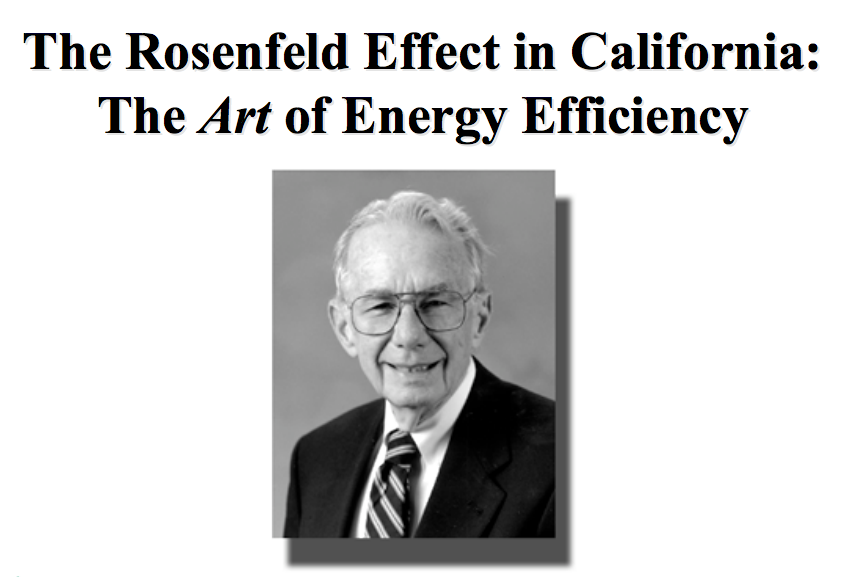
Rosenfeld Affect


Art Rosenfled

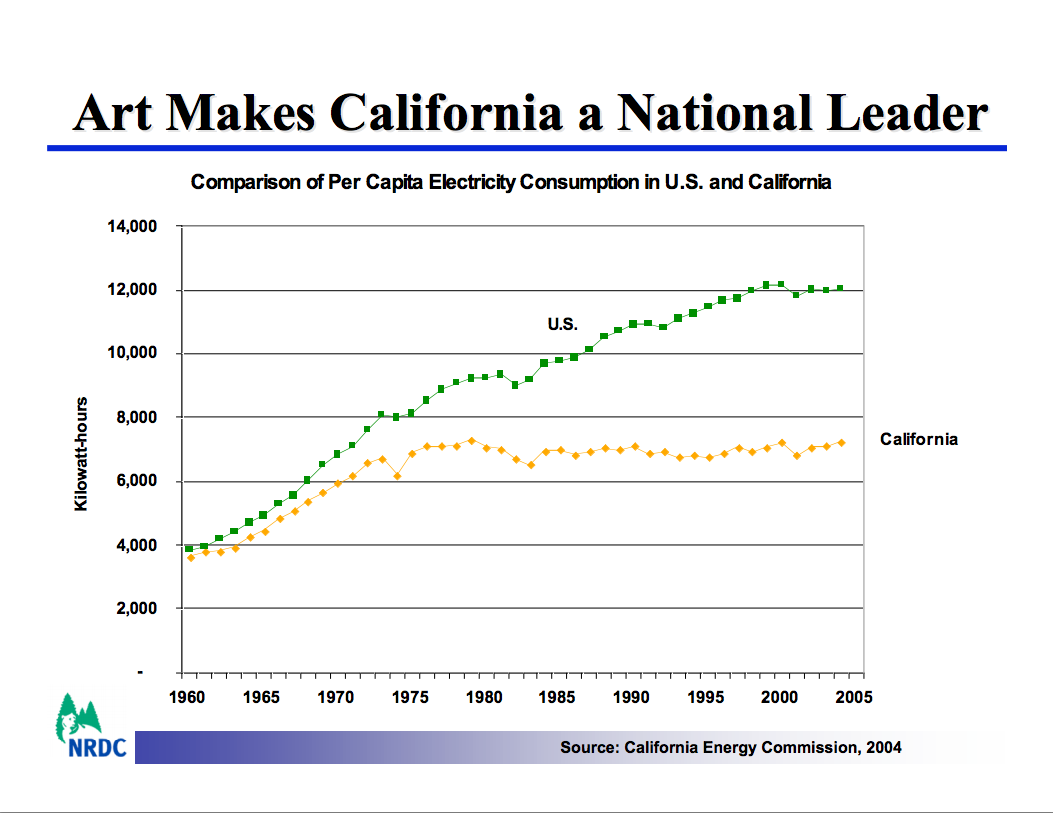
I was impressed by this little tidbit in a recent Title 24 Seminar I attended.  Sometimes the California energy codes seem behind the technology and sometimes overly technical and expensive, requiring expensive gadgets and fixtures, but look at the energy savings!!!

Here is the whole story from the California Energy Commission.


Read Full Post »

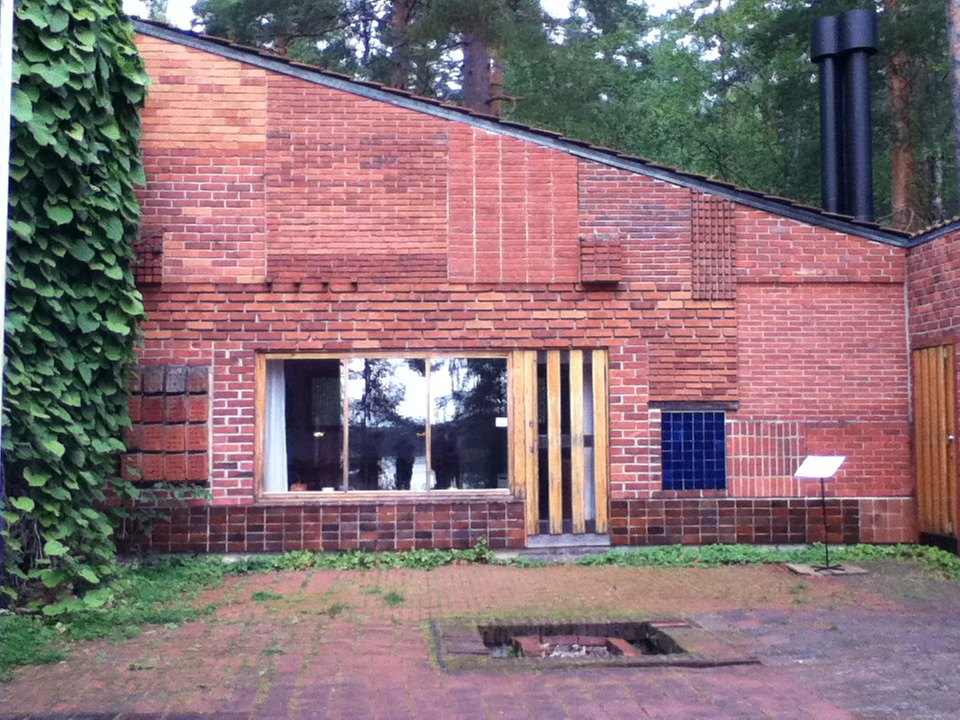
Aalto’s summer house, Muuratsalo, 1953 – brick experiments

I love bricks. The scale of a brick to fit in a human hand allows you to imagine the wall being built one brick at a time. I probably read that somewhere rather than invented it myself, but it’s right. Bricks can also create nice patterns. This photo is of a wall of Alvar Aalto’s summer house on Muuratsalo and maybe was a test palate for different brick options.

I looked up this project up in my one Aalto book, Alvar Aalto by Richard Weston, 1995.  Weston has several pages on these “brick experiments”

“The brickwork is also painted white externally, while inside the courtyard the brick and tile experiments create a rich patchwork-quilt on the walls and floor, which suggest by turn De Stijl-like reliefs, or old walls with redundant door and window openings bricked up and patched over time. The experiments were as much aesthetic as technical: we are in the world of metaphor again , for what are these walls if not imitations of ‘ruins’ – past, or perhaps to come? Is this tiny piazzetta, the atrium of a Pompeian patrician’s dwelling, or the (de)relict room of a large, old house, which has lost its roof and been recolonized as a picturesque courtyard? All these possibilities come to mind: the image is too general to be pinned down to a specific interpretation – it would lapse into kitsch otherwise – and can still be contemplated simply as an abstract collage. Memories of Pompeiana probably played their part. As did those of Italian piazzas. I like to think Aalto intended the walls to be seen as the arch-empiricist’s ironic commentary on the fate of the strict geometric compositions then coming into favor in Finland under the influence of the arch -theorist Aulis Blomstedt, with his pythagorean fascination for number and proportion on the basis of beauty. ” Pg 119-121

There are several more paragraphs of discussion of the meaning of this brickwork in Weston’s book. I think I will let you read the book rather than transcribe it here.


Read Full Post »
Older Posts »