Feeds:
Posts
Comments

Archive for November, 2010

The architectural highlights of my visit to the south rim of the Grand Canyon were a study in contrasts.

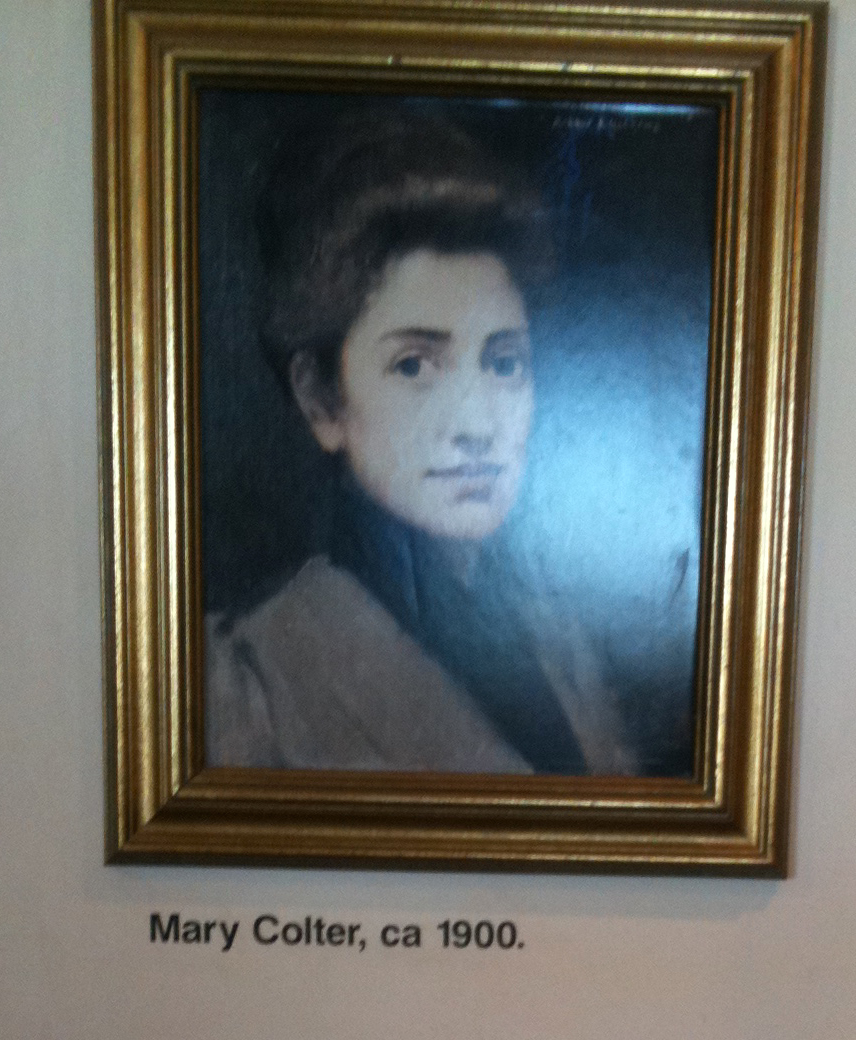
Mary Coulter’s Lookout studio, perched right on the rim is built of the canyon limestone and meant to blend right into the backdrop.
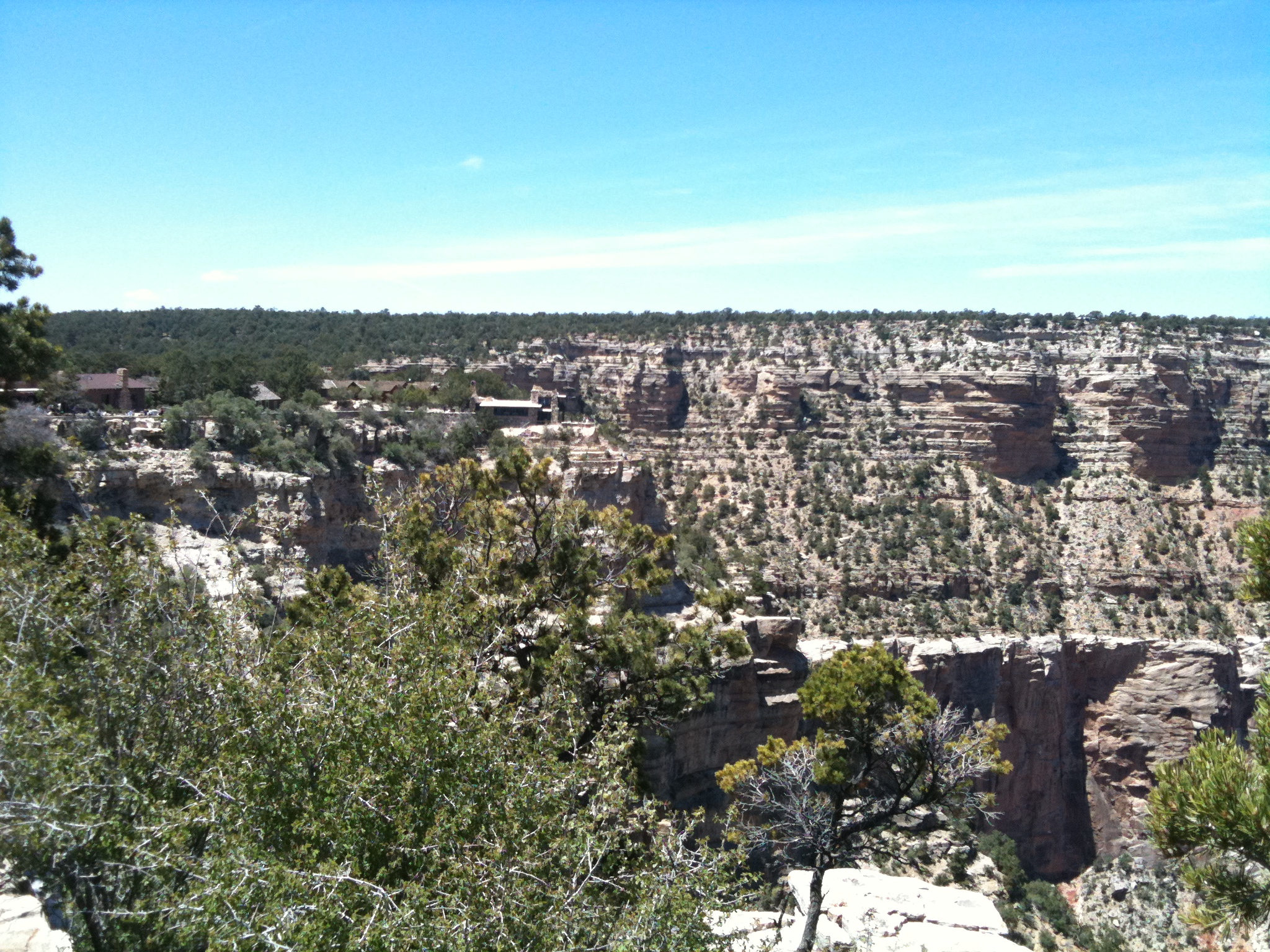
Lookout Studio from afar

She is successful in this goal.  Up close, once you realize there is a building,  the rustic charm is clear.
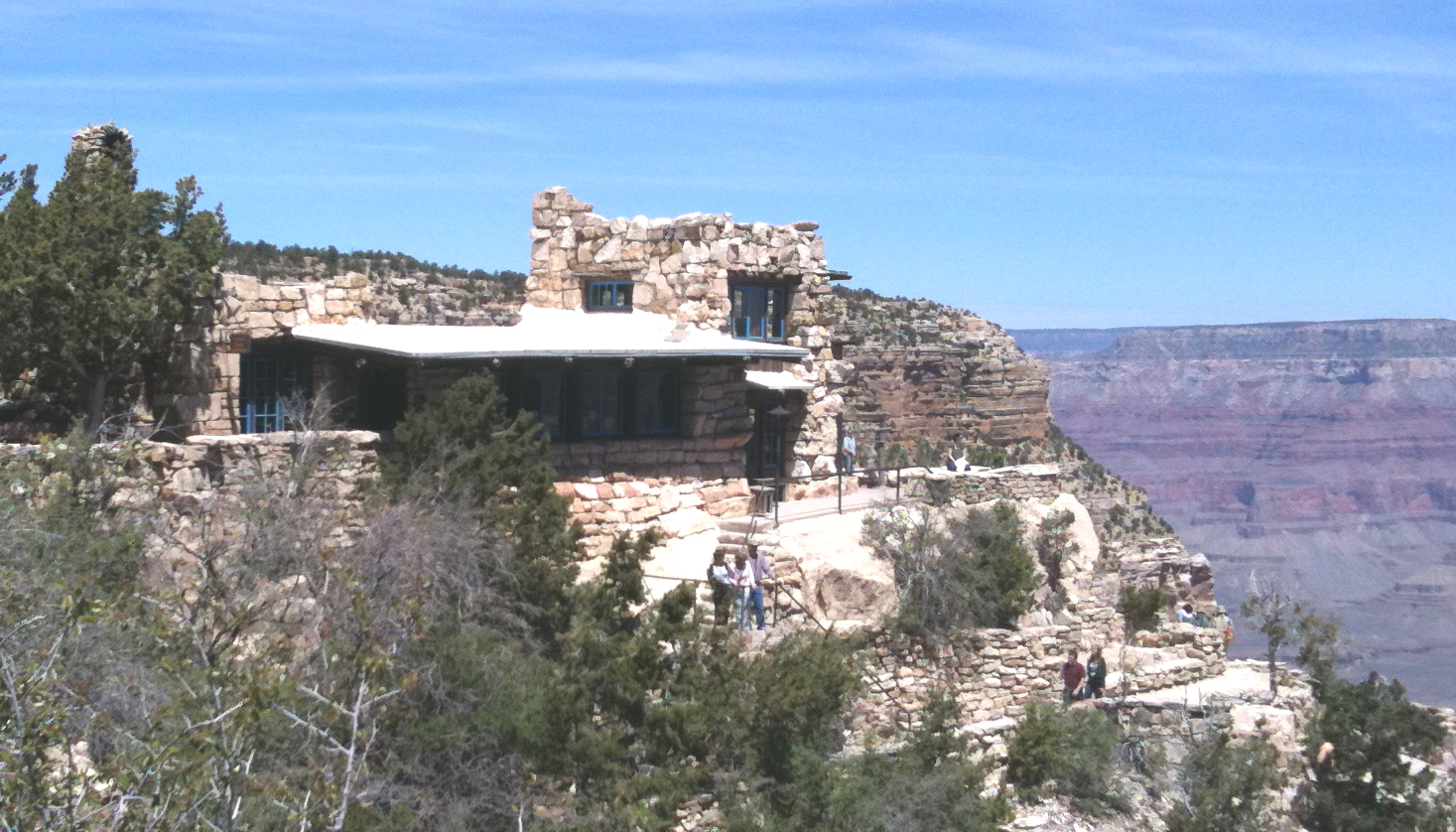
Lookout Studio: 1914, Designer Mary Colter, rough cut limestone to blend with the surroundings
On the other end of the spectrum, there are many buildings and parts of buildings  painted vibrant colors.  These sorts of color schemes are best in the bright clear sunlight of the desert or tropics.
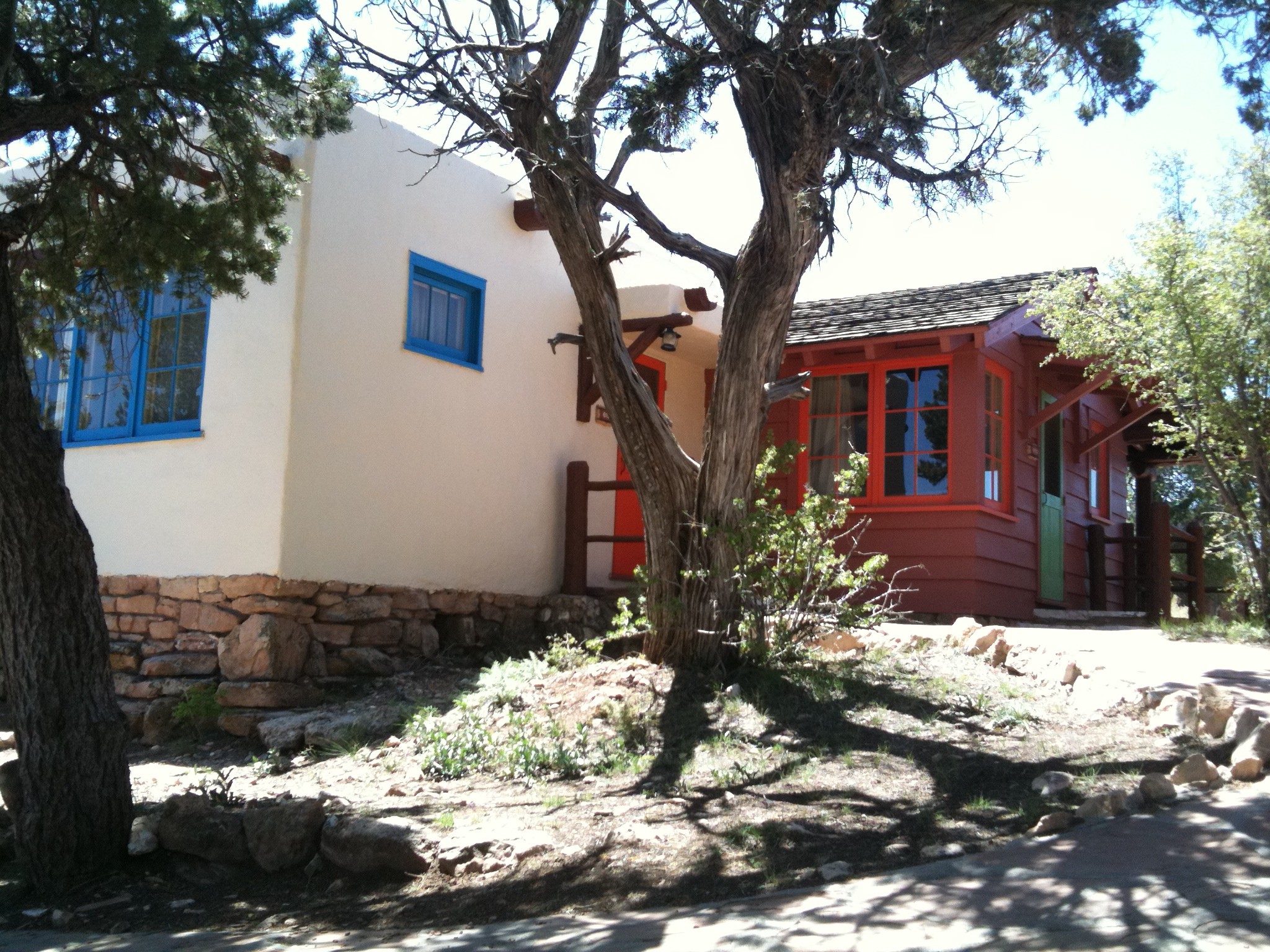
The bright desert sun on some bold color choices
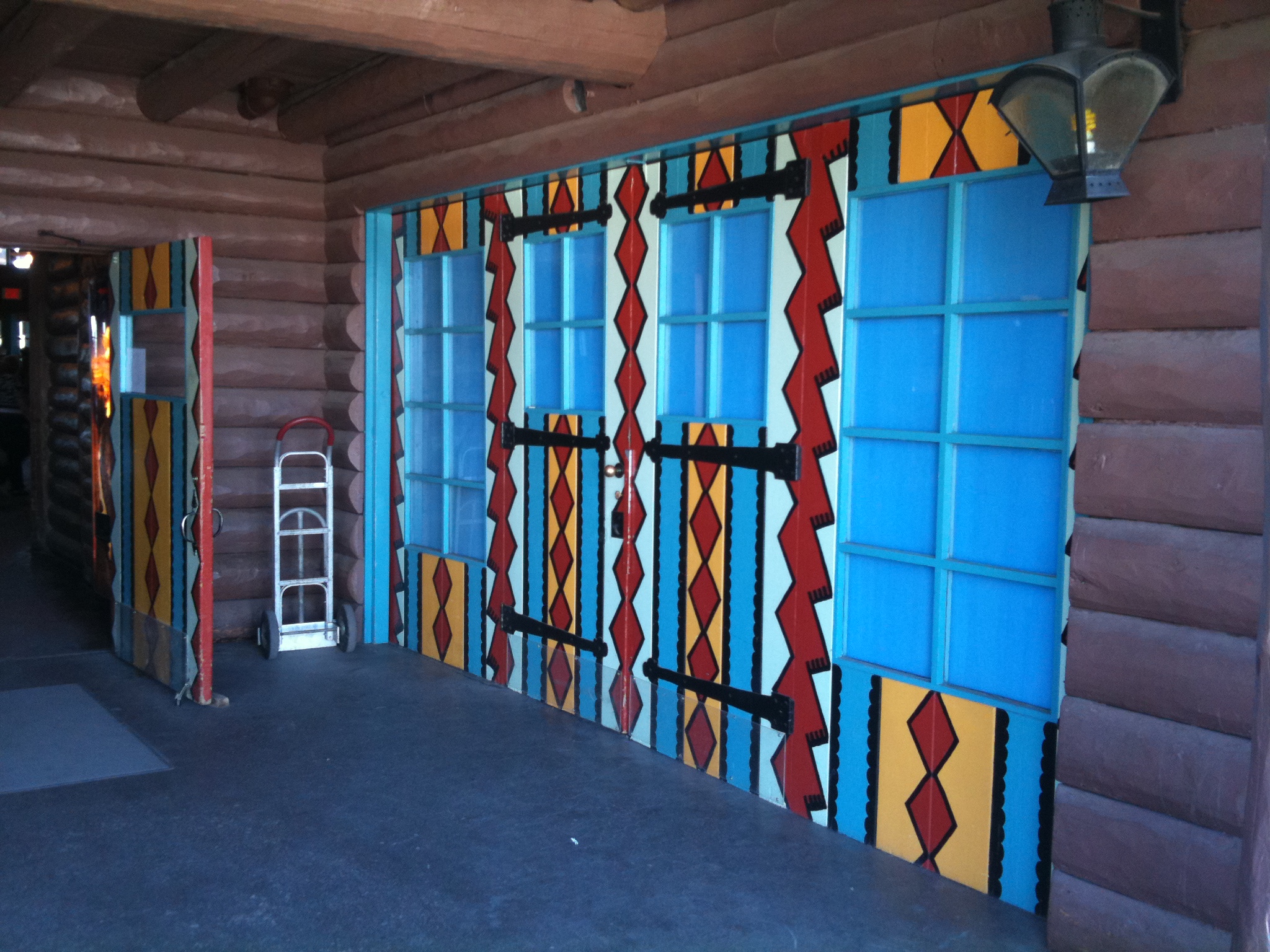
Bright painted doors

I included a photo of the curving metal railing that follows the rim just because it is simple and elegant without being institutional.

elegant curving railings at the edge of the canyon


Read Full Post »

Read Full Post »

Also in New York City, I revisited the wonderful High Line to see how all the plants are doing.  The are doing great!  In late October the High Line is alive with fall colors:

Read Full Post »

Passive house is a fairly new word.  This recent evolutionary step in building technology comes from Austria, but many of the concepts are ancient.   The basic idea is to insulate really well and eliminate random air leakage and thereby require way less heating energy. Ideally all the heat needed will be generated by occupants, their computers and light bulbs,  and the sun.

Pretty simple, right? The devil is in the details.  Real Passive Houses also must pass a performance test to prove they actually work.

Nabih Tahan was an innovator on the west coast. The New York Times published an article about Passive Houses a houses in 2008 that mentions his Berkeley California renovation project.

Unfortunately,  Nabih’s house failed the blower door test for leakiness, so doesn’t actually qualify as a passive house, but he has measured his energy use over the last two years and it performs extremely well. He had to install electric baseboard heaters to satisfy the building code.  He rarely turns on these heaters, but since electric heat is inefficient, (a lot is wasted in transmission) his “source energy load” is slightly over the Passive House requirement.  He thinks that he would have qualified if  he had used gas heaters.

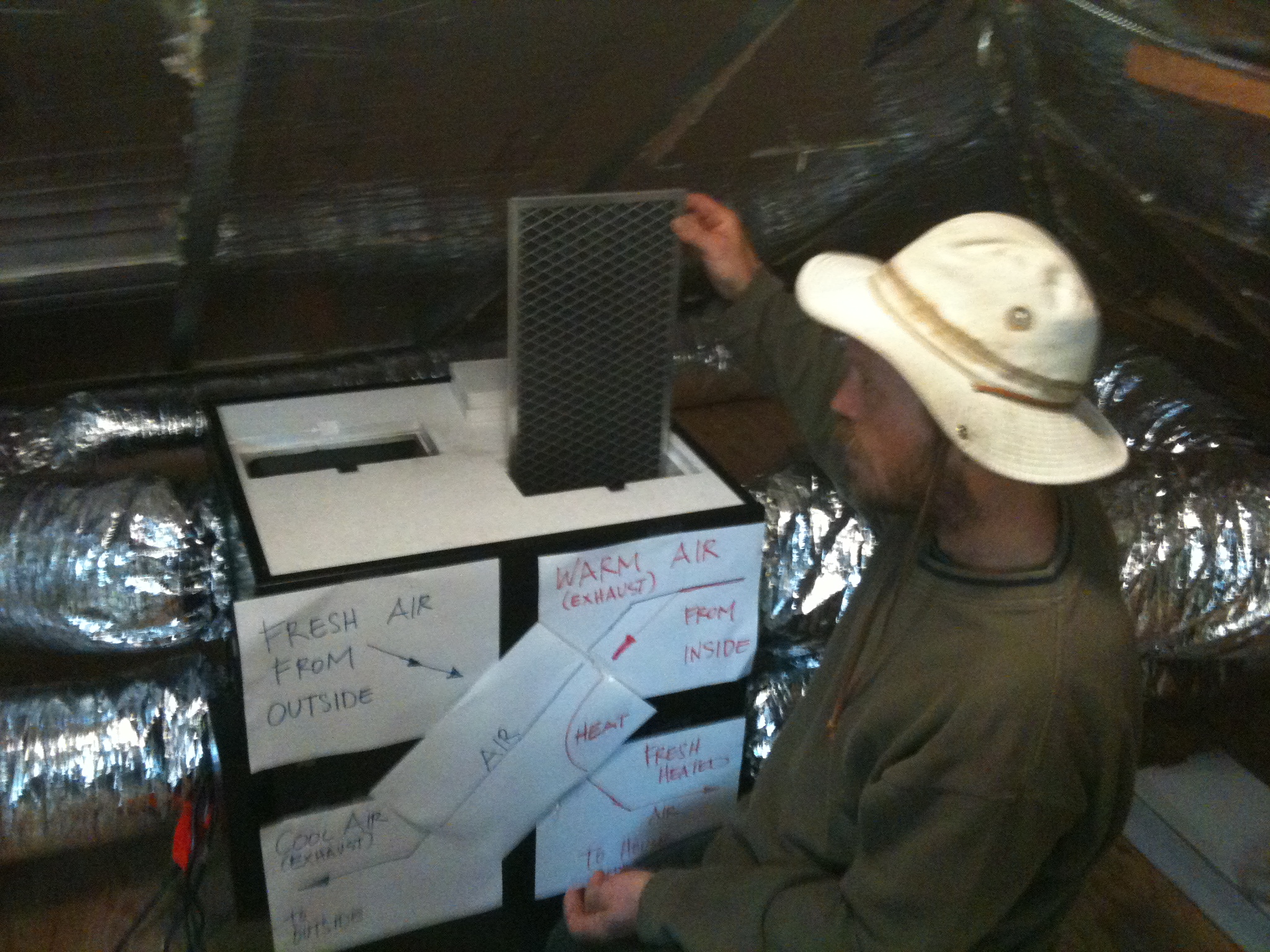
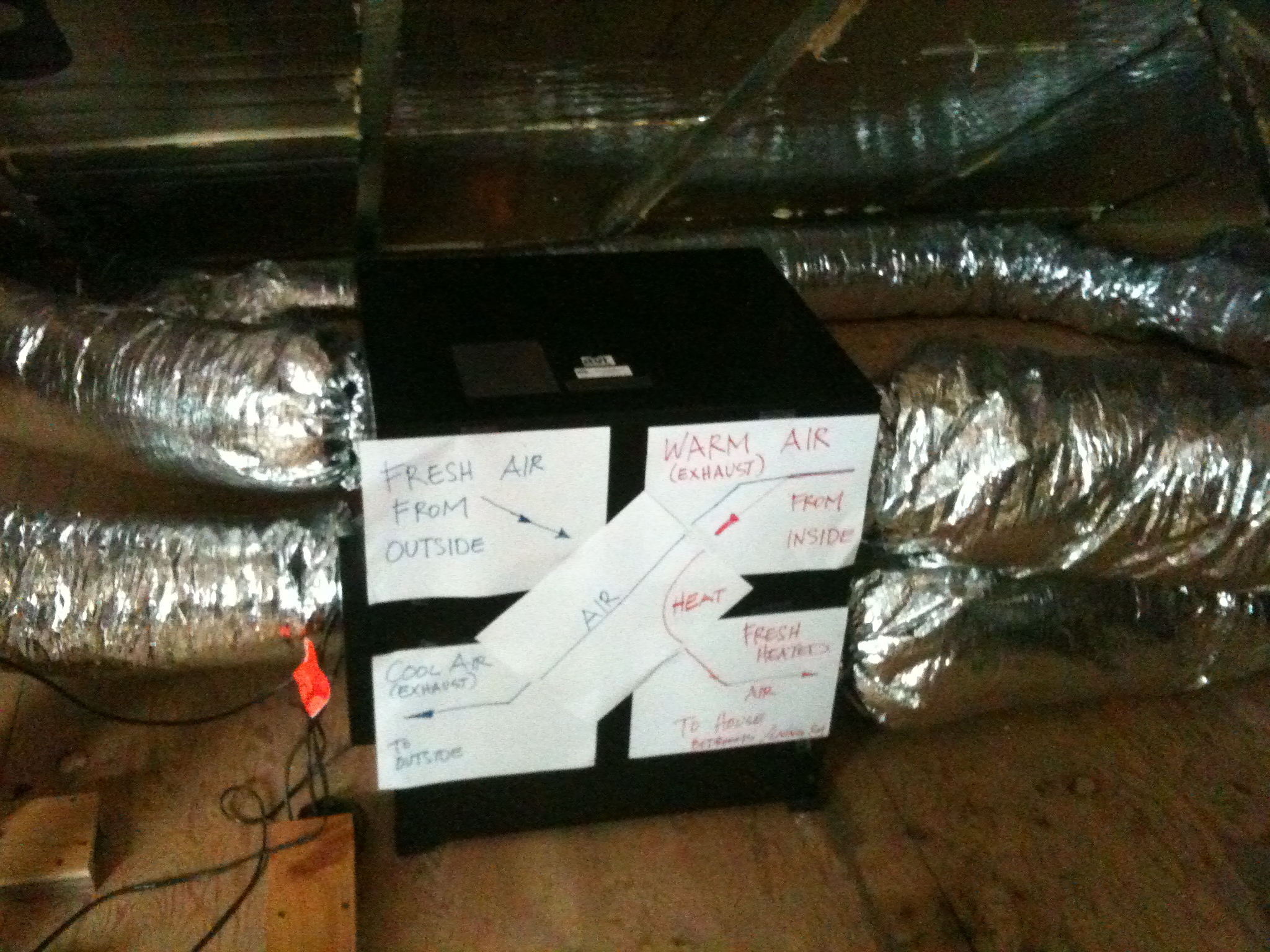
Here is a picture of Nabih’s Air to air heat exchanger (energy recovery ventilator) from Ultimate Air:

The guy in the picture designed and installed the system. His name is is George Nesbitt, and he has a company called Environmental Design-Build.

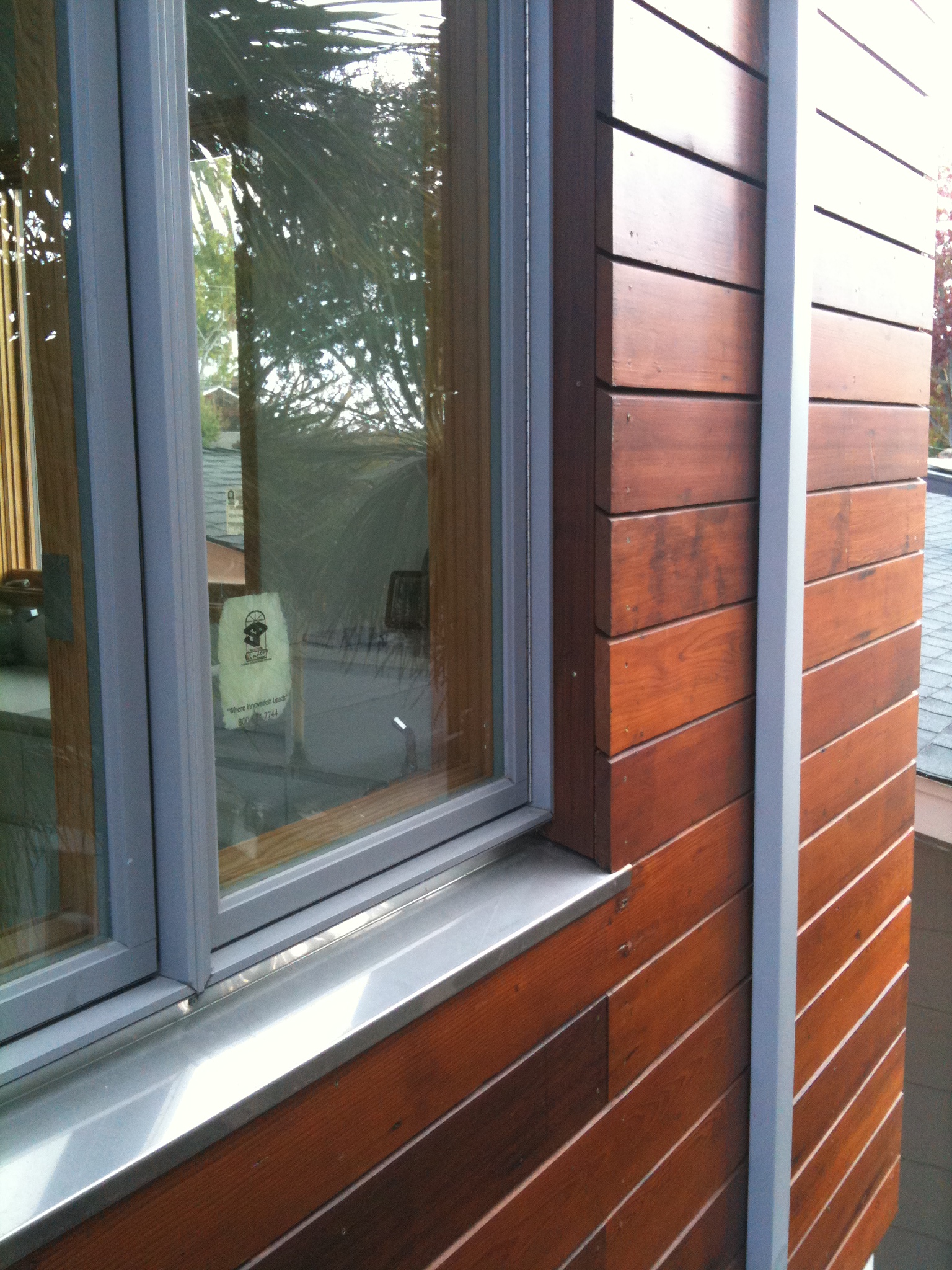
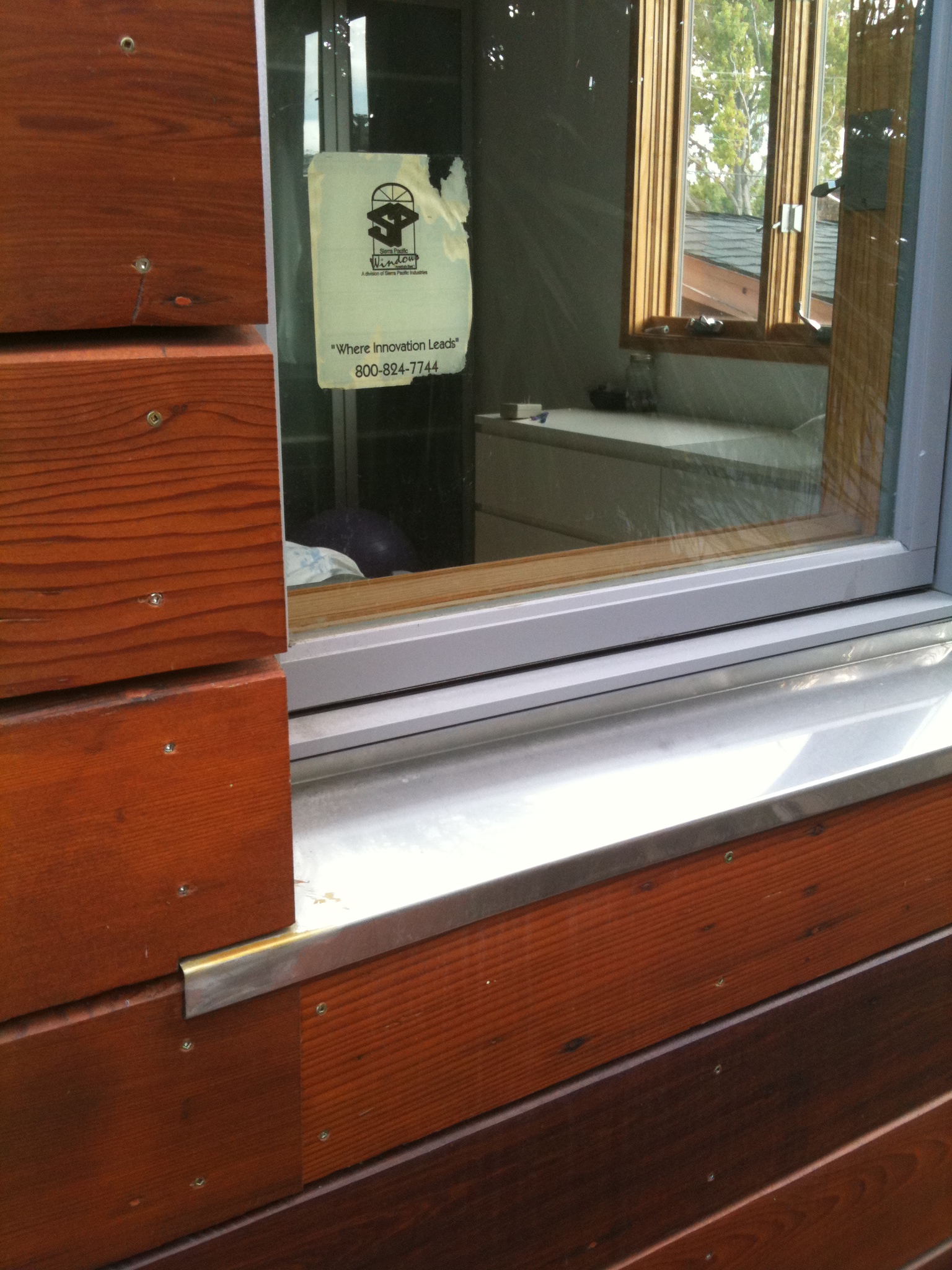
Nabih installed redwood rainscreen siding. I think it was made out of the old siding, milled into flat slats. His window details are pretty nice:

Read Full Post »

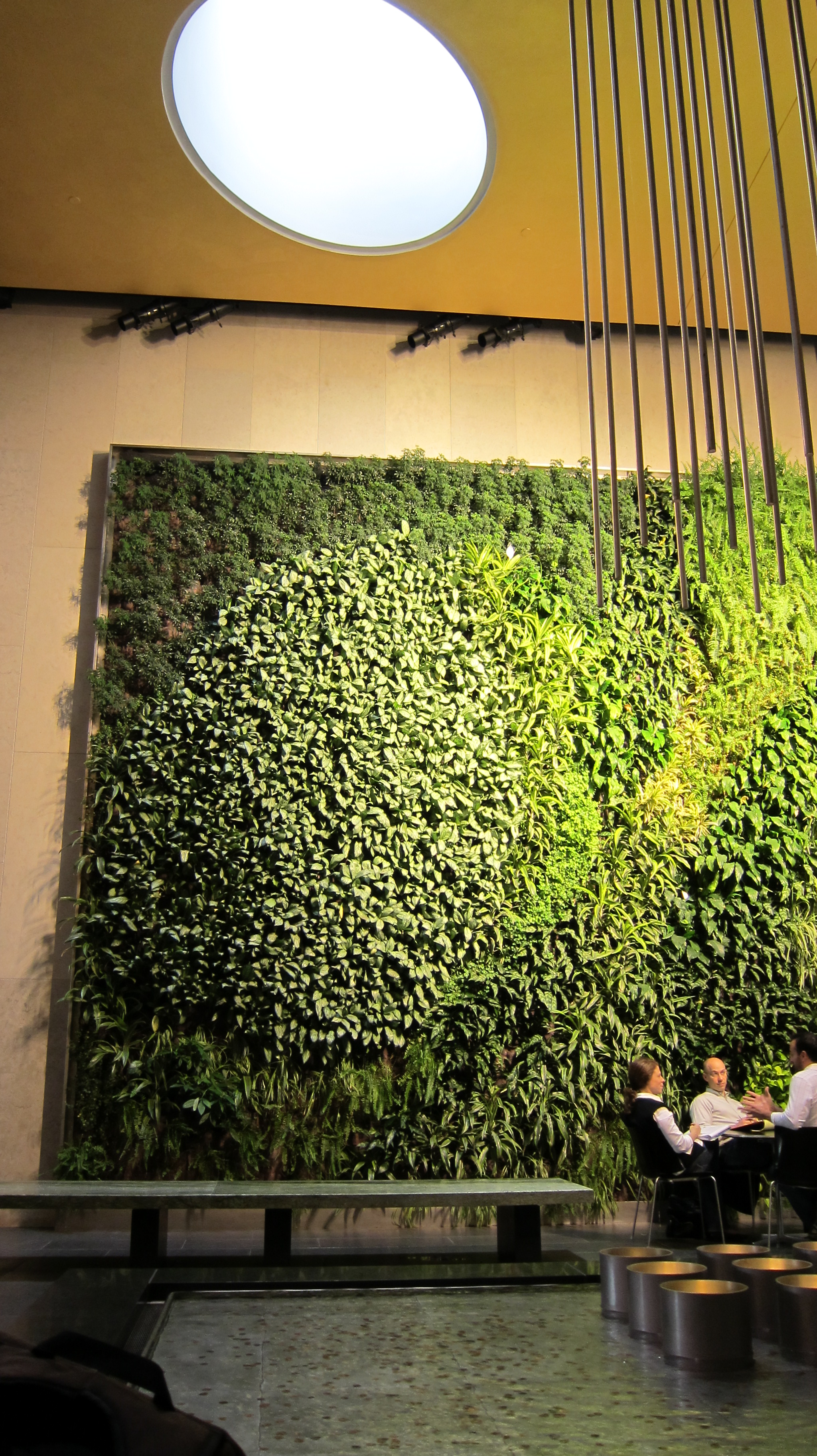
Designed by Tod Williams and Billie Tsien, the David Rubenstein Atrium at Lincoln Center is a very quiet and peaceful retreat from the clamor of Manhattan.

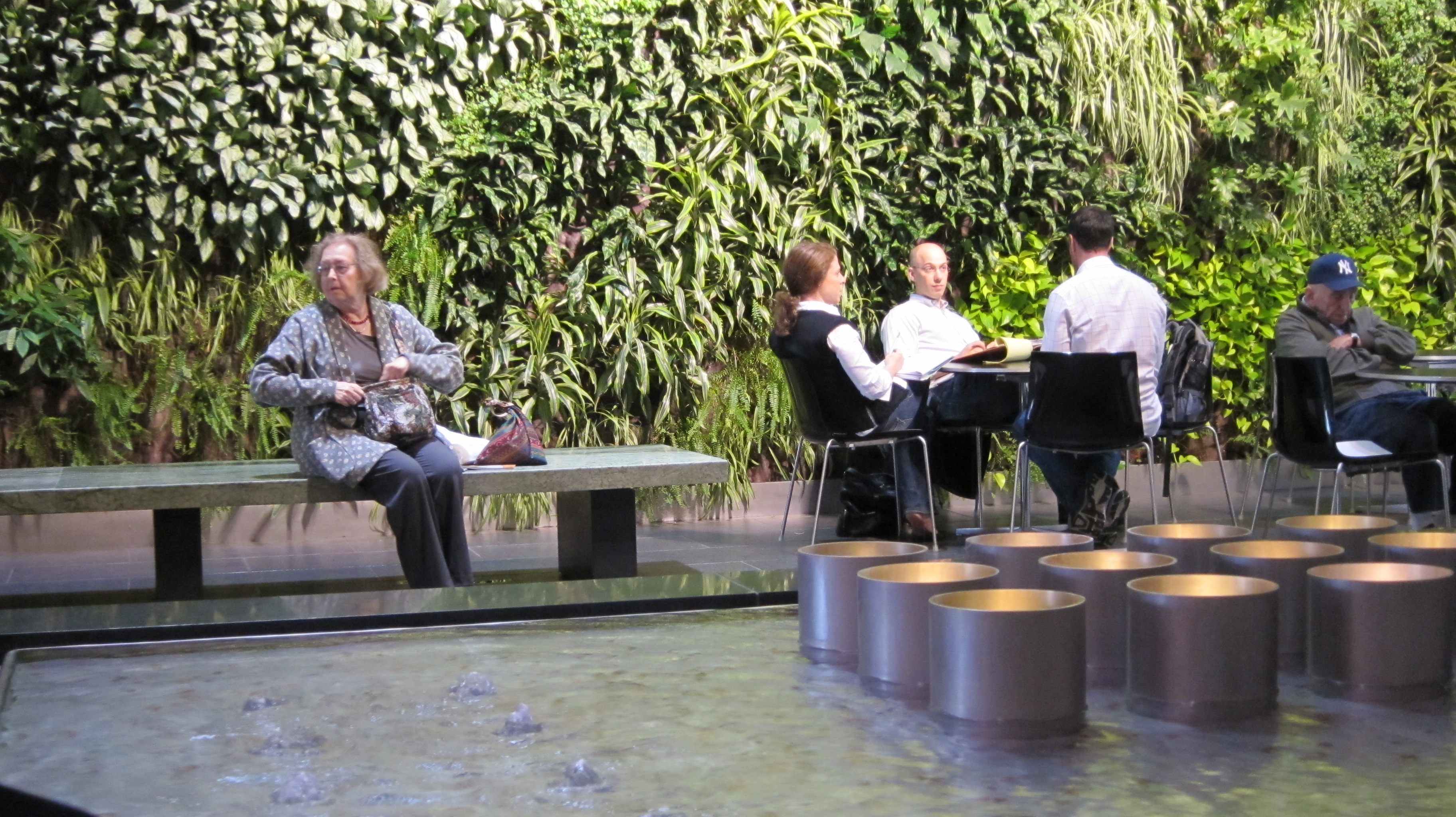
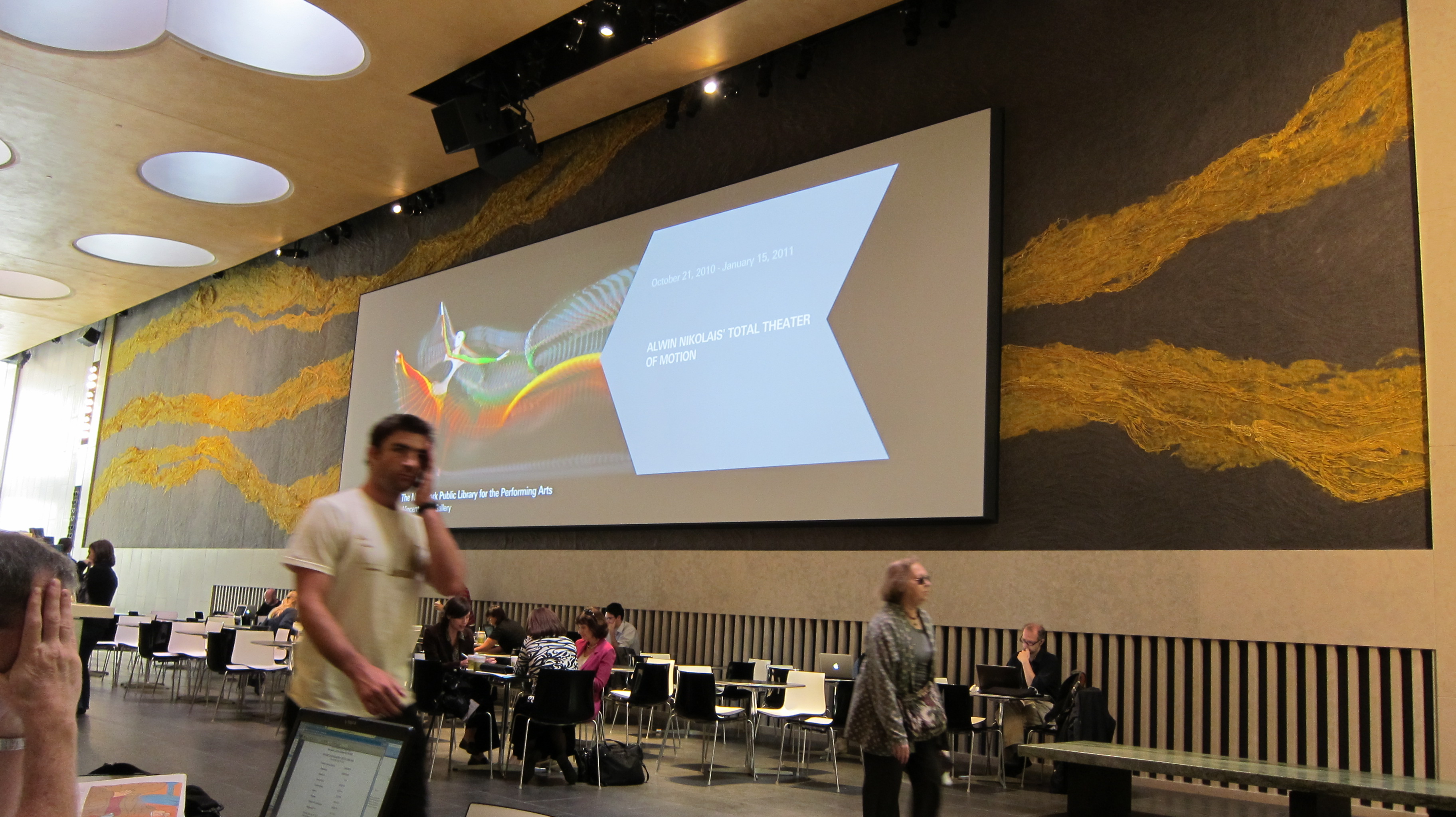
Instead of more mundane and technical solutions, they chose to achieve the desired quiet by commissioning a textile artist to weave giant tapestries and growing plants on other parts of the walls. A subtle water feature completes the effect perfectly.

The plant covered wall and one of many round skylights

The water fountain and the living wall

Handwoven Tapestry and a Computer Screen

Read Full Post »